
Reviewed · AUDIO TOURS
Tokyo Self-Guided Audio Tour
Tokyo is too large for one tidy sightseeing loop, and that is the central idea behind this self-guided audio tour. For $9, you get audio commentary and a map covering 22 major sights, from Tokyo Station and the Imperial Palace gardens to Senso-ji, Ueno Park, Odaiba, and Shibuya Crossing.
I like two things here. First, you can skip places that do not interest you and linger at the ones that do. Second, you are not tied to a guide, group, or fixed meeting point. The main catch is that this is not a live, location-aware tour. You must use the map, choose your route, and make your own way between widely separated districts.
In This Review
- Key points to know before you book
- What the $9 tour really gives you
- Tokyo Station and the Imperial Palace area
- Yasukuni Shrine and Shinjuku Gyoen
- Tokyo Metropolitan Government Building, Meiji Shrine, and Shibuya
- Roppongi’s art museums and Tokyo Tower
- Hama Rikyu, Rainbow Bridge, and Odaiba
- Tokyo Skytree, Senso-ji, and Asakusa
- Ueno Park and three major museums
- How to plan the route without wasting time
- The audio format, strengths and limits
- Who should book this $9 experience?
- Should you book the Tokyo Self-Guided Audio Tour?
- FAQ
- How much does the Tokyo Self-Guided Audio Tour cost?
- How long does the tour last?
- How many attractions are included?
- Is transportation included?
- Are entrance fees included?
- Where does the tour start and finish?
- How do I access the audio guide?
Key points to know before you book
- Twenty-two attractions in one audio playlist: The route covers historic temples, imperial gardens, museums, modern towers, shopping districts, and public parks.
- A flexible six-day access window: Your private audio and map links remain valid for up to six days, so you can spread the stops over several outings.
- No transport is included: You pay for trains, subway rides, walking routes, and any admission fees separately.
- A map does the guiding: You receive a Google My Maps link, with each attraction connected to its audio track.
- Several stops charge admission: Shinjuku Gyoen, museums, Tokyo Tower, Mori Art Museum, Odaiba attractions, and other sites may require extra payment.
- Best for independent visitors: I would choose this for someone comfortable navigating Tokyo with a phone, not for someone expecting a guide waiting at each stop.
What the $9 tour really gives you
The price is appealing. A private guided experience across 22 Tokyo sights would cost far more, while this product gives you a low-cost way to add context to places you might already visit.
You receive two links on your selected date, before your chosen starting time. One opens the audio content through SoundCloud. The other opens an interactive Google My Maps route. You can listen to individual tracks or play through the full set while planning your day.
The audio can be used without staying online, which is important in Tokyo. Still, save the links and prepare before leaving your hotel. The instructions place some responsibility on you to open the correct map point and start the matching audio. This is not an app that automatically notices where you are.
The access links remain valid for up to six days. That is useful because the 22 stops are spread across central Tokyo, western Tokyo, Roppongi, Tokyo Bay, Asakusa, and Ueno. Trying to visit every stop in four hours would mean rushing past the very places this tour is meant to explain.
The advertised duration is about four hours, but I would treat that as listening time and a rough sightseeing estimate, not a realistic door-to-door route. Transport, walking, photography, food, museum visits, and ticket lines all add time.
A few more Tokyo bookings worth comparing
- Tokyo: Open Top Panoramic Sightseeing Bus with Audio Guide
★ 3.8 · 254 reviews - Tokyo: 60min Panoramic Open Top Bus Tour with Audio Guide
★ 4.0 · 40 reviews - Akihabara: Self-Guided Tour with a special brochure
★ 3.7 · 11 reviews
Tokyo Station and the Imperial Palace area
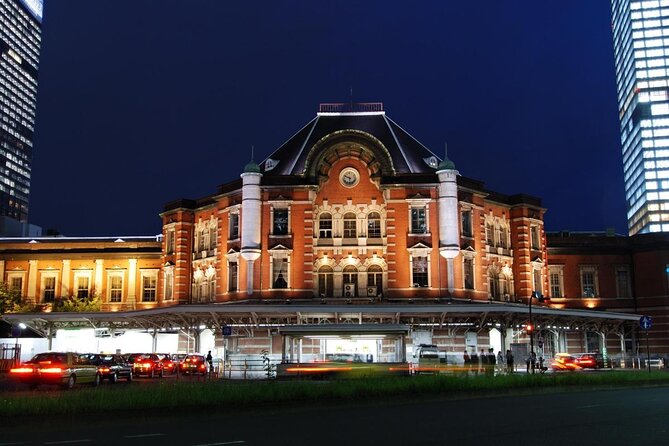
Tokyo Central Railway Station is a sensible place to begin. It gives you a look at one of the city’s key transport hubs while the audio explains the station’s architectural importance and its part in Japan’s modernization.
The station is free to view, but it can be confusing if you wander deep into the rail complex. I would start outside or at a clearly identified central point, then use the map before moving on.
The East Gardens of the Imperial Palace take you into the former grounds of Edo Castle. The appeal here is the contrast between carefully maintained gardens and the remains of a powerful feudal stronghold. The audio introduces imperial history without requiring a formal guide.
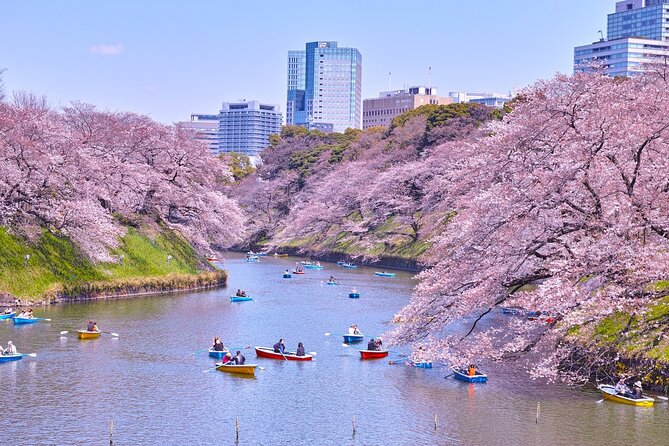
Chidorigafuchi adds a scenic break beside the old castle defenses. It is especially attractive during cherry-blossom season, but the tour does not include admission, and the timing of seasonal highlights matters. If you visit outside spring, the moat and its setting still provide historical interest, but do not expect the same floral display.
Yasukuni Shrine and Shinjuku Gyoen
Yasukuni Shrine requires a thoughtful approach. It is dedicated to Japan’s war dead and carries political and historical questions that cannot be reduced to a quick photo stop. The audio points you toward its cultural significance and controversy, making this one of the more serious stops on the route.
I would not rush through the grounds while treating the shrine like another sightseeing box to tick. Listen first, observe respectfully, and allow extra time if you want to understand the setting.
Shinjuku Gyoen National Garden offers a very different mood. Its gardens bring together Japanese, French, and English styles, and the audio explains its imperial beginnings and later transformation. Entry is not included, so add the admission fee before deciding how much time to spend inside.
This is one place I would consider visiting even if you skip several other stops. The gardens create a pause from Tokyo’s dense streets, and the mix of design styles gives the audio something concrete to point out.
Tokyo Metropolitan Government Building, Meiji Shrine, and Shibuya
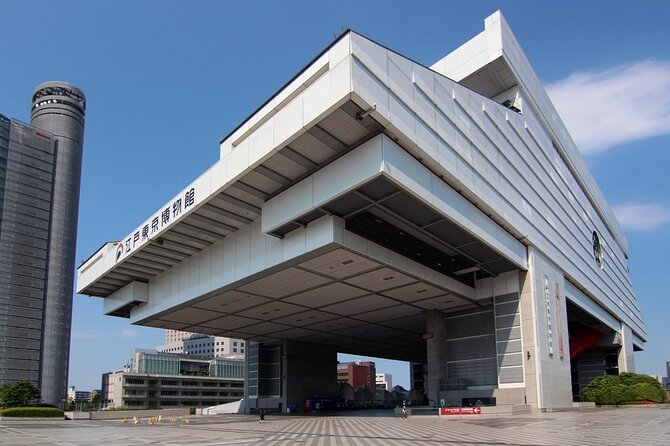
The Tokyo Metropolitan Government Buildings provide a free viewpoint, according to the tour details, with broad city views from above. The audio connects the building’s modern design to the way Tokyo is governed.
Free viewpoints are a strong part of a $9 experience. You can get a sense of the city’s scale without buying a tower ticket, though opening arrangements and access details should be checked before you set out.
Meiji Jingu Shrine is reached through forested grounds dedicated to Emperor Meiji and Empress Shoken. The tour explains Shinto customs and the shrine’s imperial connection. You will get more from this stop if you listen for the meaning of the rituals rather than simply photographing the entrance gates.
Shibuya Crossing brings you back into modern Tokyo. The audio traces the district’s change from a residential area into a fashion and entertainment center. The crossing itself is free, but the real value of this stop is the explanation of how the surrounding district developed.
I like the way these three stops work together: government, sacred tradition, and contemporary city life. They also sit in a practical western Tokyo cluster, though the full 22-stop sequence still requires careful route planning.
Same corner of Tokyo, a completely different plan:
- Mt Fuji and Hakone 1-Day Bus Tour Return by Bullet Train
★ 5.0 · 26,383 reviews - 1-Day Tokyo Bus Tour
★ 5.0 · 14,250 reviews - Tokyo: TOKYO SKYTREE® Admission ticket
★ 4.5 · 11,192 reviews - Tokyo: teamLab Planets TOKYO Digital Art Museum Entry Ticket
★ 4.6 · 9,779 reviews
Roppongi’s art museums and Tokyo Tower
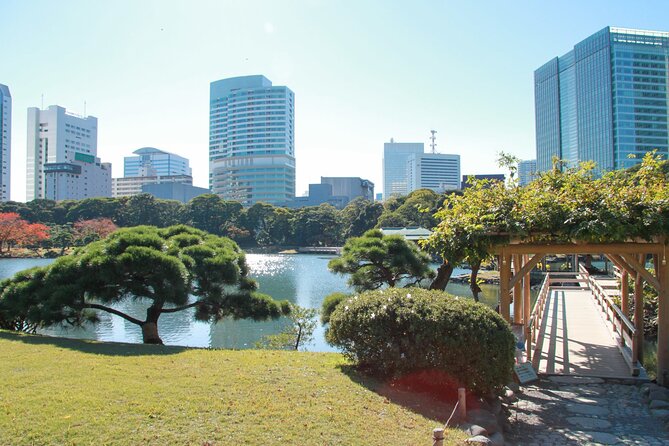
The National Art Center, Tokyo is presented as an empty museum, meaning its unusual building does not hold a permanent collection in the standard way. Instead, it hosts temporary exhibitions. The audio introduces the design and the museum’s role in Tokyo’s cultural life.
Mori Art Museum takes you higher into contemporary art at Roppongi Hills. It also offers city views, but admission is not included. If you want to enter both museums, ticket costs can quickly exceed the original $9 price.
These stops suit you if art is a priority. If not, use the audio tracks as background information and decide on the day whether the paid entry is worth it.
Tokyo Tower is one of the city’s most recognizable structures. Its design was inspired by the Eiffel Tower, and the audio explains its construction and meaning in postwar Japan. The tower is an outside photo stop unless you buy admission.
The nearby Zojoji Temple makes the area especially worthwhile. This Buddhist temple has a connection to the Tokugawa shogunate, and the contrast between its traditional setting and Tokyo Tower is one of the clearest visual pairings on the route. The temple itself is free to visit.
Hama Rikyu, Rainbow Bridge, and Odaiba
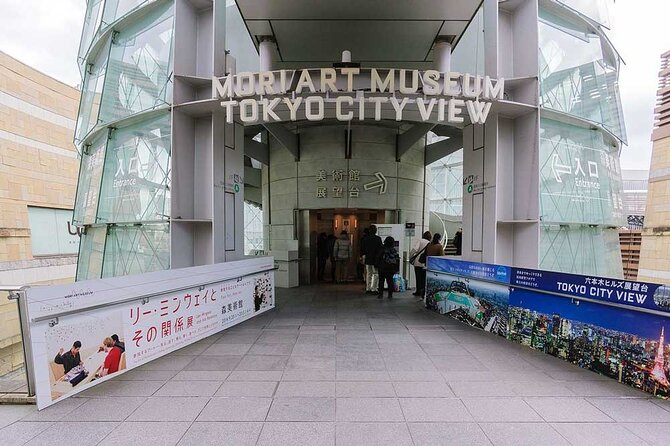
Hama Rikyu Gardens once belonged to a feudal lord and now offer another historic garden within modern Tokyo. The audio follows the site’s changes through the city’s development. Admission is not included, so check the extra cost before entering.
This is a good stop for you if gardens and old Tokyo interest you more than shopping or large museums. It also provides a useful transition toward Tokyo Bay.
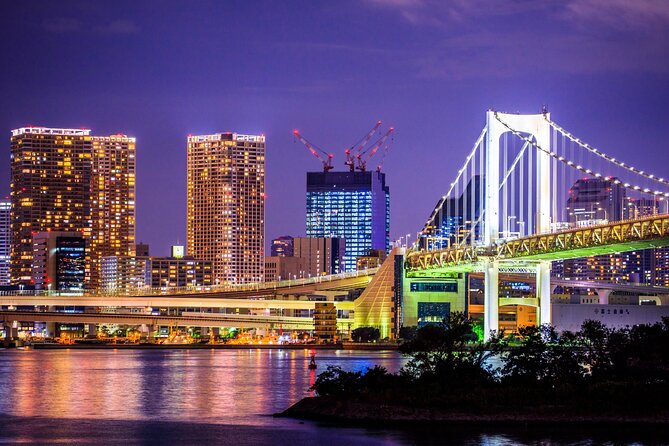
Rainbow Bridge is a free exterior sight and an impressive piece of modern infrastructure. The commentary covers its construction and nighttime illumination. Since the bridge connects areas rather than functioning as a conventional attraction, use the map carefully to identify the intended viewing point.
Odaiba was built on artificial islands and has changed from a defensive project into an entertainment district. The audio gives that transformation a useful frame. Admission to particular attractions is not included, and the district can take more time than a ten-minute audio stop suggests.
I would not try to squeeze Odaiba into a short central Tokyo outing. Treat it as its own half-day area if you want to explore beyond the audio track.
Tokyo Skytree, Senso-ji, and Asakusa
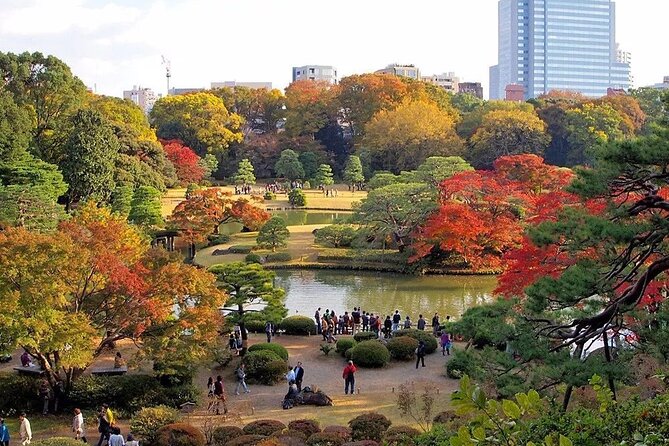
Tokyo Skytree is the modern landmark of this eastern Tokyo section. The audio explains its design and the way traditional Japanese aesthetics influenced the tower. Entry is not included, and an exterior viewing stop is quite different from paying to go up.
Senso-ji is Tokyo’s oldest temple and one of the city’s essential historic sights. The commentary covers its founding legend and role in Edo-period life. The temple grounds are free, though nearby shopping streets and the surrounding district can easily extend your visit.
Asakusa adds wider context. Instead of treating Senso-ji as an isolated monument, the tour places it within a neighborhood where older Tokyo traditions remain visible. The area is free to explore and works well for a slow walk after the temple audio.
This is one of the strongest sections for first-time visitors because it combines a major religious site, a historic district, and the outline of Tokyo’s older urban life. I would give Asakusa more than the suggested ten minutes.
Ueno Park and three major museums
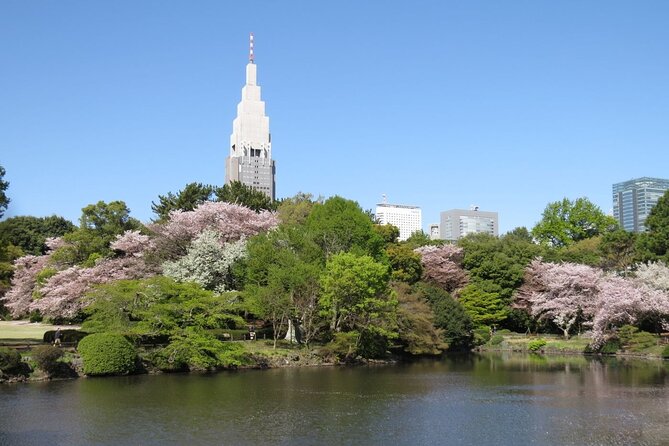
The Tokyo National Museum is Japan’s oldest and largest museum, with Japanese art and antiquities at its center. Admission is not included, and a ten-minute stop is enough only for orientation. If you enter, plan for a longer visit.
The National Museum of Nature and Science focuses on Japan’s natural world and technological progress. It is another paid stop, and its subject matter makes it a good choice for families or anyone who prefers science to art.
The National Museum of Western Art occupies a building designed by Le Corbusier and is noted for its UNESCO World Heritage status. Entry costs extra, but even the building itself gives the stop architectural value.
Ueno Park ties these institutions together. It is free to walk through and is especially well known during cherry-blossom season. The park also helps you understand why this part of Tokyo works as a cultural district rather than just a collection of separate museums.
If you have only one day, I would choose one museum, then use the audio for the others from outside. Buying several admissions can change the economics of this inexpensive tour.
How to plan the route without wasting time
The suggested order lists 22 stops, but you do not need to follow it. Tokyo’s sights are spread too far apart for a sensible visit based only on the numbered sequence.
I would group the tour into sections:
- Tokyo Station, Imperial Palace East Gardens, Chidorigafuchi, and Yasukuni Shrine
- Shinjuku Gyoen, the Metropolitan Government Buildings, Meiji Jingu, and Shibuya
- The National Art Center, Mori Art Museum, Tokyo Tower, and Zojoji Temple
- Hama Rikyu, Rainbow Bridge, and Odaiba
- Tokyo Skytree, Senso-ji, Asakusa, and Ueno Park
The map lets you build your own order. Before leaving, open each destination, note the matching audio title, and decide which locations require admission. This small preparation step can prevent the main problem with the tour: arriving at a stop but playing commentary for somewhere else.
You also need to pay for your own transport. There is no hotel pickup, drop-off, or private vehicle. The starting and ending points are simply Tokyo, Japan, so you can begin and finish wherever suits your plans.
The audio format, strengths and limits
I like the control this format gives you. You can pause for lunch, stop the commentary, spend longer in a garden, or skip a museum without asking a group to wait. A private group can also use the same material at its own pace.
The main weakness is the lack of a live person. If you lose your place, misunderstand the map, or arrive at the wrong entrance, no guide is standing nearby to correct you. The audio does not always adapt to your exact position, so you need to match the track to the attraction yourself.
The tour instructions say you can listen online through the SoundCloud link and use the material without being online. I would still open the content in advance and confirm that both links work before beginning. Customer support is available for access questions, but this is not the same as having on-site assistance.
The experience has a 3.3 rating from 10 reviews, a sign that the format may suit some people very well and frustrate others. The strongest positive point is the freedom to choose your own route. The most serious complaints involve confusing details, difficulty finding the audio, and commentary that did not match the listener’s location.
That makes preparation part of the experience, not an optional extra.
Who should book this $9 experience?
I would recommend it to independent visitors who already understand that Tokyo transport is separate, who enjoy setting their own schedule, and who want basic historical and cultural context at a very low price.
It is also useful for repeat visitors. You can use the audio for unfamiliar districts while skipping landmarks you have already seen.
I would be cautious if you want a polished, guided walk with exact turn-by-turn direction. I would also think twice if you dislike using maps, links, and phone audio while sightseeing. The low price reflects the limited service: you receive digital material, not transport, tickets, or a person leading you through the city.
Because the booking is non-refundable and cannot be amended, read the access instructions and exclusions carefully before paying. The tour is near public transport, and most people can participate, but the product does not promise a single compact route.
Should you book the Tokyo Self-Guided Audio Tour?
Book it if you want a cheap planning tool that adds short explanations to a wide list of Tokyo sights. The six-day access period is useful, the free stops offer good value, and the freedom to choose your own route is the tour’s real strength.
Skip it if you expect a live guide, included transport, automatic location tracking, or admission to the museums and towers. My practical advice is to use it as a flexible audio companion, not as a fully managed four-hour tour. Plan one district at a time, test the links before setting out, and let the paid attractions earn their place in your budget.
FAQ
How much does the Tokyo Self-Guided Audio Tour cost?
The tour costs $9 per person.
How long does the tour last?
The stated duration is approximately four hours. You can also split the experience across multiple days because the access links remain valid for up to six days.
How many attractions are included?
The audio guide and map cover 22 attractions across Tokyo.
Is transportation included?
No. Transportation, including pickup and drop-off, is not included. You must arrange and pay for your own travel between stops.
Are entrance fees included?
No. Entry fees are separate wherever they are required. Several gardens, museums, Tokyo Tower, Mori Art Museum, Odaiba attractions, and Tokyo Skytree may require additional payment.
Where does the tour start and finish?
You choose your own starting and ending points in Tokyo. There is no fixed meeting point because this is a self-guided activity.
How do I access the audio guide?
Before your selected travel date and starting time, you receive an email with an audio link and an interactive Google My Maps link. Each map point connects to the matching audio guide.
New on our Tokyo list
- Tokyo : Kamikaze Street Drift Ride★ 5.0 · 3 reviews
- Private Zen Meditation in English in Shinjuku, Tokyo★ 5.0 · 3 reviews
- Sumi-e Experience in a relaxing green tea shop in Tokyo★ 5.0 · 3 reviews
- Onsen Spa in Tokyo and Asakusa Bar Hopping with Local Guide★ 5.0 · 3 reviews
- Easy for everyone! Now you can play handmade mini shamisen and show off to everyone! Musical instruments, sweets and live music★ 5.0 · 3 reviews
- Tokyo: Private Tsukiji Street Food & Sake with Local Guide★ 5.0 · 3 reviews
- Mt Fuji Exploration Tour with Free Japanese Kusa Mochi from Tokyo★ 4.5 · 3 reviews
- Tokyo Tsukiji Fish Market Walking and Exploring Hidden Gems Tour★ 5.0 · 3 reviews
Audio Tours, compared.
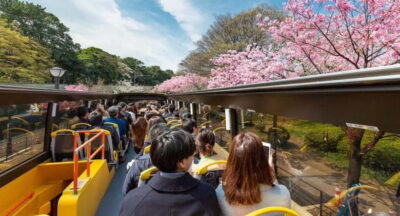
Open Top Panoramic Sightseeing Bus with Audio Guide
Read our review →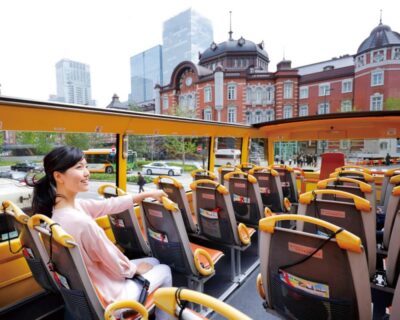
60min Panoramic Open Top Bus Tour with Audio Guide
Read our review →
Sumo Keiko Training Tour with Audio Guide & Photo
Read our review →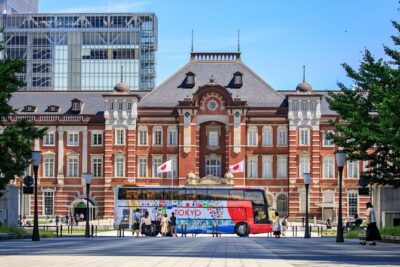
Browse the lists this tour appears in