
Reviewed · SUMO EXPERIENCES
Tokyo: Sumo Keiko Training Tour with Audio Guide & Photo
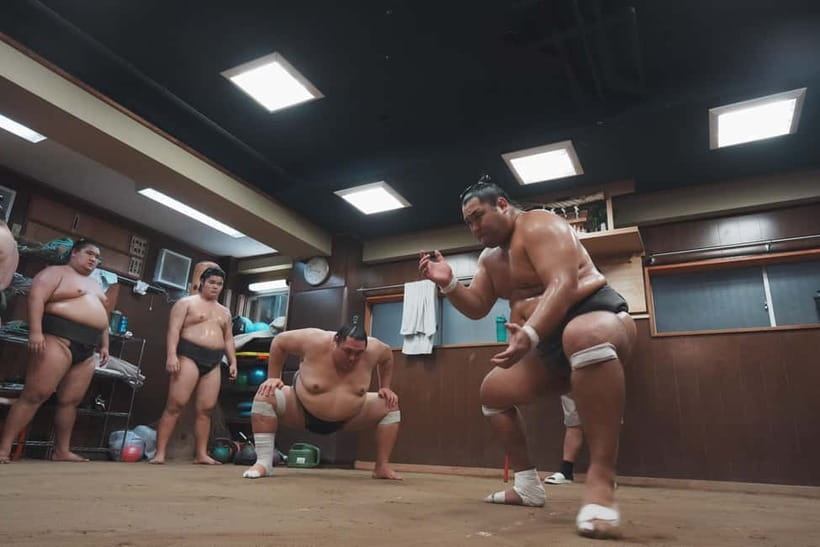
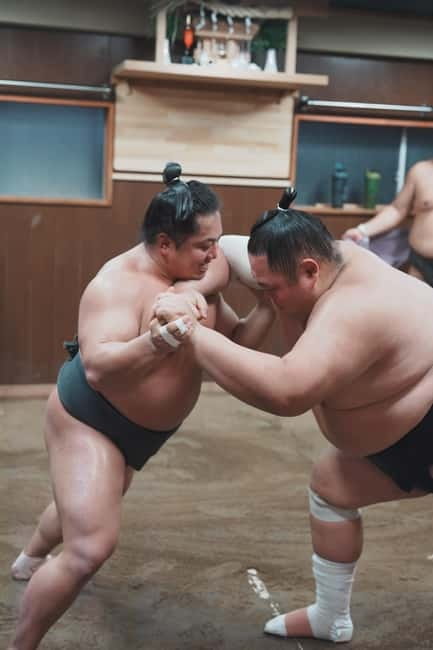
Professional sumo practice is far more revealing than a polished tournament bout. At Nakamura-beya Sumo Stable, you see wrestlers work through the daily discipline behind the sport, close to the floor and next to Ryogoku Kokugikan. The training can make sumo feel less like a spectacle and more like a demanding craft.
I like the short walk from JR Ryogoku Station, and I like the practical setup: air-conditioning, Wi-Fi, charging stations, a training pamphlet, and a photo with the wrestlers. The main catch is comfort. Bench chairs are limited, so most people sit on cushions for up to 90 minutes and must remain quiet while practice is underway.
In This Review
- Key points
- Why a Training Stable Tells You More Than a Tournament
- Arriving Beside Ryogoku Kokugikan
- What Happens During the 40 to 90 Minute Visit
- Understanding the Action With the Audio Guide
- The Photo With the Wrestlers
- How the $85 Price Works for You
- Rules That Shape the Experience
- Who Will Get the Most From Nakamura-beya
- Pairing the Visit With Ryogoku Sights
- Booking Flexibility and Timing
- Should You Book This Sumo Training Visit?
- FAQ
- Where does the sumo training tour begin?
- How long does the activity last?
- Which languages are available?
- Do I need to bring earphones?
- Is a photo with the sumo wrestlers included?
- Can children join the tour?
Key points
- Real training at Nakamura-beya: Watch professional wrestlers practice in their own stable, not a staged demonstration.
- Only two minutes from JR Ryogoku Station: The meeting point is beside Ryogoku Kokugikan National Sumo Arena.
- Audio support in several languages: Commentary covers sumo ranks, history, and training methods in Chinese, English, French, German, Hindi, Italian, Japanese, Korean, Polish, Spanish, and Portuguese.
- A photo with sumo wrestlers is included: This gives you a clear souvenir after the quiet observation period.
- Comfortable modern facilities: Air-conditioning, free Wi-Fi, and charging service help during the visit.
- Strict viewing manners: No flash, sunglasses, or bare feet, and late arrivals lose viewing time.
Why a Training Stable Tells You More Than a Tournament
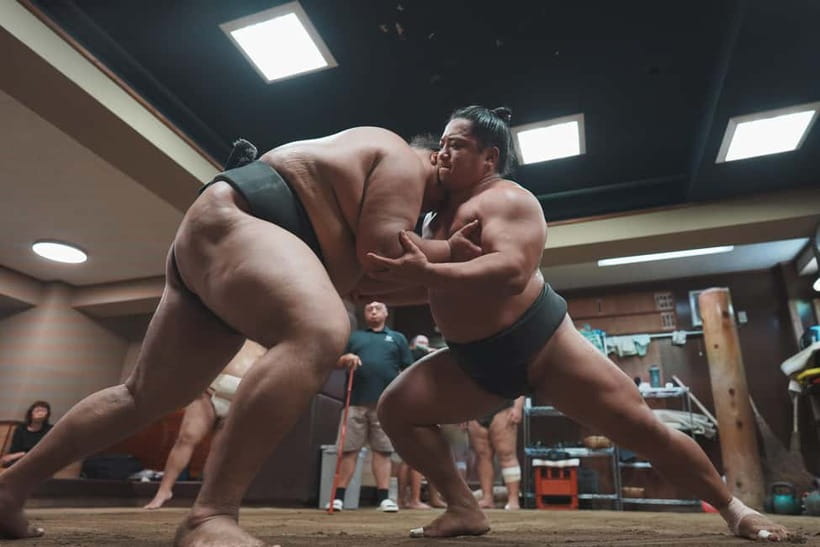
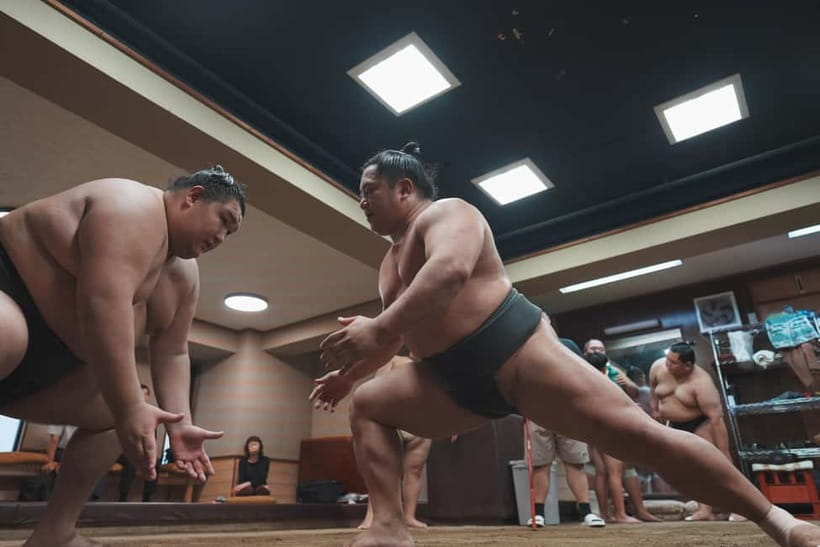
A tournament shows the final clash. A training session shows the repetition that makes the clash possible. You may see wrestlers working through movements, balance, force, and timing, with the room focused on practice rather than crowd reaction.
That difference matters. Sumo is often introduced through colorful belts, huge bodies, and dramatic matches. Here, the focus is on the work itself. The audio guide helps explain the ranks, the structure of the sport, and the techniques you are watching, so you are not left guessing why a movement matters.
The setting also gives this experience its value. You are visiting Nakamura-beya, a working sumo stable, rather than simply viewing an exhibit about sumo. The activity does not promise a tournament match, and you should not expect one. Its appeal is the chance to watch training at close range in the place where it happens.
A live guide speaks English, Japanese, and Korean. You can also use the audio guide on your phone in a broader selection of languages. The combination works well for mixed-language groups, though you need to bring your own earphones if possible.
More sumo mornings:
- Tokyo: Sumo Show Experience with Chicken Hot Pot and a Photo
★ 4.8 · 6,678 reviews - Tokyo: Sumo Show and Dining Experience
★ 4.8 · 2,742 reviews - the SUMO show
★ 5.0 · 1,960 reviews
Arriving Beside Ryogoku Kokugikan
The meeting point is easy to reach. Nakamura-beya is about two minutes from JR Ryogoku Station and next to Ryogoku Kokugikan National Sumo Arena. That makes this a good choice for a morning or afternoon built around sumo, since you do not need a long transfer across Tokyo before the activity begins.
I would arrive early enough to find the stable, use the restroom, and settle in. Restroom use is meant to happen before you join the session, and there is no promise of a break during practice. Late arrivals can enter, but their viewing time is shortened and the session is not extended.
The location also helps you build a fuller Ryogoku visit. Afterward, you can walk to the Sumo Museum and continue toward the Tokyo waterfront. The tour itself is short enough to combine with other sights, but avoid packing your schedule too tightly if you want time to look around the sumo district.
The provider supplies directions, including a video guide for finding the meeting point. That is useful in a city where a two-minute walk can still involve several station exits and busy streets.
What Happens During the 40 to 90 Minute Visit
The advertised duration varies from 40 to 90 minutes, and the full visit is also described as lasting about 1.5 hours. Check the available time when booking, because the exact viewing length can depend on the selected start time.
You begin and end at Nakamura-beya. There is no hotel pickup or drop-off, so you handle your own transport to Ryogoku. Once inside, you receive the sumo training pamphlet and instructions for watching practice respectfully.
The most important instruction is simple: watch quietly. This is a working session, not a performance designed around audience participation. Avoid chatting while the wrestlers practice, and keep your attention on the room. That quiet atmosphere is part of what makes the visit feel genuine, but it may not suit someone who wants a lively, highly interactive show.
You may sit on a cushion for roughly 1.5 hours. A limited number of bench chairs is available, with priority for people with disabilities. If sitting on the floor is difficult, consider this point before paying. The stable has air-conditioning, which makes the arrangement more manageable, particularly during Tokyo’s hot or humid months.
Bring earphones for the audio guide. If you forget them, a pair can be lent to you, but carrying your own avoids a small delay and lets you listen comfortably. Your phone is the tool for the audio commentary, so charge it beforehand, even though charging stations are available.
Understanding the Action With the Audio Guide
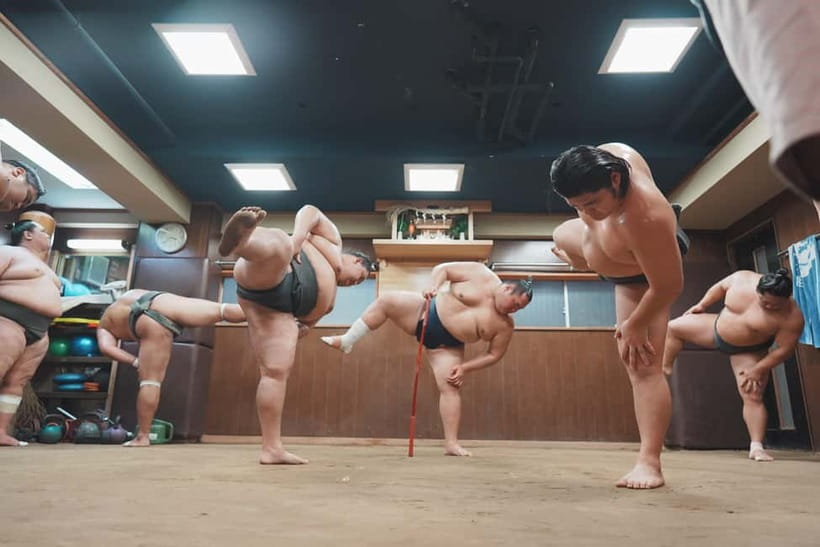
Sumo has rules and customs that are not always obvious from the outside. The audio guide gives you a way to follow along without interrupting the practice. It covers sumo history, ranks, and training techniques, helping you connect what you see with the larger structure of the sport.
The language selection is a real advantage for international groups. Audio is available in Chinese, English, French, German, Hindi, Italian, Japanese, Korean, Polish, Spanish, and Portuguese. A live guide is also available in English, Japanese, and Korean.
You should not expect a long classroom lecture. The format is better suited to short explanations while you observe. Look at the wrestlers, listen for the relevant information, and use the pamphlet to reinforce the basic points. If you already know a lot about sumo, the close view of training still gives the activity something extra. The physical detail is difficult to understand from television alone.
This is also where the experience earns its price. You are not paying only for a seat and a photograph. You are paying for access to a professional practice setting, interpretation in multiple languages, and a location that makes it easy to continue exploring Ryogoku afterward.
A few more Tokyo bookings worth comparing
- Tokyo: Open Top Panoramic Sightseeing Bus with Audio Guide
★ 3.8 · 254 reviews - Tokyo: 60min Panoramic Open Top Bus Tour with Audio Guide
★ 4.0 · 40 reviews - Akihabara: Self-Guided Tour with a special brochure
★ 3.7 · 11 reviews - Tokyo Self-Guided Audio Tour
★ 3.5 · 10 reviews
The Photo With the Wrestlers
The photo is taken after the viewing portion and is included in the price. It gives you a tangible memory of the visit, especially if this is your first time seeing sumo in Japan.
Keep your expectations sensible. The main activity is observation, not a long meet-and-greet. The photo is a short closing moment after the training session, and the quiet rules still matter while practice is happening.
Photography during the visit is allowed, but flash photography is not. Turn off your flash before entering, and follow any instructions given by the staff. Sunglasses are not permitted, and you must wear footwear rather than going barefoot.
The photo also helps distinguish this tour from simply walking around the outside of Ryogoku Kokugikan. You get to leave with a personal record of being inside a sumo stable, not just a picture of the arena facade.
How the $85 Price Works for You
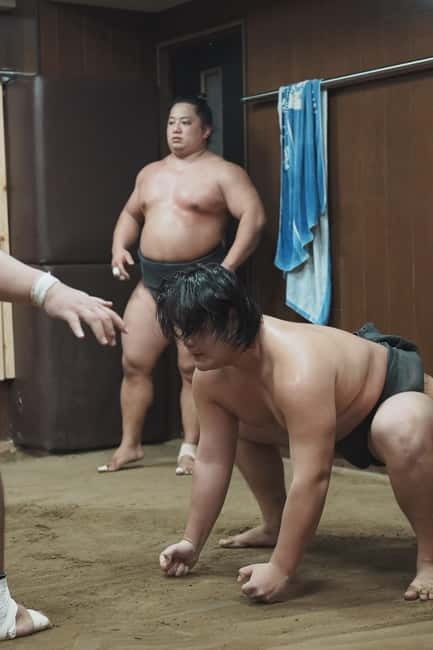
At $85 per person, this is not a budget attraction. The value depends on what you want from your Tokyo day.
If you only want to learn a few basic facts about sumo, the Sumo Museum near Ryogoku Kokugikan may be enough, and it is part of a less expensive self-guided outing. If you want to see an actual practice session at close range, the price becomes easier to justify. Access to a working stable is the central feature, and the location saves time.
The package also includes several useful extras: the multilingual audio guide, live language support in English, Japanese, and Korean, the printed pamphlet, Wi-Fi, charging service, and the photo with the wrestlers. None of these replaces the training itself, but together they make the visit more convenient for people who do not speak Japanese.
The strongest value is for someone who has already seen sumo on television or read about its traditions and wants to understand the athletes’ work more clearly. One verified booking described the experience as close and personal, with a stronger appreciation for the wrestlers afterward. That is a fair way to view the activity: it gives physical scale and effort to a sport that can seem simple when reduced to a few seconds of competition.
The weakest value is for someone expecting a full tournament match, a long guided talk, or guaranteed chair seating. The experience is quiet, brief by major-attraction standards, and focused on practice.
Rules That Shape the Experience
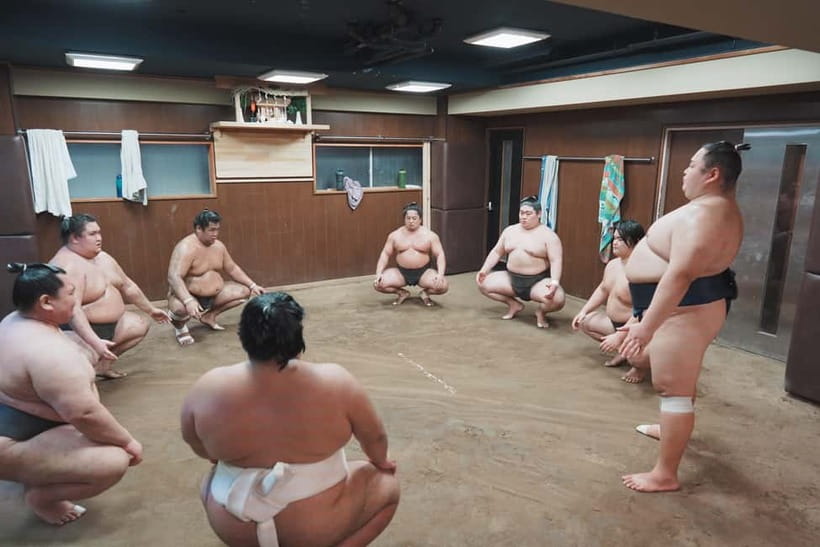
The restrictions are not random. A sumo stable is a place where athletes are training, so the visit depends on keeping distractions low.
You should prepare for these rules:
- Do not speak during practice.
- Do not use flash photography.
- Do not wear sunglasses.
- Do not go barefoot.
- Use the restroom before joining.
- Bring earphones for the audio guide.
- Arrive on time, since late arrival reduces your viewing period.
- Children must be at least six years old.
The no-talking rule may be the biggest adjustment for families. Children under six cannot join, and older children need to understand that this is a quiet observation activity rather than an entertainment show. Families with children who enjoy sports, rituals, or unusual cultural experiences may find it worthwhile, provided they can sit still and follow directions.
People with mobility concerns should also note the seating arrangement. Bench chairs are limited and reserved first for visitors with disabilities. Most others use cushions, so this is worth considering when deciding if the tour fits your body and comfort needs.
Who Will Get the Most From Nakamura-beya
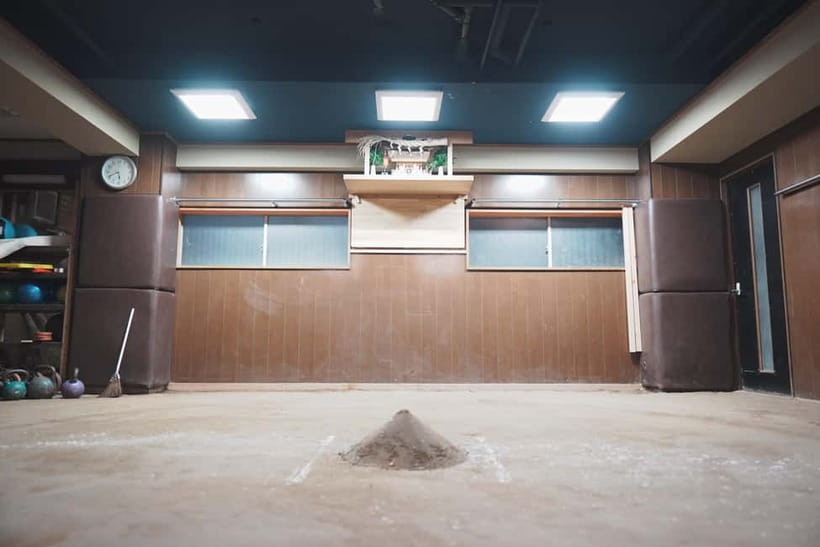
I would recommend this experience to you if you want to see sumo away from the tournament crowd. It suits first-time visitors who need basic explanations, as well as sumo fans who want a closer look at training.
It is particularly useful for:
- Visitors staying near Ryogoku who want a focused cultural activity.
- Sports fans interested in practice and technique.
- Families with children aged six and older who can remain quiet.
- Couples or solo visitors looking for a memorable photo.
- Groups that need multilingual audio support.
- People with a free half-day who want to add the Sumo Museum and waterfront.
I would be more cautious if you need a padded chair, cannot sit quietly, or dislike fixed viewing rules. I would also choose something else if your main goal is to see a competitive match. Training is the point here, and the mood is controlled and respectful.
Pairing the Visit With Ryogoku Sights
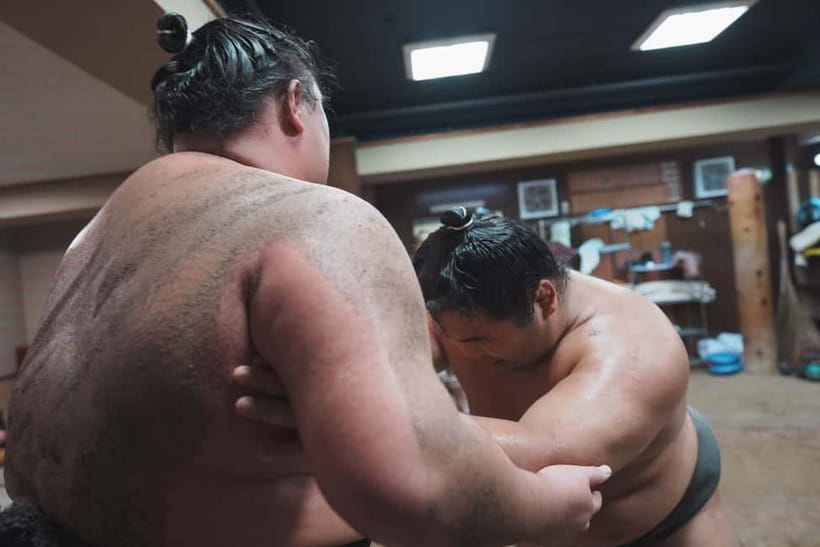
The best way to use this activity is to treat it as the center of a small Ryogoku outing. Start with the stable, then walk to Ryogoku Kokugikan and the Sumo Museum. The museum offers a different kind of understanding, with objects and information that complement the live training.
After the sumo sights, continue toward the Tokyo waterfront if you still have energy. The exact walking route and time are not specified, so allow room in your plan rather than assuming every stop can be completed quickly.
This combination gives you three views of the subject: a working stable, a formal museum setting, and the wider neighborhood around Japan’s sumo center. It is more satisfying than crossing Tokyo for the training alone, especially given the $85 price.
Booking Flexibility and Timing
You can cancel up to 24 hours in advance for a full refund, and the reserve-now, pay-later option lets you hold a place without paying immediately. Those terms help if your Tokyo plans are still shifting.
Starting times depend on availability. Since the training follows its own schedule, do not assume every time of day will be offered. Check the available slot before arranging train connections, lunch, or another timed attraction.
The tour operator is NexSpark Co., Ltd. The activity currently has a 4.8 rating from five recorded ratings, with two detailed ratings giving it full marks. The strongest praise centers on the rare chance to see practice up close and the way that view increases respect for the wrestlers’ effort.
Should You Book This Sumo Training Visit?
Book it if you want authentic access to sumo practice, can sit quietly, and value a close look at the work behind the sport. The easy station access, multilingual audio, air-conditioned room, and included photo make it practical as well as unusual.
Skip it if you want a tournament bout, extensive personal interaction, or guaranteed bench seating. For the right visitor, the $85 cost buys something difficult to arrange independently: time inside a professional sumo stable, with enough explanation to understand what you are seeing.
FAQ
Where does the sumo training tour begin?
It begins and ends at Nakamura-beya Sumo Stable, about two minutes from JR Ryogoku Station and next to Ryogoku Kokugikan National Sumo Arena.
How long does the activity last?
The available duration is listed as 40 to 90 minutes, with a visit length of about 1.5 hours also provided. Check the available starting time when booking.
Which languages are available?
A live guide speaks English, Japanese, and Korean. The audio guide is available in Chinese, English, French, German, Hindi, Italian, Japanese, Korean, Polish, Spanish, and Portuguese.
Do I need to bring earphones?
You should bring your own earphones to use the audio guide on your phone. A pair can be lent to you if needed.
Is a photo with the sumo wrestlers included?
Yes. A photo with sumo wrestlers is included in the activity.
Can children join the tour?
Children must be at least six years old. Children under six are not permitted to participate.
More Audio Tours in Tokyo
- Tokyo: Open Top Sightseeing Bus with Audio Guide
★ 4.5 · 5 reviews
New on our Tokyo list
- Sumi-e Experience in a relaxing green tea shop in Tokyo★ 5.0 · 3 reviews
- Tokyo : Kamikaze Street Drift Ride★ 5.0 · 3 reviews
- Private Zen Meditation in English in Shinjuku, Tokyo★ 5.0 · 3 reviews
- Onsen Spa in Tokyo and Asakusa Bar Hopping with Local Guide★ 5.0 · 3 reviews
- Easy for everyone! Now you can play handmade mini shamisen and show off to everyone! Musical instruments, sweets and live music★ 5.0 · 3 reviews
- Mt Fuji Exploration Tour with Free Japanese Kusa Mochi from Tokyo★ 4.5 · 3 reviews
- Tokyo Tsukiji Fish Market Walking and Exploring Hidden Gems Tour★ 5.0 · 3 reviews
- Tokyo: Private Tsukiji Street Food & Sake with Local Guide★ 5.0 · 3 reviews
Sumo Experiences, compared.
Sumo Show Experience with Chicken Hot Pot and a Photo
Read our review →
Tokyo Shinjuku Sumo Show & Experience with Photo
Read our review →

Authentic Sumo Experience in Tokyo: Enter the Sanctuary
Read our review →
Luxury Sumo Show Experience & Japanese cuisine & Drink
Read our review →
Browse the lists this tour appears in