
Reviewed · TOKYO FOOD TOURS
Tokyo: Shibuya Authentic Food Tour & Local Delights
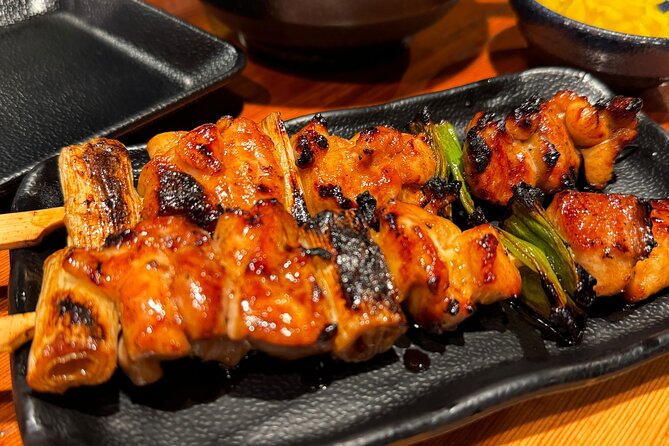
Shibuya’s best food is often found away from the big signs and famous department stores. This three-hour evening walk takes you from the Shibuya Scramble Crossing into Center-gai and Dogenzaka, where you stop at four local food places for dishes such as smoky yakitori, crisp tonkatsu, and sushi.
I like the four food stops, which turn dinner into a moving tour of Japanese eating habits, and I like the guide’s cultural context. Guides including Ryo, Guru, Haru, and Yo have been praised for being friendly and helpful. The main drawback is that the meal is not focused on street food, and one account found the route a little disorganized and the guide’s English difficult to follow.
In This Review
- Key points to know before booking
- Crossing Shibuya’s famous Scramble at 6 pm
- Center-gai, where the first izakaya stop begins
- Dogenzaka and the second half of the meal
- What the food format tells you about Tokyo dining
- Is $90 a fair price for three hours?
- The guide can shape the whole evening
- Who will enjoy this Shibuya food walk?
- Booking timing and cancellation
- Should you book the Shibuya Authentic Food Tour?
- FAQ
- How long does the Tokyo Shibuya food tour last?
- What food is included?
- Are drinks included?
- Where does the tour start and end?
- Is hotel pickup included?
- What is the cancellation policy?
Key points to know before booking
- Four food stops make up a full dinner: You receive enough food for a satisfying meal, not just small tastes.
- The tour starts at 6 pm: It fits neatly after a day of sightseeing and takes place when Shibuya begins its evening routine.
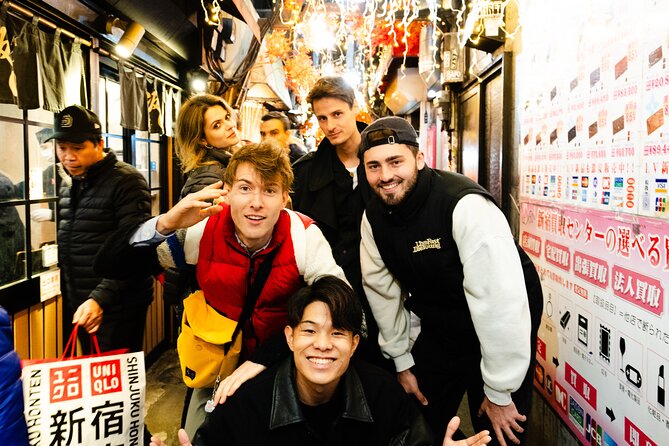
- Center-gai and Dogenzaka are the main stages: You cross the famous Scramble before moving into restaurant-packed side streets.
- Two drinks are included: You can choose alcoholic or non-alcoholic drinks.
- The group is capped at 15 people: That is small enough for a more personal walk, though it is not a private tour.
- The price is $90 per person: Food, two drinks, the guide, and the walking route are included, but hotel transport is not.
Crossing Shibuya’s famous Scramble at 6 pm
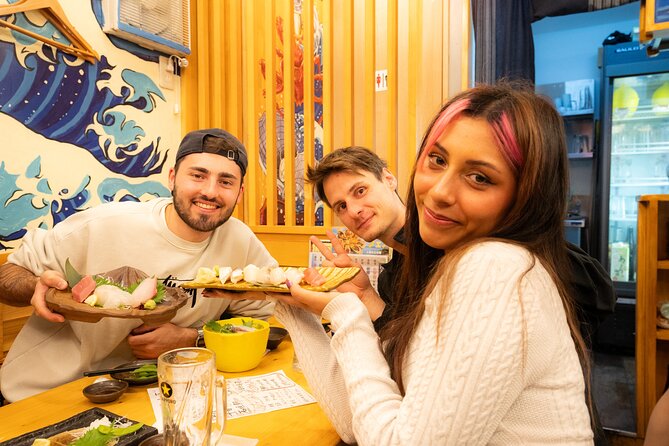
The tour begins at 6 pm outside Shibuya Tsutaya, at the Q Front building near the Scramble Crossing. You meet your English-speaking guide there, then head across one of Tokyo’s most recognizable intersections before entering the narrow streets of Center-gai.
That opening gives you an instant sense of place. The Scramble is not just a photo stop. It shows how Shibuya works as a meeting point, shopping district, nightlife center, and transport hub all at once. The route also passes by Hachiko, the famous statue of the loyal dog, although the main purpose is food rather than sightseeing.
I like the evening timing. You can spend the day at Meiji Shrine, Harajuku, the Tokyo Metropolitan Government Building, or elsewhere in the city, then come straight to Shibuya for dinner. The tour lasts about three hours and ends back at the meeting point, so you do not need to arrange a complicated late-night transfer to another part of Tokyo.
The meeting point is close to public transportation, but you should still allow time to find the exact location. Shibuya Station has several exits and a maze of underground passages. A mobile ticket is provided, which is useful when you are moving around Tokyo without printed paperwork.
More Tokyo food crawls:
- Tokyo: Shinjuku Food Tour (13 Dishes at 4 Local Eateries)
★ 5.0 · 6,603 reviews - Tokyo: Shinjuku Food Tour (15 Dishes and 4 Eateries)
★ 4.9 · 2,033 reviews - Best of Shinjuku: Izakaya Food Tour (4 Stops, 14+ Tastings)
★ 5.0 · 1,863 reviews
Center-gai, where the first izakaya stop begins
Center-gai is a dense collection of restaurants, bars, shops, and narrow lanes just beyond the Scramble. It is a natural place for a food walk because you can move quickly from major streets into smaller restaurant areas where the choices become less obvious.
The guide stops at a local izakaya in this part of the route. An izakaya is a casual Japanese drinking and dining place, usually built around shared plates, drinks, and an informal atmosphere. The point is not one grand dish. It is the rhythm of ordering several things, trying a little of each, and letting the meal develop over time.
Expect Japanese specialties such as yakitori, tonkatsu, sushi, and other local dishes across the evening. The exact menu can vary, so you should not book this expecting a fixed tasting menu with every item listed in advance. What you do get is a chance to eat food that works as an everyday meal in Japan, rather than only the polished dishes found in high-end restaurants.
The first stop is scheduled for about an hour. That gives you time to eat and listen, but it also means the tour is not simply a quick sample-and-leave outing. If you prefer to spend a full hour at one restaurant, this pace may feel comfortable. If you want constant movement and lots of tiny street-side tastings, it may feel slower than expected.
This is also where the guide matters most. A good explanation can make a simple plate of grilled chicken or a fried cutlet more interesting by showing you how the dish fits into Japanese dining customs. The strongest feedback about this experience centers on guides such as Ryo, Guru, Haru, and Yo, who are described as friendly, easygoing, and willing to explain local food and culture.
English ability may vary by guide. One account found conversation awkward because the guide’s English was not fluent. That does not erase the value of the food, but it is a fair consideration if detailed conversation is central to what you want from the evening.
Dogenzaka and the second half of the meal
The route continues to Dogenzaka, a Shibuya street known for its many restaurants and izakayas. It draws people of different ages and has a different feel from the broad, highly recognizable space around the Scramble. Here, the tour focuses on local restaurants rather than tourist-oriented stops.
The Dogenzaka portion lasts about an hour and a half. That is the longest part of the tour, and it is where the remaining food stops take place. The overall inclusion says four local food stops, while the route description groups those stops within Center-gai and Dogenzaka. In practical terms, you should expect several eateries rather than one restaurant meal.
The food is meant to add up to dinner. You are not paying $90 for a few decorative bites. Yakitori brings smoky grilled flavor, tonkatsu adds a crisp fried texture, and sushi gives you a fresh preparation associated with Japanese cuisine. The combination should leave you full, although portion sizes and the exact dishes can change.
One useful detail is that two complimentary drinks are included. You can select alcoholic or non-alcoholic options, which makes the tour workable for people who do not drink. Drinks also fit the izakaya setting, where eating and socializing often happen together rather than in separate stages.
The tour may include food to go at one stop. One account found this awkward because there was no clear place to sit and eat it. That is worth keeping in mind. Japanese food walks do not always function like a Western progressive dinner with a reserved table at every stop. Some food may be eaten standing, carried briefly, or handled in a less formal way.
If you are comfortable with a little uncertainty, this can feel like part of the local experience. If you want every course served at a table with plenty of time and a clearly planned seating arrangement, you may find the format less polished.
What the food format tells you about Tokyo dining
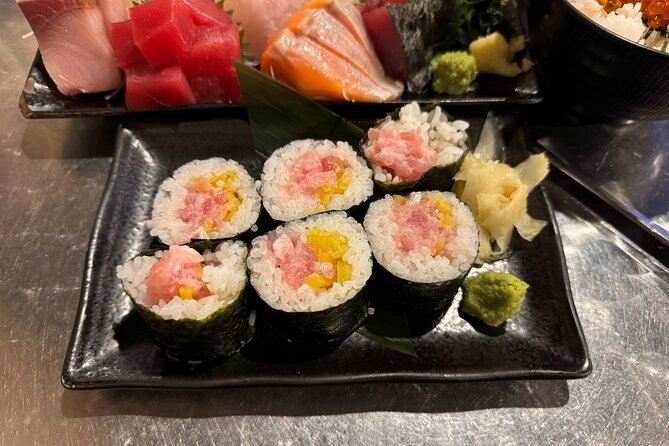
This tour’s real value is not only the dishes. It is the way the meal introduces you to casual Japanese dining. A plate of yakitori, a serving of tonkatsu, or a few pieces of sushi can be familiar to you already. The guide helps place those foods within the setting where people actually eat them.
The itinerary also shows why a local food tour can help in a city as large as Tokyo. Shibuya has countless restaurants, but quantity is not the same as choice. Without Japanese language skills or local advice, it is easy to spend your evening picking a restaurant based on a bright sign or a convenient location.
A guide can narrow the field and lead you into places you might pass without noticing. That is especially useful on a first visit, when Shibuya’s streets can feel confusing and every menu seems to compete for your attention.
I would not treat this as a formal cooking class or a detailed food history lecture. The emphasis is on walking, eating, and conversation. The cultural commentary is a bonus that helps you read the neighborhood, understand the dining style, and ask questions you might not think to ask on your own.
More Shibuya plans:
- Official Street Go-Kart in Shibuya
★ 5.0 · 3,435 reviews - Tokyo: Street Kart Experience in Shibuya
★ 4.9 · 1,484 reviews - Shibuya Meltdown Nightlife Tour: All-You-Can-Drink Bar Hopping
★ 5.0 · 1,058 reviews - Shibuya Official Street Go-Kart in Shibuya Annex
★ 5.0 · 972 reviews
Is $90 a fair price for three hours?
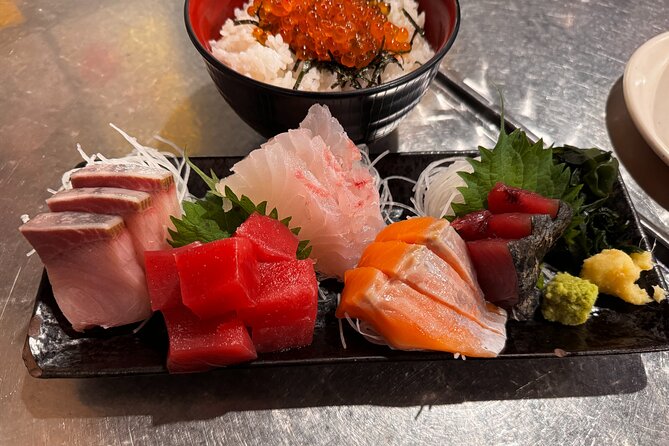
At $90 per person, the tour is not cheap by Tokyo standards. It becomes easier to justify when you count what is included: four food stops, enough food for dinner, two drinks, an English-speaking guide, and a three-hour walking route through two important Shibuya areas.
You are also paying for judgment. In a city with endless restaurants, someone has selected the stops and arranged the evening. That can save you from wasting time on a poor choice, especially during a short Tokyo visit.
The price is less attractive if you mainly want to eat as much as possible for the lowest cost. Tokyo has plenty of inexpensive food, and you can build your own evening for much less if you are happy to choose places without help. The tour makes more sense when you value access to local-style eateries and the company of a guide.
It is also a better deal for a first visit than for someone who already knows Shibuya well. Repeat visitors may prefer to spend $90 on one restaurant reservation or several independent stops. First-time visitors often get more from the neighborhood orientation and the confidence to order and explore on their own afterward.
The guide can shape the whole evening
The guide is the most important variable here. The strongest accounts praise guides named Ryo, Guru, Haru, and Yo for their warmth, good company, and ability to explain Japanese food and culture. One account described the experience with Guru as relaxed and personal, even in rainy conditions. Another described Haru as informed and helpful while showing the group local life around Shibuya.
Those details matter because a food tour is partly a social experience. You are walking with a group of up to 15 people, sharing dishes, and moving through crowded streets. A guide who keeps everyone together and explains what is happening can make the evening easy and enjoyable.
The group limit is useful but modest. Fifteen people is smaller than a large coach excursion, yet it is still possible that the group will feel busy at a restaurant. If the guide is especially engaging, the group size may work well. If communication is difficult, the social part of the tour can feel less natural.
The available feedback is strongly positive overall, with a 5 out of 5 rating and 99 percent recommending it. Still, I would read that as evidence of a consistently enjoyable format, not a promise that every guide, menu, or seating arrangement will be identical.
Who will enjoy this Shibuya food walk?
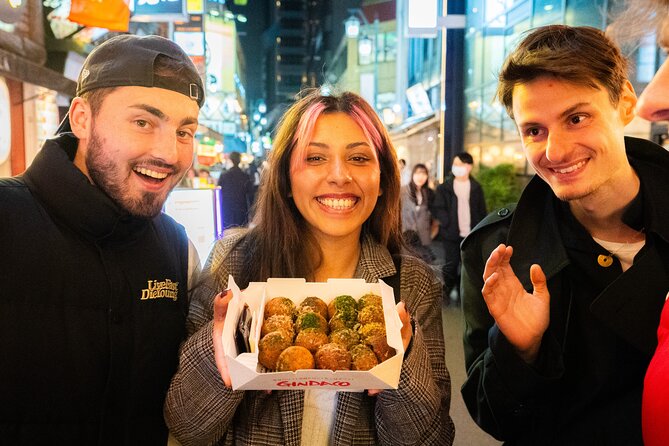
I would recommend it most to people visiting Tokyo for the first time, especially if you want to eat well without spending an evening guessing where to go. It suits couples, friends, and solo visitors who enjoy sharing food and learning while walking.
It is also a good choice if you have just a few nights in Tokyo. The 6 pm start leaves your daytime open, and the route gives you a useful first look at Center-gai and Dogenzaka. You finish where you started, which helps with planning the rest of the night.
You may want something else if your priority is street food. The tour includes izakaya and sit-down restaurant stops, and one food item may be taken to go. It is not a pure market crawl or a continuous sequence of outdoor stalls.
I would also hesitate if you need a highly structured meal. The format can include movement between stops and less formal eating arrangements. Those details may feel pleasantly casual to some people and disorganized to others.
Most people can participate, and the activity is near public transportation. Hotel pickup and drop-off are not included, so you need to reach Shibuya Tsutaya yourself and return from the same meeting point at the end.
Booking timing and cancellation
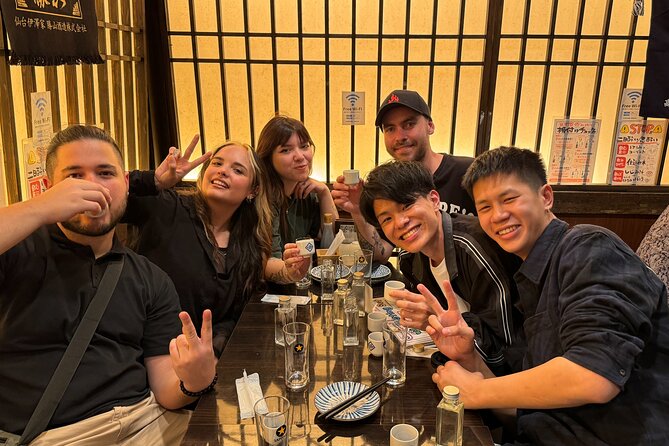
This experience is often booked about 29 days ahead, so I would reserve early if your Tokyo dates are fixed. The group can include up to 15 people, and popular evening slots may fill before your trip.
Free cancellation is available until 24 hours before the 6 pm start time. Cancel at least a full day ahead for a full refund. Changes or cancellations made within 24 hours are not accepted for a refund, and the cut-off follows Tokyo local time.
The tour also requires a minimum number of participants. If the operator cancels because that minimum is not reached, you will be offered another date or experience, or a full refund.
Should you book the Shibuya Authentic Food Tour?
Book it if you want a guided introduction to Shibuya dining, a full evening meal, and the ease of having local restaurants chosen for you. The four-stop format, two included drinks, and evening timing make it practical for a first Tokyo visit.
Skip it if you want only street food, the lowest possible dinner cost, or a carefully staged restaurant meal with no changes in pace. Also keep the language concern in mind, since guide communication may differ.
For most first-time visitors, I think the tour earns its price through convenience, food variety, and neighborhood context. You leave with more than a full stomach. You also get a clearer sense of where Shibuya’s casual dining happens and how to continue exploring it on your own.
FAQ
How long does the Tokyo Shibuya food tour last?
The tour lasts approximately three hours. The Center-gai portion takes about one hour, and the Dogenzaka portion takes about one hour and 30 minutes, with the remaining time used for walking and transitions.
What food is included?
The experience includes enough food for a satisfying local dinner at four food stops. Dishes can include yakitori, tonkatsu, sushi, and other Japanese specialties.
Are drinks included?
Yes. Two complimentary drinks are included, and you can choose alcoholic or non-alcoholic options.
Where does the tour start and end?
The tour starts at Shibuya Tsutaya in the Q Front building, near the Shibuya Scramble Crossing. It ends back at the meeting point.
Is hotel pickup included?
No. Hotel pickup and drop-off are not included. You need to make your own way to the Shibuya meeting point.
What is the cancellation policy?
You can cancel for a full refund up to 24 hours before the experience start time. Cancellations or changes made less than 24 hours before the start are not refunded or accepted.
New on our Tokyo list
- From Tokyo: Mount Fuji & Hakone Full Day Private Tour★ 4.9 · 25 reviews
- Tokyo Spectacular View Day-Cruise in 90 Minutes★ 5.0 · 25 reviews
- Real Tokyo Runner Club : Daikoku Car Meet Night Tour with JDM Car★ 5.0 · 25 reviews
- 2.5 Hour-Guided Cycle Tour in the Central Tokyo★ 5.0 · 25 reviews
- Tokyo: 2-Hour Night Bike Tour of the City’s Hidden Gems★ 4.9 · 25 reviews
- Ramen Making from Scratch +Akihabara Tour –Cooking Class★ 5.0 · 25 reviews
- [Self-Drive] Tokyo & Daikoku Custom Car Driving Tour★ 4.9 · 25 reviews
- Samurai themed Entertainment show in Shinjuku★ 4.5 · 25 reviews
Tokyo Food Tours, compared.
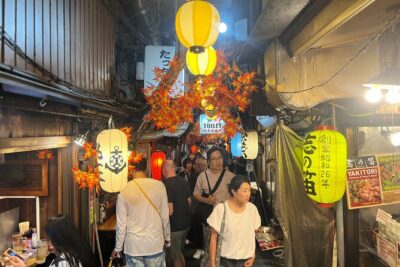
Shinjuku Food Tour (13 Dishes at 4 Local Eateries)
Read our review →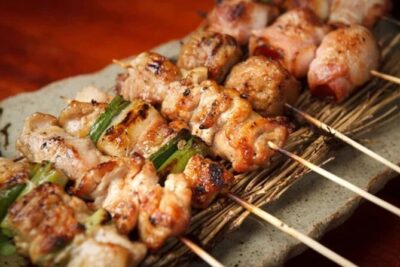
Shinjuku Food Tour (15 Dishes and 4 Eateries)
Read our review →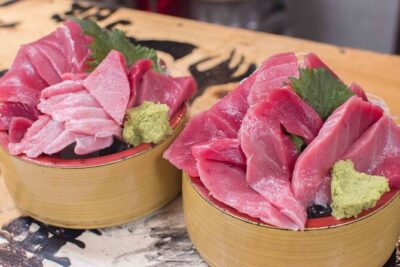
Best of Shinjuku: Izakaya Food Tour (4 Stops, 14+ Tastings)
Read our review →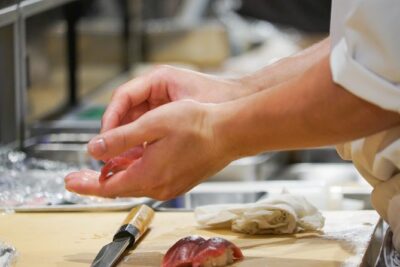
Tokyo Night Foodie Tour in Shinjuku – Seasonal Sushi, Wagyu Beef
Read our review →
Eat and Drink Like a Local: Tokyo Ueno Food Tour-Taverns&Ramen
Read our review →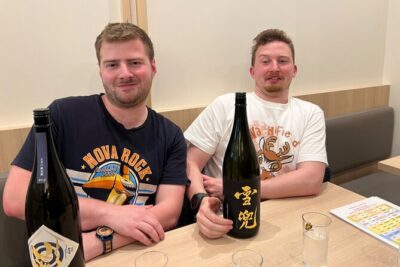
Tsukiji Fish Market: Street Food & Culture Walking Tour
Read our review →Shinjuku Food Tour – 15 Dishes, 3 Drinks, 4 Eateries
Read our review →Browse the lists this tour appears in