
Reviewed · TOKYO FOOD TOURS
Tokyo: Shibuya Food Tour, Neon Lights & Local Flavors
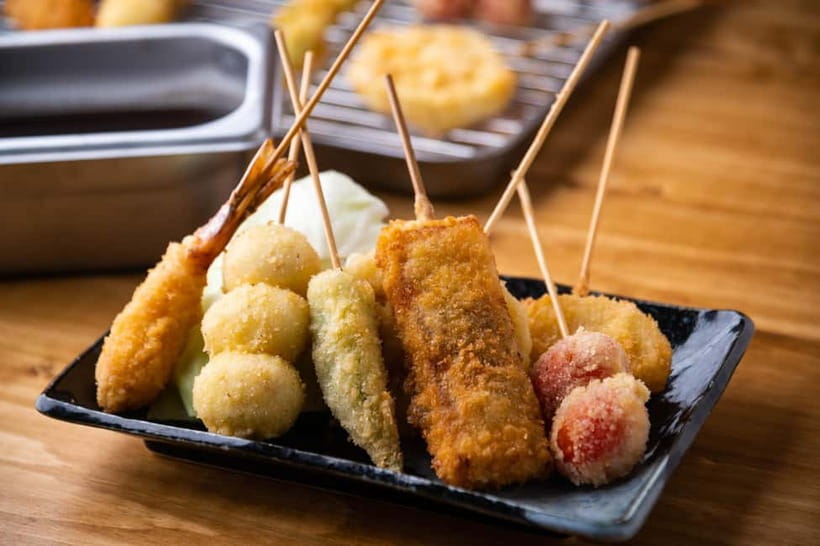
Shibuya is at its best after dark, when Hachiko Square, Center Gai, and the neon-lit side streets turn a simple food walk into a full Tokyo evening. You’ll cross the famous scramble, visit a convenience store and an onigiri stand, and sample four Japanese favorites along the way.
I like the mix of everyday food and famous sights. Onigiri, egg sandwiches, fried chicken, sponge cake, takoyaki, and a Korean-style corndog give you a useful first taste of casual Japanese eating. I also like the stops at Don Quijote and Tokyu Hands, where you can see the playful side of Japanese shopping rather than just pass through a restaurant district.
The main consideration is walking. The tour operates in all weather, is not suitable for wheelchair users, and includes several busy streets and standing stops. At $119 per person, it offers good value if you want food, guiding, and Shibuya orientation in one evening, but it may feel expensive if you mainly want a large meal.
In This Review
- Key points to know before booking
- Starting beside Hachiko in Shibuya
- Crossing the famous Shibuya scramble
- Miyashita Park and Shibuya’s changing center
- Convenience-store food at its best
- Center Gai, takoyaki, and a playful souvenir
- Don Quijote and the art of Japanese browsing
- A second look at onigiri
- Tokyu Hands for Japanese design and souvenirs
- Ending with café time
- What $119 includes, and what it does not
- Who will enjoy this Shibuya evening
- Should you book this tour?
- FAQ
- Where does the Shibuya food tour begin?
- Where does the tour end?
- What languages are available?
- What food is included?
- Can dietary restrictions be accommodated?
- Is the tour suitable for wheelchair users?
- What should I bring?
Key points to know before booking
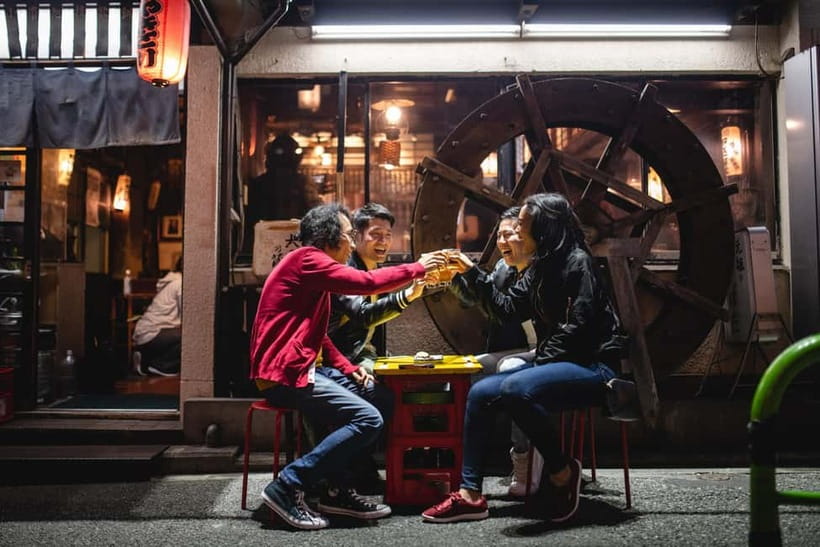
- Four food tastings: Try onigiri, egg sandwich, fried chicken, sponge cake, takoyaki, or a Korean-style corndog during the evening.
- Classic Shibuya start: Meet beside the Hachiko statue, then cross the famous Shibuya Crossing.
- Small-group format: A small group makes it easier to follow the guide through crowded streets and ask questions.
- Shopping with a purpose: Don Quijote and Tokyu Hands add snacks, souvenirs, stationery, and Japanese design goods to the food experience.
- English or Spanish: The tour is offered with a bilingual guide in English and Spanish.
- Comfort matters: Wear good walking shoes, dress for the forecast, and advise the operator about dietary restrictions ahead of time.
Starting beside Hachiko in Shibuya
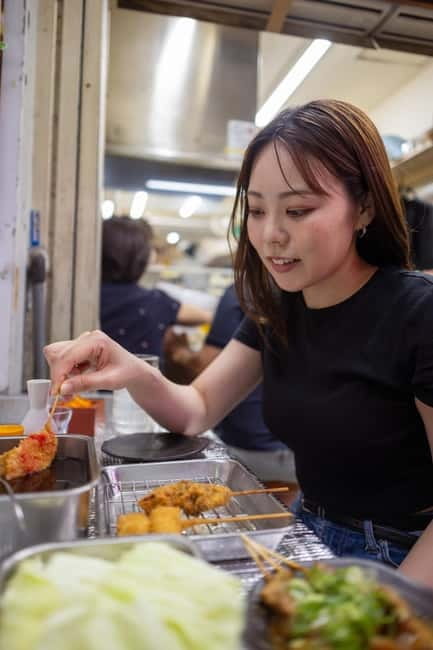
Meet your guide at Hachiko Square, next to the statue of Hachiko, at least 10 minutes before departure. The guide will be holding an Amigo Tours sign, which is useful in a crowded meeting area where people, station entrances, and giant screens can make quick recognition difficult.
Hachiko is more than a convenient landmark. The statue honors the loyal dog who continued waiting for his owner at Shibuya Station, even after the owner had died. The story made Hachiko a beloved Tokyo symbol, and the statue became one of the city’s best-known meeting points.
This opening gives you a clear sense of place before the eating begins. Shibuya is not a quiet district, and Hachiko Square puts you right in its center. You can expect crowds, bright signs, traffic noise, and a steady stream of people arriving from the station.
The small-group setup matters here. It helps the guide gather everyone before moving into the streets. Keep your phone charged and your camera ready, but do not let the first photo stop delay the group.
More Tokyo food crawls:
- Tokyo: Shinjuku Food Tour (13 Dishes at 4 Local Eateries)
★ 5.0 · 6,603 reviews - Tokyo: Shinjuku Food Tour (15 Dishes and 4 Eateries)
★ 4.9 · 2,033 reviews - Best of Shinjuku: Izakaya Food Tour (4 Stops, 14+ Tastings)
★ 5.0 · 1,863 reviews
Crossing the famous Shibuya scramble
The crossing is the visual centerpiece of Shibuya. When the traffic stops, people move across the intersection from several directions at once. From ground level, you become part of the scene instead of simply watching it from above.
Your guide helps connect the crossing to the district’s daily rhythm. It is not an old monument, but it tells you plenty about modern Tokyo: compact movement, careful timing, and a city that can feel highly organized even when thousands of people are crossing at once.
The crossing itself takes only a short time, so keep your expectations realistic. This is a photo opportunity and a memorable moment, not a long guided attraction. The wider value comes from seeing it as the gateway to the food stalls, shopping streets, and nightlife that follow.
Miyashita Park and Shibuya’s changing center
The route includes Miyashita Park, an urban park with shops, restaurants, and a rooftop area. It offers a change of pace from the station and main road. You get a chance to see how Shibuya combines retail, dining, and public space in a single modern complex.
The rooftop park provides unusual views of the area, though the exact outlook can depend on where the group pauses. This stop is useful for orientation because it shows a less frantic side of Shibuya without taking you far from the district’s main action.
Miyashita Park is also a reminder that this tour is not only about eating. You are seeing several sides of Shibuya: the famous crossing, the polished park complex, the convenience-store food scene, small food counters, discount shopping, and Japanese design stores.
Convenience-store food at its best
One of the most useful parts of the evening is a stop at a Japanese konbini, or convenience store. These shops are part of daily life in Japan, and their food is often fresher and more varied than visitors expect from the word convenience.
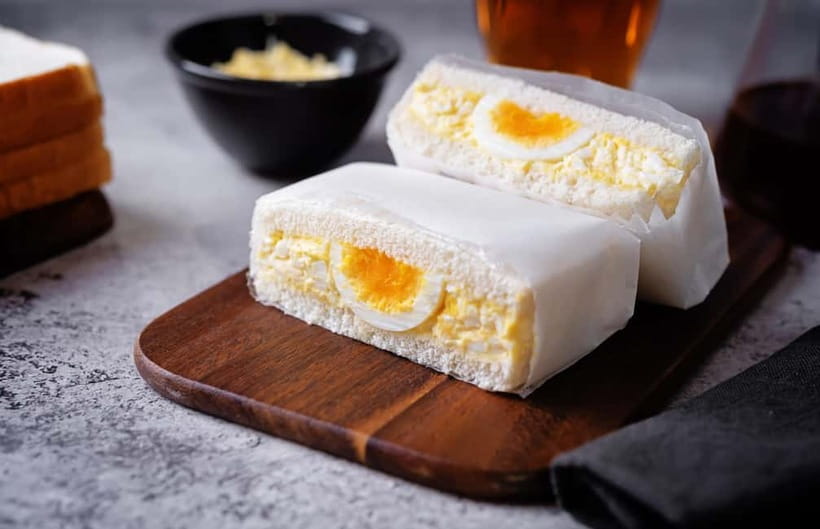
You’ll try familiar Japanese snack foods such as an egg sandwich, onigiri, and crispy fried chicken. The egg sandwich is simple but worth attention because Japanese convenience stores are known for soft bread and carefully prepared fillings. Onigiri, rice formed around a filling and wrapped with seaweed, is one of the easiest Japanese foods to understand and enjoy.
The fried chicken adds a hot, savory contrast to the cold or room-temperature snacks. This stop gives you a practical lesson in casual eating: not every good Japanese food experience requires a formal restaurant, a reservation, or a large bill.
Do not treat this as a full dinner. The tour includes four tastings, but additional meals and drinks are not covered. If you usually eat a substantial evening meal, have a plan for food before or after the tour.
More Shibuya plans:
- Official Street Go-Kart in Shibuya
★ 5.0 · 3,435 reviews - Tokyo: Street Kart Experience in Shibuya
★ 4.9 · 1,484 reviews - Shibuya Meltdown Nightlife Tour: All-You-Can-Drink Bar Hopping
★ 5.0 · 1,058 reviews - Shibuya Official Street Go-Kart in Shibuya Annex
★ 5.0 · 972 reviews
Center Gai, takoyaki, and a playful souvenir
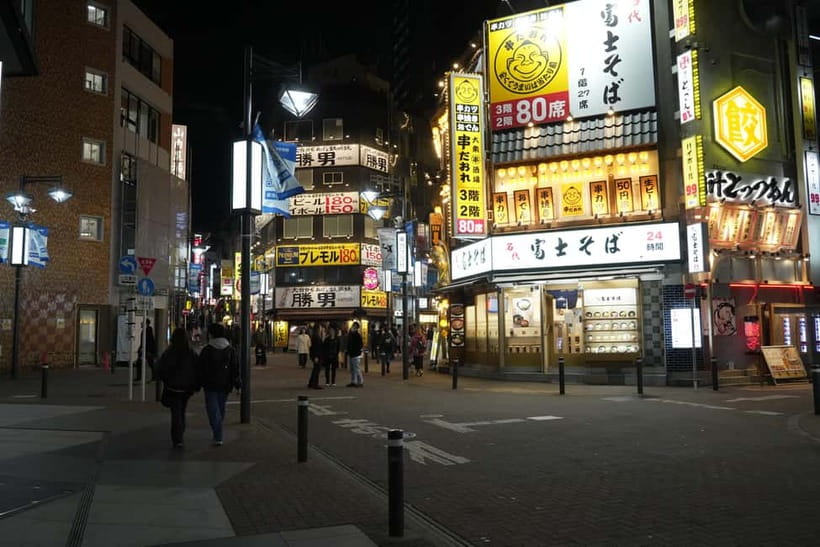
From the crossing, the route heads into Center Gai, one of Shibuya’s busiest streets. The area is known for shops, signs, food, and nightlife. It can be crowded, so stay close to your guide and watch your footing while moving between stops.
Here you may try takoyaki or a Korean-style corndog. Takoyaki are hot batter balls traditionally filled with octopus and served with sauces and toppings. They are usually eaten carefully because the center can stay very hot. The corndog offers a different texture and flavor, showing how Korean-style street food has found a place in Tokyo’s casual food culture.
The food is part of the entertainment, but the guide’s explanation adds context. A bilingual English and Spanish guide can help you understand what you are eating and how the snacks fit into the street-food culture of the area.
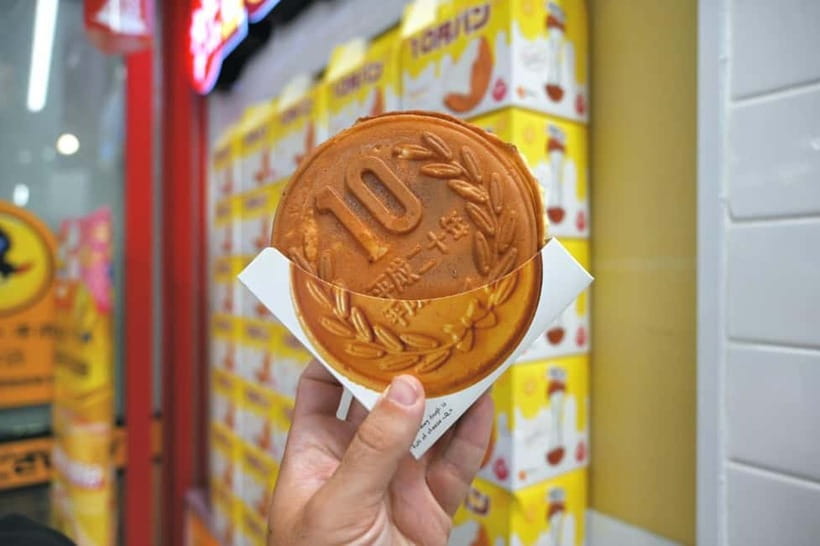
The tour also includes the chance to pick up a 10-yen coin as a small keepsake. It is an inexpensive, slightly quirky memory of the evening. The details of this stop are especially appealing if you enjoy collecting small objects rather than buying a large souvenir.
Don Quijote and the art of Japanese browsing
Don Quijote is one of Tokyo’s most entertaining stores. It is packed with snacks, cosmetics, household products, odd gifts, and everyday goods. The shelves can feel chaotic, but that is part of the experience.
A guided visit helps you see the store as more than a place to buy cheap souvenirs. You might find unusual Japanese sweets, packaged foods for the journey home, or practical items you did not know you needed. The store is also a good place to notice how Japanese products are packaged and presented.
Set a spending limit before you enter. Don Quijote makes impulse buying easy, and the tour price does not cover personal purchases. If you have limited luggage space, look for small, light items such as snacks or stationery rather than bulky goods.
This stop is a strong match for first-time visitors who want to understand modern Tokyo shopping. It also gives the evening a welcome break from walking outdoors.
A second look at onigiri
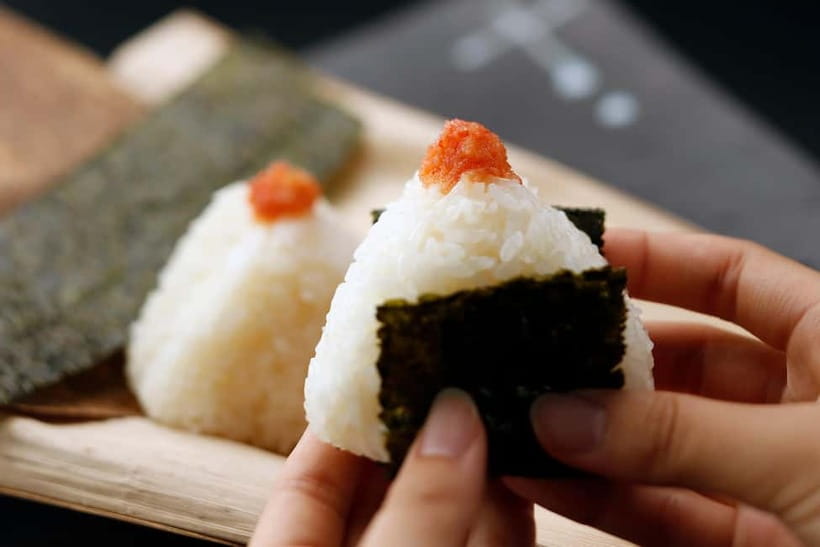
The tour later stops at a smaller onigiri stand. This gives you a chance to compare a basic convenience-store version with a more focused preparation of the same food.
Onigiri is one of Japan’s most useful foods for visitors. It is portable, affordable, and available in many fillings. It can be a quick breakfast, a train snack, or part of a larger meal. Trying it in two settings helps you notice how much the setting and preparation can change a familiar dish.
The menu can vary, and dietary needs should be shared in advance. Rice-based food is not automatically vegetarian or free of seafood, so clear communication matters. The operator says dietary restrictions can be accommodated with prior notice, but last-minute changes may be harder in small food shops.
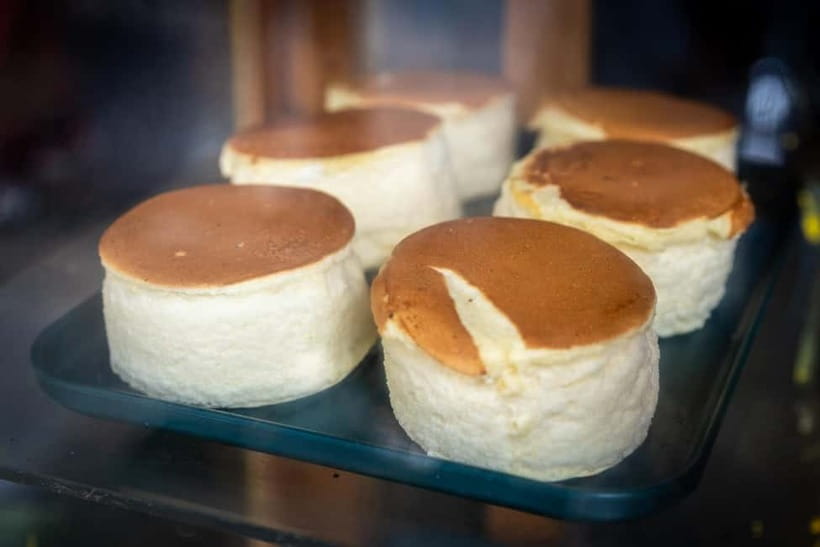
The sponge cake tasting adds a sweet finish to the food selection. Japanese sponge cake is known for its soft, airy texture, and it gives you a break from the salty snacks served earlier.
Tokyu Hands for Japanese design and souvenirs
Tokyu Hands is another useful stop because it shows a different side of Japanese retail. Instead of focusing mainly on snacks and discount goods, the store is associated with stationery, creative supplies, design items, and practical household products.
I like this contrast. Don Quijote is loud and unpredictable, while Tokyu Hands tends to reward slower browsing. You might find attractive stationery, clever everyday tools, or a small gift that feels more distinctive than a standard souvenir.
You do not need to buy anything to enjoy the stop. Look at the displays and notice the care given to ordinary objects. Japanese design often turns a simple item into something pleasant or clever, and Tokyu Hands is a good place to see that approach.
As with Don Quijote, purchases are your responsibility. The stop is best viewed as guided browsing, not a shopping obligation.
Ending with café time
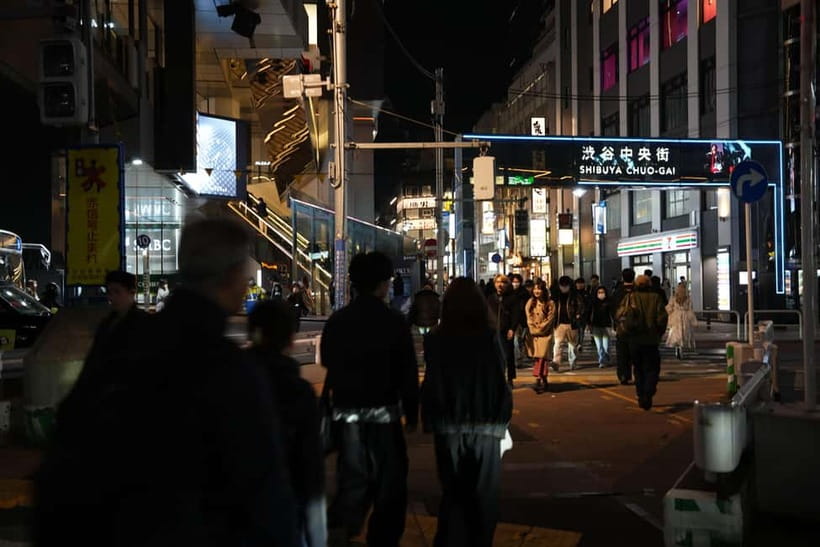
The evening finishes back at the meeting point after a break in a cozy café. This gives you time to sit down, review the night’s food stops, and ask final questions about Shibuya.
The café break is not described as an included meal or drink, so budget for anything you order. It works more as a pause than as a final course. After walking through crowded streets, a seated finish can make the experience feel less rushed.
The activity returns to the starting point, which is convenient if you are staying nearby or need to continue by train. The exact ending time is not provided, so avoid scheduling a tight connection or a fixed dinner reservation immediately afterward.
What $119 includes, and what it does not
The price is $119 per person. That covers the English or Spanish bilingual guide, small-group format, and four iconic Tokyo food tastings.
The value depends on how you use the tour. If you want a structured introduction to Shibuya, the price combines food sampling with local orientation and shopping stops. You are paying for someone to organize the route, explain the district, and lead you through crowded streets while arranging several tastings.
It is less attractive if you want a large, sit-down dinner. Additional meals, drinks, and personal purchases are not included, so your total spending will be higher if you buy snacks or souvenirs.
The strongest value is for a first visit to Tokyo, especially if you want help choosing casual foods and would otherwise spend time guessing where to go. The reported score is 4.4 out of 5 from seven ratings, with repeated praise for the food choices, enjoyable pace, and restaurant and snack stops. Several people described the food as the best they had during their trip, which fits the tour’s main purpose: giving you a broad first taste rather than one elaborate meal.
Who will enjoy this Shibuya evening
I would recommend this tour to you if you:
- Want to see Shibuya at night with a clear route and local food stops
- Prefer tasting several small portions to sitting through one long dinner
- Like convenience stores, Japanese sweets, stationery, and quirky shopping
- Are visiting Tokyo for the first time
- Want an English or Spanish-speaking guide
- Enjoy walking through crowded city streets
It may not suit you if you use a wheelchair, dislike walking, or need a precisely timed evening. It also may not be enough food for a hungry diner. Families should consider that the tour includes busy streets and hot street food, while shoppers should remember that purchases cost extra.
Wear comfortable shoes. The tour runs in all weather, so bring suitable clothing and a camera. Pets are not allowed.
Should you book this tour?
Book it if you want Shibuya explained through food, shopping, and night scenes rather than only through photographs. The combination of Hachiko, Shibuya Crossing, Miyashita Park, Center Gai, Don Quijote, Tokyu Hands, and two onigiri experiences gives you a well-rounded evening in one of Tokyo’s most famous districts.
Skip it if you want a full restaurant dinner, a quiet walk, or a tour with little standing and no shopping. For most first-time visitors who enjoy trying several Japanese snacks and want help finding good casual food, $119 is a reasonable price for the guided access and variety. You can reserve now and pay later, and cancellation is free up to 24 hours before the activity.
FAQ
Where does the Shibuya food tour begin?
The tour begins at Hachiko Square, next to the Hachiko statue. Your guide will be waiting with an Amigo Tours sign.
Where does the tour end?
The activity ends back at the meeting point at Hachiko Square.
What languages are available?
The tour is offered with an English and Spanish bilingual guide.
What food is included?
The tour includes tastings of four iconic Tokyo dishes. Stops may include onigiri, an egg sandwich, fried chicken, sponge cake, takoyaki, and a Korean-style corndog.
Can dietary restrictions be accommodated?
Yes. Dietary restrictions can be accommodated when you provide notice in advance.
Is the tour suitable for wheelchair users?
No. The activity is not suitable for wheelchair users.
What should I bring?
Wear comfortable shoes because the tour involves walking. Dress appropriately for the weather, since the tour operates in all weather conditions, and bring a camera if you want to record the evening.
New on our Tokyo list
- Sumi-e Experience in a relaxing green tea shop in Tokyo★ 5.0 · 3 reviews
- Tokyo : Kamikaze Street Drift Ride★ 5.0 · 3 reviews
- Private Zen Meditation in English in Shinjuku, Tokyo★ 5.0 · 3 reviews
- Onsen Spa in Tokyo and Asakusa Bar Hopping with Local Guide★ 5.0 · 3 reviews
- Easy for everyone! Now you can play handmade mini shamisen and show off to everyone! Musical instruments, sweets and live music★ 5.0 · 3 reviews
- Tokyo: Private Tsukiji Street Food & Sake with Local Guide★ 5.0 · 3 reviews
- Mt Fuji Exploration Tour with Free Japanese Kusa Mochi from Tokyo★ 4.5 · 3 reviews
- Tokyo Tsukiji Fish Market Walking and Exploring Hidden Gems Tour★ 5.0 · 3 reviews
Tokyo Food Tours, compared.
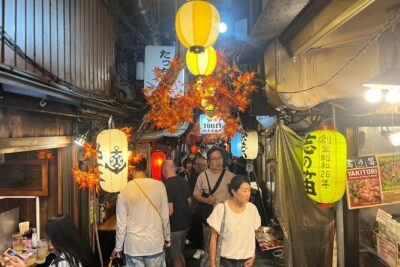
Shinjuku Food Tour (13 Dishes at 4 Local Eateries)
Read our review →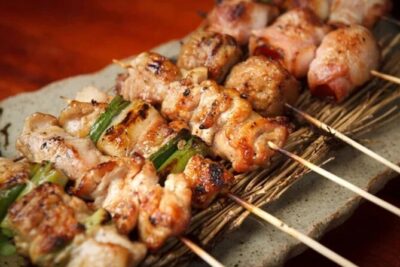
Shinjuku Food Tour (15 Dishes and 4 Eateries)
Read our review →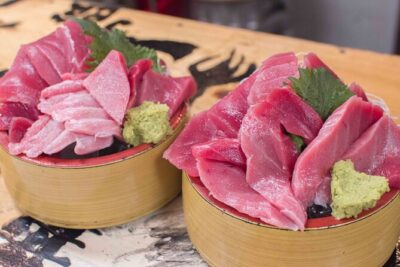
Best of Shinjuku: Izakaya Food Tour (4 Stops, 14+ Tastings)
Read our review →
Tokyo Night Foodie Tour in Shinjuku – Seasonal Sushi, Wagyu Beef
Read our review →
Eat and Drink Like a Local: Tokyo Ueno Food Tour-Taverns&Ramen
Read our review →
Tsukiji Fish Market: Street Food & Culture Walking Tour
Read our review →Shinjuku Food Tour – 15 Dishes, 3 Drinks, 4 Eateries
Read our review →Browse the lists this tour appears in