
Reviewed · SHIBUYA TOURS
Tokyo Tour in Spanish (Shibuya – Harajuku – Shinjuku)
Tokyo makes more sense when you connect its famous districts in one day. This Spanish-language tour links Shibuya, Harajuku, and Shinjuku, giving you a practical introduction to Tokyo’s pop culture, shopping streets, city scale, and spiritual side. You travel by subway and spend about two hours in each area.
I like the small group of no more than 10 people, which should make questions and navigation easier. I also like that the guides have lived in Japan for more than 15 years, so the experience is meant to go beyond pointing at sights and help you understand local customs. The main drawback is that city transportation, food, drinks, and entrance fees are extra.
In This Review
- Key points to know before booking
- One day, three faces of Tokyo
- Starting in Tokyo with a Spanish-speaking guide
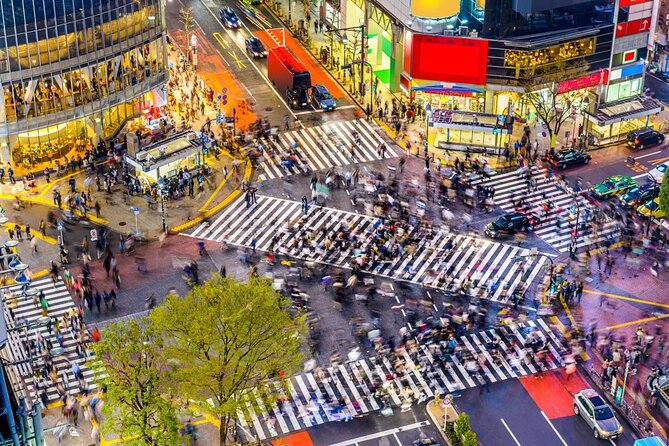
- Shibuya Crossing: two hours around Tokyo’s famous intersection
- The subway connections are part of the lesson
- Harajuku: shopping, youth culture, and the spiritual side
- Shinjuku: a final two-hour look at central Tokyo
- What the $103 price really covers
- Who will get the most from this tour
- Practical details that affect your day
- Should you book this Tokyo tour?
- FAQ
- How long does the Tokyo tour last?
- Which Tokyo districts does the tour visit?
- Is the tour conducted in Spanish?
- How large is the group?
- Is transportation included in the price?
- Are food and drinks included?
- Are entrance fees included?
- Where does the tour begin?
- Do I need to choose a tour option when booking?
- Can I cancel for a refund?
Key points to know before booking

- Three famous Tokyo districts in one day: Shibuya, Harajuku, and Shinjuku each offer a different view of the city.
- Spanish guidance throughout: You can ask questions and receive cultural explanations in Spanish.
- Eight hours on foot and by subway: Comfortable shoes matter, and you should expect a full day.
- Small group size: The group is limited to 10 participants.
- Local transport is not included: Subway or metro fares are paid separately.
- Flexible meeting arrangements: The tour may begin in a hotel lobby or at a meeting point when a group is involved.
One day, three faces of Tokyo
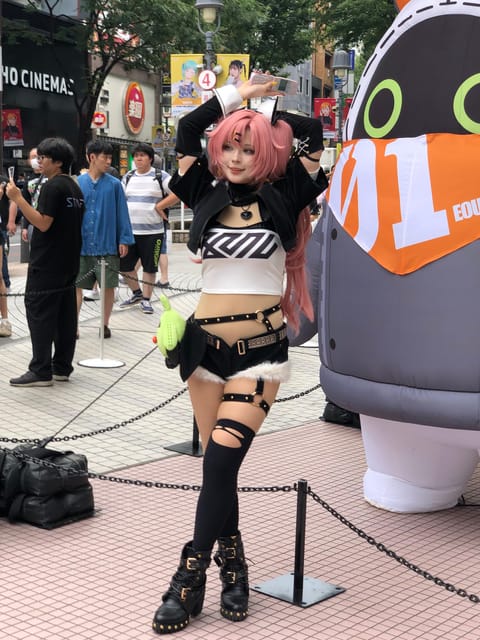
This tour is built around contrast. Shibuya gives you the city’s famous crossing and a strong dose of modern Tokyo. Harajuku adds youth culture, shopping, and a connection to the city’s spiritual character. Shinjuku brings another major center of Tokyo life, with time to walk, shop, and ask questions.
That range is the reason I find the route useful for a first visit. You are not spending eight hours in one museum or one neighborhood. Instead, you get a broad look at how Tokyo changes from district to district, while a Spanish-speaking guide helps you handle the subway and make sense of what you are seeing.
The day is also structured around two hours in each main district, with roughly 30 minutes of subway travel between them. That gives you enough time to see each area without turning the day into a rushed checklist. At the same time, three districts in eight hours means you should not expect a detailed tour of every street, shop, or landmark.
More Shibuya plans:
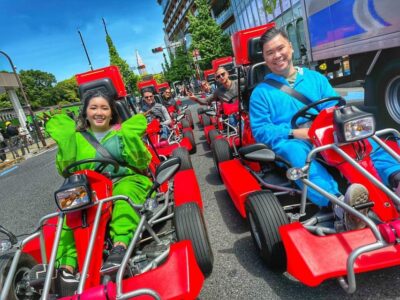
- Official Street Go-Kart in Shibuya
★ 5.0 · 3,435 reviews - Tokyo: Street Kart Experience in Shibuya
★ 4.9 · 1,484 reviews - Shibuya Meltdown Nightlife Tour: All-You-Can-Drink Bar Hopping
★ 5.0 · 1,058 reviews
Starting in Tokyo with a Spanish-speaking guide
The meeting arrangement depends on the group. The tour may start in your hotel lobby, or you may be asked to meet at a set point. Confirm this carefully when booking, especially if you are staying far from central Tokyo or in a large hotel with several entrances.
The guide stays with you in Spanish throughout the tour. That is useful in a city where signs and announcements may be difficult to follow, and where subway connections can feel confusing even when the system itself is efficient. The guide’s role is not only to get you from one district to the next. You also receive explanations of each place and help interpreting aspects of Japanese culture.
The provider says its guides have more than 15 years of experience living in Japan. No individual guide names are supplied, so you should not book this expecting a particular named guide. The important point is the long-term local experience promised by the service.
The group limit of 10 is a good middle ground. You get the social feel of a group outing, but the guide should still be able to hear questions and keep track of everyone. If you prefer a completely private pace, this may not be the right format.
Shibuya Crossing: two hours around Tokyo’s famous intersection
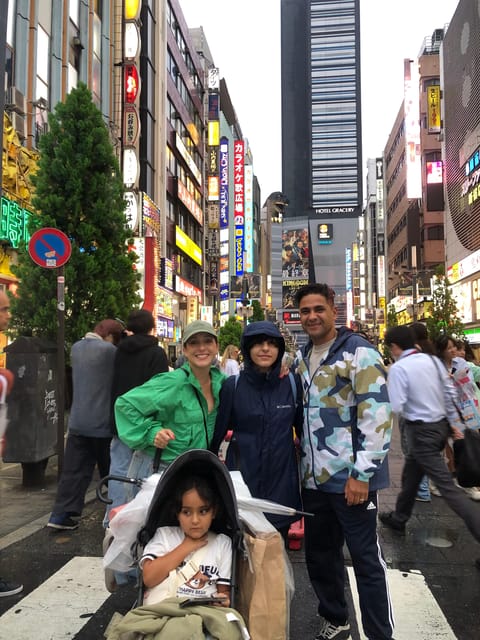
Shibuya is the tour’s clearest introduction to modern Tokyo. The itinerary allows about two hours for a guided visit, walking, shopping, and free time around Shibuya Crossing.
The crossing is famous because it turns a simple act, crossing a street, into a large city spectacle. It also gives you an immediate sense of Tokyo’s scale. People move in several directions at once, tall buildings surround the streets, and large signs compete for your attention. A guide can help you see this as more than a quick photo stop by explaining how the area fits into Tokyo’s daily life.
The two-hour slot is helpful. You should have time for the guided portion, personal photos, and a little shopping without being pushed out almost at once. Since free time is included, tell the guide what interests you. Some people will want more time for shops, while others will prefer to ask about Japanese customs or find a good viewpoint.
Do not assume that every viewpoint or attraction in the area is included. Entrance fees to viewpoints or temples are not part of the price. If the guide suggests an optional paid stop, you should expect to pay separately.
Shibuya is likely to feel intense, especially at the beginning of the day. The tour’s advantage is that you do not have to figure out the district alone. The tradeoff is that a busy public area can be hard to experience at a slow, quiet pace, particularly with a group.
The subway connections are part of the lesson
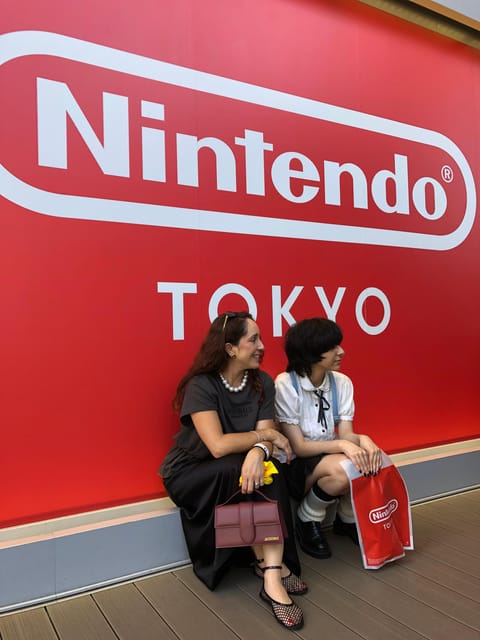
The route includes three subway or metro rides, each listed at about 30 minutes. Local transportation is not included, so you pay the fares yourself. The price is a small but important extra cost to remember when comparing the $103 tour price.
I see the subway time as more than simple transit. Tokyo’s train system is part of the city experience, and using it with a guide can help you feel less anxious about getting lost. You also enter the city in the same basic way local residents do, rather than viewing Tokyo only through a private vehicle.
The transit time does make the day more active. You will walk through stations, board trains, leave at new stops, and then walk again. Wear comfortable shoes and keep your belongings easy to manage. The tour is designed for people of all ages, but it is still a walking day with repeated transfers.
Because transportation is not included, ask how the meeting point and subway plan will work before the tour begins. The supplied information confirms the three main transfers, but it does not provide exact station names, fare totals, or a detailed train route.
More Shinjuku nights and walks:
- Tokyo: Shinjuku Food Tour (13 Dishes at 4 Local Eateries)
★ 5.0 · 6,603 reviews - Tokyo Bar Hopping Tour in Shinjuku (All-You-Can-Drink + Dinner)
★ 5.0 · 3,587 reviews - Tokyo: Shinjuku Food Tour (15 Dishes and 4 Eateries)
★ 4.9 · 2,033 reviews - Best of Shinjuku: Izakaya Food Tour (4 Stops, 14+ Tastings)
★ 5.0 · 1,863 reviews
Harajuku: shopping, youth culture, and the spiritual side
Harajuku receives another two-hour visit, including guided touring, walking, shopping, and free time. This is where the tour’s balance between pop culture and the spiritual side of Japan becomes most useful.
Harajuku is widely associated with youth fashion and shopping, so you can expect a different mood from Shibuya. The area gives the guide room to explain trends, local habits, and the cultural meaning behind what you see. The tour description does not name specific shops or attractions, so the exact stops may depend on the day, group interests, or the chosen tour option.
The spiritual element is especially worth noting. The experience is not presented as pop culture alone. The guide aims to help you understand Japan through both its modern city life and its religious or cultural traditions. Entrance fees to temples are not included, and the supplied details do not promise a particular temple visit, so ask for clarification if that is a priority for you.
Two hours is enough for an introduction and some personal time. It is not enough to explore every shopping street at leisure. If you want to browse carefully, you may need to choose between shopping and the guided explanations.
I would treat Harajuku as the day’s transition point. Shibuya introduces Tokyo’s massive modern energy. Harajuku lets you compare that with fashion, local culture, and spiritual traditions. A Spanish-speaking guide can make those links clearer than a quick solo walk.
Shinjuku: a final two-hour look at central Tokyo
The final major stop is Shinjuku, with another two hours for a guided visit, walking, shopping, and free time. Shinjuku gives the day a strong finish because it is another major Tokyo center, but it is not simply a repeat of Shibuya.
The value here is comparison. After seeing Shibuya and Harajuku, you can ask the guide how Shinjuku differs from the earlier districts. The tour is designed to help you understand Tokyo as a collection of distinct areas rather than one giant, uniform city.
The itinerary does not specify a particular Shinjuku viewpoint, temple, restaurant, or shopping complex. That means you should think of this as a district orientation, not a ticketed attraction tour. Any viewpoint or temple entrance would cost extra if included as an optional stop.
Two hours should give you time to walk with the guide and then choose how to spend your free period. You might focus on shops, photos, or questions about the city. The exact balance will depend on the guide and the group, so be ready to speak up if you have a clear preference.
After Shinjuku, you return to Tokyo. The information does not specify a particular final station or hotel drop-off arrangement. Ask whether the tour ends at a meeting point or includes help returning to your hotel.
What the $103 price really covers
At $103 per person, the price pays for an eight-hour guided experience in Spanish, not for an all-inclusive day. It includes the guide, route planning, cultural explanations, and help moving through three large Tokyo districts.
That can be good value if you are concerned about language, subway navigation, or losing time in a huge city. A full day with someone who has lived in Japan for more than 15 years may help you notice cultural details and local places you would otherwise pass by. The small group also makes the price easier to justify than a large coach excursion.
You must budget extra for subway or metro fares, food, drinks, and any entrance fee. The tour does not include a meal, so plan to buy food during the day or ask the guide when you will have a chance to stop. The itinerary provides free time, but it does not promise a restaurant or a tasting.
The provider says that if the tour runs longer than eight hours, there is no extra charge. That may provide some comfort if the schedule stretches, but you should still plan your day carefully. A longer finish could affect dinner plans or other reservations.
Who will get the most from this tour
I would recommend this experience most strongly to Spanish-speaking visitors who are new to Tokyo and want to cover several major districts in one day. It is also a good match if you feel uneasy about using local trains or handling a large city where you do not speak the language.
Families and mixed-age groups can consider it because the tour is designed for all ages. The main condition is mobility and stamina. You will walk through three districts and use public transportation several times, so comfortable shoes are essential.
This tour also suits people who want more than pop culture. The stated aim includes helping you understand Japanese culture, and the route combines modern city districts with the possibility of spiritual or traditional context. The experience may be less suitable for a visitor who wants long, unstructured shopping time or a tightly defined list of paid sights.
If you have already spent several days in Tokyo and know how to use the subway, you may find the route too general. You might prefer a focused food, museum, shopping, or neighborhood tour. On the other hand, the guide’s local experience could still make the day worthwhile if you want cultural context in Spanish.
Practical details that affect your day
The tour lasts eight hours, and starting times depend on availability. Check the departure time before booking so you can fit it around other plans. Because the day includes Shibuya, Harajuku, and Shinjuku, avoid scheduling a distant evening activity immediately afterward.
The guide may meet you in your hotel lobby, but group tours can use a designated meeting point. Get the exact location in advance and arrive ready to leave on time. Tokyo’s size means a small delay at the beginning can affect the rest of the route.
Bring money or a payment method for subway fares, meals, drinks, shopping, and optional admissions. The price does not cover these items. Since the tour includes free time, you may want to set a spending limit before the day starts.
You can cancel up to 24 hours before the tour for a full refund, and you can reserve now and pay later. Those terms are useful if your Tokyo plans are still changing. The tour is offered in Spanish, with a small group limited to 10 participants.
One detail deserves special attention: you are asked to specify which tour you want, Tour 1, 2, or 3, when booking. The supplied information does not explain the difference between those options. Ask the provider before paying so you know you are choosing the Shibuya, Harajuku, and Shinjuku version you want.
Should you book this Tokyo tour?
Book it if you want an eight-hour Spanish-language introduction to central Tokyo, especially if the subway, language barrier, and city size feel daunting. The route gives you three major districts, time to walk and shop, and a guide who has spent more than 15 years living in Japan.
Think twice if you want every admission included, a private vehicle, a meal, or a slow visit focused on one neighborhood. You will pay for transportation and extras, and the day involves plenty of walking.
For the right visitor, the best feature is the combination of practical help and cultural explanation. You get the famous modern side of Tokyo, plus a chance to understand the spiritual and traditional side. At $103, that is a fair price for a full day of guidance, provided you are comfortable paying the additional city costs.
FAQ
How long does the Tokyo tour last?
The tour lasts eight hours. The provider also states that if an extension is needed, there is no extra charge.
Which Tokyo districts does the tour visit?
The tour visits Shibuya, Harajuku, and Shinjuku.
Is the tour conducted in Spanish?
Yes. A live Spanish-speaking guide accompanies you throughout the tour.
How large is the group?
The tour is a small-group experience limited to 10 participants.
Is transportation included in the price?
No. You use local transportation, but subway or metro fares are not included.
Are food and drinks included?
No. Food and drinks are not included.
Are entrance fees included?
No. Entrance fees to viewpoints or temples are not included.
Where does the tour begin?
The meeting point may be your hotel lobby. If there is a group, the provider may use a designated meeting point instead.
Do I need to choose a tour option when booking?
Yes. You should specify Tour 1, Tour 2, or Tour 3 when booking. The supplied information does not explain the differences between these options, so ask the provider for details.
Can I cancel for a refund?
Yes. You can cancel up to 24 hours in advance for a full refund. You can also reserve now and pay later.
More Harajuku Wanders
- Tokyo Go-Kart Tour Shibuya-Harajuku-Shinjuku (*IDP Required)
★ 5.0 · 217 reviews - Tokyo: Guided Go Kart Tour from Harajuku to Shibuya Crossing
★ 4.5 · 166 reviews - Shibuya & Harajuku: Hidden Gems & Highlights Private Tour
★ 4.7 · 139 reviews - Harajuku Kawaii Fashion and Pop-Culture Tour
★ 5.0 · 94 reviews
New on our Tokyo list
- Sumi-e Experience in a relaxing green tea shop in Tokyo★ 5.0 · 3 reviews
- Tokyo : Kamikaze Street Drift Ride★ 5.0 · 3 reviews
- Private Zen Meditation in English in Shinjuku, Tokyo★ 5.0 · 3 reviews
- Onsen Spa in Tokyo and Asakusa Bar Hopping with Local Guide★ 5.0 · 3 reviews
- Easy for everyone! Now you can play handmade mini shamisen and show off to everyone! Musical instruments, sweets and live music★ 5.0 · 3 reviews
- Tokyo: Private Tsukiji Street Food & Sake with Local Guide★ 5.0 · 3 reviews
- Mt Fuji Exploration Tour with Free Japanese Kusa Mochi from Tokyo★ 4.5 · 3 reviews
- Tokyo Tsukiji Fish Market Walking and Exploring Hidden Gems Tour★ 5.0 · 3 reviews
Shibuya Tours, compared.
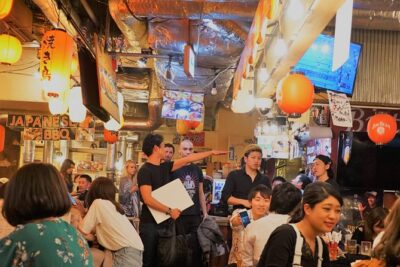
Shibuya Meltdown Nightlife Tour: All-You-Can-Drink Bar Hopping
Read our review →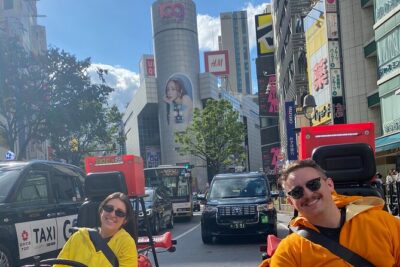
Shibuya Official Street Go-Kart in Shibuya Annex
Read our review →
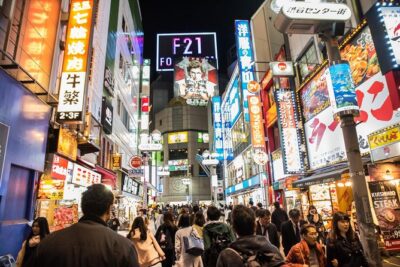
Premium Go-Kart Tour with Tower & Shibuya Crossing
Read our review →Browse the lists this tour appears in