
Reviewed · CYCLING TOURS
3h Tokyo E-Bike Tour: Hidden Gems, and Local Life with guide
Tokyo makes far more sense from a bicycle seat. This three-hour ride links Akihabara’s otaku culture, Asakusa’s famous sights, the sumo district of Ryogoku, and old Nihonbashi without asking you to master several train lines. The electric-assist bicycle does the hard work, while the guide points out local streets and stops for photos.
I like the six-person limit, which keeps the group manageable, and I like the route’s mix of famous places and ordinary downtown neighborhoods. Guides including Jo, Ted, and Ninja have earned praise for friendly instruction and careful attention in traffic. The main drawback is simple: three hours moves quickly, and most stops are brief. You get a useful first look, not a long visit at every sight.
In This Review
- Key points at a glance
- Why an e-bike is a smart way to see Tokyo
- 1:30pm to 4:30pm, a useful first-afternoon plan
- Akihabara, where pop culture meets local streets
- Kappabashi Street and Tokyo’s practical side
- Asakusa, Tokyo’s best-known traditional district
- Ryogoku, the sumo district
- Ningyocho and old downtown Tokyo
- What the small group changes
- Is $61 a fair price?
- Who will enjoy this ride most?
- Practical details before you book
- Should you book the Tokyo e-bike tour?
- FAQ
- How long does the Tokyo e-bike tour last?
- What language is the tour conducted in?
- How many people can join the tour?
- What is included in the price?
- Do I need to bring special clothing?
- Are food and drinks included?
- Can I cancel the booking for a refund?
Key points at a glance
- Electric assistance makes the route approachable: You pedal, but the bicycle helps, making the ride easier for a wide range of riders.
- The route crosses several sides of Tokyo: Akihabara, Asakusa, Ryogoku, Ningyocho, Kappabashi Street, and Nihonbashi each show a different face of the city.
- Six people or fewer keeps the ride personal: You can hear the guide’s comments and stop for photographs without managing a large pack.
- The afternoon schedule suits first-time sightseeing: The tour runs from 1:30pm to 4:30pm, leaving your morning free.
- Safety gets direct attention: Helmets are required, and guides such as Ninja have been praised for watching both the road and the group.
- The price includes useful basics: At $61 per person, you get the e-bike, helmet, English-speaking guide, insurance, and seasonal gear.
Why an e-bike is a smart way to see Tokyo
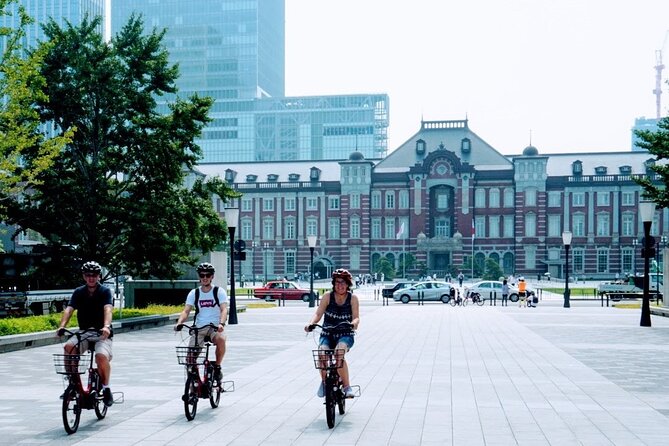
Tokyo is easy to cross by train, but trains show you stations and platforms. A bicycle lets you connect the spaces between them. You pass from a modern shopping district into older streets, then continue toward traditional neighborhoods without repeatedly descending underground.
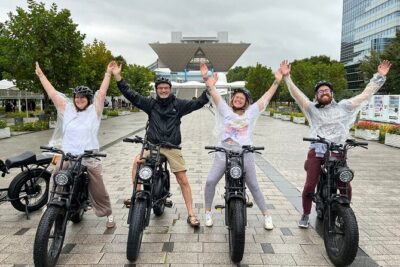
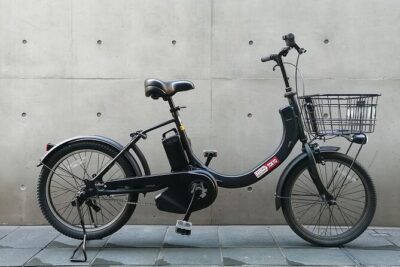
The electric assist matters. You still ride and steer, but the motor helps with effort. That makes this a better choice than a standard bicycle if you want to cover several districts without spending the afternoon tired. The information does not specify a minimum fitness level, so you should still be comfortable riding a bicycle, but the electric support is designed to make the route easy to handle.
Your guide also changes the experience. At each planned stop, you can get off, take photographs, and listen to commentary. That rhythm is better than trying to listen while riding, and it gives you a moment to notice details you might otherwise pass by.
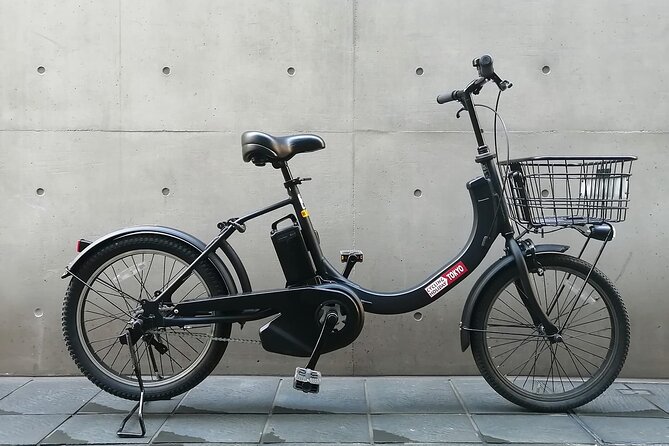
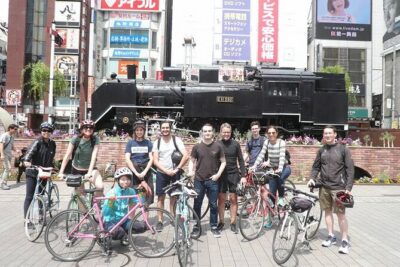
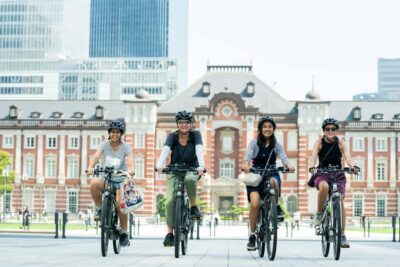
The ride begins at Cycling Holiday Tokyo, where the bicycles are lined up in front of the shop and staff are present. Arrive ready to ride rather than dressed for a formal sightseeing walk. Comfortable clothing is required, and your hairstyle should allow you to wear the provided helmet.
A few more Tokyo bookings worth comparing
- Tokyo Guided Small-Group Biking Tour
★ 5.0 · 1,250 reviews - Tokyo Great Cycling Tour
★ 5.0 · 811 reviews - Tokyo Top Highlights 3h Guided E-bike Tour
★ 5.0 · 714 reviews
1:30pm to 4:30pm, a useful first-afternoon plan
The afternoon timing is one of the tour’s practical strengths. You can use the morning for another part of Tokyo, have lunch, then meet for the bicycle ride at 1:30pm. The tour ends at 4:30pm, leaving you time for dinner or another evening activity.
For a first visit, the route offers a quick orientation to central Tokyo. You see pop culture, traditional downtown, sumo associations, kitchen-shopping streets, and an old commercial center in one outing. That does not replace a full visit to each district, but it helps you decide where to return later.
The tradeoff is limited time. Three hours sounds generous until you divide it among six named areas and several stops. Kappabashi Street gets about 15 minutes of free time, Ryogoku about 10 minutes for photographs, and Nihonbashi about five minutes for photographs. Akihabara, Asakusa, and a lesser-known stop receive attention too, but this is a moving tour rather than a series of long museum visits.
Akihabara, where pop culture meets local streets
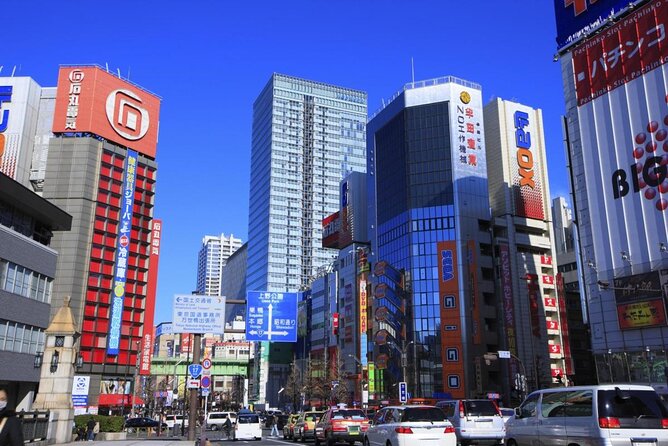
Akihabara is the opening photo stop. The district is widely known for anime, manga, games, electronics, and other forms of Japanese pop culture. The tour description calls it Tokyo’s electric otaku town, so this is your chance to see that side of the city before the route shifts toward older neighborhoods.
A bicycle gives you a different angle than a shopping visit. You are not limited to one main arcade street, and the guide can frame Akihabara as part of Tokyo’s everyday city fabric. You can take photographs at the stop and hear commentary rather than simply walking past signs and storefronts.
Do not expect an extended shopping session here. The schedule treats Akihabara as a photo and orientation stop, not as free time for browsing every store. If you have a long list of anime shops or electronics stores, save that for a return visit.
Kappabashi Street and Tokyo’s practical side
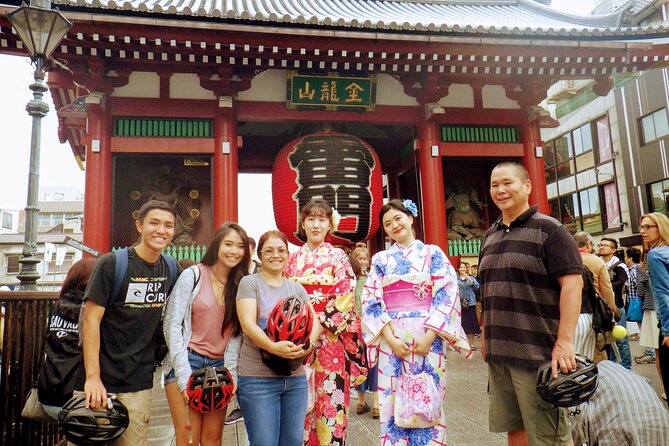
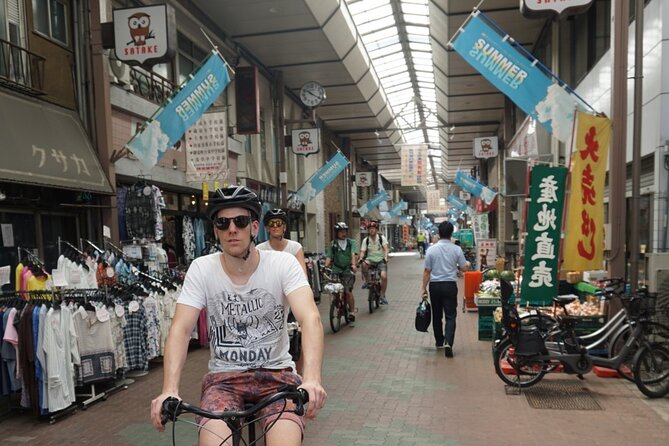
Kappabashi Street is a particularly useful stop for anyone curious about the working side of Japanese food culture. It is known for shops connected with restaurant supplies, kitchen tools, tableware, and the plastic food displays seen outside many Japanese restaurants. The supplied route gives you about 15 minutes of free time here.
That short window is enough for a quick look and perhaps a purchase, but it is not enough for careful comparison shopping along the whole street. Keep your expectations in check. You may find something interesting, but the tour’s main purpose is to show you the area, not provide a dedicated shopping trip.
I like this stop because it adds a grounded detail to the day. Akihabara shows a famous modern interest, while Kappabashi shows the tools and objects behind everyday eating. It is a small but useful shift in focus.
Food and drinks are not included. If you buy something at a shop, you pay for it yourself. The tour information does not promise a meal or tasting, so eat beforehand if you need a proper lunch.
Same corner of Tokyo, a completely different plan:
- Mt Fuji and Hakone 1-Day Bus Tour Return by Bullet Train
★ 5.0 · 26,383 reviews - 1-Day Tokyo Bus Tour
★ 5.0 · 14,250 reviews - Tokyo: TOKYO SKYTREE® Admission ticket
★ 4.5 · 11,192 reviews - Tokyo: teamLab Planets TOKYO Digital Art Museum Entry Ticket
★ 4.6 · 9,779 reviews
Asakusa, Tokyo’s best-known traditional district
Asakusa is the major traditional stop on the route. Its best-known sights include Senso-ji, Kaminarimon Gate, Nakamise shopping street, and the surrounding old downtown atmosphere. The tour allows free time here, giving you more room than at the quick photo stops.
This is likely to be the part of the ride many first-time visitors recognize most easily. Asakusa offers a clear contrast with Akihabara, and it gives the guide a natural place to explain Tokyo’s older character. You can take photographs, look around, and get a feel for the area before returning to the bicycle.
The exact amount of free time is not stated, so you should not assume you can visit every major temple building or browse the entire shopping street. Keep your stop focused. If Asakusa is high on your list, note what you want to revisit later on foot.
The bicycle is most valuable here as a connector. Instead of spending your whole afternoon inside one district, you see Asakusa as one part of a larger central Tokyo route.
Ryogoku, the sumo district
The ride continues to Ryogoku, Tokyo’s sumo area, with about 10 minutes for photographs. Ryogoku is associated with sumo stables, the Kokugikan arena, and food and customs linked with the sport. The stop gives you a brief introduction to that identity.
Ten minutes is enough for orientation and photos, not a full sumo experience. The tour does not include a tournament, a stable visit, or a museum admission. Still, Ryogoku earns its place on the route because it adds a cultural subject that neither Akihabara nor Asakusa covers.
Listen closely during the guide’s stop. The value here is less about ticking off a landmark and more about understanding why this neighborhood matters. The guide’s comments help connect the visible streets with Tokyo’s long relationship with sumo.
Ningyocho and old downtown Tokyo
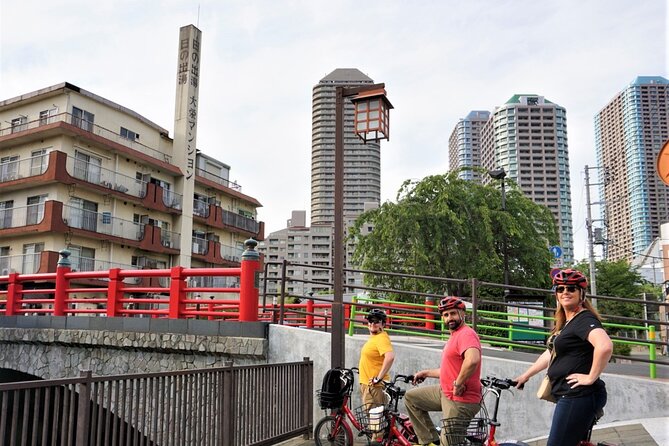
Ningyocho is described as a local, energetic neighborhood. It is one of the places where the ride shifts away from Tokyo’s headline sights and toward the everyday city. The route also includes Nihonbashi, built during the Edo period roughly 400 years ago, so this section gives you a sense of old commercial Tokyo.
The route information does not assign a precise stop length for Ningyocho. That means you should treat it as part of the cycling experience, with the guide explaining the neighborhood as you move through it. This is one reason the small group matters. With six riders or fewer, it should be easier to hear the guide and stay together through changing streets.
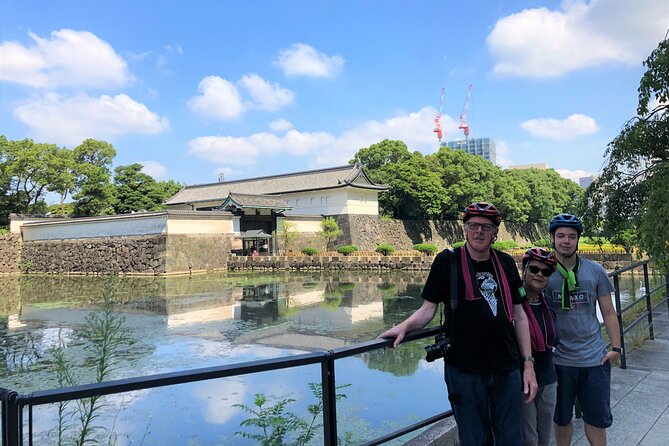
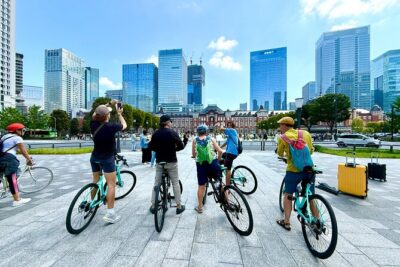
Nihonbashi receives a five-minute photo stop. That is brief, but the district’s importance gives the stop context. Nihonbashi has long been tied to commerce, travel routes, and the growth of Tokyo. You will not have time for a full historical visit, yet the stop rounds out the tour’s story: modern pop culture, traditional Asakusa, sumo, local streets, and an Edo-era commercial center.
What the small group changes
The group is limited to six participants. That is a real advantage on a bicycle tour. A large group can stretch across streets, make instructions hard to hear, and force everyone to wait while the slowest part of the group catches up.
Here, you can ask questions more easily and hear the guide’s comments at each stop. You also have a better chance of receiving direct help with the bicycle or route. The tour includes an English-speaking guide, and guides named Jo, Ted, and Ninja have led recent outings.
Safety is another reason to value the small size. Ninja has been praised for paying close attention to traffic and to the people in the group. That does not remove the need for you to ride carefully, but it shows the kind of supervision you should expect from a well-managed small ride.
You must wear the provided helmet. Come with clothing that is comfortable for cycling and a hairstyle that works under a helmet. Simple rain gear is included, along with simple gloves in winter and cooling products in summer.
Is $61 a fair price?
At $61 per person, this is not the cheapest way to move through Tokyo, but it covers more than bicycle hire. The fee includes the electric-assist bicycle, helmet, English-speaking guide, insurance, and seasonal practical items. You are paying for the route planning and local explanation as well as the equipment.
The value is strongest if you are a first-time visitor with only a few free hours. Public transport can take you to the same broad districts, but you would need to plan transfers, navigate stations, and organize your own route. This tour handles the connections and gives you live commentary.
The price is less appealing if you want long visits at each sight, extensive shopping time, or a food-focused outing. Food and drinks are extra, and the three-hour schedule keeps the stops moving. Think of the tour as a compact introduction to Tokyo, not a full-day cultural program.
The average rating is 4.8 from five ratings, with especially strong praise for the guides and the pleasure of riding through smaller streets and lanes. That limited number of ratings means you should treat the score as encouraging rather than final proof for every type of rider.
Who will enjoy this ride most?
I would recommend it most strongly to first-time Tokyo visitors who want a broad look at the city without spending the whole day underground. It also suits you if you like seeing how neighborhoods connect, prefer active sightseeing, and want a guide who can explain what you are passing.
The ride can work well for people who do not want a strenuous cycling tour. The electric assist reduces effort, and the small group allows closer guidance. You still need to be able to ride a bicycle and feel comfortable following the group through city streets.
It is less suited to you if cycling is uncomfortable, if you want a slow temple visit, or if you plan to spend an hour shopping in Kappabashi or Akihabara. The route offers snapshots and context. You decide later which districts deserve more time.
The tour also suits anyone who likes practical local details. Kappabashi’s restaurant supplies, Ningyocho’s neighborhood character, and Nihonbashi’s old commercial role give you more than a checklist of famous sights.
Practical details before you book
Meet at Cycling Holiday Tokyo, where the bicycles are lined up outside and staff are waiting. The tour runs every day, but you need to check availability for the available starting time. The listed afternoon schedule is 1:30pm to 4:30pm.
The English-speaking guide leads the tour, and insurance is included. Wear comfortable riding clothes and plan to use the helmet. The provided rain gear is simple, so you should still dress sensibly for the forecast.
You can cancel up to 24 hours before the tour for a full refund. The reserve-now, pay-later option lets you hold a place without paying at the time of booking, which is useful when your Tokyo schedule is still changing.
Should you book the Tokyo e-bike tour?
Book this ride if you want a lively three-hour introduction to several central Tokyo districts, especially if you are visiting for the first time. The electric bicycle, small group, English commentary, and careful guides such as Jo, Ted, and Ninja make the route approachable and personal.
Skip it if your priority is long, unhurried time at Asakusa, dedicated shopping, or a food experience. For everyone else, $61 is a reasonable price for a guided route that shows both Tokyo’s famous faces and its ordinary connecting streets. Plan to return to your favorite stop later, and you will get the best value from the afternoon.
FAQ
How long does the Tokyo e-bike tour last?
The tour lasts three hours. The listed afternoon schedule runs from 1:30pm to 4:30pm.
What language is the tour conducted in?
The live tour guide speaks English.
How many people can join the tour?
The group is limited to six participants or fewer.
What is included in the price?
The price includes an electric-assist bicycle, helmet, English-speaking guide, insurance, simple rain gear, winter gloves, and summer cooling products.
Do I need to bring special clothing?
You should wear clothing that is comfortable for riding a bicycle. You should also arrive with a hairstyle that allows you to wear a helmet.
Are food and drinks included?
No. Food and drinks are not included. You pay for any food or drinks you purchase yourself.
Can I cancel the booking for a refund?
Yes. You can cancel up to 24 hours in advance for a full refund. The reserve-now, pay-later option is also available.
More 3-Hour Experiences in Tokyo
- 3h Tokyo E-Bike Tour: Hidden Gems, and Local Life with guide
★ 5.0 · 670 reviews - Tokyo: 3-Hour Bike or E-Bike City Highlights Tour
★ 4.8 · 435 reviews - Tokyo: 3-hour Guided E-Bike Tour of the City’s Hidden Gems
★ 4.8 · 251 reviews - 3-Hour Tokyo Pub Crawl Nightlife Welcome Guided Tour in Shibuya
★ 5.0 · 209 reviews
New on our Tokyo list
- Sumi-e Experience in a relaxing green tea shop in Tokyo★ 5.0 · 3 reviews
- Tokyo : Kamikaze Street Drift Ride★ 5.0 · 3 reviews
- Private Zen Meditation in English in Shinjuku, Tokyo★ 5.0 · 3 reviews
- Easy for everyone! Now you can play handmade mini shamisen and show off to everyone! Musical instruments, sweets and live music★ 5.0 · 3 reviews
- Onsen Spa in Tokyo and Asakusa Bar Hopping with Local Guide★ 5.0 · 3 reviews
- Tokyo: Private Tsukiji Street Food & Sake with Local Guide★ 5.0 · 3 reviews
- Mt Fuji Exploration Tour with Free Japanese Kusa Mochi from Tokyo★ 4.5 · 3 reviews
- Tokyo Tsukiji Fish Market Walking and Exploring Hidden Gems Tour★ 5.0 · 3 reviews
Cycling Tours, compared.
3h Tokyo E-Bike Tour: Hidden Gems, and Local Life with guide
Read our review →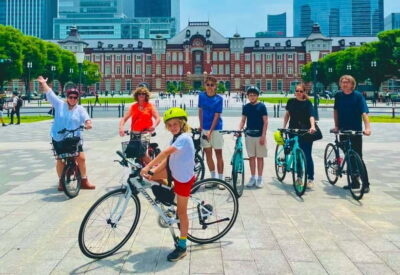
3-hour Guided E-Bike Tour of the City’s Hidden Gems
Read our review →
3-Hour Bike/E-Bike Tour of the City’s Highlights
Read our review →Browse the lists this tour appears in