
Reviewed · HISTORICAL TOURS
Asakusa: TOKYO SKYTREE Exploration after History Tour
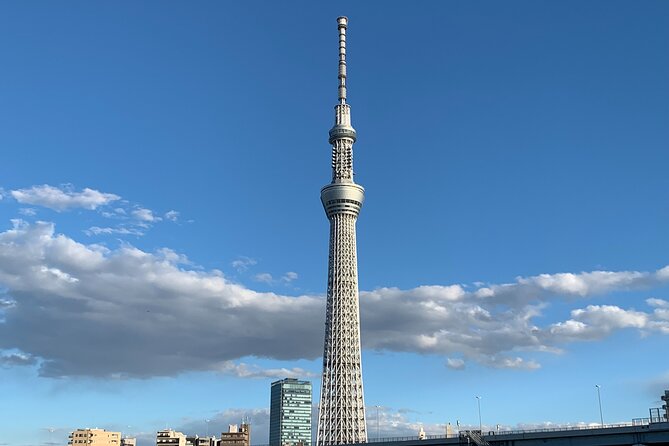
Tokyo Skytree is the grand finale here, but Asakusa’s old streets and temples give the visit its meaning. You begin beside the Sumida River, trace the district through Kaminarimon and Nakamise, then enter Senso-ji and Asakusa Shrine before riding up Tokyo’s tallest structure.
I like the small maximum group of eight, which gives you room to ask questions, and I like that the guide explains the overlap of Buddhism and Shinto instead of treating the temples as pretty photo stops. The main catch is the firm no-refund policy, since Skytree tickets are bought soon after booking.
In This Review
- Key points
- Why this Asakusa and Skytree combination works
- Starting beside the Sumida River
- Getting the religious basics at the information center
- Reading the dragons at Kaminarimon
- Walking Nakamise with more than shopping in mind
- Hozomon and Senso-ji, the heart of the walk
- Seeing Buddhism and Shinto share one place
- Taking the train to Tokyo Skytree
- What you get at Tokyo Skytree
- The guides and the style of the experience
- Who should book this tour
- My verdict on the $118.24 price
- Should you book it?
- FAQ
- How long does the Asakusa and Tokyo Skytree tour last?
- Where does the tour start?
- Where does the tour finish?
- Are Tokyo Skytree admission tickets included?
- Is the train fare included?
- What is the maximum group size?
- Can I cancel or change the booking?
Key points
- Eight-person maximum: A small group makes it easier to hear the guide and ask about customs, history, and prayer.
- Asakusa before Skytree: You see the river, Kaminarimon, Nakamise, Hozomon, Senso-ji, and Asakusa Shrine in one connected walk.
- Clear religious context: The tour explains how Buddhism and Shinto share space in Asakusa.
- Upper and lower Skytree decks included: You do not need to arrange the main admission separately.
- Train ride included in the plan, fare separate: The short ride costs JPY160 from Asakusa Station to Tokyo Skytree Station.
- A strong guide team: Taka, Junko Yamashita, Sue, and Keiko are named guides praised for clear explanations, patience, and friendly service.
Why this Asakusa and Skytree combination works
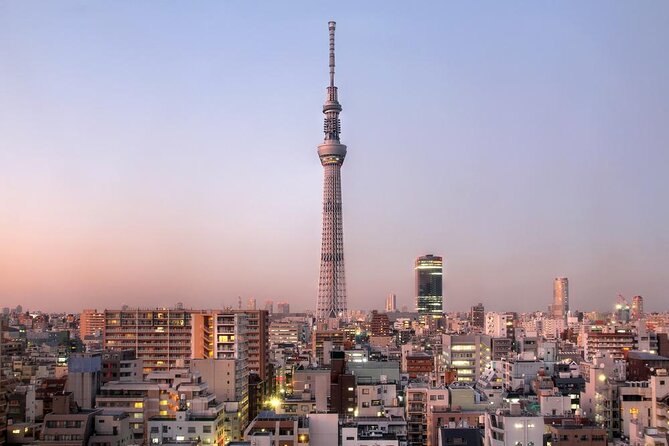
Many Tokyo sightseeing plans split old Tokyo and modern Tokyo into separate outings. This tour links them neatly. You start in Asakusa, one of the city’s best places to see traditional gates, Buddhist worship, Shinto practice, and souvenir shopping. You finish high above the city at Tokyo Skytree, looking across the same urban sprawl from a completely different angle.
That order matters. A view from a tower can be impressive, but it tells you little about the city below. After walking through Asakusa, you have a better sense of how the river, temple district, and old entertainment streets fit into Tokyo’s story.
The tour lasts about three hours and 30 minutes, beginning at 1:30 pm. It is not a full-day commitment, yet it covers a lot. I would allow extra time afterward at Skytree Town if you want to shop or eat, since the organized portion ends at the tower.
The experience costs $118.24 per person. That is not a bargain-priced neighborhood walk, but it includes the upper and lower observation-deck tickets, a local guide, and the planning needed to connect Asakusa with Skytree. You still pay the JPY160 train fare yourself. For someone who wants both a cultural introduction and a major Tokyo viewpoint without arranging the pieces separately, the price can make sense.
More Asakusa visits:
- Tokyo: Japanese Dance Cabaret Theater Asakusa-Kaguwa Ticket
★ 4.8 · 2,270 reviews - Tokyo: Meiji Shrine, Asakusa, Skytree Bus Tour and Cruise
★ 4.7 · 1,986 reviews - Tokyo: Roll and Authentic Sushi Making Class in Asakusa
★ 4.9 · 1,957 reviews
Starting beside the Sumida River
The meeting point is at 2-chōme-20-6 Kaminarimon, close to Asakusa’s main sights. The first stop is Sumida Park, where the guide uses the river to explain Japan’s long period of isolation under the Edo shogunate and its later opening to the outside world.
This is a smart place to begin. The river is not just scenery. It helps explain why Asakusa developed as an important district and gives you a physical sense of the relationship between old Tokyo and the water.
You spend about 20 minutes here. That is enough for a focused introduction, not a long riverside stroll. If you want extensive park time or a slow photo session, you may wish to return on your own after the tour.
Getting the religious basics at the information center
At the Asakusa Culture Tourist Information Center, the guide lays out the difference between Japan’s two major religious traditions, Buddhism and Shinto. This short stop gives you useful background before you enter the gates and worship spaces.
I especially value this kind of explanation because Asakusa can feel confusing at first. A Buddhist temple and a Shinto shrine may sit close together, and the customs are not interchangeable. A guide who explains the difference early helps you pay attention to what you are seeing instead of simply moving through a sequence of famous sites.
The stop lasts about 20 minutes and is free to enter. It is more classroom-like than scenic, but the information pays off later.
Reading the dragons at Kaminarimon
Kaminarimon is the huge entrance gate most people associate with Asakusa. Its large lantern makes it an easy meeting point and one of the district’s busiest photo locations.
The guide uses the gate to discuss the difference between Japanese and Western dragons. That comparison gives you something specific to look for instead of another quick explanation that the gate is old and important. You learn how the Japanese dragon differs in its role from the dragon familiar in Western stories.
You have about 15 minutes here. The short time helps keep the tour moving, though the area can be crowded and you may not get a quiet moment beneath the gate. Stay close to the guide, particularly if the group is using the busy approach to Nakamise.
A few more Tokyo bookings worth comparing
- Tokyo: Imperial Palace and Shogun Historical Walking Tour
★ 5.0 · 2,251 reviews - Tokyo: Imperial Palace Japanese History Walking Tour
★ 4.9 · 987 reviews - Tokyo: Shinjuku Historical Walking Tour & Secret Backstreets
★ 5.0 · 530 reviews - Yanaka Walking Tour: Historic and Traditional District of Tokyo
★ 5.0 · 530 reviews
Walking Nakamise with more than shopping in mind
Nakamise Shopping Street runs from Kaminarimon toward Senso-ji. It is one of Japan’s oldest shopping streets and is lined with snack stands, souvenirs, and traditional-style goods.
The tour spends about 40 minutes here, making it the longest walking stop before the temple grounds. That gives you time to see the street as more than a retail strip. The guide explains Buddhist symbols such as the vajra, also called tokko, and discusses ukiyo-e woodblock prints and their impact beyond Japan.
I like this part because it connects ordinary-looking objects with larger ideas. You can browse while learning why certain symbols appear in Buddhist settings and how printed images helped carry Japanese visual culture far beyond its original audience.
This is not structured as a shopping excursion, so do not expect a long buying break or a list of specific stores. If you find a souvenir you want, note where it is and return after the tour. The group needs to keep moving toward the temple.
Hozomon and Senso-ji, the heart of the walk
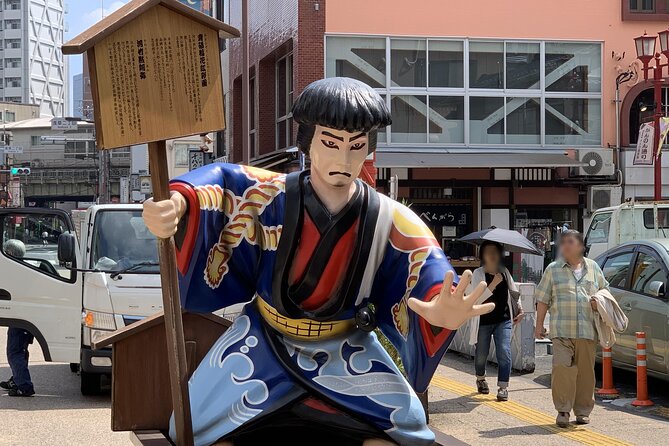
Hozomon is the inner gate of the Senso-ji complex. Here, the guide draws a comparison between ways of thinking in medieval Japan and Europe. It is an unusual detail, and it gives the stop a wider frame than architecture alone.
The visit lasts about 15 minutes. You will have time to look closely at the gate and hear the explanation, but not to linger at length. The pace suits someone who wants a guided overview of Asakusa’s main points rather than a slow architectural study.
Senso-ji is Tokyo’s oldest Buddhist temple and the central sight of the walking portion. The guide explains another important distinction: how prayer differs in Buddhism and Shinto. That practical guidance is helpful if you want to behave respectfully and understand why people approach the two traditions differently.
You get another 15 minutes at the temple. The grounds can be crowded, so the guide’s voice and meeting instructions matter. For groups of three or more, headsets are provided so you can hear clearly even when the guide is a short distance ahead. That is a useful detail in a busy temple complex.
Seeing Buddhism and Shinto share one place
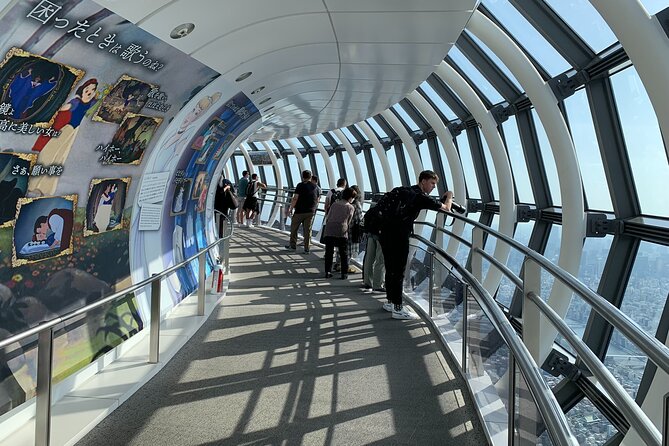
The final Asakusa stop is Asakusa Shrine, located on the same grounds as Senso-ji. This is one of the most interesting parts of the route because the shrine and temple share a long history, worshippers, and physical space.
The guide explains how Buddhism and Shinto have coexisted here for more than a millennium. You do not need a specialist background to appreciate the point. The setting itself shows that religious boundaries in Japan have not always worked in the neat categories many outsiders expect.
The visit takes about 15 minutes. I would pay close attention here, since this is where the earlier explanation at the tourist center comes together. You see the difference between the two traditions, but also the way they have lived alongside one another.
Taking the train to Tokyo Skytree
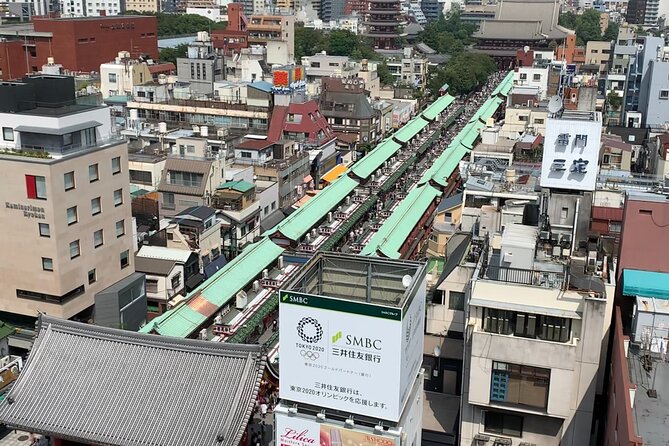
After the Asakusa walk, you take the train from Asakusa Station to Tokyo Skytree Station. The fare is not included and costs JPY160. Hotel pickup and drop-off are also not provided, so you make your own way to the starting point and leave independently after the tower.
The train connection is part of the appeal. You are not handed back to the city between two unrelated attractions. Instead, the short ride moves you from historic Asakusa to the newer Skytree district with little fuss.
The tour ends at Tokyo Skytree, not back at the original meeting point. Keep that in mind when planning dinner or your next activity. The Skytree area has shops and dining facilities, so ending there can be convenient, particularly if you want to stay nearby after the observation decks.
What you get at Tokyo Skytree
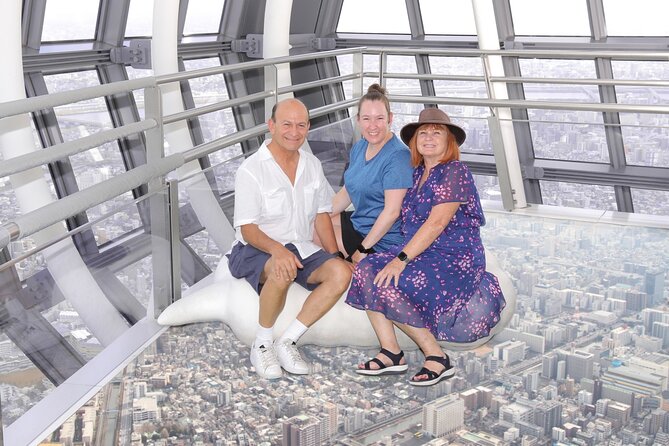
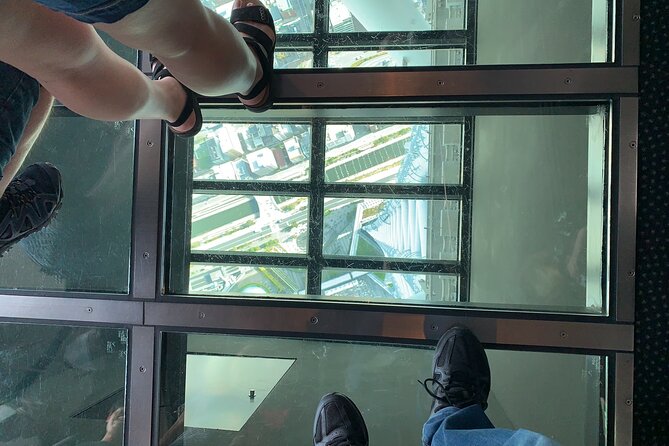
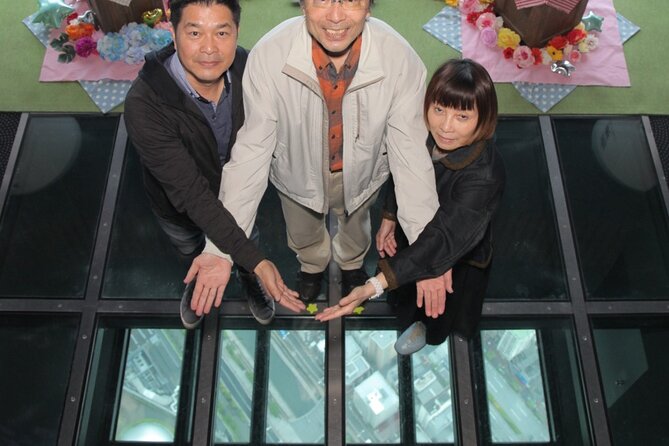
The tour includes combo tickets for both the upper and lower observation decks. Your guided time at Tokyo Skytree is about one hour, and you also have time for shopping below.
The view is the payoff for the whole afternoon. From above, you can look back toward the broad Tokyo city area and understand the scale of the metropolis in a way that is impossible from street level. The experience also gives you plenty of chances for photographs, though views will depend on the weather.
The included tickets add real value. Skytree admission is one of the more expensive pieces of a Tokyo sightseeing day, and buying the correct access in advance removes one more task from your schedule. The tradeoff is flexibility. Because the tickets are purchased soon after booking, the activity cannot be canceled or changed for a refund for any reason.
That policy deserves serious attention. If your schedule is uncertain, or if you are booking far ahead, this is not a forgiving choice. The tour is often booked 107 days in advance, which suggests that planning early matters, but early booking also means you need confidence in your date.
The guides and the style of the experience
The guide makes a large difference on a tour with this many short stops. Taka is described as friendly and well informed, with a strong focus on explaining what each building means to local people. He also takes care to include respectful moments for prayer at the Buddhist and Shinto sites.
Junko Yamashita is praised for clear, thoughtful explanations and close attention to the group. Sue is noted for excellent English, a polite manner, an unhurried pace, and time for questions. Keiko is described as having spent considerable time studying Asakusa and Skytree so she could explain both places well.
You should expect a guide-led history and culture walk, not a scripted race from one photo point to the next. The comments about pace and questions are especially useful if you prefer time to absorb information. A small group of no more than eight supports that style.
The tour can still feel full. There are seven Asakusa stops before Skytree, and most last only 15 or 20 minutes. If you want to explore every temple building, shop at length, or stop for a full meal, you will need separate time.
Who should book this tour
I would recommend this experience to a first-time Tokyo visitor who wants a clear introduction to Asakusa without sorting out the route alone. It also suits families, since the walk mixes open-air sights, religious buildings, shopping, a train ride, and a tower view rather than relying on one type of attraction.
It is a good fit if you want history explained in plain language. The religious background, the story of Japan’s isolation, the symbolism at Kaminarimon and Nakamise, and the connection between Senso-ji and Asakusa Shrine give the walk more substance than a simple sightseeing circuit.
It may be less suitable if you dislike fixed schedules or want to wander freely. The non-refundable ticket policy is the biggest concern, and the afternoon timing gives you little room to change plans once the Skytree tickets have been secured.
The route is near public transportation, and most people can participate. The information provided does not describe special accessibility arrangements, so anyone with specific mobility needs should confirm details before booking.
My verdict on the $118.24 price
At $118.24, you are paying for more than a walking tour. The price covers a small-group guide, the full Asakusa introduction, the train connection in practical terms, and access to both Skytree observation decks.
The value is strongest if you already planned to visit Skytree and would otherwise need to arrange timed admission and a separate Asakusa tour. It is weaker if you mainly want a cheap temple walk or if you are happy to visit the tower independently.
The included upper and lower deck tickets are the key cost factor. Add the modest JPY160 train fare and remember that food, shopping, and transportation to the meeting point are extra. I would compare the total against the cost of buying Skytree admission and a separate private or small-group walk before deciding.
Should you book it?
Book this tour if you want meaningful context before the city view, prefer a group capped at eight, and have a firm afternoon available. The best parts are the careful explanation of Buddhism and Shinto, the connected route through Asakusa, and the chance to finish with both Skytree observation decks.
Think twice if weather could force you to cancel, since the experience is non-refundable and cannot be amended. Also skip it if you want long shopping stops or a relaxed temple visit. For a compact introduction to old Tokyo followed by a memorable look across the modern city, this is a well-planned choice with a clear focus.
FAQ
How long does the Asakusa and Tokyo Skytree tour last?
The experience lasts approximately three hours and 30 minutes. It begins at 1:30 pm and ends at Tokyo Skytree.
Where does the tour start?
The meeting point is 2-chōme-20-6 Kaminarimon, Taito City, Tokyo 111-0034, Japan.
Where does the tour finish?
The tour ends at Tokyo Skytree, at 1-chōme-1-2 Oshiage, Sumida City, Tokyo 131-0045, Japan. It does not return to the original meeting point.
Are Tokyo Skytree admission tickets included?
Yes. Combo tickets for the upper and lower observation decks are included.
Is the train fare included?
No. You pay the JPY160 fare from Asakusa Station to Tokyo Skytree Station separately.
What is the maximum group size?
The group has a maximum of eight travelers. For a group of three or more, headsets are provided so you can hear the guide clearly from a short distance.
Can I cancel or change the booking?
No. The experience is non-refundable and cannot be changed for any reason because Skytree tickets are purchased soon after booking. If the operator cancels because the minimum number of participants is not reached, you will be offered another date or experience, or a full refund.
New on our Tokyo list
- Private Zen Meditation in English in Shinjuku, Tokyo★ 5.0 · 3 reviews
- Sumi-e Experience in a relaxing green tea shop in Tokyo★ 5.0 · 3 reviews
- Tokyo : Kamikaze Street Drift Ride★ 5.0 · 3 reviews
- Onsen Spa in Tokyo and Asakusa Bar Hopping with Local Guide★ 5.0 · 3 reviews
- Easy for everyone! Now you can play handmade mini shamisen and show off to everyone! Musical instruments, sweets and live music★ 5.0 · 3 reviews
- Tokyo: Private Tsukiji Street Food & Sake with Local Guide★ 5.0 · 3 reviews
- Mt Fuji Exploration Tour with Free Japanese Kusa Mochi from Tokyo★ 4.5 · 3 reviews
- Tokyo Tsukiji Fish Market Walking and Exploring Hidden Gems Tour★ 5.0 · 3 reviews
Historical Tours, compared.

Imperial Palace and Shogun Historical Walking Tour
Read our review →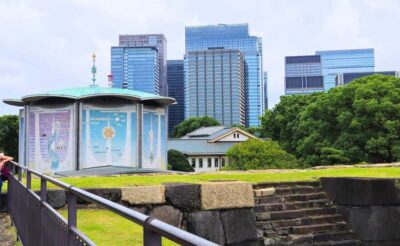
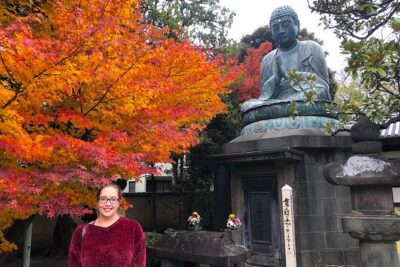
Yanaka Walking Tour: Historic and Traditional District of Tokyo
Read our review →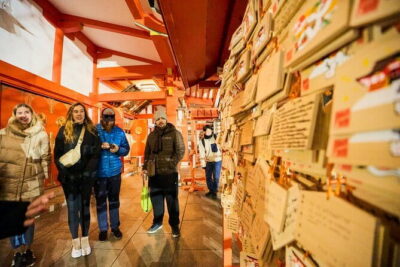
Shinjuku Historical Walking Tour & Secret Backstreets
Read our review →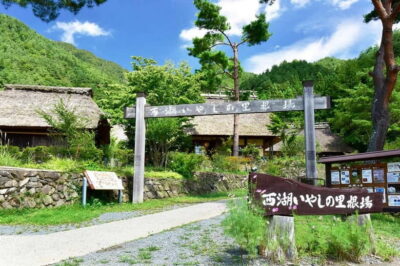
Mt. Fuji Heritage Tour: Traditional Villages, Lakes & Shrine
Read our review →
The Best of Izakaya in Shinjuku Food & Cultural Tour
Read our review →
Yanaka Historical Walking Tour in Tokyo’s Old Town
Read our review →Browse the lists this tour appears in