
Reviewed · ASAKUSA TOURS
Asakusa Traditional Experience
Asakusa’s best introduction combines Tokyo’s oldest temple, a traditional shopping street, and a hands-on craft lesson. You begin at Senso-ji, where a local guide explains the temple’s architecture and Edo-era connections, then walk the roughly 200-meter Nakamise-dori toward an Edo-kiriko glass workshop.
I like two things here: the private format, which keeps the pace suited to your group, and the chance to make a glass piece instead of only looking at old buildings. The guide also adds context that is easy to miss when you visit Senso-ji alone.
The main point to watch is the price structure. The $142.84 charge covers the guide for up to five people, but the Edo-kiriko workshop costs 4,950 yen per person, and a wagashi-making option is listed separately at 1,800 yen. Snacks and shopping are also on your own.
In This Review
- Key points at a glance
- Why this Asakusa combination works
- Starting near Kaminarimon at 10:00 a.m.
- Senso-ji, Tokyo’s oldest temple
- Nakamise-dori and old-style shopping
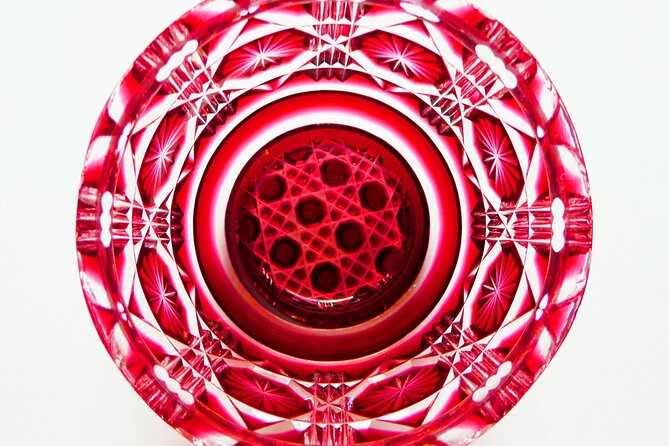
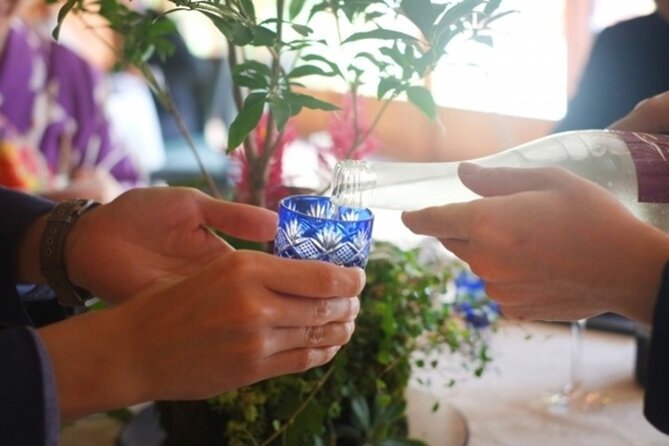
- Making your own Edo-kiriko glass piece
- What the extra wagashi option means
- Is $142.84 a good price?
- Who should book this experience?
- Booking details worth knowing
- Should you book the Asakusa Traditional Experience?
- FAQ
- How long does the Asakusa Traditional Experience last?
- What time does the tour start?
- Where does the tour meet?
- Where does the tour end?
- Is the tour private?
- How many people can join under the listed price?
- Is admission to Senso-ji included?
- Is the Edo-kiriko workshop included?
- Can I cancel for a full refund?
Key points at a glance
- Senso-ji dates to 645, giving your walk through Asakusa a clear link to Tokyo’s early religious and urban history.
- Nakamise-dori runs for more than 200 meters, with folding fans, yukata, traditional snacks, and other souvenirs.
- The Edo-kiriko session lasts about 90 minutes, including designing and cutting your own glass pattern.
- The tour is private for your group, with no other participants added.
- The $142.84 price covers up to five people, making the per-person cost lower for a full group.
- The tour starts at 10:00 a.m. near Kaminarimon and returns to the same meeting point.
Why this Asakusa combination works
Asakusa is one of the easiest parts of Tokyo for connecting the city you see today with the old Edo period. Tall buildings and modern train lines are close by, but the temple gate, incense burner, shopping lane, and craft traditions give the district a distinct older character.
This four-hour experience does not try to cover all of Tokyo. That is a strength. You get one neighborhood, a guide who can explain what you are seeing, and enough time for a creative activity. I would choose it for a first visit to Tokyo if you want more than a quick temple photo and do not want to spend a full day on a large city tour.
The guide is central to the experience. The supplied feedback repeatedly praises the guide’s friendly manner, detailed explanations, and ability to explain architectural features and unusual facts. No individual guide name is provided, so you should not expect to select a particular person when booking.
The format also suits families, couples, and small groups of friends. Since only your own group participates, you can ask questions without holding up a busload of people. That matters at Senso-ji, where a short explanation about a gate, roof, or ritual can be more useful than a long lecture on Tokyo as a whole.
More Asakusa visits:
- Tokyo: Japanese Dance Cabaret Theater Asakusa-Kaguwa Ticket
★ 4.8 · 2,270 reviews - Tokyo: Meiji Shrine, Asakusa, Skytree Bus Tour and Cruise
★ 4.7 · 1,986 reviews - Tokyo: Roll and Authentic Sushi Making Class in Asakusa
★ 4.9 · 1,957 reviews
Starting near Kaminarimon at 10:00 a.m.
The meeting point is listed as Kaminari mon 2-chōme-3-1, Asakusa, Taito City, Tokyo 111-0032, near the Kaminarimon area. The start time is 10:00 a.m., and the activity finishes back at the meeting point.
Arrive with enough time to identify the meeting spot. The tour uses a mobile ticket, and confirmation is sent within 48 hours of booking, subject to availability. Keep the ticket easy to open on your phone.
The total duration is about four hours and includes travel time between parts of the experience. That wording is useful because the listed stops add up to around three and a half hours before allowing for movement, explanations, and any small pauses.
You should wear shoes suitable for walking and allow room in your schedule for the full morning and early afternoon. The activity is near public transportation, and most people can participate, but the information does not give a detailed accessibility plan. If you need specific assistance, ask the provider before booking.
Senso-ji, Tokyo’s oldest temple
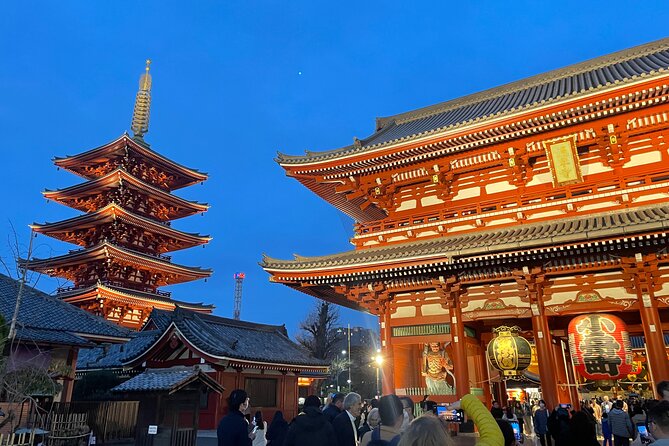
The first stop receives about one hour. Senso-ji was completed in 645 and is described as Tokyo’s oldest temple. That date gives your guide a strong starting point for explaining why Asakusa became such an important religious and cultural area.
The temple is also one of Tokyo’s most colorful and popular sights. You can expect a busy public setting rather than a quiet rural shrine. The reward is visual variety: gates, temple buildings, bright details, and the flow of people moving through a place that has served worshippers for centuries.
A guide is particularly useful here because Senso-ji can feel like a collection of impressive structures if you do not know what you are looking at. The guide can point out architectural details and connect them to the Edo-era character of old Tokyo. Feedback about this experience gives special weight to explanations of architecture and lesser-known facts, so this is where the guiding service earns much of its value.
The admission cost is listed as free. That does not mean the area is without crowds or distractions. Senso-ji is popular, and the experience is not designed as a private, silent temple visit. Instead, you are paying for interpretation, organization, and the link to the craft activity that follows.
Give yourself time to look up. Temple roofs and gates can be easy to rush past when you are focused on moving with the crowd. Your guide should help turn the visit into more than a quick stop for photographs.
Nakamise-dori and old-style shopping
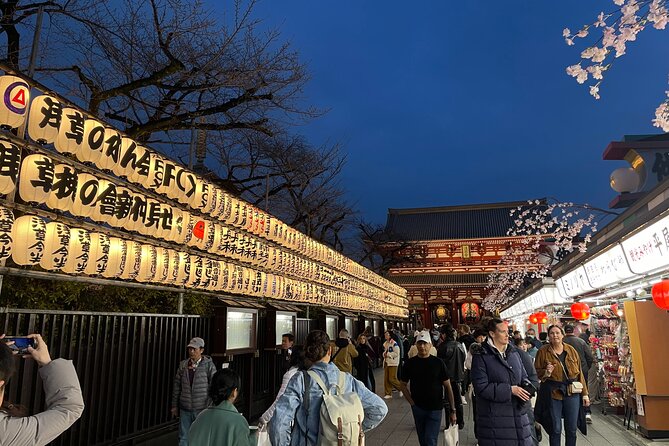
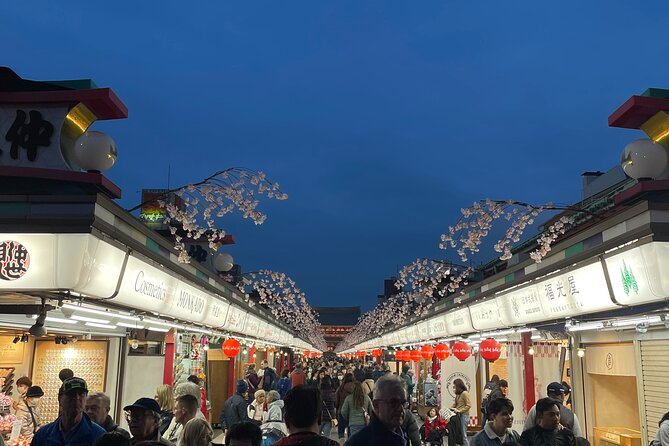
From Senso-ji, the tour continues along Nakamise-dori, a shopping street more than 200 meters long that belongs to the temple. This is the practical souvenir stop, but it is also part of the district’s traditional feel.
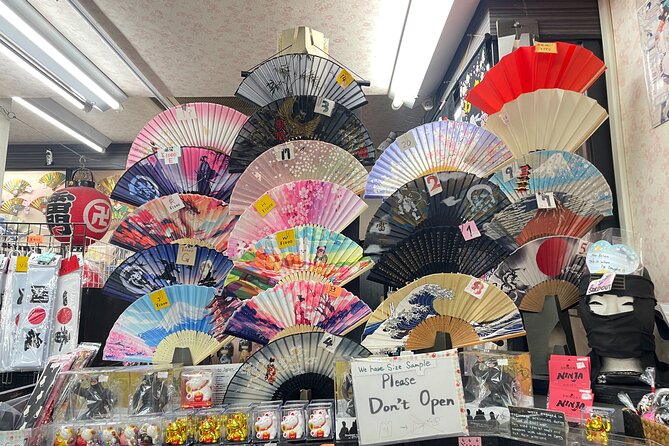
The shops sell Japanese snacks and goods such as yukata and folding fans. These are more specific reminders of Japanese dress and daily life than the generic merchandise found in many major sightseeing zones. You might find something small and easy to pack, or simply enjoy seeing how the shopping street connects the temple entrance with the larger Asakusa area.
The tour allows about one hour here. That is enough time for browsing and a few purchases, though your actual shopping time may depend on how much your group wants to stop for food or souvenirs. Snacks are not included, so budget separately if you want to sample something along the way.
I like that Nakamise-dori is not treated as a rushed passage between two major attractions. The street gives you a chance to look at traditional products before making your own craft item. It also gives the guide a natural setting for explaining how Asakusa presents old Tokyo to modern visitors.
The drawback is simple: shopping streets can tempt you to spend more time and money than planned. If your group has strong souvenir-shopping habits, keep an eye on the clock. The later Edo-kiriko session has a fixed duration, and the four-hour schedule is not unlimited.
A few more Tokyo bookings worth comparing
- Mt Fuji and Hakone 1-Day Bus Tour Return by Bullet Train
★ 5.0 · 26,383 reviews - 1-Day Tokyo Bus Tour
★ 5.0 · 14,250 reviews - Tokyo: TOKYO SKYTREE® Admission ticket
★ 4.5 · 11,192 reviews - Tokyo: teamLab Planets TOKYO Digital Art Museum Entry Ticket
★ 4.6 · 9,779 reviews
Making your own Edo-kiriko glass piece
The final main activity is a visit to Sumida Edokirikokan, or another location if the workshop site changes. Edo-kiriko is a traditional type of cut glass that originated in Edo, the former name for Tokyo.
This is the part that gives the tour a lasting physical result. Rather than only hearing about a craft, you design a pattern and cut it into your own glass piece. The hands-on session takes about 90 minutes, which is long enough to feel like a real introduction rather than a quick demonstration.
The listed workshop price is 4,950 yen, and it is not included in the tour cost. Check the current conversion and payment arrangements before you go. The information supplied does not specify the exact glass item, the range of patterns, or how much instruction you receive, so do not assume the finished piece will be large or professionally polished.
That uncertainty is not necessarily a problem. A craft lesson is often most valuable as a memory of the place, not as a way to produce a perfect object. Your guide can help connect the cutting process to Edo’s traditional arts, while the workshop gives you time to work with your hands.
The location may change, so confirm the workshop details after booking. Travel time is included in the overall duration, but the exact route is not stated. If you are planning another fixed appointment soon after the tour, leave extra time rather than scheduling it immediately at the expected end.
What the extra wagashi option means
Wagashi making is listed at 1,800 yen as an additional cost. Wagashi are traditional Japanese sweets, but the supplied details do not clearly state whether this is included in every version of the route or offered as an alternative to the Edo-kiriko session.
Treat it as an optional add-on that requires confirmation. The main description presents the glass craft as the concluding activity, while the cost details separately list wagashi making. Ask Life Journey Nippon which activity applies to your booking before you pay, especially if your group prefers sweets to glass cutting.
This is one of the few parts of the booking that needs clarification. The stated route, timing, and workshop price point toward Edo-kiriko as the main craft, but the separate wagashi charge means the final plan should be checked in advance.
Is $142.84 a good price?
The cost is $142.84 per group of up to five people. For one person, that is a fairly substantial guide fee. For five people, it works out to about $28.57 per person before the workshop charge, which is much better value.
The private format changes the calculation. You are not paying only for admission, since Senso-ji and Nakamise-dori are free to enter. You are paying for a local guide, a planned route, historical explanation, and the convenience of having your group together for four hours.
Add 4,950 yen per person for Edo-kiriko. A full group of five should calculate the total carefully, since the craft fee can become the larger part of the outing. Add any snacks, purchases, transport not covered by the tour, and the optional 1,800-yen wagashi activity if you choose it.
I see the best value for two to five people who want a private guide and a structured cultural activity. A solo visitor who only wants to see Senso-ji and Nakamise-dori could do those parts independently for far less. The booking makes more sense if you value explanations and want to create something during the same outing.
Who should book this experience?
I would point this tour toward first-time Tokyo visitors who want a manageable introduction to Asakusa. It also fits people who enjoy crafts, families looking for a focused activity, and small groups that prefer a private guide over a large scheduled tour.
The tour is a good match if you like to ask questions. The strongest praise centers on the guide’s clear explanations, friendly approach, and detailed treatment of architecture and local facts. That is the human part you cannot reproduce by simply walking through the district with a map.
You may want a different plan if you dislike shopping streets, do not want to pay an additional workshop fee, or prefer to explore at your own speed. You may also find the schedule a little tight if you want extensive temple photography, a long meal, and serious souvenir shopping before the craft session.
The tour is also not a full survey of Tokyo. It focuses tightly on Asakusa, so you will not see Shibuya, Meiji Shrine, the Imperial Palace, or other major districts. That narrow focus is useful when you want one clear cultural morning, but it should not be mistaken for a citywide tour.
Booking details worth knowing
Life Journey Nippon provides the tour. Free cancellation is available if you cancel at least 24 hours before the local start time. Cancellations made within 24 hours are not refunded, and changes made inside that period are not accepted.
The experience is listed as suitable for most participants. It is near public transportation, uses a mobile ticket, and ends at the original meeting point. Confirmation arrives within 48 hours, subject to availability.
The published rating is five out of five from seven submitted ratings, with praise focused on the guide, clear explanations, friendly service, and the quality of the Asakusa visit. That is a small sample, so I would use it as a positive sign rather than a guarantee that every group will have the same guide or pace.
Should you book the Asakusa Traditional Experience?
Book it if you want a private Asakusa introduction with a real activity at the end. Senso-ji gives you the setting, Nakamise-dori adds food and shopping, and Edo-kiriko turns the morning into something you can take home.
Before booking, confirm the workshop location and ask how the wagashi option fits into your schedule. Then compare the full price, including the 4,950-yen craft fee, with what your group would spend exploring independently.
For two or more people who value a guide, the price can be reasonable. For a solo visitor on a tight budget, the free temple and shopping street may be enough. For everyone else, this is a well-focused way to see Asakusa and do more than simply pass through it.
FAQ
How long does the Asakusa Traditional Experience last?
The experience lasts approximately four hours, including travel time between stops.
What time does the tour start?
The tour starts at 10:00 a.m.
Where does the tour meet?
The meeting point is Kaminari mon 2-chōme-3-1, Asakusa, Taito City, Tokyo 111-0032, Japan, near Kaminarimon.
Where does the tour end?
The activity ends back at the meeting point.
Is the tour private?
Yes. Only your group participates in this private activity.
How many people can join under the listed price?
The $142.84 price applies to one group of up to five people.
Is admission to Senso-ji included?
Admission to Senso-ji is listed as free. The tour price includes the guide cost, not a separate temple admission charge.
Is the Edo-kiriko workshop included?
No. The Edo-kiriko workshop costs 4,950 yen and is not included in the tour price.
Can I cancel for a full refund?
Yes, if you cancel at least 24 hours before the experience start time. Cancellations made less than 24 hours before the start are not refunded, and changes within that period are not accepted.
New on our Tokyo list
- Sumi-e Experience in a relaxing green tea shop in Tokyo★ 5.0 · 3 reviews
- Tokyo : Kamikaze Street Drift Ride★ 5.0 · 3 reviews
- Private Zen Meditation in English in Shinjuku, Tokyo★ 5.0 · 3 reviews
- Onsen Spa in Tokyo and Asakusa Bar Hopping with Local Guide★ 5.0 · 3 reviews
- Easy for everyone! Now you can play handmade mini shamisen and show off to everyone! Musical instruments, sweets and live music★ 5.0 · 3 reviews
- Tokyo: Private Tsukiji Street Food & Sake with Local Guide★ 5.0 · 3 reviews
- Mt Fuji Exploration Tour with Free Japanese Kusa Mochi from Tokyo★ 4.5 · 3 reviews
- Tokyo Tsukiji Fish Market Walking and Exploring Hidden Gems Tour★ 5.0 · 3 reviews
Asakusa Tours, compared.
Japanese Dance Cabaret Theater Asakusa-Kaguwa Ticket
Read our review →
Meiji Shrine, Asakusa, Skytree Bus Tour and Cruise
Read our review →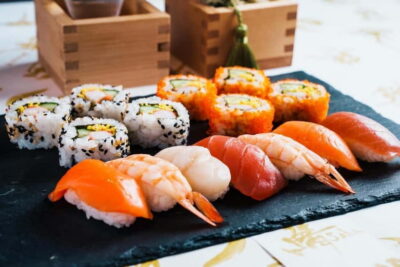
Roll and Authentic Sushi Making Class in Asakusa
Read our review →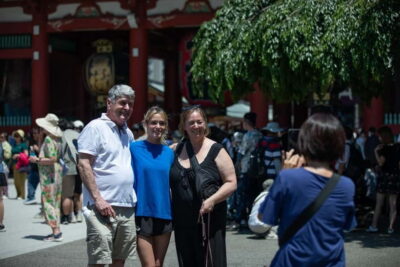
Asakusa Walking Tour with Sensoji Temple Visit
Read our review →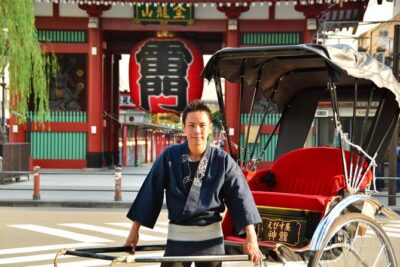
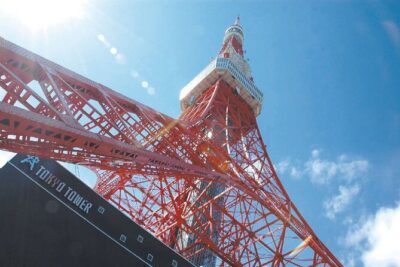
Tokyo Panoramic 1 Day: Meiji Shrine, Asakusa, Odaiba and SKYTREE®
Read our review →
Tokyo Go Kart: Asakusa, Skytree, and Akihabara **IDP MUST**
Read our review →
Asakusa, Skytree & Akhihabara Go-Kart City Experience
Read our review →Browse the lists this tour appears in