
Reviewed · HISTORICAL TOURS
Asakusa’s Historic Treasures
Asakusa’s past and present meet in one lively afternoon. You’ll walk through temple and shrine grounds, see buildings that survived the war, pose among festival-style displays at Asakusa Yokocho, sing karaoke, and learn to cook monja, the soft, savory dish associated with Asakusa. I like the mix of serious local history and playful Japanese culture, and I like that guide Miley keeps the group small and the mood light. The main drawback is the price: at $164.72 per person, this costs more than a basic neighborhood walk, and the four-hour schedule may feel packed if you prefer a slow temple visit.
I also like the personal angle. Miley has worked in both Asakusa and Akihabara, so she can connect the old temple district with Tokyo’s modern entertainment quarters. Just note that the advertised concept mentions experiencing two Tokyo districts, while the listed route and meeting points focus on Asakusa. Ask about the exact plan before booking if seeing another district is important to you.
In This Review
- Key points at a glance
- Why Asakusa works so well for this tour
- Temples, shrines, and buildings that made it through 1945
- Asakusa Yokocho and the festival-style photo stop
- One full hour of Japanese karaoke
- Learning to cook Asakusa-style monja
- The optional Ninja House finish
- Miley’s guiding style and group size
- Is the $164.72 price fair?
- Who will enjoy this Asakusa afternoon?
- Practical details before you book
- Should you book Asakusa’s Historic Treasures?
- FAQ
- Where does the tour start?
- What time does the tour begin?
- How long does the main tour last?
- Where does the tour end?
- Is karaoke included?
- Is food included?
- What is monja?
- How many people can join the tour?
- Is a mobile ticket available?
- Can I cancel for a full refund?
Key points at a glance
- A 628 to 2012 time line: The walk presents Asakusa in chronological order, helping you connect old sites with the modern district.
- Temple and shrine contrasts: You’ll see the difference between these two types of sacred places and visit structures that survived the 1945 war.
- Asakusa Yokocho photos: Spend about 20 minutes at a festival-themed attraction made for colorful, playful pictures.
- Karaoke with a free drink bar: Japan’s famous sing-along pastime gets a full hour, not just a quick novelty stop.
- Hands-on monja meal: You receive one drink and learn how to cook Asakusa’s distinctive soft-textured specialty.
- Small afternoon group: The maximum of nine people should make conversation and hands-on activities easier.
Why Asakusa works so well for this tour
Asakusa is one of Tokyo’s easiest districts for seeing several sides of the city close together. It has temples and shrines, entertainment venues, food traditions, photo spots, and streets shaped by centuries of change. This tour uses that variety rather than treating Asakusa as only a quick stop at one famous temple.
The historical framing is one of the strongest ideas here. You begin with Asakusa’s early story, dated from 628, and move through later periods toward 2012. You are not simply checking off buildings. You are encouraged to see the district as a place that changed over time, with religious sites, entertainment, wartime survival, and modern attractions sharing the same neighborhood.
That approach suits you if you want context but do not want a four-hour lecture. The guide’s local work in Asakusa and Akihabara adds another useful layer. Miley can explain customs and neighborhood character in a way that connects with what you are actually seeing around you.
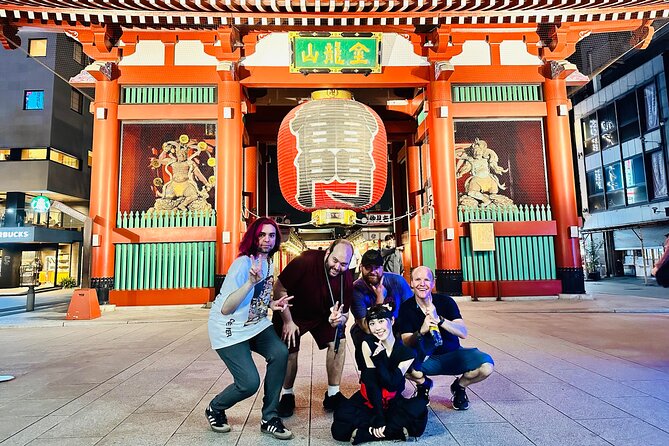
The tour starts at 2 p.m. outside Burger King Asakusa Azumabashi, near Kaminarimon. It ends in front of Ninja House on Asakusa’s 2-chome, with an optional chance to continue for a drink with the guide. Since the afternoon includes food and karaoke, you may want to avoid a large lunch beforehand.
More Asakusa visits:
- Tokyo: Japanese Dance Cabaret Theater Asakusa-Kaguwa Ticket
★ 4.8 · 2,270 reviews - Tokyo: Meiji Shrine, Asakusa, Skytree Bus Tour and Cruise
★ 4.7 · 1,986 reviews - Tokyo: Roll and Authentic Sushi Making Class in Asakusa
★ 4.9 · 1,957 reviews
Temples, shrines, and buildings that made it through 1945
The first major part of the experience focuses on Asakusa’s historic places. The route is meant to show the difference between temples and shrines, which is useful if you have often seen both in Japan without knowing what separates them.
You will also look at buildings that survived the war. This gives the walk a practical sense of time. Asakusa is not presented as an untouched old town. Instead, you see what remains, what was rebuilt, and how the district continued to function after major destruction.
That distinction matters. A short visit to Asakusa can leave you with a few attractive photos and little understanding of why the area feels different from Tokyo’s newer districts. Here, the guide’s explanations are part of the value. You can ask questions as you go, rather than trying to piece together the area later from a guidebook.
The exact number of temples, shrines, and surviving structures is not specified, so do not book this expecting a fixed list of famous monuments. The appeal is the guided sequence and the comparisons. If your top priority is an extended visit inside one major temple, a dedicated temple tour may serve you better.
Asakusa Yokocho and the festival-style photo stop
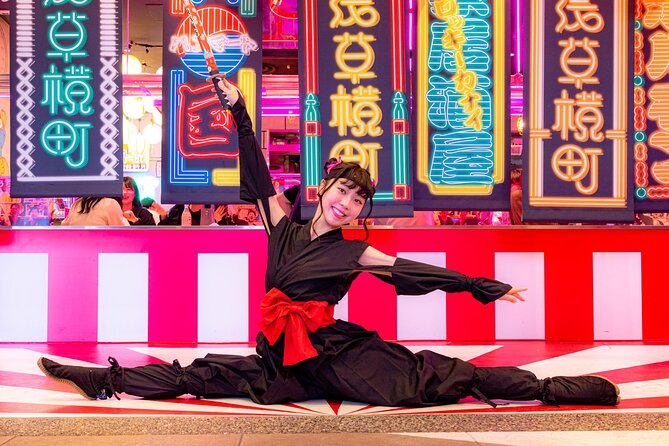
Asakusa Yokocho provides a sharp change of mood. This is a photo-friendly attraction built around the look and feel of Japanese festivals. The stop lasts about 20 minutes and admission is included.
You can expect a quick burst of color and themed surroundings rather than a long cultural visit. It works well for photographs, group shots, and a playful break after the more serious historical portion. If you enjoy making a trip record for friends or social media, this stop gives you something different from standard temple images.
I would keep expectations in check. The attraction is described as being based on a festival concept, not as an old neighborhood or working market. Its value is visual and entertaining. That contrast is part of the tour’s character: Asakusa’s past is followed by a modern setting designed for fun.
The short timing also helps keep the afternoon moving. You will not lose an hour here, but you may feel rushed if you want to take many photos. Have your camera ready and listen for the guide’s signal before moving on.
One full hour of Japanese karaoke
The karaoke stop lasts about an hour, making it a real activity rather than a token visit. Japan is the birthplace of karaoke, and the tour gives you time to try it with a free drink bar.
This is likely to be one of the most memorable sections if you are willing to sing, clap along, or choose a song with the group. It is also a useful social bridge. A small group of no more than nine people can make the room feel more relaxed than a large organized outing, though your enjoyment will still depend on how much you like performing in front of others.
You do not need to treat karaoke as a test of musical ability. The point is participation and local entertainment culture. Miley’s upbeat style is especially important here. The tour depends on a host who can keep energy high, explain what is happening, and make the activity comfortable for people who may not usually sing.
The free drink bar adds value, but the tour does not specify the exact drinks or the karaoke venue’s full setup. If you do not drink alcohol, you should still have a beverage option through the bar, but the available choices are not listed.
A few more Tokyo bookings worth comparing
- Tokyo: Imperial Palace and Shogun Historical Walking Tour
★ 5.0 · 2,251 reviews - Tokyo: Imperial Palace Japanese History Walking Tour
★ 4.9 · 987 reviews - Yanaka Walking Tour: Historic and Traditional District of Tokyo
★ 5.0 · 530 reviews - Tokyo: Shinjuku Historical Walking Tour & Secret Backstreets
★ 5.0 · 530 reviews
Learning to cook Asakusa-style monja
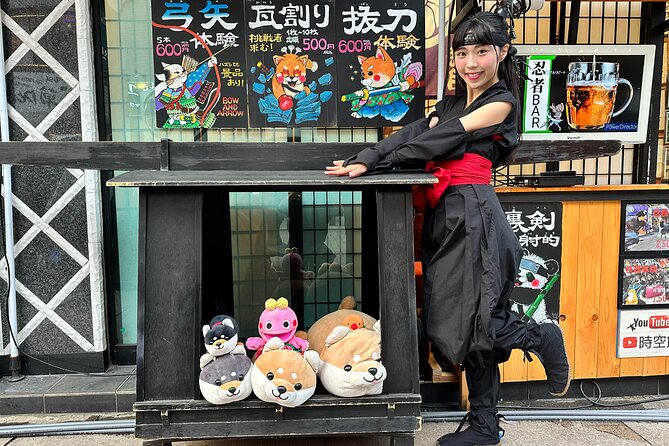
The monja stop is the heart of the food experience. Monja is closely associated with Asakusa and is known for a very soft, loose texture. The description warns that its appearance can be unappealing, which is fair advice for first-timers. It may not look like the tidy grilled dishes many people expect from Japan, but the flavor is the point.
You will receive instruction from the guide and learn how to make it. That hands-on element makes the meal more useful than simply being handed a local dish. You can ask questions, watch the technique, and take part in the cooking.
One drink is included with the meal. This is important when judging the $164.72 price, since the tour combines guiding, activities, entertainment, and food instead of charging for a walk alone. Still, the meal details are limited. The supplied information does not say how much monja is served, what other dishes accompany it, or how dietary restrictions are handled. Contact the provider before booking if allergies, vegetarian needs, or other food limits matter to you.
The meal lasts about an hour. That gives you enough time for the cooking lesson and a relaxed break, though it also means the whole afternoon has a firm rhythm. You are moving from one planned experience to the next rather than wandering wherever the mood takes you.
The optional Ninja House finish
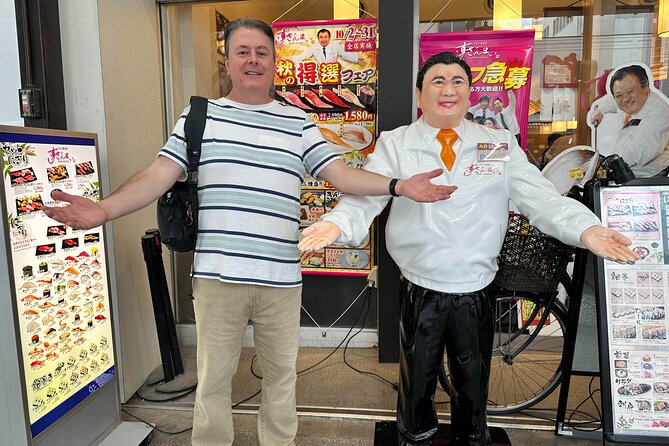
The official ending is in front of Ninja House, at 2-chome, Asakusa. From there, you may have the option to continue with the guide for a drink at Ninja House.
This extra time is not part of the core four-hour schedule, so treat it as an add-on rather than a guaranteed final stop. It may appeal to you if you want to keep talking with Miley or extend the social side of the afternoon. It is less useful if you have a dinner reservation or need to catch a train.
The stated tour duration is approximately four hours, yet the optional continuation is described as a chance to enjoy a full day of adventure. That wording should not be taken as a promise of a full-day guided itinerary. Plan around the four-hour tour, then consider the extra drink only if your schedule allows.
Miley’s guiding style and group size
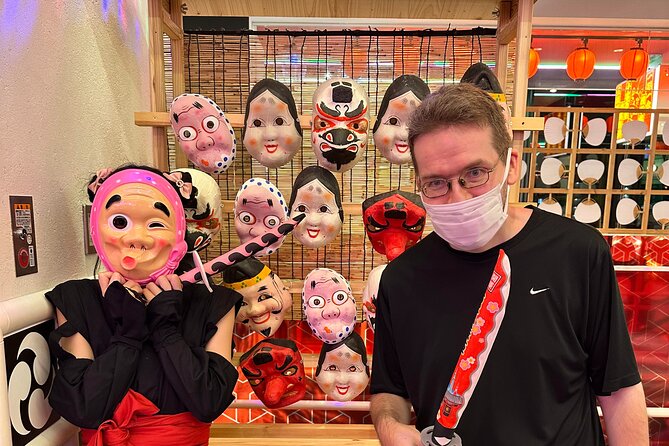
The guide is a major part of this experience. Miley is named as the host, and the supplied feedback repeatedly highlights her humor, high energy, and clear explanations of Asakusa’s customs and past. One account specifically notes that she kept the mood lively even on a rainy day, which matters for a walking tour built around outdoor sites.
Her experience working in Asakusa and Akihabara is another reason to choose this outing. The tour description says you can learn information that is not found in guidebooks. That does not mean every fact will be obscure, but it suggests a more personal neighborhood explanation rather than a standard audio-script approach.
JE is also associated with Smiley Walk and is mentioned as a host on another outing. The information supplied does not clearly state that JE leads this Asakusa departure, so you should expect Miley only if the booking confirmation names her.
The maximum group size is nine. That is small enough for questions and for the monja lesson to feel manageable. It also gives the karaoke portion a better chance of becoming a shared activity rather than a crowded performance. The tradeoff is that a lively guide and an interactive group may not suit you if you want quiet, private sightseeing.
Is the $164.72 price fair?
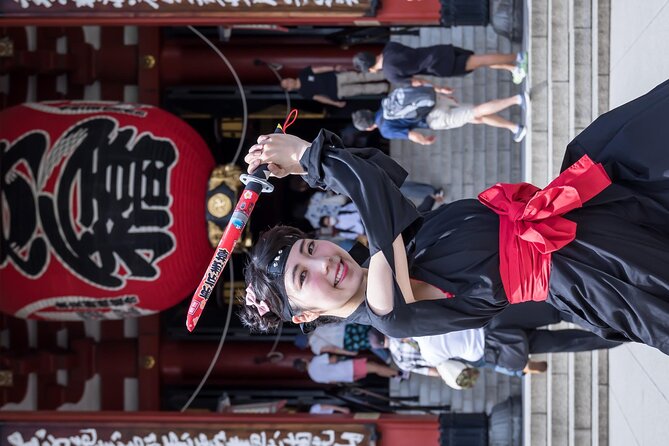
At $164.72 per person, this is a premium half-day experience. You are paying for more than transportation or entry tickets. The package combines a local guide, historical interpretation, temple and shrine visits, a photo attraction, one hour of karaoke with a free drink bar, a monja lesson and meal, and one included drink.
The value is strongest if you would otherwise pay separately for several of these activities and would like someone to connect them. Karaoke and monja are easy to miss if you only follow the main sightseeing route. The tour puts them into one afternoon and removes much of the guesswork.
The value is weaker if you mainly want to see temples. You can explore Asakusa on your own for less money, especially if you are not interested in karaoke or a guided meal. The price also makes the weather policy worth noting. The experience requires good weather, and a cancellation caused by poor conditions can result in a different date or a full refund, but bad weather may still disrupt your plans.
I would see this as a culture-and-social experience, not a bargain sightseeing walk. Book it for the combination of activities and the guide’s personality. Skip it if you want a slow, inexpensive, temple-focused afternoon.
Who will enjoy this Asakusa afternoon?
This tour suits first-time Tokyo visitors who want an easy introduction to Asakusa without spending the whole day on formal sightseeing. It also works for repeat visitors looking for activities they may not have tried before, especially karaoke and monja.
You are likely to enjoy it if you:
- Like learning local customs through food and participation
- Enjoy an upbeat guide and group conversation
- Want both historic sites and modern entertainment
- Are comfortable with a soft-textured, unfamiliar dish
- Prefer a planned afternoon to arranging several stops yourself
Families with older children may find the mix appealing, although the supplied information does not specify a minimum age. Solo visitors can benefit from the small group and built-in social setting. Couples and friends should enjoy the combination of photos, singing, and cooking.
This is less suitable if you dislike group activities, do not want to sing, or need detailed control over your meal. It may also be a poor match if you have only a short window and cannot risk a weather-related change.
Practical details before you book
The start time is 2 p.m. at Burger King Asakusa Azumabashi, near Kaminarimon. The end point is Ninja House at 2-chome, Asakusa. Both the start and end are near public transportation, and a mobile ticket is provided.
Confirmation arrives when you book. Most people can participate, and the maximum group size is nine. The information does not provide a detailed accessibility statement, so ask the operator directly if you need step-free access or have mobility concerns.
You can cancel for a full refund up to 24 hours before the local start time. Cancellations or changes made inside that window are not accepted for a refund. If the minimum number of participants is not reached, the provider offers another date or experience, or a full refund. The same choice applies if poor weather forces cancellation.
Should you book Asakusa’s Historic Treasures?
Book this tour if you want Asakusa explained by an energetic local guide and you like your sightseeing mixed with singing, photos, and hands-on food. Miley’s role is central, and the small group should help the historical walk and monja lesson feel personal.
Do not book it simply because you want the cheapest way to see Asakusa’s temples. At $164.72, the cost makes sense only if you value the complete package. Confirm the exact route, especially the reference to visiting two Tokyo districts, and ask about food requirements before paying.
For the right kind of visitor, this is a lively way to meet Asakusa from several angles in one afternoon: sacred sites, wartime survival, festival-style entertainment, karaoke, and the district’s unusual signature dish.
FAQ
Where does the tour start?
The tour starts at Burger King Asakusa Azumabashi, at Cross Bil Royal Palace, 2-chome-20-6 Kaminarimon, Taito City, Tokyo 111-0034, Japan.
What time does the tour begin?
The start time is 2 p.m.
How long does the main tour last?
The tour lasts approximately four hours.
Where does the tour end?
The scheduled ending is in front of Ninja House at 2-chome-4-3 Asakusa, Taito City, Tokyo 111-0032, Japan.
Is karaoke included?
Yes. The itinerary includes a one-hour karaoke experience with a free drink bar.
Is food included?
Yes. The monja experience includes the meal and one drink.
What is monja?
Monja is a distinctive food associated with Asakusa. The guide teaches you how to make it during the meal.
How many people can join the tour?
The tour has a maximum of nine participants.
Is a mobile ticket available?
Yes. The experience includes a mobile ticket.
Can I cancel for a full refund?
You can cancel at least 24 hours before the local start time for a full refund. Cancellations or changes made less than 24 hours before the start are not refunded or accepted.
New on our Tokyo list
- From Tokyo: Mount Fuji & Hakone Full Day Private Tour★ 4.9 · 25 reviews
- Tokyo Spectacular View Day-Cruise in 90 Minutes★ 5.0 · 25 reviews
- 2.5 Hour-Guided Cycle Tour in the Central Tokyo★ 5.0 · 25 reviews
- Real Tokyo Runner Club : Daikoku Car Meet Night Tour with JDM Car★ 5.0 · 25 reviews
- Ramen Making from Scratch +Akihabara Tour –Cooking Class★ 5.0 · 25 reviews
- [Self-Drive] Tokyo & Daikoku Custom Car Driving Tour★ 4.9 · 25 reviews
- Tokyo: 2-Hour Night Bike Tour of the City’s Hidden Gems★ 4.9 · 25 reviews
- Samurai themed Entertainment show in Shinjuku★ 4.5 · 25 reviews
Historical Tours, compared.

Imperial Palace and Shogun Historical Walking Tour
Read our review →
Yanaka Walking Tour: Historic and Traditional District of Tokyo
Read our review →
Shinjuku Historical Walking Tour & Secret Backstreets
Read our review →
Mt. Fuji Heritage Tour: Traditional Villages, Lakes & Shrine
Read our review →
The Best of Izakaya in Shinjuku Food & Cultural Tour
Read our review →
Yanaka Historical Walking Tour in Tokyo’s Old Town
Read our review →Browse the lists this tour appears in