
Reviewed · TEMPLE & SHRINE TOURS
Autumn Leaves: Mt. Fuji Views, 5-Storey Pagoda and Lake Kawaguchi
The classic Japan view is waiting in Yamanashi: Mt. Fuji behind a red pagoda, with maple leaves glowing around it. This November-only day trip gives you that famous scene without renting a car or figuring out several train and bus connections.
I like the easy full-day transport from Tokyo and the fact that both lunch and dinner are arranged. I also like the mix of photo stops and local food, including Hoto hot pot, chestnut rice, a seafood bento, and a bunch of Shine Muscat grapes to take home. The main drawback is the pace: you have only 50 minutes at Lake Kawaguchi and must climb about 398 steps to reach the pagoda.
In This Review
- Key points at a glance
- Why this November day trip works from Tokyo
- Arakurayama Sengen Park and the 398-step climb
- Lake Kawaguchi’s 60-maple Momiji Corridor
- Yamanashi lunch: chestnut rice and Hoto hot pot
- The ride back includes a seafood bento and grapes
- What the tour conductor does, and what the tour does not provide
- Group size, traffic, and the real pace of the day
- Who will get the most from this experience
- Booking, cancellation, and seasonal cautions
- Should you book the Mt. Fuji autumn leaves tour?
- FAQ
- When does this tour operate?
- How long does the tour last?
- What is included in the price?
- Is Mt. Fuji guaranteed to be visible?
- How difficult is the walk at Arakurayama Sengen Park?
- Is this tour suitable for people with leg problems?
- Is an English-speaking guide included?
- Can the meals accommodate allergies or special diets?
Key points at a glance
- The pagoda view requires a climb: Allow 20 to 30 minutes, or about 400 steps, from the park entrance to the famous photo spot.
- November is the whole point: The schedule targets the usual early to late November foliage season, but weather can shift the best dates.
- Mt. Fuji is never guaranteed: Clouds and rain can hide the mountain, even when the autumn color is excellent.
- Two meals reduce planning stress: Lunch includes Kuri Okowa and Hoto hot pot, followed by a seafood bento on the bus ride back.
- The tour suits independent people: You get transport and timing help, but not a full English-speaking guide at every stop.
- Expect a large group: The coach can carry up to 42 people, and traffic may change the order or shorten stops.
Why this November day trip works from Tokyo
This tour is built around a simple problem: the best autumn scenery near Mt. Fuji is scattered across Yamanashi Prefecture. By public transportation, you would need to manage several connections, crowded seasonal routes, and the risk of missing a timed bus back to Tokyo.
Here, you meet at one of the offered Tokyo pickup points, board a coach, and let someone else handle the long road journey. The trip lasts about 9 hours and 10 minutes, so it takes most of a day. That is a fair trade for seeing three well-known sights without driving.
The price is $116.55 per person. I consider that reasonable for a full-day coach outing with round-trip transport, lunch, dinner, and the grape gift included. It is not the cheapest way to see Mt. Fuji, but the included food and the convenience of a direct coach add real value.
The tradeoff is independence. You cannot linger at a favorite maple tree or leave early if the crowds become tiring. This is a set group schedule, and autumn traffic can be heavy.
More Temple & Shrine Tours in the Mt Fuji Area
- Mt. Fuji Heritage Tour: Traditional Villages, Lakes & Shrine
★ 4.5 · 509 reviews - Mt. Fuji, Oishi Park & Arakurayama Pagoda Bus Tour with Lunch
★ 5.0 · 128 reviews - Mt. Fuji & Hakone: Fuji Sengen Shrine, Cruise, and Ramen-Making
★ 5.0 · 124 reviews
Arakurayama Sengen Park and the 398-step climb
The first major stop is Arakurayama Sengen Park, home to the five-story Chureito Pagoda and one of Japan’s most recognizable views. From the upper viewing area, the pagoda rises in front of Mt. Fuji, with seasonal trees filling the foreground.
The photo is the reason many people choose this outing. When the sky is clear, the layers work beautifully: autumn color below, the pagoda in the middle, and Mt. Fuji behind it. When clouds cover the mountain, you still have the pagoda and foliage, but you lose the image that makes this stop famous.
You need to take the climb seriously. The route from the park entrance involves about 398 steps, and the walking time is roughly 20 to 30 minutes one way. Comfortable shoes are not optional here. The steps may be manageable for active visitors, but the uphill route can be tough if you have leg problems or do not usually walk much.
There is another route along the road that uses a gentler slope and takes about 10 minutes on foot. It may be a better choice for some people, though the information provided does not promise that it removes all uphill walking. If you stay near the park entrance, you can still see Mt. Fuji, weather permitting, but you will not get the pagoda and mountain together in the famous composition.
You have about 1 hour and 10 minutes at the park. That sounds generous until you allow time for the climb, photos, and return walk. If this view is your priority, head up promptly when the conductor releases the group.
Lake Kawaguchi’s 60-maple Momiji Corridor
The second stop is the Momiji Corridor beside Lake Kawaguchi. More than 60 maple trees line the winding path, creating a tunnel of red and gold during the right part of the season.
This is a gentler stop than Arakurayama. You do not face the same long staircase, and the path gives you time to look at the leaves rather than focus on reaching a viewpoint. Lake Kawaguchi also adds water and open views to the day, which makes a pleasant change from the pagoda’s uphill approach.
The scheduled visit lasts about 50 minutes. That is enough for a walk along the corridor and photographs, but not enough for a slow exploration of every lakeside corner. Seasonal crowds can make the path slower, and the bus may arrive late because of traffic.
Autumn color is not fixed to a calendar. The normal viewing period is early to late November, but temperature and weather decide when the leaves turn and when they fall. The operator sets the dates using past seasons, yet you may not see the same color shown in promotional photographs.
That uncertainty matters. You should book this for the chance to see excellent fall color, not as a guaranteed peak-foliage event. The same applies to Mt. Fuji. Rain and cloud can hide the mountain for the entire day.
Yamanashi lunch: chestnut rice and Hoto hot pot
Around 1:00 PM, the coach reaches the Koshu area near Enzan in Yamanashi Prefecture. Lunch includes Kuri Okowa, chestnut rice, and Hoto hot pot, a local dish associated with the region.
Hoto is a broad-noodle hot pot served with vegetables in a warm soup. It is the kind of meal that fits a cool November day, especially after walking at the park and beside the lake. The chestnut rice adds a seasonal touch and gives you something different from the usual quick meal near a major sightseeing stop.
Lunch is scheduled later than many people expect, around 1:00 PM. I would eat a proper breakfast and carry a small snack if you get hungry early. Food and drinks are not included beyond the specified meals, so do not assume you can rely on refreshments during every part of the morning.
The lunch stop lasts about 50 minutes. That keeps the day moving, but it also means this is a planned group meal rather than a long restaurant visit. Special dietary requests, including food allergies, cannot be accommodated. If you need a specific diet, you should arrange your own food, and there is no meal refund for skipping the provided lunch.
More temples and shrines near Tokyo:
- Tokyo: Meiji Shrine, Asakusa, Skytree Bus Tour and Cruise
★ 4.7 · 1,986 reviews - Tokyo: Asakusa Walking Tour with Sensoji Temple Visit
★ 4.8 · 1,583 reviews - Nikko: Kegon Falls, Lake Chuzenji & Toshogu Temple
★ 4.6 · 1,577 reviews - Tokyo: Kamakura & Enoshima Day Trip including Temple Tickets
★ 4.5 · 1,375 reviews
The ride back includes a seafood bento and grapes
Dinner is a seafood bento box served during the coach ride back to Tokyo. This is a practical detail that makes the long return journey easier. You do not need to search for food after a full day outdoors, and you can eat from your seat while the bus covers the distance back to the city.
The tour also includes a bunch of Shine Muscat grapes to take home. These are prized Japanese table grapes known for their sweet flavor and easy-to-eat skin. The gift gives the day a small local-food finish and is more memorable than another generic snack.
Meals can add meaningful value to a day trip, but they also limit your choices. You cannot select a restaurant or customize the menu. For most people who are happy to try a set Japanese meal, that is a fair exchange for not spending time arranging food.
What the tour conductor does, and what the tour does not provide
A Japanese-speaking tour conductor accompanies the group and uses a translation app to help provide key information. The conductor handles practical coordination, meeting points, timing, and basic assistance.
This is not the same as having a National Government Licensed Guide Interpreter. You should not expect long historical talks or detailed commentary at each shrine, park, or lake. One report praised Natsumi, an English tour leader, for being friendly and professional, and that kind of support can make the day easier. Still, the stated format is a Japanese conductor using translation technology, so the amount of English explanation may vary.
That distinction explains the mixed reaction to the experience. One person found the tour well organized and moving at a good pace. Another felt rushed and wanted more explanation, even though the English support was pleasant and the food was good. Both impressions are useful: this is best viewed as a transport-and-sightseeing outing, not a guided cultural study tour.
If you like exploring on your own once you arrive, the format should suit you. You receive the transportation and structure, then use your free time at each stop as you wish. If you want a guide beside you explaining every detail, you may find it too light.
Group size, traffic, and the real pace of the day
The group can include up to 42 people. That is a full coach, not a small private excursion. Loading and unloading take time, and the bus cannot simply pull up at the pagoda viewing platform.
Traffic is the largest practical risk. November foliage draws crowds, and roads near Lake Kawaguchi and Mt. Fuji can slow badly. The order of stops may change, and the bus may arrive late. In severe congestion, a stop can be shortened or omitted, with no refund.
This does not mean the tour is poorly planned. It means you are visiting famous sights during one of Japan’s busiest seasonal periods. A coach removes the stress of driving, but it cannot remove the traffic.
Keep your meeting instructions close at hand and return to the bus on time. Public transportation delays that cause you to miss departure are subject to cancellation fees, and the coach leaves at the scheduled time.
Who will get the most from this experience
I would choose this tour if I were staying in Tokyo, wanted autumn color outside the city, and did not want to rent a car. It is especially useful for solo visitors, since the transport, meals, and daily structure take care of the hard parts of planning alone.
It also suits active people who enjoy nature and do not mind a quick pace. The stops offer different scenery, and the combination of pagoda, mountain, lake, and local food gives you a broad taste of the region in one day.
I would think twice if you have trouble with stairs, leg pain, or long periods of walking. The Arakurayama climb is the key concern. You can remain near the park entrance, but then you miss the main pagoda view.
I would also hesitate if your main goal is a guaranteed Mt. Fuji photograph. No day tour can control cloud cover, and this one offers no refund if poor weather hides the mountain or the leaves are past their best.
Booking, cancellation, and seasonal cautions
Confirmation is sent within 48 hours of booking, subject to availability. The tour requires a minimum number of participants, so it can be canceled after confirmation if that number is not reached. In that case, you are offered another date or experience, or a full refund, with contact expected about four days before departure.
You can receive a full refund by canceling at least six full days before the start time. Canceling two to six full days ahead provides a 50 percent refund. Less than two full days ahead is nonrefundable, and changes are not accepted inside those cutoffs.
The operator does not refund delays, shortened stops, or omissions caused by traffic, weather, or other conditions outside its control. That policy is important during the November foliage season, when congestion is part of the risk.
Should you book the Mt. Fuji autumn leaves tour?
Book it if you want a well-organized November day outside Tokyo with transport, meals, and several strong photo opportunities bundled together. The best version of the day includes clear Mt. Fuji views, peak maple color, and enough time to reach the pagoda without a frantic climb.
Go in with realistic expectations. You are paying for access and logistics, not a private guide or a flexible schedule. The food is a useful bonus, the Shine Muscat grapes are a nice extra, and the stops cover a lot of ground, but traffic and weather can change the result.
For an active visitor who values convenience and likes independent sightseeing, I think the $116.55 price is fair. For someone who needs a slow pace, detailed English interpretation, or certainty about the foliage and mountain views, a private or more flexible plan may be a better match.
FAQ
When does this tour operate?
It is available during November, with the typical autumn foliage season running from early to late November.
How long does the tour last?
The full experience lasts approximately 9 hours and 10 minutes.
What is included in the price?
The price includes round-trip bus transportation, lunch with Kuri Okowa and Hoto hot pot, a seafood bento dinner, assistance from a Japanese-speaking tour conductor using a translation app, and a bunch of Shine Muscat grapes to take home.
Is Mt. Fuji guaranteed to be visible?
No. Rain or clouds may block Mt. Fuji, and there is no refund if the mountain cannot be seen.
How difficult is the walk at Arakurayama Sengen Park?
You need to climb about 398 steps from the park entrance to reach the five-story pagoda. The walk takes about 20 to 30 minutes one way. A gentler route along the road takes about 10 minutes on foot, and you can also remain near the entrance.
Is this tour suitable for people with leg problems?
It is not recommended for people with leg problems because the day involves substantial walking, especially the climb at Arakurayama Sengen Park.
Is an English-speaking guide included?
A Japanese-speaking tour conductor accompanies the group and uses a translation app for assistance. The conductor is not a National Government Licensed Guide Interpreter and focuses on essential information rather than full guided commentary.
Can the meals accommodate allergies or special diets?
No. Special dietary requests, including food allergies, cannot be accommodated. You should arrange your own food if you have specific dietary needs, and no refund is provided for meals you do not eat.
New on our Tokyo list
- Sumi-e Experience in a relaxing green tea shop in Tokyo★ 5.0 · 3 reviews
- Tokyo : Kamikaze Street Drift Ride★ 5.0 · 3 reviews
- Private Zen Meditation in English in Shinjuku, Tokyo★ 5.0 · 3 reviews
- Onsen Spa in Tokyo and Asakusa Bar Hopping with Local Guide★ 5.0 · 3 reviews
- Easy for everyone! Now you can play handmade mini shamisen and show off to everyone! Musical instruments, sweets and live music★ 5.0 · 3 reviews
- Tokyo: Private Tsukiji Street Food & Sake with Local Guide★ 5.0 · 3 reviews
- Mt Fuji Exploration Tour with Free Japanese Kusa Mochi from Tokyo★ 4.5 · 3 reviews
- Tokyo Tsukiji Fish Market Walking and Exploring Hidden Gems Tour★ 5.0 · 3 reviews
Temple & Shrine Tours, compared.
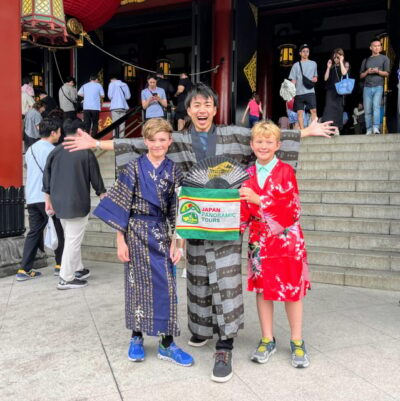
Meiji Shrine, Asakusa, Skytree Bus Tour and Cruise
Read our review →
Asakusa Walking Tour with Sensoji Temple Visit
Read our review →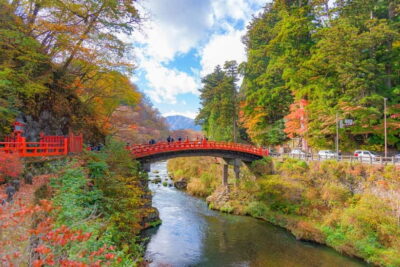
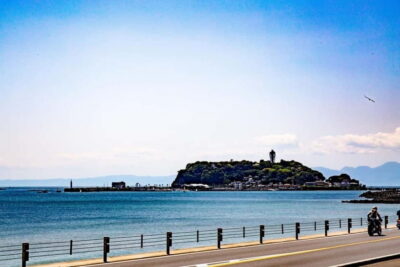
Kamakura & Enoshima Day Trip including Temple Tickets
Read our review →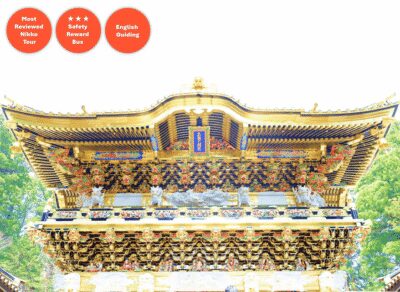
Nikko Toshogu Shrine and Kegon Waterfall Tour
Read our review →
Tokyo Panoramic 1 Day: Meiji Shrine, Asakusa, Odaiba and SKYTREE®
Read our review →
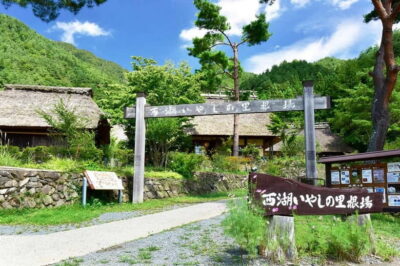
Mt. Fuji Heritage Tour: Traditional Villages, Lakes & Shrine
Read our review →Browse the lists this tour appears in