
Reviewed · TSUKIJI & TOYOSU MARKET TOURS
Calligraphy Experience at Tokyo Ginza and Tsukiji Area
Japanese calligraphy is more than writing a pretty character. In this private class near Tsukiji, you learn how each stroke is built, then work toward a finished piece using a Japanese word you choose. Yuko-sensei leads the instruction, with Kenji-san helping explain and keep the session relaxed.
I like the one-to-one format, since you can ask questions without holding up another group. I also like that your work becomes a real souvenir, not just a quick craft made and left behind. The main consideration is the short 90-minute format: you will learn the basics and make a finished piece, but not master the art.
In This Review
- Key points at a glance
- Learning calligraphy in Tsukiji, not just watching it
- What happens during the 90-minute class
- Step one: Basic pattern writing
- Step two: Attempting a difficult character
- Step three: Creating your final piece
- Why the private format matters
- Meeting Yuko-sensei and Kenji-san
- The tools and what you take home
- Pairing the class with Ginza and Tsukiji
- Is $51.24 a fair price?
- Who should book this experience?
- Timing, cancellation, and practical planning
- Should you book the Tsukiji calligraphy class?
- FAQ
- Where does the calligraphy experience begin?
- Where does the activity end?
- How long does the class last?
- Is the class private?
- Who teaches the calligraphy class?
- Are calligraphy tools included?
- Do I need previous calligraphy experience?
- Can I cancel for a full refund?
Key points at a glance
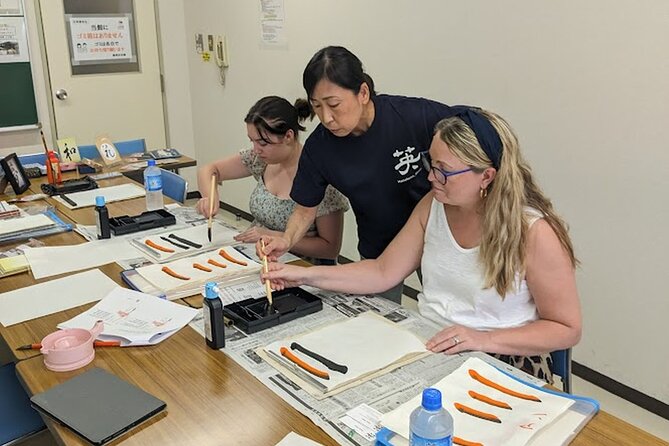
- Private instruction: Your group alone takes part, so Yuko-sensei can give attention to your questions and brushwork.
- A clear three-step lesson: Begin with basic patterns, attempt a difficult character, then create a final piece with your chosen word.
- Professional teaching: The instructor is authorized by the Japan Educational Calligraphy Federation and works as a professional calligrapher.
- A useful Tokyo location: The class meets in Tsukiji, close to Ginza shopping and the Tsukiji food street.
- Everything needed is supplied: Brushes, ink, paper, and an inkstone are prepared for you.
- A personal keepsake: You take your calligraphy products home for display.
Learning calligraphy in Tsukiji, not just watching it
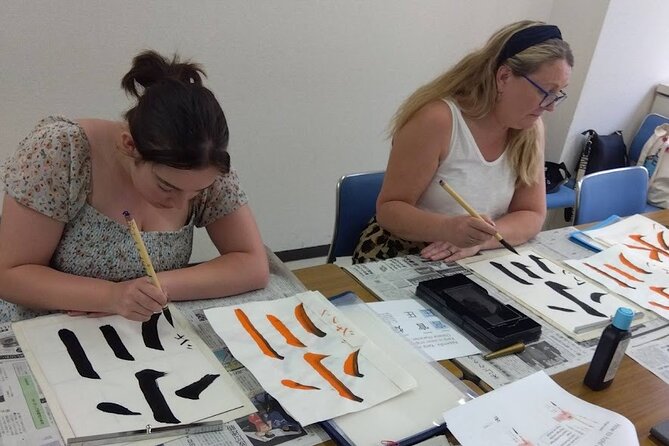
This experience gives you something many Tokyo sightseeing stops cannot: time to make something with your own hands. You do not simply look at Japanese characters on signs or temple plaques. You learn how the brush moves, how pressure changes a line, and how a few strokes can create a character with a very different feel.
The class takes place at 3-chōme-15-1 Tsukiji, Chuo City, Tokyo 104-0045. It begins and ends at the same meeting point. The location puts you in a useful part of central Tokyo, with Ginza shopping nearby and Tsukiji food options close enough to visit after class.
That setting helps the activity fit neatly into a day. You can schedule calligraphy before shopping in Ginza, or use it as a calm break before eating around Tsukiji. The food street is not part of the class, and dinner is not included, but the nearby choices make an easy continuation.
More market mornings in Tokyo:
- Tokyo Tsukiji Fish Market Food and Culture Walking Tour
★ 5.0 · 3,184 reviews - Tokyo: Tsukiji Fish Market Food and Walking tour
★ 5.0 · 1,724 reviews - Tokyo: Tsukiji Fish Market Guided Walking Tour
★ 4.9 · 1,397 reviews
What happens during the 90-minute class
The lesson follows three steps, and the order makes sense. You start with basic pattern writing before trying more difficult characters. This gives you a short period to get used to the brush, the ink, and the pace of Japanese calligraphy.
Step one: Basic pattern writing
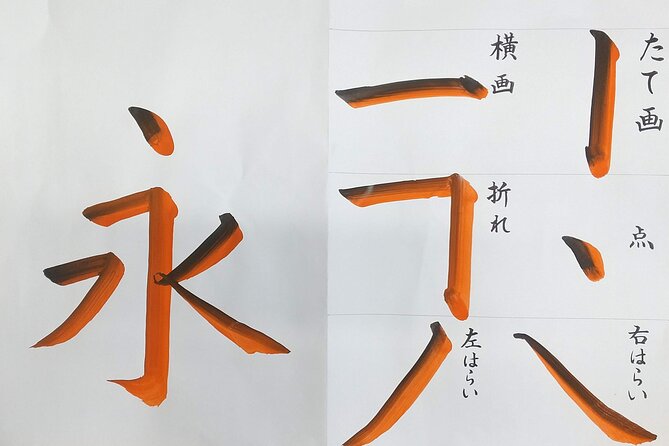
The first stage is about control. You practice simple patterns rather than jumping straight to a complex kanji. That matters because a brush does not behave like a pencil. The amount of ink, the angle of the brush, and the pressure of your hand all affect the finished line.
Yuko-sensei demonstrates the process and guides you stroke by stroke. The class is designed for beginners, and the instruction focuses on helping you understand the movement rather than expecting a perfect result immediately.
You should treat this part as practice, not a test. Some of your early attempts may look uneven. That is normal, and the private format gives you room to repeat a movement and ask why a line went wrong.
Step two: Attempting a difficult character
Once you have tried basic patterns, the lesson moves to a more difficult character. This is where you get a better sense of the skill involved. Japanese writing systems include kanji, hiragana, and katakana, and the class can help you understand some of the difference between them.
The goal is not to turn you into a calligrapher in one sitting. It is to let you feel the structure of the writing and appreciate the care behind work that can look effortless when done by a professional.
Kenji-san helps with explanations and translation during the lesson. The pairing of an instructor focused on the art and an assistant who helps communication is useful, especially if you have questions about the meaning of a word or the order of its strokes.
More calligraphy tables:
- Tokyo: Calligraphy on Kanji Fan & Scroll with Drink
★ 5.0 · 210 reviews - Let’s experience calligraphy in YANAKA, Taito-ku, TOKYO !!
★ 5.0 · 127 reviews - Experience all of Japanese culture and Japanese food experience classes “origami, udon, Japanese food, green tea, calligraphy” in 4 hours
★ 5.0 · 105 reviews - Tokyo: Calligraphy Workshop & Original T-Shirt Creation
★ 4.9 · 105 reviews
Step three: Creating your final piece
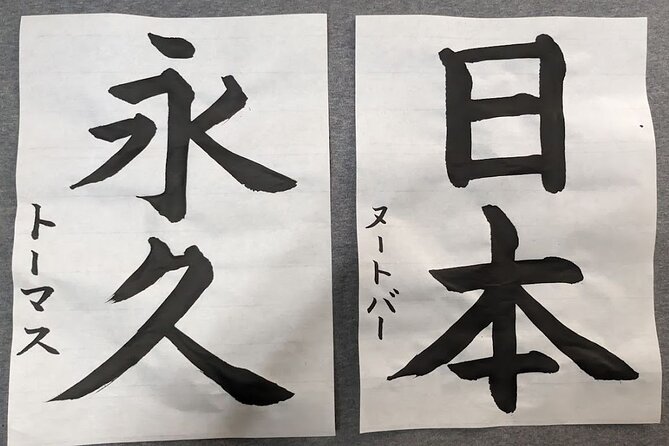
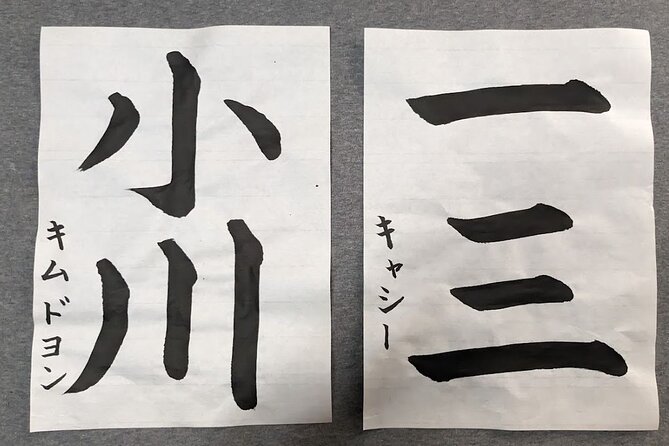
The final stage is the part you take home. You choose a favorite Japanese word or words and use them to complete your calligraphy product. The exact word you select is up to you, so the finished piece has a personal link to your trip.
This is also the point when the class shifts from practice to presentation. You are no longer filling a sheet with exercises. You are making something intended for display at home.
Do not expect a flawless museum piece. The value is in the connection between the word, the lesson, and the memory of making it. A slightly imperfect brush line can be more meaningful than a mass-produced souvenir.
Why the private format matters
The class is private, with no other group joining. That is a major advantage for an activity that depends on close observation. If your wrist position feels wrong or you do not understand a stroke, you can ask at once.
A shared workshop can be fun, but it often moves at one speed. Here, your group can spend more time on a difficult character if needed. You can also ask broader questions about Japanese calligraphy and its place in Japanese culture without worrying about taking up another group’s time.
The private arrangement works especially well for families. A family of four can learn together while still receiving individual help. It also suits two friends, couples, or a solo participant who wants focused instruction.
The class has received a perfect five-star rating from 17 published responses, with 100 percent recommending it. That record suggests a very consistent experience, though you should still keep expectations realistic. This is a beginner lesson, not an advanced multi-day course.
Meeting Yuko-sensei and Kenji-san
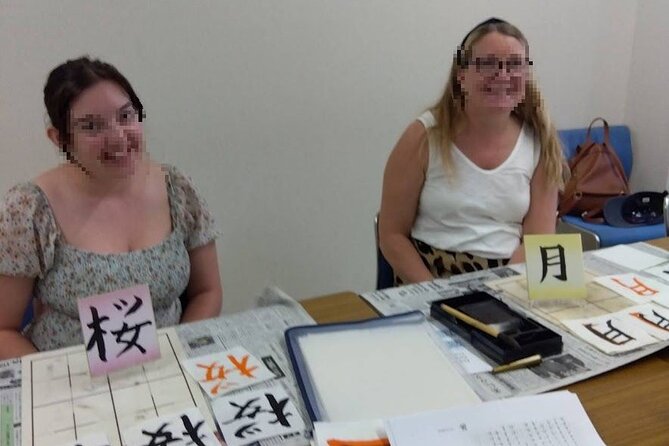
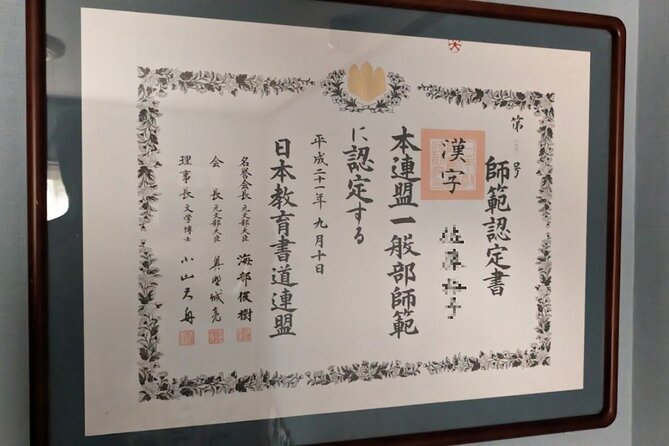
Yuko-sensei is identified as a professional calligraphy writer and an instructor authorized by the Japan Educational Calligraphy Federation. That professional background gives the lesson structure and authority.
The teaching style described in the experience is patient and step by step. That is important because beginners often need time to make sense of brush technique. You are not expected to arrive with any knowledge of Japanese writing.
Kenji-san works alongside Yuko-sensei as a friendly facilitator and translator. The two create a useful balance. Yuko-sensei can concentrate on demonstrating the art, while Kenji-san helps make the explanations easier to follow.
The personal character of the instruction is one of the strongest reasons to choose this activity. The session is not built around a large demonstration with a short chance to copy it. You receive guidance while you are actually holding the brush.
Photographs may also be taken and shared with you, giving you a record of the class as well as the finished work. Since the provided details do not promise a particular number of photos or a specific delivery method, consider this a possible extra rather than a guaranteed feature to plan around.
The tools and what you take home
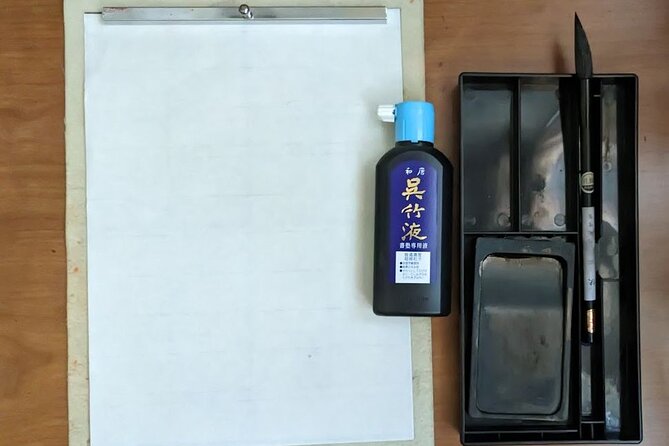
The necessary calligraphy equipment is prepared for you. This includes a brush, ink, paper, and a paper stone, also known as an inkstone. You do not need to pack art supplies or buy equipment before arriving.
The tools are not just practical details. Calligraphy depends on the relationship between brush, ink, and paper, so using the proper materials makes the lesson more meaningful than copying characters with an ordinary pen.
Your work is intended for display at home. The activity description refers to calligraphy products in the plural, but it does not specify the exact number or format of the finished pieces. You should expect to leave with your creations, while allowing for the final result to vary with your chosen word and your progress in class.
Bring an open mind and a willingness to make a few imperfect attempts. The early practice sheets are part of the process. They help you see how your final work develops.
Pairing the class with Ginza and Tsukiji
The location is one of the practical strengths of this experience. Ginza is nearby, so you can add department stores, boutiques, and city shopping before or after the lesson. Tsukiji gives you a different kind of stop, with its famous food street and many options for eating after class.
This combination creates a good contrast. Calligraphy is quiet and focused. Ginza is suited to browsing and shopping. Tsukiji gives you a chance to make the day more casual over food.
The class itself does not include private transportation, meals, or shopping. You are responsible for getting to the meeting point and arranging anything you do afterward. The activity is near public transportation, which makes it easier to add to a central Tokyo day, but the supplied details do not name a particular station or provide a route.
Plan a little extra time for finding 3-chōme-15-1 Tsukiji, especially if you have never visited the area. Your ticket is mobile, and confirmation is received at booking, so keep the booking information easy to access on your phone.
Is $51.24 a fair price?
At $51.24 per person, this is not the cheapest craft activity you can find in Tokyo. The price becomes easier to justify because the class is private and includes the materials. You are paying for direct instruction, a professional teacher, a translator or facilitator, and a finished souvenir.
The value is strongest if you want participation rather than a quick photo stop. A standard sightseeing ticket may show you a famous place for an hour, but this class gives you a skill, a cultural explanation, and something personal to take home.
The value is less clear if you only want to try calligraphy for a few minutes or if your schedule is extremely tight. The 90-minute session is a reasonable length for a first lesson, but it leaves little time for extended cultural discussion or advanced technique.
The average booking time is 34 days in advance. That does not guarantee that every date will sell out, but it suggests that you should reserve ahead if the class is important to your Tokyo schedule. Confirmation arrives at the time of booking, and the mobile ticket keeps the process simple.
Who should book this experience?
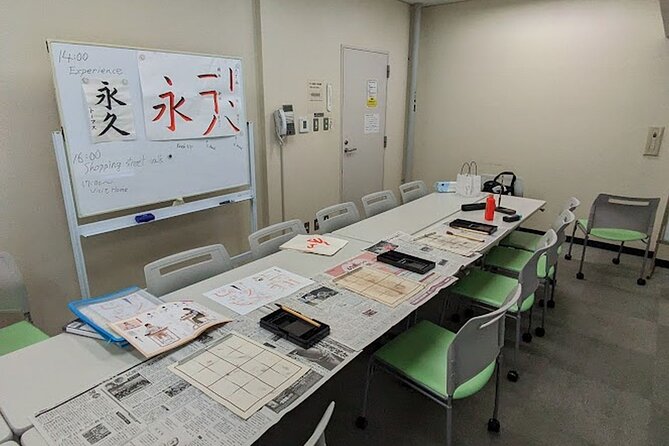
I would choose this class for anyone who wants a cultural activity with a personal result. It suits first-time visitors who have already seen major sights and want a slower, hands-on hour. It also works well for families, since everyone can practice and create a piece together.
It is a good match for:
- People curious about kanji, hiragana, and katakana
- Families looking for a shared activity
- Couples and friends who want a souvenir with personal meaning
- Solo participants who prefer private instruction
- Art lovers who want to learn from a professional calligrapher
- Visitors planning time in both Ginza and Tsukiji
You do not need prior experience. Most people can participate, and the lesson begins with basic patterns. The class may not suit someone seeking a long, technical course, a large group workshop, or a meal included with the activity.
Timing, cancellation, and practical planning
The activity lasts about one hour and 30 minutes. It starts and ends at the Tsukiji meeting point, so you can plan another central Tokyo activity before or after it without arranging a separate return transfer.
Free cancellation is available if you cancel at least 24 hours before the local start time. A cancellation made less than 24 hours ahead is not refunded, and changes within that period are not accepted.
The experience is described as suitable for most participants and carries no stated major physical risk. Personal travel insurance is not included, so you remain responsible for your own coverage.
Because no food is included, plan your Tsukiji meal separately. You can also add Ginza shopping, but allow enough time to reach the meeting point and avoid treating the nearby district as part of the booked class.
Should you book the Tsukiji calligraphy class?
Book it if you want a private, beginner-friendly lesson led by Yuko-sensei, with Kenji-san helping you follow the instruction. The strongest reasons are the patient step-by-step format, the chance to ask unlimited questions, and the personal calligraphy piece you take home.
Skip it if you want a longer course, advanced training, or an activity that includes transportation and dinner. For a first introduction to Japanese calligraphy, though, $51.24 buys more than materials. You get focused teaching and a souvenir tied to your own chosen word, all within easy reach of Ginza and Tsukiji.
FAQ
Where does the calligraphy experience begin?
It begins at 3-chōme-15-1 Tsukiji, Chuo City, Tokyo 104-0045, Japan.
Where does the activity end?
The activity ends back at the meeting point in Tsukiji.
How long does the class last?
The class lasts approximately one hour and 30 minutes.
Is the class private?
Yes. Only your group participates, and no other group joins the activity.
Who teaches the calligraphy class?
Yuko-sensei teaches the calligraphy, with Kenji-san assisting with explanations and translation.
Are calligraphy tools included?
Yes. Brushes, ink, paper, and a paper stone are prepared for the class.
Do I need previous calligraphy experience?
No previous experience is stated as necessary. The lesson begins with basic pattern writing before moving to a more difficult character and a final chosen word.
Can I cancel for a full refund?
Yes, if you cancel at least 24 hours before the experience start time. Cancellations made less than 24 hours before the start time are not refunded.
New on our Tokyo list
- Sumi-e Experience in a relaxing green tea shop in Tokyo★ 5.0 · 3 reviews
- Tokyo : Kamikaze Street Drift Ride★ 5.0 · 3 reviews
- Private Zen Meditation in English in Shinjuku, Tokyo★ 5.0 · 3 reviews
- Onsen Spa in Tokyo and Asakusa Bar Hopping with Local Guide★ 5.0 · 3 reviews
- Easy for everyone! Now you can play handmade mini shamisen and show off to everyone! Musical instruments, sweets and live music★ 5.0 · 3 reviews
- Tokyo: Private Tsukiji Street Food & Sake with Local Guide★ 5.0 · 3 reviews
- Mt Fuji Exploration Tour with Free Japanese Kusa Mochi from Tokyo★ 4.5 · 3 reviews
- Tokyo Tsukiji Fish Market Walking and Exploring Hidden Gems Tour★ 5.0 · 3 reviews
Tsukiji & Toyosu Market Tours, compared.
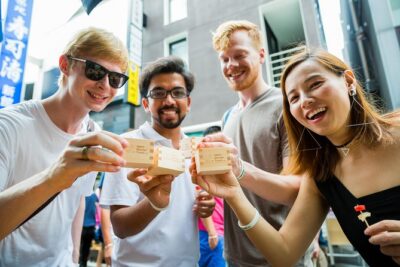
Tokyo Tsukiji Fish Market Food and Culture Walking Tour
Read our review →
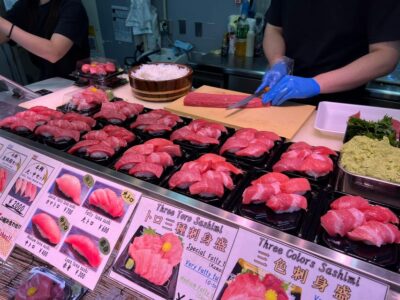
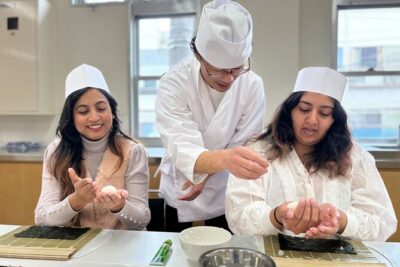
Tokyo Sushi Making Class in Tsukiji with Professional Chef
Read our review →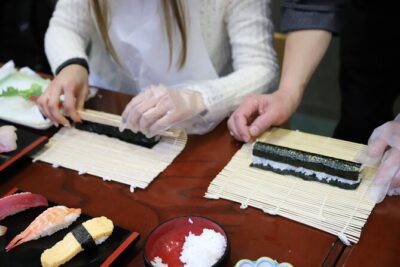
Tsukiji Fish Market Guided Tour and Sushi Making with Pro Chef
Read our review →Tsukiji Fish Market Food and Culture Walking Tour
Read our review →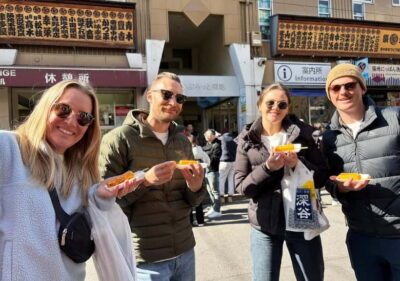
Tsukiji Fish Market: Street Food & Culture Walking Tour
Read our review →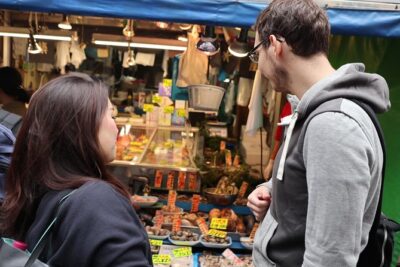
Tsukiji Fish Market Small-Group Food Walking Tour
Read our review →Browse the lists this tour appears in