
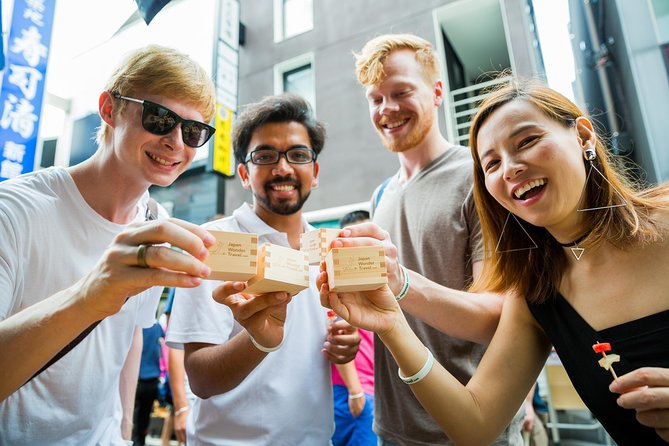
Reviewed · TSUKIJI & TOYOSU MARKET TOURS
Tokyo: Tsukiji Fish Market Food and Culture Walking Tour
Tsukiji is best understood with your appetite switched on. This three-hour walk takes you through the market’s narrow lanes, where Wagyu beef skewers, tamagoyaki, fish cakes, sushi, and seasonal fruit turn a sightseeing stop into a progressive meal. Your guide also explains shrine manners, market customs, and why chefs still shop here.
I like the small group size, limited to two to eight people, because it gives you room to ask questions and stay close to the guide. I also like the final seafood bowl or sushi stop, where a chef prepares the fish in front of you. The main drawback is that the food selection changes with the market calendar, and vegetarian, vegan, halal, and gluten-free diets cannot be accommodated.
- Wagyu comes early: One of the tour’s most praised bites is the high-grade beef skewer, often good enough to tempt you into buying another after the tour.
- The final meal is more than a snack: Depending on the day, you finish with sushi or a seafood bowl, sometimes paired with a fish-cutting demonstration.
- Tsukiji Honganji is part of the story: The meeting point gives your guide a useful setting for explaining the neighborhood and proper shrine etiquette.
- Small groups matter here: A group of two to eight is much easier to manage in tight market lanes than a large walking crowd.
- Closed days change the menu: Wednesdays, Sundays, and other market closure days mean some stalls are shut, so omelet, fish cake, and fruit samples may not be available.
- Bring walking shoes and patience: The market can be crowded, noisy, wet, and difficult for anyone with limited mobility.
In This Review
- Starting at Tsukiji Honganji Temple
- Entering the Tsukiji Outer Market
- The Food Stops: From Wagyu to Tamagoyaki
- The Final Seafood Bowl or Sushi Stop
- What the Guides Add
- The Market on Crowded and Rainy Mornings
- Is $96 a Fair Price?
- Who Should Book This Tsukiji Walk?
- Practical Details That Affect Your Morning
- My Call: Book It for Food and Local Guidance
- FAQ
- Where does the Tsukiji food tour begin?
- How long does the tour last?
- What foods are included?
- Is the final meal sushi or a seafood bowl?
- Is the tour conducted in English?
- How large is the group?
- Is the tour available on Wednesdays and Sundays?
- Can vegetarians or vegans join?
- Is the tour suitable for wheelchair users?
- Can I cancel the booking?
Starting at Tsukiji Honganji Temple
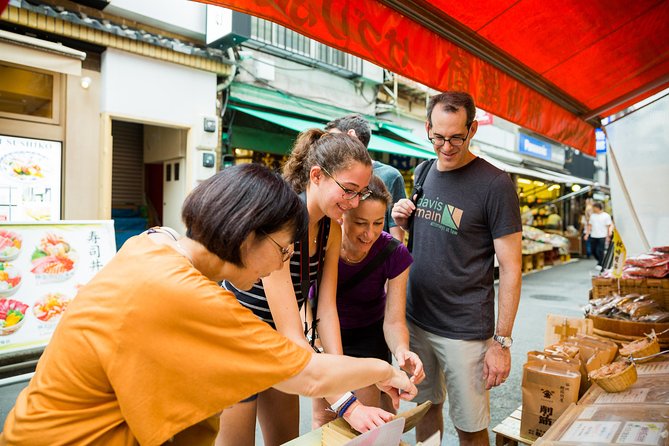
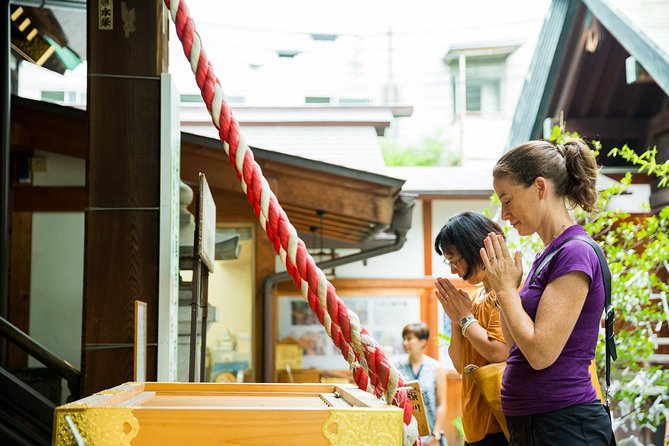
The tour begins at the main gate of Tsukiji Honganji Temple, formally listed as 浄土真宗本願寺派 築地本願寺. This is a sensible meeting point. It is easy to identify, gives you space to gather, and adds a cultural stop before the food starts.
Your guide may explain the temple’s place in the history of the Tsukiji area and show you the basic cleansing and etiquette steps used at Japanese religious sites. One guide, Tadashi, was especially praised for teaching shrine manners, while other guides such as Nazu and Miwako used the temple and neighborhood to explain how Tsukiji developed.
That opening matters because Tsukiji is not just a row of food stalls. It is a working market district with religious, commercial, and culinary links. You get a little context before entering the lanes, which helps the market feel less like a collection of random snacks.
The meeting point is close to Tsukiji Station, and the walk eventually returns you to the temple area. Still, allow extra time to arrive. One person who missed the start because of a train problem managed to join later, but that should not be your plan. Tokyo’s stations can be confusing, and a late arrival means missing the introduction.
Entering the Tsukiji Outer Market
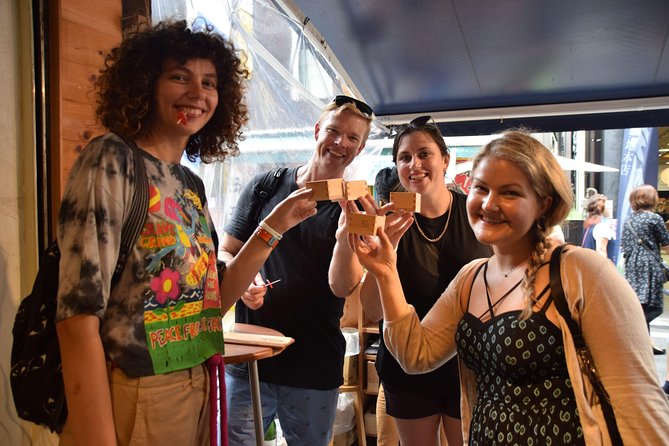
The tour focuses on Tsukiji’s famous outer market. The inner wholesale fish market moved away years ago, but the outer district remains a major place for seafood, kitchen goods, prepared food, and ingredients. The experience here is less about one grand attraction and more about learning how to read a dense food neighborhood.
Your guide leads you through a maze of stalls selling fish, shellfish, seafood products, snacks, produce, and other Japanese foods. The lanes can be tight, so you will need to stay with the group and avoid stopping in the middle of foot traffic.
This is where a guide earns the $96 price. You could walk into Tsukiji alone, but choosing a stall at random is harder when menus are unfamiliar and queues are moving quickly. A guide can point out what is worth tasting, explain how an ingredient is used, and help you buy something without wasting time.
The group size, capped at eight, is a real advantage. Several people had groups of only four, and that makes a difference when the market is crowded. You can hear the guide more easily, ask about unfamiliar foods, and pause briefly without losing everyone.
That said, even a small group cannot control the market. Saturday mornings can be very crowded, and rain makes the lanes harder to navigate. An early start may put you in the thick of the morning rush. If you have a choice of dates, a midweek opening day may offer a calmer experience, but avoid Wednesday and Sunday closures.
More market mornings in Tokyo:
- Tokyo Tsukiji Fish Market Food and Culture Walking Tour
★ 5.0 · 3,184 reviews - Tokyo: Tsukiji Fish Market Food and Walking tour
★ 5.0 · 1,724 reviews - Tokyo: Tsukiji Fish Market Guided Walking Tour
★ 4.9 · 1,397 reviews
The Food Stops: From Wagyu to Tamagoyaki
The tasting menu is the heart of the tour. The included foods are high-grade Wagyu beef skewers, fresh fish bowl or sushi, Japanese omelet, seasonal fruit, and fried fish cake. You may also see or choose additional items along the way, but those are not necessarily part of the fixed menu.
The Wagyu skewer is the early favorite. It is a small serving, not a full steak dinner, but it makes a strong first impression. Several people singled it out as the best bite of the morning, and one person returned after the tour to buy another. If you love beef, this is one reason the experience can feel worthwhile even before lunch.
Next may come tamagoyaki, the sweet-savory Japanese rolled omelet found at many market stalls. It is simple food, but it gives your guide a chance to explain how familiar Japanese dishes differ from the versions many people know abroad. Fried fish cake adds a different texture and flavor, while seasonal fruit gives the meal a fresh break from meat and seafood.
The exact order and selection can change. On Wednesdays, Sundays, and other closed market days, omelet, fish cake, and fruit may not be served because the relevant shops are closed. This is important. The tour is not a guaranteed checklist of identical samples every day.
Some tastings may feel more special than others. One person felt the middle samples were less impressive than the Wagyu and final sashimi bowl, and also objected to being charged separately for sake or beer. Alcohol is not included in the listed menu, so ask before ordering if you want to keep extra costs clear.
The tour is designed to leave you well fed. It begins with finger foods and market delicacies, then ends with a proper seafood dish. You should not expect a sit-down restaurant meal at every stop, but you also should not need a separate lunch immediately afterward.
The Final Seafood Bowl or Sushi Stop
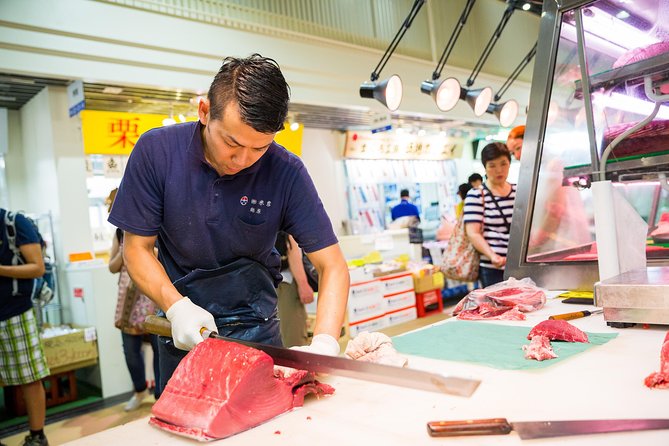
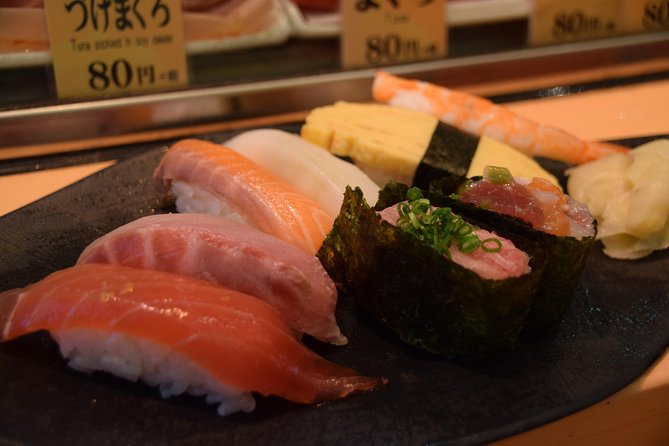
The closing meal gives the tour a strong finish. Depending on the day and time, you receive either sushi or a seafood bowl. The provider notes that the choice can change, so book this experience for the market and food education rather than for one guaranteed dish.
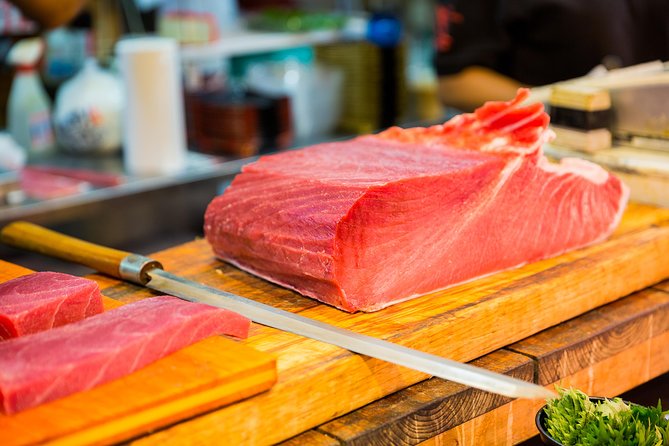
At some sessions, a sushi chef demonstrates how to cut and prepare the fish before serving it. That small show adds useful detail. You see how the fish is handled, then eat the result instead of merely hearing a talk about it.
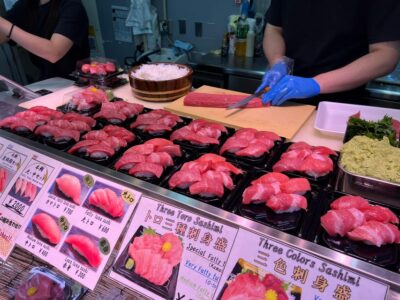
The seafood bowl has been especially well received. It can include fresh sashimi arranged over rice, and some sessions feature the chef preparing the fish in front of the group. For many people, this is the most satisfying meal of the tour, particularly after sampling small portions through the market.
There is a practical limit here. If the restaurant suddenly closes or cannot provide the planned meal, an alternative is served. That policy protects the schedule, but it also means you should not treat the final stop as a fixed restaurant reservation with a guaranteed menu.
What the Guides Add
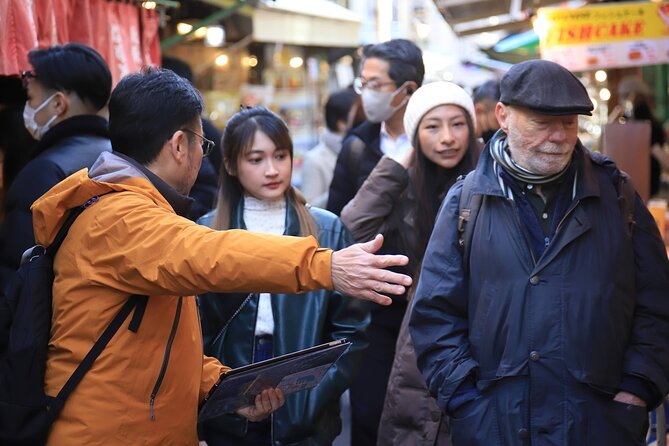
The guides are the most consistent strength of this experience. Shun, Nazu, Miki, Robert, Luna, Yoshiko, Yuki, and several others have been praised for being friendly, clear, and entertaining. You should not assume you can select a particular guide, but the range of names attached to the tour suggests a broad guiding team.
The best guides do three jobs at once. They explain the history of Tsukiji, identify foods you might miss alone, and keep the group moving through a difficult setting. Shun was praised for answering questions and explaining both culture and food. Robert was described as kind and helpful, while Miki and Nazu were praised for making the market easy to understand.
A good guide also adjusts to the group. One guide waited for an older family member who walked slowly. Another made time for people who wanted to stop at an interesting stall. Those small choices matter more than a rehearsed speech in a market where everyone has different tastes and walking speeds.
The history portion is useful, though not equally detailed with every guide. One person wanted more background on the area, while others felt they received a strong explanation of the inner and outer markets. If your main goal is an academic history lecture, this is not the right format. The tour is primarily food-led, with history and culture woven into the walk.
A few more Tokyo bookings worth comparing
- Tsukiji Fish Market Guided Tour and Sushi Making with Pro Chef
★ 5.0 · 775 reviews - Tsukiji Fish Market: Street Food & Culture Walking Tour
★ 5.0 · 669 reviews - Tsukiji Fish Market Small-Group Food Walking Tour
★ 5.0 · 621 reviews - Tokyo: Tsukiji Fish Market Sushi Making Class with Pro Chef
★ 4.9 · 506 reviews
The Market on Crowded and Rainy Mornings
Tsukiji is an active market, not a quiet museum. You will share narrow paths with shoppers, stall workers, and other groups. That gives the place energy, but it can make listening difficult.
Rain adds another problem. Umbrellas, wet pavement, and crowds can make it hard to hear the guide, especially during outdoor explanations. The tour still runs in poor weather, so bring suitable clothes and wear shoes with a good grip.
A midweek date can be a smart choice if your schedule allows. One person found a Saturday morning especially crowded, even with light rain. But do not choose Wednesday or Sunday simply because it is quieter. Those are among the days when the fish market and some shops are closed, and the tasting menu is reduced.
The market may also feel intense if you dislike seafood smells or crowded food areas. You will encounter fish, shellfish, fried foods, meat, and other strong aromas at close range. That is part of the setting, but it is worth knowing before you book.
Is $96 a Fair Price?
At $96 per person, this is not a cheap snack walk. The price makes more sense if you count the food, the English-speaking guide, the three hours of time, and the help needed to navigate Tsukiji.
You receive several tastings, including Wagyu, a fish-based final meal, omelet, fruit, and fish cake when the shops are open. You also get a small group rather than a large crowd. If you ordered comparable food on your own, you would still need to choose the stalls, understand the menu, and find your way around.
The value is strongest for a first visit to Tokyo, especially if you want a gentle introduction to Japanese food customs. It is also useful for people who are curious but hesitant to order unfamiliar foods alone. The guide can explain what you are eating and help you identify items worth returning for later.
The value is weaker if you already know Tsukiji well, speak Japanese, or prefer to browse alone. You may find that the included tastings are not all equally exciting, and extra drinks or optional purchases cost more. Save some time after the tour if you want to return to a stall that caught your eye.
Who Should Book This Tsukiji Walk?
I would recommend it to first-time Tokyo visitors, food-focused visitors, couples, families with older children, and anyone who wants cultural context with breakfast. The two-to-eight-person format works well for people who prefer conversation over a large guided crowd.
It also suits adventurous eaters. The tour may introduce you to foods you would not choose without help, including seafood, sea urchin, squid, fish cakes, and market snacks. You do not need to try every optional item, but flexibility makes the experience better.
It is not suitable for vegans, vegetarians, people needing halal or gluten-free food, or anyone with serious dietary restrictions. Infant meals are not included. The moderate walking requirement also makes it a poor match for wheelchair users and people with mobility impairments.
If you are sensitive to noise, crowds, smells, or uneven walking conditions, think carefully before booking. The guide can help, but the market itself remains busy and physical.
Practical Details That Affect Your Morning
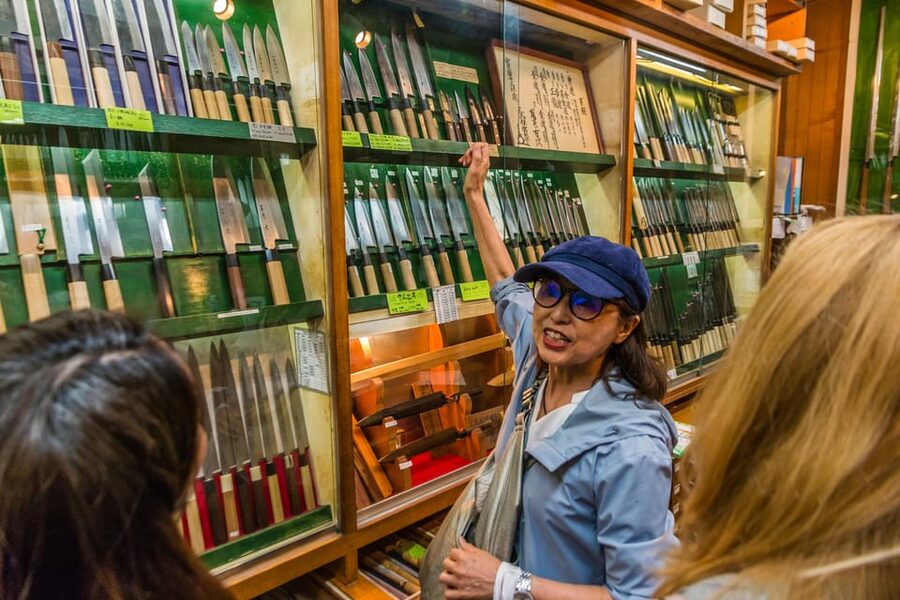
The activity lasts three hours and is conducted in English. You meet at Tsukiji Honganji Temple, walk through the outer market, eat along the route, and return to the temple area near Tsukiji Station.
Wear comfortable shoes and clothes. A camera is welcome, though you should be respectful around vendors and avoid blocking the lanes while taking photos. The market is a working commercial area, so the guide’s instructions help you enjoy it without getting in the way.
The minimum drinking age is 20. Sake or beer may be available at extra cost, but they are not part of the included food menu.
You can cancel up to 24 hours before the start for a full refund, and the reserve-now, pay-later option is useful if your Tokyo plans are still shifting. Check the calendar carefully before committing, especially around Wednesdays, Sundays, public holidays, and other market closure days.
My Call: Book It for Food and Local Guidance
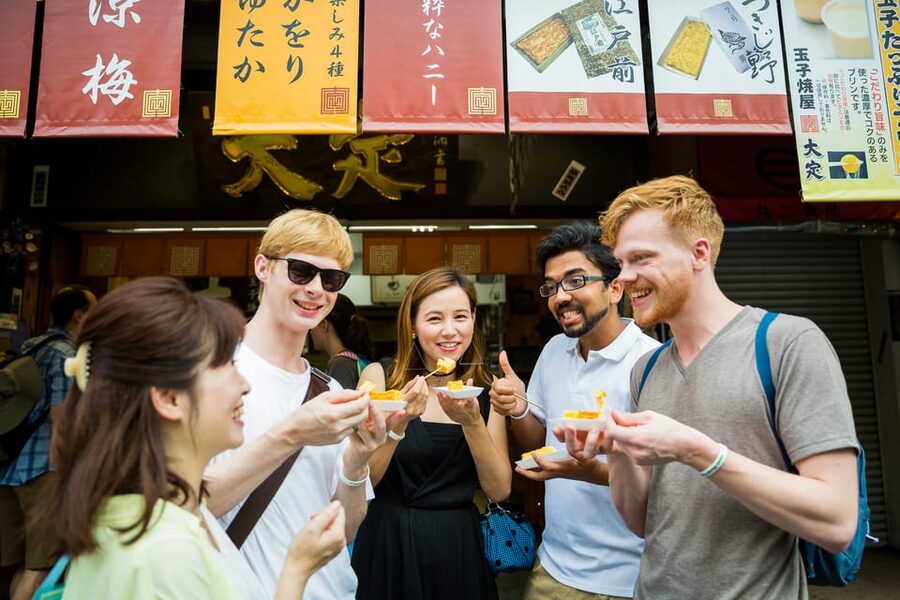
I would book this tour if you want to understand Tsukiji quickly and eat well without making every decision yourself. The Wagyu skewer, market tastings, shrine setting, and final sushi or seafood bowl create a satisfying three-hour introduction.
I would not book it for a guaranteed menu, a quiet walk, or a detailed specialist lecture on fish trading. The food changes, the crowds can be rough, and some samples may feel less memorable than the Wagyu and final seafood dish.
For most first-time visitors, the small group and strong guiding make the $96 reasonable. Choose an open market day, wear good shoes, arrive early, and keep an hour afterward to revisit the stalls you want to explore on your own.
FAQ
Where does the Tsukiji food tour begin?
Meet your guide at the main gate of Tsukiji Honganji Temple, listed as 浄土真宗本願寺派 築地本願寺.
How long does the tour last?
The walking and food tour lasts three hours.
What foods are included?
The included menu features high-grade Wagyu beef skewers, a fresh fish bowl or sushi depending on the day, Japanese omelet, seasonal fruits, and fried fish cake.
Is the final meal sushi or a seafood bowl?
You receive either sushi or a seafood bowl, depending on the day and time.
Is the tour conducted in English?
Yes. The activity includes an English-speaking live guide.
How large is the group?
The tour is designed for small groups of two to eight people.
Is the tour available on Wednesdays and Sundays?
The fish market is closed on Wednesdays, Sundays, and other market closure days. On those days, some shops are closed and omelet, fish cake, and fruit may not be served.
Can vegetarians or vegans join?
The tour does not accommodate vegetarian or vegan requests. Halal and gluten-free requests are also not accommodated.
Is the tour suitable for wheelchair users?
No. The tour is not suitable for wheelchair users or people with mobility impairments, and it involves a moderate amount of walking.
Can I cancel the booking?
You can cancel up to 24 hours in advance for a full refund. A reserve-now, pay-later option is also available.
More Walking Tours in Tokyo
- Tokyo: Imperial Palace and Shogun Historical Walking Tour
★ 5.0 · 2,251 reviews - Tokyo: Shinjuku Local Bar and Izakaya Guided Walking Tour
★ 4.9 · 1,794 reviews - Tokyo: Asakusa Walking Tour with Sensoji Temple Visit
★ 4.8 · 1,583 reviews - Tokyo Castle & Imperial PalaceーShogun Walking Tour
★ 4.7 · 1,068 reviews
More Shopping Tours in Tokyo
- Tokyo Food Tour Taste Fresh Delights at Tsukiji Market
★ 5.0 · 429 reviews - Tokyo Tsukiji Fish Market Tour and Sushi Making Lesson
★ 5.0 · 390 reviews - Tsukiji Fish Market: Street Food & Culture Walking Tour
★ 4.8 · 259 reviews - Tokyo Washoku 4-hour Cooking Class: From Market to Table
★ 5.0 · 253 reviews
New on our Tokyo list
- Tokyo Spectacular View Day-Cruise in 90 Minutes★ 5.0 · 25 reviews
- From Tokyo: Mount Fuji & Hakone Full Day Private Tour★ 4.9 · 25 reviews
- Real Tokyo Runner Club : Daikoku Car Meet Night Tour with JDM Car★ 5.0 · 25 reviews
- 2.5 Hour-Guided Cycle Tour in the Central Tokyo★ 5.0 · 25 reviews
- Ramen Making from Scratch +Akihabara Tour –Cooking Class★ 5.0 · 25 reviews
- [Self-Drive] Tokyo & Daikoku Custom Car Driving Tour★ 4.9 · 25 reviews
- Tokyo: 2-Hour Night Bike Tour of the City’s Hidden Gems★ 4.9 · 25 reviews
- Samurai themed Entertainment show in Shinjuku★ 4.5 · 25 reviews
Tsukiji & Toyosu Market Tours, compared.
Tokyo Tsukiji Fish Market Food and Culture Walking Tour
Read our review →
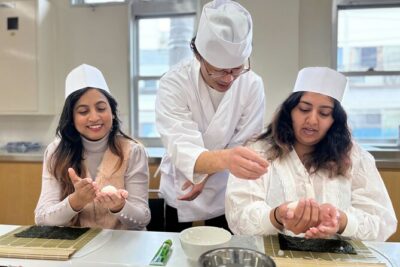
Tokyo Sushi Making Class in Tsukiji with Professional Chef
Read our review →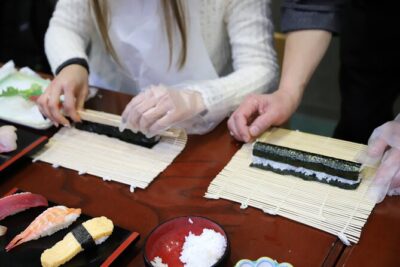
Tsukiji Fish Market Guided Tour and Sushi Making with Pro Chef
Read our review →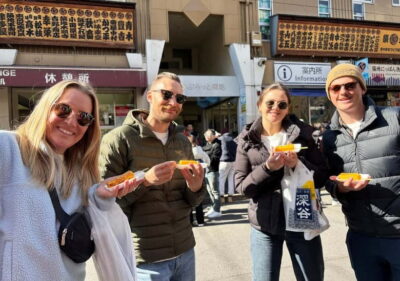
Tsukiji Fish Market: Street Food & Culture Walking Tour
Read our review →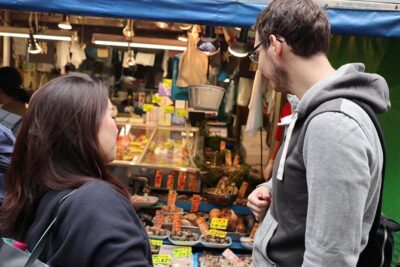
Tsukiji Fish Market Small-Group Food Walking Tour
Read our review →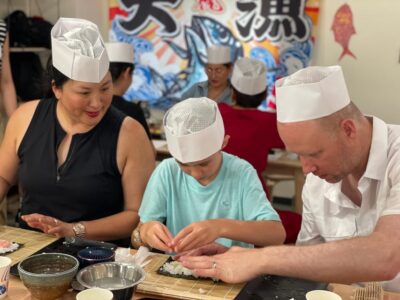
Tsukiji Fish Market Sushi Making Class with Pro Chef
Read our review →Browse the lists this tour appears in