
Reviewed · SAMURAI & NINJA EXPERIENCES
Embrace the Samurai Way: Iaido Swordsmanship Experience in Tokyo
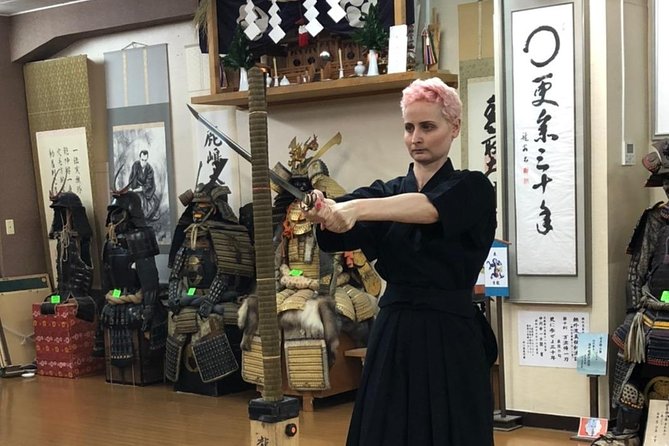
The most unusual part of this Tokyo activity is the chance to practice iaido with a real sword, including supervised cutting of tatami targets. This is not just a staged samurai photo stop. You learn how to handle the sword, move with control, and understand the ideas behind the art.
I like the traditional uniform and the personal instruction. I also like the mix of practical training, sword lore, and samurai philosophy. The main drawback is the price, $154.37 per person for about 90 minutes, and one serious booking failure means you should confirm the meeting details before setting out.
In This Review
- Key points to know before booking
- What this iaido lesson actually offers
- Meeting Masa near Kudanshita
- Putting on the iaido uniform
- Learning the samurai principles before handling a blade
- Basic sword movements and one-on-one correction
- The supervised tatami cutting session
- Why the English translation matters
- A small-group experience for families and martial arts fans
- Is $154.37 a fair price for 90 minutes?
- Booking, cancellations, and weather concerns
- Should you book the Tokyo samurai experience?
- FAQ
- Where does the iaido experience start?
- Where does the activity end?
- How long does the experience last?
- How much does the experience cost?
- Is this a private activity?
- Is an English-speaking guide included?
- What clothing is provided?
- Can participants use a real sword?
- What is the cancellation policy?
Key points to know before booking
- Real sword practice: The session can include supervised tatami cutting, a rare feature in a short cultural activity.
- Private group format: Only your party takes part, so instruction can be adjusted to your level and interests.
- Traditional clothing: You wear an iaido jacket and related items during the lesson.
- English support: Masa or another English-speaking attendant helps explain the techniques and cultural ideas.
- Kudanshita meeting point: Start at the Starbucks in the Kudankita area and arrive 10 minutes early.
- Participation certificate: You receive a keepsake marking your training.
What this iaido lesson actually offers
Iaido is the Japanese art of drawing, handling, and returning a sword with measured movements. It is less about wild combat than posture, timing, awareness, and control. That distinction matters. You are not signing up for a theatrical sword fight. You are learning a formal martial discipline with a strong emphasis on precision.
The session combines demonstration, explanation, practice, and supervised cutting. You first get a basic introduction to the samurai way and the principles behind iaido. Then you put on an iaido jacket and work through fundamental movements.
The lesson can also include handling a real Japanese sword and cutting tatami targets. This is the part that gives the activity its edge, quite literally. The cutting is supervised, so you are not left to guess how to hold, swing, or stop the blade.
The overall tone is personal rather than mass-market. This is a private activity, meaning only your group participates. That arrangement works especially well if you are traveling with family or friends who have different levels of interest. A curious beginner can ask basic questions without slowing down a large class, while a martial arts enthusiast can spend more time on technique and background.
More samurai and ninja sessions:
- Tokyo: Samurai Ninja Museum Guided tour and Experience
★ 4.6 · 1,010 reviews - Tokyo: Samurai Sword & Archery Class from Samurai Descendant
★ 5.0 · 603 reviews - Best Samurai Experience in Tokyo
★ 5.0 · 458 reviews
Meeting Masa near Kudanshita
You meet at Starbucks Coffee in the Kudankita area of Chiyoda City. The listed address is 1-chome 2-1 Kudankita Building, first floor, Tokyo 102-0073. The activity ends back at the same meeting point.
Arrive 10 minutes before the start time. That small cushion is useful in Tokyo, where station exits, large streets, and similar-looking buildings can make a simple meeting point less simple than expected. Private transportation is not included, so you make your own way there by public transit or taxi.
The English-speaking attendant may be Masa, also referred to as Masahiro, or another member of the team. The attendant helps with translation and keeps the meeting process moving. Clear explanations matter here because iaido instructions concern hand position, foot placement, and the direction of the blade. A vague translation would make the lesson much less useful.
One practical note deserves attention. A past booking had a no-show problem, with the participant unable to reach the operator at the meeting point. The operator apologized and attributed the problem to a setup issue. That appears to be an isolated failure within an otherwise well-rated experience, but I would still save the meeting instructions, check your messages, and contact the provider before the day if anything looks unclear.
Putting on the iaido uniform
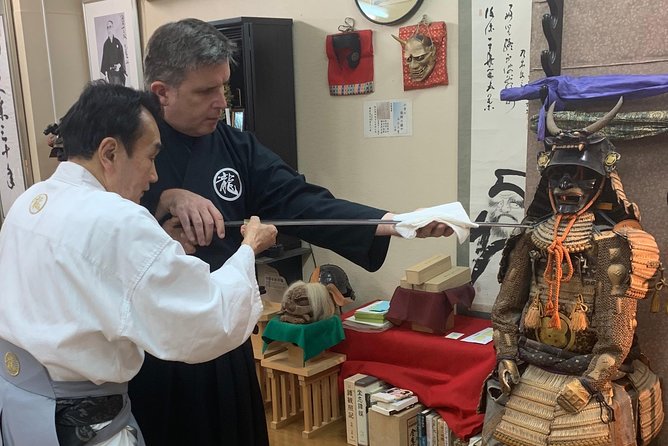
After meeting the attendant, you are given an iaido jacket and related items. The uniform is more than a costume. It helps create the correct setting and gives you a feel for the formal nature of the practice.
Wear comfortable clothing underneath. You do not need to arrive dressed for a martial arts class, but tight or restrictive clothing would make movement harder. The experience is not suitable for people with heart conditions, pregnant women, or anyone requiring wheelchair accessibility.
The change into traditional clothing also marks a useful shift in mood. Tokyo can be noisy and fast, but iaido asks you to slow down and pay attention to small movements. Even before you handle a sword, the clothing, posture, and formal instruction help separate this from a quick photo opportunity.
Learning the samurai principles before handling a blade
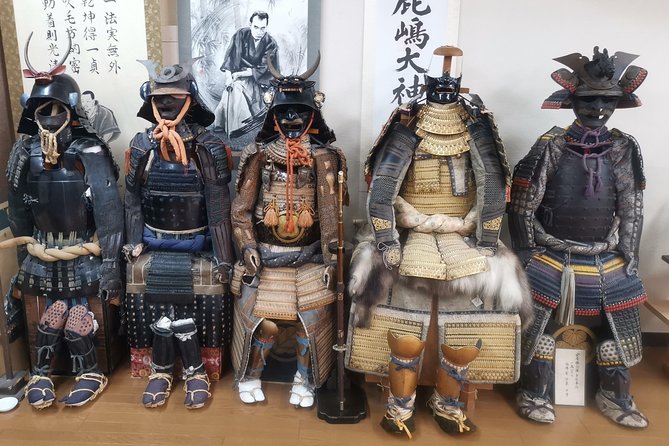
The master explains the basic concepts of iaido and the place of discipline in samurai culture. You can expect discussion of proper sword handling, etiquette, and the meaning behind the movements.
The cultural side is one of the strongest parts of the experience. The lesson may touch on sword licensing in Japan and the care given to blades. It can also include a look at antique swords or an explanation of how Japanese swords are treated as objects requiring responsibility, not casual props.
I like this context because it helps you understand why the practice is so controlled. The sword is not presented as a cartoon weapon. The focus is on respect, composure, and responsibility. That gives the physical exercises more meaning than simply learning how to make a dramatic slash.
The master is also described as an engaging storyteller, which helps keep the historical material from becoming a lecture. If you are attending with a child or teenager, this part can provide a useful bridge between museum-style cultural learning and hands-on activity.
A few more Tokyo bookings worth comparing
- Mt Fuji and Hakone 1-Day Bus Tour Return by Bullet Train
★ 5.0 · 26,383 reviews - 1-Day Tokyo Bus Tour
★ 5.0 · 14,250 reviews - Tokyo: TOKYO SKYTREE® Admission ticket
★ 4.5 · 11,192 reviews - Tokyo: teamLab Planets TOKYO Digital Art Museum Entry Ticket
★ 4.6 · 9,779 reviews
Basic sword movements and one-on-one correction
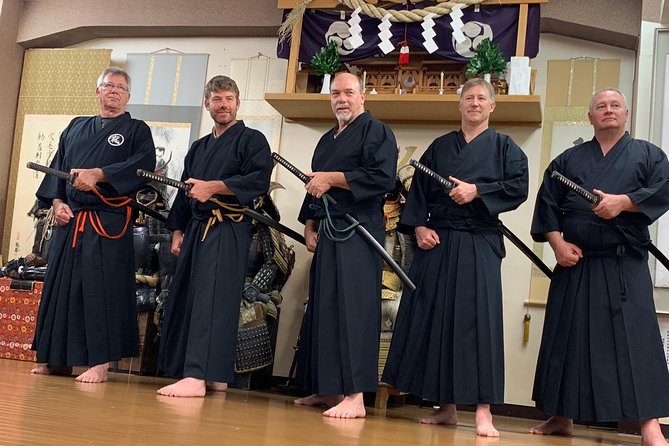
The practical lesson begins with basic techniques. You learn the proper way to hold and move with a sword, then practice formal actions with instruction adapted to your level.
The private format is important here. Beginners often need repeated corrections, especially with stance and coordination. With only your own party in the room, the master can spend time explaining why a movement is performed in a certain way rather than simply showing it once and moving on.
You may first use a practice sword while learning the basic handling skills. This gives you a safer way to become familiar with the motion before moving to a real blade. The progression is sensible: understand the position, repeat the movement, receive correction, then attempt the more demanding exercise under supervision.
Do not expect to master iaido in one session. Ninety minutes is enough for an introduction and a memorable challenge, not a complete martial arts education. The value comes from getting a careful first look at the discipline and feeling how much control the art requires.
The supervised tatami cutting session
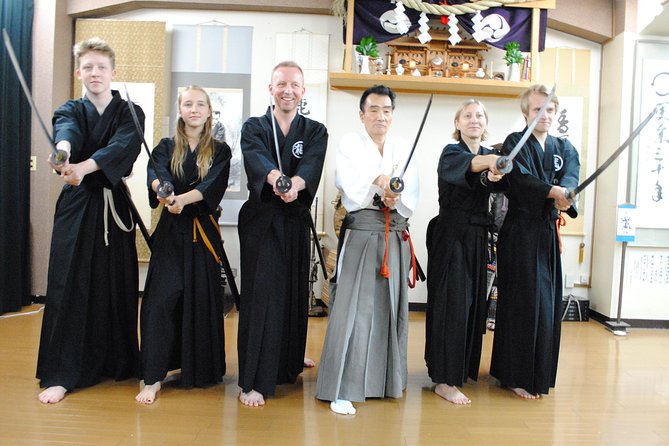
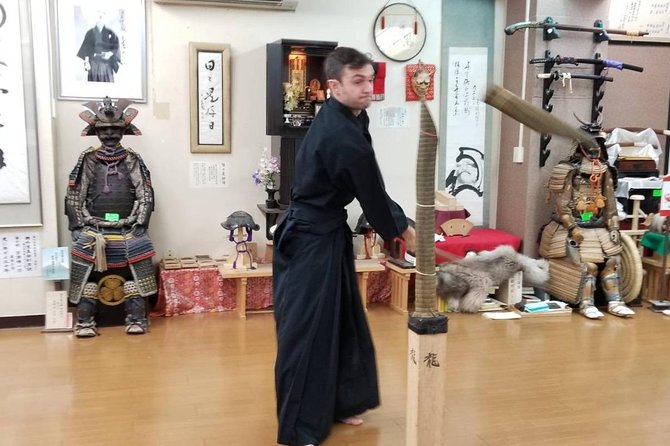
The most distinctive part is the opportunity to cut tatami targets with a real sword. Several participants have described this as cutting through tatami mats on their own, while the instructor and attendant provided guidance.
This should be treated as a serious technique exercise, not a free-form activity. Your instructor supervises the process and shows you how to approach the cut. You need to follow directions closely and keep your attention on safety, posture, and control.
For many people, this is the moment when the lesson becomes unforgettable. Holding an actual Japanese sword changes your understanding of the craft. The blade has weight and purpose, and a successful cut depends on technique rather than brute strength.
There is also a useful lesson in failure. If your first attempt is awkward, that is part of the point. The practice shows how much balance, angle, and timing matter. The instructor’s job is to help you make the attempt safely and understand what went wrong.
Because this is real sword practice, I would not book it expecting a casual activity for every member of a large mixed-age group. The provided information says most people can participate, but it excludes people with heart conditions and pregnant women. Comfortable clothing is required, and you should be ready to listen carefully throughout the cutting portion.
Why the English translation matters
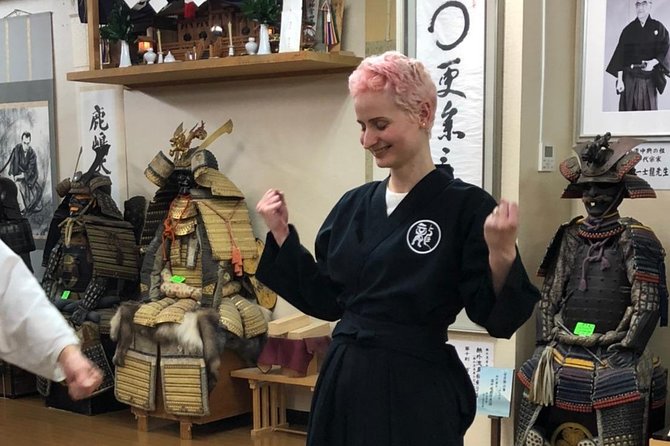
The activity includes an English-speaking attendant. That is not a minor convenience. Martial arts instruction depends on exact details, and cultural explanations can lose their meaning when translated poorly.
The attendant explains the master’s comments, answers questions, and helps you follow the sequence of each exercise. This is particularly helpful if you are visiting with a child or bringing a friend who knows little about Japanese swordsmanship.
The translation also supports the cultural side of the experience. You can ask about samurai traditions, sword licensing, the purpose of the movements, and the objects shown during the lesson. The attendant can help turn a demonstration into a conversation.
The quality of that support may vary slightly depending on who is assigned, but the activity is specifically arranged with English assistance. If precise technical instruction is a priority, listen closely and ask for a movement to be demonstrated again when needed.
A small-group experience for families and martial arts fans
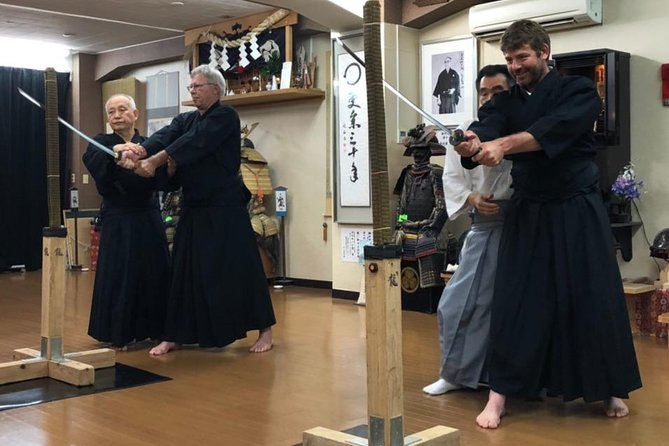
This activity suits a range of interests, but it is especially good for three types of participants.
First, it works for families with older children or teenagers who enjoy history and action. The combination of storytelling and tatami cutting gives the subject a physical quality that a standard cultural tour may lack.
Second, it suits adults who already practice martial arts or have a serious interest in Japanese swordsmanship. The session offers a direct introduction to iaido from a seasoned master, with room for questions about technique and background.
Third, it works for visitors who want one unusual cultural activity in Tokyo. You do not need extensive martial arts experience. The instruction is adapted to your level, and the private arrangement makes it less intimidating for a complete beginner.
It may be less suitable if you want a fast, polished performance with little participation. The point is to practice, listen, and make careful movements. It also may not suit anyone looking for a fully accessible activity, since wheelchair accessibility is not available.
Is $154.37 a fair price for 90 minutes?
At $154.37 per person, this is not a budget activity. You are paying for a private session rather than a large class, an experienced master, an English-speaking attendant, traditional clothing, and the possibility of real sword cutting.
The price makes more sense for a small family or private group that values personal attention. If several people in your party are eager to take part, the group discount may improve the value. You also receive a participation certificate, which is a modest but useful souvenir.
I would compare it with the cost of a standard staged samurai show. Those performances may offer more spectacle, but they usually provide less time handling a sword and less opportunity to ask questions. Here, the value lies in access and instruction, not production scale.
The weak point is the short duration. Ninety minutes passes quickly once you include changing clothes, explanations, demonstrations, and practice. If you expect a full course in iaido, the price will feel high. If you want a focused, private introduction with a rare hands-on element, it is easier to justify.
Booking, cancellations, and weather concerns
Confirmation is sent within 48 hours of booking, subject to availability. Since this activity averages being booked 58 days in advance, I would reserve early if your Tokyo dates are fixed.
You can cancel for a full refund up to 24 hours before the start time. Cancellations or changes made less than 24 hours ahead are not refunded or accepted.
The activity requires good weather. If poor weather causes cancellation, you are offered another date or a full refund. The same applies if the minimum number of participants is not met. Keep your schedule flexible enough to handle a change, especially if this is planned for the end of your trip.
The mobile ticket is convenient, and the meeting point is near public transportation. Still, save the address and arrive early. The operator does not provide private transportation.
Should you book the Tokyo samurai experience?
I would book this if you want active cultural learning, not just a samurai-themed photo. The chance to wear iaido clothing, train with a master, hear about sword traditions, and attempt supervised tatami cutting gives the session real substance.
It is a strong choice for families, private groups, martial arts fans, and anyone who wants an unusual Tokyo memory. I would hesitate only if the price is outside your budget, if you need wheelchair access, or if you prefer a longer and more structured martial arts course.
Book early, confirm the meeting details, wear comfortable clothes, and treat the sword work with full attention. If you do that, this short lesson can offer a vivid introduction to the discipline, restraint, and ceremony behind Japanese swordsmanship.
FAQ
Where does the iaido experience start?
It starts at Starbucks Coffee in the Kudankita area of Chiyoda City, Tokyo. The listed address is 1-chome 2-1 Kudankita Building, first floor.
Where does the activity end?
The activity ends back at the meeting point.
How long does the experience last?
It lasts approximately 1 hour and 30 minutes.
How much does the experience cost?
The listed price is $154.37 per person. Group discounts are available.
Is this a private activity?
Yes. Only your group participates in the activity.
Is an English-speaking guide included?
Yes. An English-speaking attendant is included to assist with explanations and translation.
What clothing is provided?
An iaido jacket and related items are provided. You should wear comfortable clothing.
Can participants use a real sword?
The experience includes real sword practice under supervision, including cutting tatami targets. The activity also covers basic handling and techniques.
What is the cancellation policy?
You can cancel up to 24 hours before the start time for a full refund. Cancellations or changes made less than 24 hours before the start time are not accepted for a refund. If poor weather or insufficient participation causes cancellation, you are offered another date or a full refund.
New on our Tokyo list
- Sumi-e Experience in a relaxing green tea shop in Tokyo★ 5.0 · 3 reviews
- Tokyo : Kamikaze Street Drift Ride★ 5.0 · 3 reviews
- Private Zen Meditation in English in Shinjuku, Tokyo★ 5.0 · 3 reviews
- Onsen Spa in Tokyo and Asakusa Bar Hopping with Local Guide★ 5.0 · 3 reviews
- Easy for everyone! Now you can play handmade mini shamisen and show off to everyone! Musical instruments, sweets and live music★ 5.0 · 3 reviews
- Tokyo Tsukiji Fish Market Walking and Exploring Hidden Gems Tour★ 5.0 · 3 reviews
- Tokyo: Private Tsukiji Street Food & Sake with Local Guide★ 5.0 · 3 reviews
- Mt Fuji Exploration Tour with Free Japanese Kusa Mochi from Tokyo★ 4.5 · 3 reviews
Samurai & Ninja Experiences, compared.
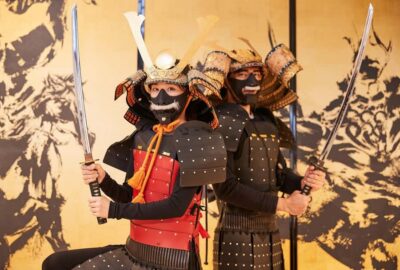
Samurai Ninja Museum Guided tour and Experience
Read our review →
Samurai Sword & Archery Class from Samurai Descendant
Read our review →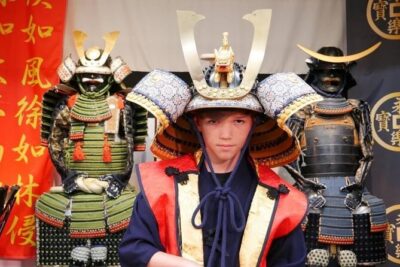
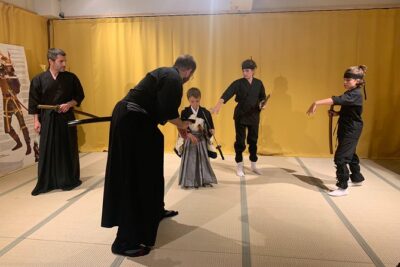
Ninja Experience (Family Friendly) at Samurai Ninja Museum TOKYO
Read our review →
Samurai Entertainment Night Show in Kanda Shrine
Read our review →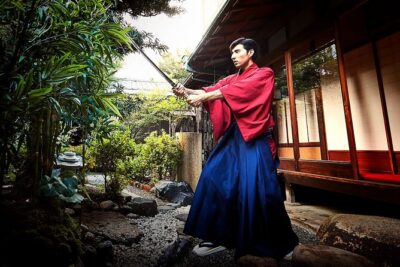
Tokyo Sword Experience – includes Museum Ticket/Ninja Experience
Read our review →
Samurai Ninja Museum Asakusa: Samurai Sword Lesson & Tour
Read our review →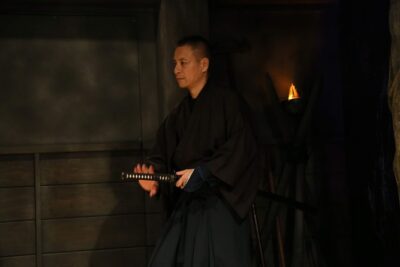
Ninja Samurai 2-hour hands-on lesson by Japanese master in Tokyo
Read our review →Browse the lists this tour appears in