
Reviewed · YANAKA & OLD TOKYO WALKS
Experience the Taste of Old Tokyo in Backstreet Yanesen
Tokyo can feel enormous and futuristic, but Yanesen offers a quieter, older rhythm. This six-hour food and history walk links Yanaka, Nezu, and Sendagi, taking you through temple lanes, shrines, wooden homes, old shops, and small food businesses that are easy to miss on your own. The tastings range from onigiri and unagi to sweets, coffee, and sake.
I like two things especially: the small maximum of six people, which should make questions and conversation easy, and the way food is tied to local history rather than served as a string of unrelated samples. Guides including Kan, Michelle, Mairi, and Diana bring different personalities to the walk, but the strongest praise centers on their history knowledge and friendly, engaging style.
The main consideration is the length. Six hours on foot, with several stops across three neighborhoods, is a substantial outing. You will also pay $195 per person, so this makes the most sense if you want a guided cultural food day rather than a quick tasting tour.
In This Review
- Key points at a glance
- Why Yanesen feels unlike central Tokyo
- Three hours among Yanaka’s temples and backstreets
- Nezu Shrine and the older religious Tokyo
- Nichika Shrine and Enju-ji Temple
- Sendagi’s shops, food, and neighborhood character
- What you will eat and drink
- The guide can shape the whole day
- Is $195 a fair price?
- Who should book this Yanesen walk?
- FAQ
- Where does the tour start?
- What time does the experience begin?
- Where does the tour end?
- How long does the tour last?
- How large is the group?
- What food and drinks are included?
- Is transportation included?
- Can I cancel for a full refund?
- Should you book it?
Key points at a glance
- Three old Tokyo neighborhoods: Walk through Yanaka, Nezu, and Sendagi, collectively known as Yanesen.
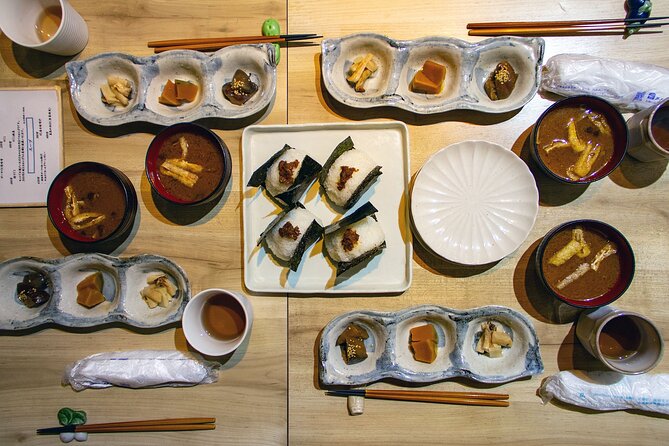
- Food with a local story: Expect handmade onigiri, fresh unagi, pastries, red-bean sweets, coffee, tea, and sake.
- Small-group setting: The maximum is six people, a useful size for narrow streets and personal questions.
- Temples and shrines: Visit Nezu Shrine and Nichika Shrine of Enju-ji Temple among Yanesen’s many religious sites.
- A six-hour walking day: The tour begins at 10:00 a.m. near Sendagi Station and ends in Yanaka.
- Guides with different strengths: Kan, Michelle, Mairi, and Diana are named in the available guide feedback, with history and warm presentation praised repeatedly.
Why Yanesen feels unlike central Tokyo
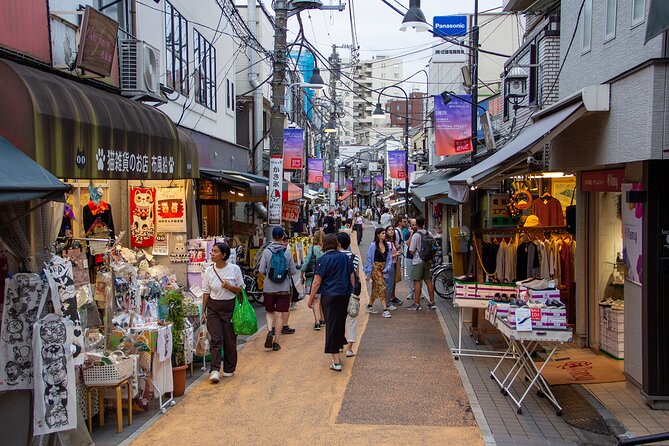
Yanaka, Nezu, and Sendagi survived much of the rebuilding that changed Tokyo after World War II. That gives the area a different look and pace from the city’s large commercial districts. You will find narrow alleys, temple grounds, cemeteries, wooden townhouses, and small shops rather than broad avenues and towering signs.
The point is not that Yanesen has been frozen in time. It has not. Daily life continues here, and that is what makes the walk useful. You see a part of Tokyo where old buildings, neighborhood shrines, family-run food shops, and ordinary routines still sit close together.
I like this setting for a food tour because the streets explain the food. A snack from a long-running shop means more when you understand the neighborhood around it. The food is not simply fuel between sightseeing stops. It gives you a reason to notice how local businesses and traditions fit into the area.
The tour begins at 10:00 a.m. at Saint Marc Cafe in Sendagi, near Sendagi Station. The exact meeting address is in Sendagi, Bunkyo City. You receive a mobile ticket and booking confirmation, and the route stays close to public transportation.
More old-Tokyo backstreet walks:
- The Old Quarter of Tokyo – Yanaka Walking Tour
★ 4.5 · 590 reviews - Yanaka Walking Tour: Historic and Traditional District of Tokyo
★ 5.0 · 530 reviews - Tokyo: Old Quarter Yanaka Walking Tour
★ 4.8 · 406 reviews
Three hours among Yanaka’s temples and backstreets
The opening Yanaka portion takes about three hours, making it the longest section of the day. That tells you where the emphasis falls: this is not a quick pass through the neighborhood before lunch. You have time to move through side streets, learn how Yanaka developed, and stop for food and drinks along the way.
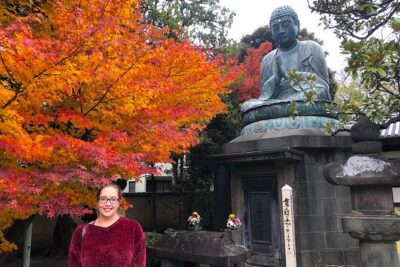
Yanaka was established as a temple town during the Edo period. The Yanesen area has 117 temples, with 76 in Yanaka alone. That number helps explain the frequent temple gates, quiet grounds, and religious buildings that appear between homes and shops.
You should expect the guide to connect the buildings and food to broader Japanese culture and local life. Mairi, Kan, and Michelle are particularly praised for explaining history and architecture in a clear, engaging way. The useful part is not memorizing dates. It is learning why this corner of Tokyo looks and feels so different from the city most first-time visitors picture.
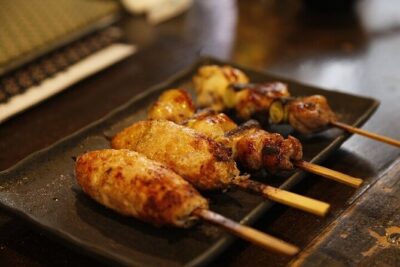
Food breaks are woven into the walking. The stated offerings include handmade onigiri, fresh unagi, nostalgic sweets, pastries, red-bean treats, coffee, tea, and sake. The exact order can vary, but the range is broad enough to make this feel like a full food day rather than a single meal.
Onigiri gives you a simple introduction to Japanese everyday food. Unagi brings a more substantial taste and a connection to a long-established cooking tradition. Sweets and red-bean flavors offer a different side of Japanese eating, while coffee and sake show how old neighborhood businesses can serve both familiar and more specialized tastes.
One useful feature is the balance between food and walking. You are not seated for six hours, and you are not rushing from one tasting to the next. The pace is described as a good mix of stops for food and drinks with history. Still, you should wear comfortable shoes and be ready to spend much of the day on foot.
Nezu Shrine and the older religious Tokyo
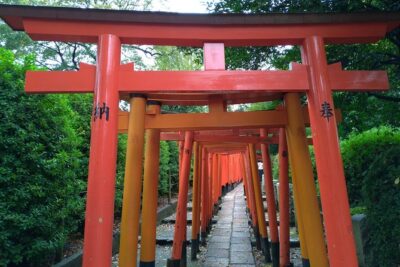
The Nezu Shrine stop lasts about 30 minutes. It is considered one of Japan’s oldest Shinto shrines, with origins said to reach back 1,900 years. The current main buildings date from the early 18th century.
Those two dates give the stop its appeal. The shrine’s story reaches far back, but what you see today is tied to the Edo period. Your guide can help separate the long religious tradition from the buildings and layout in front of you.
A half-hour is enough to appreciate the shrine without turning the visit into a long formal tour of every feature. You also have the advantage of arriving with context from the Yanaka walk. Instead of seeing a shrine as just another attractive stop, you can place it within the area’s long development as a temple and religious district.
The shrine is one of the day’s quieter cultural breaks, but the experience is still weather-dependent. The activity requires good weather, so a poor forecast can lead to a new date or a full refund. That policy matters because the route depends on walking between outdoor sites.
Nichika Shrine and Enju-ji Temple
The stop at Nichika Shrine of Enju-ji Temple takes about 30 minutes. It fits the larger story of Yanaka as a temple town and gives you another chance to see how religious places are folded into the neighborhood rather than isolated from it.
The available details do not promise a particular ceremony, seasonal display, or special event here. That is worth keeping in mind. The value comes from the setting and the guide’s explanation, not from a guaranteed spectacle.
This is where a small group helps. With no more than six people, you can ask about the shrine, temple customs, architecture, or the role of these places in local life without trying to catch a guide’s words across a large crowd. Guides such as Mairi and Kan are praised for making this kind of history approachable and fun.
A few more Tokyo bookings worth comparing
- Mt Fuji and Hakone 1-Day Bus Tour Return by Bullet Train
★ 5.0 · 26,383 reviews - 1-Day Tokyo Bus Tour
★ 5.0 · 14,250 reviews - Tokyo: TOKYO SKYTREE® Admission ticket
★ 4.5 · 11,192 reviews - Tokyo: teamLab Planets TOKYO Digital Art Museum Entry Ticket
★ 4.6 · 9,779 reviews
Sendagi’s shops, food, and neighborhood character
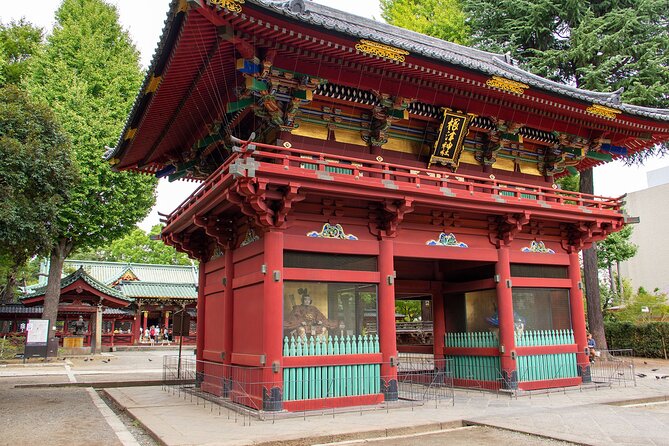
The final major walking section covers Sendagi and lasts about two hours. Since the tour starts here, you will first get your bearings before spending more time in the neighborhood later in the day.
Sendagi is part of the same old-Tokyo character as Yanaka and Nezu, but the pleasure is in the smaller details. The area’s narrow lanes, old houses, shops, and local food businesses create a setting where you can notice the ordinary side of Tokyo. You are not simply checking off a famous sight. You are learning how a neighborhood works.
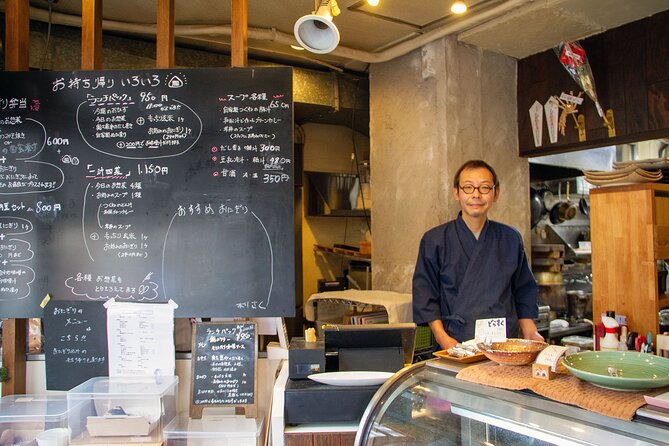
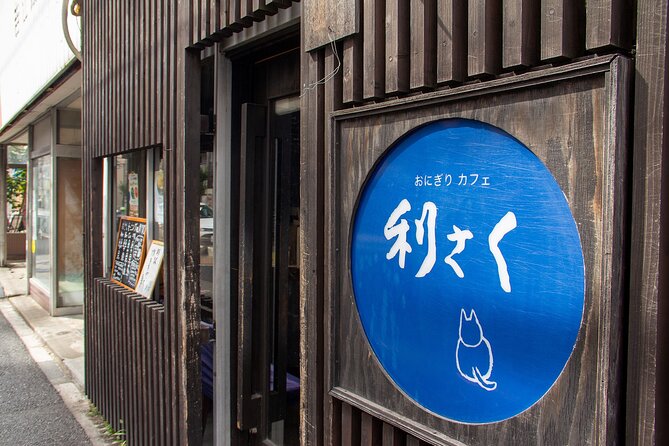
The food stops are the strongest reason to include Sendagi in the route. The tour introduces you to local makers and shopkeepers connected to Japanese culinary traditions. You may taste food that is familiar to Japanese residents but less obvious to a first-time visitor, from a carefully made rice snack to an unagi dish, a pastry, or a red-bean sweet.
A converted bathhouse used for drinks adds one of the day’s more unusual settings. You can sip coffee, tea, or sake in a place that has been given a new life while retaining a link to the neighborhood’s past. That kind of stop is more memorable than a standard café visit because the building itself becomes part of the story.
The route ends at Echigoya Honten in Yanaka, at 3-chome-13-2 Yanaka, Taito City. You finish in a different neighborhood from the starting point, but still within Yanesen, and near the same general area covered during the walk.
What you will eat and drink
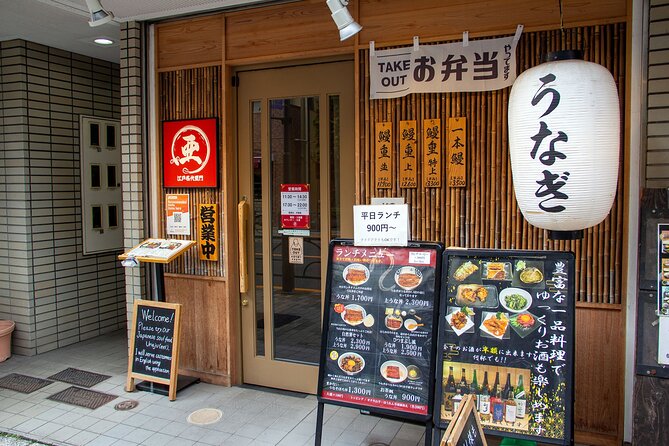
The food is generous in range. Included items are listed as lunch, meals, snacks, breakfast, alcoholic beverages, and coffee or tea. Because the exact menu can change, you should treat the published foods as examples of the experience rather than a fixed restaurant menu.
Here is how the food works for you:
- Onigiri: A handmade rice snack gives the tour an everyday Japanese foundation.
- Unagi: Fresh eel provides a more distinctive savory tasting and one of the day’s substantial food moments.
- Pastries and sweets: These add familiar comfort while showing a different side of local food traditions.
- Red-bean flavors: If you are new to Japanese sweets, this is a useful chance to try a classic ingredient in several forms.
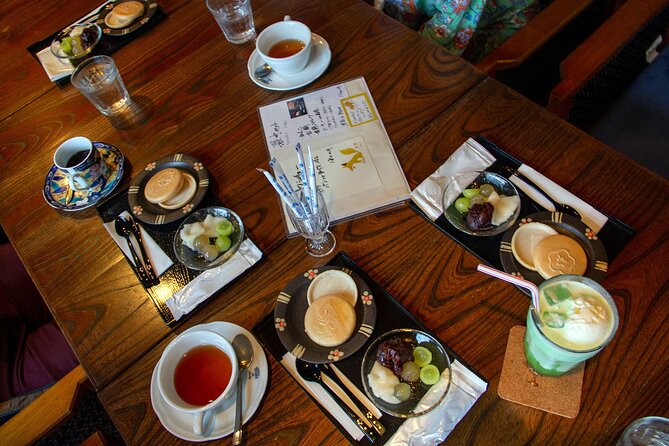
- Coffee and tea: A retro kissaten-style stop slows the pace and adds a nostalgic café note.
- Sake: The day includes alcohol, with a stop where you can drink in a converted bathhouse.
The tasting list should suit curious eaters who want variety. It may be less ideal if you prefer one large sit-down meal and little else. You are eating in stages, with walking between stops, so this is a day for sampling and comparison.
If you have dietary restrictions, the provided information does not specify substitutions. Ask before booking if you need firm arrangements. The tour includes alcohol, so it may not suit you if you avoid drinking, though the listing does not say that every tasting must be alcoholic.
The guide can shape the whole day
The strongest part of this experience is the guiding. Kan is praised for a strong background in history and for setting a comfortable pace between food and drink stops. Michelle is described as warm, fun, and especially good at bringing history and architecture into the day. Mairi is praised for making the experience work for a family with children, while Diana is named alongside Kan for a food and temple outing.
You cannot choose a specific guide from the information provided, so do not book on the assumption that one named person will lead your date. Still, the repeated pattern is useful: the guides are not there only to point out shops. They explain Japanese culture, local history, architecture, and the people behind the food.
That matters in Yanesen. The streets can be explored independently, but a guide helps you understand what you are seeing and why it matters. A small group also makes it easier for the guide to adjust the pace and answer questions.
Is $195 a fair price?
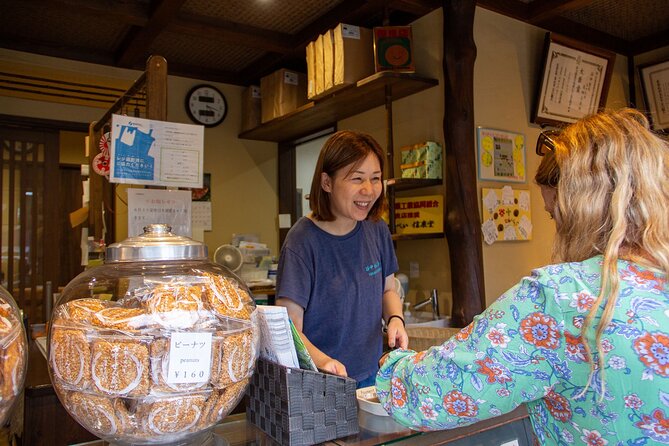
At $195 per person, this is not a cheap neighborhood stroll. You are paying for about six hours, a small group capped at six, a guide, lunch, multiple food tastings, drinks, coffee or tea, and access to a planned route through three neighborhoods.
The price makes more sense if you value interpretation. You could walk Yanaka, Nezu, and Sendagi for free, visit the shrine grounds without an admission charge, and buy snacks as you go. But you would need to choose the shops, understand what to order, build a route, and connect the food to the neighborhood’s history yourself.
I see the tour as good value for a first full day in Yanesen, especially if you want both cultural background and a wide range of tastes. It is less compelling for repeat Tokyo visitors who already know the area, speak enough Japanese to order comfortably, or prefer to explore at their own pace.
The no-admission-cost temple and shrine stops do not reduce the value by themselves. The fee is mainly for the guide’s time, the food and drink, and the access to small local places that are easier to appreciate with explanation.
Who should book this Yanesen walk?
I would recommend it to you if you want a slower, more local side of Tokyo without giving up structure. It suits first-time visitors, food-minded couples, solo visitors who like small groups, and families with curious children. The available feedback specifically describes children enjoying the food, shrines, sake-free parts of the day, and Mairi’s lively approach.
It also suits you if you want history but do not want a formal museum tour. The walk turns temples, shrines, architecture, food, and daily life into one connected subject.
You may want a different experience if you dislike long walks, prefer a fixed restaurant meal, need guaranteed dietary changes, or want a nightlife-focused food tour. The six-hour schedule is full, and the route depends on good weather.
Your booking is fully refundable if you cancel at least 24 hours before the local start time. Late cancellations and late changes are not accepted for a refund. The activity also requires a minimum number of participants, so a cancellation by the operator can lead to another date, another experience, or a full refund.
FAQ
Where does the tour start?
It starts at Saint Marc Cafe in Sendagi, near Sendagi Station, in Bunkyo City, Tokyo.
What time does the experience begin?
The start time is 10:00 a.m.
Where does the tour end?
It ends at Echigoya Honten, at 3-chome-13-2 Yanaka, Taito City, Tokyo.
How long does the tour last?
The experience lasts approximately six hours.
How large is the group?
The tour has a maximum of six participants.
What food and drinks are included?
Included items are lunch, meals, snacks, breakfast, alcoholic beverages, coffee or tea. The experience features foods such as onigiri, unagi, sweets, pastries, and red-bean treats.
Is transportation included?
Private transportation is not included. The route is a walking tour and the meeting point is near public transportation.
Can I cancel for a full refund?
Yes. You must cancel at least 24 hours before the local start time for a full refund. If poor weather causes the operator to cancel, you are offered another date or a full refund.
Should you book it?
Book this tour if you want Tokyo explained through its neighborhoods and its food. The combination of Yanaka’s temples, Nezu Shrine, Sendagi’s backstreets, handmade dishes, nostalgic sweets, coffee, and sake gives you a well-rounded day in an older part of the city.
At $195, it asks you to commit both money and time. For a six-hour walking day with a group of no more than six, several included tastings, and guides such as Kan, Michelle, Mairi, or Diana, that cost can be worthwhile. Go in with comfortable shoes, an open appetite, and a willingness to slow down.
New on our Tokyo list
- Sumi-e Experience in a relaxing green tea shop in Tokyo★ 5.0 · 3 reviews
- Tokyo : Kamikaze Street Drift Ride★ 5.0 · 3 reviews
- Private Zen Meditation in English in Shinjuku, Tokyo★ 5.0 · 3 reviews
- Onsen Spa in Tokyo and Asakusa Bar Hopping with Local Guide★ 5.0 · 3 reviews
- Easy for everyone! Now you can play handmade mini shamisen and show off to everyone! Musical instruments, sweets and live music★ 5.0 · 3 reviews
- Tokyo: Private Tsukiji Street Food & Sake with Local Guide★ 5.0 · 3 reviews
- Mt Fuji Exploration Tour with Free Japanese Kusa Mochi from Tokyo★ 4.5 · 3 reviews
- Tokyo Tsukiji Fish Market Walking and Exploring Hidden Gems Tour★ 5.0 · 3 reviews
Yanaka & Old Tokyo Walks, compared.
Yanaka Walking Tour: Historic and Traditional District of Tokyo
Read our review →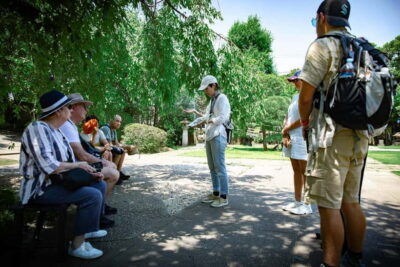
Small Town in the Big City: Tasting Tokyo’s Kichijoji
Read our review →
Stroll in Old traditional culture towns~Yanaka & Nezu
Read our review →
Yanaka Historical Walking Tour in Tokyo’s Old Town
Read our review →
Private Home Cooking in Yanaka – Local Flavors in a Warm Setting
Read our review →
Browse the lists this tour appears in