
Reviewed · JAPANESE COOKING CLASSES
Private Home Cooking in Yanaka – Local Flavors in a Warm Setting
Tokyo’s best food lessons do not always happen in polished cooking schools. This private class takes you into Yanaka’s local rhythm, where you prepare everyday Japanese dishes in a small home-style kitchen close to Yanaka Ginza. Depending on your menu, you might knead udon dough with your feet, roll sushi, make dashi from kombu and bonito flakes, or build a full bento lunch.
I like two things right away: the personal instruction and the chance to cook food you can repeat at home. English-speaking instructors such as Yuki, Yuli, and Yukiko explain not only what to do, but why the technique matters. The class also fits nicely before or after a walk through Yanaka’s old streets and market lane.
The main drawback is finding the meeting point. The information center is near Yanaka Ginza, but the cooking space can be easy to miss on a side street. Allow time to locate it, and ask at the nearby coffee shop if needed. The two-hour lesson can also feel short if you want a long menu and plenty of conversation.
In This Review
- Key points at a glance
- A cooking class with Yanaka character
- What happens during the two-hour lesson
- Menus range from bento to full Japanese meals
- Why the private format works well
- English instruction and the human side of the class
- Pair the lesson with a Yanaka walk
- Dietary requests and planning ahead
- Who will get the most from this experience
- Is Private Home Cooking in Yanaka worth booking?
- FAQ
- Where does the cooking class meet?
- Where does the activity end?
- How long does the cooking experience last?
- How much does the experience cost?
- Can I choose lunch or dinner?
- Can I request specific dishes?
- Can dietary requirements be accommodated?
- How far in advance should I send menu requests?
- What is the cancellation policy?
Key points at a glance
- Cook beside Yanaka Ginza: The meeting point is about 100 meters from the popular shopping street, making this easy to pair with a neighborhood walk.
- Choose a lunch or dinner time: The class lasts about two hours and can fit different sightseeing plans.
- Request your menu early: Ask for dishes, allergies, vegetarian food, or vegan food through the reservation form, ideally at least two days before class.
- Expect hands-on work: You chop, slice, mix, knead, and cook instead of watching a demonstration.
- Learn practical Japanese food skills: Dashi, rolled omelets, tempura oil temperature, udon dough, miso sauces, and bento assembly may all appear, depending on your selection.
- Private means personal: Only your group takes part, so you can ask questions and receive direct feedback.
A cooking class with Yanaka character
Yanaka feels different from the glass towers and giant crossings most people picture when they think of Tokyo. The area is known for older streets, small shops, temples, residential lanes, and Yanaka Ginza, a compact shopping street with a neighborhood feel.
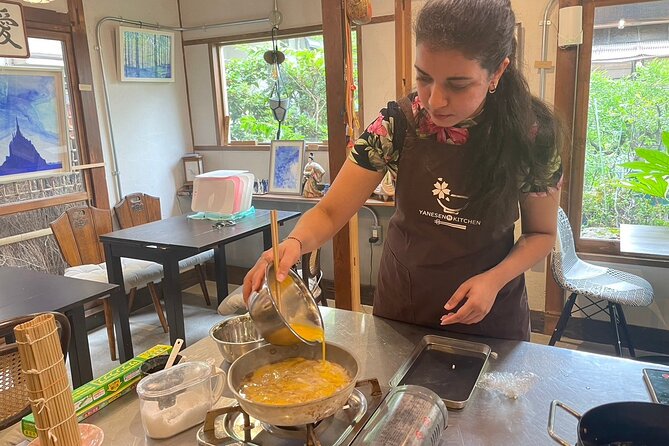
The cooking space sits close to this local setting. The description calls it a private home kitchen, while one useful detail is that the venue is a small, homey studio connected with the Yanesen Tourist Information and Culture Center. I would think of it as a home-style cooking workshop rather than a formal restaurant kitchen.
That distinction matters. You are not being taken through a standard tourist menu in a large room. You get a closer look at the kind of food prepared in ordinary Japanese households, along with conversation about daily life and local habits in the Yanesen area. The setting is simple, personal, and tied to the neighborhood.
You meet at the YANESEN Tourist Information and Culture Center at 3-chōme-13-7 Yanaka, Taito City. The class ends at the same meeting point. Since the entrance can be confusing, do not rush in at the last minute. Some people have found the location by checking with staff at the nearby coffee shop, Ko Hi Ko Jo, or by asking for help once they reach the information center.
More old-Tokyo backstreet walks:
- The Old Quarter of Tokyo – Yanaka Walking Tour
★ 4.5 · 590 reviews - Yanaka Walking Tour: Historic and Traditional District of Tokyo
★ 5.0 · 530 reviews - Tokyo: Old Quarter Yanaka Walking Tour
★ 4.8 · 406 reviews
What happens during the two-hour lesson
The exact order depends on your menu, but the lesson is built around active preparation. Your instructor has the ingredients ready, then guides you through the work step by step.
You may begin by learning about the ingredients and tools. This can include Japanese seasonings, miso, kombu, bonito flakes, wakame, rice, vegetables, noodles, or ingredients for sushi and gyoza. The useful part is the explanation of how each item works in a dish, not simply a list of names.
From there, you take over. You might chop vegetables, prepare fillings, grind or mix ingredients, form dumplings, roll sushi, or work with a square pan to make Japanese omelets. The class is designed to give you live feedback, so you can correct your technique as you go.
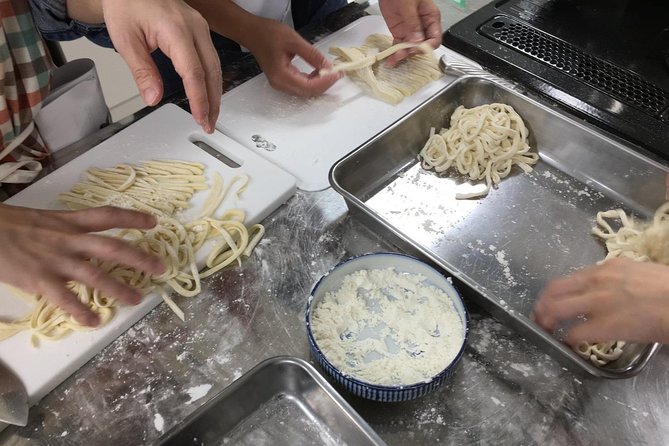
One particularly memorable activity is making udon from scratch. The dough can be kneaded in a sealed bag using your feet, a traditional and playful method that keeps the process clean. You also learn useful cues, such as how to judge whether frying oil is at the right temperature for tempura.
The meal comes at the end of the work. Portions are described as generous, so you should expect to eat what you prepare rather than simply sample a small plate. That gives the class a satisfying finish, but it also means you should not plan an elaborate restaurant meal immediately afterward.
Menus range from bento to full Japanese meals
The menu is one of the strongest reasons to book this class. You can request dishes in advance, and the available format includes two choices:
- Plan A: choose one main dish.
- Plan B: choose two appetizers.
The supplied examples show that the actual cooking can be more varied than those simple categories suggest. Past menus have included bento boxes, oyakodon, nikujaga, miso soup, okonomiyaki, miso-glazed eggplant, tonkatsu, tempura, rolled sushi, gyoza, karaage, soba, and udon.
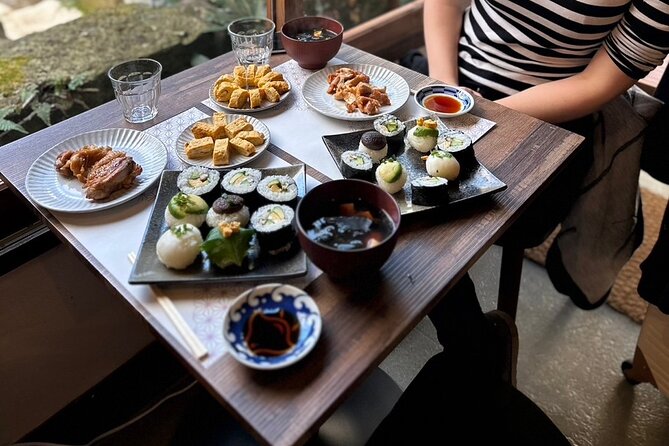
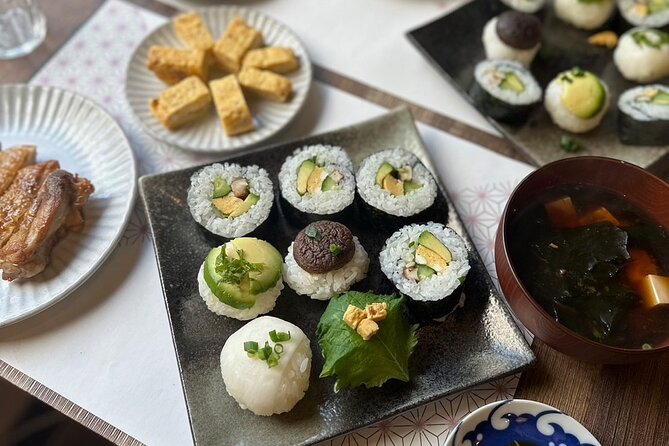
A bento lesson is a good choice if you want several small preparations and a clear final presentation. You may learn to make onigiri rice balls and rolled egg omelets, then arrange the finished food in the box. It is practical, colorful, and easy to recreate at home.
Oyakodon and nikujaga offer a useful introduction to everyday Japanese cooking. They are not just restaurant specialties. They show how familiar ingredients become comforting household meals. The ingredients are also generally available in markets outside Japan, which makes these dishes good choices if you want to continue cooking after your trip.
For a more technique-focused class, try a menu with sushi, gyoza, udon, or tempura. Rolling sushi gives you a clear skill to practice, while gyoza involves shaping and filling. Udon requires patience with the dough. Tempura teaches a technique that many home cooks find intimidating, especially judging oil temperature.
Miso soup can also be much more than instant broth. A lesson may cover homemade dashi using kombu and bonito flakes, then add wakame and miso. You learn why the soup tastes different depending on the stock and miso, including regional differences such as darker, stronger miso from Nagoya.
Nasu dengaku, or miso-glazed eggplant, is another excellent option. The eggplant is topped with miso glaze and sesame seeds, and the class may include two different glaze styles. It is a simple dish with enough variation to teach how sauces change the final result.
Because menus are arranged in advance, you should not assume every dish listed above will be available on the day you attend. Send your request through the contact form and include your preferred dishes, food allergies, or dietary needs.
Why the private format works well
A private class gives you room to ask basic questions without slowing down a large group. If you have never used a Japanese square omelet pan, shaped gyoza, or prepared dashi, your instructor can watch closely and adjust the explanation.
That personal attention is especially helpful for families. One class had children taking part while the instructors explained each step in clear English. Young cooks can work on simple tasks, then see how those tasks become a complete meal.
Solo visitors also get good value from the format. A small-group activity may become one-on-one instruction when no other participants are booked. That lets you shape the menu more closely around your interests and ask about Japanese food throughout the lesson.
Couples and small groups can split the work while still receiving direct guidance. Group discounts are available, so check the price for your party rather than assuming the per-person rate tells the whole story.
The listed price is $122.23 per person. That is not a bargain if you judge it as a two-hour meal. You are paying for the instructor’s time, ingredients, use of the kitchen, personalized menu planning, and the chance to prepare several dishes yourself. For a private Tokyo activity with English guidance, the price is reasonable for people who value participation over a quick restaurant stop.
More cooking classes in Tokyo:
- Ramen & Gyoza Cooking Class in Tokyo with Local Supermarket Visit
★ 5.0 · 823 reviews - Tokyo: Easy Ramen Cooking Experience in Kabukicho, Shinjuku
★ 4.6 · 321 reviews - Ramen and Sushi Cooking Class with Sake Pairing Set in Tokyo
★ 5.0 · 291 reviews - Tokyo: Wagyu and 7 Japanese Dishes Cooking Class
★ 4.9 · 273 reviews
English instruction and the human side of the class
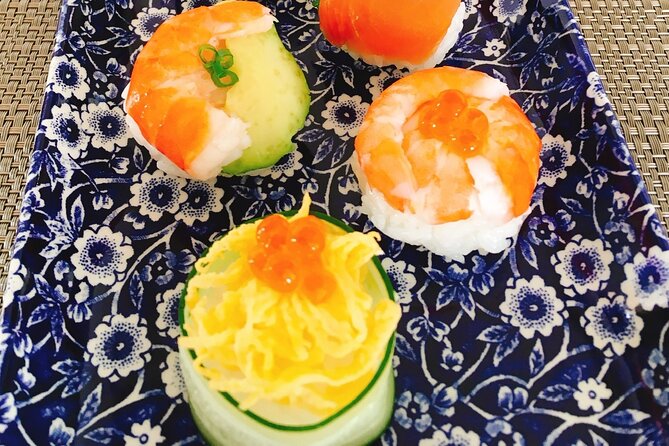
English communication is a major part of the experience. Yuki is described as an especially clear English-speaking instructor, and the same is true of instructors identified as Yuli and Yukiko in the class material. Explanations cover preparation methods, ingredient choices, and the reasons behind each step.
The conversation can also move beyond recipes. The class is meant to include discussion of Yanaka life, local habits, food culture, and current neighborhood trends. You can share something about your own food traditions too, which helps the lesson feel like a meeting between cooks rather than a one-way demonstration.
The instructors are often praised for being patient, warm, and willing to explain. That matters when a recipe looks simple but hides several small techniques. Miso soup, for example, depends on the stock and the timing of the miso. Tempura depends on the oil. Sushi depends on handling rice and rolling it evenly.
You should still remember that the quality of a private experience depends partly on the instructor assigned to your date. The available names and menu examples may vary. The strong overall rating of 5 out of 5 from 173 reviews and a 99 percent recommendation rate suggest a consistently well-received program, but no activity is entirely free of scheduling problems.
One reported cancellation happened at the last minute because an instructor became ill and the team closed for safety. That is frustrating, especially after booking a month ahead, but the provider requested a full refund through the booking service. It is a rare practical risk worth knowing about with any small, instructor-led class.
Pair the lesson with a Yanaka walk
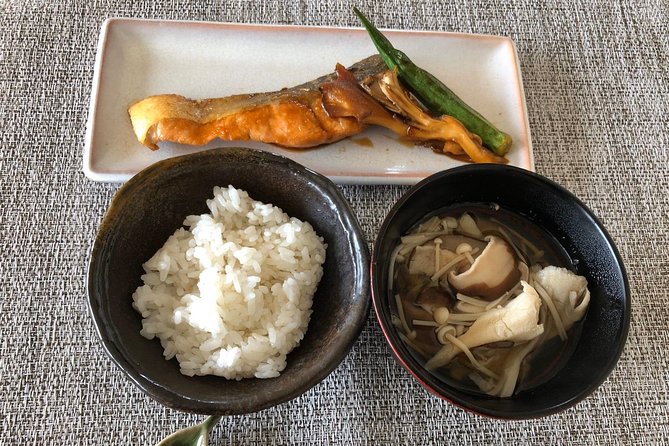
The location makes this more than a stand-alone meal. Yanaka Ginza is close to the meeting point, so you can browse the shopping street before class or stroll there afterward.
This is a good place to keep your schedule loose. The cooking class takes about two hours, but Yanaka rewards unhurried wandering. You might spend time looking at small shops, local food stalls, cafés, and residential streets before returning to the meeting point.
I would book the cooking session in the middle of a Yanaka day rather than placing it between distant Tokyo attractions. The area is quieter than many central sightseeing zones, and combining the class with a neighborhood walk gives the experience a stronger sense of place.
The meeting point is near public transportation, but the exact entrance can be hard to spot. Use the full address, arrive early, and ask at the information center or nearby coffee shop if you are unsure. This small bit of preparation can prevent a stressful start.
Dietary requests and planning ahead
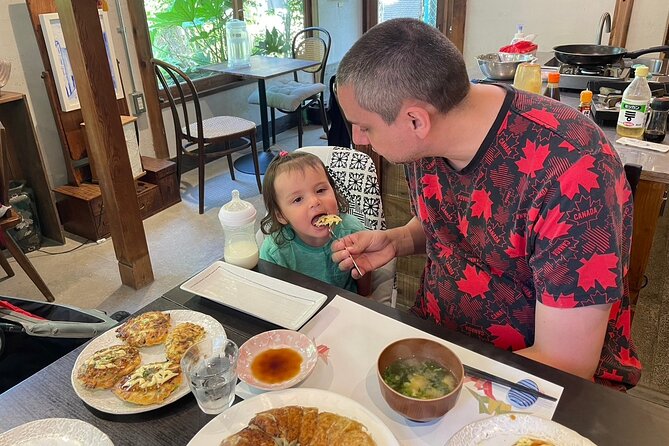
Allergies, vegetarian preferences, vegan food, and other menu requests can be accommodated with notice. You need to provide details when you reserve, not after you arrive.
For the best result, send your requests at least two days before the cooking date. Be specific about ingredients you cannot eat and about the dishes you hope to prepare. Japanese cooking may use dashi, bonito flakes, soy sauce, miso, or other ingredients that are not always obvious from a dish name.
This advance planning is valuable because the class is private. The instructor can adjust the menu for your group rather than simply offering a fixed substitute. Still, you should wait for confirmation that your request can be arranged before assuming every variation is possible.
Service animals are allowed, and the activity is near public transportation. Other accessibility details are not provided, so contact the operator before booking if you have mobility, kitchen, or seating needs.
Who will get the most from this experience
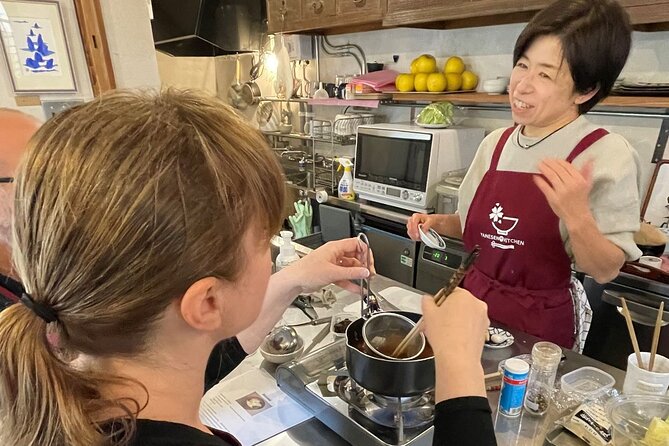
I would recommend this class to you if you enjoy food enough to want to understand how it is made. It suits first-time visitors who want a friendly introduction to Japanese cooking, as well as experienced home cooks looking for details they can use later.
It is also a strong choice for:
- Families looking for an activity everyone can share.
- Solo visitors who want personal instruction and conversation.
- Couples who prefer a private class to a large group.
- Vegetarian or vegan diners who need menu planning in advance.
- People staying in Tokyo long enough to explore Yanaka at a relaxed pace.
- Home cooks interested in sauces, dashi, noodles, sushi, or bento preparation.
I would hesitate if you want a polished professional kitchen, a long multi-course lesson, or a guaranteed fixed menu. Two hours pass quickly, especially when making noodles, sushi, soup, and several side dishes in one session. Confirm your preferred menu and meeting instructions before committing.
Is Private Home Cooking in Yanaka worth booking?
For most food-focused visitors, yes. The best value comes from the combination of hands-on cooking, personal instruction, and a real neighborhood setting. You leave with a meal, practical techniques, and recipes that can be repeated at home.
Book it if you want to cook rather than simply eat, and if you like the idea of pairing a class with Yanaka Ginza. Request your dishes and dietary needs at least two days ahead, arrive early to find the meeting point, and keep the rest of your schedule nearby.
Skip it if you prefer a fast sightseeing stop or need a fully fixed itinerary. For everyone else, this is a warm, useful way to spend two hours in Tokyo, with enough local character to make it more memorable than another restaurant meal.
FAQ
Where does the cooking class meet?
You meet at the YANESEN Tourist Information and Culture Center at 3-chōme-13-7 Yanaka, Taito City, Tokyo 110-0001, Japan.
Where does the activity end?
The activity ends back at the meeting point.
How long does the cooking experience last?
The experience lasts approximately two hours.
How much does the experience cost?
The listed price is $122.23 per person. Group discounts are available.
Can I choose lunch or dinner?
Yes. You can choose a lunch or dinner cooking class.
Can I request specific dishes?
Yes. You can submit menu requests through the reservation form. Plan A allows one main dish, while Plan B allows two appetizers.
Can dietary requirements be accommodated?
Yes. Allergies, vegetarian food, vegan food, and other requests can be arranged when you provide details during reservation.
How far in advance should I send menu requests?
You can discuss menus and requests through the contact form up to two days before the cooking date. Sending details early is the safest choice.
What is the cancellation policy?
You can cancel at least 24 hours before the start time for a full refund. Cancellations or changes made less than 24 hours before the experience are not accepted for a refund. If the class is canceled because of poor weather or because the minimum number of participants is not met, you are offered another date or experience, or a full refund.
New on our Tokyo list
- From Tokyo: Mount Fuji & Hakone Full Day Private Tour★ 4.9 · 25 reviews
- Tokyo Spectacular View Day-Cruise in 90 Minutes★ 5.0 · 25 reviews
- Real Tokyo Runner Club : Daikoku Car Meet Night Tour with JDM Car★ 5.0 · 25 reviews
- 2.5 Hour-Guided Cycle Tour in the Central Tokyo★ 5.0 · 25 reviews
- Ramen Making from Scratch +Akihabara Tour –Cooking Class★ 5.0 · 25 reviews
- [Self-Drive] Tokyo & Daikoku Custom Car Driving Tour★ 4.9 · 25 reviews
- Tokyo: 2-Hour Night Bike Tour of the City’s Hidden Gems★ 4.9 · 25 reviews
- Samurai themed Entertainment show in Shinjuku★ 4.5 · 25 reviews
Japanese Cooking Classes, compared.
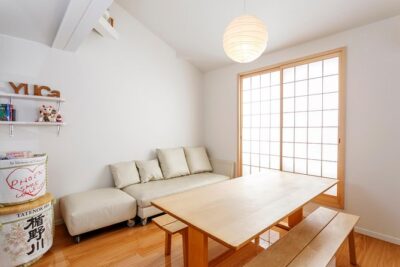
Ramen & Gyoza Cooking Class in Tokyo with Local Supermarket Visit
Read our review →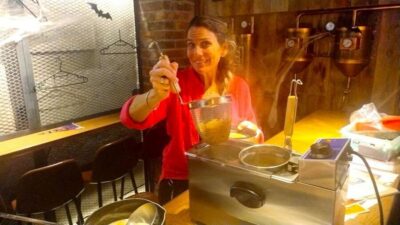
Easy Ramen Cooking Experience in Kabukicho, Shinjuku
Read our review →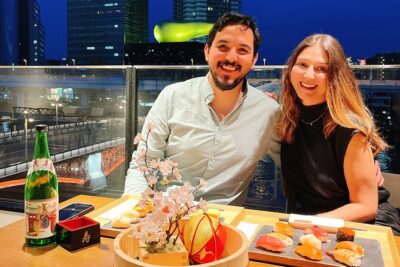
Ramen and Sushi Cooking Class with Sake Pairing Set in Tokyo
Read our review →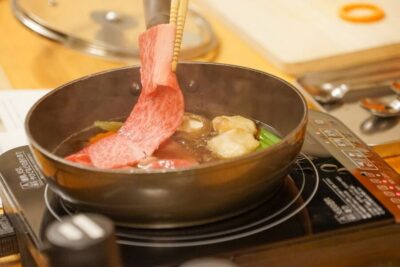
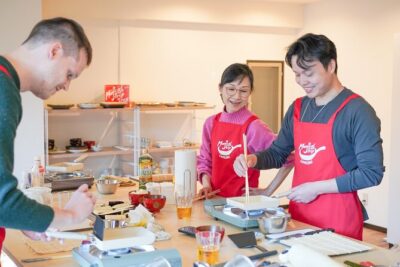
Tokyo Washoku 4-hour Cooking Class: From Market to Table
Read our review →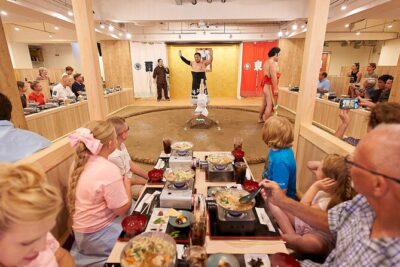
TokyoSumoShow, ChickenHotPot, and Mochi-Pounding by Pro Wrestlers
Read our review →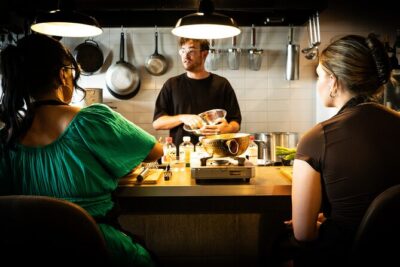
Professional Ramen & Gyoza with Ramen Chef in a restaurant!
Read our review →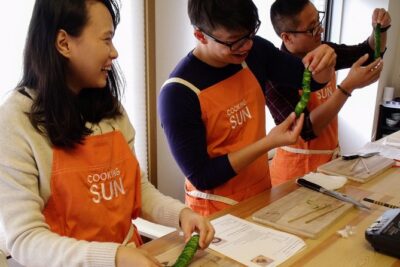
Small-Group Wagyu Beef and 7 Japanese Dishes Tokyo Cooking Class
Read our review →Browse the lists this tour appears in