
Reviewed · TEMPLE & SHRINE TOURS
Explore Local Tokyo: Buddhism & Shinto
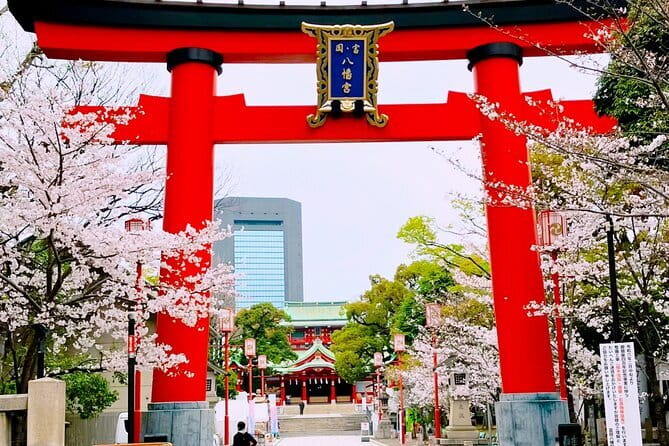
Monzennakacho gives you a side of Tokyo that can vanish behind the city’s famous sights. On this small-group walk, guide Manami leads you through old Shitamachi, where waterways, neighborhood pride, Buddhist temples, and Shinto shrines explain how eastern Tokyo grew. The chance to watch a Buddhist fire ceremony gives the outing a memorable focus.
I like the group limit of six because it leaves room for questions, and I like that the tour begins with a short cafe presentation instead of dropping you into a string of sites without context. Manami holds a PhD and brings academic depth while keeping the experience personal and local.
The main consideration is the short length. At about 1 hour and 40 minutes, this is an introduction rather than a full day of temple and shrine visits. The fire ritual is an opportunity, not something you should treat as guaranteed for every departure.
In This Review
- Key points to know before booking
- Why Monzennakacho is a smart place to explore
- The cafe talk gives the walk a clear starting point
- Water channels tell the story of Shitamachi
- Fudo-son Temple and the meaning of Buddhist manners
- Tomioka Hachimangu Shrine shows another religious tradition
- Manami’s guiding style is the main asset
- Is $58.53 a fair price for 1 hour and 40 minutes?
- Timing, meeting point, and practical fit
- Who will get the most from this walk?
- My booking advice
- FAQ
- Where does the tour begin?
- Where does the tour end?
- How long does the experience last?
- How many people can join the tour?
- Who is the guide?
- Which places are visited?
- Can I watch a Buddhist fire ceremony?
- Are temple and shrine admission fees included?
- Can I cancel for a refund?
Key points to know before booking
- Monzennakacho reveals old East Tokyo: Learn how canals and river delta geography shaped Shitamachi life and local work.
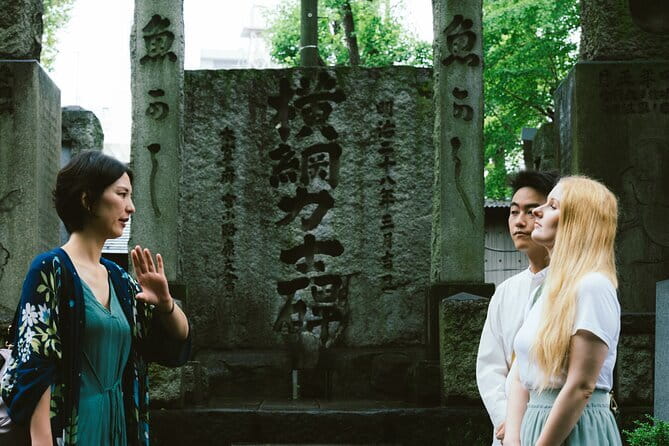
- Manami leads a very small group: The maximum is six people, useful when you want to ask about customs or religious symbols.
- A cafe presentation sets the scene: You receive background before walking, which makes the stops easier to understand.
- Buddhism and Shinto are explained together: Visit Fudo-son Temple and Tomioka Hachimangu Shrine while learning how Japanese religious practice differs.
- A daily Buddhist ritual is included: You have the opportunity to watch a temple fire ceremony as part of the visit.
- The walk begins and ends at Monzen-nakacho Station: The meeting point is at 2 Chome-4 Monzennakacho in Koto City.
Why Monzennakacho is a smart place to explore
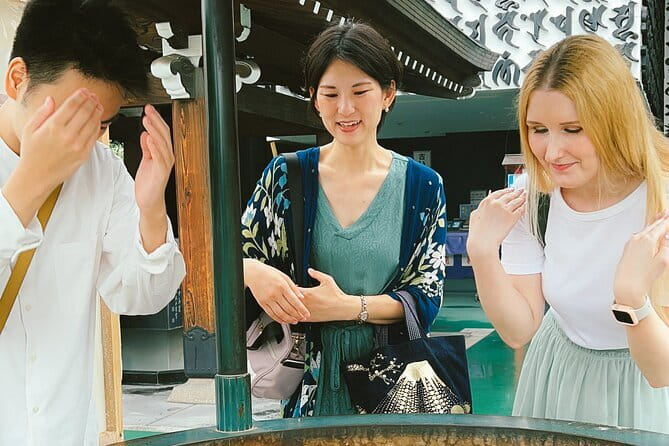
Tokyo can feel like a city of giant stations, bright signs, and hurried connections. Monzennakacho offers a slower look at the eastern side of the capital. This area belongs to Shitamachi, the low delta region between two large rivers, and that geography is not just a map detail. It helps explain the canals, the local economy, and the pride of the people who identify as Edokko.
The word refers to old Edo people, or those who see themselves as true locals of the former Tokyo. The spirit is plainspoken and proud. Edokko are described here as neither wealthy nor polished, but as people who helped build and support Edo for more than 250 years.
That point of view gives the walk a useful human scale. You are not simply checking off a temple and a shrine. You are hearing how residents understand their district and why the waterways mattered. If you have already seen Tokyo’s major commercial areas, this is a good way to spend a quieter stretch of the day.
More temples and shrines near Tokyo:
- Tokyo: Meiji Shrine, Asakusa, Skytree Bus Tour and Cruise
★ 4.7 · 1,986 reviews - Tokyo: Asakusa Walking Tour with Sensoji Temple Visit
★ 4.8 · 1,583 reviews - Nikko: Kegon Falls, Lake Chuzenji & Toshogu Temple
★ 4.6 · 1,577 reviews
The cafe talk gives the walk a clear starting point
The experience begins at a cafe near Monzen-nakacho Station. Manami gives a short presentation before you head out. This opening matters because the tour deals with ideas that can be easy to confuse, especially if this is your first visit to Japan.
A basic explanation before the walk helps you notice what you are seeing later. You can ask about Buddhist and Shinto practices, local history, and the difference between a temple and a shrine before standing in front of one. The format also gives you a chance to get your bearings without trying to listen while crossing streets or looking at buildings.
The cafe stop is brief, so do not book this expecting an extended food experience. Its purpose is preparation, not a meal-centered outing. That is a fair trade for a tour under two hours, particularly if you value context more than a longer list of stops.
Water channels tell the story of Shitamachi
One of the most interesting parts of the walk is the explanation of the local water channels. The area lies in a delta between two major rivers, and the waterways helped shape the way people lived and worked.
Manami connects the physical setting to the local economy and to the pride associated with Shitamachi. That connection is valuable because canals can look like ordinary urban features when you do not know their role. With a guide, you can read them as part of the district’s story rather than as background scenery.
This is also where the tour differs from a standard religious-site visit. The focus is not only on buildings and rituals. It includes the setting that allowed the neighborhood to develop. You get a better sense of why this part of Tokyo has its own identity.
Do not expect a long canal cruise or a major scenic overlook. The appeal is interpretive. You are walking through an ordinary neighborhood while learning what makes its geography important.
Fudo-son Temple and the meaning of Buddhist manners
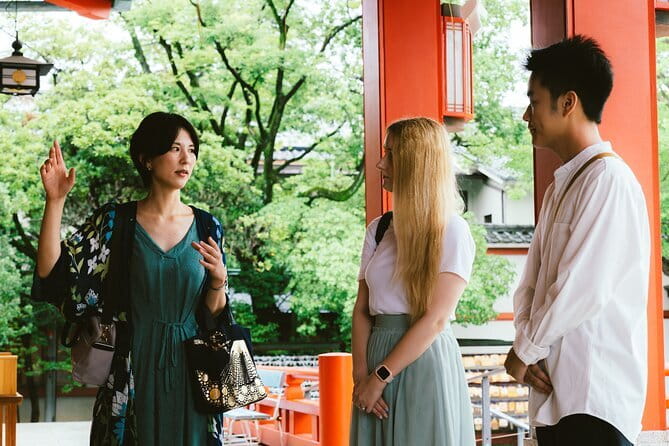
Fudo-son Temple is one of the main religious stops. Here, Manami explains Buddhist practice and proper manners. That practical guidance can help you feel more comfortable at temples you visit later in Japan.
Many visitors know a few basic steps, such as washing your hands or making an offering, but may not know when or why they are done. A guide can explain the behavior in context and help you avoid treating a religious site like a museum display.
The opportunity to watch a Buddhist daily ritual is included at no extra charge. The tour information specifically identifies a fire ceremony as an opportunity, so the exact experience may depend on timing and temple activity. You should see it as a valuable possibility rather than the sole reason to book.
A fire ritual also gives Buddhism a more active presence than a quick look at statues or architecture. You may find that this is the moment when the tour’s explanation of practice becomes most concrete. Still, the experience is short, and the description does not promise a private ceremony or special access.
A few more Tokyo bookings worth comparing
- Mt Fuji and Hakone 1-Day Bus Tour Return by Bullet Train
★ 5.0 · 26,383 reviews - 1-Day Tokyo Bus Tour
★ 5.0 · 14,250 reviews - Tokyo: TOKYO SKYTREE® Admission ticket
★ 4.5 · 11,192 reviews - Tokyo: teamLab Planets TOKYO Digital Art Museum Entry Ticket
★ 4.6 · 9,779 reviews
Tomioka Hachimangu Shrine shows another religious tradition
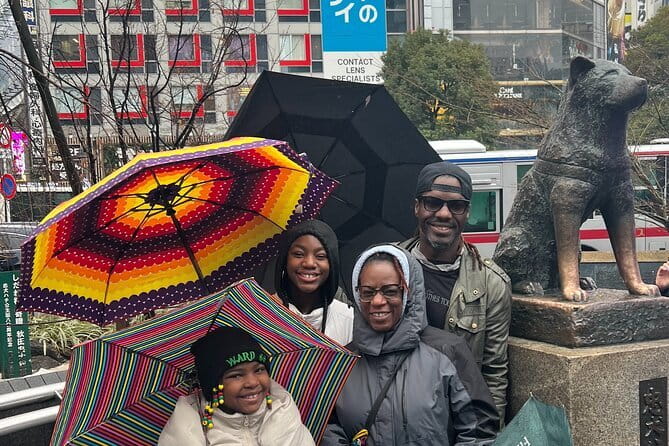
The route also includes Tomioka Hachimangu Shrine. Seeing a Shinto shrine alongside a Buddhist temple lets you compare two major parts of Japanese religious life in one compact walk.
Manami explains the differences between the traditions and the manners used at each kind of site. That comparison is one of the strongest reasons to choose this experience. If you visit temples and shrines on your own, you can easily notice that they look different without understanding what those differences mean.
The shrine visit also supports the tour’s broader theme: Japanese religious life is not limited to one tradition. A stop at the shrine helps you see how local spiritual practice fits into the daily life of the neighborhood.
The available details do not promise a long architectural talk, special shrine events, or an inside visit. You should book this for interpretation and comparison, not for an extensive examination of the shrine grounds.
Manami’s guiding style is the main asset
The guide is Manami, and the strongest praise centers on her. The information provided describes her as kind, patient, generous, and experienced. She also holds a PhD, which helps explain the depth of the religious and historical material.
That academic background does not mean you should expect a lecture-heavy outing. The experience is built around conversation, a short introduction, and a walk through active local sites. The small group limit makes it easier to ask questions that would be lost on a large coach tour.
One especially useful feature is the focus on details you might not discover alone. Religious manners can be subtle, and local history often remains invisible unless someone points it out. Manami’s role is to connect those pieces.
The praise also suggests that the tour works well for repeat visitors to Japan. One participant with more than 20 trips to the country placed this walk among their best experiences, crediting Manami’s depth and enthusiasm. That is a strong sign that the outing is not only for first-time visitors, though beginners may get the most immediate practical benefit.
Is $58.53 a fair price for 1 hour and 40 minutes?
At $58.53 per person, this is not a cheap sightseeing walk if you measure value by minutes alone. You are paying about $35 per hour, before considering the short cafe introduction and the small group format.
I would judge the price by the access to explanation rather than by the number of sights. You receive a personal guide, a group capped at six, local history, religious instruction, and a free visit to a Buddhist daily ritual. There are no admission fees listed for the temples and shrine, so the price mainly covers the guide’s time and interpretation.
For a visitor who wants only photographs, the cost may feel high. You can see religious buildings independently. For someone who wants to understand what to do at those sites and how Buddhism, Shinto, waterways, and local identity connect, the price is more defensible.
The small group matters here. A maximum of six allows a more flexible exchange than a large walking tour. It can also make a difference if you have specific questions about customs. You should bring a few small coins if you want to make offerings at temples or shrines, although offerings are not mandatory and the coins are not included.
Timing, meeting point, and practical fit
The tour begins and ends at Monzen-nakacho Station, at 2 Chome-4 Monzennakacho, Koto City, Tokyo 135-0048. That simple return to the meeting point makes it easy to pair with another plan in Tokyo, provided you leave yourself enough time for the walk back and your next train.
The stated duration is approximately one to two hours, with the itinerary indicating about 1 hour and 40 minutes. This is a good morning or early-day activity when you want structure without giving up half your day.
Confirmation arrives at booking. The activity is near public transportation, service animals are allowed, and most people can participate. The supplied details do not list a strenuous route, special equipment, or an accessibility guarantee, so contact the provider if you need precise information about surfaces, stairs, or seating.
Free cancellation is available if you cancel at least 24 hours before the local start time. Changes or cancellations inside that window are not accepted for a refund. Keep that deadline in mind if your Tokyo schedule is still shifting.
Who will get the most from this walk?
I would recommend it most strongly to three kinds of visitors.
First, it suits first-time visitors who feel uncertain about temple and shrine etiquette. You get useful guidance early in your Japan trip, then have a chance to apply it at other religious sites.
Second, it works well for repeat visitors who have already seen Tokyo’s major districts. Monzennakacho offers a local angle, and the emphasis on Edokko identity and water channels adds something different from the usual city highlights.
Third, it fits anyone who prefers thoughtful small-group tours to large sightseeing circuits. Six people is a practical maximum for a subject that benefits from questions and conversation.
It may be less suitable if you want a long walking route, extensive interior access, or a guaranteed fire ceremony. The tour also may not satisfy someone looking for food tastings, shopping, or a broad survey of Tokyo. Its purpose is focused: local history, Buddhism, Shinto, and neighborhood life.
My booking advice
I would book Explore Local Tokyo: Buddhism & Shinto if you want to understand what you are seeing, not just photograph it. Manami’s academic background, local focus, and patient style give the walk more substance than a basic temple checklist.
The best reason to choose it is the combination of three elements: Shitamachi geography, Buddhist and Shinto customs, and the chance to observe a daily fire ritual. The main caution is that the experience is short and the ceremony is not guaranteed as a fixed attraction.
At $58.53, it is a considered purchase, but the six-person limit and personal instruction make the cost reasonable for visitors who value context. Bring a few small coins if you wish to make offerings, meet at the station, and keep your schedule flexible enough to enjoy the conversation. If that sounds like your kind of Tokyo, this compact walk is a strong choice.
FAQ
Where does the tour begin?
It begins at Monzen-nakacho Station, at 2 Chome-4 Monzennakacho, Koto City, Tokyo 135-0048, Japan.
Where does the tour end?
The activity ends back at the meeting point.
How long does the experience last?
The tour lasts approximately one to two hours. The stated itinerary duration is about 1 hour and 40 minutes.
How many people can join the tour?
The group has a maximum of six participants.
Who is the guide?
The experience provider and guide is Manami. She holds a PhD and leads the presentation and neighborhood walk.
Which places are visited?
The tour includes Monzennakacho, Fudo-son Temple, and Tomioka Hachimangu Shrine. It also includes an explanation of local water channels.
Can I watch a Buddhist fire ceremony?
You have the opportunity to watch a fire ceremony at a local Buddhist temple. The information describes it as an opportunity rather than a guarantee for every departure.
Are temple and shrine admission fees included?
The visit to the Buddhist daily ritual is included at no extra charge. Small coins for offerings at temples and shrines are not included, and making an offering is not mandatory.
Can I cancel for a refund?
Yes. You can cancel at least 24 hours before the experience start time for a full refund. Cancellations or changes made less than 24 hours before the start time are not accepted for a refund.
New on our Tokyo list
- Sumi-e Experience in a relaxing green tea shop in Tokyo★ 5.0 · 3 reviews
- Tokyo : Kamikaze Street Drift Ride★ 5.0 · 3 reviews
- Private Zen Meditation in English in Shinjuku, Tokyo★ 5.0 · 3 reviews
- Onsen Spa in Tokyo and Asakusa Bar Hopping with Local Guide★ 5.0 · 3 reviews
- Easy for everyone! Now you can play handmade mini shamisen and show off to everyone! Musical instruments, sweets and live music★ 5.0 · 3 reviews
- Tokyo: Private Tsukiji Street Food & Sake with Local Guide★ 5.0 · 3 reviews
- Mt Fuji Exploration Tour with Free Japanese Kusa Mochi from Tokyo★ 4.5 · 3 reviews
- Tokyo Tsukiji Fish Market Walking and Exploring Hidden Gems Tour★ 5.0 · 3 reviews
Temple & Shrine Tours, compared.
Meiji Shrine, Asakusa, Skytree Bus Tour and Cruise
Read our review →
Asakusa Walking Tour with Sensoji Temple Visit
Read our review →
Kamakura & Enoshima Day Trip including Temple Tickets
Read our review →
Nikko Toshogu Shrine and Kegon Waterfall Tour
Read our review →
Tokyo Panoramic 1 Day: Meiji Shrine, Asakusa, Odaiba and SKYTREE®
Read our review →
Mt. Fuji Heritage Tour: Traditional Villages, Lakes & Shrine
Read our review →Browse the lists this tour appears in