
Reviewed · ASAKUSA TOURS
Flavors of Asakusa Food & Traditions with a Friendly Guide
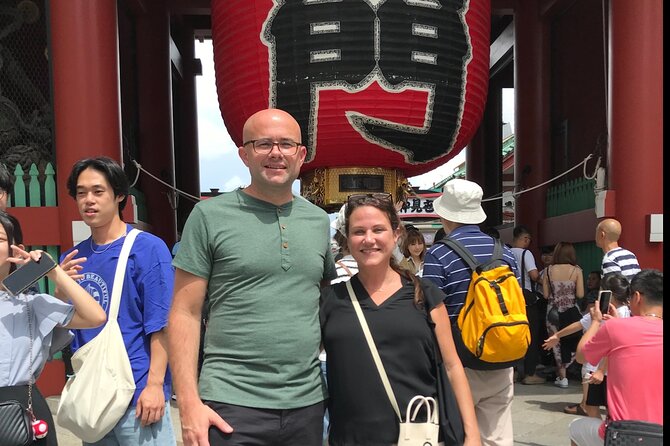
Asakusa gives you old Tokyo in a compact package: temple smoke, souvenir stalls, sweet rice dumplings, tiny food counters, and narrow streets where the city feels less polished and more lived-in. This tour adds a local guide, four or five food stops, and a promised observation-deck view that helps you grasp Tokyo’s enormous size.
I like the small-group limit of 10 people, which should make food ordering and questions easier. I also like that snacks, desserts, water, and two soft drinks are included, so the $167.40 price covers more than a simple neighborhood walk.
The main consideration is the cost. At four hours, this is not a cheap food stroll, and alcohol costs extra. The exact details of the Tokyo Skytree or observation-deck portion also need confirming before you book, since the named stop list focuses on Asakusa streets and temples.
In This Review
- Key details to know before you book
- Why Asakusa works so well for a food walk
- Starting at the Asakusa Culture Tourist Information Center
- Kaminarimon Street and the first taste of Asakusa
- Nakamise Street, dango, and daifuku
- Sensō-ji, Tokyo’s essential temple stop
- Asakusa Shrine and the quieter side of the temple area
- Rokku Broadway and Asakusa’s entertainment past
- Hoppy Street and the final food stop
- The promised observation-deck view
- How the guide affects the experience
- Who will get the most from four hours in Asakusa
- Should you book the Asakusa food and traditions tour?
- FAQ
- How long does the Asakusa food and traditions tour last?
- Where does the tour begin?
- Where does the tour end?
- How many people can join the tour?
- What food and drinks are included?
- Are alcoholic drinks included?
- Can I cancel for a full refund?
Key details to know before you book
- Four or five Asakusa food stops: You sample local snacks, traditional dishes, and sweets such as dango and daifuku.
- A temple-and-food pairing: Sensō-ji and Asakusa Shrine give the eating stops cultural context.
- A maximum of 10 people: The group size suits visitors who want a more personal walk than a large coach tour.
- Chisato, also called Chi: A past booking was led by this friendly guide, who received especially warm praise for explaining the area.
- About four hours on foot: The route covers shopping streets, temples, the Rokku district, and Hoppy Street.
- Free cancellation up to 24 hours ahead: That gives you useful flexibility while planning a Tokyo itinerary.
Why Asakusa works so well for a food walk
Asakusa is one of the best Tokyo districts for combining food with place. You are not simply moving from restaurant to restaurant. The route passes old shopping streets, a famous Buddhist temple, a shrine, a former theater district, and a street lined with casual drinking spots.
The setting matters because many Asakusa foods are tied to the neighborhood’s visitor culture. Nakamise Street, for example, runs toward Sensō-ji and is filled with shops selling souvenirs and snack foods. You can pause for photographs, watch food being prepared, and learn why this approach to the temple has been a key shopping route for so long.
I like this format for a first visit. A local guide can help you understand what you are seeing before the crowds, signs, and unfamiliar dishes blur together. You also get a meal in pieces, rather than spending half the afternoon at one restaurant.
The tour is priced at $167.40 per person, so value depends on what you want. That is a sizeable outlay for four hours, but it includes a guide, four or five food stops, snacks, desserts, two soft drinks, and water. It also gathers several major Asakusa sights into one route.
If you already know Asakusa well, or prefer to choose every dish yourself, the price may feel high. If you are new to Tokyo and want food, orientation, and sightseeing handled together, the package makes more sense.
More Asakusa visits:
- Tokyo: Japanese Dance Cabaret Theater Asakusa-Kaguwa Ticket
★ 4.8 · 2,270 reviews - Tokyo: Meiji Shrine, Asakusa, Skytree Bus Tour and Cruise
★ 4.7 · 1,986 reviews - Tokyo: Roll and Authentic Sushi Making Class in Asakusa
★ 4.9 · 1,957 reviews
Starting at the Asakusa Culture Tourist Information Center
The meeting point is the Asakusa Culture Tourist Information Center at 2-chōme-18-9 Kaminarimon. This is a practical place to begin because it is near public transportation and provides information in Japanese, English, Chinese, and Korean.
The center also offers free Wi-Fi and internet access. You do not need to spend time there as a major tour stop, but the listed schedule allows about 30 minutes. Use that time to get your bearings, check the neighborhood map, or make sure you understand the meeting arrangements.
A mobile ticket keeps the start simple. Confirmation arrives when you book, and the group is limited to 10 people. Still, arrive with enough time to find the center, especially if this is your first time in Asakusa. The address is in the Kaminarimon area, close to one of Tokyo’s most recognizable gates.
Kaminarimon Street and the first taste of Asakusa
From the information center, the route moves along Asakusa Kaminarimondori Shopping Street. This is one of the older and longer souvenir streets in Japan, so it gives you an immediate introduction to Asakusa’s commercial side.
You will see the kind of shops that make this district feel different from Tokyo’s glass towers and department-store avenues. The point is not just buying something. A guide can explain how the street connects to the temple approach and how souvenirs, snacks, and religious tourism have long shared the same space.
The 30-minute timing is enough for an introduction, but not enough for serious shopping. If you spot a gift you want, ask the guide about the best time to return. Stopping to compare every shop could make you miss later food stops.
This part also sets up the rhythm of the afternoon: walk, listen, taste, and move on. You should wear comfortable shoes and avoid arriving hungry in the extreme. The included food is spread through the route rather than served as one large meal.
Nakamise Street, dango, and daifuku
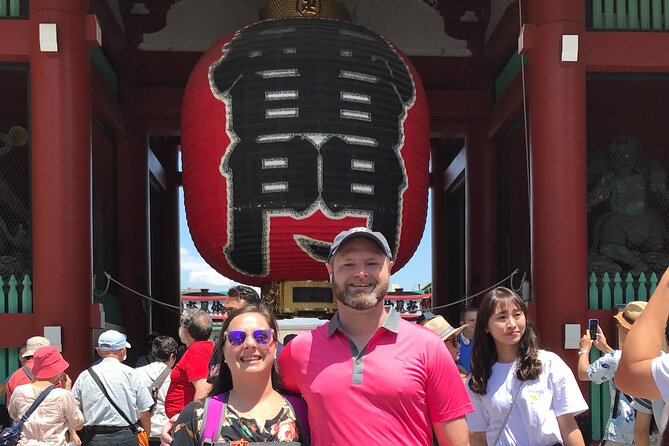
Nakamise Shopping Street leads toward Sensō-ji and is the tour’s clearest food-and-culture stop. You will try Japanese street foods and sweet treats, with dango and daifuku specifically highlighted as examples.
Dango are small rice-flour dumplings, often served on a skewer. Daifuku are soft rice cakes filled with sweet filling. These foods may look simple, but their texture can surprise you if you are used to Western desserts. This is where a guide earns their keep by explaining what you are eating and how to approach unfamiliar flavors.
The tour includes four or five food stops in Asakusa, plus snacks and desserts. You should expect small portions rather than a full restaurant dinner. That is a good arrangement if you want variety, especially when you would rather try several things than commit to one large dish.
Nakamise is also one of the busiest parts of the route. The guide can help you keep moving while still finding good photo angles and making sense of the shops. Be considerate around food counters and avoid treating the street as an endless tasting table. Your guide will set the pace.
A few more Tokyo bookings worth comparing
- Mt Fuji and Hakone 1-Day Bus Tour Return by Bullet Train
★ 5.0 · 26,383 reviews - 1-Day Tokyo Bus Tour
★ 5.0 · 14,250 reviews - Tokyo: TOKYO SKYTREE® Admission ticket
★ 4.5 · 11,192 reviews - Tokyo: teamLab Planets TOKYO Digital Art Museum Entry Ticket
★ 4.6 · 9,779 reviews
Sensō-ji, Tokyo’s essential temple stop
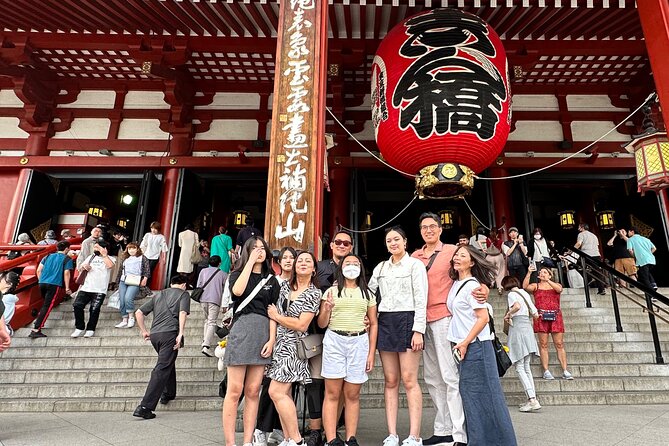
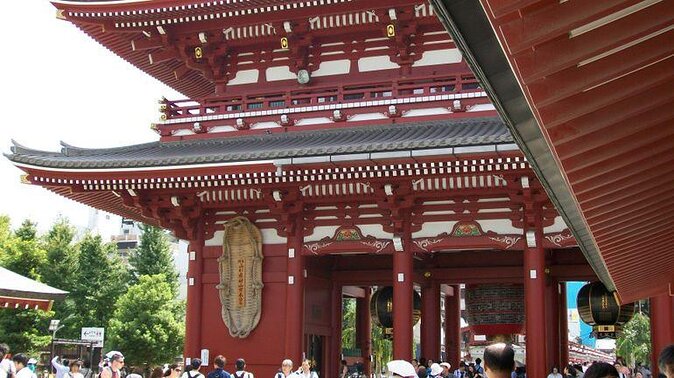
Sensō-ji is the visual and cultural anchor of Asakusa. It is an ancient Buddhist temple and one of Tokyo’s most visited sights. Its bold colors and strong entrance gates make it one of the easiest places in the city to recognize.
A 30-minute visit is enough to see the key areas and hear the basic story of the temple. It is not enough for a slow, private study of every building, ceremony, and detail. That is the trade-off of a combined food tour.
I like having the temple in the middle of the route rather than treating it as a separate sightseeing chore. After sampling sweets and street foods, you get a change of pace and a clearer sense of why Asakusa developed around this religious center.
Expect other people here. The temple is popular, and the route does not promise a quiet or solitary visit. Go in with the right goal: not silence, but a well-guided first look at one of Tokyo’s major landmarks.
Asakusa Shrine and the quieter side of the temple area
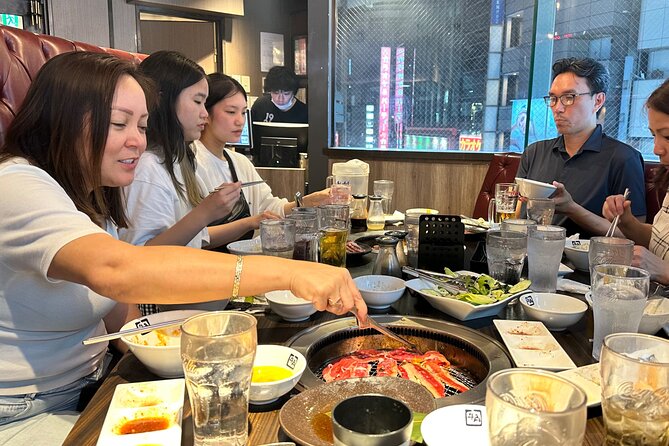
Asakusa Shrine offers a second religious site after Sensō-ji. That distinction is useful because many first-time visitors assume the temple complex is one single place. Your guide takes you beyond the headline sight and points out another part of the area’s religious character.
The scheduled time is about 30 minutes. This should give you room to look around and ask questions without turning the visit into a long formal tour. If you are interested in Japanese religious architecture, this extra stop adds more depth than a route focused only on shopping and food.
It also breaks up the commercial stretch. Asakusa is not just stalls and souvenirs, and this stop helps you see the district as a working neighborhood with layers of worship, entertainment, and trade.
Rokku Broadway and Asakusa’s entertainment past
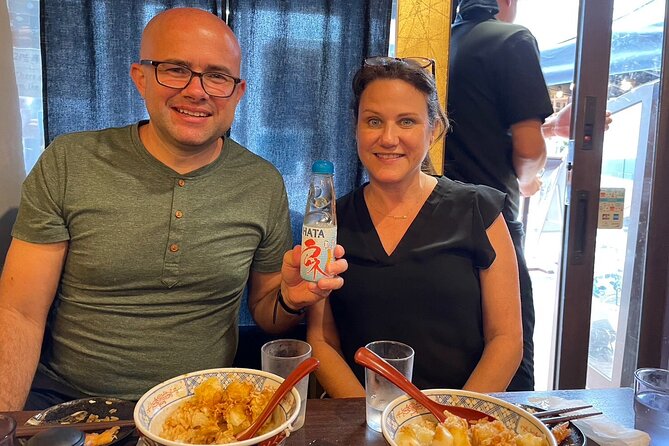
The Asakusa Rokku Yumemachi Theatre stop takes you into the Rokku, or Sixth District, an area once packed with theaters and amusement facilities. It was once regarded as Japan’s leading theater district.
You may not spend much time inside a theater itself. The value is in hearing how Asakusa functioned as an entertainment center before Tokyo’s modern districts took much of the spotlight. This gives the neighborhood a wider story than the usual temple visit.
The 30-minute stop is particularly useful if you like urban history but do not want a museum-heavy tour. You see the streets while learning how their purpose changed over time. The route’s mix of old temple culture and former show-business streets is one of its more interesting features.
This is also a reminder that Asakusa is not frozen in the past. Its appeal comes from the way older customs and newer businesses occupy the same blocks.
Hoppy Street and the final food stop
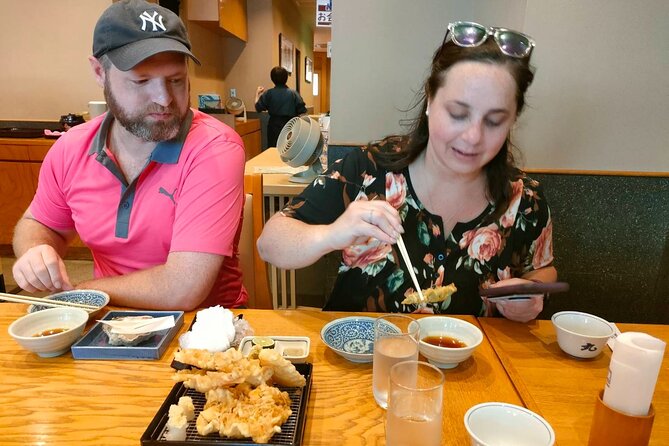
Hoppy Street is known for casual food and drink establishments. It is a natural place to end a walking tour because it shows Asakusa in a relaxed, social mood rather than a ceremonial one.
Alcoholic drinks are not included, but you can buy them separately. The tour does include two soft drinks and water, which is helpful during four hours of walking and tasting. If you want beer or another alcoholic drink, bring extra money and ask the guide how that part fits the schedule.
Hoppy Street can be more appealing to adults who enjoy local drinking culture than to families seeking only sweets and temples. That said, the tour is open to most people, and the guide can help explain the street without requiring you to drink.
The food stops here should be viewed as samples, not a guarantee of a particular full dish or restaurant meal. The experience promises four or five stops in Asakusa, but the exact foods can vary. If you have allergies, dietary restrictions, or foods you cannot eat, contact the provider before booking rather than hoping the route can be adjusted.
The promised observation-deck view
The tour overview also highlights a view from an observation deck and describes Tokyo Skytree, the 634-meter tower, as a way to understand the size and density of the city. One detailed booking account specifically praised the inclusion of a view from an observation deck.
That perspective could be the tour’s big finale. After walking through a compact historic district, you get a chance to see how far Tokyo spreads beyond Asakusa. The contrast is powerful: small temple lanes below, a huge urban network reaching in every direction.
But the published stop list names seven Asakusa locations and does not give a separate Skytree stop or state whether an observation ticket is included. Since admission costs can affect the value of a $167.40 tour, ask the provider exactly where the view takes place and what is covered before you commit.
Do not assume that a 634-meter tower visit means access to the highest possible level. Confirm the observation deck, ticket arrangements, and timing. The view sounds like an important part of the experience, but the available details do not spell out the logistics.
How the guide affects the experience
A food walk depends heavily on the person leading it. The guide needs to manage timing, explain customs, help with ordering, and keep the group together in busy streets.
Chisato, also called Chi, led one booking and was praised for being friendly and for sharing a great deal about Asakusa. That is the kind of guiding this route needs. The best moments are likely to come from short explanations at the stalls and temples, not from a long lecture.
The tour provider is The Washoku Club Culture and Food Tours. The small group, local focus, and mix of food and landmarks suggest a more personal format than a standard city highlights excursion. Still, Chisato may not be the guide on your date, so treat the name as a useful detail, not a guarantee.
Who will get the most from four hours in Asakusa
I would choose this tour if you are visiting Tokyo for the first time, enjoy trying small portions, and want help making sense of traditional foods. It suits couples, solo visitors, and small groups who prefer a set route with room for questions.
It is also a good choice for people who want to see Sensō-ji without giving up an afternoon to a formal temple tour. The food stops keep the pace lively, while the shrine, Rokku district, and Hoppy Street add variety.
You may want a different plan if you are an experienced Tokyo eater, have strict dietary needs, or want a long sit-down meal. The route is built around samples and walking, not a single substantial lunch.
Families should consider the four-hour length and the amount of walking. Most people can participate, but the activity does not promise special accessibility arrangements. Comfortable shoes, a charged phone for the mobile ticket, and modest expectations about portion sizes are sensible preparations.
The tour is booked an average of 38 days ahead, so reserve early if your Tokyo dates are fixed. Free cancellation is available until 24 hours before the start time, giving you some room to adjust plans. Cancellations or changes made inside that window are not refunded or accepted.
Should you book the Asakusa food and traditions tour?
Book it if you want one guided afternoon that combines Asakusa’s food, temples, shopping streets, entertainment past, and local drinking culture. The strongest reasons are the small group, the four or five tastings, and the chance to ask a local guide what you are actually seeing and eating.
At $167.40, it is best viewed as a packaged orientation rather than a bargain snack crawl. Before paying, confirm the observation-deck details and check whether the food selection suits you. If those points work for your plans, this is a practical way to meet Asakusa through its streets, shrines, and small bites instead of simply photographing Sensō-ji and moving on.
FAQ
How long does the Asakusa food and traditions tour last?
The walking tour lasts approximately four hours.
Where does the tour begin?
It begins at the Asakusa Culture Tourist Information Center, located at 2-chōme-18-9 Kaminarimon, Taito City, Tokyo 111-0034, Japan.
Where does the tour end?
The activity ends back at the meeting point.
How many people can join the tour?
The group has a maximum of 10 participants.
What food and drinks are included?
The tour includes snacks, desserts, four or five food stops in Asakusa, two soft drinks, and water.
Are alcoholic drinks included?
No. Alcoholic drinks are available to purchase separately.
Can I cancel for a full refund?
Yes. You can cancel at least 24 hours before the experience start time for a full refund. Cancellations or changes made less than 24 hours before the start time are not refunded or accepted.
New on our Tokyo list
- Sumi-e Experience in a relaxing green tea shop in Tokyo★ 5.0 · 3 reviews
- Tokyo : Kamikaze Street Drift Ride★ 5.0 · 3 reviews
- Private Zen Meditation in English in Shinjuku, Tokyo★ 5.0 · 3 reviews
- Onsen Spa in Tokyo and Asakusa Bar Hopping with Local Guide★ 5.0 · 3 reviews
- Easy for everyone! Now you can play handmade mini shamisen and show off to everyone! Musical instruments, sweets and live music★ 5.0 · 3 reviews
- Tokyo: Private Tsukiji Street Food & Sake with Local Guide★ 5.0 · 3 reviews
- Mt Fuji Exploration Tour with Free Japanese Kusa Mochi from Tokyo★ 4.5 · 3 reviews
- Tokyo Tsukiji Fish Market Walking and Exploring Hidden Gems Tour★ 5.0 · 3 reviews
Asakusa Tours, compared.
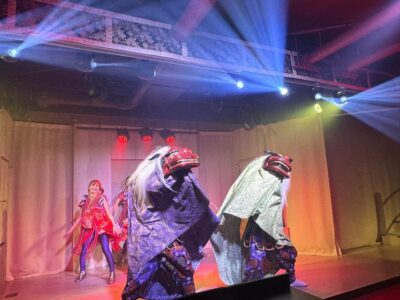
Japanese Dance Cabaret Theater Asakusa-Kaguwa Ticket
Read our review →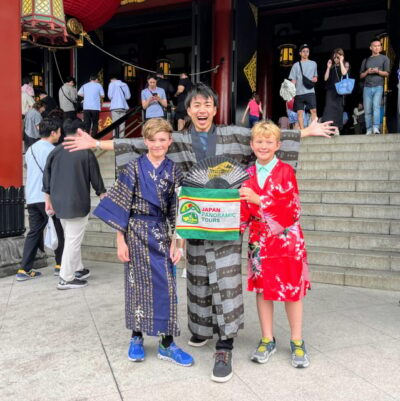
Meiji Shrine, Asakusa, Skytree Bus Tour and Cruise
Read our review →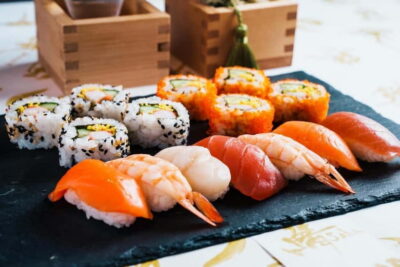
Roll and Authentic Sushi Making Class in Asakusa
Read our review →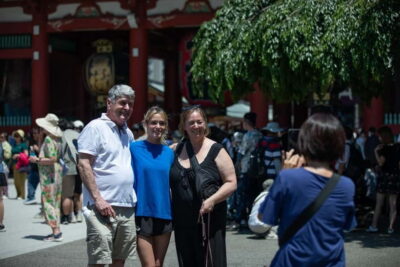
Asakusa Walking Tour with Sensoji Temple Visit
Read our review →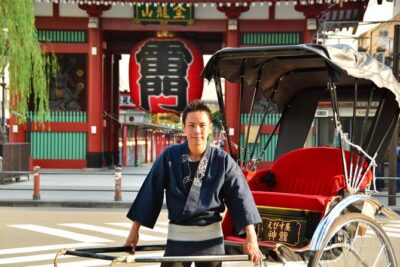
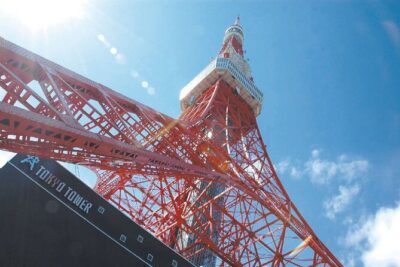
Tokyo Panoramic 1 Day: Meiji Shrine, Asakusa, Odaiba and SKYTREE®
Read our review →
Tokyo Go Kart: Asakusa, Skytree, and Akihabara **IDP MUST**
Read our review →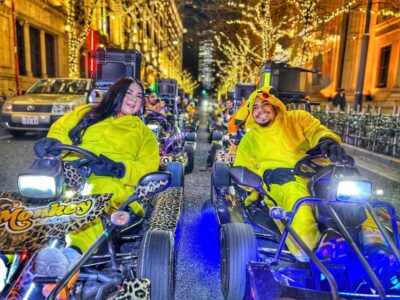
Asakusa, Skytree & Akhihabara Go-Kart City Experience
Read our review →Browse the lists this tour appears in