
Reviewed · TOKYO FOOD TOURS
Flavors of Japan Food Tour in Tokyo
Tokyo can teach you a lot about Japanese food in one sitting, but this tour makes you walk for it. Over about three hours, you visit shops in Nihombashi, sample ingredients from across Japan, and finish with a proper washoku lunch. The focus is not just eating. It is learning what dashi, pickles, sweets, tea, and regional specialties do on a Japanese table.
I like the range of stops, from a 300-year-old knife shop and Japan’s oldest fruit ship to a tea shop and underground department-store food hall. I also like the full lunch, with choices such as soba, tempura, sashimi, grilled fish, chicken, or sukiyaki. The main drawback is the price: at $209 per person, this is a serious splurge for a three-hour walk, especially if you prefer to choose your own restaurants.
In This Review
- Key points at a glance
- What this Nihombashi food walk is really about
- Meeting in Coredo and starting at Nihombashi
- Seven food stops and the flavors behind them
- The historic shops add more than atmosphere
- A full washoku lunch gives the tour a proper finish
- Ending at Depachika in the Nihombashi area
- Is $209 a good value for three hours?
- Who will get the most from this experience?
- Practical details before you reserve
- Should you book the Flavors of Japan Food Tour?
- FAQ
- How long does the Flavors of Japan Food Tour last?
- Where does the tour begin?
- What time does the tour start?
- Where does the tour end?
- What food is included?
- Is lunch included?
- Are dietary options available?
- How many people can join the tour?
- Can I cancel for a full refund?
Key points at a glance
- Nine food-focused stops in Nihombashi: The route links shops and cultural sights rather than keeping you at one market.
- Regional tasting menu: Try dashi, tamagoyaki, pickles, satsuma imo, Kagoshima fish cakes, eel sushi, wagashi, and green tea.
- A full Japanese lunch is included: Choose among several set meals, including soba, tempura, sashimi, grilled fish, chicken, and sukiyaki.
- Small group format: The maximum is 10 people, which should make questions and food explanations easier.
- Useful introduction for first-time diners: The tour explains ingredients, regional traditions, and how Japanese food is made.
- Ends near Depachika: After lunch, your guide points out an underground food hall where you can continue shopping and snacking.
What this Nihombashi food walk is really about
This is a crash course in Japanese cuisine, built around small tastes rather than one long meal. You move through the Nihombashi area with an English-speaking local guide, stopping at shops that represent different regions and food traditions.
That format matters. Japanese menus can be difficult to decode when you do not know the difference between dashi, tsukemono, tamagoyaki, or wagashi. After this tour, those words have a taste attached to them. You are not simply told that dashi is important. You sample the soup stock and learn why it forms the base of so many Japanese dishes.
The route also gives you a look at food as part of everyday culture. Japanese cooking is often praised for its appearance, but this walk also shows the work behind it: careful knife use, seasonal produce, regional ingredients, tea preparation, sweets shaped like small works of art, and the quiet precision of a department-store food hall.
The tour receives a 4.8 out of 5 rating from 39 reviews, with 92 percent recommending it. One especially useful point is that the experience can make Japanese menus feel less intimidating. You finish with a better sense of how flavors fit together, which can help for the rest of your time in Japan.
More Tokyo food crawls:
- Tokyo: Shinjuku Food Tour (13 Dishes at 4 Local Eateries)
★ 5.0 · 6,603 reviews - Tokyo: Shinjuku Food Tour (15 Dishes and 4 Eateries)
★ 4.9 · 2,033 reviews - Best of Shinjuku: Izakaya Food Tour (4 Stops, 14+ Tastings)
★ 5.0 · 1,863 reviews
Meeting in Coredo and starting at Nihombashi
The meeting point is the Starbucks Coffee in the Nihombashi Suruga Building, near Coredo Muromachi 1 and Coredo Muromachi 2. The listed start time is 10:30 a.m., although the tour details also refer to meeting at 10 a.m., so I would confirm the exact time when you book.
This is a central Tokyo location near public transportation, but allow extra time for finding the correct building and meeting point. Coredo Muromachi is a useful landmark, and the tour begins in an area known for traditional commerce, food shops, and historic bridges.
The first stop is brief, only about five minutes, but it sets the purpose of the morning: you are about to taste flavors from around Japan in one neighborhood. The walking route then continues through Nihombashi and Coredo, with several food stops and cultural points along the way.
The tour lasts about three hours. It is not a long-distance sightseeing walk, but you will be on your feet as you move between shops. Comfortable shoes are sensible, particularly if you want to keep exploring after the official end.
Seven food stops and the flavors behind them
The core of the experience is a series of food tastings. The exact shops and stops can change because of restaurant schedules, public holidays, weather, and other conditions, but the planned tasting themes give you a good idea of what to expect.
You may try wagashi, traditional Japanese sweets made to pair with tea. These desserts are valued for their shape, color, texture, and seasonal presentation, not only their sweetness. Seeing how they are made gives you a better understanding of why Japanese confectionery can feel closer to small sculpture than ordinary snack food.
Satsuma imo, or fried sweet potato, brings a more casual regional taste. It is a useful contrast to the refined wagashi. You also sample tsukemono, Japanese pickled vegetables, which add salt, acidity, and crunch to a meal. These foods help explain why a traditional Japanese lunch often has several small elements rather than one large main dish.
Dashi is another key tasting. This soup stock is one of the building blocks of Japanese cooking, and trying it by itself helps you recognize the base flavor in soups, sauces, and simmered dishes. The tour is especially useful here because dashi is easy to overlook when you first eat Japanese food. You may notice the final dish without knowing what gives it depth.
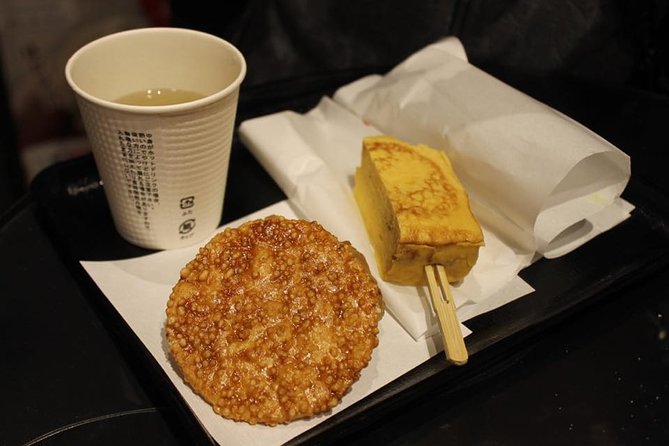
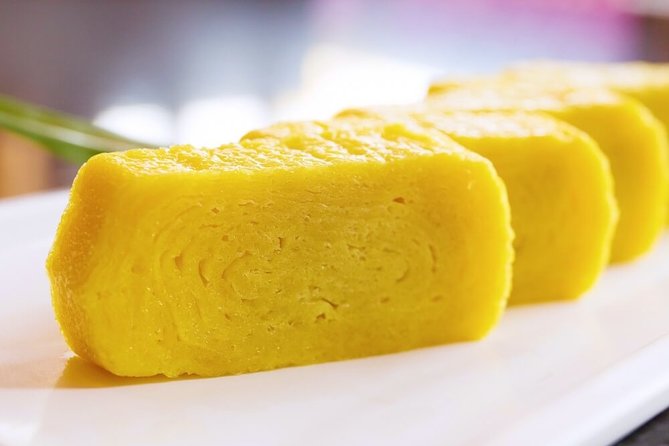
Other samples include tamagoyaki, the rolled egg dish with a soft, layered texture, plus fish cakes from Kagoshima and eel sushi. These stops add regional detail to the route. Instead of treating Japanese cuisine as one uniform style, the tour shows how ingredients and preparations vary around the country.
Green tea is part of the food education as well. One drink is included, and tea tastings help connect sweets with the drink they are traditionally served alongside. Additional food and drinks are not included, so keep that in mind if the samples leave you eager to buy more.
The historic shops add more than atmosphere
The food stops are joined by shops and places with their own stories. The route includes Japan’s oldest fruit ship, a 300-year-old knife shop, and a distinctive tea shop.
The fruit shop is an unusual stop. It gives you a chance to see how high-quality fruit is presented in Japan, where fruit can be treated as a special gift rather than a basic grocery item. The knife shop adds another layer. Japanese knives are closely tied to preparation, and a visit helps you see why cutting technique and tool quality matter so much in Japanese cooking.
You are not visiting these places simply to buy souvenirs. They explain the care given to ingredients before food reaches the table. Still, if you are hoping for a dedicated shopping tour, this is not quite that. The stops support the food lesson, and the time at each shop may be limited.
The route also includes Coredo Muromachi, Fukutoku Shrine, Nihonbashi Takashimaya, Suitengu Shrine, and Nihonbashi Bridge. The supplied timing lists about 10 minutes at Coredo, while the other sights appear as part of the walking route rather than long formal visits.
This balance works well for a first morning in Tokyo. You get local streets, retail history, shrines, and food without spending the whole day on a single attraction. If your main goal is architecture or shrine history, though, the guide’s attention will remain on cuisine.
A few more Tokyo bookings worth comparing
- Mt Fuji and Hakone 1-Day Bus Tour Return by Bullet Train
★ 5.0 · 26,383 reviews - 1-Day Tokyo Bus Tour
★ 5.0 · 14,250 reviews - Tokyo: TOKYO SKYTREE® Admission ticket
★ 4.5 · 11,192 reviews - Tokyo: teamLab Planets TOKYO Digital Art Museum Entry Ticket
★ 4.6 · 9,779 reviews
A full washoku lunch gives the tour a proper finish
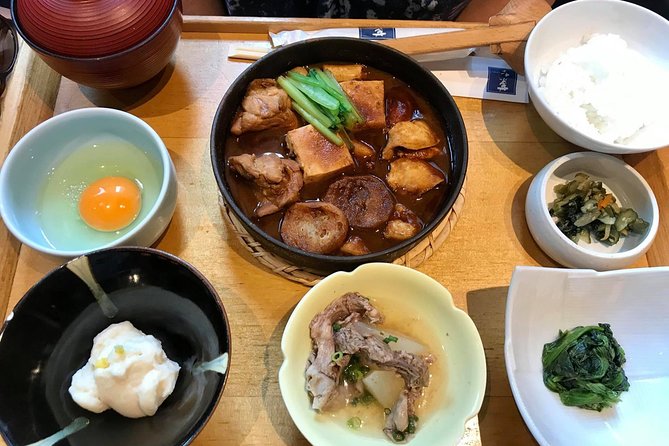
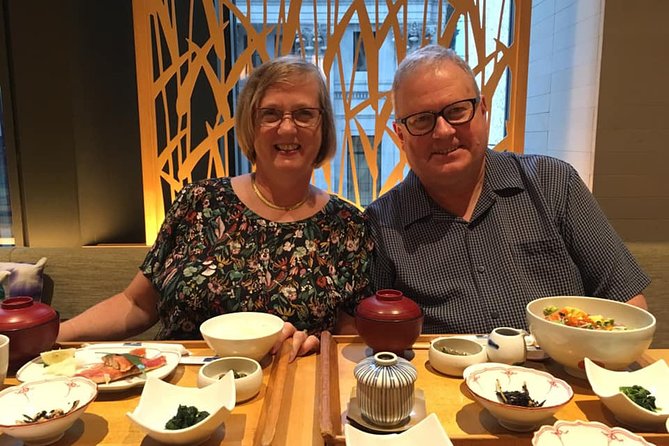
The final tasting is not just another bite. You sit down for a full Japanese lunch with the group and guide, then discuss what you have tasted during the morning.
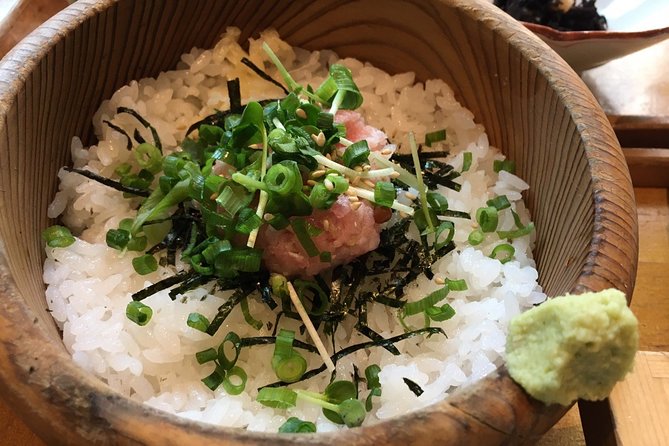
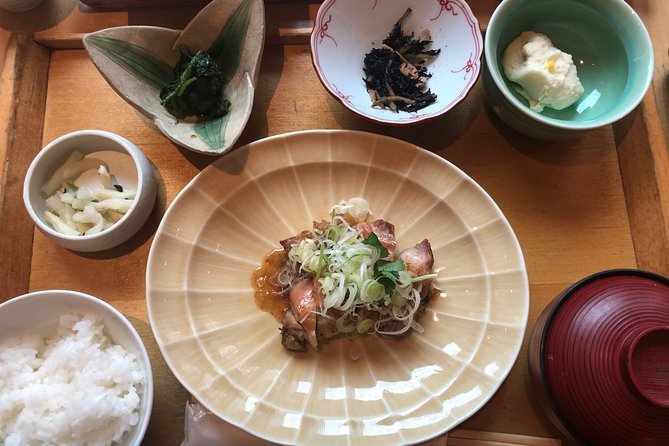
Your lunch choice is made at booking. Options include soba, tempura and sashimi sets, grilled fish, chicken, or sukiyaki. This is a strong part of the package because the earlier tastings become easier to understand when you see them in a complete meal.
A Japanese set meal often makes sense through contrast: soup with a main dish, rice or noodles with pickles, and several smaller flavors alongside the central item. The tour lets you compare that structure with the individual ingredients introduced earlier.
The choice at booking is helpful for dietary needs and personal taste, but read the options carefully before paying. Pescetarian, vegetarian, and vegan versions are available, which makes this more useful than a food tour built around only one meat-heavy menu. The information provided does not spell out every ingredient in each set, so ask the provider about the exact meal if you have an allergy or strict dietary rule.
The lunch is also where the small group helps. With a maximum of 10 people, you have a better chance to ask why a dish is served in a particular way or how it differs by region. The group size is not private, but it is small enough to keep the meal from feeling like a large bus excursion.
Ending at Depachika in the Nihombashi area
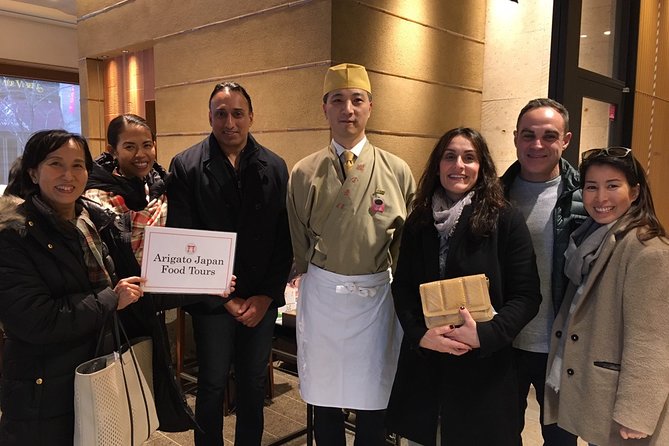
After lunch, the guide takes you into a Depachika, the underground food hall found beneath a Japanese department store. You receive advice on where to look for additional snacks, then the organized portion of the tour ends in the Nihombashi area.
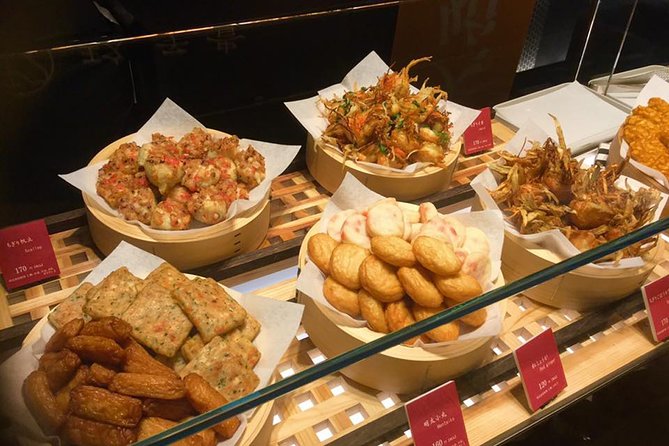
This is a smart finish. You can use what you learned right away, comparing sweets, prepared foods, boxed meals, and regional products on your own. It also gives you flexibility. You can keep shopping, find more lunch or dessert, or leave for another part of Tokyo.
The end point is not hotel drop-off, and transportation is not included. You must make your own way to and from the tour, as well as pay for anything you buy after the included tastings and lunch.
Is $209 a good value for three hours?
At $209 per person, the cost is high for a three-hour activity. You are paying for a local English-speaking guide, seven food stops, regional tastings, one drink, and a full Japanese lunch. You are also paying for the planning needed to connect specialty shops that you might not find on your own.
The value is strongest if you are new to Japanese cuisine and want structure. A first-time visitor could spend hours wandering Nihombashi and still miss the meaning behind dashi, pickles, tea, wagashi, or regional fish cakes. Here, the guide gives the samples a clear purpose.
The value is weaker if you already know Japanese food well, speak Japanese, or enjoy building your own food route. You may prefer to spend $209 across several independent meals and shops. The tour also gives you only a short taste of each place, so it is not designed for lingering over every dish.
I would think of the price as covering a guided food lesson with lunch, not simply a meal and a few snacks. That makes it easier to judge fairly. The experience is a good use of money for an important first day of food discovery, but it may not be the best choice for a repeat visitor on a tight budget.
Who will get the most from this experience?
This tour suits you best if:
- You are visiting Tokyo for the first time.
- You want help reading Japanese food culture through actual tastings.
- You like small portions followed by a substantial lunch.
- You want regional variety without taking trains across Japan.
- You prefer a small group and an English-speaking guide.
- You need vegetarian, vegan, or pescetarian choices.
- You want an activity that can work on a rainy day, subject to weather-related changes.
Families can join, but children must be accompanied by an adult. A copy of passport information is required for children aged 10 and above. Most people can participate, and the route is near public transportation.
It may not suit you if you dislike walking, want a private guide, need hotel pickup, or prefer a night food tour. It also will not satisfy someone looking for a long, relaxed restaurant meal. The food comes in stages, and the route keeps moving.
Practical details before you reserve
The experience is offered by Arigato Japan KK and uses a mobile ticket. Confirmation is provided at booking. You should select your lunch choice when reserving and check the start time, since the supplied details show both 10 a.m. and 10:30 a.m.
Food shops and restaurants can change because of public holidays, weather, operating schedules, or other unexpected issues. Substitutions may be made, so treat the listed stops as a strong guide to the style of the tour rather than an absolute promise of every door you will enter.
The minimum drinking age is 21, although the experience includes only one drink and is primarily about food and tea. Extra drinks and food cost more.
Free cancellation is available if you cancel at least 24 hours before the local start time. A later cancellation is not refunded, and changes within that period are not accepted. If bad weather or a failure to meet the minimum group size cancels the tour, you are offered another date or experience, or a full refund.
Should you book the Flavors of Japan Food Tour?
Book it if you want a guided introduction to Japanese cuisine that goes beyond sushi. The combination of dashi, regional snacks, wagashi, tea, specialty shops, and a full lunch gives you a useful framework for eating well during the rest of your Tokyo stay.
I would especially recommend it early in your trip. The lessons about ingredients and menu terms can pay off at later restaurants, and the Depachika finish gives you a convenient place to continue experimenting.
Skip it if $209 feels too steep for a half-day food activity, or if you already have a strong plan for Nihombashi dining. For everyone else, the small group, broad tasting list, and included lunch make this a practical, food-centered way to get acquainted with Tokyo.
FAQ
How long does the Flavors of Japan Food Tour last?
The tour lasts approximately three hours.
Where does the tour begin?
It begins at Starbucks Coffee in the Nihombashi Suruga Building, near Coredo Muromachi 1 and Coredo Muromachi 2 in Tokyo.
What time does the tour start?
The meeting information lists 10:30 a.m. as the start time. Another part of the details refers to meeting at 10 a.m., so confirm the exact time when booking.
Where does the tour end?
The organized tour ends in the Nihombashi area after the Depachika visit and food-shopping guidance.
What food is included?
Included tastings can include wagashi, satsuma imo, tsukemono, dashi, tamagoyaki, Kagoshima fish cakes, eel sushi, regional snacks, and green tea. The exact stops may change.
Is lunch included?
Yes. A local Japanese washoku lunch is included, with choices such as soba, tempura and sashimi sets, grilled fish, chicken, or sukiyaki. You choose your lunch when booking.
Are dietary options available?
The tour is listed as pescetarian, vegan, and vegetarian friendly. Select your lunch choice at booking and ask about exact ingredients if you have an allergy or strict dietary requirement.
How many people can join the tour?
The maximum group size is 10 people.
Can I cancel for a full refund?
Yes, if you cancel at least 24 hours before the experience start time. Cancellations or changes made less than 24 hours in advance are not accepted for a refund.
New on our Tokyo list
- From Tokyo: Mount Fuji & Hakone Full Day Private Tour★ 4.9 · 25 reviews
- Tokyo Spectacular View Day-Cruise in 90 Minutes★ 5.0 · 25 reviews
- Real Tokyo Runner Club : Daikoku Car Meet Night Tour with JDM Car★ 5.0 · 25 reviews
- 2.5 Hour-Guided Cycle Tour in the Central Tokyo★ 5.0 · 25 reviews
- Ramen Making from Scratch +Akihabara Tour –Cooking Class★ 5.0 · 25 reviews
- [Self-Drive] Tokyo & Daikoku Custom Car Driving Tour★ 4.9 · 25 reviews
- Tokyo: 2-Hour Night Bike Tour of the City’s Hidden Gems★ 4.9 · 25 reviews
- Samurai themed Entertainment show in Shinjuku★ 4.5 · 25 reviews
Tokyo Food Tours, compared.
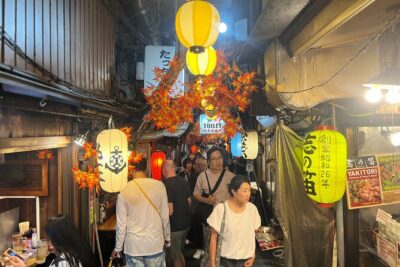
Shinjuku Food Tour (13 Dishes at 4 Local Eateries)
Read our review →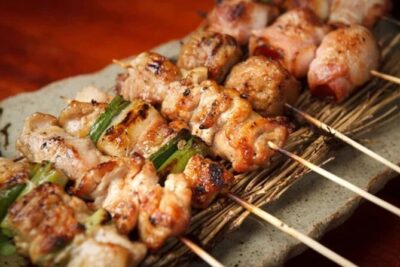
Shinjuku Food Tour (15 Dishes and 4 Eateries)
Read our review →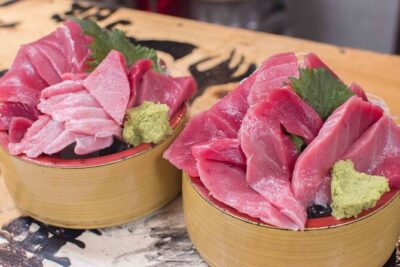
Best of Shinjuku: Izakaya Food Tour (4 Stops, 14+ Tastings)
Read our review →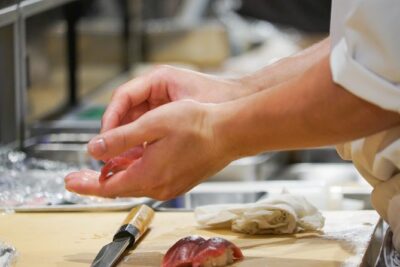
Tokyo Night Foodie Tour in Shinjuku – Seasonal Sushi, Wagyu Beef
Read our review →
Eat and Drink Like a Local: Tokyo Ueno Food Tour-Taverns&Ramen
Read our review →
Tsukiji Fish Market: Street Food & Culture Walking Tour
Read our review →Shinjuku Food Tour – 15 Dishes, 3 Drinks, 4 Eateries
Read our review →Browse the lists this tour appears in