Reviewed · GUIDED
Hidden Tokyo: Explore Kitchen Street with a Local Guide
Kappabashi is where Tokyo’s restaurant trade goes shopping, and this private walk puts you inside that working world. You can handle rare Japanese knives, browse tableware made for serious cooks, and spot food samples so realistic they could fool a hungry passerby. The sword-making tradition behind honyaki knives adds real depth to what might otherwise be a simple shopping trip.
I like the focused route and the local advice. Hirose-san, a guide from the Asakusa area, can help you choose the right shops instead of leaving you to wander a long commercial street alone. I also like the mix of useful goods and odd souvenirs, from Nanbu ironware to handmade-looking plastic sushi. The main consideration is simple: this is a shopping tour, so your experience will be less rewarding if you have no interest in kitchen tools, tableware, or food culture.
In This Review
- Key points to know before you go
- Why Kappabashi feels different from ordinary Tokyo shopping
- Starting at Tawaramachi Station, Exit 3
- Dengama and Majimaya: the first look at specialist kitchen goods
- TSUCHI-YA and Hashitou: glass, chopsticks, and gifts with a purpose
- Iidaya and Tsubaya: where Japanese knives become the main event
- Ganso Shokuhin Sample-ya: the tour’s most playful stop
- Musashi Japan: knives, sake, and a final chance to compare
- Hirose-san’s local angle adds more than store directions
- Is $19 good value for two hours?
- Timing, language, and practical planning
- Who should book this Kappabashi walk?
- Should you book it?
- FAQ
- Where does the tour meet?
- How long does the experience last?
- What languages are available?
- Is this a private tour?
- Are purchases included in the price?
- Can I cancel for a full refund?
Key points to know before you go
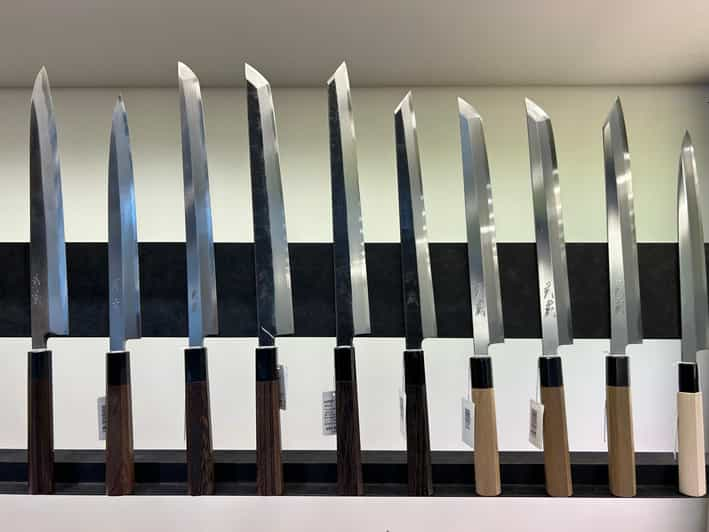
- Rare water-hardened knives: See specialist Japanese blades, including unusual honyaki knives made from a single piece of steel.
- Eight focused shop visits: The route includes tableware, glass, chopsticks, knives, ironware, and food samples.
- Local Asakusa guidance: Hirose-san can add neighborhood tips, including restaurant suggestions and stories about the Sanja Matsuri festival.
- Private two-hour format: You get a personal guide rather than a large group moving from store to store.
- Shopping is separate: The $19 price covers the guide and walk, but every purchase and any transport cost is extra.
- Good for families: The food sample shop and variety of unusual objects give children something to look at, too.
Why Kappabashi feels different from ordinary Tokyo shopping
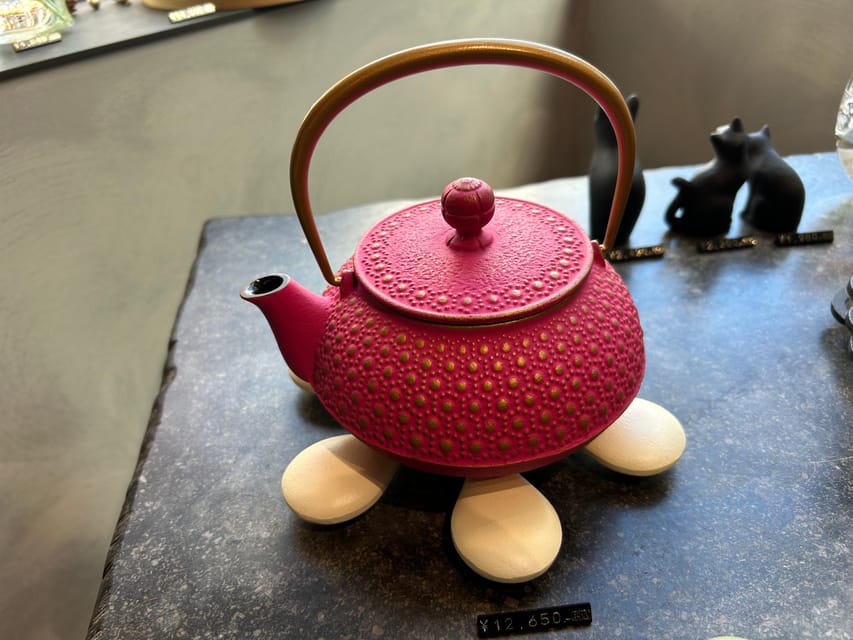
Kappabashi, often called Kitchen Street, is not built mainly for sightseeing. It serves food professionals and restaurant owners, so its shops are unusually specific. One storefront may focus on Japanese knives, another on chopsticks, another on glassware, and another on the plastic dishes used in restaurant displays.
That focus is the reason I find this tour more useful than a general Asakusa shopping walk. You are not just browsing souvenir stores. You are seeing the tools and objects that support Japanese cooking and restaurant presentation.
The street also gives you a glimpse of Japanese craftsmanship without requiring a museum visit. A knife can show the skill of the maker in its shape, polish, balance, and steel. A piece of tableware can reveal how much attention is given to serving food. Even a fake bowl of ramen can tell you something about the care Japanese restaurants put into presentation.
You should set your expectations correctly. The tour does not include a cooking class, a meal, or a free souvenir. It is a guided walk through shops, with time to look and buy if something catches your eye.
A few more Tokyo bookings worth comparing
- Mt Fuji and Hakone 1-Day Bus Tour Return by Bullet Train
★ 5.0 · 26,383 reviews - 1-Day Tokyo Bus Tour
★ 5.0 · 14,250 reviews - Tokyo: TOKYO SKYTREE® Admission ticket
★ 4.5 · 11,192 reviews
Starting at Tawaramachi Station, Exit 3
Meet at Tawaramachi Station, Exit 3, where the guide carries a GetYourGuide sign. The coordinates supplied for the meeting point are 35.7098833, 139.7907335.
This is a practical starting point because the route stays in the Kappabashi and Asakusa area. You should arrive ready to walk and keep your hands free for browsing. The tour lasts two hours, and each listed shop visit is planned for about 15 minutes. That creates a brisk schedule, but it also keeps the outing from turning into an unstructured shopping spree.
Since the group is private, you can ask questions that fit your interests. If you care most about knives, you can pay closer attention to blade styles and steel. If you want gifts, you can focus on chopsticks, dishes, glassware, or small objects that pack easily.
The guide languages are Japanese, English, and German. The language choice matters here because shop displays may not explain every detail in the language you need. A guide can also help you understand what you are looking at before you spend money.
Dengama and Majimaya: the first look at specialist kitchen goods
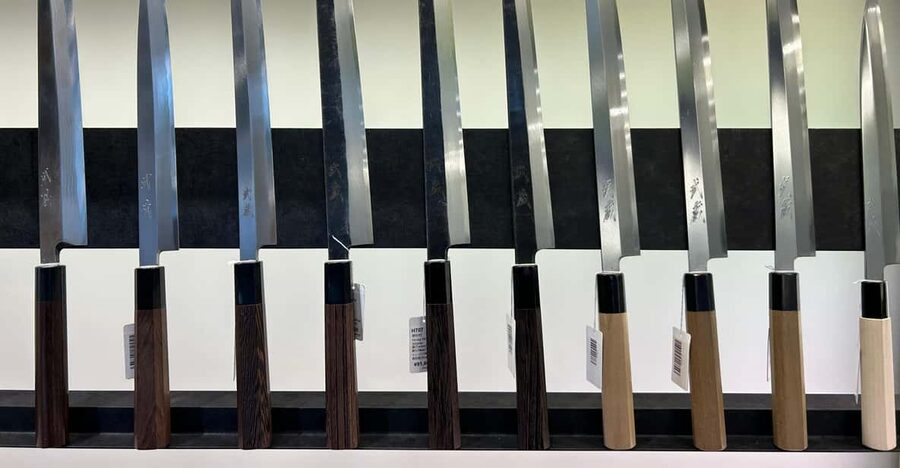
The first stop is Dengama, followed by Majimaya. Each visit is planned for 15 minutes, including the guided explanation, browsing, and walking time to the next shop.
The useful point of beginning with specialist stores is that you quickly learn how broad Japanese kitchen shopping can be. You might find products made for home cooks, restaurant use, or display. The guide can help explain which items are practical souvenirs and which are more serious purchases.
Majimaya continues that introduction. Rather than rushing straight to knives, the route gives you time to see the variety of goods that make Kappabashi distinctive. This is a good part of the walk for asking about Japanese products, how they are used, and what can be found only in this district.
Fifteen minutes is enough for orientation, not a long shopping session. If you spot something you want to study closely, you may need to choose between browsing and keeping up with the route. The private format helps, but the tour still has eight stops in two hours.
TSUCHI-YA and Hashitou: glass, chopsticks, and gifts with a purpose
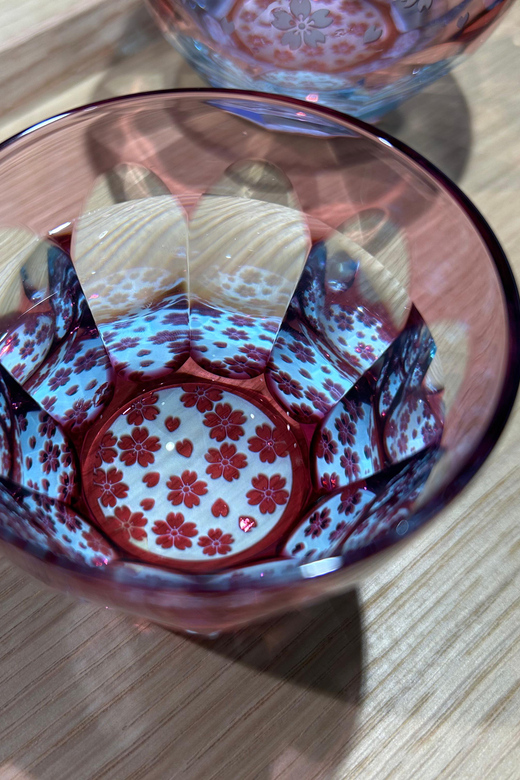
At TSUCHI-YA, the focus shifts to glass vessels and craft items. The shop is listed as TSUCHI-YA Glassware and Crafts, and it offers a change of pace from metal tools and cooking equipment.
This is the kind of stop that can work well for a souvenir. A piece of glassware may feel more connected to Japanese dining than a generic Tokyo trinket, but you should think about packing space before buying. The tour does not include shipping or transport for purchases, so anything fragile becomes your responsibility after the visit.
Hashitou adds another useful category: chopsticks and related dining goods. Chopsticks are easy to carry, come in many designs, and can suit a range of budgets. You can also ask the guide about how to judge a useful pair rather than choosing only by decoration.
These stops show why the tour suits people who want something more specific than mass-market souvenirs. You might leave with an object that you will actually use at home. Still, taste is personal, and the tour cannot guarantee that every store will have the exact style, size, or price you want on the day.
Same corner of Tokyo, a completely different plan:
- Tokyo: teamLab Planets TOKYO Digital Art Museum Entry Ticket
★ 4.6 · 9,779 reviews - Mt Fuji & Hakone Cruise, Drum Show Bullet Train 1 Day from Tokyo
★ 4.0 · 7,413 reviews - Tokyo: Sumo Show Experience with Chicken Hot Pot and a Photo
★ 4.8 · 6,678 reviews - Tokyo: Shinjuku Food Tour (13 Dishes at 4 Local Eateries)
★ 5.0 · 6,603 reviews
Iidaya and Tsubaya: where Japanese knives become the main event
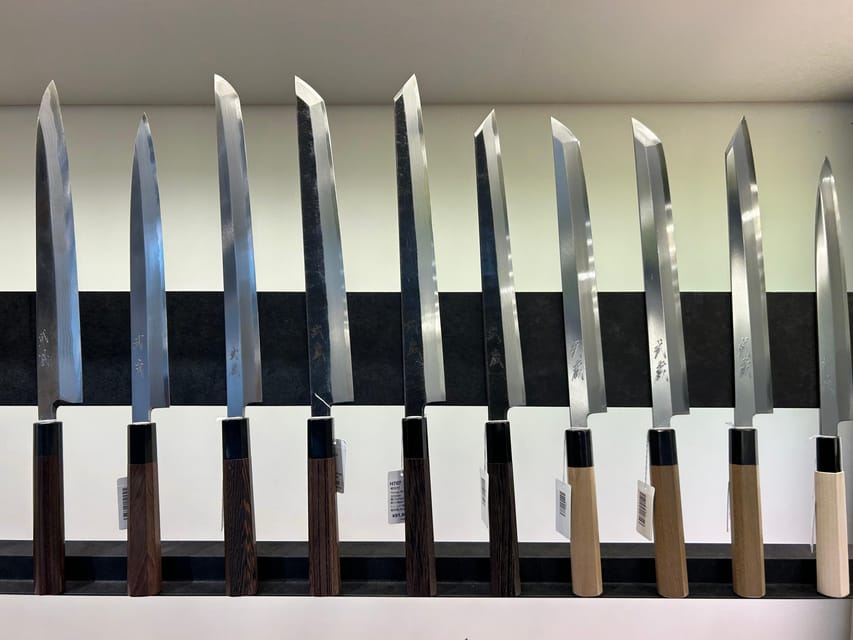
Iidaya is followed by Tsubaya Cutlery, one of the most important stops for anyone interested in Japanese knives. The tour explains how sword-making techniques influenced modern Japanese blades.
Honyaki knives are made by punching a single piece of steel from a block, using a method that imitates the hon-forging tradition associated with Japanese swords. This is not just a decorative story. It helps explain why some Japanese knives are treated as craft objects as well as kitchen tools.
Kappabashi also has a shop selling water-hardened knives, described as extremely rare because they require advanced skill. You should not assume that every rare knife is automatically the right knife for you. These blades may be expensive, demanding to maintain, or intended for cooks who already understand Japanese cutlery.
The best part of having a guide is being able to ask practical questions before you buy. You can find out what a knife is designed to do, how the steel differs, and whether it makes sense for your kitchen. If you are only looking for a modest souvenir, you can admire the craftsmanship without feeling pressured to make a major purchase.
Tsubaya is also a good stop for appreciating finish and form. When you pick up a well-made knife, you can notice its balance and polished surface. The experience is tactile, which is hard to get from a photograph or a general shopping guide.
Bring realistic expectations about buying blades. The supplied information does not specify shipping rules, luggage arrangements, or international customs requirements. If you plan to purchase a knife, ask the shop and your airline about the correct way to transport it.
Ganso Shokuhin Sample-ya: the tour’s most playful stop
Ganso Shokuhin Sample-ya Kappabashi Showroom is likely to be the most immediately fun stop, especially for families. Japanese restaurants are famous for the plastic food models displayed outside, and this showroom gives you a chance to see and buy these unusual objects.
The appeal is not only humor. Food samples are part of Japan’s restaurant culture, where visual presentation helps customers understand a menu before ordering. The models copy color, texture, shape, and arrangement with remarkable care.
You may find plastic versions of dishes, ingredients, or sweets, though the exact stock can change. This is a good place to look for a souvenir that is unmistakably connected to Japan and easier to carry than a fragile plate or heavy iron pot.
Children can enjoy this stop even if they have little interest in knives or cookware. Adults may appreciate the craftsmanship and the sheer strangeness of taking home a fake meal. The possible downside is that novelty items can cost more than you expect for something made of plastic, so check the price before deciding.
Musashi Japan: knives, sake, and a final chance to compare
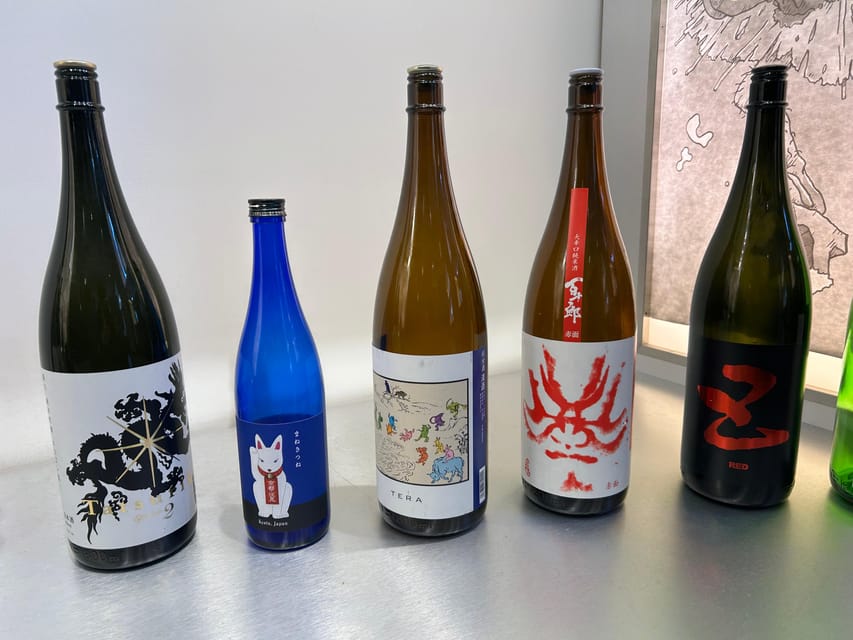
The final listed stop is MUSASHI JAPAN Kappabashi, a Knife and Sake Shop. It brings together two parts of Japanese food culture: the tools used to prepare food and the drink often served with it.
By this point, you have seen several types of kitchen goods, so this is a useful moment to compare. You can think about whether you want a knife, a sake-related item, or a smaller gift. The guide can help you connect the products you saw earlier and avoid buying the first interesting object simply because it caught your eye.
The store also reinforces the main theme of the tour: Japanese food culture is not limited to what appears on the plate. The knife, bowl, glass, chopsticks, and serving vessel all shape the meal.
There is no included tasting or food purchase listed as part of the tour. If you are hoping for a sake experience, treat this as a shopping stop rather than a tasting event.
Hirose-san’s local angle adds more than store directions
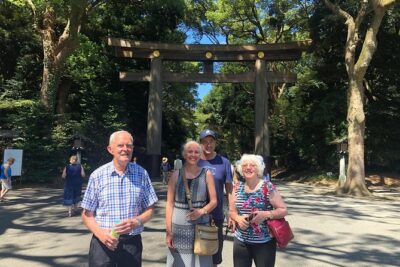
The guide is Hirose-san, and the tour is offered as a private experience. That changes the pace and tone. You are not sharing a fixed commentary with a large crowd, and you can ask about the products that interest you.
Hirose-san is from the Asakusa area, and the tour can include local details about the Sanja Matsuri festival. That connection matters because Kappabashi sits near one of Tokyo’s best-known traditional neighborhoods. The walk is centered on shops, but it can also give you a little sense of the community around Asakusa.
You can also ask for practical suggestions beyond the route. The guide has offered activity and restaurant tips, including a soba restaurant that was especially well received. The important distinction is that these suggestions are not part of the formal two-hour inclusions, so you should plan to pay for any meal yourself.
A local guide is particularly useful in Kappabashi because the street can feel confusing on your own. The stores have different specialties, and a short visit may not reveal what makes one shop worth your time. Hirose-san’s job is to make the selection efficient.
Is $19 good value for two hours?
At $19 per person, the tour is reasonably priced if you want orientation and personal help. The fee includes the guide and walking tour, but not shopping or transport. In practical terms, you are paying to save time, understand the products, and get access to local context.
The value rises if you are considering a serious purchase. A poor choice of knife or fragile tableware can cost far more than the tour fee. A guide cannot remove all risk, but good questions at the shop can help you make a more informed decision.
The value is lower if you prefer to browse alone or already know Kappabashi well. You will also need to control your shopping budget. With eight stores in the route, you may see plenty of tempting objects in a short time.
The private format helps justify the price for couples, families, or small groups with shared interests. It also means you are not paying for a long sightseeing lecture that has little to do with your priorities.
Timing, language, and practical planning
The tour lasts two hours and starts at a time selected from available options. Each shop visit and walk is listed at about 15 minutes, so plan for a steady pace rather than a slow afternoon of shopping.
You can book a private group with a Japanese, English, or German-speaking guide. Children are welcome, and the range of displays makes this more suitable for families than a specialist knife lesson would be.
Wear comfortable shoes and leave room in your bag. You may not buy anything, but the stores contain compact souvenirs as well as heavy or fragile goods. Transport costs are self-paid, and purchases are separate from the tour fee.
Cancellation is flexible up to 24 hours before the start for a full refund. You can also reserve and pay later, which helps if your Tokyo schedule is still changing.
Who should book this Kappabashi walk?
I would recommend it to home cooks, food lovers, design-minded shoppers, and anyone who wants a practical Asakusa activity with a strong local focus. It is also a good choice if you want to buy a Japanese knife but do not know how to compare styles or construction.
Families can enjoy the food sample showroom and the variety of objects. The private format lets the guide adjust explanations for children, and one of the tour’s strongest points is that it does not depend on a single narrow interest.
You may want to skip it if your Tokyo plans already include long shopping sessions, or if you are looking for a food tasting, cooking lesson, or major historical tour. This is a focused walk through specialist stores, not a full Asakusa sightseeing program.
Should you book it?
Book this tour if you want to understand what you are seeing in Kappabashi rather than simply wander past shop windows. The rare knife tradition, local Asakusa stories, food samples, tableware, and personal guidance make the $19 fee sensible for many visitors.
Skip it if you will not shop, have little interest in Japanese kitchen culture, or need a relaxed pace with long time inside each store. For everyone else, the private route is an efficient way to find the district’s unusual products and leave with better context, even if you buy nothing.
FAQ
Where does the tour meet?
Meet at Tawaramachi Station, Exit 3. The guide will hold a sign stating GetYourGuide.
How long does the experience last?
The walking tour lasts two hours.
What languages are available?
The live guide can conduct the tour in Japanese, English, or German.
Is this a private tour?
Yes. The experience is offered for a private group.
Are purchases included in the price?
No. The $19 price includes the guide and walking tour. Shopping costs at each store are paid separately.
Can I cancel for a full refund?
Yes. You can cancel up to 24 hours in advance for a full refund. You can also reserve now and pay later.
New on our Tokyo list
- Sumi-e Experience in a relaxing green tea shop in Tokyo★ 5.0 · 3 reviews
- Tokyo : Kamikaze Street Drift Ride★ 5.0 · 3 reviews
- Private Zen Meditation in English in Shinjuku, Tokyo★ 5.0 · 3 reviews
- Onsen Spa in Tokyo and Asakusa Bar Hopping with Local Guide★ 5.0 · 3 reviews
- Easy for everyone! Now you can play handmade mini shamisen and show off to everyone! Musical instruments, sweets and live music★ 5.0 · 3 reviews
- Tokyo: Private Tsukiji Street Food & Sake with Local Guide★ 5.0 · 3 reviews
- Mt Fuji Exploration Tour with Free Japanese Kusa Mochi from Tokyo★ 4.5 · 3 reviews
- Tokyo Tsukiji Fish Market Walking and Exploring Hidden Gems Tour★ 5.0 · 3 reviews
Guided, compared.
Tokyo 6hr Private Tour with Government-Licensed Guide
Read our review →
Shinjuku Local Bar and Izakaya Guided Walking Tour
Read our review →
Private City Highlights Tour with Local Guide
Read our review →
Tokyo 4hr Private Tour with Government-Licensed Guide
Read our review →
Samurai Ninja Museum Guided tour and Experience
Read our review →