
Reviewed · TEMPLE & SHRINE TOURS
Join a Unique Cultural Ceremony at Tokyo’s Meiji Shrine
The rare gokito prayer ceremony is the heart of this Meiji Shrine experience. Instead of stopping at the main shrine for a quick look, you walk through the forest, enter a wooden ceremonial hall, and sit quietly as priests chant and perform traditional music. It gives you a calm, close look at Japanese religious practice without asking you to be an expert.
I like the way the tour joins a peaceful nature walk with something most independent visitors do not see. I also like the guides’ personal touch: Alex is praised for his clear English and engaging slides, while Kohei is known for careful explanations that help you understand other shrines later in your trip.
The main consideration is walking. Meiji Jingu covers a large wooded area, and comfortable shoes are a must. This is not the best choice if you have a cold or find extended walking difficult, though wheelchair and pram use is available.
In This Review
- Key points to know before you book
- Why the gokito ceremony changes a Meiji Shrine visit
- Meeting at Yoyogi Station and entering the forest
- What your guide adds to the visit
- Inside the wooden ceremonial hall
- The sensory side of Meiji Jingu
- Is $121 a fair price?
- Who will appreciate this tour most
- Practical details that matter
- Should you book this Meiji Shrine experience?
- FAQ
- Where does the tour meet?
- Where does the activity end?
- What is the main highlight?
- What happens during the ceremony?
- Is the prayer ritual included in the price?
- Do I need to bring money?
- What should I wear or bring?
- Is the activity offered in English?
- Is the tour suitable for people with walking difficulties?
- Can I cancel for a refund?
Key points to know before you book
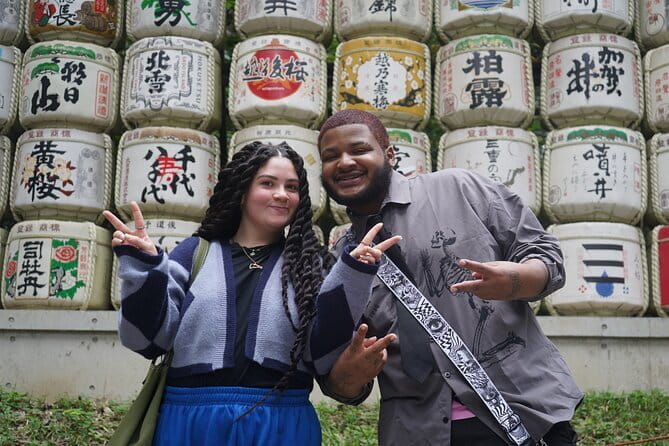
- A rare look inside a Shinto ceremony: Watch priests conduct a traditional gokito prayer with chanting, flutes, and drums.
- A forest walk in central Tokyo: Follow quiet paths through Meiji Jingu’s trees before reaching the shrine buildings.
- Guides who connect the ritual to daily culture: English-speaking guides such as Alex and Kohei explain customs in a way that makes later shrine visits easier.
- A sensory experience: Expect polished wood, cypress scent, high ceilings, music, silence, and the sound of nature.
- A thoughtful start to Japan: The gentle pace suits first- and second-time visitors who want more than photographs.
- Bring cash: You may want coins for the offering box, purchases, or any snack and small items available during the experience.
Why the gokito ceremony changes a Meiji Shrine visit
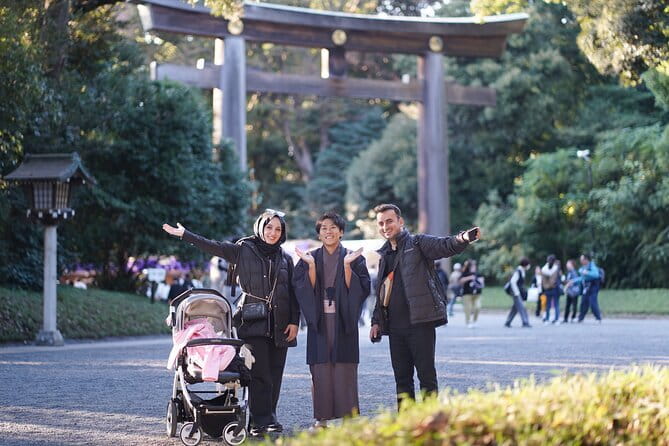
Meiji Shrine is easy to visit on your own. You can walk through the great torii gates, follow the broad approach, make an offering, and leave with a few photographs. That is pleasant, but it can also leave you wondering what you were supposed to notice.
This experience adds the missing context. The gokito ceremony is a formal Shinto prayer ritual, and access to it is not part of the usual self-guided visit. You sit in a wooden hall with high ceilings and polished floors while priests in traditional robes conduct the service. Chants fill the room, joined by flutes and drums.
You do not need to understand every word. In fact, the value is partly in listening without trying to translate each sound. The stillness, music, and formal movements give you a sense of how Shinto worship feels, not just how it looks from outside.
That distinction matters. This is not a performance arranged for tourists. The activity is presented as participation in a traditional Japanese prayer experience, and you should enter with quiet respect. You are not asked to convert, make a speech, or know religious rules. You sit, observe, and take part in the calm of the setting.
Some people may find the ritual moving. Others may simply appreciate the ceremony as a window into Japanese culture. Both reactions are perfectly reasonable. The tour does not need to turn the experience into something mystical to make it worthwhile.
More temples and shrines near Tokyo:
- Tokyo: Meiji Shrine, Asakusa, Skytree Bus Tour and Cruise
★ 4.7 · 1,986 reviews - Tokyo: Asakusa Walking Tour with Sensoji Temple Visit
★ 4.8 · 1,583 reviews - Nikko: Kegon Falls, Lake Chuzenji & Toshogu Temple
★ 4.6 · 1,577 reviews
Meeting at Yoyogi Station and entering the forest
You meet at JR Yoyogi Station, outside the West Gate. Look for the map just outside the station. A member of the local staff will be waiting in Japanese-style clothing, which should make the meeting point easier to spot.
That first meeting detail is useful in Tokyo, where station exits can feel like separate neighborhoods. Give yourself time to find the West Gate rather than rushing in at the last minute. You should also wear shoes that can handle a good amount of walking and carry a drink.
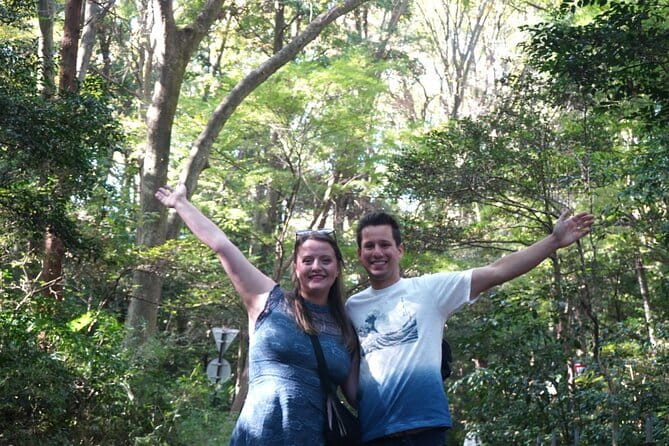
From the station, the experience moves toward Meiji Jingu and its forest paths. This is one of the strongest parts of the outing. Tokyo is loud and crowded in many places, yet Meiji Shrine’s wooded approach can feel surprisingly quiet. The trees create a buffer from the city, and the walk gives you time to slow down before the ceremony.
The guide’s role here is more than pointing out buildings. The walk provides a chance to learn how to behave at a Shinto shrine and why certain spaces feel different. With a good guide, you begin to notice the boundary between ordinary city space and the shrine grounds, the importance of quiet, and the careful mood of the approach.
The walk does require stamina. The information says Meiji Jingu may not suit people who have difficulty walking, though wheelchairs and prams are available. If walking is a concern, ask about the route before booking. The tour is built around moving through the shrine grounds, not simply meeting at one building.
What your guide adds to the visit

The guides speak English and Japanese, and the experience is designed for visitors who want cultural explanation rather than a quick photo stop. Alex has been praised for fluent English, friendly manner, and engaging slides. Kohei is noted for thoughtful guidance that gives meaning to each stage of the visit.
A useful guide does not just list facts. The best explanations help you carry what you learn into the rest of your Japan trip. One particularly valuable point is that the customs explained here can make later shrine visits, including visits in Kyoto, easier to understand.
You may already have seen Meiji Shrine before. That does not make this outing redundant. A first visit often covers the main path and shrine building. This experience adds the ritual, the etiquette, and the cultural frame around the site.
The tour also appears to have a warm, personal feel. One guide shared a recipe connected to a Japanese snack served at the end, and another experience included a professional photographer who captured moments during the visit. These extras are not clearly listed as standard inclusions, so you should not book solely expecting them. Still, they show the kind of attentive approach this provider aims for.
Inside the wooden ceremonial hall
The transition into the hall is part of the experience. After the forest walk and open shrine grounds, you enter an interior space with high ceilings, smooth wooden floors, and the scent of cypress. The atmosphere becomes more formal and quiet.
Priests in traditional robes perform the prayer. You hear chanting, along with flutes and drums, while the ceremony unfolds in front of you. The information does not give a fixed length, so be prepared to sit quietly for the service rather than expecting a quick demonstration.
This is the moment when respectful behavior matters most. Audio recording is not allowed, and you should follow the guide’s directions inside the hall. Bring cash if you wish to use the offering box, but the offering itself is not included in the price.
The ceremony may feel unfamiliar, and that is part of its value. You are not being given a simplified show with every pause explained. You are allowed to experience the sound and rhythm first, then ask questions afterward. I prefer that approach to a tour that fills every second with narration.
The ritual is also a good reminder that a shrine is not merely an attractive backdrop. It is an active religious place. The tour gives you access to a side of Meiji Jingu that a normal walk through the grounds will not provide, while the guide helps you remain courteous and aware.
A few more Tokyo bookings worth comparing
- Mt Fuji and Hakone 1-Day Bus Tour Return by Bullet Train
★ 5.0 · 26,383 reviews - 1-Day Tokyo Bus Tour
★ 5.0 · 14,250 reviews - Tokyo: TOKYO SKYTREE® Admission ticket
★ 4.5 · 11,192 reviews - Tokyo: teamLab Planets TOKYO Digital Art Museum Entry Ticket
★ 4.6 · 9,779 reviews
The sensory side of Meiji Jingu
This outing works through more than facts. You notice the aroma of the sacred woods, the feel of polished timber, the echo of music, and the sudden quiet inside the hall. The forest walk makes the ceremony feel less like an isolated appointment and more like part of a complete visit to the shrine.
I especially like the contrast between Tokyo outside the grounds and the slow pace within them. You may begin the day surrounded by trains, signs, and traffic. Then the trees soften the sound, and the ceremony asks you to stop checking the clock for a while.
The experience is not designed around grand views or a long list of landmarks. Its appeal is subtler. If you enjoy thoughtful cultural moments, you will likely find more here than in a standard sightseeing loop. If you mainly want rapid sightseeing and constant commentary, the quiet pauses may feel too slow.
A Japanese snack may be served at the end, and one guide has shared the recipe for it. Treat this as a pleasant possibility rather than a guaranteed part of the advertised inclusions. The confirmed inclusions are the fees, taxes, and cost of taking part in the traditional prayer ritual.
Is $121 a fair price?
At $121 per person, this is not a cheap way to see Meiji Shrine. You can enter the shrine grounds independently without paying for this kind of guided visit. The price needs to be judged against what makes the experience different: an English-speaking guide, cultural explanation, and access to the gokito ceremony.
For someone who only wants a walk and a photograph, the price is hard to justify. You can do that on your own. For someone who wants to understand shrine customs and witness a ritual rarely available to the public, the calculation changes.
The value is strongest at the beginning of a Japan trip. The guide can explain ideas that help you at other shrines, including how to approach the grounds and how to think about what you are seeing. One person who had already visited Meiji Jingu found the guided visit far more rewarding than a previous stroll through the main shrine area.
All fees and taxes are included, as is the fee for the prayer ritual. Coins for the offering box and purchases are extra, so carry cash. The ability to reserve now and pay later may also help if you are still arranging your Tokyo schedule.
The five-star rating from nine reviews is encouraging, especially because the praise focuses on clear themes: the ceremony, the guides, the calm forest, and the added cultural meaning. It is still a small number of ratings, so I would treat it as a strong early signal rather than proof that every departure will be identical.
Who will appreciate this tour most

I would recommend this experience to first- or second-time visitors who want a gentle introduction to Japan. It gives you a cultural foundation before you begin moving from shrine to shrine, and it avoids the pressure of trying to see half of Tokyo in one morning.
It also suits people who enjoy listening, observing, and asking questions. You do not need religious knowledge. Curiosity and patience matter more. The ceremony rewards quiet attention, and the guide’s explanations give you a way to make sense of what you see.
The tour may also suit someone who has already visited Meiji Shrine. If your earlier visit was only a walk to the main shrine, this offers a genuinely different angle.
I would be cautious if you have a cold, since the activity takes place in a sacred indoor space and includes close group participation. Alcohol and drugs are not allowed, and intoxication is not permitted. Audio recording is also prohibited.
Practical details that matter
Meet at the map outside the West Gate of JR Yoyogi Station. Staff in Japanese-style clothing should be waiting there. The activity ends back at the same meeting point, which makes it easier to plan the rest of your day.
Wear comfortable shoes and bring a drink. Carry cash for coins at the offering box and any goods you may want to buy. All fees and taxes are included, but personal purchases are not.
The tour is available in English and Japanese. The English guidance is especially important here because the ceremony itself may not be explained in detail while it is happening. Your guide can provide the cultural background before and after the service.
If your plans change, you can cancel up to 24 hours in advance for a full refund. The reserve-now, pay-later option keeps your itinerary flexible, though you still need to confirm the current booking terms when you reserve.
Should you book this Meiji Shrine experience?
Book it if you want to do more than walk through Meiji Jingu and take pictures. The rare gokito ceremony is the clear reason to come, while the forest route and guide make the visit easier to understand. Alex, Kohei, and the other English-speaking guides bring the kind of personal explanation that can improve your visits to shrines across Japan.
Skip it if your main goal is a fast, inexpensive look at the shrine grounds, or if extended walking is difficult. At $121, the tour is priced for access and interpretation, not basic entry.
For the right person, this is a memorable way to begin a Japan trip: quiet woods, careful guidance, and a traditional ceremony that most independent visits will miss.
FAQ
Where does the tour meet?
Meet at JR Yoyogi Station outside the West Gate. A map is located on the left when you walk outside, and staff in Japanese-style clothing will be waiting.
Where does the activity end?
The activity ends back at the meeting point at JR Yoyogi Station.
What is the main highlight?
The main highlight is witnessing a traditional Shinto gokito prayer ceremony inside a ceremonial hall at Meiji Shrine.
What happens during the ceremony?
Priests in traditional robes perform sacred prayers and chants, accompanied by flutes and drums.
Is the prayer ritual included in the price?
Yes. The fee to experience the traditional Japanese prayer ritual is included, along with all fees and taxes.
Do I need to bring money?
Yes. Bring cash for coins at the offering box and for buying goods. These personal expenses are not included.
What should I wear or bring?
Wear comfortable shoes because the visit involves a lot of walking. Bring drinks and cash.
Is the activity offered in English?
Yes. The activity is available in English and Japanese, with an English-speaking guide available.
Is the tour suitable for people with walking difficulties?
Meiji Jingu requires a lot of walking, so the activity may not suit people who have difficulty walking. Wheelchair and pram use is available.
Can I cancel for a refund?
You can cancel up to 24 hours in advance for a full refund.
New on our Tokyo list
- Sumi-e Experience in a relaxing green tea shop in Tokyo★ 5.0 · 3 reviews
- Tokyo : Kamikaze Street Drift Ride★ 5.0 · 3 reviews
- Private Zen Meditation in English in Shinjuku, Tokyo★ 5.0 · 3 reviews
- Onsen Spa in Tokyo and Asakusa Bar Hopping with Local Guide★ 5.0 · 3 reviews
- Easy for everyone! Now you can play handmade mini shamisen and show off to everyone! Musical instruments, sweets and live music★ 5.0 · 3 reviews
- Tokyo: Private Tsukiji Street Food & Sake with Local Guide★ 5.0 · 3 reviews
- Mt Fuji Exploration Tour with Free Japanese Kusa Mochi from Tokyo★ 4.5 · 3 reviews
- Tokyo Tsukiji Fish Market Walking and Exploring Hidden Gems Tour★ 5.0 · 3 reviews
Temple & Shrine Tours, compared.
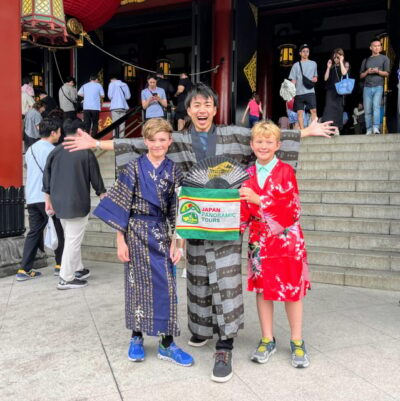
Meiji Shrine, Asakusa, Skytree Bus Tour and Cruise
Read our review →
Asakusa Walking Tour with Sensoji Temple Visit
Read our review →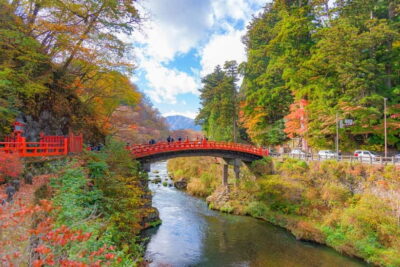

Kamakura & Enoshima Day Trip including Temple Tickets
Read our review →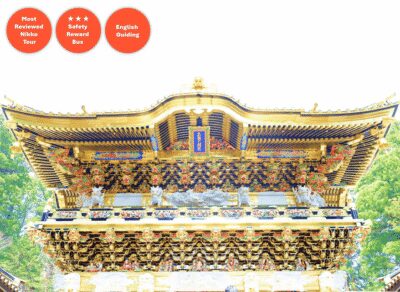
Nikko Toshogu Shrine and Kegon Waterfall Tour
Read our review →
Tokyo Panoramic 1 Day: Meiji Shrine, Asakusa, Odaiba and SKYTREE®
Read our review →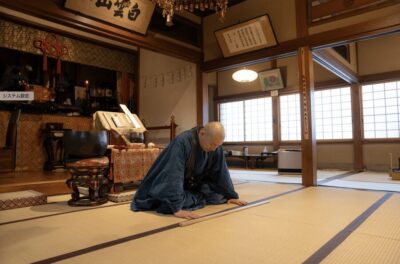
Mt. Fuji Heritage Tour: Traditional Villages, Lakes & Shrine
Read our review →Browse the lists this tour appears in