
Reviewed · HISTORICAL TOURS
Kamakura Historical and Cultural Day Trip with Local Cuisine
Kamakura gives you a very different Japan from Tokyo’s towers and crowded crossings. This private day trip takes you south to a former political capital, where bamboo gardens, old shrines, sea-facing temples, and a giant bronze Buddha fit into one manageable outing.
I like the door-to-door transport, especially if you do not want to decode train connections or local timetables. I also like the personal touch: guides and drivers such as Seiko and Riley have helped guests with shopping, lunch choices, quiet streets, and cultural questions. The main drawback is price. At $767.36 per group, it makes the most sense for a larger party, not a solo visitor.
In This Review
- Key points at a glance
- Why Kamakura makes a good escape from Tokyo
- Hokoku-ji and its 2,000 bamboo plants
- Tsurugaoka Hachimangu and the old shogun’s shrine
- Hasedera, seasonal flowers, and the sea
- Meeting the Great Buddha at Kotoku-in
- What private transport changes
- Guides, drivers, and the personal side of the day
- Price, group size, and real value
- Who will get the most from this Kamakura day
- Practical details before you reserve
- Should you book this private Kamakura tour?
- FAQ
- How long does the Kamakura tour last?
- How many people can join the private tour?
- Is Tokyo pickup included?
- Which Kamakura sites are visited?
- Are admission tickets included?
- Is food included?
- Will a separate guide accompany the driver?
- What is the cancellation policy?
Key points at a glance
- Private Tokyo pickup: Your group travels together in air-conditioned transport instead of changing trains.
- Four major Kamakura stops: The route covers Hokoku-ji, Tsurugaoka Hachimangu, Hasedera, and Kotoku-in.
- A strong first stop: Hokoku-ji’s grove contains about 2,000 bamboo plants and is often skipped by short visits.
- The Great Buddha is the centerpiece: The bronze Amida Buddha dates to 1252 and sits at Kotoku-in Temple.
- Guidance can be flexible: Seiko, Riley, and other staff may combine driving with guiding, depending on your booking.
- Best value for groups: Up to nine people can share the fixed group price, which changes the calculation considerably.
Why Kamakura makes a good escape from Tokyo
Kamakura is close enough to visit in a day but different enough to feel like a proper change of scene. The city was the seat of the Kamakura government under Minamoto Yoritomo, Japan’s first shogun, and its religious sites reflect that era of military power and Zen Buddhism.
You are not simply checking off monuments. The appeal is the contrast. One stop brings you into a quiet bamboo grove. Another opens onto a broad shrine approach. Later, you see Hasedera’s flowers and sea views, then finish with a monumental Buddha in an outdoor temple setting.
The private format is useful because Kamakura’s main sights are spread around town. You do not need to work out which train, bus, or walking route comes next. Your pickup takes place in Tokyo between 7:00 and 9:00 a.m., giving you an early start and a better chance of reaching the first temple before the day gets tiring.
The total outing lasts about six to eight hours. That includes Tokyo transport, time at four listed sights, and the normal movement between them. The actual stop times add up to about two hours and 20 minutes, so the remaining time is important: it covers driving, traffic, and the pace of your group.
More Kamakura and Enoshima days:
- Tokyo: Kamakura & Enoshima Day Trip including Temple Tickets
★ 4.5 · 1,375 reviews - Tokyo: Mt. Fuji, Kamakura, Big Buddha, & Lake Ashi Day Trip
★ 4.5 · 867 reviews - From Tokyo: Kamakura & Enoshima 1-Day Bus Tour
★ 4.5 · 189 reviews
Hokoku-ji and its 2,000 bamboo plants
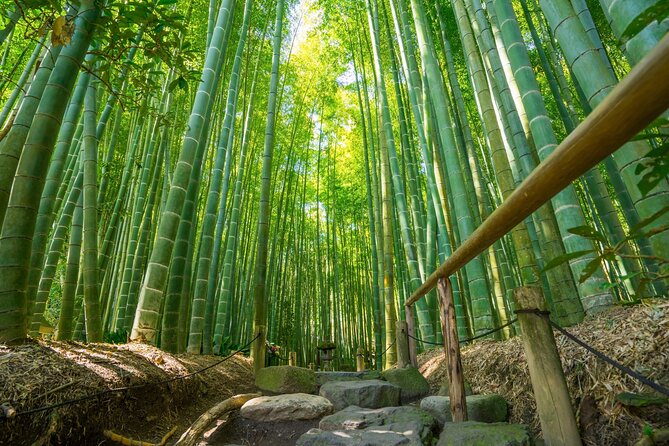
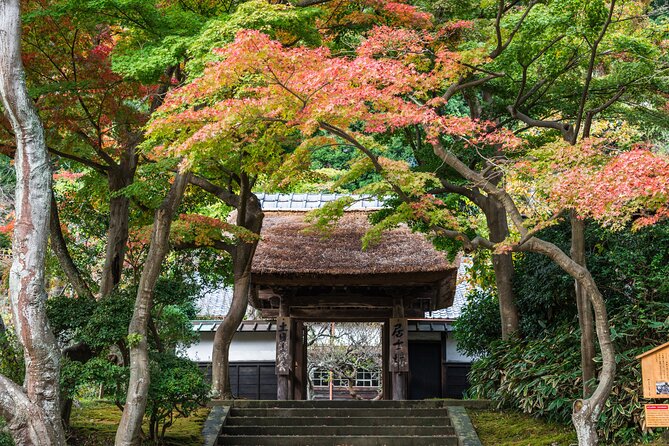
Hokoku-ji is a small Rinzai Zen temple built in 1334. Its bamboo grove is the reason to come. Around 2,000 bamboo plants create a narrow green corridor that feels calm and removed from the roads outside.
The planned visit is about 40 minutes. That is enough for a pleasant walk and some quiet time, but it is not a long temple study. If you want to linger, take photographs, or pause over the garden, you will need to keep an eye on the schedule.
Admission is not included at this stop. The same is true for several other temples on the route, so you should allow for entrance fees in addition to the tour price. The supplied details do not give the individual admission amounts.
I like the choice of Hokoku-ji because many quick Kamakura routes focus only on the Great Buddha and the largest shrines. This stop adds a quieter note at the beginning. It also gives you a better sense of Zen temple design before the larger sites later in the day.
Tsurugaoka Hachimangu and the old shogun’s shrine
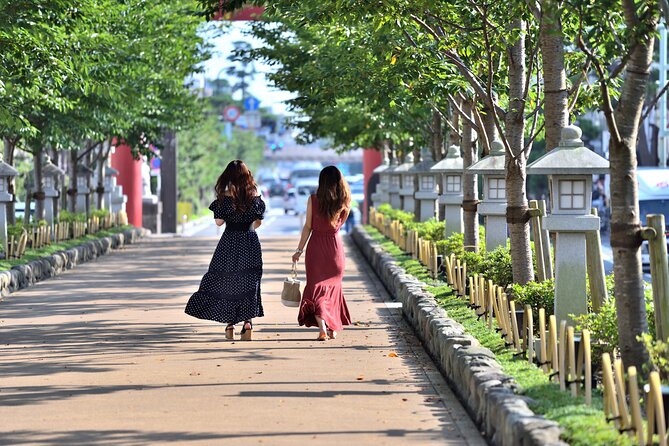
Tsurugaoka Hachimangu is the major Shinto shrine on the route. It is dedicated to Emperor Ojin, his wife, and his mother, and it later became the head shrine of Minamoto Yoritomo, the founder of the Kamakura government.
You have about 40 minutes here, and admission is free. That makes it an easy stop to enjoy without worrying about another ticket. The shrine’s importance comes less from one object than from its connection to Kamakura’s political and religious past.
This is also a place where your guide can help put the setting into context. The names and events connected with Kamakura can blur together if you see the shrine alone. A guide such as Seiko can make the stop more useful by explaining why this particular shrine mattered to the shogunate and to the city that grew around it.
The schedule is fairly brisk. You will have time to see the main areas, but this is not a long, unhurried shrine visit. If your group likes to photograph every detail or spend time in prayer, tell the driver or guide early in the day so expectations are clear.
Hasedera, seasonal flowers, and the sea
Hasedera is the only temple in Kamakura described here as facing the sea. That gives it a different feel from Hokoku-ji and Tsurugaoka Hachimangu. The setting combines temple buildings, planted areas, and views toward the coast.
The temple is known for seasonal flowers, so the exact look depends on when you visit. You might find more color at one time of year than another, but the appeal remains the combination of religious art and an open coastal outlook.
A large carved-wood statue is enshrined here, described as the largest of its kind in Japan. That makes Hasedera more than a garden stop. You get a major religious object as well as the setting around it.
The scheduled time is 30 minutes, which is the tightest stop on the route. You can see the principal features, but you may need to move steadily. This is one of the places where the private format helps. If the rest of your group is ready to go, you are not held up by a large coach party. If you want more time, ask about the day’s pacing before you start.
More day trips out of Tokyo:
- Mt Fuji and Hakone 1-Day Bus Tour Return by Bullet Train
★ 5.0 · 26,383 reviews - 1-Day Tokyo Bus Tour
★ 5.0 · 14,250 reviews - Mt Fuji & Hakone Cruise, Drum Show Bullet Train 1 Day from Tokyo
★ 4.0 · 7,413 reviews - Tokyo: DisneySea 1-Day Passport
★ 4.5 · 2,726 reviews
Meeting the Great Buddha at Kotoku-in
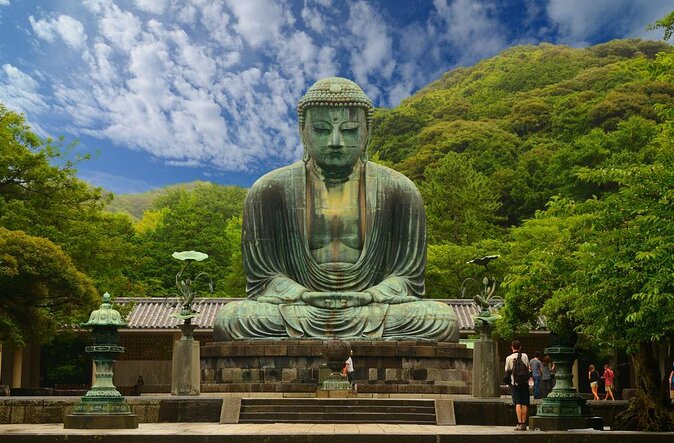
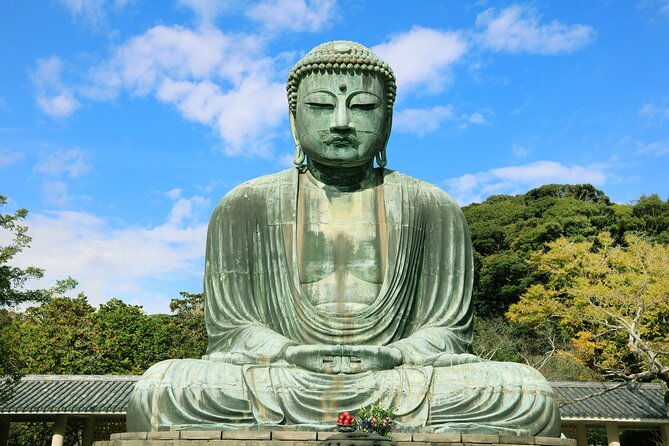
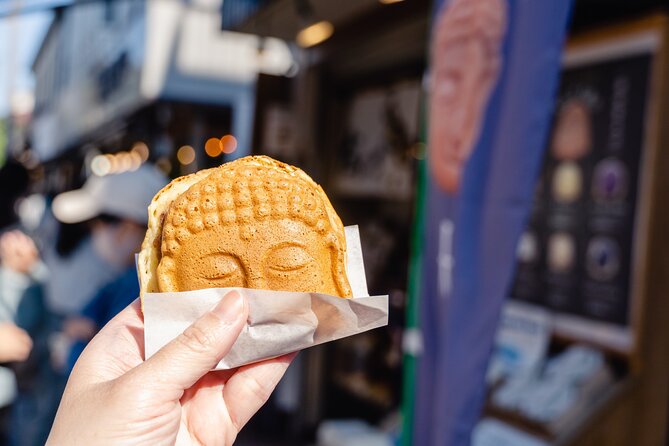
The Great Buddha of Kamakura is the visual high point of the day. The bronze Amida Buddha was cast in 1252 and sits on the grounds of Kotoku-in Temple.
At 30 minutes, your visit is focused. You can take in the statue, walk around its base, and appreciate its scale without turning the stop into a full temple visit. Admission is not included, so plan for another entrance charge.
The date matters. This is not a modern monument built to imitate an old style. The statue has been associated with Kamakura for centuries, and its presence gives the city one of Japan’s most recognizable religious sights.
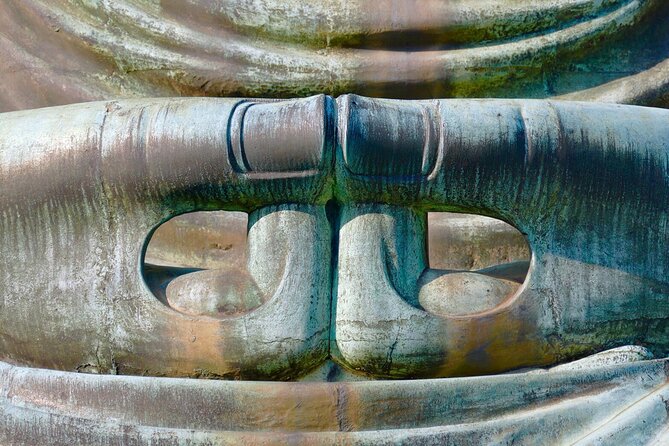
I would not treat this as a quick photo stop only. Look closely at the surface, the posture, and the way the statue occupies open space. The Buddha is impressive partly because you can approach it directly rather than viewing it from far away.
The short visit also reveals one limitation of this itinerary. Kamakura has enough temples, shrines, shops, and coastal corners to fill more than half a day. This tour gives you a strong introduction, but it is designed for coverage rather than a slow, single-site visit.
What private transport changes
Getting from Tokyo to Kamakura independently is possible, but it requires planning. This tour removes the need to figure out public transport connections and provides air-conditioned transportation from your Tokyo pickup.
That convenience matters most for a group of several people. Nine separate travelers moving together by train can be awkward, particularly if everyone has different energy levels or wants to stop for food. With a private vehicle, you can leave Tokyo together and keep your bags with you.
The vehicle also gives you a place to cool down between temple visits. Kamakura involves walking, steps, and outdoor time, though the supplied details do not give a precise walking distance or accessibility route. Most people can participate, but anyone with mobility concerns should ask the provider for current site-specific information before booking.
The tradeoff is traffic. A private vehicle does not make Tokyo or Kamakura roads empty. The six to eight-hour estimate allows room for road conditions, but the exact amount of time at each stop may shift during a busy day.
Guides, drivers, and the personal side of the day
This is sold as a private activity, and only your group takes part. That gives you more room to ask questions than you usually get on a large scheduled tour.
The people connected with this service have sometimes handled both driving and guiding. Riley, for example, has driven a short Kamakura route while also explaining the sights. Seiko has been praised for thoughtful guidance and for making the Buddha visit more meaningful. Yosuke has also personally followed up with guests after their day.
You should confirm the guiding arrangement when you book. The information indicates that an official guide may not always be separate from the driver. That is not automatically a problem, but it affects what you should expect. A driver who also guides can offer useful local help, while a dedicated guide may provide more detailed commentary at each temple.
The most useful personal touches are practical ones. Riley has helped find nearby parking, suggested a quieter restaurant, and walked back via a local shopping street. The service also includes bottled water and snacks, which are small additions but welcome during a day of walking.
Lunch is not listed as an included meal. However, local food advice appears to be part of the kind of help the staff can provide. You can ask for a restaurant recommendation, but you should not assume that a meal is covered in the price.
Price, group size, and real value

The fixed price is $767.36 for a group of up to nine people. For one person, that is expensive. For two people, it remains a major splurge. For a family or group of six to nine, the per-person cost becomes far more reasonable, especially when you factor in private Tokyo pickup and transport.
The value comes from time and ease rather than from included admissions or meals. Bottled water and snacks are provided, but temple tickets and food are extra. You are paying to avoid transport planning, travel together in a private vehicle, and have local support during the day.
I would compare it with the cost and effort of arranging a private car, planning the route, and finding your own way among four sites. If you are comfortable using trains and prefer to set your own pace, independent Kamakura travel may cost less. If your group values convenience, the fixed price can make sense.
The booking pattern suggests people reserve this experience well ahead, with an average of 62 days in advance. That does not guarantee that you need to book that early, but it is a sensible warning for popular travel dates. Confirmation arrives within 48 hours, subject to availability.
Who will get the most from this Kamakura day
This tour fits you best if you want to see several major places in one day without handling the transport yourself. Families, older visitors who prefer a private vehicle, and groups staying in Tokyo can all benefit from the arrangement.
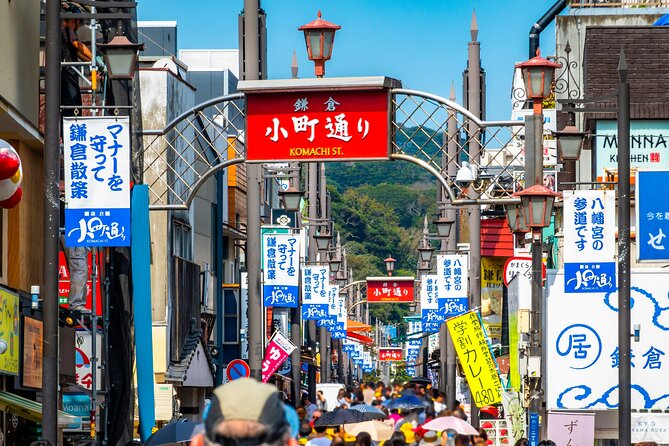
It also works for first-time visitors who want an introduction rather than a specialist temple tour. You will see a bamboo garden, a major Shinto shrine, a flower-filled Buddhist temple, and the Great Buddha. That is a broad sample of Kamakura in a single outing.
You may want another plan if you prefer long visits at each site. The 30-minute stops at Hasedera and Kotoku-in are enough for highlights, but not for a slow exploration. You should also think twice if your party is very small and cost is a concern.
The early pickup window is another factor. Pickup is offered from 7:00 to 9:00 a.m., so this is not a late-start day. The benefit is more usable time in Kamakura. The cost is giving up a relaxed Tokyo morning.
Practical details before you reserve
The activity is private, and mobile tickets are supported. Most people can participate, and the meeting area is near public transportation, though pickup is offered in Tokyo.
Free cancellation is available if you cancel at least 24 hours before the local start time. Changes or cancellations inside that window are not accepted for a refund. Keep that cut-off in mind if your Tokyo plans may shift.
Ask about three points before finalizing your booking:
- Which person will guide your group, and will the driver also provide commentary?
- Are the pickup and drop-off locations both within the provider’s current service area?
- How much flexibility is possible at Hasedera or the Great Buddha if you want extra time?
These questions do not change the basic appeal of the outing. They simply help you match the experience to your group’s pace.
Should you book this private Kamakura tour?
Book it if you are traveling with a group, value door-to-door transport, and want a well-chosen first look at Kamakura. The bamboo grove at Hokoku-ji, Tsurugaoka Hachimangu, Hasedera, and the Great Buddha create a satisfying day, while local staff can add help with food, shopping, and quieter routes.
Skip it if you are alone, watching your budget, or happy to use public transport. You will pay a premium for ease, and admissions and lunch are not included.
For the right group, this is a practical way to reach Kamakura from Tokyo without wasting the day on logistics. Just treat it as a highlights tour with personal guidance, not a slow, expert study of every temple.
FAQ
How long does the Kamakura tour last?
The experience lasts approximately six to eight hours, including transportation from Tokyo and the visits in Kamakura.
How many people can join the private tour?
The listed price covers a private group of up to nine people. Only your group participates.
Is Tokyo pickup included?
Yes. Tokyo pickup is offered, with pickup hours listed between 7:00 and 9:00 a.m.
Which Kamakura sites are visited?
The route includes Hokoku-ji, Tsurugaoka Hachimangu Shrine, Hasedera Temple, and Kotoku-in, home of the Great Buddha of Kamakura.
Are admission tickets included?
No. Admission is not included for Hokoku-ji, Hasedera Temple, or Kotoku-in. Tsurugaoka Hachimangu Shrine has free admission.
Is food included?
Bottled water and snacks are provided. A full meal is not listed as included, though the driver or guide may help with local restaurant suggestions.
Will a separate guide accompany the driver?
Not always. The driver may also guide the group. Seiko and Riley are among the staff associated with guiding or driving experiences, so confirm the arrangement when booking.
What is the cancellation policy?
You can receive a full refund if you cancel at least 24 hours before the experience start time. Cancellations or changes made less than 24 hours in advance are not accepted for a refund.
More Historical Tours in Tokyo
- Tokyo: Imperial Palace and Shogun Historical Walking Tour
★ 5.0 · 2,251 reviews - Tokyo: Imperial Palace Japanese History Walking Tour
★ 4.9 · 987 reviews - Tokyo: Shinjuku Historical Walking Tour & Secret Backstreets
★ 5.0 · 530 reviews - Yanaka Walking Tour: Historic and Traditional District of Tokyo
★ 5.0 · 530 reviews
New on our Tokyo list
- Sumi-e Experience in a relaxing green tea shop in Tokyo★ 5.0 · 3 reviews
- Tokyo : Kamikaze Street Drift Ride★ 5.0 · 3 reviews
- Private Zen Meditation in English in Shinjuku, Tokyo★ 5.0 · 3 reviews
- Easy for everyone! Now you can play handmade mini shamisen and show off to everyone! Musical instruments, sweets and live music★ 5.0 · 3 reviews
- Onsen Spa in Tokyo and Asakusa Bar Hopping with Local Guide★ 5.0 · 3 reviews
- Tokyo: Private Tsukiji Street Food & Sake with Local Guide★ 5.0 · 3 reviews
- Mt Fuji Exploration Tour with Free Japanese Kusa Mochi from Tokyo★ 4.5 · 3 reviews
- Tokyo Tsukiji Fish Market Walking and Exploring Hidden Gems Tour★ 5.0 · 3 reviews
Historical Tours, compared.

Imperial Palace and Shogun Historical Walking Tour
Read our review →
Yanaka Walking Tour: Historic and Traditional District of Tokyo
Read our review →
Shinjuku Historical Walking Tour & Secret Backstreets
Read our review →
Mt. Fuji Heritage Tour: Traditional Villages, Lakes & Shrine
Read our review →
The Best of Izakaya in Shinjuku Food & Cultural Tour
Read our review →
Yanaka Historical Walking Tour in Tokyo’s Old Town
Read our review →Browse the lists this tour appears in