Reviewed · GUIDED
Kawagoe 4hr Private Tour with Licensed Guide (Kawagoe Dep)
Kawagoe gives you a quick, satisfying look at old Japan without sending you far from Tokyo. In about 30 minutes by train, you can be walking past dark timber warehouses, hearing the bell at Toki no Kane, and learning why this former castle town was called Little Edo.
I like two things here: you choose the focus, and the guide can add meaning to places that might otherwise look like attractive old buildings. I also like the private format, since guides such as Masa, Show, Isao, and Yusuke have adjusted routes for shopping, local culture, and wheelchair access.
The main catch is that four hours passes quickly, and this is a walking tour with no private vehicle. Buses and taxis can be sparse, so you should expect to cover ground on foot and pay separately for transport, meals, and most admission fees.
In This Review
- Key points to know before booking
- Why Kawagoe makes a good half-day trip from Tokyo
- How the private format works
- Toki no Kane and the old warehouse streets
- Castle remains and the Honmaru Palace
- Hikawa Shrine and Kitain Temple
- Museums that add meaning to the walk
- Kawagoe Matsuri Kaikan and local traditions
- Kawagoe Onsen as a different kind of stop
- What the guide adds
- Walking, access, and extra costs
- Who will get the most from this Kawagoe tour
- Should you book it?
- FAQ
- How long is the Kawagoe private tour?
- How many sights can I visit?
- Is the tour private?
- Where does the tour begin?
- Is transportation included?
- Are entrance fees included?
- Is lunch included?
- Can I cancel for a full refund?
Key points to know before booking
- Pick two or three sights: The long list of possible stops is a menu, not a promise that you will visit all ten.
- Meet on foot in Kawagoe: Pickup is offered within a designated area, but there is no private car.
- Learn from a licensed guide: The government certification requires strong knowledge of Japanese culture and history.
- Best for first-time visitors: A private guide helps you connect shrines, temples, castle remains, food, and shopping.
- Allow extra money: Transportation, lunch, personal purchases, and most entrance fees are not included.
- Plan around opening days: One visitor found museums closed on Monday, so your guide may need to alter the route.
Why Kawagoe makes a good half-day trip from Tokyo
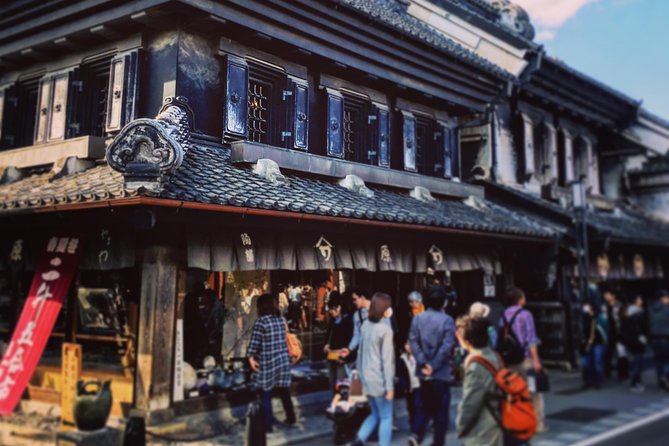
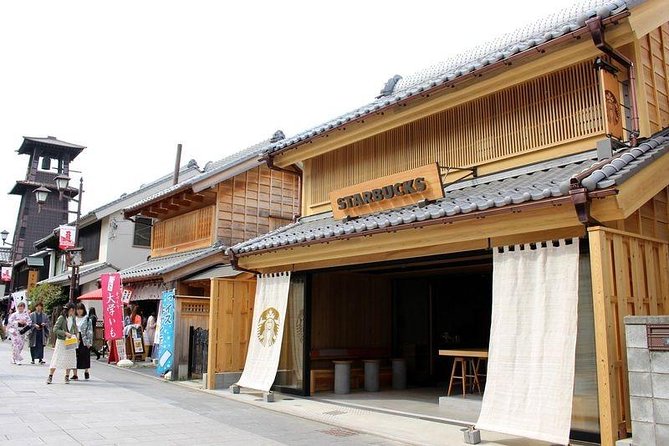
Kawagoe has a different feel from central Tokyo. Its old warehouse buildings, bell tower, castle remains, and temple grounds point back to the Edo period, when the town served as an important castle center and trading town.
The nickname Little Edo refers to its connection with the former name of Tokyo. You are not getting a full-scale open-air museum, and the modern city remains nearby, but the preserved streets give you a clear sense of how merchants once built for fire safety and trade.
The trip is especially useful if you want history without committing to a full day away from Tokyo. A four-hour private visit lets you see a focused part of Kawagoe, then return to the capital with time left in your schedule.
The price is listed at $107.78 per person. That is not the cheapest way to see Kawagoe, especially because entry fees and transport are extra, but the value improves if you are traveling as a small private group and want explanations in English rather than simply walking from one sight to another.
A guide can also save you time. Instead of guessing which temple, museum, or shrine fits your interests, you can settle on two or three priorities before the walk begins.
A few more Tokyo bookings worth comparing
- Mt Fuji and Hakone 1-Day Bus Tour Return by Bullet Train
★ 5.0 · 26,383 reviews - 1-Day Tokyo Bus Tour
★ 5.0 · 14,250 reviews - Tokyo: TOKYO SKYTREE® Admission ticket
★ 4.5 · 11,192 reviews
How the private format works
This is not a fixed sightseeing circuit. You choose must-see places from the available list, then create a route with the guide. The advertised options range from the famous bell tower and warehouse streets to Kitain Temple, the castle palace, museums, and even a hot spring facility.
That flexibility matters. You might want a history-heavy visit with Kawagoe Castle, the City Museum, and Kitain. You might prefer a gentler mix of old streets, Hikawa Shrine, and food stops. You can also leave room for shopping, as Show did for one couple who wanted more time among Kawagoe’s shops.
The guide meets you on foot within the designated Kawagoe area. No private vehicle is supplied, and transportation costs are not included. Since the town’s sights are spread out and taxis and buses may be sparse, wear comfortable shoes and tell the guide early if long walks are difficult.
Only your group participates. That gives you room to ask questions, pause for photos, or change the balance between sightseeing and shopping. The tradeoff is that you need to make choices. Ten possible stops sound generous, but four hours is not enough to explore each one properly.
Toki no Kane and the old warehouse streets
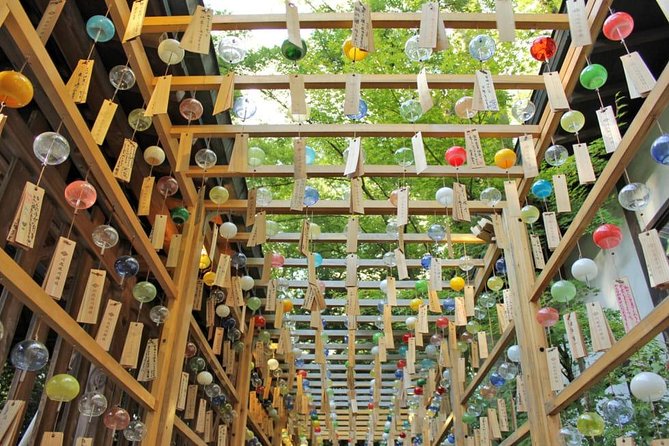
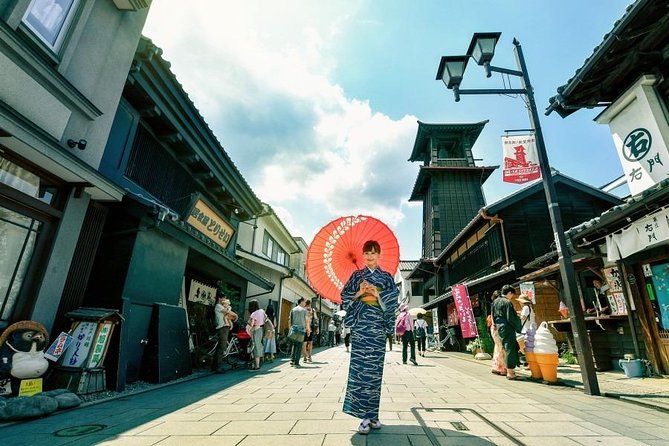
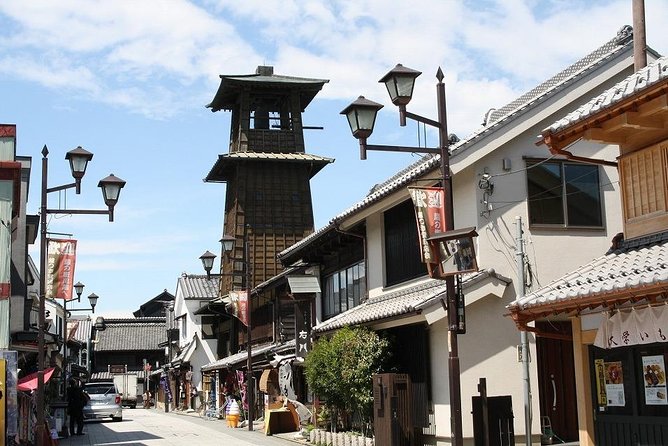
Start with Toki no Kane, Kawagoe’s best-known symbol. The wooden bell tower once announced the time in an era before household clocks, and its ringing remains part of the town’s daily rhythm at set times including 6 a.m., noon, and 3 p.m.
The scheduled visit is only about five minutes, so think of the tower as a landmark and orientation point rather than a long museum stop. Your guide can explain how timekeeping worked in the Edo period and help place the tower within Kawagoe’s old commercial center.
Nearby, Koedo Yokocho offers a useful food break. Restaurants serve Japanese dishes such as kamameshi, a rice, meat, and vegetable meal prepared in a small pot, along with ramen. There is also a free rest area, which can help if you need to pause during the walking route.
Food is not included, so you can decide how much time and money to spend here. Thirty minutes is enough for a quick meal or a look around, but it may be too short if you want a relaxed lunch.
The Kawagoe Kurazukuri Museum explains the warehouse-style buildings that give the old streets their character. These thick-looking merchant storehouses were built as practical commercial buildings, and the museum helps you understand why so many of them remain important to Kawagoe’s identity.
Admission is extra. The museum is a good choice when you want context rather than just photographs, but you should confirm opening days when planning. A Monday closure affected one route, forcing the guide to adjust the schedule.
Castle remains and the Honmaru Palace
Kawagoe Castle once anchored the town during the Edo period. Much of the original castle no longer exists, but the Naka no Mon remains and a few rooms are open to the public.
This stop is valuable because it links Kawagoe’s streets to the political reason the town mattered. The old merchants’ buildings were not isolated curiosities. They belonged to a settlement shaped by a castle and its officials.
Kawagoejyo Honmaru Palace offers another look at the former castle complex. Japanese castles are popular because their buildings and layouts make history feel physical, and the palace gives you a chance to see surviving rooms rather than only an exterior wall or sign.
Both the castle remain and the palace list an additional admission fee. With only four hours, I would choose one castle-related stop unless castle history is your main interest. Pairing one with Kitain or the warehouse district gives you a broader picture of the town.
Same corner of Tokyo, a completely different plan:
- Tokyo: teamLab Planets TOKYO Digital Art Museum Entry Ticket
★ 4.6 · 9,779 reviews - Mt Fuji & Hakone Cruise, Drum Show Bullet Train 1 Day from Tokyo
★ 4.0 · 7,413 reviews - Tokyo: Sumo Show Experience with Chicken Hot Pot and a Photo
★ 4.8 · 6,678 reviews - Tokyo: Shinjuku Food Tour (13 Dishes at 4 Local Eateries)
★ 5.0 · 6,603 reviews
Hikawa Shrine and Kitain Temple
Kawagoe Hikawa Shrine is known as a place connected with love and good fortune. Its Enmusubi dama, described as a love-success stone, attracts people interested in relationships, Shinto customs, and Japanese amulets.
The shrine is free to enter, making it an easy addition to a paid museum or palace stop. I like it as part of a first visit because it adds a living religious site to the old streets and castle story. Your guide can explain the Shinto practices and symbols that may be easy to miss when you visit alone.
Kitain is the strongest choice for many visitors who want one major temple. It has been present for about 1,200 years and is known for its atmosphere, Buddhist setting, and statues of 500 disciples. One guide, Yusuke, was particularly praised for making the temple portion memorable.
Kitain is free to enter according to the tour details, though some areas or related facilities may have separate rules. It also gives you a welcome change of pace from the commercial streets. Expect a quieter setting, religious sculpture, and a stronger sense of Kawagoe’s long connection with Buddhism.
If you have room for only one religious site, choose Hikawa for Shinto customs and love-related traditions, or Kitain for temple architecture, Buddhist art, and the long sweep of local history.
Museums that add meaning to the walk
Kawagoe City Museum is another choice for understanding why the town is called Little Edo. The museum sits among the city’s historical buildings and adds background to the streets you see outside.
The Kawagoe Kurazukuri Museum is more closely tied to the warehouse architecture, while the City Museum gives you a wider view of Kawagoe’s past. You probably do not need both during a four-hour tour unless museums are your priority.
Each museum requires an additional admission fee. Opening days matter, and Monday can be a problem for museum-focused plans. Ask the guide to confirm the day’s options before you settle on your final two or three sites.
A museum also changes the pace of the tour. If the weather is hot, a museum stop can provide a break from walking, although the tour still requires movement between locations.
Kawagoe Matsuri Kaikan and local traditions
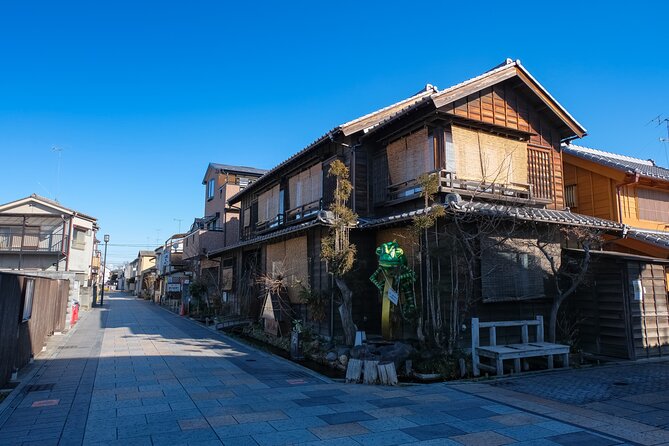
Kawagoe Matsuri Kaikan introduces the city’s festival culture. Japan has many local festivals, and this facility gives you a way to understand Kawagoe’s own traditions even if your visit does not coincide with a festival.
This is a good pick if you want more than old buildings. Festivals reveal how a community uses music, floats, costumes, and public space, and the guide can help connect those traditions with Kawagoe’s identity.
Admission is not included. The site may be less important to you if your main aim is architecture, temples, or shopping, but it is a sensible choice for visitors who want local customs explained.
Kawagoe Onsen as a different kind of stop
Kawagoe Onsen is the most unusual option on the list. It is a natural hot spring facility with several types of baths, including wood and stone baths.
A thirty-minute visit would be brief for a full bathing experience, so ask the guide how the stop would fit your schedule. You will also need to pay the entrance fee and any personal expenses yourself.
This choice makes sense if you have already seen Kawagoe’s major historical sights or if a hot spring is central to your Japan plans. It is less useful for a first-time visitor who has only four hours and wants the classic old-town sights.
What the guide adds
The guide is the heart of this experience. The government-issued National Government Licensed Guide Interpreter certification requires a strong understanding of Japanese culture and history, which matters when you are asking about Shinto, Buddhism, castle towns, or merchant buildings.
The individual guide varies. Masa has been described as personable and professional, Show as flexible when shopping became a priority, Isao as helpful with a wheelchair, and Yusuke as especially effective around Kitain and Kawagoe’s historic sights.
Those details point to the practical value of a private tour. You are not only receiving dates and names. You can ask why a shrine uses a certain custom, how a warehouse building worked, or how to move between sights without wasting your short visit.
The guide may also help when conditions change. Museums can close, weather can make walking harder, and your group may become more interested in shopping than expected. The route can shift, but only if you communicate your priorities.
Walking, access, and extra costs
The tour is on foot. Pickup means meeting the guide within the designated area, not riding from Tokyo or being driven between every stop.
Transportation fees, entrance fees, lunch, and personal spending are excluded. Guide entry fees are covered only for sights listed in the tour’s expected stops, so ask before adding an unlisted attraction.
Most people can participate, and service animals are allowed. One visitor used a wheelchair and received help from Isao, which is encouraging, but the tour description does not promise a fully accessible route. If someone in your group uses a wheelchair, discuss the exact sights and walking distance before booking.
The tour is private, but multiple tour groups cannot be combined. That is good news for families and friends who want one shared pace, though the per-person price may feel high for a solo visitor.
Free cancellation is available up to 24 hours before the start time. Changes or cancellations made within 24 hours are not accepted for a refund.
Who will get the most from this Kawagoe tour
I would recommend this experience to first-time visitors who want a clear introduction to Kawagoe but do not want to spend a full day planning routes and reading background material.
It also fits families, couples, and small groups with different interests. One person can focus on temples, another on food or shopping, and the guide can shape the four hours around a shared shortlist.
History fans should choose Kitain, one castle site, and either the City Museum or the Kurazukuri Museum. Visitors interested in religion can combine Hikawa Shrine and Kitain, then use the remaining time for the old streets.
This is less suitable if you want a leisurely ten-stop tour, a private car, or a completely inclusive price. It is also not ideal if you dislike walking or want to spend most of the day at a single museum or hot spring.
Should you book it?
Book this tour if you value personal explanation, flexible sightseeing, and a short route built around your own priorities. The strongest combination for a first visit is likely the warehouse district, Kitain, and Hikawa Shrine, though the best choices depend on your interests and the day’s opening hours.
At $107.78 per person, the tour asks you to pay for guidance rather than a package of admissions and transport. That is fair value for a private, licensed English-speaking guide if you want history and culture to make sense as you walk.
Skip it if you are comfortable navigating Kawagoe alone, want to keep costs low, or prefer to set your own pace at every stop. But if four hours is all you have, a private guide can help you spend that time on the parts of Little Edo you most want to remember.
FAQ
How long is the Kawagoe private tour?
The tour lasts approximately four hours.
How many sights can I visit?
The tour includes a customizable selection of two or three sites from the available list. You cannot reasonably expect to explore all ten listed options in four hours.
Is the tour private?
Yes. Only your group participates, and multiple tour groups cannot be combined.
Where does the tour begin?
You meet the licensed guide on foot within the designated area of Kawagoe. Pickup is offered, but no private vehicle is provided.
Is transportation included?
No. Transportation fees are not included, and the tour itself is conducted on foot.
Are entrance fees included?
Most entrance fees are not included. Guide entry fees are covered only for sights listed under the tour’s expected stops.
Is lunch included?
No. Lunch and other personal expenses are separate.
Can I cancel for a full refund?
Yes, if you cancel at least 24 hours before the experience start time. Cancellations or changes made less than 24 hours before the start time are not accepted for a refund.
New on our Tokyo list
- Sumi-e Experience in a relaxing green tea shop in Tokyo★ 5.0 · 3 reviews
- Tokyo : Kamikaze Street Drift Ride★ 5.0 · 3 reviews
- Private Zen Meditation in English in Shinjuku, Tokyo★ 5.0 · 3 reviews
- Onsen Spa in Tokyo and Asakusa Bar Hopping with Local Guide★ 5.0 · 3 reviews
- Easy for everyone! Now you can play handmade mini shamisen and show off to everyone! Musical instruments, sweets and live music★ 5.0 · 3 reviews
- Tokyo: Private Tsukiji Street Food & Sake with Local Guide★ 5.0 · 3 reviews
- Mt Fuji Exploration Tour with Free Japanese Kusa Mochi from Tokyo★ 4.5 · 3 reviews
- Tokyo Tsukiji Fish Market Walking and Exploring Hidden Gems Tour★ 5.0 · 3 reviews
Guided, compared.
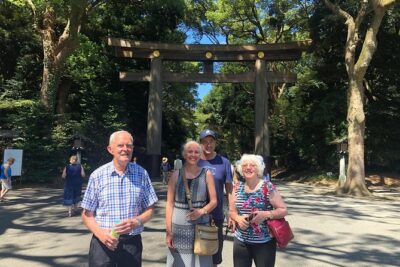
Tokyo 6hr Private Tour with Government-Licensed Guide
Read our review →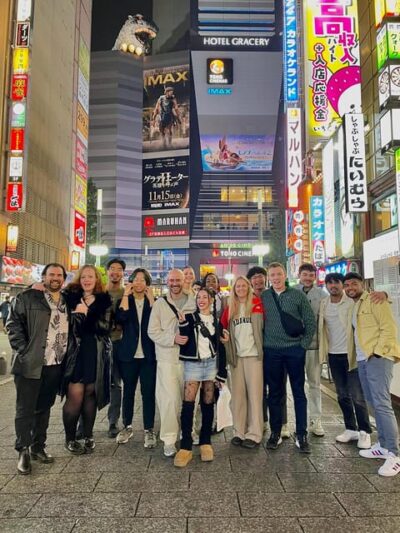
Shinjuku Local Bar and Izakaya Guided Walking Tour
Read our review →
Private City Highlights Tour with Local Guide
Read our review →
Tokyo 4hr Private Tour with Government-Licensed Guide
Read our review →
Samurai Ninja Museum Guided tour and Experience
Read our review →