
Reviewed · SHOPPING TOURS
Licensed Guide Shinjuku Underground Mall Tour (Tokyo)
Shinjuku Station is less a station than a small city buried under Tokyo. This tour helps you make sense of it, then leads you to places many first-time visitors would miss, including a shrine on Isetan’s roof, a former parking area with a low ceiling, and food counters in the department store basement. I like the mix of ordinary local life and big city views. I also like having a licensed guide explain shrine manners and basic Japanese customs as you go.
The main drawback is that the name promises an underground mall tour, but the route also covers rooftops, streets, shrines, Golden Gai, and observation decks. You will walk between several stops, and some visits are brief. Still, for $32.58 per person, this private three-hour introduction gives you a useful first map of Shinjuku.
In This Review
- Key points at a glance
- Why Shinjuku is easier with a guide
- Tokyo views from the Metropolitan Government Building
- Isetan’s rooftop shrine and underground food hall
- The bus terminal and Shinjuku’s changing center
- Golden Gai and Hanazono Shrine
- The West Square event area
- Southern Terrace and Marui’s rooftop garden
- What $32.58 buys you
- Who will get the most from this route
- Timing, meeting point, and booking details
- My call: book it for orientation, not a full food tour
- FAQ
- How long does the Shinjuku Underground Mall Tour last?
- What time does the tour start?
- Where does the tour meet?
- Where does the tour finish?
- Is this a private tour?
- Is food included in the tour price?
- Can I cancel for a full refund?
Key points at a glance
- A rooftop shrine at Isetan: Visit a surprising Shinto shrine above one of Shinjuku’s best-known department stores, then explore its underground food hall.
- A free Tokyo panorama: The Tokyo Metropolitan Government Building observation decks provide a strong opening view, with free admission.
- Practical shrine guidance: Your interpreter can show you how to make an offering and pray at Hanazono Shrine.
- Small corners of a huge station: See the West Square event area, bus terminal, Southern Terrace, and Marui rooftop garden.
- Private and weather-friendly: Only your group takes part, and much of the route uses indoor shopping areas and station spaces.
- A useful first-day tour: The route gives you places to return to later, especially food halls, Golden Gai, and the department stores.
Why Shinjuku is easier with a guide
Shinjuku rewards curiosity but punishes poor direction. The station has a reputation for confusing corridors, multiple exits, department stores, restaurants, and shopping levels. You can spend an hour trying to leave and still come out on the wrong side of the tracks.
This experience gives you a local guide at 3:30 pm, beginning at the Doutor coffee shop on Shinjuku Yasukuni-dori. Because the tour is private, your group does not need to match the pace of strangers. That matters when you want to stop for a photograph, ask about a food item, or take a moment to understand a shrine ritual.
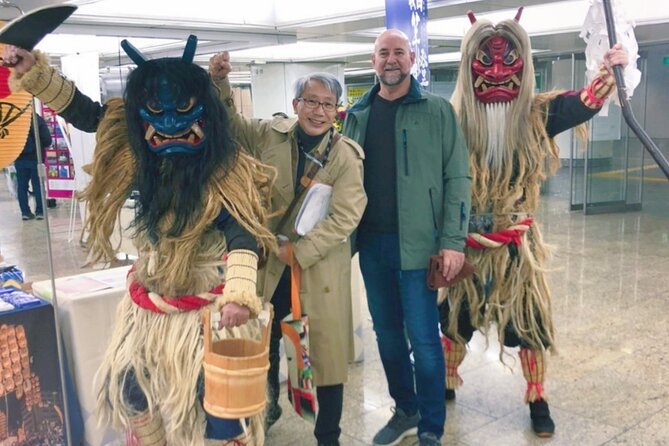
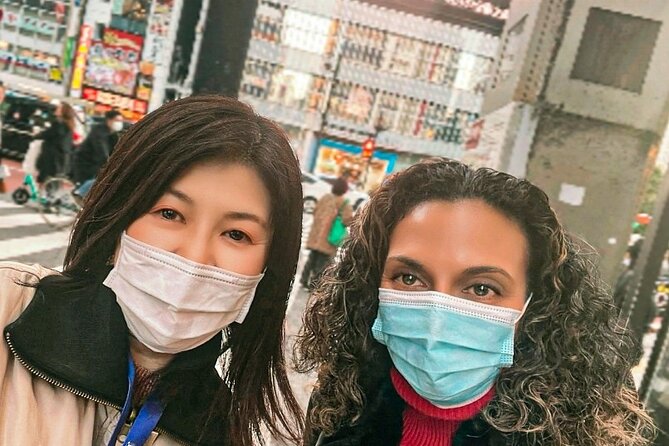
The guides are licensed interpreters, and the strongest part of the experience is not simply getting from one stop to the next. It is the explanation along the way. Nao, Shimmy, and Terri have all been associated with this route, and the guide you receive may vary. Past tours have included basic Japanese phrases, manners, local history, photography help, and an explanation of fortune papers from Hanazono Shrine.
You should see this as a guided orientation rather than a long tasting tour or a full sightseeing day. The route offers food-related stops, but the price does not include admission to Isetan’s underground market or a set meal. You will have chances to look, ask, and choose what interests you.
More Shinjuku nights and walks:
- Tokyo: Shinjuku Food Tour (13 Dishes at 4 Local Eateries)
★ 5.0 · 6,603 reviews - Tokyo Bar Hopping Tour in Shinjuku (All-You-Can-Drink + Dinner)
★ 5.0 · 3,587 reviews - Tokyo: Shinjuku Food Tour (15 Dishes and 4 Eateries)
★ 4.9 · 2,033 reviews
Tokyo views from the Metropolitan Government Building
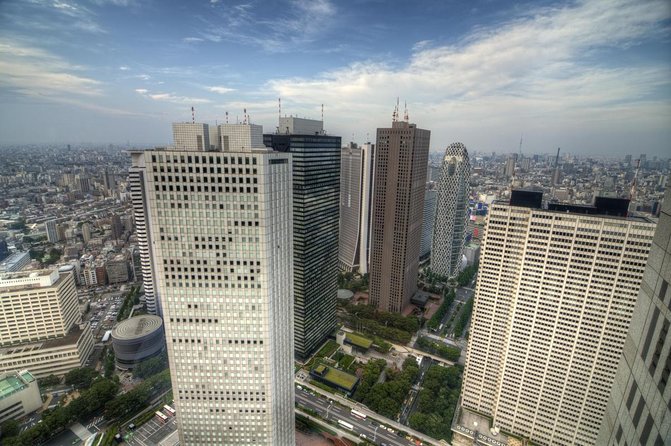
The tour opens at the Tokyo Metropolitan Government Building observation decks. Admission is free, which makes this a smart first stop in a city where viewpoints can cost a fair amount.
You get about 20 minutes here, enough to admire the view and hear your guide explain what you are seeing. The building gives you a broad look at Tokyo before the tour narrows its focus to Shinjuku’s shops, lanes, shrines, and station passages.
The short visit is both useful and limiting. If you want a long photography session or time to identify distant landmarks, you may wish you had more time. The guide-led format keeps the group moving, though, and the view works well as an introduction to the size of the city.
There is one scheduling point to check. The observation decks are off on the first and third Tuesday of the month. The tour still has other stops, but this opening view will not be available on those dates.
Isetan’s rooftop shrine and underground food hall
Isetan Shinjuku is where the tour’s central idea becomes clear. This is a major department store with a quiet shrine on its roof, an unexpected contrast to the busy streets below.
The rooftop visit offers a change of pace and a city view. Your guide can explain why a shrine has a place above a department store and help you approach it in the right way. The route then heads downstairs to Isetan’s underground food area, one of the best places in Japan to see how department-store food shopping works.
You may find boxed meals, sweets, carefully presented gifts, and items made for particular regions or seasons. The supplied details do not promise a specific tasting menu, so plan to buy anything you want to sample. That is not a weakness if you enjoy choosing your own food, but it does mean you should not book this expecting a meal included in the fee.
The 30-minute stop is short for a large store. I would keep your eyes open and avoid trying to inspect every counter. Ask the guide to point out unusual local items or products that are difficult to identify, then return later if something catches your eye.
The bus terminal and Shinjuku’s changing center
The Shinjuku Expressway Bus Terminal takes about 15 minutes. It is a large transport hub with several spots that work well for photographs.
This stop is less about a traditional sight and more about understanding how Tokyo moves. A bus terminal may not sound like a highlight, yet it helps explain Shinjuku as a transport center rather than only a nightlife district or shopping area.
The short timing tells you what to expect. You will not get a full terminal tour or a long break. Instead, your guide will show you the useful points and keep the walk on schedule.
That practical approach continues through the route. You are not being taken only to famous postcard locations. You are also seeing the places people use to travel, shop, meet, and pass through every day.
A few more Tokyo bookings worth comparing
- Tokyo Tsukiji Fish Market Food and Culture Walking Tour
★ 5.0 · 3,184 reviews - Tokyo: Tsukiji Fish Market Food and Walking tour
★ 5.0 · 1,724 reviews - Tokyo: Tsukiji Fish Market Guided Walking Tour
★ 4.9 · 1,397 reviews - Tsukiji Fish Market Guided Tour and Sushi Making with Pro Chef
★ 5.0 · 775 reviews
Golden Gai and Hanazono Shrine
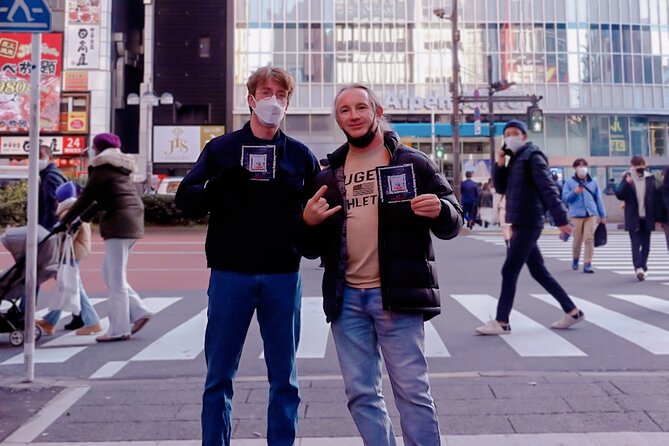
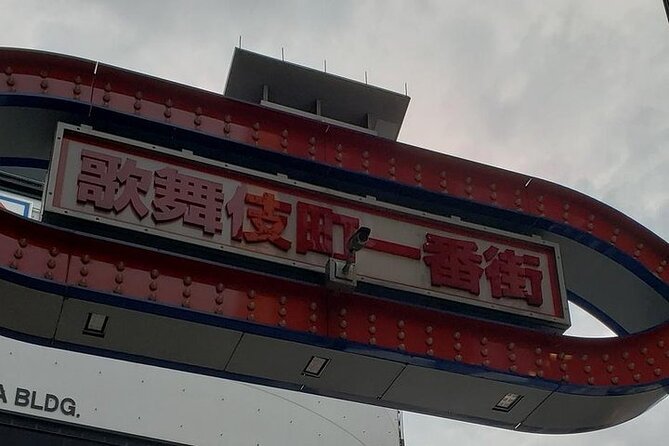
Shinjuku Golden Gai is a compact bar area known for its narrow lanes and tiny drinking places. The tour allows about 15 minutes here, enough to see the character of the district in daylight and hear why it represents a particular side of Japan’s nightlife.
Do not expect this stop to include a full evening at a bar. The group moves on quickly, and some establishments may not be open or suitable for a short daytime visit. Think of Golden Gai as an introduction. You can decide later if you want to return for a drink.
Hanazono Shrine follows, with another 15-minute visit. This is one of the most valuable stops for anyone who wants cultural context rather than only photographs. Your interpreter can show you how to make an offering and pray, so you do not have to guess what to do at the entrance or worship hall.
If you receive a fortune paper, the guide may help explain it. Nao has also been known to read a fortune paper for a participant, which shows the sort of personal help that can make a short shrine visit more meaningful. The visit remains brief, but the instruction gives you confidence for other shrines in Japan.
The West Square event area
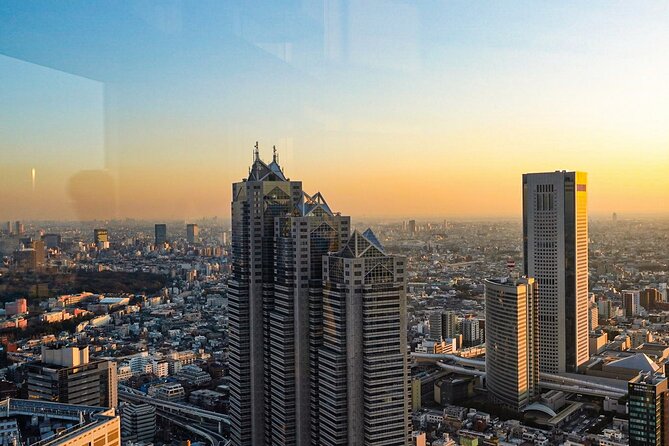
The Event Corner at Shinjuku Station’s West Square lasts only about five minutes. Its low ceiling is the clue: the space used to be a parking area.
This is a small detail, yet it fits the tour well. Shinjuku is constantly being rebuilt and repurposed. A guide can point out how a space that looks like a plain station corner once served another function.
You will not spend long here, and that is sensible. The stop works as a quick piece of urban history between larger sights. It also shows why a local guide can be useful in Shinjuku. Without an explanation, you might walk through and never realize what you were seeing.
Southern Terrace and Marui’s rooftop garden
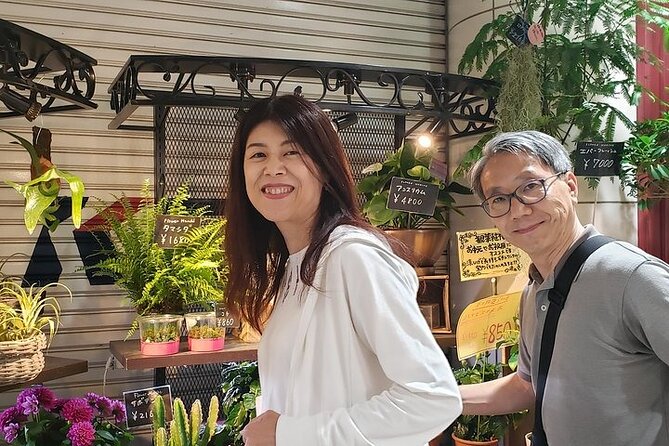
Shinjuku Southern Terrace gives you about 20 minutes for views toward long-established department stores, including Takashimaya. The area also has a penguin statue and a Starbucks, so it is an easy place to recognize and revisit on your own.
This is one of the route’s calmer outdoor sections. After the station passages and dense shopping floors, the terrace gives you room to pause. It is also a practical place to note for a later coffee break, though the tour does not promise a stop inside Starbucks.
The last scheduled stop is the rooftop garden at Shinjuku Marui Annex, with about 15 minutes to relax and look around. Rooftop gardens are valuable in Tokyo because they give you a little breathing room without requiring a trip out of the city center.
The route returns to the original meeting point at the Doutor coffee shop. Since the tour begins and ends there, you have a clear starting landmark and do not need to arrange a separate return transfer.
What $32.58 buys you

At $32.58 per person, the value rests on access and orientation, not on included admissions or a large amount of food. The Tokyo Metropolitan Government Building and most listed stops are free. Isetan’s underground food area is also free to enter, but purchases are extra.
So why pay for the tour? You are paying for a private guide, route planning, translation, cultural explanation, and help finding places that can be awkward to connect on your own. In a station as large as Shinjuku, avoiding wrong turns has real value, especially early in your Tokyo visit.
The private format strengthens the deal. You can ask about food, shrine etiquette, history, or a place you want to revisit. The guide may also help with photographs, as Nao did for one couple, and can adjust small parts of the experience when you express interest in something nearby, such as the Godzilla head.
The itinerary is fairly full for three hours. The listed stop times add up to a little over two hours, leaving room for walking and transitions. You should wear comfortable shoes and expect a steady pace. The route is not presented as a slow, leisurely food crawl.
Who will get the most from this route
I would choose this tour for a first visit to Tokyo, especially if Shinjuku is on your hotel or sightseeing list. It gives you a working sense of the area before you return alone for shopping, food, nightlife, or photographs.
It also suits anyone who feels uneasy about shrine customs. The instruction at Hanazono Shrine is simple and useful, and the same basic manners will help you at other Shinto sites.
Food-focused visitors should book with the right expectations. You will see distinctive items in Isetan’s underground market, but the supplied details do not include a formal tasting selection. You may want to bring extra yen or a payment method for purchases, though the tour price itself is $32.58.
The tour can work in hot weather or rain because it uses indoor shopping and station areas, but parts of the route are outdoors. One participant still enjoyed it in the heat, yet you should dress for the conditions and carry water in summer.
Families, couples, and small private groups can all benefit from the format. Most people can participate, and the activity is near public transportation. No special access details are provided, so if you have specific mobility needs, ask the provider before booking.
Timing, meeting point, and booking details
The start time is 3:30 pm, and the tour ends back at the starting point. Meet at the Doutor coffee shop at 1-chome-23-15 Kabukicho, Shinjuku City, Tokyo 160-0021.
A mobile ticket is provided, and confirmation arrives when you book. The tour is often reserved about 46 days ahead, so advance planning makes sense if your Tokyo dates are fixed.
Free cancellation is available until 24 hours before the start time. If you cancel or request changes later than that, you will not receive a refund, so check the local Tokyo time when making changes.
My call: book it for orientation, not a full food tour
I would book this experience if you want a friendly, guided introduction to Shinjuku that mixes city views, local customs, department-store food, transport spaces, and small urban surprises. The guide’s help at Hanazono Shrine and the private format add more value than the free admission figures alone suggest.
I would skip it if you already know Shinjuku well or want a long, unhurried meal. The route covers a lot in three hours, and several stops last only 5 or 15 minutes.
For most first-time visitors, the tour is a sensible way to get your bearings fast. You leave knowing where the rooftop shrine, food hall, Golden Gai, Hanazono Shrine, Southern Terrace, and key station areas are, which makes the rest of your time in Shinjuku easier and more rewarding.
FAQ
How long does the Shinjuku Underground Mall Tour last?
The tour lasts approximately three hours.
What time does the tour start?
The tour starts at 3:30 pm.
Where does the tour meet?
Meet at the Doutor coffee shop at 1-chome-23-15 Kabukicho, Shinjuku City, Tokyo 160-0021, Japan.
Where does the tour finish?
The activity ends back at the meeting point.
Is this a private tour?
Yes. Only your group participates in the activity.
Is food included in the tour price?
Food purchases at Isetan’s underground market are not included. The tour lets you explore the food area and see items that may be difficult to find elsewhere.
Can I cancel for a full refund?
Yes, if you cancel at least 24 hours before the experience start time. Cancellations or changes made less than 24 hours before the start time are not eligible for a refund.
New on our Tokyo list
- Tokyo : Kamikaze Street Drift Ride★ 5.0 · 3 reviews
- Private Zen Meditation in English in Shinjuku, Tokyo★ 5.0 · 3 reviews
- Sumi-e Experience in a relaxing green tea shop in Tokyo★ 5.0 · 3 reviews
- Onsen Spa in Tokyo and Asakusa Bar Hopping with Local Guide★ 5.0 · 3 reviews
- Easy for everyone! Now you can play handmade mini shamisen and show off to everyone! Musical instruments, sweets and live music★ 5.0 · 3 reviews
- Tokyo: Private Tsukiji Street Food & Sake with Local Guide★ 5.0 · 3 reviews
- Mt Fuji Exploration Tour with Free Japanese Kusa Mochi from Tokyo★ 4.5 · 3 reviews
- Tokyo Tsukiji Fish Market Walking and Exploring Hidden Gems Tour★ 5.0 · 3 reviews
Shopping Tours, compared.
Tokyo Tsukiji Fish Market Food and Culture Walking Tour
Read our review →
Tsukiji Fish Market Guided Tour and Sushi Making with Pro Chef
Read our review →Tsukiji Fish Market Food and Culture Walking Tour
Read our review →
Tsukiji Fish Market: Street Food & Culture Walking Tour
Read our review →
Tsukiji Fish Market Small-Group Food Walking Tour
Read our review →
Tsukiji Fish Market Sushi Making Class with Pro Chef
Read our review →Browse the lists this tour appears in