
Reviewed · TEMPLE & SHRINE TOURS
Make a temple stamp book with artist
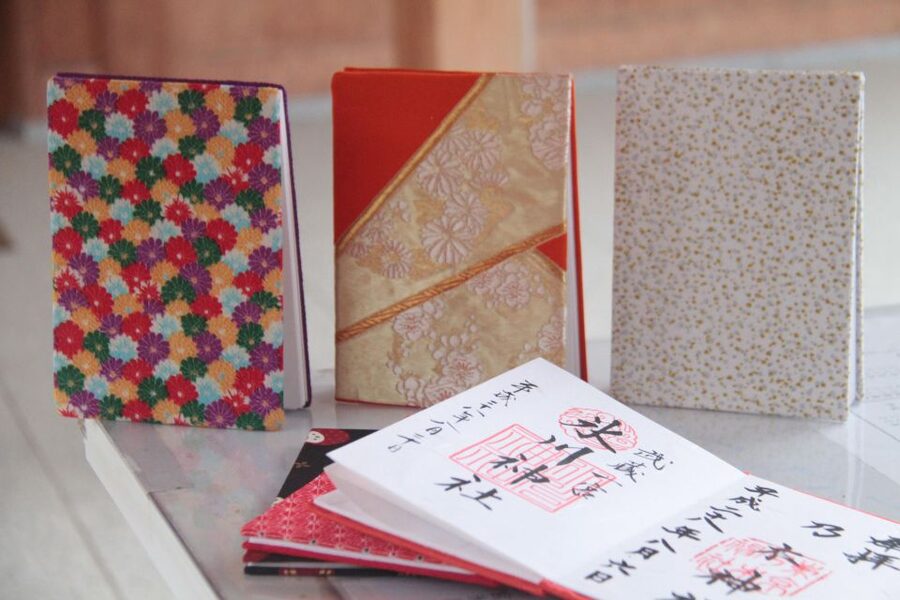
The best part of this experience is that you do not simply buy a souvenir. You make a goshuin book with your own choice of kimono fabric, then use it right away at a local shrine. The workshop turns a small Japanese tradition into something personal and useful.
I like the huge fabric choice, with more than 100 patterns to sort through, and the small group size of eight. I also like the practical finish: you learn formal shrine manners and collect your first stamp. The main drawback is that the shrine stamp fee costs extra, and the activity includes about 10 steps, so it is not a good fit for anyone with mobility limits.
In This Review
- Key points
- Why a handmade goshuin book makes a better souvenir
- Picking your fabric from more than 100 options
- Folding and gluing the pages
- Taking your first stamp at a local shrine
- What the $38 price includes
- A calm two-hour break near Shibuya
- The cultural value of learning shrine manners
- Who will enjoy this workshop most
- Practical details before you book
- Should you book this goshuin workshop?
- FAQ
- How long does the temple stamp book workshop last?
- How much does the experience cost?
- What is included in the workshop fee?
- Is the shrine stamp included?
- How many fabric choices are available?
- Is the activity offered in English?
- How large is the group?
- Is the workshop suitable for children or people with mobility impairments?
Key points
- Choose from more than 100 kimono fabrics to create a one-of-a-kind cover.
- Learn the proper way to make a goshuin notebook by folding and gluing the pages.
- Visit a local shrine after the craft session and receive your first stamp.
- Practice formal shrine etiquette with an English-speaking instructor.
- Enjoy a two-hour small-group activity limited to eight participants.
- Stay close to Shibuya sightseeing spots, making this easy to fit into a Tokyo day.
Why a handmade goshuin book makes a better souvenir
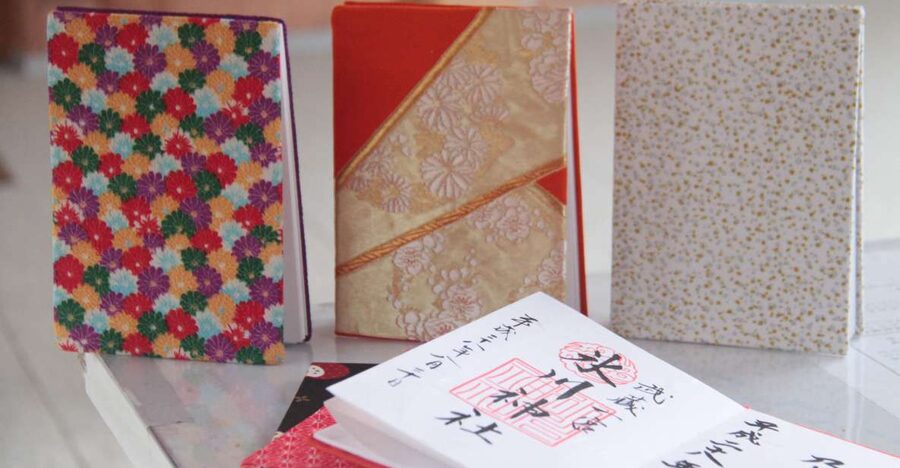
Japan offers no shortage of souvenirs, but a goshuin book gives you something to do as well as something to keep. You choose the cover fabric, help construct the book, and then begin filling it with temple and shrine stamps.
Goshuin are collected in dedicated notebooks. Each temple and shrine has its own stamp, making the book a record of places you have visited. The result is more meaningful than a standard shop purchase because the first page connects directly to the workshop and the local shrine visit.
I especially like the order of the activity. You make the book first, then use it on the same morning or afternoon. That gives the craft a clear purpose. You are not making a decorative object that goes into your luggage and stays there. You are starting a collection.
The activity takes place on Honshu, near the popular sightseeing area of Shibuya. The exact meeting point is in front of an entrance between a drug store and Cozy Corner, the cake shop. Look carefully for that spot, since a meeting point described by nearby shops can be easier to miss than a large station sign.
More temples and shrines near Tokyo:
- Tokyo: Meiji Shrine, Asakusa, Skytree Bus Tour and Cruise
★ 4.7 · 1,986 reviews - Tokyo: Asakusa Walking Tour with Sensoji Temple Visit
★ 4.8 · 1,583 reviews - Nikko: Kegon Falls, Lake Chuzenji & Toshogu Temple
★ 4.6 · 1,577 reviews
Picking your fabric from more than 100 options
The session begins with the most visual part: choosing your fabric. You will see a wide selection of traditional kimono fabrics, with more than 100 choices available.
This is not a quick pick from two or three standard designs. You can compare colors and patterns, then settle on the cover that suits you. If you like crafts, fabric, or Japanese design, this opening section may take more thought than expected. Give yourself time to look before choosing.
The fabric choice also helps you understand why a goshuin book can feel personal. The book is small, practical, and tied to a cultural practice, but its outer design is yours. You might choose a pattern that matches your taste, your trip, or a particular color you have noticed around Japan.
The information provided does not identify each fabric or explain the background of every pattern, so you should not expect a formal textile lecture. The focus is making the book. Still, the fabric selection gives the workshop a distinctly Japanese character that a plain paper notebook would not have.
All materials are provided. That matters for anyone trying to keep luggage light or planning this activity during a short stay in Tokyo. You do not need to pack craft supplies or prepare anything before arriving.
Folding and gluing the pages
Once you have selected the fabric, the instructor shows you how to assemble the goshuin notebook. The process involves folding and gluing papers together, with clear instruction throughout.
This is a hands-on craft, but it is not described as a difficult class. You follow the steps with guidance from the instructor, making the book piece by piece. The small group limit helps here. With no more than eight participants, you have a better chance of getting help if a fold goes wrong or you need more adhesive.
A useful detail comes from the workshop itself: extra glue can be provided for later additions to your collection. That is a thoughtful touch because a goshuin book is meant to grow over time. You may begin with one stamp at this activity, but the book can accompany you to other temples and shrines.
Do not expect factory-perfect results. The charm is that you made the book yourself. A slightly uneven fold or a handmade feel is part of the point. The instructor teaches the proper method, but the finished item remains your own work.
The entire craft section also gives you a quieter change of pace from Tokyo sightseeing. Shibuya is known for busy streets and major attractions, while this workshop asks you to sit, choose carefully, and work with your hands. That contrast is one reason the two-hour format works well.
Taking your first stamp at a local shrine
After the notebook is finished, you visit a nearby local shrine. This is where the craft becomes part of a larger Japanese custom.
The shrine visit is not only a photo stop. The instructor teaches you how to visit formally, including the appropriate approach to shrine worship. The supplied details do not list every individual step, so you should think of this as an introduction rather than a full religious studies lesson. Still, learning the basic manners can make later shrine visits feel less uncertain.
You will collect your first goshuin stamp during the visit. The stamp fee is not included in the $38 workshop price, so bring money for that separate charge. The exact fee is not provided, and you should check with the instructor or shrine when you arrive.
This first stamp gives the notebook an immediate sense of place. Instead of returning home with an empty handmade book, you leave with the beginning of a collection and a clear memory of where it started.
The shrine is described as local, which is important. You are not being taken only to a major landmark packed into a standard sightseeing route. The experience gives you a look at a neighborhood shrine and shows how the goshuin practice fits into an ordinary visit.
A few more Tokyo bookings worth comparing
- Mt Fuji and Hakone 1-Day Bus Tour Return by Bullet Train
★ 5.0 · 26,383 reviews - 1-Day Tokyo Bus Tour
★ 5.0 · 14,250 reviews - Tokyo: TOKYO SKYTREE® Admission ticket
★ 4.5 · 11,192 reviews - Tokyo: teamLab Planets TOKYO Digital Art Museum Entry Ticket
★ 4.6 · 9,779 reviews
What the $38 price includes
At $38 per person, the price is reasonable if you value both the finished book and the instruction. You are paying for a two-hour workshop, your fabric selection, the materials used to make the notebook, English-language guidance, shrine etiquette instruction, and the visit to collect your first stamp.
The stamp itself is the clear extra cost. That is common sense for a collection-based activity, but it is worth remembering when comparing the total price of the experience.
The value depends on what you want from a souvenir. If your priority is the cheapest possible notebook, you could likely find a ready-made one elsewhere. This activity earns its price through the making process, the fabric choice, and the cultural explanation.
I would choose this for someone who enjoys doing rather than simply seeing. It is also a good option if you want a small keepsake that has a story behind it. If you have no interest in crafts, paper projects, or shrine customs, the same two hours may feel less worthwhile.
A calm two-hour break near Shibuya
The two-hour duration is long enough to make the notebook without turning the activity into a full-day commitment. You can fit it around sightseeing near Shibuya, though you should allow time to find the meeting point.
The group is limited to eight participants. That makes the experience more personal than a large demonstration, especially during the folding and gluing stage. You are not just watching an instructor make a sample book while standing at the back of a crowd.
The instructor speaks English, which makes the practical steps and shrine manners easier to follow. Chikako Oshiro is listed as the experience provider. The information does not give the name of a separate guide, so you should expect the session to be led through the provider’s workshop rather than assume another named host will be present.
The activity runs rain or shine. The craft portion takes place indoors, but the shrine visit still forms part of the schedule, so dress for the weather. The details do not specify how far you walk between the workshop and shrine, so comfortable shoes remain a sensible choice.
There are about 10 steps to reach the classroom and shrine. This is not suitable for people with mobility impairments, and children under three are not accepted. Families with older children should consider whether the folding, gluing, and etiquette lesson match their child’s attention span, since no minimum age beyond the under-three restriction is given.
The cultural value of learning shrine manners
A shrine visit can be easy to misunderstand. You may see people bowing, washing their hands, offering coins, or standing quietly, but without context it is hard to know what is expected.
This experience gives you a formal introduction before you begin collecting stamps on your own. That matters because a goshuin is connected to a visit to a religious site, not simply a souvenir counter. Learning to approach the shrine respectfully helps you treat the book as part of a living practice.
The workshop also links the physical act of making the notebook with the manners of using it. You learn how to fold and glue the pages, then learn how to visit the place where the first stamp goes. The two parts reinforce each other.
You should view the etiquette teaching as a helpful starting point. The activity lasts two hours and includes both the craft and shrine visit, so it cannot cover every custom in detail. What it can do is give you enough guidance to feel more comfortable at this shrine and future ones.
Who will enjoy this workshop most
I would recommend this activity to several types of visitors:
- Anyone who likes crafts and wants a souvenir made by hand.
- First-time visitors to Japan who want a simple introduction to shrine etiquette.
- Repeat visitors looking for a quieter cultural activity near Shibuya.
- Couples, friends, or families with children old enough to follow craft instructions.
- People who plan to visit several temples and shrines during their trip.
It is particularly useful if you are already interested in collecting goshuin. The notebook is ready to use at the end, and the extra glue can help with future pages or additions.
I would be more cautious about booking if you dislike seated craft work or want a fast sightseeing tour. The activity is built around careful making, not a long list of landmarks. It also may not suit anyone who needs step-free access.
Practical details before you book
Meet in front of the entrance located between the drug store and Cozy Corner cake shop. Since this is a small local meeting point, arrive with enough time to identify the correct entrance rather than rushing in at the start time.
The activity is offered in English and lasts two hours. Starting times vary, so check availability for the date you want. The group is capped at eight participants, which is useful for a craft lesson and shrine introduction.
You can cancel up to 24 hours in advance for a full refund. You can also reserve now and pay later, which helps if your Tokyo schedule is still changing. These policies are practical, but the main booking decision should come down to your interest in making and using a goshuin book.
Remember that the shrine stamp fee is not part of the workshop fee. The activity takes place in all weather, and you will encounter about 10 steps on the way to the classroom and shrine.
Should you book this goshuin workshop?
Book it if you want a personal souvenir, enjoy hands-on activities, and would like clear help with shrine etiquette. The combination of more than 100 kimono fabrics, a small English-speaking group, and a first stamp at a local shrine gives the experience a strong sense of purpose.
Skip it if you want a major temple tour, a purely visual sightseeing activity, or an accessible route without steps. Also keep the extra stamp fee in mind.
For $38, this is a good-value cultural session for the right person. You leave with something you made, a better understanding of how to visit a shrine formally, and the first entry in a collection that can continue well beyond your time near Shibuya.
FAQ
How long does the temple stamp book workshop last?
The activity lasts two hours.
How much does the experience cost?
The price is $38 per person.
What is included in the workshop fee?
The workshop fee is included. Materials for making the goshuin notebook are provided.
Is the shrine stamp included?
No. The stamp fee at the shrine is not included in the activity price.
How many fabric choices are available?
You can choose from more than 100 different kimono fabrics.
Is the activity offered in English?
Yes. The instructor speaks English.
How large is the group?
The activity is limited to eight participants.
Is the workshop suitable for children or people with mobility impairments?
Children under three are not accepted, and the activity is not suitable for people with mobility impairments. There are about 10 steps to reach the classroom and shrine.
New on our Tokyo list
- Tokyo : Kamikaze Street Drift Ride★ 5.0 · 3 reviews
- Private Zen Meditation in English in Shinjuku, Tokyo★ 5.0 · 3 reviews
- Sumi-e Experience in a relaxing green tea shop in Tokyo★ 5.0 · 3 reviews
- Onsen Spa in Tokyo and Asakusa Bar Hopping with Local Guide★ 5.0 · 3 reviews
- Easy for everyone! Now you can play handmade mini shamisen and show off to everyone! Musical instruments, sweets and live music★ 5.0 · 3 reviews
- Tokyo: Private Tsukiji Street Food & Sake with Local Guide★ 5.0 · 3 reviews
- Mt Fuji Exploration Tour with Free Japanese Kusa Mochi from Tokyo★ 4.5 · 3 reviews
- Tokyo Tsukiji Fish Market Walking and Exploring Hidden Gems Tour★ 5.0 · 3 reviews
Temple & Shrine Tours, compared.
Meiji Shrine, Asakusa, Skytree Bus Tour and Cruise
Read our review →
Asakusa Walking Tour with Sensoji Temple Visit
Read our review →

Kamakura & Enoshima Day Trip including Temple Tickets
Read our review →
Nikko Toshogu Shrine and Kegon Waterfall Tour
Read our review →
Tokyo Panoramic 1 Day: Meiji Shrine, Asakusa, Odaiba and SKYTREE®
Read our review →
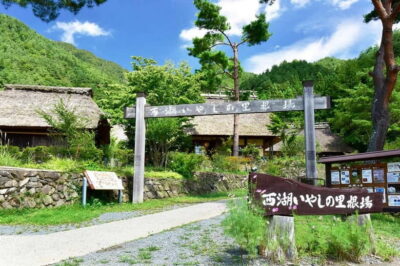
Mt. Fuji Heritage Tour: Traditional Villages, Lakes & Shrine
Read our review →Browse the lists this tour appears in