
Reviewed · SAMURAI & NINJA EXPERIENCES
Martial Arts: Samurai Experience (Iaido)
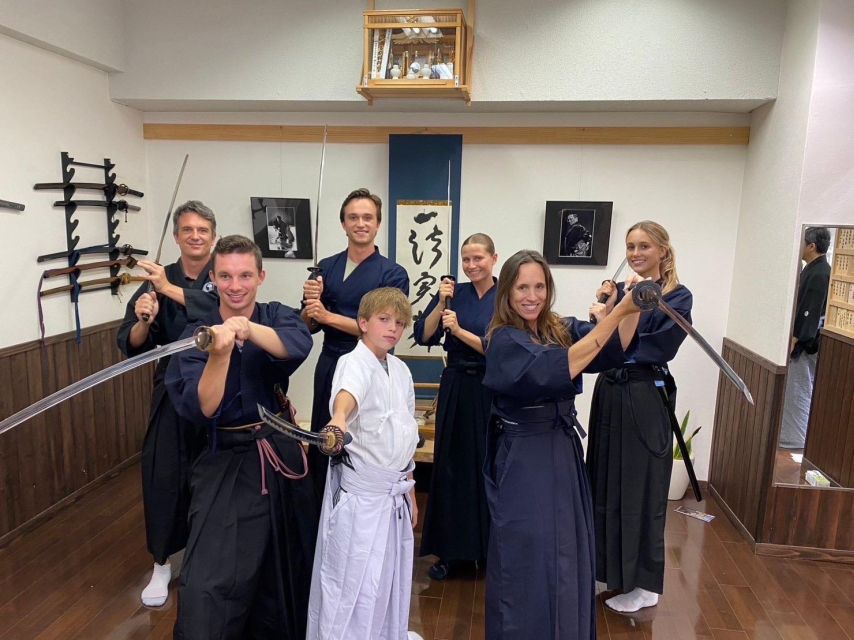
The most memorable part of this experience is that you do not just watch a samurai show. You put on traditional clothing, learn basic Iaido movements, and handle a katana under a master’s direction. The session then builds to a performance with a Shinken, or real sword, giving the old art a serious edge.
I like the hands-on format and the chance to ask questions at the end. I also like that the activity connects modern practice with the samurai spirit and pride passed down through Japanese martial arts. The main consideration is that the experience is not suitable for children under five or wheelchair users, and the exact starting time must be checked before booking.
In This Review
- Key points to know before booking
- From modern Japan into the samurai era
- Changing into samurai clothing
- Learning the first Iaido movements
- Handling the katana under supervision
- The master’s Shinken performance
- Photos and questions with the master
- What the $161 price includes
- Who will enjoy this Iaido lesson?
- Timing and meeting point details
- What makes the experience worth doing?
- Should you book the Samurai Experience?
- FAQ
- Where does the Iaido experience take place?
- Where does the activity end?
- How long does the experience last?
- What languages are available?
- What is included in the price?
- Is food included?
- What should I bring?
- Can children or wheelchair users take part?
Key points to know before booking
- Practice the katana yourself: You learn basic movements and sword handling rather than watching from the sidelines.
- Watch a real-sword performance: The master demonstrates with a Shinken, adding a powerful final act to the lesson.
- Wear rented traditional clothing: Changing outfits helps set the mood and makes the final photographs more special.
- Learn from an English-speaking instructor: English and Japanese instruction are available, so you can follow the teaching and ask questions.
- Allow a full activity day on your schedule: The experience is listed as lasting one day, with starting times shown during booking.
- Pay $161 per person: The fee includes the activity, outfit, katana rental, and travel insurance, but not food, drinks, or transport.
From modern Japan into the samurai era
Iaido is a Japanese martial art centered on drawing, handling, and returning the sword with control. This experience gives you a beginner-level look at that discipline in a dojo in the Kanto Region.
You are not signing up for a sword-fighting lesson in the action-movie sense. The focus is on posture, movement, discipline, and the proper use of the katana. That distinction matters. Iaido is careful and formal, and the value comes from learning why each movement is performed in a particular way.
I like that the activity presents the samurai as more than a costume theme. The teaching links the practice to the values associated with the samurai era, including pride, focus, and respect. The experience also points to the long survival of the tradition, with Iaido still taught across generations and through international organizations.
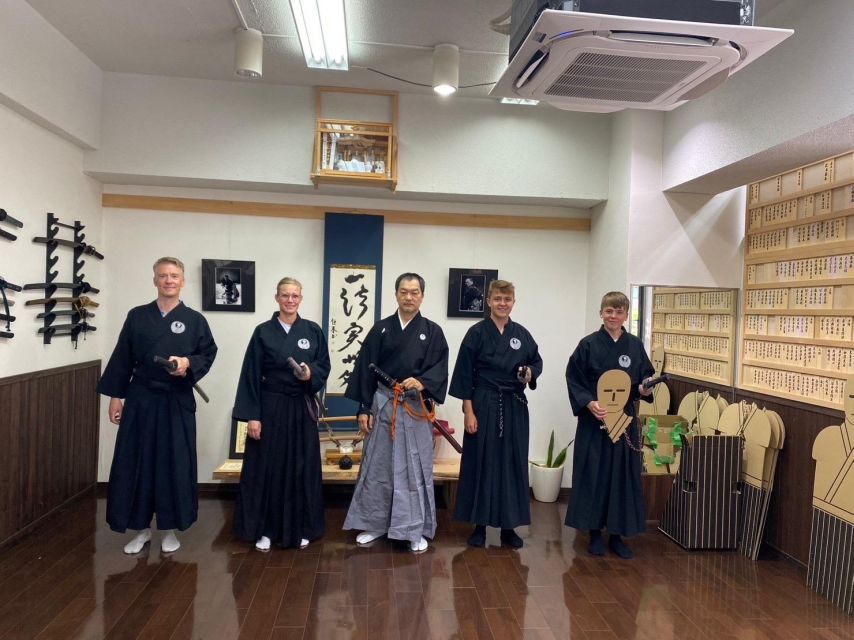
The setting helps, too. The lesson takes place at a dojo rather than at a large sightseeing attraction. You arrive at the meeting-point building and go to the third floor, where the class is held. That simple arrival makes this feel closer to a real martial arts lesson than a staged cultural show.
More samurai and ninja sessions:
- Tokyo: Samurai Ninja Museum Guided tour and Experience
★ 4.6 · 1,010 reviews - Tokyo: Samurai Sword & Archery Class from Samurai Descendant
★ 5.0 · 603 reviews - Best Samurai Experience in Tokyo
★ 5.0 · 458 reviews
Changing into samurai clothing
The first step is changing into the provided outfit. Rental clothing is included, so you do not need to pack anything special for the activity. You should wear comfortable clothes underneath, since you will be moving through basic sword exercises.
This part may seem like a small detail, but it changes the tone of the session. Once you are dressed for the practice, the lesson feels less like a quick photo stop and more like a formal introduction to an old Japanese art.
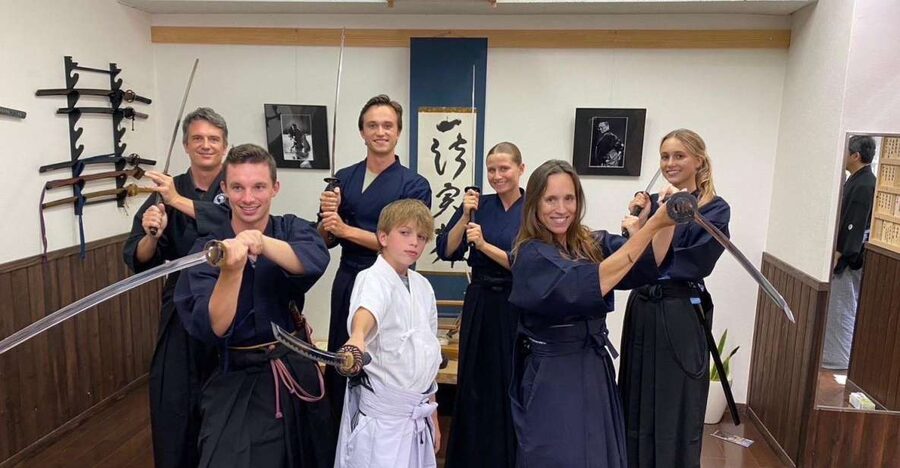
The outfit also matters at the end, when you take commemorative photos with the master. If you want a picture that feels connected to the activity rather than a standard tourist portrait, keep your phone or camera ready for that moment.
The practical point is to avoid stiff or restrictive clothing underneath. You will be learning movements that require attention to balance and arm position. Comfortable clothes will make it easier to focus on the instructor rather than on what you are wearing.
Learning the first Iaido movements
After changing, the master explains the basic movements of Iaido. The class is designed for people who are new to the art, so you do not need prior martial arts training according to the information provided.
The lesson covers the fundamentals before moving on to the katana. That order is important. You first get a sense of the movements, then learn how the sword fits into them. This gives you a better idea of why Iaido is built around control and exact form.
Instruction is available in English and Japanese. The English option is useful for visitors who want more than a silent demonstration. You can follow explanations, listen to corrections, and save your questions for the final Q&A.
I would approach this part with patience. The goal is not to perform a fast routine on your first attempt. The more useful souvenir is an understanding of how much concentration goes into a short, polished movement.
Handling the katana under supervision
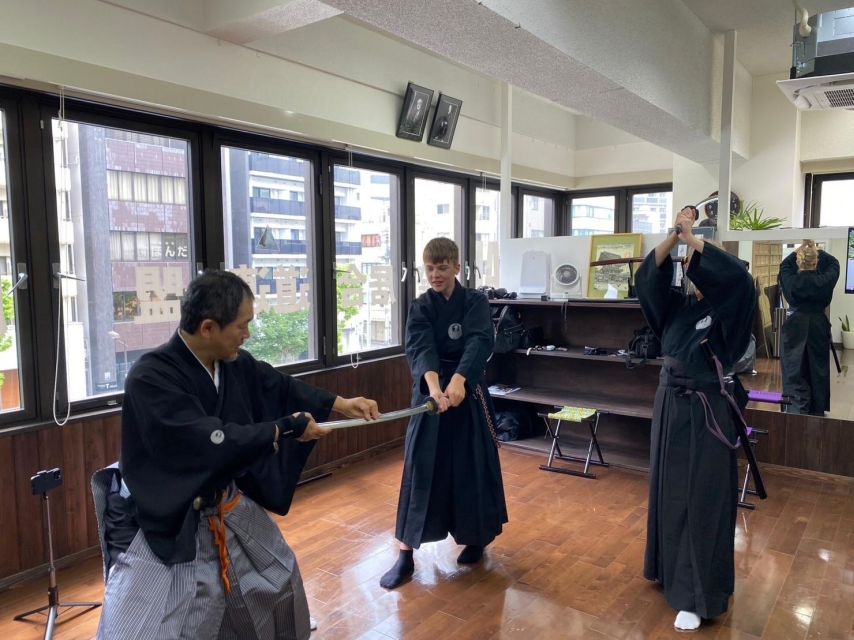
The central part of the experience is learning how to use the katana. A rental sword is included, and the master guides you through its basic handling.
The supplied information does not specify whether the participant’s sword is a wooden practice sword, an unsharpened replica, or another training model. You should follow the master’s instructions closely and treat the equipment with care. The real sword appears later in the master’s performance, not as part of your own practice.
This separation is sensible. It lets you take part without turning the session into a risky stunt. You still get the feel of the movements and the discipline of the art, while the highly controlled Shinken work remains with the expert.
The hands-on element is one of the strongest reasons to choose this activity. Many cultural demonstrations ask you to sit and watch. Here, you take an active role and gain a clearer sense of the coordination involved.
It is also a good fit for people who love Japanese history but want more than a museum display. You will not simply hear about the samurai era. You will learn a small part of the physical practice that keeps its traditions alive.
A few more Tokyo bookings worth comparing
- Mt Fuji and Hakone 1-Day Bus Tour Return by Bullet Train
★ 5.0 · 26,383 reviews - 1-Day Tokyo Bus Tour
★ 5.0 · 14,250 reviews - Tokyo: TOKYO SKYTREE® Admission ticket
★ 4.5 · 11,192 reviews - Tokyo: teamLab Planets TOKYO Digital Art Museum Entry Ticket
★ 4.6 · 9,779 reviews
The master’s Shinken performance
The final performance with a Shinken, or real sword, is likely to be the most dramatic section of the day. The master demonstrates the weapon at a level that a beginner cannot safely reproduce.
This is where the lesson’s earlier movements gain more meaning. After practicing basic form yourself, you can better appreciate the speed, control, and precision required in a polished performance. The contrast between your first attempts and the master’s skill is part of the fun.
The experience also includes a show fight by pupils, based on the supplied feedback. That adds another layer to the demonstration and gives you a chance to see how the techniques can be presented in performance form.
The sword display is impressive, but it is worth keeping your expectations grounded. This is a cultural martial arts lesson, not a full-day historical reenactment or a movie set. The performance is one section of a wider class built around instruction and tradition.
Photos and questions with the master
After the practice and demonstrations, you can take commemorative photos with the master. Since you have already changed into the rented outfit, this is a natural time to capture a souvenir.
The Q&A is another useful feature. You can ask about Iaido, the katana, the samurai era, or the points raised during the lesson. The instructors are described as helpful and able to answer questions, which makes this part more than a quick goodbye.
If you have a particular interest in Japanese martial arts, prepare a few questions before arriving. You may want to ask about the meaning of Iaido movements, the difference between practice swords and a Shinken, or how the art has continued into modern Japan. The exact questions you can ask will depend on the time available, but the format gives you a clear chance to speak directly with the master.
The experience ends at the same meeting point after the Q&A. There is no hotel pick-up or drop-off, so you need to arrange your own way to and from the dojo.
What the $161 price includes
At $161 per person, this is not a low-cost sightseeing stop. I think the value depends on what you want from your time in Japan.
The fee includes the activity itself, rental clothing, a katana, and travel insurance. Those inclusions matter because you do not need to arrange a costume or sword rental separately. You are paying for instruction, equipment, the demonstration, and a guided cultural encounter in one booking.
The price makes more sense if you actively enjoy Japanese history, martial arts, or hands-on cultural activities. If you only want a quick samurai photo, it may feel expensive. If you want to learn basic movements, handle a katana, watch a Shinken performance, and speak with the master, the package offers more substance than a short photo session.
Food and drinks are not included. The provided information also does not include transportation, hotel transfers, or a specific meal break. Plan your food and local transport separately, and check the meeting details carefully before setting out.
You can reserve now and pay later, which helps if your route through Japan is still changing. Free cancellation is available up to 24 hours in advance for a full refund. Those terms give you some protection, but you should still check the exact booking conditions before confirming.
Who will enjoy this Iaido lesson?
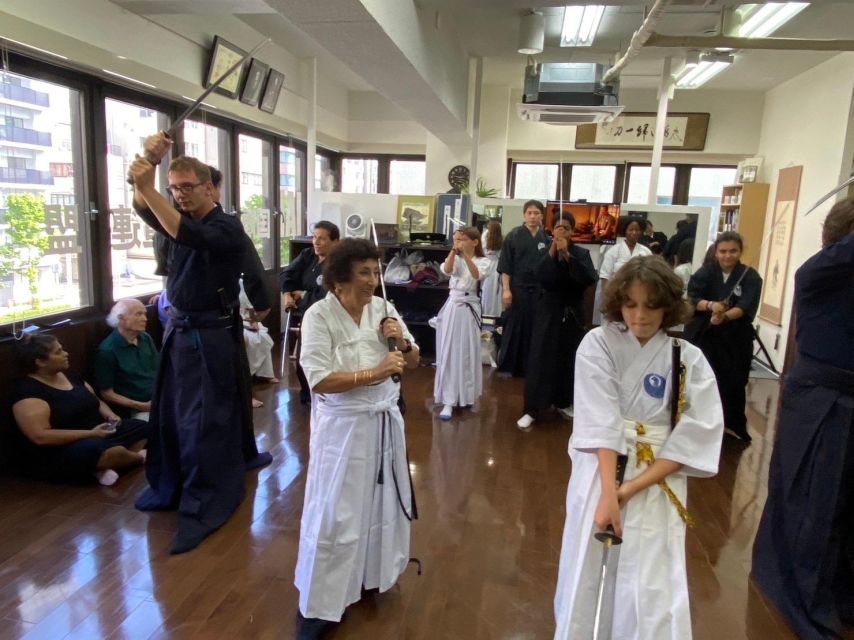
I would recommend this experience most strongly to:
- People fascinated by samurai history
- Visitors who prefer doing an activity rather than only watching one
- Beginners curious about Japanese martial arts
- Couples, friends, and solo visitors looking for unusual cultural memories
- Adults and older children who can follow careful instructions
- Anyone who wants a photo in traditional clothing with a martial arts master
It is not suitable for children under five. It is also not suitable for wheelchair users, so check your own mobility needs before reserving.
You do not need to be an experienced athlete. The class teaches basic movements, and the instructor guides you through the process. Still, you should be comfortable standing and moving through a martial arts lesson, and comfortable clothes are required.
The available languages are English and Japanese. That makes the experience more approachable for international visitors, especially during the explanations and Q&A.
Timing and meeting point details
The activity is listed as lasting one day, but a precise number of hours is not provided. Starting times vary, so check availability before booking and build the rest of your day around the selected time.
The Iaido session takes place on the third floor of the meeting-point building. The activity ends back at that same meeting point after the Q&A.
Because no hotel transport is included, leave enough time to reach the building and locate the correct floor. You should also bring only what you need for the lesson. Comfortable clothes are the main item requested.
The lack of a stated session length is the one timing detail I would clarify before making other plans. If you hope to visit another attraction immediately afterward, do not assume you will be finished at a particular hour until the available start time and duration are clear.
What makes the experience worth doing?
The strongest part is the balance between participation and performance. You learn the fundamentals yourself, then watch the master use a real sword. That sequence gives the show more weight because you have already felt how demanding even the basic movements can be.
I also like the cultural setting. The experience presents Iaido as a living practice rather than a costume from a closed chapter of history. The idea that samurai pride and spirit continue through modern teaching gives the activity a wider purpose.
The instructors’ attitude is another plus. The feedback describes the teaching as professional, kind, and helpful, with questions answered clearly. One particularly useful detail is the positive response to the master’s fun teaching style and the assistance given during the demonstration.
There are limits. You will not explore several historic sites, eat a traditional meal, or receive hotel transfers. The exact session length and class size are also not provided. This is best understood as a focused dojo activity, not a full tour of Japanese samurai history.
Should you book the Samurai Experience?
Book it if you want to handle a katana, learn basic Iaido, and see a master perform with a Shinken. The activity earns its price through direct participation, rented clothing and equipment, a final demonstration, and time for questions.
Think twice if you are looking for a cheap photo opportunity, a broad sightseeing tour, or an activity with transport and food included. The session requires you to reach the meeting point yourself, and the exact timing needs checking.
For the right person, this is a memorable way to connect with Japan’s samurai tradition. You leave with photographs, a clearer sense of Iaido, and a better understanding of the control behind the sword work. That is a worthwhile day for anyone who would rather learn a little than simply pose beside a replica sword.
FAQ
Where does the Iaido experience take place?
It takes place in the Kanto Region of Japan. The session is held on the third floor of the meeting-point building.
Where does the activity end?
The activity ends back at the same meeting point after the Q&A.
How long does the experience last?
It is listed as lasting one day. Check availability for the starting times, and confirm the exact schedule when booking because a specific number of hours is not provided.
What languages are available?
Instruction is available in English and Japanese.
What is included in the price?
The price includes the activity fee, rental outfits, a rental katana, and travel insurance.
Is food included?
No. Food and drinks are not included.
What should I bring?
Bring comfortable clothes. The outfit and katana are provided.
Can children or wheelchair users take part?
The activity is not suitable for children under five or wheelchair users.
New on our Tokyo list
- Sumi-e Experience in a relaxing green tea shop in Tokyo★ 5.0 · 3 reviews
- Tokyo : Kamikaze Street Drift Ride★ 5.0 · 3 reviews
- Private Zen Meditation in English in Shinjuku, Tokyo★ 5.0 · 3 reviews
- Onsen Spa in Tokyo and Asakusa Bar Hopping with Local Guide★ 5.0 · 3 reviews
- Easy for everyone! Now you can play handmade mini shamisen and show off to everyone! Musical instruments, sweets and live music★ 5.0 · 3 reviews
- Tokyo: Private Tsukiji Street Food & Sake with Local Guide★ 5.0 · 3 reviews
- Mt Fuji Exploration Tour with Free Japanese Kusa Mochi from Tokyo★ 4.5 · 3 reviews
- Tokyo Tsukiji Fish Market Walking and Exploring Hidden Gems Tour★ 5.0 · 3 reviews
Samurai & Ninja Experiences, compared.
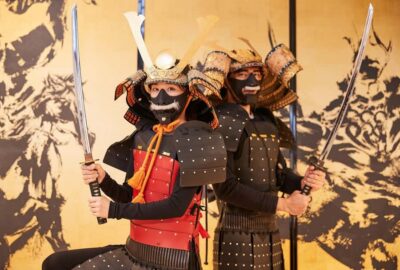
Samurai Ninja Museum Guided tour and Experience
Read our review →
Samurai Sword & Archery Class from Samurai Descendant
Read our review →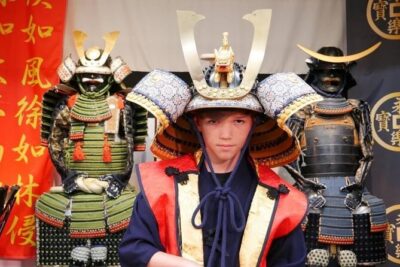
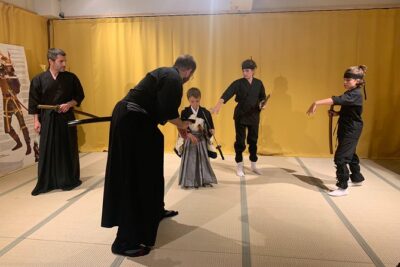
Ninja Experience (Family Friendly) at Samurai Ninja Museum TOKYO
Read our review →
Samurai Entertainment Night Show in Kanda Shrine
Read our review →
Tokyo Sword Experience – includes Museum Ticket/Ninja Experience
Read our review →
Samurai Ninja Museum Asakusa: Samurai Sword Lesson & Tour
Read our review →
Ninja Samurai 2-hour hands-on lesson by Japanese master in Tokyo
Read our review →Browse the lists this tour appears in