Reviewed · GUIDED
Private Custom Tour in Tokyo with a Bilingual Japanese Guide
Tokyo is easiest to understand when someone helps you connect the dots between a forested shrine, a crowded crossing, a neighborhood market, and an ordinary train ride. This private tour with Nobu, a bilingual Japanese guide who has also spent years in the West, lets you build that kind of day around your interests. I like the flexible route and the practical help with restaurants and public transportation. I also like that you can mix famous sights with places you might not reach alone.
The main consideration is cost and planning. At $112.75 per person, the tour can be good value for a private group, but train fares, taxis, food, and entrance fees are extra. The three to eight-hour range is wide, so you should settle the pace and priorities before you meet.
In This Review
- Key points to know before booking
- Why a custom Tokyo tour can save you time
- Meiji Shrine and Takeshita Street: quiet woods, loud youth culture
- Shibuya: the crossing is only the beginning
- Asakusa and Senso-ji: Tokyo’s old customs in plain view
- Tsukiji: a food stop with extra costs
- Ginza: polished shopping and modern Tokyo
- Shinjuku: neon sights and a free city view
- Shimokitazawa: a younger, more creative neighborhood
- The Imperial Palace and the story of Edo
- What Nobu adds beyond sightseeing
- Walking, pickup, and the real cost of the day
- Who should book this private Tokyo experience?
- Should you book it?
- FAQ
- How long does the private Tokyo tour last?
- Is the tour private?
- Who leads the tour?
- Can I customize the itinerary?
- Is hotel pickup included?
- Are transportation fees included?
- Are food, drinks, and entrance fees included?
- What happens if the weather is poor?
Key points to know before booking
- Nobu leads a private, bilingual tour with local insight and a clear understanding of Western visitors.
- You help shape the route through a pre-tour questionnaire and your own requests.
- Major Tokyo sights can be combined with neighborhoods such as Shimokitazawa and local food areas.
- Central Tokyo hotel pickup is included, with the meeting taking place on foot in your hotel lobby.
- Public transportation guidance is part of the experience, useful for the rest of your trip.
- The pace can change, but you should expect a walking tour and have moderate physical fitness.
Why a custom Tokyo tour can save you time
Tokyo is not hard because the sights are obscure. It is hard because the city is huge, the districts feel very different, and a day can disappear in transfers, wrong turns, or indecision over where to eat.
That is where this format makes sense. You can tell Nobu what matters to you before the tour, then shape the day around temples, food, shopping, neighborhoods, or first-time Tokyo highlights. You are not tied to a fixed bus route or a large group waiting for everyone to take photos.
The route can last from three to eight hours. Three hours works for a focused introduction, such as Meiji Shrine and Shibuya. A longer day gives you room to connect several areas, though you should remember that Tokyo’s size means every added district may bring more train time and walking.
I especially like the chance to ask for help with restaurants. One review describes the private guidance through restaurant choices as a major benefit, and that is a practical advantage in Tokyo, where menus, queues, ordering customs, and neighborhood choices can feel confusing at first.
The guide can also show you how to use Tokyo’s public transportation. That help may be worth more than a single scenic stop. Once you understand the basic route and station habits, you can explore on your own for the rest of your stay.
A few more Tokyo bookings worth comparing
- Mt Fuji and Hakone 1-Day Bus Tour Return by Bullet Train
★ 5.0 · 26,383 reviews - 1-Day Tokyo Bus Tour
★ 5.0 · 14,250 reviews - Tokyo: TOKYO SKYTREE® Admission ticket
★ 4.5 · 11,192 reviews
Meiji Shrine and Takeshita Street: quiet woods, loud youth culture
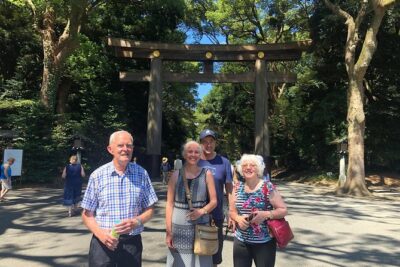
Meiji Shrine gives you one of Tokyo’s sharpest changes of mood. It sits in a wooded setting in the middle of the city and offers a calm introduction to Shinto customs.
You can expect guidance on the local practices used at the shrine, rather than simply a quick photo stop. The setting is peaceful, but the walk can still take energy, especially if you are combining it with several other districts.
Afterward, Takeshita Street turns the volume back up. The area is known for unusual desserts, colorful clothing, and animal cafes. It is a useful stop if you want to see Tokyo’s playful youth culture and not just its historic monuments.
The contrast is the point. In a short distance, you move from a major religious site to a crowded shopping street built around fashion, snacks, and novelty. I would ask Nobu in advance how much time to allow here, since shoppers and people interested in food may want a slower visit than those seeking a quick look.
Shibuya: the crossing is only the beginning
Shibuya’s Scramble crossing is one of Tokyo’s signature scenes. From the surrounding streets, you can watch large waves of pedestrians cross in several directions at once.
The nearby Hachiko statue adds a human detail to the district’s polished image. The surrounding streets are packed with shops and restaurants, so Nobu can help you see more than the crossing itself and point out practical places to eat or browse.
Shibuya works well early in a Tokyo introduction because it shows the city’s modern pace. It also gives you a chance to ask questions about getting around. Stations and underground routes can be confusing, and the tour includes tips for using public transportation.
There is a tradeoff. Shibuya is famous for a reason, but it is not a quiet or slow-paced stop. If you prefer small streets and local atmosphere, ask Nobu to keep this visit focused and use the remaining time for Shimokitazawa or another neighborhood.
Asakusa and Senso-ji: Tokyo’s old customs in plain view
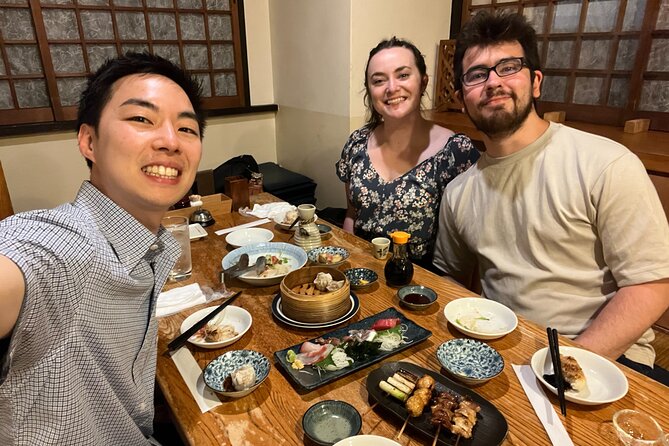
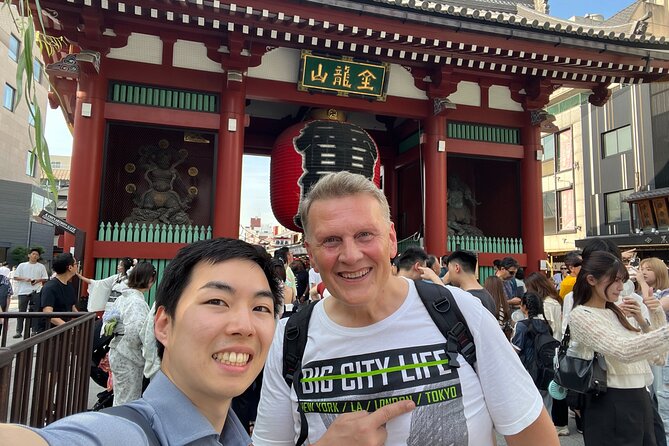
Asakusa offers a different side of the city, centered on Senso-ji, Tokyo’s oldest temple. The visit includes an introduction to local customs and traditions practiced at the site.
Nakamise Shopping Street leads toward the temple and is a lively place to browse traditional snacks and souvenirs. It gives you a more old-fashioned visual setting than Shibuya or Ginza, though it is still a popular stop and can feel crowded.
This is one place where a bilingual local guide adds useful context. You can ask what you are seeing, how to behave, and what the different parts of the visit mean. You do not have to guess your way through a religious site.
I would use Asakusa for cultural context rather than a long shopping session. If you want to buy gifts, the street may suit you. If you already plan to spend heavily on souvenirs, tell Nobu so the day does not become too shop-heavy.
Same corner of Tokyo, a completely different plan:
- Tokyo: teamLab Planets TOKYO Digital Art Museum Entry Ticket
★ 4.6 · 9,779 reviews - Mt Fuji & Hakone Cruise, Drum Show Bullet Train 1 Day from Tokyo
★ 4.0 · 7,413 reviews - Tokyo: Sumo Show Experience with Chicken Hot Pot and a Photo
★ 4.8 · 6,678 reviews - Tokyo: Shinjuku Food Tour (13 Dishes at 4 Local Eateries)
★ 5.0 · 6,603 reviews
Tsukiji: a food stop with extra costs
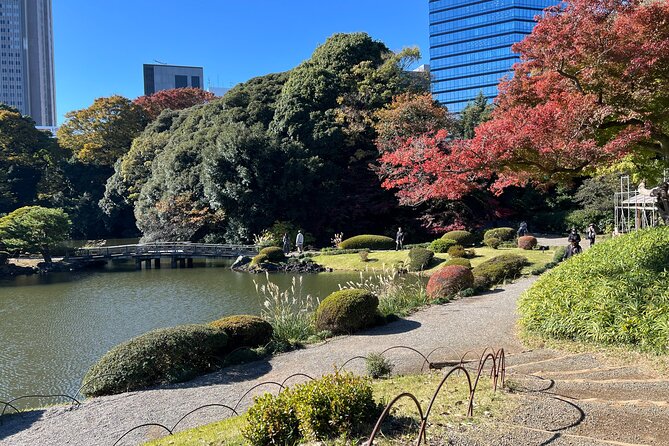
Tsukiji was once the world’s largest fish market, and its market area still draws people looking for fresh food. The tour can include sushi, grilled skewers, and other popular Japanese foods.
This is a good place to make your preferences clear. Some people want a quick taste; others would rather spend time choosing food and watching the market activity. Since food and drinks are not included, you pay separately for anything you sample.
The benefit is simple: you have someone who can help you navigate a food-focused area and make choices with more confidence. That can be particularly useful if you are unsure about what to order or how to fit a meal into the day.
Tsukiji can also complicate the schedule. Food stops take time, and appetite varies within a private group. If you have children, dietary restrictions, or a firm sightseeing list, include those details in your pre-tour planning.
Ginza: polished shopping and modern Tokyo
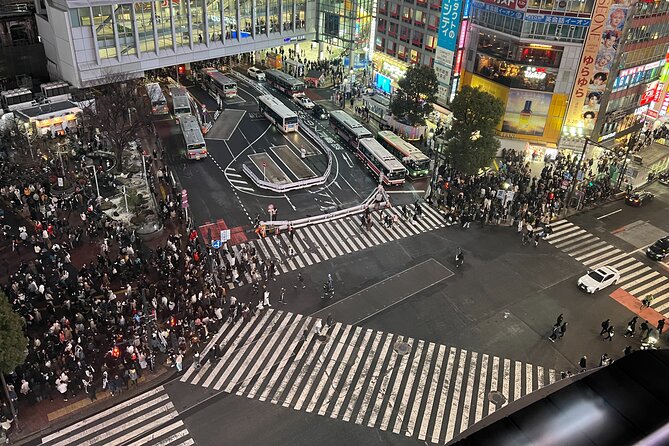
Ginza is the city’s high-end shopping district, with flagship stores, fine dining, art galleries, and modern architecture. It is also a useful place to look for high-quality Japanese gifts.
This stop makes sense for visitors who enjoy design, shopping, or city architecture. You can ask Nobu to focus on department stores, gifts, galleries, or the streets themselves.
Ginza is less about traditional Tokyo and more about the city’s refined commercial side. That contrast helps round out the tour, especially if you want to compare old temple districts with modern retail centers.
Keep the price in mind. The tour fee does not include purchases, food, drinks, transportation, or attraction admissions. Ginza can be enjoyable without buying anything, but shoppers should set their own budget before arriving.
Shinjuku: neon sights and a free city view
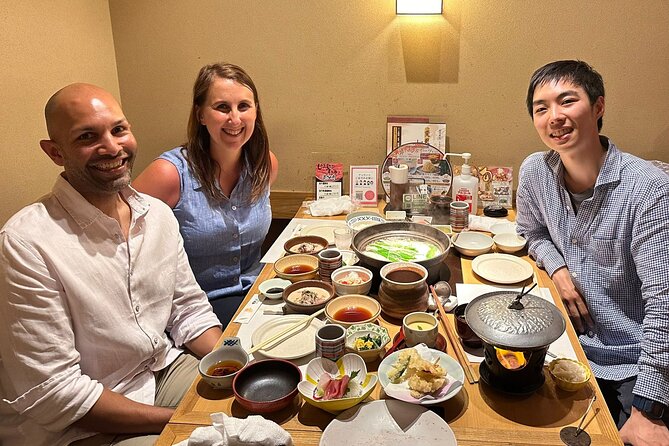
Shinjuku packs dining and shopping into one of Tokyo’s most active districts. The suggested highlights include the giant Godzilla head, the famous three-dimensional cat billboard, and the free observation deck at the Tokyo Metropolitan Government Building.
The observation deck is a strong value stop because there is no entrance fee. It gives you a chance to see Tokyo from above without adding another paid attraction to the day.
The pop-culture sights are quick and memorable. Godzilla and the cat billboard show Tokyo’s fondness for oversized digital spectacle, while the district’s restaurants and shops offer more time-consuming options.
Shinjuku can be a good choice for an evening-oriented route, but the tour’s exact timing is flexible rather than fixed. Tell Nobu if you care most about the observation deck, dining, shopping, or the visual highlights so he can use your hours well.
Shimokitazawa: a younger, more creative neighborhood
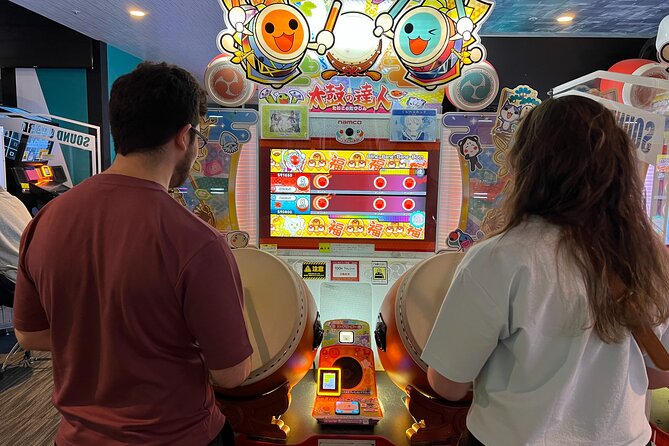
Shimokitazawa is described as Tokyo’s bohemian district, with vintage and boutique shops, live music venues, small theaters, and cozy cafes. It offers a more relaxed neighborhood feel than the big-name shopping centers.
I would choose this area if you want to see how Tokyo’s creative side fits into everyday streets. It is also a useful alternative for a repeat visitor who has already seen the major landmarks.
The district may suit you less if your first Tokyo visit is short and you want every famous sight. Because the tour is private, you can make that choice openly. A three-hour tour may not leave room for both Shimokitazawa and several major districts, while a longer booking gives you more flexibility.
The Imperial Palace and the story of Edo
The Imperial Palace is the current home of Japan’s Imperial family. It occupies the former site of Edo Castle, which was once associated with the Tokugawa shoguns, the rulers of Japan from 1603 to 1868.
This stop gives you a way to connect present-day Tokyo with the political story of Edo. It is not simply another central-city photo opportunity. The former castle site helps explain how the city developed from the seat of the shoguns into modern Japan’s capital.
The tour information does not promise entry to every palace area, so ask Nobu what can be seen during your chosen route. Any attraction admission that applies is extra.
The Imperial Palace can pair well with Asakusa or Tsukiji if you want a day that mixes history, food, and central Tokyo. It may be less appealing if you prefer shopping and contemporary neighborhoods.
What Nobu adds beyond sightseeing
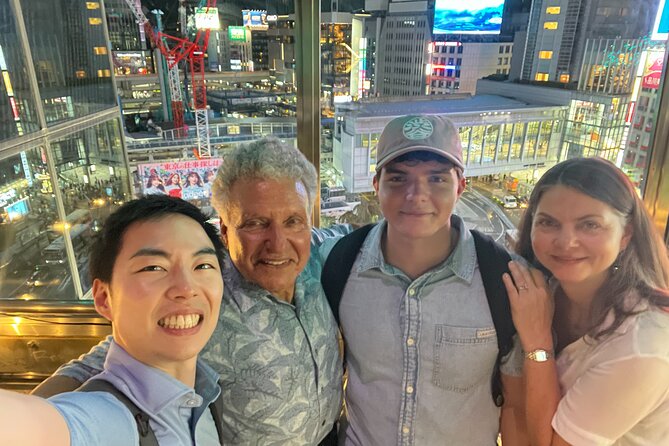
Nobu’s background is useful for this kind of tour. He is a Japanese native, fully bilingual in English, and has spent a number of years in the West. That combination can make it easier for you to ask direct questions about customs, food, neighborhoods, and daily life.
The strongest reason to book a private guide is not simply reaching a landmark. It is having someone adjust the day when your interests become clearer. You might begin with famous sights and decide you want more local neighborhoods, or start with food and need help fitting in a temple.
The personal planning also suits families and small groups. A family of four can move at its own speed, and the route can be adjusted instead of forcing everyone through a fixed timetable. The experience is private, so only your group takes part.
Several strong themes come through in the available feedback: Nobu’s friendly manner, his ability to design an itinerary around personal wishes, his help with restaurants, and his talent for showing parts of Tokyo that visitors might not reach alone. One group also used him for a first introduction to the Imperial Palace, Ueno, and an original marketplace area.
That does not mean every route will feel the same. Your preparation matters. The more clearly you describe your interests, fitness level, food needs, and must-see locations, the more useful the custom format becomes.
Walking, pickup, and the real cost of the day
Hotel pickup is offered within central Tokyo. The meeting takes place on foot in your hotel lobby, so confirm that your hotel falls within the pickup area when you book.
This is primarily a walking tour. You should have moderate physical fitness and comfortable shoes. The pace is flexible, and the route can be adjusted or taxis can be used if needed, but taxi fares are not included.
Train fares are also extra. That is important because a route joining Meiji Shrine, Shibuya, Asakusa, Tsukiji, Ginza, Shinjuku, or Shimokitazawa may require public transportation between districts.
At $112.75 per person, the value depends heavily on group size and duration. For one person or a couple booking only three hours, the price is a larger commitment. For a family or small group using a longer tour, the private planning, bilingual guidance, restaurant help, and transit instruction can make the cost easier to justify.
You should also budget separately for:
- Train or taxi fares
- Food and drinks
- Entrance fees, if required
- Shopping and gifts
The free observation deck at the Tokyo Metropolitan Government Building helps keep one part of the route affordable, but Ginza shopping and Tsukiji food can quickly add to the day’s total.
Who should book this private Tokyo experience?
I would recommend this tour most strongly if you want a flexible first look at Tokyo and prefer personal guidance over a fixed group schedule. It is also a good match for families, small groups, food-focused visitors, and anyone who wants help using the city’s trains.
It suits you particularly well if you have a mixed wish list. You can combine Meiji Shrine, Shibuya, Asakusa, and Tsukiji, then ask for Shimokitazawa or another neighborhood if time allows.
You may want a different option if you prefer a fixed sightseeing package with all admissions and transport bundled into one price. This experience leaves those costs to you, and the final route depends on your planning conversation.
The cancellation terms are straightforward: cancel at least 24 hours before the start time for a full refund. Changes made inside that window are not accepted, and poor weather may lead to a new date or a full refund. Confirmation arrives within 48 hours of booking, subject to availability.
Should you book it?
Book this tour if you want Tokyo explained by a local guide and shaped around your own interests. Nobu’s bilingual communication, restaurant guidance, transit advice, and flexible route are the real reasons to choose it, not simply the list of famous stops.
I would book the longer end of the three to eight-hour range if you want several districts. For a shorter visit, choose two or three priorities before you arrive. The best version of this experience is not an attempt to cover all of Tokyo. It is a well-paced introduction that helps you understand the city and continue exploring on your own.
FAQ
How long does the private Tokyo tour last?
The tour lasts approximately three to eight hours. You can choose the length that fits your plans and discuss the route in advance.
Is the tour private?
Yes. Only your group participates in the activity.
Who leads the tour?
The tour is led by Nobu, a bilingual Japanese native guide who speaks English and has spent several years in the West.
Can I customize the itinerary?
Yes. A pre-tour questionnaire helps shape the route around your interests. You can request major landmarks, local neighborhoods, food stops, or other preferences.
Is hotel pickup included?
Pickup is offered at hotels within central Tokyo. The meeting takes place on foot in the hotel lobby.
Are transportation fees included?
No. Train fares and taxi costs are not included. The guide can give you tips on using Tokyo’s public transportation, and taxis may be used if needed.
Are food, drinks, and entrance fees included?
No. You pay separately for food, drinks, and any attraction entrance fees that apply.
What happens if the weather is poor?
The experience requires good weather. If it is canceled because of poor weather, you will be offered a different date or a full refund.
New on our Tokyo list
- Private Zen Meditation in English in Shinjuku, Tokyo★ 5.0 · 3 reviews
- Sumi-e Experience in a relaxing green tea shop in Tokyo★ 5.0 · 3 reviews
- Tokyo : Kamikaze Street Drift Ride★ 5.0 · 3 reviews
- Onsen Spa in Tokyo and Asakusa Bar Hopping with Local Guide★ 5.0 · 3 reviews
- Easy for everyone! Now you can play handmade mini shamisen and show off to everyone! Musical instruments, sweets and live music★ 5.0 · 3 reviews
- Tokyo: Private Tsukiji Street Food & Sake with Local Guide★ 5.0 · 3 reviews
- Mt Fuji Exploration Tour with Free Japanese Kusa Mochi from Tokyo★ 4.5 · 3 reviews
- Tokyo Tsukiji Fish Market Walking and Exploring Hidden Gems Tour★ 5.0 · 3 reviews
Guided, compared.
Tokyo 6hr Private Tour with Government-Licensed Guide
Read our review →
Shinjuku Local Bar and Izakaya Guided Walking Tour
Read our review →
Private City Highlights Tour with Local Guide
Read our review →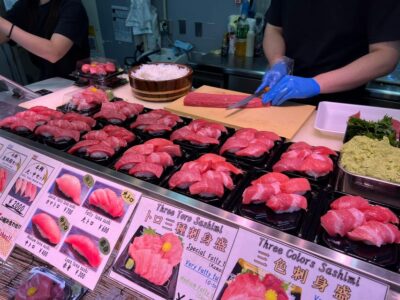
Tokyo 4hr Private Tour with Government-Licensed Guide
Read our review →
Samurai Ninja Museum Guided tour and Experience
Read our review →