Reviewed · PRIVATE
Private Custom Tour: Tokyo in a Day
Tokyo is easiest to understand when someone helps you connect its far-flung pieces. This private tour lets you plan around your own interests, from Tsukiji seafood and sake to shrines, manga, shopping, or literary Tokyo, then spend four or eight hours with only your group.
I like the hotel pickup and the choice between public transport and a private vehicle. I also like the guide’s ability to mix famous places with quieter corners, as Keiji did for a first-time visitor, or shape a food-focused day around ramen and street food. The main caution is the pace: a full public-transport day can top 20,000 steps and 14 kilometers, with stairs and some routes that are not barrier-free.
In This Review
- Key points to know before booking
- Why a custom Tokyo day can be worth it
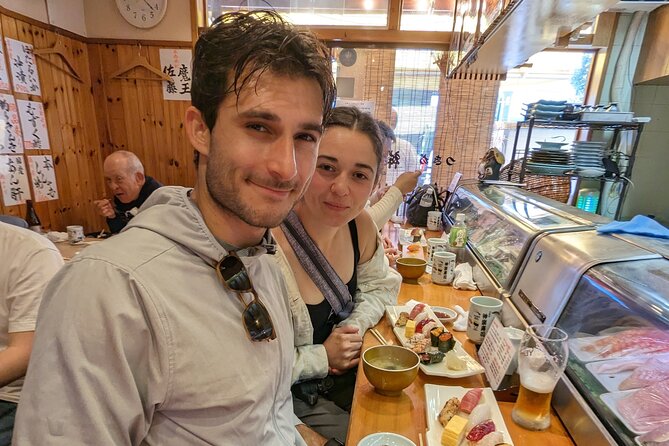
- Tsukiji begins the day with food and local flavor
- Hama Rikyu Gardens offers a quiet pause
- Asakusa brings together temple, street, and old Tokyo
- Meiji Shrine and Harajuku show two sides of Tokyo
- Yanaka Ginza slows the city down
- Ginza, Shibuya, and Akihabara fit different interests
- Trains or private car: choose based on your body and your goals
- The guide matters more than the checklist
- What the price includes, and what it does not
- Who should book this private Tokyo tour
- Should you book it?
- FAQ
- How long is the Private Custom Tour: Tokyo in a Day?
- What places can I include in the itinerary?
- Is hotel pickup included?
- Is transportation included?
- Is lunch included?
- How much walking should I expect?
- Is this a private group tour?
- Can I request a particular guide?
- Are extra attraction fees included?
Key points to know before booking
- Your interests set the route: Choose temples, markets, food, shopping, history, anime, or a special subject such as Haruki Murakami.
- The full day covers serious ground: Expect around eight hours, frequent walking, and possibly more than 20,000 steps when using trains and subways.
- Public transport feels local: Your guide can teach you how to use Tokyo’s train and subway system, not just shuttle you between sights.
- Private transport saves energy: A vehicle is available as an upgrade and can make a major difference in hot weather or for groups with mobility concerns.
- The guide can shape the experience: Shuhei, Sabina, Roy, Keiji, Yuki, and others have received strong praise, but guide assignment and availability are not guaranteed.
- Lunch depends on the option: Full-day bookings include lunch and a drink. Extra activity fees, if needed, are discussed separately.
Why a custom Tokyo day can be worth it
Tokyo is not one tidy sightseeing district. Meiji Shrine is in one direction, Asakusa in another, Tsukiji near Ginza, and Yanaka far from the neon core. You can cover these places on your own, but a private guide can help you decide what fits into the day and keep you moving when the city’s size becomes tiring.
That flexibility is the real product here. You are not locked into a fixed route. Before the tour, you can discuss what matters most: traditional culture, food, shopping, modern neighborhoods, Japanese gardens, or a particular interest. One group built part of its day around Murakami locations and even visited the jazz bar DUG, associated with Norwegian Wood. That kind of personal touch is far more useful than another standard checklist of landmarks.
You can book four hours or eight. The half-day works well for a first look, a shore excursion, or a family that wants to save energy for an evening meal. The full day gives you a chance to join several districts, but it can become a brisk city tour rather than a slow, lingering visit.
At $159.18 per person, the value depends on your group size and chosen transport. For a solo visitor or couple, it is a significant spend. For a family or small group, a private guide who handles routing, translation, local food choices, and hotel transfers can be a fair trade for the time saved. Private vehicle service may change the cost, so ask for the total before settling on a car-based plan.
A few more Tokyo bookings worth comparing
- Mt Fuji and Hakone 1-Day Bus Tour Return by Bullet Train
★ 5.0 · 26,383 reviews - 1-Day Tokyo Bus Tour
★ 5.0 · 14,250 reviews - Tokyo: TOKYO SKYTREE® Admission ticket
★ 4.5 · 11,192 reviews
Tsukiji begins the day with food and local flavor
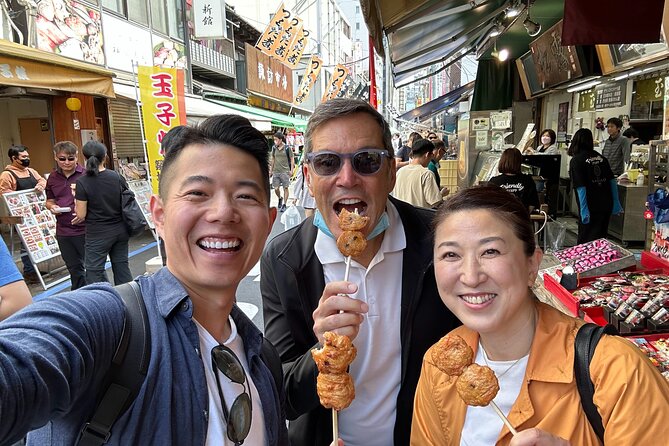
The old Tsukiji Market area is a natural starting point if you care about Japanese food. The market’s wholesale functions moved to Toyosu, but the older Tsukiji district remains a place for small food shops, seafood, snacks, and atmosphere. The tour allows about two hours here, though your exact stops depend on the conversation with your guide.
This is where a food-minded guide can make the day feel personal. One itinerary included tastings of different fish and seafood, followed by lunch chosen by the guide. Other groups stopped for ramen or a street-food meal. If you want to eat rather than simply photograph the market, say so clearly before the tour.
I would also use this time to tell your guide what you cannot eat and how adventurous you want to be. The supplied details do not promise a set tasting menu, and any extra activity fee is separate. Lunch is included with the full-day option, but not with the half-day option, so confirm what your chosen plan covers.
Two hours can pass quickly here. If you also want the Imperial Palace, Asakusa, Harajuku, and Shibuya in the same day, you may need to choose between browsing every stall and keeping the wider route intact.
Hama Rikyu Gardens offers a quiet pause
Hama Rikyu Gardens gives the day a welcome change of tempo. The former feudal garden is known for landscaped paths, ponds, and a traditional tea setting, with views that connect old Tokyo to the modern city around it. The suggested visit lasts about an hour and may include green tea and traditional sweets.
This stop is especially useful after Tsukiji. You move from market noise and food stalls into a calmer setting without leaving the central part of Tokyo. It also gives your guide room to explain Japanese garden design, tea customs, or the city’s older political history, depending on your interests.
The Imperial Palace is another possible choice in this part of the day. You should not assume that every optional attraction is included or available. Operating dates can affect access, and optional attractions may carry an extra fee. Discuss the exact plan before the tour starts.
If you prefer gardens and old Tokyo to shopping, tell your guide. Koishikawa Korakuen is also suggested as an alternative garden, especially if you want a more garden-focused route. A custom tour works best when you make those priorities clear instead of asking to see everything.
Asakusa brings together temple, street, and old Tokyo
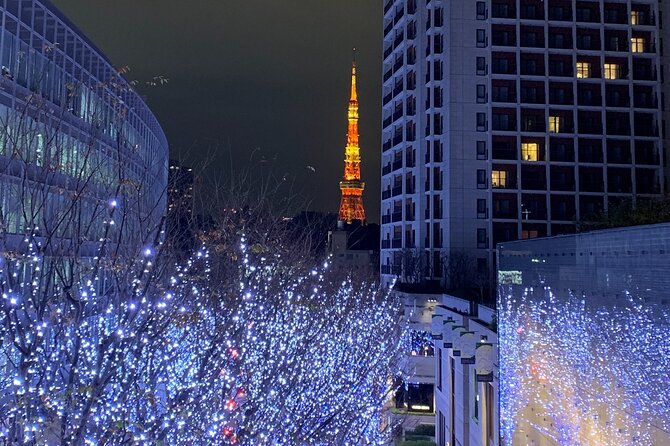
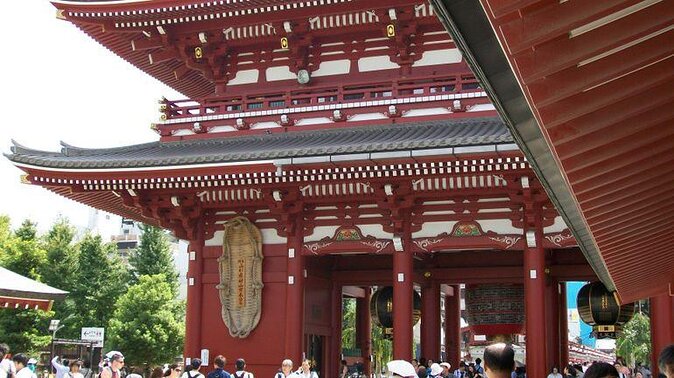
Asakusa is the classic traditional-Tokyo stop. The district centers on Senso-ji, Tokyo’s best-known Buddhist temple, and the streets around it offer an easy introduction to temple architecture, religious customs, souvenirs, and traditional snacks. The suggested time here is about two hours.
I like Asakusa on a first day because it gives you cultural context without requiring a specialist interest. Your guide can explain how to behave at a shrine or temple, what you are seeing, and how Buddhist and Shinto traditions appear in everyday life. The nearby shopping streets also make the area appealing to families and visitors who want small gifts.
The drawback is crowding. Asakusa is popular, and a two-hour visit can feel short if you want temple time, shopping, food, and photographs. If you are more interested in quiet lanes than major sights, ask your guide to reduce the shopping portion or pair Asakusa with Yanaka instead.
The private format helps here. You can stop for questions, adjust the pace, or leave if the family has had enough. That is different from a large group tour, where the route and departure time are fixed.
Same corner of Tokyo, a completely different plan:
- Tokyo: teamLab Planets TOKYO Digital Art Museum Entry Ticket
★ 4.6 · 9,779 reviews - Mt Fuji & Hakone Cruise, Drum Show Bullet Train 1 Day from Tokyo
★ 4.0 · 7,413 reviews - Tokyo: Sumo Show Experience with Chicken Hot Pot and a Photo
★ 4.8 · 6,678 reviews - Tokyo: Shinjuku Food Tour (13 Dishes at 4 Local Eateries)
★ 5.0 · 6,603 reviews
Meiji Shrine and Harajuku show two sides of Tokyo
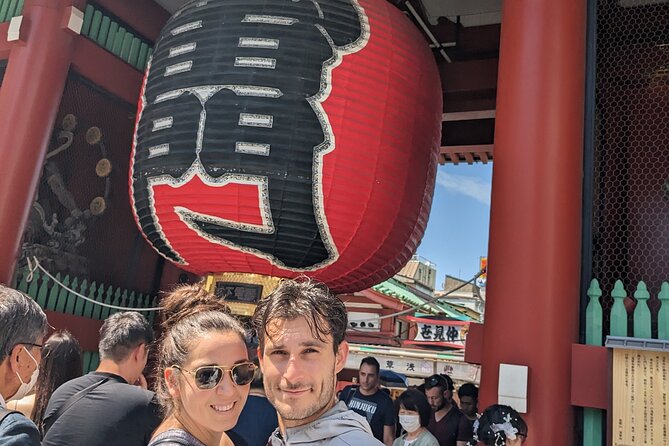
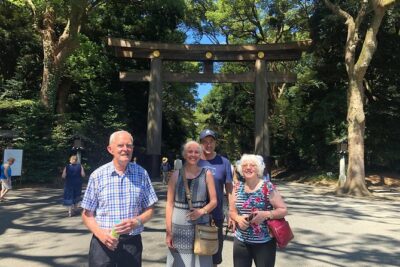
Meiji Jingu Shrine sits in a wooded setting near Harajuku. It is a major Shinto shrine dedicated to Emperor Meiji and Empress Shoken, and the approach through the trees creates a sharp contrast with the dense city nearby. The suggested visit is about one hour.
Your guide can explain purification, shrine etiquette, offerings, and the role of Shinto practices. You might also see ceremonial activity, depending on the day. One family happened upon festival dancers, while another visitor used the opportunity to collect shrine stamps. These moments are not guaranteed, but they show why a flexible route can pay off.
After the shrine, Takeshita Street gives you a very different Tokyo. Its narrow shopping street is associated with youth fashion, novelty shops, and Harajuku’s playful side. The itinerary allows about an hour, but the street can easily stretch that time if you are shopping with teenagers.
This pairing works well for families. One parent can get a cultural stop, while younger visitors get modern Tokyo. It may not work as well for someone who dislikes crowds or shopping streets. In that case, Omotesando, nearby architecture, or a longer shrine visit may suit you better.
Yanaka Ginza slows the city down
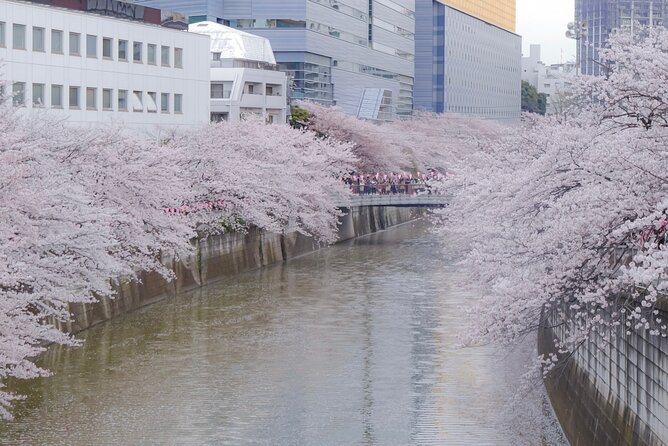
Yanaka Ginza Shopping Street is suggested as a quieter alternative to Tokyo’s major commercial districts. The area is known for traditional crafts, small shops, and souvenirs, with a more neighborhood feel than Ginza, Shibuya, or Harajuku. The planned time is about an hour.
I would choose Yanaka Ginza if you want a less polished, more everyday side of the city. It gives you a chance to browse local goods and take home something more distinctive than a standard department-store souvenir. The stop also pairs naturally with a discussion of older Tokyo neighborhoods.
You do need to consider geography. Tokyo’s districts are spread out, and time spent reaching Yanaka may mean less time at Shibuya, the Imperial Palace, or Tsukiji. This is exactly the sort of choice your pre-tour planning should settle. A custom itinerary is valuable because you can choose the kind of Tokyo you want, not because it lets you fit every district into eight hours.
Ginza, Shibuya, and Akihabara fit different interests
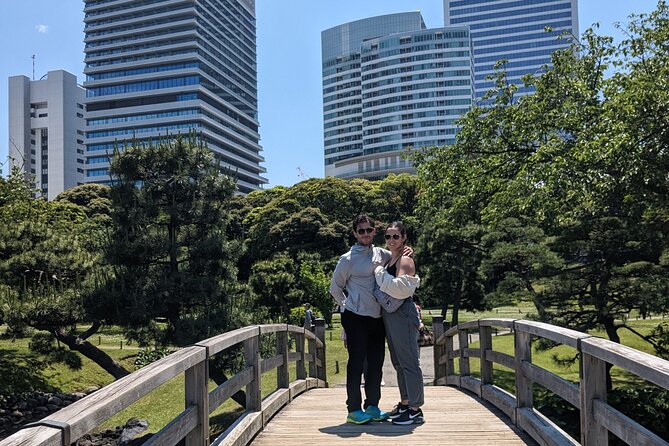
The tour can be built around several other districts. Ginza suits shoppers looking for major fashion brands, department stores, and a polished central-city setting. It can also appeal to visitors interested in unusual Japanese goods, including shops connected with swords and traditional crafts.
Shibuya offers modern Tokyo at full volume, with its famous crossing and dense mix of shops, restaurants, and entertainment. It is a good choice if you want contemporary city life or a landmark that younger family members already recognize. Shibuya also worked well for the Murakami-focused itinerary described above.
Akihabara is the obvious choice for electronics, video games, and manga. If those subjects are central to your trip, say so early. An hour in Akihabara may be enough for an introduction, but not enough for serious shopping across several stores.
The guide’s job is not simply to name the districts. A strong day links them to your interests. Roy, for example, was praised for choosing a local lunch place and keeping a steady pace through a walking-heavy route. Keiji was especially effective for visitors who wanted both old Tokyo and newer neighborhoods, plus practical help using the subway later in the trip.
Trains or private car: choose based on your body and your goals
The public-transport option is one of the most useful parts of this experience. Tokyo’s trains and subways are fast and extensive, but transfers, stairs, station corridors, and confusing exits can wear you down. With a guide, you can learn how the system works while using it to reach the sights.
That choice also makes the day feel more like ordinary Tokyo life. You are not sealed inside a vehicle. You see commuters, station signs, neighborhood streets, and the distance between districts. Several people found the tour useful as a practical lesson for using the subway on their own later.
The physical cost is real. An eight-hour public-transport route averages more than 20,000 steps, or roughly 14 kilometers. Some routes have stairs and are not barrier-free. Hot weather makes this harder, and one group completed close to 20,000 steps during a very hot day.
Choose a private vehicle if you have mobility concerns, children who tire easily, heavy luggage, or a strong wish to cover many districts. A driver and guide can also make a full day more comfortable. One group used a van to visit shrines, temples, old shopping areas, and modern districts.
A car does not eliminate traffic or walking at the sights. It also changes the feel of the experience and may cost more. If you want to learn the transit system, choose public transport. If your main goal is efficient coverage with less station walking, ask about the private-vehicle upgrade.
The guide matters more than the checklist
The strongest part of this tour is the human element. Guides such as Shuhei, Sabina, Roy, Keiji, Yuki, Yoshi, Mami, Minoru, Kahori, and Ken have all been praised for adjusting routes and responding to different groups. You may be able to request a guide, but availability is not assured.
Shuhei appears particularly suited to food-focused days. He has led groups to seafood tastings, ramen, street food, and local restaurants, while also explaining the sites along the way. Sabina has been especially attentive to family needs and mobility concerns, and she has handled itineraries built around the Imperial Palace, Senso-ji, Meiji Shrine, and the tombs of the 47 ronin at Sengaku-ji.
Roy and Keiji are good names to keep in mind if your priority is city orientation and public transport. Yuki has been praised for a warm, flexible first-day introduction. Minoru is a natural fit for a Murakami-themed route if he is available.
Language ability can vary. The vast majority of the feedback is strongly positive, but one lower-rated experience cited limited English from the guide, while another called the English adequate but not as strong as expected. If detailed historical explanation is essential to you, state that when booking and ask what language support is available.
What the price includes, and what it does not
The $159.18 per-person price includes hotel pickup and drop-off within Tokyo’s 23 wards, an English-speaking professional guide, and either public-transport fares or private-vehicle transport according to the option selected. Full-day bookings include lunch and a drink.
That is a useful package for a first day because you do not need to solve the route, train fares, or restaurant choice as you go. The private format also means only your group takes part, so you can ask questions and make reasonable changes without holding up strangers.
Additional activity fees are not included. Optional attractions may cost extra, and the operator advises discussing such expenses when planning the route. Confirm lunch details if you book the half-day option, since lunch is listed only with the full-day plan.
The tour is rated 4.9 from 1,432 ratings, with 98 percent recommending it. Those figures point to a dependable experience, but they do not erase the practical variables: the guide assigned to you, the weather, traffic, attraction availability, language fit, and your own stamina.
Who should book this private Tokyo tour
I would recommend it most strongly for a first visit, especially if you have only one open day in Tokyo. It is also a good match for families, multigenerational groups, food lovers, visitors with a specific interest, and anyone who wants help learning the rail system.
It suits you if you want control. You can ask for temples and gardens, shopping and anime, food and sake, or a blend of old and modern Tokyo. You can also choose a gentle four-hour introduction instead of committing to a demanding full day.
I would hesitate if you prefer slow independent wandering, dislike fixed meeting times, or already know Tokyo’s transit system and neighborhoods well. The full public-transport route requires stamina, and the tour’s value falls if you do not use the guide’s local planning and personal knowledge.
You should also be clear about accessibility. The operator requires moderate physical fitness, and some routes include stairs. Tell the company about mobility limits before the day begins. Sabina and Keiji have shown care with such needs, but the city itself cannot always provide step-free access.
Should you book it?
Book this tour if you want a smart first-day framework rather than a rigid sightseeing march. Give the guide a short list of priorities, explain your walking limits, and decide honestly between trains and a private car. For the best result, choose three or four main goals, not every famous district in Tokyo.
The experience earns its high rating through flexibility, personal attention, food suggestions, and practical city orientation. Just remember that a custom route still has limits. Eight hours can show you a great deal, but Tokyo will ask you to make choices.
FAQ
How long is the Private Custom Tour: Tokyo in a Day?
You can choose a half-day tour lasting about four hours or a full-day tour lasting about eight hours.
What places can I include in the itinerary?
Possible stops include Tsukiji Market, Hama Rikyu Gardens, the Imperial Palace, Asakusa, Meiji Jingu Shrine, Takeshita Street, Yanaka Ginza, Ginza, Shibuya, Omotesando, Harajuku, and Akihabara.
Is hotel pickup included?
Yes. Pickup and drop-off are included for hotels within Tokyo’s 23 wards.
Is transportation included?
Yes. Transportation fares are included when you choose public transport. Transport by private vehicle is included when you select the private-vehicle option.
Is lunch included?
Lunch is included with the full-day option only. A drink is also included. The half-day option does not list lunch as an inclusion.
How much walking should I expect?
An eight-hour tour using public transport averages more than 20,000 steps, or about 14 kilometers. Some routes include stairs and are not barrier-free.
Is this a private group tour?
Yes. Only your group participates in the activity.
Can I request a particular guide?
You can discuss your preferences with the tour operator, and guides associated with the experience include Shuhei, Sabina, Roy, Keiji, Yuki, Yoshi, Mami, Minoru, Kahori, and Ken. Guide availability is not stated as guaranteed.
Are extra attraction fees included?
No. Optional attractions and additional activities may require extra payment. Discuss the planned itinerary and any added expenses with the operator.
New on our Tokyo list
- From Tokyo: Mount Fuji & Hakone Full Day Private Tour★ 4.9 · 25 reviews
- Tokyo Spectacular View Day-Cruise in 90 Minutes★ 5.0 · 25 reviews
- Real Tokyo Runner Club : Daikoku Car Meet Night Tour with JDM Car★ 5.0 · 25 reviews
- 2.5 Hour-Guided Cycle Tour in the Central Tokyo★ 5.0 · 25 reviews
- Ramen Making from Scratch +Akihabara Tour –Cooking Class★ 5.0 · 25 reviews
- [Self-Drive] Tokyo & Daikoku Custom Car Driving Tour★ 4.9 · 25 reviews
- Tokyo: 2-Hour Night Bike Tour of the City’s Hidden Gems★ 4.9 · 25 reviews
- Samurai themed Entertainment show in Shinjuku★ 4.5 · 25 reviews
Private, compared.
Tokyo 6hr Private Tour with Government-Licensed Guide
Read our review →
Private Tour to Mt. Fuji and Hakone (Fully Licenced Operator)
Read our review →
Tokyo Customized Private Tour (Must See Places in 1 Day)
Read our review →
Mount Fuji Full-Day Private Tour from Tokyo (Customizable)
Read our review →
Private City Highlights Tour with Local Guide
Read our review →
Tokyo 4hr Private Tour with Government-Licensed Guide
Read our review →
Tokyo Customized Private Tour: See Top Attractions in 1 Day
Read our review →