Reviewed · GUIDED
Private Day Tour in Tokyo with Government-Licensed Guide
Tokyo is easier to understand when someone shows you how its neighborhoods fit together. This private tour uses Tokyo’s subway system to connect major sights, from Meiji Jingu and Takeshita Street to Tsukiji, Asakusa, and the Imperial Palace. Guide Hiro can shape the day around your interests instead of marching every group through the same route.
I like the practical side of this experience. You learn how to use public transportation, handle basic customs, and move around the city with less guesswork. I also like the local advice, especially for sushi, ramen, shopping, and later sightseeing. The main consideration is simple: six hours is not enough for all 12 listed stops, and admission fees and transit costs are extra.
In This Review
- Key points to know before booking
- Why a private first day in Tokyo can pay off
- Meiji Jingu and Harajuku: Tokyo’s sharpest contrast
- Shibuya Sky and the famous crossing
- Tokyo Tower and Zojo-ji Temple
- Tsukiji Outer Market and the value of local food advice
- The Imperial Palace and Tokyo’s historical center
- Tokyo Skytree, Asakusa, and Senso-ji
- Kappabashi Street and Tokyo’s practical side
- What the six-hour schedule really means
- Is $108.99 per person good value?
- Who will get the most from this tour?
- Final verdict: book it for orientation, not for a checklist
- FAQ
- How long does the private Tokyo tour last?
- Where does the tour begin and end?
- How many sights can I choose?
- Is transportation included?
- Are admission tickets included?
- Can I cancel for a full refund?
Key points to know before booking
- Hiro is the guide most closely associated with this tour, with clear English and a flexible approach to planning.
- You choose three or four main sites, so the day works best when you set priorities before meeting.
- The subway is part of the lesson, not just a way to get from one sight to the next.
- Major contrasts fit into one outing, from forested shrine grounds and old temples to neon districts and rooftop views.
- Lunch is not included, but Hiro can suggest local places, including sushi and ramen spots.
- The price is $108.99 per person, before transportation, meals, and optional observation-deck tickets.
Why a private first day in Tokyo can pay off
Tokyo is not difficult because the individual sights are hard to find. It is difficult because the city is huge, the rail system has many lines and operators, and a short ride can take you from one world to another. A private guide gives you a useful map of the city in your head.
This is especially helpful if you arrive with a long wish list. You may want traditional Japan, youth fashion, seafood, temples, shopping, and skyline views all in the same day. Hiro can help you decide what fits into six hours and what belongs on another day.
The private format also matters for families. The itinerary can include cultural stops for adults, current fashion and shopping for teenagers, and easier walking choices for different fitness levels. One particularly useful aspect is the guide’s attention to station elevators and physical limits, though you should still explain your needs before the tour begins.
The arrangement is not a fixed sightseeing bus. You meet in Tokyo, with the published meeting point at Shibuya Scramble Square, and the experience ends back there. Pickup is offered in the tour details, so confirm the exact pickup arrangement before booking if you do not want to start at Shibuya.
A few more Tokyo bookings worth comparing
- Mt Fuji and Hakone 1-Day Bus Tour Return by Bullet Train
★ 5.0 · 26,383 reviews - 1-Day Tokyo Bus Tour
★ 5.0 · 14,250 reviews - Tokyo: TOKYO SKYTREE® Admission ticket
★ 4.5 · 11,192 reviews
Meiji Jingu and Harajuku: Tokyo’s sharpest contrast
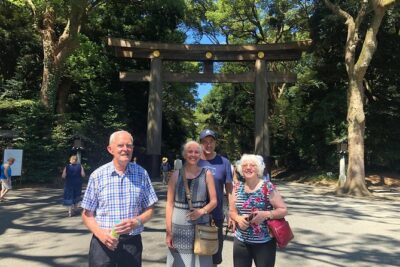
Meiji Jingu is a calm opening to the day. Dedicated to Emperor Meiji and Empress Shoken, the shrine sits near Harajuku Station, yet the setting feels far removed from the surrounding traffic and shops. You can expect about 40 minutes here, with no admission charge.
A guide adds value at a shrine because the visit is about more than taking a photo at the entrance. Hiro can explain customs and help you understand how to behave respectfully, including the basic steps of a shrine visit. That short lesson can make later visits across Japan feel less awkward.
The walk then shifts to Takeshita Street, the center of Harajuku’s youth fashion and teenage culture. The planned stop is only about 20 minutes, so think of it as a quick introduction rather than a full shopping session. If clothing, sweets, or pop culture matter more to you than shrine architecture, ask to give Harajuku more time and cut another stop.
This pairing is smart because it shows two sides of Tokyo within a few blocks: formal religious tradition and fast-changing street culture. It also gives Hiro a chance to adjust the day to your group. Families with teenagers may want extra time here, while other groups may prefer to move quickly toward Shibuya or the old city.
Shibuya Sky and the famous crossing
Shibuya Sky offers a 360-degree open-air view from the roof of Shibuya Scramble Square. The visit is scheduled for about 40 minutes, but the admission ticket is not included. The adult price supplied for the observation deck is 2,700 yen.
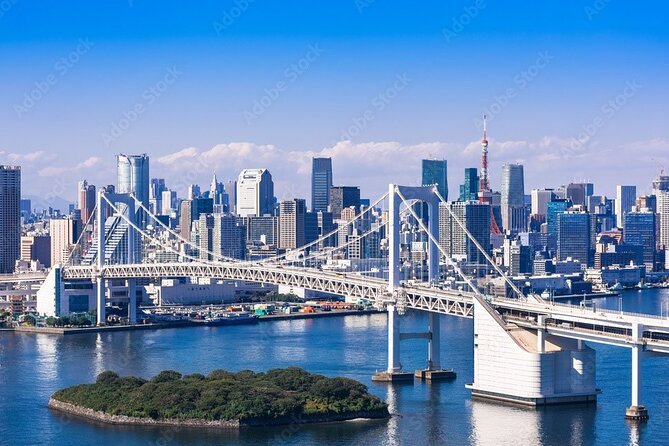
The view gives you a useful sense of Tokyo’s size and density. You can see the city as a connected mass rather than a series of separate subway stops. If rooftop views are a priority, this is likely the better paid viewpoint for a six-hour tour because it is at the meeting point.
Shibuya Crossing is free and usually takes about 10 minutes on this itinerary. The appeal is the choreography: several roads meet, the signals stop traffic, and pedestrians cross from every direction. It is a quick stop, but it captures the modern Tokyo image many people hope to see.
There is a practical choice here. Shibuya Sky and the crossing are close together, so they make an efficient pair. But adding both may leave less time for Asakusa, Tsukiji, or the Imperial Palace. You should tell Hiro if you prefer views and city energy, or if you want more history and local food.
Tokyo Tower and Zojo-ji Temple
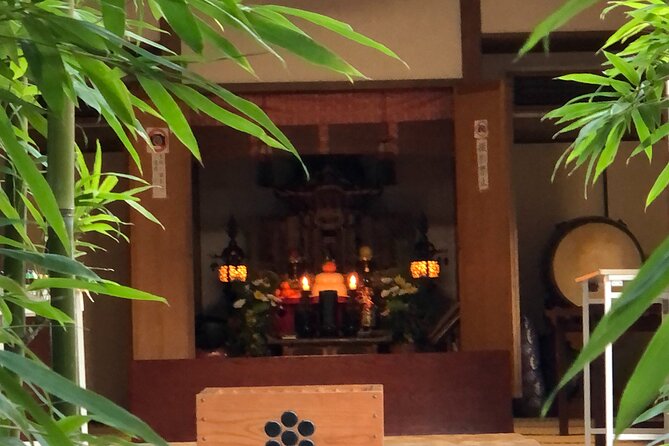
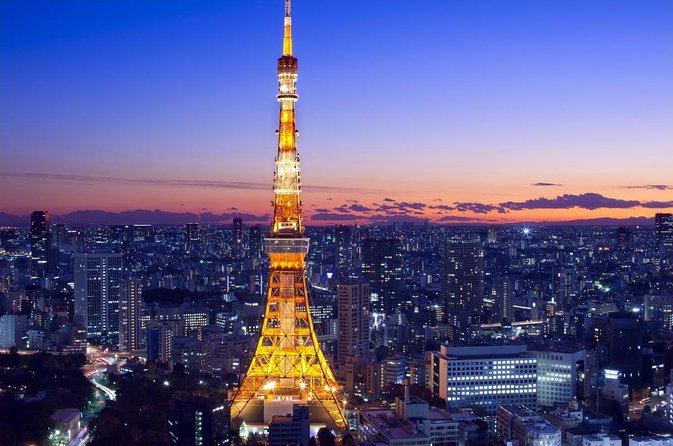
Tokyo Tower is a familiar symbol of Tokyo’s postwar rebuilding. Built in 1958 and rising 333 meters, it gives you another chance to see the city from above. The visit is listed at about 40 minutes, and the observation-deck ticket costs 1,500 yen for an adult.
The tower is a good choice if you want a classic Tokyo photograph or prefer a landmark with a clear connection to the city’s recovery after World War II. The ticket is separate, so include it in your budget before choosing it along with Shibuya Sky or Tokyo Skytree.
Zojo-ji Temple sits beside Tokyo Tower, making this one of the most efficient cultural pairings on the route. The grounds include the mausoleum of the Tokugawa family, linking the temple to the rulers of the Edo period. You get about 20 minutes here, and there is no admission charge for the listed visit.
I like this combination because the contrast is so clear. A major Buddhist temple and a bright orange communications tower share the same view. If your interests lean toward history and religion, Zojo-ji may be more rewarding than spending time inside another observation deck.
Same corner of Tokyo, a completely different plan:
- Tokyo: teamLab Planets TOKYO Digital Art Museum Entry Ticket
★ 4.6 · 9,779 reviews - Mt Fuji & Hakone Cruise, Drum Show Bullet Train 1 Day from Tokyo
★ 4.0 · 7,413 reviews - Tokyo: Sumo Show Experience with Chicken Hot Pot and a Photo
★ 4.8 · 6,678 reviews - Tokyo: Shinjuku Food Tour (13 Dishes at 4 Local Eateries)
★ 5.0 · 6,603 reviews
Tsukiji Outer Market and the value of local food advice
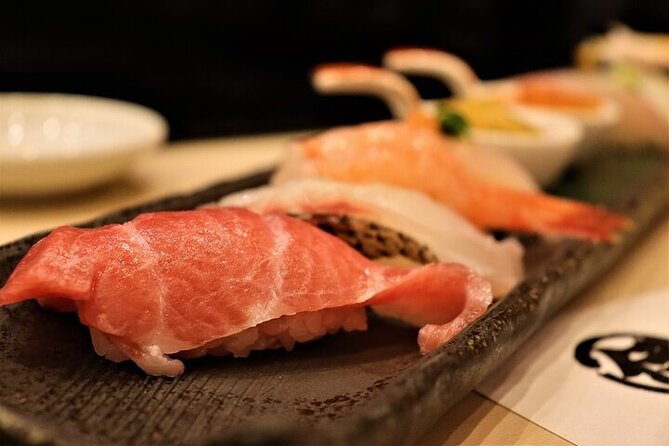
Tsukiji is scheduled for one hour, making it the longest stop on the route. The outer market is known for seafood and for shops supplying Tokyo restaurants. Admission is free, although food purchases and lunch are your responsibility.
This is where a private guide can make the day feel personal rather than mechanical. Hiro has taken groups to sushi restaurants and suggested ramen and other meals that fit their tastes. You can ask for lunch advice, but remember that the meal itself is not included in the tour price.
Tsukiji is also a useful place to ask questions about Japanese food customs and daily life. You may find specialty shops, seafood counters, kitchen goods, and prepared foods, but the exact experience depends on the day and on which part of the market you visit. Keep your group together and allow time for browsing if food is one of your main reasons for booking.
A full hour here is worthwhile for people who want to eat, shop, or learn about Japanese ingredients. It is less important if you have already planned a separate market visit. In that case, use the time for a temple, neighborhood walk, or another area that is harder to handle alone.
The Imperial Palace and Tokyo’s historical center
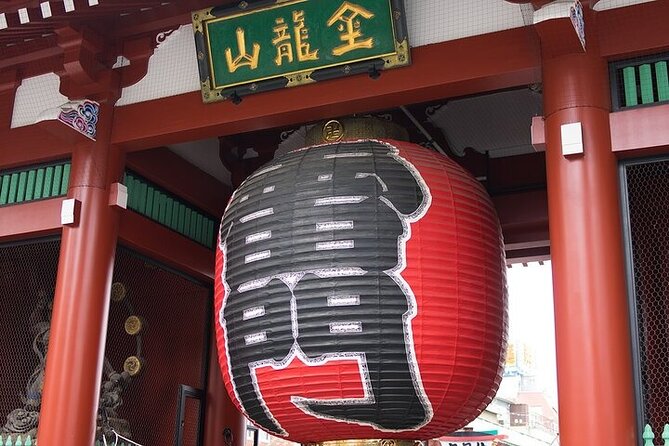
The Imperial Palace occupies the site of the former Edo Castle. The palace itself is not generally open to the public, while the East Gardens are accessible on select days. The planned visit lasts about 40 minutes and has no admission charge.
This stop requires realistic expectations. You are not touring the private palace interior. Instead, you are seeing a historic center of Tokyo and, when access permits, walking through the East Gardens. Check the access conditions for your date if entering the gardens is important to you.
The palace area provides a useful counterpoint to Harajuku and Shibuya. It is less about a single dramatic building and more about the location, remaining grounds, and connection to Japan’s political past. Hiro’s background in Japanese history and customs can help give the site meaning during a relatively short visit.
On a hot day, this can be a demanding choice because the tour is primarily on foot and includes station transfers. Tell the guide if you need a slower pace or easier routes. The private format makes that conversation possible, but it does not remove Tokyo’s heat, stairs, or walking distances.
Tokyo Skytree, Asakusa, and Senso-ji
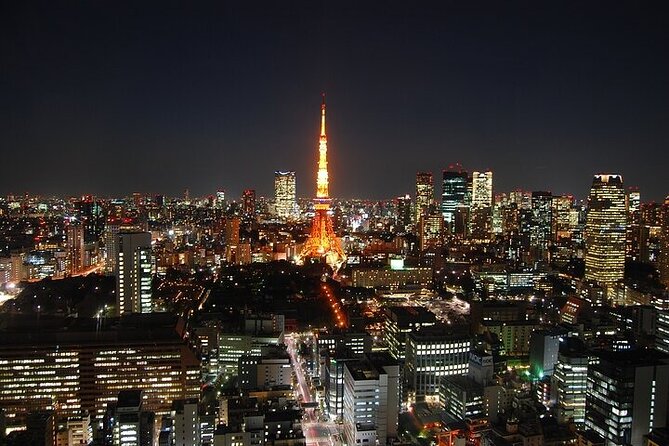
Tokyo Skytree is the tallest paid viewpoint listed on the tour and the centerpiece of Tokyo Skytree Town in Sumida. The planned stop lasts about 40 minutes, with adult observation-deck admission listed at 2,100 yen on weekdays and 2,300 yen on holidays.
Like Shibuya Sky and Tokyo Tower, Skytree is optional and costs extra. Choosing all three viewpoints would consume a large part of your budget and schedule. I would select only one unless skyline views are the main purpose of your day.
Asakusa and Senso-ji offer a more traditional setting. Asakusa is filled with shops and restaurants and is home to the city’s best-known Buddhist temple. Senso-ji is colorful, popular, and free to enter, with a legend dating the temple’s beginning to two fishermen who found a statue of Kannon in the Sumida River in 628.
The listed time at Asakusa is only 10 minutes, followed by 30 minutes at Senso-ji. That is enough for an introduction and photographs, but not a leisurely look through every shop or a long temple visit. If old Tokyo, snacks, and souvenirs appeal to you, ask Hiro to make Asakusa one of your main areas rather than treating it as a quick add-on.
Kappabashi Street and Tokyo’s practical side
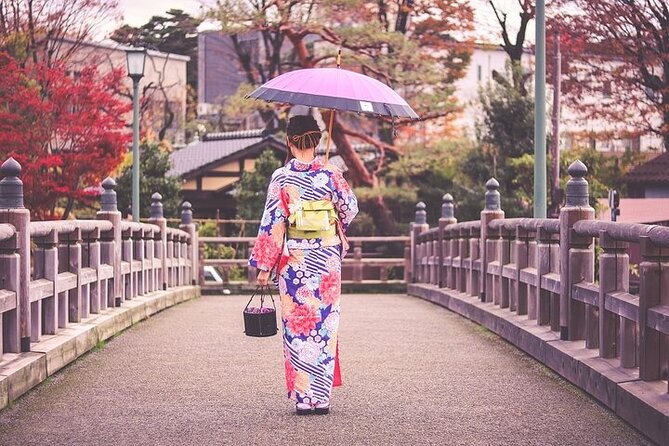
Kappabashi Street, also called Kappabashi Dogugai, serves the city’s restaurants. Stores sell kitchen tools, restaurant supplies, and realistic plastic food models used in shop windows.
The planned visit is only 10 minutes, so this is a specialist stop rather than a major sightseeing block. It suits cooks, food lovers, and anyone hunting for unusual souvenirs. You may need more time if you want to browse knives, dishes, utensils, or the famous display foods.
Kappabashi also gives you a look at a working commercial neighborhood instead of another major monument. If your group has already seen several temples, this practical shopping street may be a welcome change. If you are visiting Tokyo for the first time and want the headline sights, it may be the easiest stop to skip.
What the six-hour schedule really means
The 12 stops are best understood as a menu, not a promise to visit every place. The tour includes a customizable walking route of three or four sites from the full list. That distinction is important when you compare this experience with a fixed sightseeing tour.
A sensible six-hour plan might pair Meiji Jingu and Takeshita Street with Shibuya Crossing and Shibuya Sky. Another could focus on Tsukiji, Zojo-ji, Tokyo Tower, and the Imperial Palace. A third might connect Skytree, Asakusa, Senso-ji, and Kappabashi.
The subway is included as part of the experience, but your fares are not. A 24-hour Metro Pass is listed at 900 yen for adults and 450 yen for children. The exact value depends on your route, since not every Tokyo rail service is necessarily covered by a Metro Pass.
Lunch is also extra. That is not a flaw, but it means the $108.99 price is not your final cost. Add the subway fare, food, and any observation deck you choose. The guide’s restaurant suggestions may be one of the better reasons to leave lunch flexible.
Is $108.99 per person good value?
For a private six-hour tour, the price is reasonable if you want help planning, translating, navigating, and adjusting the route in real time. You are paying for personal attention rather than a seat on a large group coach. The value rises when several people in your group share the guide, since group discounts are offered.
The tour is particularly useful at the start of a stay. You can learn the subway, ask about shrine etiquette, get food suggestions, and collect ideas for the days ahead. Several people have also used Hiro’s advice to plan restaurants and activities beyond the tour day.
The value is weaker if you already know Tokyo well or prefer wandering alone. Since admission fees are separate, a day built around three paid observation decks could become expensive. I would spend the extra money on one viewpoint at most, then use the remaining time for free neighborhoods, temples, or the market.
The tour has free cancellation up to 24 hours before the start time. Changes or cancellations inside that window are not accepted for a refund. Confirmation arrives within 48 hours, subject to availability, so plan ahead, especially since the experience is often booked well before the date.
Who will get the most from this tour?
I would recommend it most strongly for first-time visitors who want a calm introduction to Tokyo’s transport system. It also fits families, including groups with teenagers, because the route can balance shopping, modern culture, food, and historic sights.
English-speaking visitors should find communication straightforward with Hiro, who is described as speaking English very well. His strengths are practical navigation, explanations of history and customs, and adapting the route when your priorities change.
This is also a good choice for people who want a local meal but do not know where to begin. Hiro can suggest sushi and ramen options, though you should treat those suggestions as guidance rather than a guaranteed restaurant reservation.
You should think twice if you want a slow, in-depth visit to every location. Six hours, public transportation, and walking mean the day has a firm limit. The best experience comes from choosing a clear theme, such as modern Tokyo, traditional neighborhoods, food, or a first-day overview.
Final verdict: book it for orientation, not for a checklist
Book this private Tokyo tour if you want a flexible first day with a real person beside you, especially someone who can explain customs, guide you through the subway, and adjust the plan to your group. Hiro’s care with families, food advice, station access, and last-minute changes gives the experience practical value beyond sightseeing.
Skip it if you want to see every listed attraction or if paid viewpoints are your main goal. You will need to choose three or four priorities, pay transportation and admission costs separately, and accept a fair amount of walking.
For most first-time visitors, I would choose Meiji Jingu, Shibuya, Tsukiji, or Asakusa, depending on your interests. That gives you a better sense of Tokyo than racing through all 12 stops.
FAQ
How long does the private Tokyo tour last?
The tour lasts approximately six hours.
Where does the tour begin and end?
The published meeting point is Shibuya Scramble Square, 2-chome-24-12 Shibuya, Tokyo 150-0002. The activity ends back at the meeting point.
How many sights can I choose?
The included experience is a customizable walking tour of three or four sites from the available sightseeing options.
Is transportation included?
Transportation fees are not included. A 24-hour Metro Pass is listed at 900 yen for adults and 450 yen for children.
Are admission tickets included?
Admission is not included for paid attractions such as Shibuya Sky, Tokyo Tower observation decks, and Tokyo Skytree observation decks. Free outdoor and temple visits do not require an admission ticket.
Can I cancel for a full refund?
Yes. You can cancel at least 24 hours before the experience start time for a full refund. Cancellations or changes made less than 24 hours before the start time are not accepted for a refund.
New on our Tokyo list
- Made from flour in 30min! Ramen-noodle Making Experience!★ 4.8 · 24 reviews
- Private tour Tokyo – The Harmony of Modernity and Tradition★ 5.0 · 24 reviews
- Customizable Private Tokyo Trip with an English Speaking Driver★ 5.0 · 24 reviews
- Mt. Fuji Private Chartered Tour with Nature and Wasabi Farm★ 5.0 · 24 reviews
- 1- Day Private Tour to Nikko Tochigi With English Speaking Driver★ 5.0 · 24 reviews
- Tokyo VIP private nightlife tour with a local insider★ 5.0 · 24 reviews
- [1 Group Only] Explore Tokyo Ginza Food Tour for Family★ 5.0 · 24 reviews
- Private Tour – History, Art and Nature at the Imperial Palace★ 5.0 · 24 reviews
Guided, compared.
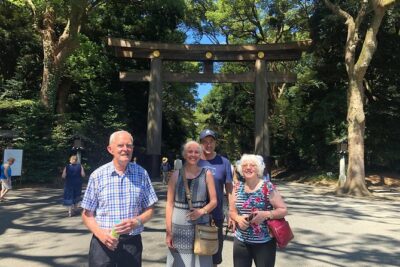
Tokyo 6hr Private Tour with Government-Licensed Guide
Read our review →
Shinjuku Local Bar and Izakaya Guided Walking Tour
Read our review →
Private City Highlights Tour with Local Guide
Read our review →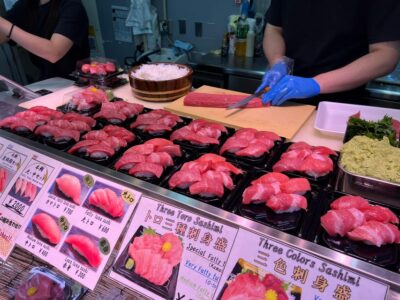
Tokyo 4hr Private Tour with Government-Licensed Guide
Read our review →
Samurai Ninja Museum Guided tour and Experience
Read our review →