
Reviewed · HISTORICAL TOURS
Private Japanese Sample Food Making and Asakusa History Tour
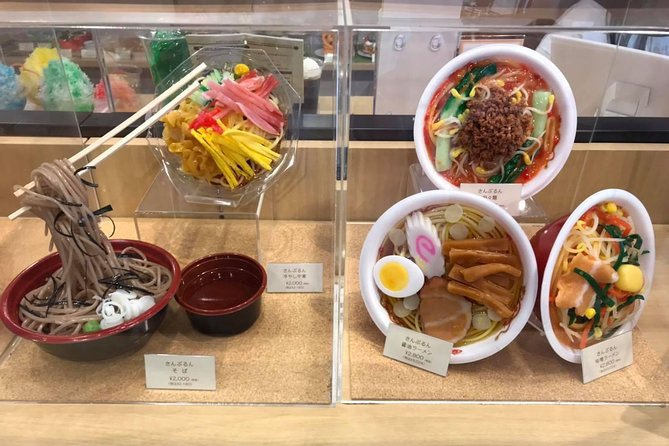
Japanese restaurants often tempt you with plastic food that looks almost good enough to eat. This tour lets you learn how those displays are made, then takes you through Kappabashi Street, Tokyo’s kitchen-supply district, and on to Sensoji Temple. You make a sampuru tempura piece by hand and carry it home.
I like the useful mix of craft and place: you do not just look at fake food, you learn why it matters in Japan. I also like the small-group format, with no more than 15 people, plus guides such as Mami and Hitomi who can add local help, including directions and tax-free shopping advice. The main drawback is the price, $172.66 per person, for only about three hours, and the booking terms need careful checking before you pay.
In This Review
- Key points at a glance
- Why Japanese sampuru makes a smart Tokyo souvenir
- Making tempura sampuru with an English-speaking guide
- Kappabashi Street, Tokyo’s Kitchen Town
- Sensoji Temple and Nakamise Dori
- What $172.66 buys you in three hours
- Timing, access, and practical planning
- Who will get the most from this Asakusa experience?
- Should you book this sampuru and Asakusa tour?
- FAQ
- How long does the Japanese sampuru and Asakusa tour last?
- When does the tour begin?
- Where is the meeting point?
- Where does the tour end?
- What ages can participate?
- Is the tour wheelchair and stroller accessible?
- What will I make during the workshop?
- Is food or a drink included?
- Which days is the experience offered?
- What happens if I arrive late?
Key points at a glance
- You make a take-home tempura sampuru: The workshop is the hands-on heart of the experience, and your finished piece becomes a practical souvenir.
- Kappabashi explains Japan’s restaurant culture: Browse tools, cookware, and food displays along Tokyo’s famous Kitchen Town.
- Sensoji adds an Asakusa history lesson: The tour includes the city’s oldest and most popular temple, plus Nakamise Dori.
- The group is limited to 15 people: This is small enough for a workshop to feel manageable, though it is not necessarily a one-party private tour.
- Guides Mami and Hitomi are named in the tour feedback: Mami helped with tax-free shopping and onward directions, while Hitomi was praised for making the craft history memorable.
- Children from age 7 can join: Anyone aged 7 to 14 must stay with a guardian aged 20 or older.
Why Japanese sampuru makes a smart Tokyo souvenir
Sampuru is the Japanese craft of making realistic food displays for restaurant windows. The models may be made from plastic or wax, and each one is shaped and finished by hand. The goal is simple: show diners what a meal looks like before they sit down.
The result can be startlingly lifelike. A plate of noodles, tempura, rice, or curry may look glossy, freshly served, and ready for chopsticks. In Japan, these displays are not just decoration. They help you choose food when a menu is hard to read or when you want to see portion size and presentation before ordering.
The craft has an interesting origin story. Production is said to have begun in the 1930s with Takizo Iwasaki, an artisan from Gujo Hachiman. One famous story says he made a wax omelet so realistic that his wife could not tell it from the real thing. His company later became one of the largest plastic food makers in Japan, with an estimated 60 percent share of the market.
That background gives the workshop more meaning. You are not simply making a novelty item. You are trying a small part of a Japanese trade that can take years to master. Some artisans reportedly spend up to 10 years perfecting their techniques, and elaborate models can cost far more than the real dishes they copy.
More Asakusa visits:
- Tokyo: Japanese Dance Cabaret Theater Asakusa-Kaguwa Ticket
★ 4.8 · 2,270 reviews - Tokyo: Meiji Shrine, Asakusa, Skytree Bus Tour and Cruise
★ 4.7 · 1,986 reviews - Tokyo: Roll and Authentic Sushi Making Class in Asakusa
★ 4.9 · 1,957 reviews
Making tempura sampuru with an English-speaking guide
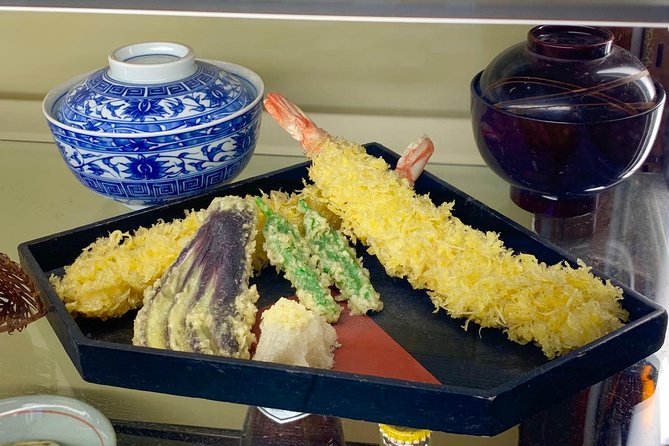
The experience begins with an explanation of sampuru’s history, purpose, and methods. You first see different types of models, then move into the workshop and work with wax to create food samples.
The activity centers on tempura sampuru. The supplied details do not promise a particular number of pieces or a fixed design, so your finished item may depend on the class format and the day’s instruction. What is clear is that you make a sample yourself and take it home.
That take-home element matters. A temple visit gives you memories and photographs, but a handmade sampuru can sit on a shelf and explain a story about Tokyo whenever you see it. It is also more personal than buying a ready-made model in a souvenir shop.
The workshop is aimed at ages 7 and up, making it a good choice for families with school-age children. The work is hands-on, but younger participants must have a guardian aged 20 or older with them at all times if they are between 7 and 14.
There is one useful preparation tip: avoid nail art or nail polish if possible. Your hands go into wax during the activity, and the material may remove some polish or damage nail art. Wear clothes suited to a practical class, too. The tour runs in most weather, except typhoons or other extreme conditions, and the schedule may change slightly if conditions require it.
The guide’s role is important here. Mami is noted for helping with a tax-free refund and pointing the group toward its next stop. Hitomi is noted for explaining the food-model craft and local background in a friendly, memorable way. Since the guide acts as both translator and instructor, clear English support is a major part of what you are paying for.
Kappabashi Street, Tokyo’s Kitchen Town
After the workshop, the route moves through Kappabashi Street, also called Kitchen Town. This is one of the best parts of the outing for anyone interested in Japanese cooking, restaurants, or design.
The district is known for culinary tools, restaurant equipment, and food models. You might find shelves of knives, pans, dishes, serving pieces, plastic menus, and the glossy sample foods that first inspired the workshop. Even if you do not plan to buy anything, the area shows how much care Japanese businesses put into the look of a meal.
Kappabashi also gives the sampuru lesson a real setting. Instead of treating the craft as an isolated class, you see how it works in front of restaurants and shops. You can compare the models you saw indoors with the displays used to guide diners around Tokyo.
Allow some self-control here. A kitchen district can be dangerous for an already full suitcase. The tour includes photo opportunities and a walk, but meals, drinks, and other purchases are not included. If you buy something, check the shop’s tax-free rules and keep your passport requirements in mind. Mami’s reported help with tax-free shopping may be useful, but assistance is not a substitute for checking each store’s conditions.
The route connects the modern practical side of Asakusa with the older religious center nearby. That contrast is part of the appeal. Kappabashi is about tools, trade, and restaurant presentation. Sensoji is about worship, tradition, and one of Tokyo’s best-known public spaces.
Sensoji Temple and Nakamise Dori
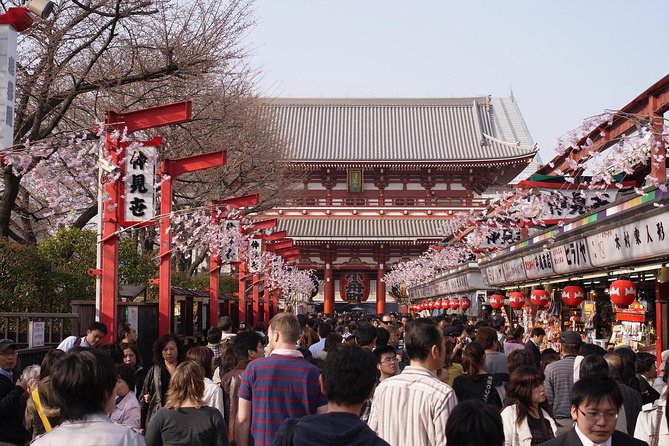
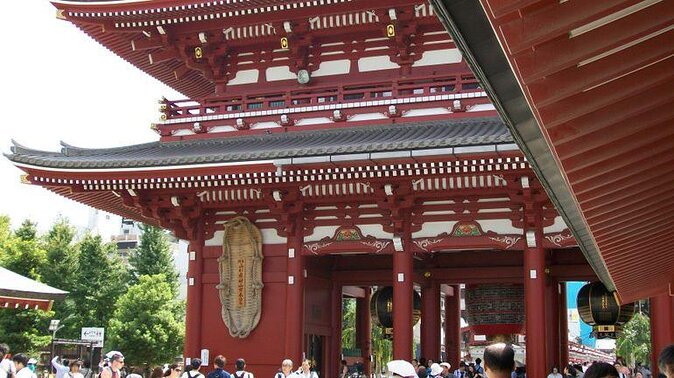
The tour includes about 30 minutes at Sensoji Temple, also called Asakusa Kannon Temple. It is Tokyo’s oldest and most popular temple, so this stop gives you a quick look at one of the city’s key cultural sites.
The approach includes Nakamise Dori, the shopping street linking Sensoji’s main gate with the main hall. It is a natural place for photographs and a useful introduction to Asakusa’s visitor culture, with shops selling food, gifts, and traditional-style goods.
Thirty minutes is enough for an orientation and a look around, but it is not enough for a slow, detailed study of the entire temple precinct. You should think of this as a guided introduction rather than a full temple visit. If Sensoji is a major reason for your Tokyo trip, return later on your own with more time.
This short stop does have an advantage. After the workshop and Kappabashi, the temple gives the afternoon a change of pace. You move from making objects and examining restaurant displays to seeing a major religious site in the heart of Asakusa.
The end point is back at the meeting point, so you are not left to work out a complicated final transfer. The listed start time is 10:00 a.m., with a requested meeting time of 9:45 a.m. at APA Hotel Asakusa Tawaramachi Station Mae, at 1-chome-2-3 Nishiasakusa.
A few more Tokyo bookings worth comparing
- Tokyo: Imperial Palace and Shogun Historical Walking Tour
★ 5.0 · 2,251 reviews - Tokyo: Imperial Palace Japanese History Walking Tour
★ 4.9 · 987 reviews - Tokyo: Shinjuku Historical Walking Tour & Secret Backstreets
★ 5.0 · 530 reviews - Yanaka Walking Tour: Historic and Traditional District of Tokyo
★ 5.0 · 530 reviews
What $172.66 buys you in three hours
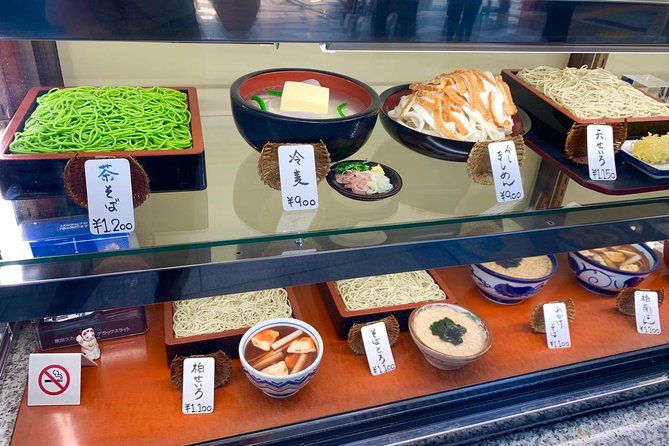
At $172.66 per person, this is not a low-cost walking tour. The value depends on how much you want the workshop and the guide’s interpretation.
The price includes an English-speaking guide, the hands-on sampuru class, your take-home creation, the Kappabashi walk, the Sensoji visit, and photo opportunities. It does not include meals, drinks, shopping, or other fees. You are paying for a focused activity, not a full day of sightseeing.
For a family, the craft may justify the cost because it gives children a clear task and a physical souvenir. For an adult already planning to visit Asakusa and Kappabashi independently, the price is harder to defend unless you specifically want instruction in making fake food.
The small group helps. A maximum of 15 people is more workable than a large coach group, especially when everyone is handling wax. Still, the description also calls this a private activity, meaning only your booked group participates. Those details do not perfectly match, so ask the provider how the group size works for your booking before paying.
There is also an optional lunch add-on at Japan’s oldest tempura restaurant, plus a four-hour or six-hour private Tokyo add-on before or after the main experience. The longer add-on includes public transportation for you and the guide, but optional activity costs for you and the guide are not included. These extras may suit a first-time visitor who wants help organizing a day, but they will increase the total quickly.
Timing, access, and practical planning
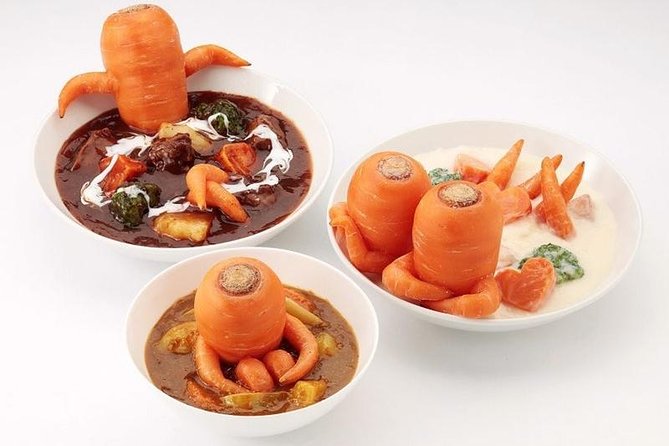
The standard experience runs for about three hours and is available on Tuesdays, Thursdays, and Sundays from 10:00 a.m. to noon, except on some holidays. Confirm the exact date at booking, since the supplied information describes both a three-hour experience and a 10:00 a.m. to noon availability window.
The meeting point is near public transportation at APA Hotel Asakusa Tawaramachi Station Mae. Arrive early. The guide waits up to 30 minutes after the scheduled start, and missing that window counts as a cancellation.
Wheelchairs and strollers are listed as accessible, and most people can participate. That is helpful, but the activity still involves walking between the workshop, Kappabashi, and Sensoji, along with hands-on work at the class. If you need specific assistance, confirm the exact route and workshop setup before booking.
The tour operates in most weather. Bring suitable clothing for rain, heat, or cold, since the walking portions continue unless a typhoon or another extreme condition forces a change.
The cancellation information needs special attention. One section describes a full refund up to four days before the start time, while another says the activity is non-refundable and cannot be changed for any reason. A separate note says a 15 percent service fee may remain nonrefundable after planning begins. Because these terms conflict, get the current cancellation rule in writing before you commit.
Who will get the most from this Asakusa experience?
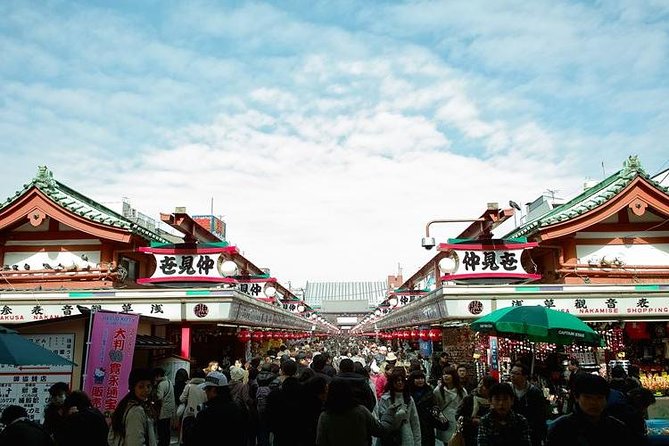
I would recommend this tour most strongly to families with children aged 7 and older, first-time visitors who want context, and anyone curious about how Japanese restaurants present food. The craft keeps the outing active, while Kappabashi and Sensoji give you a wider sense of Asakusa.
It also suits you if you want an English-speaking guide to connect the stops. The experience is not just a class followed by random sightseeing. It links the food models to the shops that sell them, then places that modern restaurant culture beside an old temple district.
You may want to skip it if you prefer independent wandering, already know Kappabashi well, or are mainly seeking a long temple tour. Three hours passes quickly, and the price is high for a compact activity. The 30-minute Sensoji visit will feel brief if you want time for prayer, shopping, and detailed photography.
Should you book this sampuru and Asakusa tour?
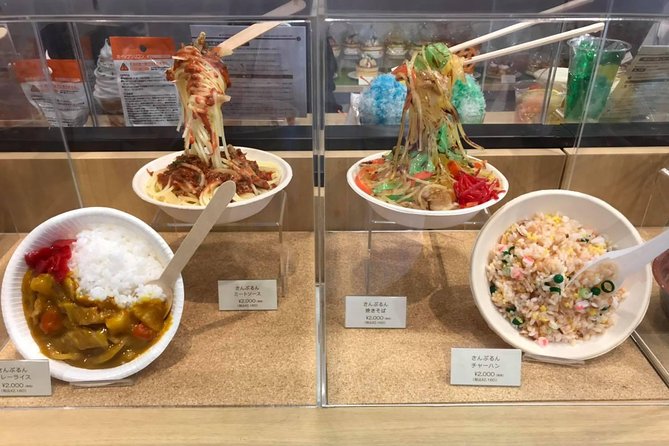
Book it if making your own Japanese food model sounds more appealing than simply buying one, and if you value an English-speaking guide who can explain the craft and help with local details. The best parts are specific: hands-on tempura sampuru, Kappabashi’s unusual shops, and a short visit to Sensoji.
Think twice if the $172.66 price strains your budget or if you want a broad Tokyo sightseeing day. Before booking, confirm the private-group arrangement, exact duration, and cancellation terms. For the right family or curious food lover, this is a memorable way to see Asakusa through something small, shiny, and almost good enough to eat.
FAQ
How long does the Japanese sampuru and Asakusa tour last?
The experience lasts about three hours.
When does the tour begin?
The listed start time is 10:00 a.m., with a requested meeting time of 9:45 a.m.
Where is the meeting point?
You meet at APA Hotel Asakusa Tawaramachi Station Mae, 1-chome-2-3 Nishiasakusa, Taito City, Tokyo.
Where does the tour end?
The activity ends back at the meeting point.
What ages can participate?
Only people aged 7 and older may participate. Children from 7 to 14 must stay with a guardian aged 20 or older.
Is the tour wheelchair and stroller accessible?
Wheelchairs and strollers are listed as accessible, and most people can participate.
What will I make during the workshop?
You will make Japanese sampuru food models, with the workshop focused on tempura samples. You can take your finished sample home.
Is food or a drink included?
No. Meals, food, drinks, shopping, and other fees are not included. An optional lunch add-on at Japan’s oldest tempura restaurant is available.
Which days is the experience offered?
The listed availability is Tuesdays, Thursdays, and Sundays from 10:00 a.m. to noon, except some holidays.
What happens if I arrive late?
The guide waits up to 30 minutes after the scheduled start time. If you do not arrive within that period, the activity is treated as cancelled.
New on our Tokyo list
- Sumi-e Experience in a relaxing green tea shop in Tokyo★ 5.0 · 3 reviews
- Tokyo : Kamikaze Street Drift Ride★ 5.0 · 3 reviews
- Private Zen Meditation in English in Shinjuku, Tokyo★ 5.0 · 3 reviews
- Onsen Spa in Tokyo and Asakusa Bar Hopping with Local Guide★ 5.0 · 3 reviews
- Easy for everyone! Now you can play handmade mini shamisen and show off to everyone! Musical instruments, sweets and live music★ 5.0 · 3 reviews
- Tokyo: Private Tsukiji Street Food & Sake with Local Guide★ 5.0 · 3 reviews
- Mt Fuji Exploration Tour with Free Japanese Kusa Mochi from Tokyo★ 4.5 · 3 reviews
- Tokyo Tsukiji Fish Market Walking and Exploring Hidden Gems Tour★ 5.0 · 3 reviews
Historical Tours, compared.

Imperial Palace and Shogun Historical Walking Tour
Read our review →
Yanaka Walking Tour: Historic and Traditional District of Tokyo
Read our review →
Shinjuku Historical Walking Tour & Secret Backstreets
Read our review →
Mt. Fuji Heritage Tour: Traditional Villages, Lakes & Shrine
Read our review →
The Best of Izakaya in Shinjuku Food & Cultural Tour
Read our review →
Yanaka Historical Walking Tour in Tokyo’s Old Town
Read our review →Browse the lists this tour appears in