
Reviewed · TOKYO FOOD TOURS
Private Tokyo Food Tour with 10+ Tastings of Japanese Classics
Ueno gives you a full-flavored introduction to Tokyo in one compact neighborhood. This private 3.5-hour walk mixes sushi, gyoza, yakitori, tea, sweets, a market, temple grounds, and the lively streets beneath the train tracks. I like the private format and the chance to see food and culture together, rather than eating in a series of disconnected restaurants.
I also like the generous range of tastings, especially for a first afternoon in Japan. Guides such as Shona Kirino, Shonan, Mary, Nozomi, and Mari have led this experience on different dates, and the strongest part of their role is explaining what you are eating while helping you move through an unfamiliar area. The main drawback is the very high price of $460 per person, and the menu or route can change with weather and shop availability.
In This Review
- Key points at a glance
- Why Ueno makes a smart food-tour base
- Starting at Ueno Station at noon
- Eating through Ameyoko market
- Food beneath the elevated train tracks
- A pause in Ueno Park
- Shinto and Buddhist sites along the route
- What the food selection tells you
- The role of the private guide
- Is $460 per person a fair price?
- Weather, walking, and dietary planning
- Who should book this Ueno food walk?
- Should you book it?
- FAQ
- How long does the private Tokyo food tour last?
- Where does the tour begin?
- What time does the tour start?
- Where does the tour end?
- What food and drinks are included?
- Is this a private activity?
- Can dietary restrictions be accommodated?
- What is the cancellation policy?
Key points at a glance
- Ten or more Japanese tastings: Expect a substantial spread that may include sushi, gyoza, yakitori, croquettes, seasonal fruit, matcha ice cream, tea, beer, and a secret dish.
- Ueno beyond the usual sights: The route combines Ameyoko market, train-track food stalls, Ueno Park, a Shinto shrine, and a Buddhist temple.
- Private group format: Only your party takes part, so the pace and conversation can feel more personal than on a large food walk.
- A real meal, not just snacks: The food is filling enough that you may not want dinner afterward.
- Useful for a short Tokyo stay: You can eat, walk, and learn about Ueno in one afternoon, with a noon start.
- Bring comfortable shoes: The tour lasts a little over three hours and includes outdoor walking.
Why Ueno makes a smart food-tour base
Ueno sits northeast of central Tokyo and offers a useful mix of everyday city life and major cultural sights. It is not just a food district, and it is not only a park. In a short walk, you can move from crowded shopping lanes to quiet temple grounds, then back to a packed market street.
That contrast gives the tour more depth than a meal in one restaurant. You see where people shop, how food businesses fit beneath the railway, and how older religious sites remain part of modern Tokyo.
Ueno Park occupies ground that once belonged to Kanei-ji, one of Edo’s most important temples. Today, the park is known for its museums, open paths, religious buildings, and spring cherry blossoms. The tour does not promise a full museum visit, but the park adds breathing room between food stops and gives your guide a place to explain Ueno’s past.
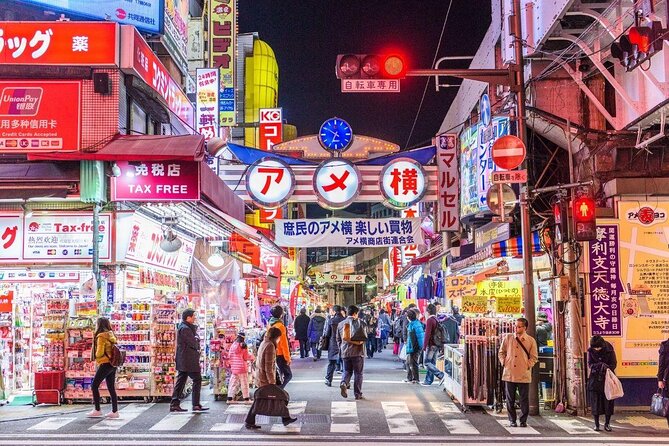
The nearby Ameyoko district supplies the street-level energy. Shops sell food, gifts, clothing, and other goods, while small restaurants and bars fill the lanes. The area can feel crowded and noisy, which is part of its appeal, but you should not expect a quiet, polished food quarter.
More Tokyo food crawls:
- Tokyo: Shinjuku Food Tour (13 Dishes at 4 Local Eateries)
★ 5.0 · 6,603 reviews - Tokyo: Shinjuku Food Tour (15 Dishes and 4 Eateries)
★ 4.9 · 2,033 reviews - Best of Shinjuku: Izakaya Food Tour (4 Stops, 14+ Tastings)
★ 5.0 · 1,863 reviews
Starting at Ueno Station at noon
You meet your guide at Ueno Station at 12:00 p.m., at 7 Chome-1 Ueno in Taito City. This is a practical start for an afternoon outing, though finding the precise meeting place may take extra attention. One guest had trouble locating it, so I would allow time to get your bearings before noon and keep your phone ready for contact with the operator.
There is no hotel pickup or drop-off. You make your own way to the station, which is near public transportation and easy to build into a day in Ueno. The activity ends back at the meeting point, so you do not need to arrange a return transfer from another part of Tokyo.
The private setup is useful here. Only your group takes part, and start times and dates may be more flexible than on a fixed large-group walk. That does not mean every requested time will be available, since confirmation remains subject to availability, but it gives you a better chance of a relaxed pace.
Eating through Ameyoko market
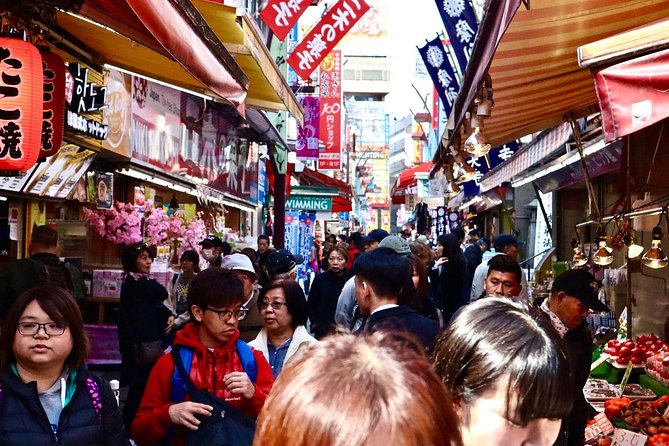
Ameyoko is the food heart of the route. This popular indoor-outdoor market has shops selling food, gifts, apparel, and other goods. You get a direct look at a shopping district that serves daily needs, not just sightseeing.
The market is a good place to discuss ingredients and Japanese eating habits because the setting keeps food connected to ordinary commerce. You may find yourself moving between shop fronts, restaurant counters, and narrow lanes rather than sitting for long stretches.
The tradeoff is comfort. Ameyoko can be crowded, and the route may require you to pause in busy public areas. If you prefer a quiet, formal meal, this will feel more hectic. If you want to see how food, shopping, and city movement overlap, the market is one of the strongest parts of the afternoon.
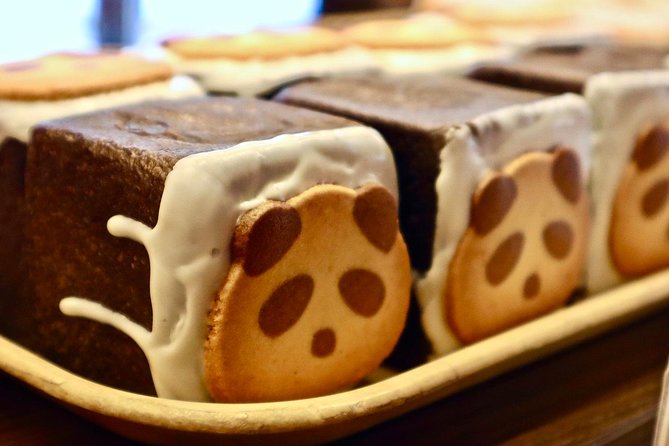
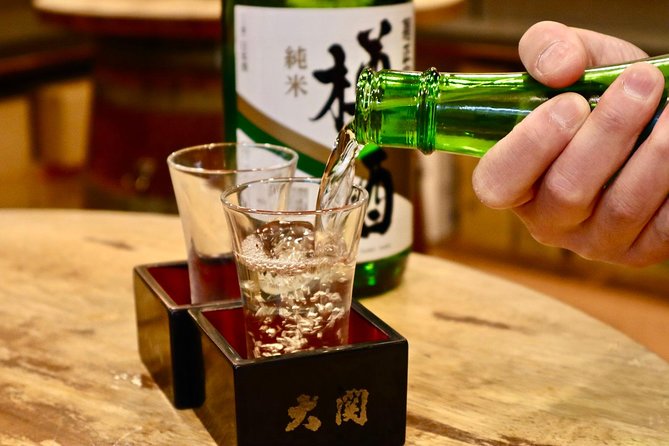
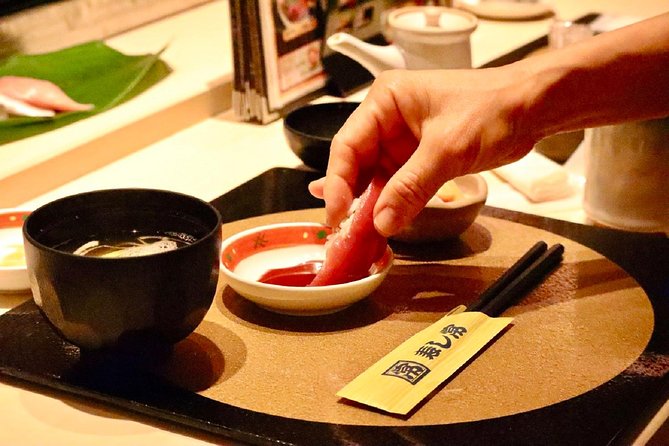
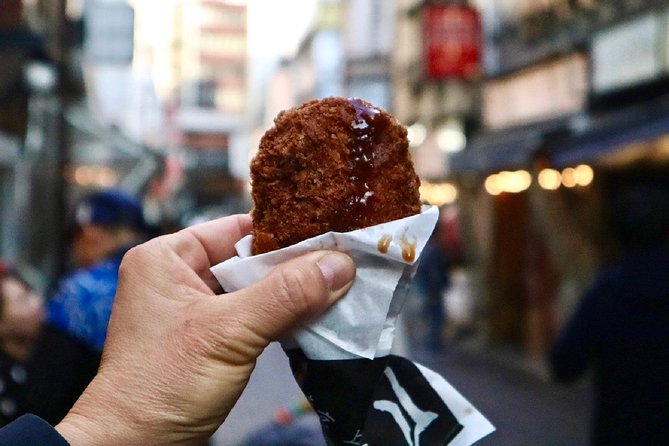
The advertised menu includes fresh sushi, crispy gyoza, grilled yakitori, seasonal fruit, matcha ice cream, two types of tea, water, one draft beer, and a secret dish. Another possible tasting is a croquette, which was included in one account of the route. Since the menu changes with availability and weather, treat this as a guide to the style of the meal, not a fixed promise for every item.
Food beneath the elevated train tracks
One stop takes you under the elevated railway, in an area associated with the Japanese term for space beneath the girders. These under-track zones are a familiar part of Tokyo’s urban character, often used for small shops, bars, and places to eat.
This setting adds a useful bit of city texture. You are not being led only to famous landmarks. You are also seeing how businesses use leftover urban space and how food districts grow around transportation routes.
Noise and limited room may be part of the experience. The area is better suited to quick tastings and conversation while walking than to a long, quiet table service meal. I would keep your expectations focused on atmosphere and variety.
A few more Tokyo bookings worth comparing
- Mt Fuji and Hakone 1-Day Bus Tour Return by Bullet Train
★ 5.0 · 26,383 reviews - 1-Day Tokyo Bus Tour
★ 5.0 · 14,250 reviews - Tokyo: TOKYO SKYTREE® Admission ticket
★ 4.5 · 11,192 reviews - Tokyo: teamLab Planets TOKYO Digital Art Museum Entry Ticket
★ 4.6 · 9,779 reviews
A pause in Ueno Park
Ueno Park changes the pace. After market streets and railway-side businesses, you reach a broad public park with open paths and long connections to the district’s cultural life.
The park is especially famous for cherry blossoms and hanami in spring. If your visit falls during blossom season, you may see a very different atmosphere from the rest of the year. The tour, however, is not presented as a dedicated cherry-blossom excursion, so do not book it solely for seasonal flowers.
The park also helps explain why Ueno feels different from many central Tokyo districts. It offers open space and older religious sites within a heavily developed part of the city. Your guide can connect the food stops to the area’s past, making the walk feel like a neighborhood lesson rather than a simple series of samples.
Shinto and Buddhist sites along the route
The itinerary includes a Shinto shrine built in 1627 in memory of Tokugawa Ieyasu, founder of the Tokugawa shogunate. That site brings the political and religious history of Edo Tokyo into the walk.
A separate stop is a long-established Buddhist worship site with peaceful grounds. The contrast between the shrine and temple is valuable, especially if you are still learning how Shinto and Buddhism appear in Japan. You can see different traditions in the same district without spending a whole day on formal sightseeing.
These stops also give you a break from eating. The tour is food-led, but the religious sites prevent the afternoon from becoming a nonstop procession of bites. Be respectful around worshippers, keep your voice down, and follow your guide’s instructions about where to stand and what not to touch.
What the food selection tells you
A good food walk should do more than count dishes. This one covers several styles of Japanese eating, from raw fish and grilled chicken to dumplings, sweets, fruit, and tea.
Sushi offers a familiar gateway, but the tour’s wider range matters more. Gyoza gives you a hot, crisp, savory bite. Yakitori shows the appeal of food cooked over a grill and served on skewers. Seasonal fruit and matcha ice cream shift the meal toward sweetness, while tea gives you a slower finish.
The secret dish adds an element of surprise, though you are not told in advance what it will be. That can be fun if you like trying something without a detailed plan. It can also matter if you have strict dietary needs, so contact the operator before booking with any restrictions.
The full amount of food is a key practical point. One guide described the experience as six different foods plus temple and tea stops, while the advertised plan calls for 10 or more tastings. The difference likely reflects changing portions, stops, and menus. Either way, plan this as a serious meal, not a light snack break. You may not want dinner afterward.
The role of the private guide
The guide is central to the value of this experience. Your English-speaking local guide handles the route, introduces the dishes, and provides context about food and culture. Guides named on different dates include Shona Kirino, Shonan, Mary, Nozomi, and Mari.
The best guide style for this tour is conversational. Nozomi, for example, was noted for discussing Japanese food history while also showing interest in the visitor’s own culture. Mari was described as friendly and good at mixing facts with the walk. Shona Kirino handled a rainy day by finding ways to keep the group as dry as possible, while Shonan made a point of supplying water during hot, humid weather.
Those details matter because Tokyo weather can shape an outdoor food walk. Rain may require route changes, and heat can make three and a half hours feel longer. The private format makes it easier to ask questions, slow down, or focus the conversation on subjects that interest your group.
Still, the guide cannot control every shop or menu item. The route and tastings may change because of availability, weather, or other conditions. Think of the experience as a guided food exploration, not a fixed restaurant reservation.
Is $460 per person a fair price?
At $460 per person, this is an expensive food tour. The price includes a private English-speaking guide, the tastings, one draft beer, two types of tea, water, and the cultural walking route. It does not include hotel transfers or gratuity.
The value depends almost entirely on how much you want the private service. For a solo visitor or couple watching every yen, the cost will be difficult to justify for three and a half hours. Tokyo offers many less expensive ways to eat well if you are happy to choose your own market stalls and restaurants.
For a family or small group, the calculation changes. A private tour can reduce the social awkwardness of joining strangers, and group discounts may be available. You also save the work of choosing unfamiliar foods, finding suitable places, and translating what is on offer. The guide’s explanations and the range of included food make this closer to a private meal with a neighborhood walk than to a basic tasting ticket.
I would book it for a special first afternoon, a celebration, or a group that places a high value on ease and personal attention. I would skip it if your priority is low cost or if you want complete control over every restaurant and dish.
Weather, walking, and dietary planning
Wear comfortable walking shoes. The activity runs a little over three hours, and the route moves through market streets, public areas, the park, and religious grounds.
The experience requires good weather. If poor weather causes cancellation, you are offered another date or a full refund. The same applies if the minimum number of required participants is not met.
Dietary planning needs attention before you reserve. The operator asks you to make contact in advance so the team can assess what is possible. Because the tour is built around a balanced set of Japanese foods, some restrictions may not be easy to accommodate.
This is not the right choice for someone who wants to decide every bite at the last moment. If you avoid seafood, meat, alcohol, dairy, or particular ingredients, ask before booking rather than assuming substitutions will be available.
For cancellation, you can receive a full refund if you cancel at least 24 hours before the start time. Changes or cancellations inside that period are not accepted for a refund.
Who should book this Ueno food walk?
I would recommend it to first-time visitors who want an efficient introduction to Japanese food and a less polished side of Tokyo. It also suits people who like cultural context with their meals and prefer a guide to make the small decisions.
It is a strong fit for a short Tokyo stay. In one afternoon, you cover a market, an under-track district, a major park, a shrine, a temple, and a broad set of foods. You get a sense of Ueno without spending your limited sightseeing time sorting out where to go next.
Families and private groups may also appreciate the format, provided everyone can manage the walking and the price fits the budget. The guide can keep the conversation focused on your interests, and the included food removes much of the stress of ordering in an unfamiliar setting.
I would be cautious if you need a fully fixed menu, a quiet dining room, extensive accessibility details, or a budget-friendly outing. The information provided says most people can participate, but it does not give a detailed accessibility plan. Ask specific questions before reserving if stairs, standing, uneven surfaces, or long periods of walking could be a concern.
Should you book it?
Book this tour if you want a private, filling introduction to Ueno and value a guide who can connect sushi, tea, markets, temples, and Tokyo history. The area gives you more than a food checklist, and the food selection is broad enough to replace a main meal.
Skip it if $460 per person feels too steep for an afternoon or if you prefer to eat independently. For the right group, the private format and large tasting menu can justify the cost. For everyone else, Ueno is easy to explore at your own pace with a much smaller budget.
FAQ
How long does the private Tokyo food tour last?
The tour lasts approximately 3 hours and 30 minutes.
Where does the tour begin?
It begins at Ueno Station, at 7 Chome-1 Ueno, Taito City, Tokyo 110-0005, Japan.
What time does the tour start?
The listed start time is 12:00 p.m.
Where does the tour end?
The activity ends back at the meeting point.
What food and drinks are included?
Included items are fresh sushi, gyoza, yakitori, seasonal fruit, matcha ice cream, two types of tea, one draft beer, water, and a secret dish. The menu can change based on availability, weather, and other circumstances.
Is this a private activity?
Yes. Only your group participates in the tour.
Can dietary restrictions be accommodated?
You should contact the operator before booking with any dietary requirement. Some restrictions may not be possible because of the way the food experience is planned.
What is the cancellation policy?
You can cancel at least 24 hours before the start time for a full refund. Cancellations or changes made less than 24 hours in advance are not accepted for a refund. If poor weather or insufficient participation causes cancellation, you are offered another date or a full refund.
New on our Tokyo list
- Sumi-e Experience in a relaxing green tea shop in Tokyo★ 5.0 · 3 reviews
- Tokyo : Kamikaze Street Drift Ride★ 5.0 · 3 reviews
- Private Zen Meditation in English in Shinjuku, Tokyo★ 5.0 · 3 reviews
- Onsen Spa in Tokyo and Asakusa Bar Hopping with Local Guide★ 5.0 · 3 reviews
- Easy for everyone! Now you can play handmade mini shamisen and show off to everyone! Musical instruments, sweets and live music★ 5.0 · 3 reviews
- Tokyo: Private Tsukiji Street Food & Sake with Local Guide★ 5.0 · 3 reviews
- Mt Fuji Exploration Tour with Free Japanese Kusa Mochi from Tokyo★ 4.5 · 3 reviews
- Tokyo Tsukiji Fish Market Walking and Exploring Hidden Gems Tour★ 5.0 · 3 reviews
Tokyo Food Tours, compared.
Shinjuku Food Tour (13 Dishes at 4 Local Eateries)
Read our review →
Shinjuku Food Tour (15 Dishes and 4 Eateries)
Read our review →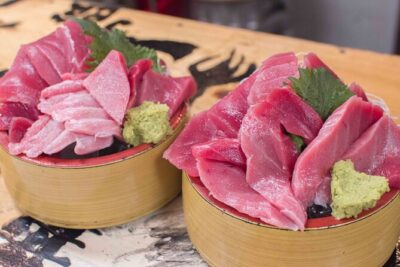
Best of Shinjuku: Izakaya Food Tour (4 Stops, 14+ Tastings)
Read our review →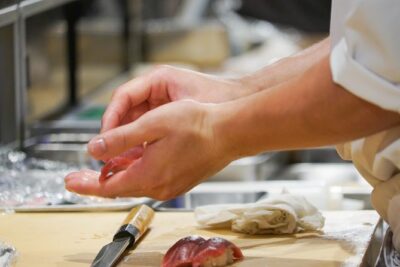
Tokyo Night Foodie Tour in Shinjuku – Seasonal Sushi, Wagyu Beef
Read our review →
Eat and Drink Like a Local: Tokyo Ueno Food Tour-Taverns&Ramen
Read our review →
Tsukiji Fish Market: Street Food & Culture Walking Tour
Read our review →Shinjuku Food Tour – 15 Dishes, 3 Drinks, 4 Eateries
Read our review →Browse the lists this tour appears in