Reviewed · GUIDED
Private Tokyo with Exceptional Guide Tailored to Your Needs
Tokyo is easier to understand when someone helps you connect its far-flung districts. This private tour lets you choose the focus, from Senso-ji and Meiji Jingu to anime shops, neighborhood markets, and quiet temple streets. Miyuki, Hitomi, Kaz, and Miho are among the guides named for this experience.
I especially like the hotel pickup and the chance to learn Tokyo’s public transport system while you use it. I also like the personal planning before the tour, which can turn a standard sightseeing day into a route built around food, temples, shopping, museums, or Japanese culture.
The main trade-off is that you must choose carefully. A four-hour tour allows only two or three places, while eight hours allows four or five. Lunch, transit, and many entrance fees cost extra, and a full day on foot requires moderate fitness.
In This Review
- Key points to know before booking
- A private day that fits your Tokyo interests
- What fits into four hours, and what needs eight
- Tsukiji Fish Market and the pleasure of eating as you go
- Senso-ji, Meiji Jingu, and Tokyo’s traditional side
- Shibuya Crossing, Omotesando, and Takeshita Street
- Imperial Palace and the memory of Edo Castle
- Akihabara for anime, games, and manga
- Yanaka Ginza and old neighborhood Tokyo
- Ueno, beckoning cats, and smaller cultural stops
- What the guides add to the day
- Transport, meals, fees, and physical effort
- Who gets the best value from this private Tokyo tour
- FAQ
- How long is the private Tokyo tour?
- How many places can I visit?
- Is hotel pickup included?
- Can I use public transportation?
- Are lunch and entrance fees included?
- What happens if bad weather cancels the tour?
- Should you book it?
Key points to know before booking
- Pick your own Tokyo: Choose two or three stops for four hours, or four to five for eight hours.
- Meet at your hotel: Pickup saves you the stress of finding a guide in a huge city.
- Learn the train system: Public transport is included as the main way to move around, with a private-car option available.
- Mix icons with local Tokyo: Pair Senso-ji or Shibuya Crossing with Yanaka Ginza, local markets, or smaller temples.
- Guides plan around you: WhatsApp communication before the tour helps shape the day and clarify interests.
- Budget beyond the tour price: Lunch, subway fares, and admission fees are not included.
A private day that fits your Tokyo interests
The strongest feature here is not a fixed route. It is the freedom to decide what kind of Tokyo you want to see. You might spend the day around shrines and imperial history, focus on food and shopping, or combine famous sights with neighborhoods you would probably miss on your own.
The tour costs about $151.54 per person, with a four- to eight-hour duration. That is a reasonable price if you value a guide who arranges the day, meets you at your hotel, explains local customs, and helps you move through Tokyo by train. The value is less compelling if you are comfortable planning routes yourself and only want quick photo stops.
You can request public transport or choose the private-car option. Public transport usually makes more sense for understanding daily Tokyo and keeping the experience close to local life. A car may be worth considering if your group has mobility concerns, heavy luggage, or a strong dislike of transfers, but the option costs more and is not part of the base arrangement.
Before the day begins, contact is handled through WhatsApp. This matters because you can explain your must-see places, interests, food preferences, and pace in advance. The guides can then suggest a practical route rather than trying to squeeze every famous district into one rushed circuit.
A few more Tokyo bookings worth comparing
- Mt Fuji and Hakone 1-Day Bus Tour Return by Bullet Train
★ 5.0 · 26,383 reviews - 1-Day Tokyo Bus Tour
★ 5.0 · 14,250 reviews - Tokyo: TOKYO SKYTREE® Admission ticket
★ 4.5 · 11,192 reviews
What fits into four hours, and what needs eight
The four-hour version is best treated as a focused introduction. You can choose two or three places, and that limit is useful. Tokyo’s sights are spread out, and time disappears quickly on trains, station walks, photos, and short food stops.
For a first day, you might choose Senso-ji, Meiji Jingu, and Shibuya Crossing. That gives you a traditional temple, a wooded shrine, and one of the city’s most famous modern scenes. Another good plan would be Tsukiji Fish Market plus nearby cultural or shopping stops, especially if food matters more than monuments.
The eight-hour version allows four or five places, though you should still avoid building a wish list that crosses the entire city repeatedly. A guide can help group stops by area and suggest what deserves a proper hour and what works as a brief visit.
A full day is especially useful for families and first-time visitors. You learn how to use trains, see major sights without handling every transfer yourself, and receive advice for the rest of your stay. Still, the day can involve considerable walking, standing, stairs, and station changes, so a realistic pace will be more enjoyable than a packed one.
Tsukiji Fish Market and the pleasure of eating as you go
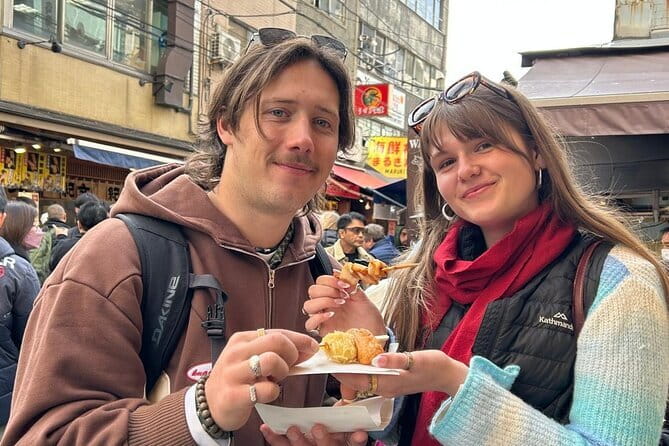
Tsukiji is a natural choice if you want Tokyo through food. You can browse fresh seafood, watch local shopping, and look for snacks as you walk. The tour allows about an hour here, enough for a taste of the market rather than a long meal.
Your guide can help explain what you are seeing and suggest foods to try. Since lunch is not included, plan to pay for your own meal and the guide’s portion when you eat together. That arrangement is worth remembering when you set your budget.
Tsukiji works well in a half-day plan if food is your main interest. It is less suitable if you expect a quiet museum-like visit, since the appeal comes from movement, shopping, smells, and small bites.
Senso-ji, Meiji Jingu, and Tokyo’s traditional side
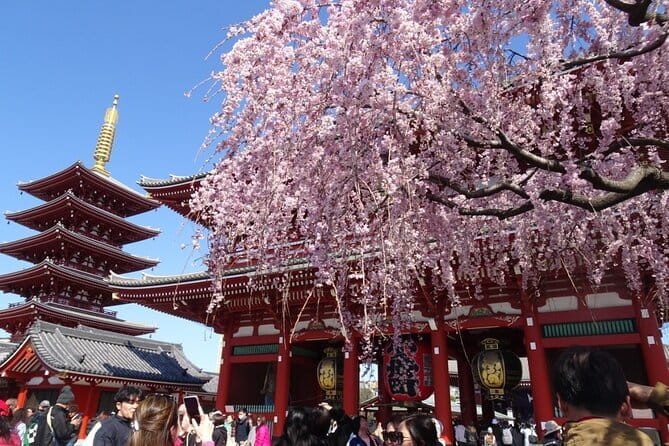
At Senso-ji in Asakusa, the large red lantern and temple approach give you one of Tokyo’s clearest introductions to Japanese religious spaces. You will have time to take photographs, observe people making offerings, and look around the surrounding area.
A guide adds useful context here. The stop is free, but the approach can feel crowded, particularly around the most recognizable photo points. Your guide can help you understand the customs rather than simply leading you to the lantern and moving on.
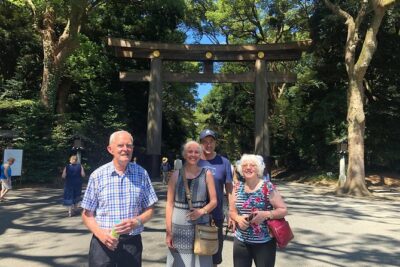
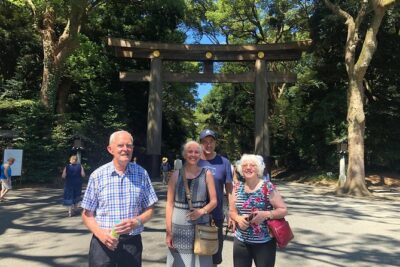
Meiji Jingu offers a different mood. Its tree-lined grounds and sacred atmosphere provide a break from the city’s towers and traffic. The stop is also free, and one hour gives you time to walk in, see the shrine area, and hear about its place in modern Japanese life.
These two sites pair well because they feel so different. Senso-ji connects you with old Asakusa and its lively streets, while Meiji Jingu gives you a quieter setting near Harajuku. If you have only four hours, ask your guide whether both can fit comfortably with your hotel location and transport needs.
Same corner of Tokyo, a completely different plan:
- Tokyo: teamLab Planets TOKYO Digital Art Museum Entry Ticket
★ 4.6 · 9,779 reviews - Mt Fuji & Hakone Cruise, Drum Show Bullet Train 1 Day from Tokyo
★ 4.0 · 7,413 reviews - Tokyo: Sumo Show Experience with Chicken Hot Pot and a Photo
★ 4.8 · 6,678 reviews - Tokyo: Shinjuku Food Tour (13 Dishes at 4 Local Eateries)
★ 5.0 · 6,603 reviews
Shibuya Crossing, Omotesando, and Takeshita Street
Shibuya Crossing is a short stop, usually about 30 minutes. You can film the crossing, see the Hachiko statue, and watch one of Tokyo’s famous waves of pedestrians. It is a strong photo stop, but it is not a place where you need to spend half a day.
Omotesando offers a more design-focused view of Tokyo. The avenue is known for striking buildings by major architects, while nearby galleries and shops appeal to younger shoppers and art fans. The planned time is also about 30 minutes, so think of it as a walk through a district rather than a detailed architecture tour.
Takeshita Street is another brief stop, with cute goods, youth fashion, and colorful snacks such as rainbow cotton candy. It can be fun for families and teens, but it may feel noisy and commercial if your main interests are temples, gardens, or history.
These three stops can create an energetic modern-Tokyo route. They also show why the guide’s planning matters. Each place is fairly quick to see, but moving between them and getting the right balance with cultural sites can take careful timing.
Imperial Palace and the memory of Edo Castle
The Imperial Palace area occupies the former site of Edo Castle. You can see broad park areas, moats, and huge stone walls, with about an hour set aside for the stop.
This is a good choice if you want historical context without committing to a museum visit. The open setting gives you room to slow down after crowded shopping districts, and your guide can explain how Tokyo developed from Edo into the modern capital.
Check what parts are open during your visit, since the experience described here centers on the grounds and exterior features. Entrance fees are not included if you choose a facility that charges admission, and you must also cover the guide’s admission if you ask the guide to accompany you inside.
Akihabara for anime, games, and manga
Akihabara is the obvious pick for fans of anime, games, and manga. The listed time is about 30 minutes, which is enough to get a first look and identify shops or themes you may want to explore later.
A short stop will not cover the whole district. It works best when you already know what interests you, such as games, character goods, or electronics, and tell your guide in advance. The phrase otaku is often used for devoted fans of these hobbies, and Akihabara gives you a direct look at that part of Tokyo culture.
The experience can also point you beyond the main shopping streets. One suggested idea is to take a break at a contemporary art cafe connected with Takashi Murakami. That option may suit you if you want something more unusual than a standard Akihabara shopping circuit, though you should confirm the exact plan with your guide.
Yanaka Ginza and old neighborhood Tokyo
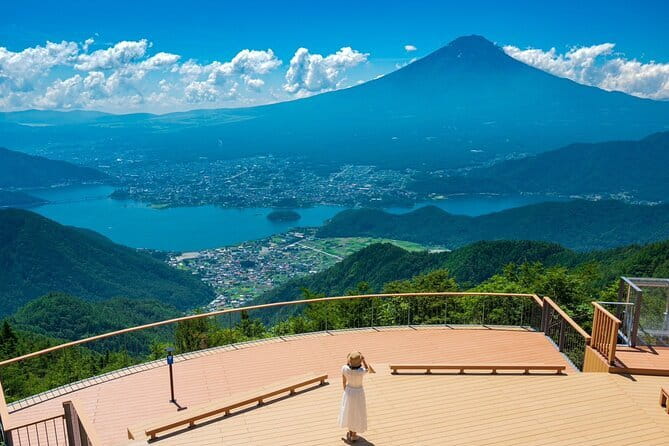
Yanaka Ginza Shopping Street is one of the more valuable choices for visitors who want daily Tokyo rather than only major sights. The narrow streets retain traces of an older city, and you can browse shops, eat snacks, and watch local life at a slower pace.
The stop is planned for about an hour. That is long enough for a relaxed walk and a few small purchases, especially if shopping or food is part of your plan. It also offers a useful contrast with Shibuya, Harajuku, and Akihabara.
Nearby options include shopping streets with vintage clothing and vinyl records, as well as a weather shrine where you can pray for clear skies. These suggestions show the range of the private format: you can ask for a particular hobby, a small local shrine, or a neighborhood with fewer standard sightseeing stops.
Ueno, beckoning cats, and smaller cultural stops
Ueno Park is known for cherry blossoms, but the area also includes seven museums and Ueno Toshogu, a richly decorated Tokugawa mausoleum. If you want museums or seasonal scenery, Ueno can fill a large part of a day. Do not add it casually to a route that already includes distant districts.
Another possible stop is the birthplace of Maneki Neko, the familiar beckoning cat figure. You can hear the story behind the cats and see many of them arranged around the temple grounds. This is a good example of a small cultural visit that can feel more personal than checking off another major landmark.
The tour also suggests Teishakuten Temple, with movie connections, detailed sculptures, and a Japanese garden. You might pair it with dumplings and tea. This option is farther from the best-known central sights, so it makes more sense for an eight-hour custom day or for someone returning to Tokyo who wants a different view.
What the guides add to the day
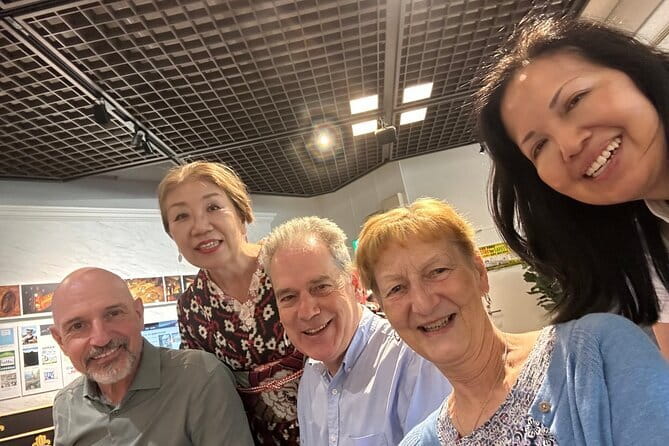
The named guides include Miyuki, Hitomi, Kaz, and Miho. The experience is built around English-speaking guides, and the strongest part of the service is the planning and personal attention rather than a single standard script.
Miyuki is described as helping families with history, food, neighborhood stops, and public transport. She has also helped arrange extra cultural activities and difficult-to-obtain plans, but those are not part of this tour’s listed inclusions. Treat such help as something to discuss separately, not as a guaranteed part of your booking.
Hitomi has guided families, mothers and children, and first-time visitors. Her style includes history, practical navigation, and attention to personal interests. Kaz is associated with highly customized routes that combine Asakusa, the Imperial Palace, Shibuya, and seasonal sights. Miho is described as organized and careful with time planning.
You should send a short list before the tour: three must-see places, two optional ideas, your food interests, and your preferred walking pace. That gives the guide something concrete to work with and helps avoid a day that feels like a random collection of stops.
Transport, meals, fees, and physical effort
Hotel pickup is included, which is a real help on your first morning in Tokyo. You can start without finding an unfamiliar meeting point, and the guide can show you how to reach the first stop.
Public transportation is recommended, and you should consider buying a Tokyo Subway 24-hour, 48-hour, or 72-hour ticket in advance. The ticket itself is not included. Using trains with your guide has lasting value because you can repeat the routes during the rest of your stay.
Bottled water and an English-speaking guide are included. Lunch is not. If you eat together, pay for your own meal and the guide’s portion. Entrance fees are also extra, including the guide’s fee if you ask the guide to enter a paid facility with you.
The tour requires moderate physical fitness. Expect walking through neighborhoods, standing at sights, and using public transport. A private car can reduce some transit effort, but you should still ask about the exact route and walking involved.
Who gets the best value from this private Tokyo tour
I would choose this experience for a first visit, a family with different interests, or anyone who feels uneasy about Tokyo’s scale. It is also a smart option for a first full day, since the guide can teach you transport basics and help you get your bearings for later independent sightseeing.
It suits you particularly well if you want to combine famous places with local shopping streets, food markets, smaller temples, or a hobby such as anime, vintage clothing, or Japanese gardens. The private format lets you skip places that do not interest you.
I would think twice if you want a fixed, highly scripted tour with every admission included. This experience asks you to make choices, pay some costs separately, and accept that a half-day can cover only a small part of Tokyo.
The activity has a five-star rating from 37 reviews and a 100 percent recommendation figure, which supports confidence in the guide-led format. Still, the right guide and route matter, so use the pre-tour WhatsApp contact to explain exactly what you want.
FAQ
How long is the private Tokyo tour?
You can choose an approximately four-hour half-day tour or an approximately eight-hour full-day tour.
How many places can I visit?
For four hours, you can choose two to three places. For eight hours, you can choose four to five places, with your guide’s advice on the best route.
Is hotel pickup included?
Yes. Hotel pickup is offered for added convenience.
Can I use public transportation?
Yes. Public transport is available, and the tour is designed to help you travel around Tokyo like a local. A private-car option is also available for an additional choice.
Are lunch and entrance fees included?
No. Lunch, public transportation, and entrance fees are not included. If you ask the guide to enter a paid facility with you, you must also pay the guide’s admission.
What happens if bad weather cancels the tour?
If poor weather causes the experience to be canceled, you will be offered another date or a full refund. You can cancel for a full refund if you do so at least 24 hours before the start time.
Should you book it?
Book this tour if you want Tokyo shaped around your interests rather than a standard sightseeing list. The best use of the day is a thoughtful mix: perhaps Senso-ji and Meiji Jingu for tradition, then Yanaka Ginza or Tsukiji for food and local life.
Choose the eight-hour option if you want several districts, a meal, and time to learn the train system without constant rushing. Choose four hours for a focused first look. At $151.54 per person, the price makes the most sense when you use the guide for planning, cultural explanation, and transport help, not just directions to famous photo spots.
New on our Tokyo list
- Tokyo Spectacular View Day-Cruise in 90 Minutes★ 5.0 · 25 reviews
- From Tokyo: Mount Fuji & Hakone Full Day Private Tour★ 4.9 · 25 reviews
- Real Tokyo Runner Club : Daikoku Car Meet Night Tour with JDM Car★ 5.0 · 25 reviews
- 2.5 Hour-Guided Cycle Tour in the Central Tokyo★ 5.0 · 25 reviews
- Ramen Making from Scratch +Akihabara Tour –Cooking Class★ 5.0 · 25 reviews
- [Self-Drive] Tokyo & Daikoku Custom Car Driving Tour★ 4.9 · 25 reviews
- Tokyo: 2-Hour Night Bike Tour of the City’s Hidden Gems★ 4.9 · 25 reviews
- Samurai themed Entertainment show in Shinjuku★ 4.5 · 25 reviews
Guided, compared.
Tokyo 6hr Private Tour with Government-Licensed Guide
Read our review →
Shinjuku Local Bar and Izakaya Guided Walking Tour
Read our review →
Private City Highlights Tour with Local Guide
Read our review →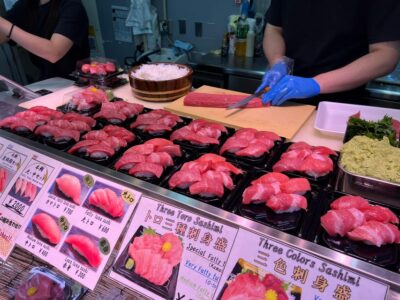
Tokyo 4hr Private Tour with Government-Licensed Guide
Read our review →
Samurai Ninja Museum Guided tour and Experience
Read our review →