Reviewed · GUIDED
Private Tour with a Local Guide – Learn about daily life in Japan
Tokyo makes a strong first impression, but its best contrasts are easier to understand with a local guide. This private walk links the calm grounds of Meiji Jingu Shrine with the youthful style of Harajuku, the quieter shops of Cat Street, and the organized rush of Shibuya Crossing.
I like two things right away: you can choose a start time that fits your day, and the private format lets you ask questions without holding up a larger group. Guide Jero is also praised for showing people corners they might miss alone and for striking a useful balance between old Tokyo and present-day culture.
The main consideration is the price: $88.68 per person is fair for a private walk, but it is not the cheapest way to see these districts. Food and drinks cost extra, and the tour covers a lot on foot in only two to three hours.
In This Review
- Key points to know before booking
- From quiet shrine gates to Tokyo street style
- Starting at Meiji Jingu Shrine
- Takeshita Street and Harajuku’s youthful energy
- Harajuku street fashion beyond the main road
- Cat Street, a calmer link to Shibuya
- Finishing at Shibuya Crossing
- What the private format is worth
- Who will get the most from this walk
- Jero’s role in the experience
- Should you book this Tokyo tour?
- FAQ
- How long does the private Tokyo walking tour last?
- Where does the tour begin?
- Where does the tour finish?
- Is this a private activity?
- Are food and drinks included?
- Can I cancel for a full refund?
Key points to know before booking
- Meiji Jingu gives the walk a calm opening: Learn about Shinto customs and Japanese culture before entering Harajuku’s louder streets.
- Takeshita Street shows Harajuku at full volume: Expect colorful shops, youth fashion, and plenty of people.
- Jero adds a personal touch: He can help with solo and group photos and adjust the conversation to your interests.
- Cat Street offers a change of pace: Independent boutiques, vintage shops, and cafes replace the crush of the main roads.
- Shibuya Crossing provides the big finish: The tour ends near Shibuya Station, a handy place to continue exploring.
- The private format has real value: Your group gets the guide’s full attention, with no strangers setting the pace.
From quiet shrine gates to Tokyo street style
This tour works because the route has a clear story. You begin with religion, ritual, and green space at Meiji Jingu Shrine. Then the setting shifts to Harajuku, where clothing, music, and youth culture shape the streets. The final move to Shibuya brings you into Tokyo’s bright, fast-moving city center.
That change happens within a short distance, but the areas feel very different. A guide can explain those differences as you walk instead of leaving you to connect the dots on your own.
The tour lasts about two to three hours. That is enough time for an introduction to the districts, but not enough for long shopping stops, museum visits, or a relaxed meal. Think of it as a focused orientation walk that helps you understand where to return later.
Because the activity is private, only your group takes part. This matters in Tokyo, where crowded sidewalks and busy crossings can make a fixed group harder to manage. You can ask about daily life, clothing, food, customs, or local habits as they come up.
A few more Tokyo bookings worth comparing
- Mt Fuji and Hakone 1-Day Bus Tour Return by Bullet Train
★ 5.0 · 26,383 reviews - 1-Day Tokyo Bus Tour
★ 5.0 · 14,250 reviews - Tokyo: TOKYO SKYTREE® Admission ticket
★ 4.5 · 11,192 reviews
Starting at Meiji Jingu Shrine
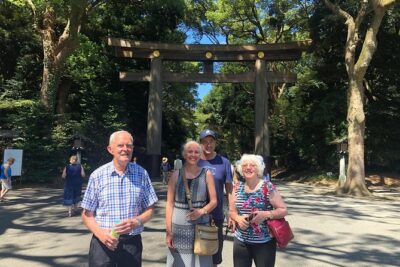
The meeting point is Café Mori no Terrace at 1-1 Yoyogikamizonochō in Shibuya. From there, you walk toward the main building of Meiji Jingu Shrine while learning about Japanese culture and the shrine’s role in Tokyo.
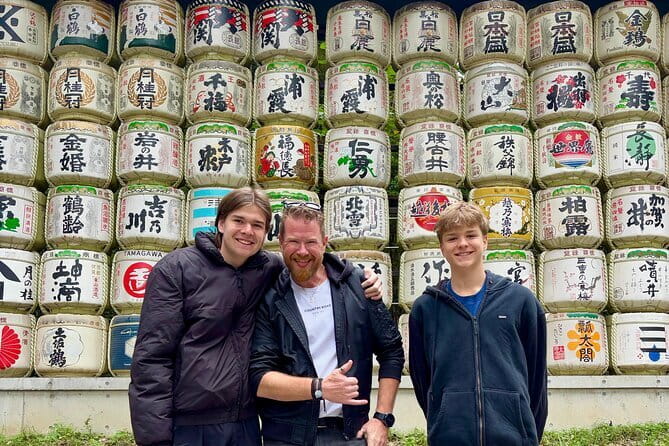
Meiji Jingu is one of the city’s best places to begin a walking tour. Its setting creates a sharp contrast with the fashion streets nearby. The shrine grounds offer a slower rhythm, and the visit gives you a basic look at Shinto practices before the tour moves into modern Harajuku.
Your guide can make this stop more useful than a quick photo visit. You can ask about shrine etiquette, the meaning of what you see, and how religious sites fit into everyday life in Japan. The information provided does not promise a formal ceremony or special access, so expect an exterior and cultural visit rather than a private ritual experience.
Wear comfortable shoes. The route is a walking tour, and the transition from the shrine to Harajuku is part of the experience. The pace should suit most people, but anyone hoping to avoid walking altogether should choose another activity.
Takeshita Street and Harajuku’s youthful energy
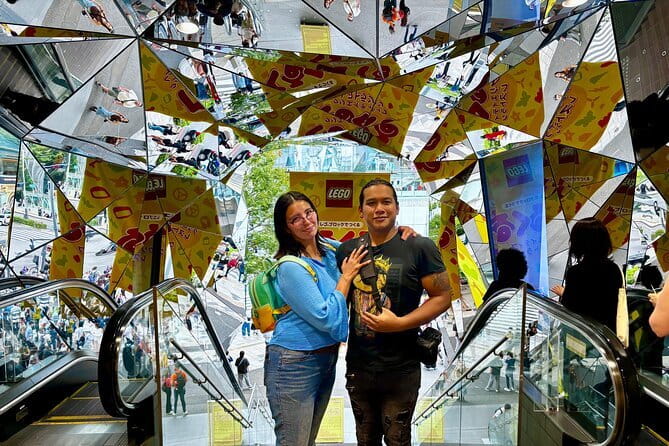
After Meiji Jingu, the route heads to Takeshita Street. This famous Harajuku shopping road is known for colorful storefronts, youth fashion, snacks, and a steady flow of people.
Takeshita Street is a good place to see the side of Tokyo that attracts fans of Japanese pop culture and street style. You may find small fashion shops, playful displays, and food stops that are easy to miss if you simply follow the main road without context. Your guide can point out what matters locally and suggest places to try Japanese street food.
Food is not included, so bring extra money if you want to stop for a snack. The tour does not promise a set tasting menu, which is useful for keeping the walk flexible. It also means the final cost depends on what you choose to buy.
There is a practical downside here: Takeshita Street can feel crowded and intense. You may spend more time walking slowly than covering ground. That is not a flaw in the neighborhood, but it can limit how much of the later route you see if your group stops often.
Harajuku street fashion beyond the main road

The walk continues into Harajuku’s street-fashion scene, where clothing and personal style take center stage. The appeal is less about one famous building and more about seeing how people use the streets to express taste and identity.
This is where Jero’s local perspective can add the most value. A private guide can explain the connection between Harajuku and Japanese pop and subcultures in a way that a quick self-guided walk may not. You can ask about styles that catch your eye instead of listening to a fixed talk meant for a large group.
The tour description keeps this part broad, so you should not expect a guaranteed visit to a particular shop, cafe, or fashion label. The strength is the setting and the conversation. If you are interested in youth culture, clothing, or how Tokyo neighborhoods change, this section should be especially useful.
I also like the chance to use the guide as a practical local contact. Jero can suggest where to eat, what to explore next, or which streets deserve another look after the tour. You pay for your own food and purchases, but the advice can help you spend that money more wisely.
Same corner of Tokyo, a completely different plan:
- Tokyo: teamLab Planets TOKYO Digital Art Museum Entry Ticket
★ 4.6 · 9,779 reviews - Mt Fuji & Hakone Cruise, Drum Show Bullet Train 1 Day from Tokyo
★ 4.0 · 7,413 reviews - Tokyo: Sumo Show Experience with Chicken Hot Pot and a Photo
★ 4.8 · 6,678 reviews - Tokyo: Shinjuku Food Tour (13 Dishes at 4 Local Eateries)
★ 5.0 · 6,603 reviews
Cat Street, a calmer link to Shibuya
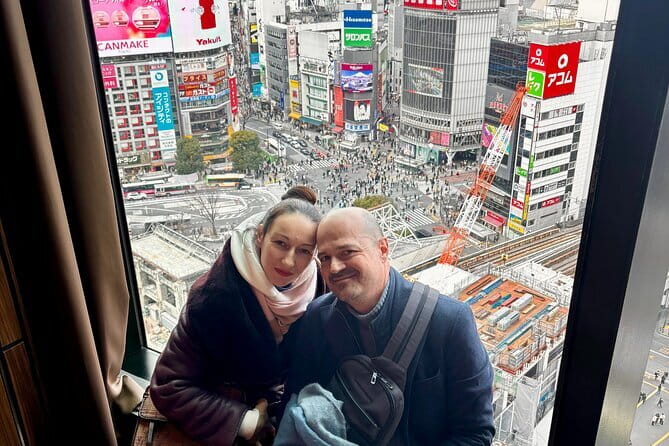
The route then reaches Cat Street, a pedestrian-friendly road between Harajuku and Shibuya. The area is known for independent boutiques, vintage shops, and trendy cafes, with a less frantic feel than the main roads nearby.
Cat Street adds needed variety. After the bright crowds of Takeshita Street, you get a more relaxed look at Tokyo’s small-scale retail scene. The stop is listed as about 20 minutes and has no admission charge, so this is a short walking and sightseeing segment rather than a full shopping session.
You might find that Cat Street suits you better than Takeshita Street if you prefer smaller shops and a less concentrated crowd. On the other hand, anyone hoping for a long browse should plan to return independently. Twenty minutes goes quickly, especially if you stop for photos.
The location also makes sense as a bridge between two districts. You can see how Harajuku’s fashion culture flows toward Shibuya without simply staying on the biggest commercial streets. That change in mood is one of the more useful parts of the route.
Finishing at Shibuya Crossing
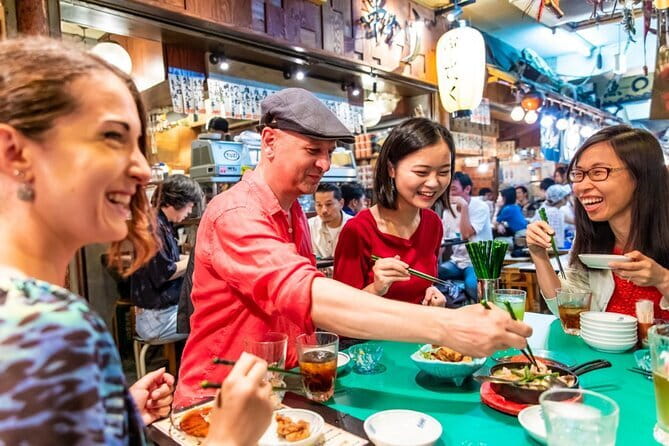
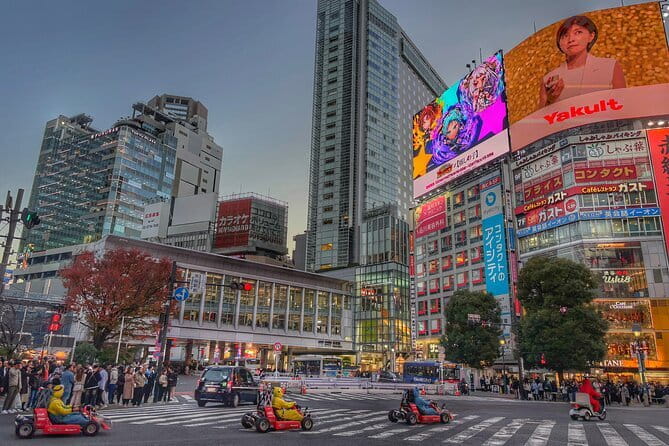
The final major stop is Shibuya Crossing, the famous intersection where crowds move in several directions at once. Your guide brings you into the area and helps you experience the crossing rather than viewing it only from a distance.
Shibuya Crossing is a fitting finish because it brings together the themes of the walk: crowds, city movement, fashion, and modern Tokyo life. Your guide can also help with photos, including solo pictures and group shots at famous landmarks. That small service is more useful than it sounds. You do not have to depend on a stranger or settle for an awkward selfie.
The crossing is popular for a reason, but it is not a long attraction by itself. The value comes from seeing it in context after walking through the shrine grounds, Harajuku streets, and Cat Street. Your guide’s local comments can turn a quick crossing into a better understanding of how the city uses public space.
The tour ends at Shibuya Station at 2 Chome-24, Shibuya. This is convenient if you want to continue shopping, find a meal, or make your way elsewhere in Tokyo. The activity does not include a return transfer because you finish in a major transport area.
What the private format is worth
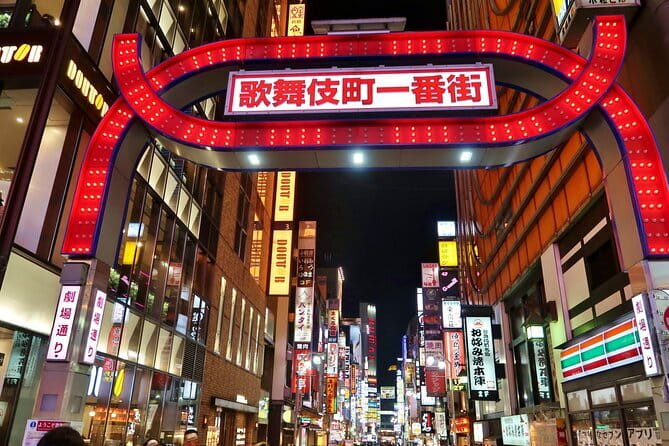
The price is $88.68 per person. For a solo visitor or a couple, that is a noticeable expense for a two to three-hour walk. For a larger group, group discounts may improve the value, especially since the guide’s time and attention are reserved for your party.
The key question is not how many sights you tick off. It is how much you value explanation, flexibility, and help with photos. If you would otherwise walk from Harajuku to Shibuya on your own, the route costs little beyond transport and whatever you eat. The private tour earns its price through the guide’s local knowledge, personal attention, and ability to shape the conversation.
I would consider it good value at the beginning of a Tokyo visit. The route gives you a quick sense of three major areas and helps you decide where to spend more time later. It is less compelling if you already know Harajuku and Shibuya well or prefer to spend hours shopping at your own pace.
The flexible start time is another plus. You can fit the walk around your arrival plans or other bookings. Confirmation is provided at booking, and free cancellation is available up to 24 hours before the start time. Changes or cancellations inside that window are not accepted for a refund.
Who will get the most from this walk
This experience suits first-time visitors who want help getting their bearings fast. It also fits people who enjoy asking questions and learning how a place works rather than only collecting landmark photos.
Families and friends may appreciate the private setup. Nobody outside your group affects the pace, and group photos are included. The activity states that most people can participate and that it is near public transportation.
People interested in Japanese pop culture, street fashion, and neighborhood life should pay special attention to this tour. The Harajuku section is not just a shopping stop. It gives you a chance to ask about the styles and subcultures that make the district different from more traditional parts of Tokyo.
I would be more cautious about booking if you dislike walking, want a food-focused outing, or expect entry into several attractions. Food and drinks are not included, and the route is mainly an outdoor walk through public areas.
Jero’s role in the experience
Jero is the guide named in the tour information, and his strongest asset appears to be the personal nature of his guiding. He is described as helping people find corners they might not notice alone, while also offering a flexible and personalized walk.
That matters on a route where the main sights are easy to locate. Anyone can find Meiji Jingu, Takeshita Street, Cat Street, and Shibuya Crossing on a map. The guide’s job is to give those places meaning and connect them to daily life in Japan.
The feedback about Jero also points to a useful balance between old and new Tokyo. The shrine provides the traditional side, while Harajuku and Shibuya show current culture. A guide who can move between those subjects without making the walk feel like a lecture is a real advantage.
You should still tell Jero what interests you at the start. The private format gives you room to focus on food, fashion, customs, photography, or neighborhood life. The more specific your questions, the more useful the time is likely to be.
Should you book this Tokyo tour?
Book it if you want a private introduction to Harajuku and Shibuya, especially on your first Tokyo visit. The route is well chosen, the start time is flexible, food suggestions are available, and the guide can take both solo and group photos.
The tour is also a good fit for a short stay. In a few hours, you see a major shrine, a famous youth-fashion street, a quieter shopping lane, and Tokyo’s best-known crossing. You finish at Shibuya Station with easy options for the rest of your day.
Skip it if your main goal is extended shopping, a full meal, or a low-cost sightseeing walk. You can visit these districts independently, and the tour does not include food or attraction admissions.
For most first-time visitors who want context and personal attention, I would book it near the start of a Tokyo stay. It gives you a useful map in your head, a local guide in Jero, and several ideas for where to return on your own.
FAQ
How long does the private Tokyo walking tour last?
The tour lasts approximately two to three hours.
Where does the tour begin?
The meeting point is Café Mori no Terrace at 1-1 Yoyogikamizonochō, Shibuya, Tokyo 151-0052, Japan.
Where does the tour finish?
The walk ends at Shibuya Station at 2 Chome-24, Shibuya, Tokyo 150-0002, Japan.
Is this a private activity?
Yes. Only your group participates in the tour.
Are food and drinks included?
No. Food and drinks are not included, but the guide can suggest places to stop for Japanese street food. You pay for anything you order.
Can I cancel for a full refund?
Yes. You can cancel at least 24 hours before the experience start time for a full refund. Cancellations and changes made less than 24 hours before the start time are not accepted for a refund.
New on our Tokyo list
- Sumi-e Experience in a relaxing green tea shop in Tokyo★ 5.0 · 3 reviews
- Tokyo : Kamikaze Street Drift Ride★ 5.0 · 3 reviews
- Private Zen Meditation in English in Shinjuku, Tokyo★ 5.0 · 3 reviews
- Onsen Spa in Tokyo and Asakusa Bar Hopping with Local Guide★ 5.0 · 3 reviews
- Easy for everyone! Now you can play handmade mini shamisen and show off to everyone! Musical instruments, sweets and live music★ 5.0 · 3 reviews
- Tokyo: Private Tsukiji Street Food & Sake with Local Guide★ 5.0 · 3 reviews
- Mt Fuji Exploration Tour with Free Japanese Kusa Mochi from Tokyo★ 4.5 · 3 reviews
- Tokyo Tsukiji Fish Market Walking and Exploring Hidden Gems Tour★ 5.0 · 3 reviews
Guided, compared.
Tokyo 6hr Private Tour with Government-Licensed Guide
Read our review →
Shinjuku Local Bar and Izakaya Guided Walking Tour
Read our review →
Private City Highlights Tour with Local Guide
Read our review →
Tokyo 4hr Private Tour with Government-Licensed Guide
Read our review →
Samurai Ninja Museum Guided tour and Experience
Read our review →