
Reviewed · SAMURAI & NINJA EXPERIENCES
Samurai Experience Mugai Ryu Iaido in Tokyo
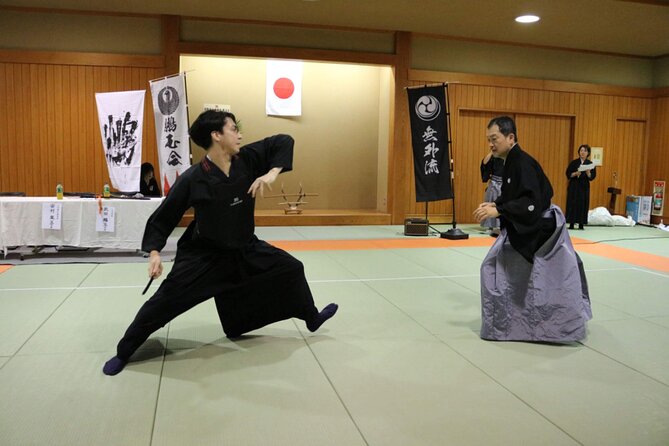
The most unusual part of this Tokyo experience is the chance to put on samurai hakama and learn the controlled movements of Mugai-ryu Iaido from Master Takeda Hougyoku. This is not a stage show alone. You handle an imitation katana, practice drawing and sheathing, and watch a formal demonstration of kata.
I like the small group of no more than eight, which gives Master Takeda and the instructor time to correct your movements. I also like the direct link to a 340-year-old martial tradition, rather than a generic sword-themed photo stop. The main drawback is the price: $151.92 for about one hour is a serious splurge.
In This Review
- Key points
- A one-hour meeting with Tokyo’s samurai tradition
- Changing into hakama before the lesson
- Learning what Iaido actually involves
- Handling an imitation katana safely
- Practicing the draw, sheath, and basic patterns
- The tameshigiri portion and what to expect
- Watching Master Takeda perform formal kata
- Why the small group changes the experience
- Is $151.92 good value for one hour?
- Getting to Kuramae and planning your visit
- Who should book this Iaido experience?
- My call: a worthwhile specialist experience
- FAQ
- How long does the Samurai Experience Mugai Ryu Iaido activity last?
- Where does the activity begin and end?
- Is transportation included?
- What is included in the price?
- Are real swords used?
- How many people can join the activity?
- Do I need previous Iaido experience?
- Can I cancel for a full refund?
Key points
- Learn from Master Takeda Hougyoku: He heads the International Iaido Organization Hougyoku-kai and carries on the Mugai-ryu tradition.
- Wear rented hakama: The traditional clothing makes the lesson feel more focused and gives you strong photo opportunities.
- Handle imitation katanas: Safety comes first, with mock swords used during the session.
- Practice the full basics: You learn how to hold, draw, move, and sheath the sword before seeing formal kata.
- See Mugai-ryu kata up close: The final demonstration shows the precision and rhythm that are difficult to grasp from a museum display.
- Meet in Kuramae: The activity begins and ends at 4-chome-20-10 Kuramae in Taito City, near public transportation.
A one-hour meeting with Tokyo’s samurai tradition
Tokyo offers no shortage of temples, observation decks, food tours, and pop-culture attractions. This experience gives you something different: a brief, practical introduction to Iaido, the Japanese art of drawing and using a sword in a controlled sequence.
The focus is Mugai-ryu Iai, a martial art known for its practical approach. You are not simply posing with a sword. The lesson explains why the sword is held in a certain way, how it is drawn, and how it returns to its scabbard. Those small movements are the heart of the session.
The activity is led by Master Takeda Hougyoku, head of the International Iaido Organization Hougyoku-kai. He is described as the heir to ancient Mugai-ryu scrolls and a keeper of a tradition dating back 340 years. That background matters because it gives the class a clear connection to a living school of swordsmanship.
You should still set realistic expectations. One hour cannot turn you into a samurai or provide a full martial arts course. What it can do is give you a respectful introduction, a chance to practice basic forms, and a glimpse of the discipline behind the dramatic sword movements.
More samurai and ninja sessions:
- Tokyo: Samurai Ninja Museum Guided tour and Experience
★ 4.6 · 1,010 reviews - Tokyo: Samurai Sword & Archery Class from Samurai Descendant
★ 5.0 · 603 reviews - Best Samurai Experience in Tokyo
★ 5.0 · 458 reviews
Changing into hakama before the lesson
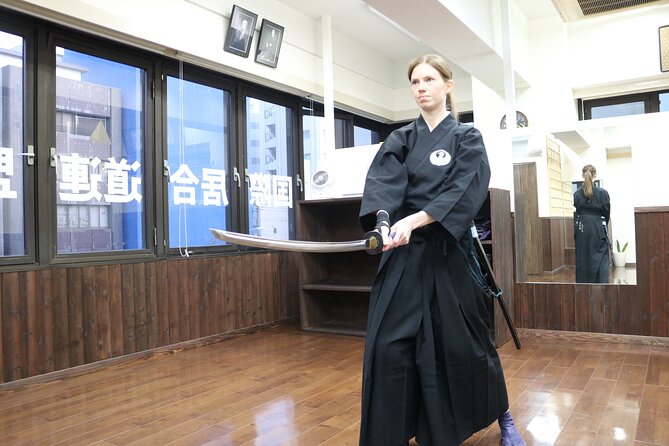
The session begins with a change of clothes. You are provided with rented hakama, the pleated trousers associated with Japanese martial arts and formal dress.
This step is more than a costume photo opportunity. The clothing helps mark a change from sightseeing mode to lesson mode. It also gives the instructor a practical way to place you within the visual tradition of Iaido.
The supplied information does not give a detailed changing-room setup, so plan to arrive ready to follow the dojo’s instructions. Since the total session lasts only about 60 minutes, arriving on time matters. A late start could cut into the hands-on portion.
Photos are encouraged during the experience, giving you a useful souvenir beyond the usual Tokyo snapshot. Still, follow the instructor’s directions about when to take them. Sword handling requires attention, and the lesson works best when you watch first and copy carefully.
Learning what Iaido actually involves
After changing, Master Takeda and the English-speaking instructor explain what Iaido is and outline the flow of the session. This introduction gives the movements a purpose before you begin copying them.
You learn how to handle the sword safely, how to hold it, how to draw it, and how to sheath it. You also receive an overview of the basic patterns used in the lesson. For a first-time visitor, this explanation is essential. Without it, Iaido can look like a series of elegant gestures with no clear structure.
The English-speaking instruction is particularly useful here. Martial arts rely on precise timing and body position, so a clear explanation helps you understand what you are doing rather than simply mimicking a movement.
I like that the lesson begins with safety and method. Sword arts can look theatrical from a distance, but the appeal lies in control. You will probably notice that the gestures are measured, deliberate, and less frantic than movie sword fights.
The class is suitable for first-time visitors and people who have already spent time in Tokyo. If you have seen the major sights, this provides a fresh way to connect with Japanese culture. If it is your first visit, it offers a quieter counterpoint to the city’s crowded shopping streets and famous districts.
Handling an imitation katana safely
The swords used here are imitation katanas. That is an important detail for anyone who feels nervous about trying a martial arts activity.
You still learn the basic mechanics of sword handling, but you are not being handed a live weapon. The instructor explains how to hold the sword and how to move it safely before you practice. This makes the session accessible to people with no martial arts background.
The mock sword also keeps the focus on technique. You can concentrate on posture, sequence, and control instead of worrying about the danger of a sharpened blade. Parents and cautious participants may find this reassuring, though the supplied information does not set a minimum age or describe special arrangements for children.
You should expect to follow instructions closely. Even an imitation sword can cause problems if handled carelessly, so this is not the place for improvised spins or dramatic movie moves. The experience is about discipline, not play fighting.
A few more Tokyo bookings worth comparing
- Mt Fuji and Hakone 1-Day Bus Tour Return by Bullet Train
★ 5.0 · 26,383 reviews - 1-Day Tokyo Bus Tour
★ 5.0 · 14,250 reviews - Tokyo: TOKYO SKYTREE® Admission ticket
★ 4.5 · 11,192 reviews - Tokyo: teamLab Planets TOKYO Digital Art Museum Entry Ticket
★ 4.6 · 9,779 reviews
Practicing the draw, sheath, and basic patterns
The practical lesson covers the central actions of Iaido. You learn how to draw the sword, how to hold it, and how to return it to its sheath. You also practice basic patterns that form the building blocks of the art.
This is where the small group becomes valuable. With a maximum of eight people, the instructor has a better chance of seeing your movements and offering corrections. In a large class, beginners can easily copy a mistake and keep repeating it. Here, you have a better chance of understanding the difference between simply moving a sword and performing the movement correctly.
The lesson also shows why Iaido is often described as practical. The sequence is not random choreography. Each action has a place, and the order matters. You learn to work through the pattern rather than rush toward a dramatic finish.
Do not expect a workout in the usual sense. The supplied details emphasize explanation, handling, basic patterns, and demonstration rather than strenuous exercise. The challenge is concentration and coordination.
If you have limited mobility or concerns about participating, note that the activity description says most people can take part but does not provide detailed accessibility information. Ask the provider before booking if you need specific accommodations.
The tameshigiri portion and what to expect
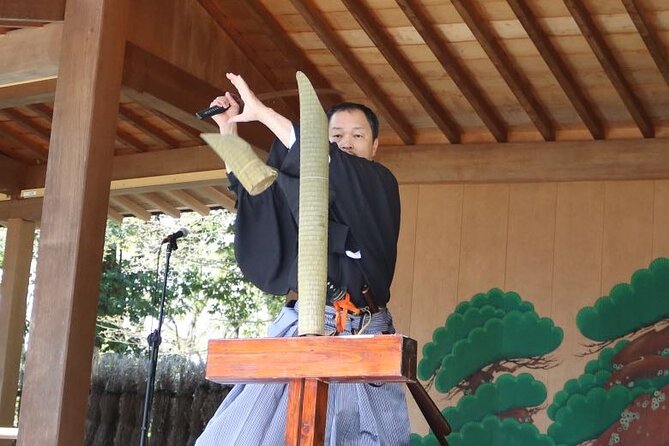
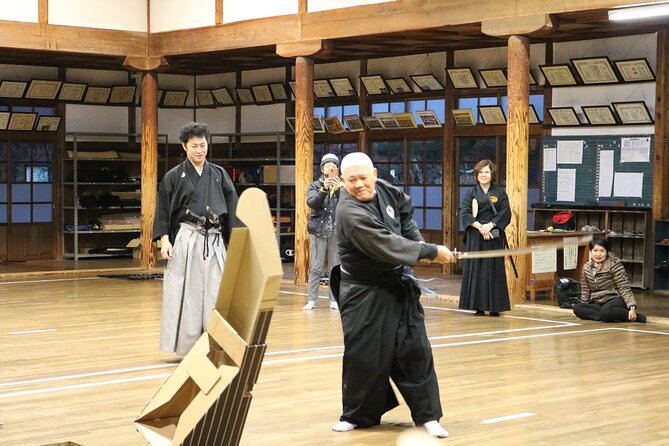
The session includes tameshigiri, described as the practice of using a sword to cut something. This is one of the more distinctive parts of the experience because it connects the sword to its practical purpose rather than treating it only as a ceremonial object.
At the same time, the experience clearly states that only mock katanas are used. You should not book this expecting to handle a sharpened blade or take part in a dangerous live-cutting demonstration. The supplied details do not explain exactly what material is used for this portion, so ask the provider for clarification if tameshigiri is the main reason you are interested.
That wording may sound slightly confusing, but the safe takeaway is simple: the activity is designed for visitors and uses imitation swords. The point is to introduce the movement and idea of cutting practice without turning a short cultural lesson into a weapons course.
This portion may be especially interesting for people who want to understand the practical side of samurai swordsmanship. It adds a physical element to the historical explanation and helps show why precision matters.
Watching Master Takeda perform formal kata
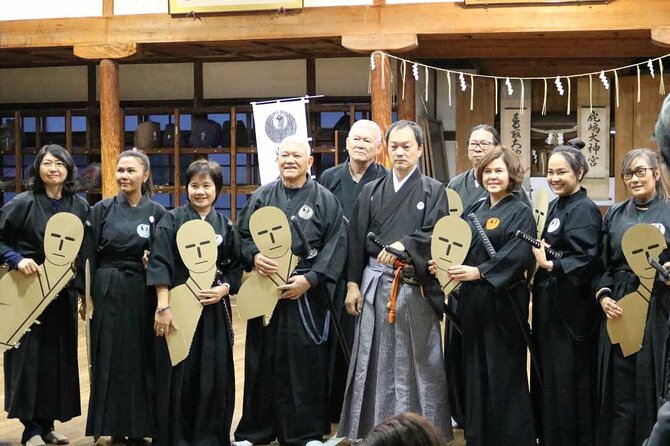
The final highlight is a demonstration of Iaido kata. Kata are predetermined patterns of attack and movement. Seeing them performed by an experienced practitioner lets you compare the polished form with the basic actions you have just tried.
This is often the moment when the discipline of Iaido becomes clearest. A beginner may spend much of the lesson thinking about where to place the hands or when to draw. A master can perform the same sequence with a smooth rhythm and precise control.
The demonstration also gives the experience a strong sense of tradition. Master Takeda’s role in the International Iaido Organization Hougyoku-kai and his connection to the Mugai-ryu scrolls add weight to the presentation. You are not just watching a generic sword routine prepared for tourists.
The demonstration takes place before your eyes at the end of the activity, giving the lesson a natural finish. You see the form at a high level, then leave with a clearer understanding of the practice behind it.
Why the small group changes the experience
A group limit of eight is one of the best practical features. Iaido depends on small adjustments, and individual attention is far more useful than a distant lecture.
The experience also includes both Master Takeda and an English-speaking instructor. The instructor can help explain the sequence while Master Takeda demonstrates the tradition and technique. The combination should make the lesson easier to follow, especially if you have never encountered Iaido before.
A small group does not guarantee a private lesson. You will still share the instructor’s time, and the exact amount of personal correction may vary. But the format is far more personal than a large cultural demonstration.
The intimate setup also helps with photographs. You have plenty of opportunities to take pictures in hakama, though you should treat the dojo as a place of practice first and a photo location second.
Is $151.92 good value for one hour?
At $151.92 per person, this is expensive by Tokyo activity standards if you judge it only by duration. One hour is short, and there is no hotel pickup, drop-off, meal, or sightseeing included.
The value comes from the level of access. You receive rented hakama, an imitation Japanese sword, an English-speaking instructor, hands-on practice, and a demonstration connected to a 340-year-old Mugai-ryu tradition. The group is capped at eight, and Master Takeda may be present to teach.
I would compare this with the cost of a simple photo experience or a large group cultural show. Those options may offer more time, but they are unlikely to provide the same combination of instruction and direct contact with a recognized Iaido master.
For a budget-conscious visitor, the price may be hard to justify. For someone who has already seen Tokyo’s standard attractions or has a strong interest in samurai culture, the personal format can make the splurge worthwhile.
The strongest value comes when you treat this as a specialist cultural lesson, not as a general sightseeing tour. You are paying for instruction, access, clothing, and a glimpse of a traditional martial art.
Getting to Kuramae and planning your visit
The meeting point is 4-chome-20-10 Kuramae, Taito City, Tokyo 111-0051. The activity is near public transportation, but the supplied details do not name a specific station or give walking directions.
You should allow time to find the address and arrive before the scheduled start. The lesson lasts only about one hour, so there is little spare time if you get lost or arrive late.
The activity begins and ends at the same meeting point. There is no pickup or drop-off at hotels or tourist attractions, so you need to arrange your own way there and onward travel.
A mobile ticket is provided, which keeps check-in simple. Confirmation is sent within 48 hours of booking, subject to availability. The experience is typically booked about nine days ahead, so reserving early is sensible if your Tokyo schedule is tight.
Free cancellation is available if you cancel at least 24 hours before the local start time. Changes or cancellations inside that 24-hour window are not accepted for a refund.
Who should book this Iaido experience?
I would recommend it to you if you enjoy hands-on cultural activities and prefer learning a skill to watching a standard performance. It is also a good fit if you have already visited Tokyo’s major sights and want a more focused experience.
First-time Tokyo visitors can enjoy it too, especially if samurai culture is high on their list. The activity is short enough to fit into a busy itinerary, though you still need to account for travel to Kuramae and back.
This may not suit you if you want a long lesson, live-blade sword work, or a full-day historical tour. The class offers an introduction, not advanced training. It also may not feel like good value if you are judging activities mainly by minutes per dollar.
The best candidates are curious, attentive, and willing to follow instructions. You do not need prior Iaido experience, and most people can participate according to the activity information. The group format gives beginners a fair chance to learn without being lost in a crowd.
My call: a worthwhile specialist experience
Book this if you want a close look at a living Japanese martial tradition and value personal instruction over a packed sightseeing schedule. The rented hakama, careful introduction to sword handling, small group, and final kata demonstration give the hour a clear shape.
I would hesitate only if the $151.92 price feels too high for a short activity or if you expect real katana cutting. The use of imitation swords makes this a safe cultural lesson, not a weapons demonstration.
For the right person, the appeal is direct and memorable: you learn the basics, receive attention from Master Takeda Hougyoku and his instructor, and see the formal art performed at close range. That is a specialized Tokyo experience, and the small group helps it feel personal.
FAQ
How long does the Samurai Experience Mugai Ryu Iaido activity last?
The experience lasts approximately 60 minutes, including changing clothes, instruction, sword practice, tameshigiri, and the Iaido kata demonstration.
Where does the activity begin and end?
It begins and ends at 4-chome-20-10 Kuramae, Taito City, Tokyo 111-0051, Japan.
Is transportation included?
No. Hotel pickup, drop-off, and transportation from tourist attractions are not included. The meeting point is near public transportation.
What is included in the price?
The price includes rental hakama, an English-speaking instructor, and rental of a Japanese sword.
Are real swords used?
No. Only imitation katanas are used during the experience.
How many people can join the activity?
The group can have a maximum of eight participants.
Do I need previous Iaido experience?
No previous experience is stated as a requirement. The lesson covers basic sword handling, drawing, sheathing, holding the sword, and basic patterns.
Can I cancel for a full refund?
Yes. You can receive a full refund if you cancel at least 24 hours before the experience start time. Cancellations or changes made less than 24 hours before the start are not accepted for a refund.
New on our Tokyo list
- From Tokyo: Mount Fuji & Hakone Full Day Private Tour★ 4.9 · 25 reviews
- Tokyo Spectacular View Day-Cruise in 90 Minutes★ 5.0 · 25 reviews
- Real Tokyo Runner Club : Daikoku Car Meet Night Tour with JDM Car★ 5.0 · 25 reviews
- 2.5 Hour-Guided Cycle Tour in the Central Tokyo★ 5.0 · 25 reviews
- Ramen Making from Scratch +Akihabara Tour –Cooking Class★ 5.0 · 25 reviews
- [Self-Drive] Tokyo & Daikoku Custom Car Driving Tour★ 4.9 · 25 reviews
- Tokyo: 2-Hour Night Bike Tour of the City’s Hidden Gems★ 4.9 · 25 reviews
- Samurai themed Entertainment show in Shinjuku★ 4.5 · 25 reviews
Samurai & Ninja Experiences, compared.
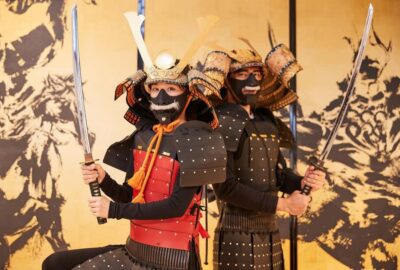
Samurai Ninja Museum Guided tour and Experience
Read our review →
Samurai Sword & Archery Class from Samurai Descendant
Read our review →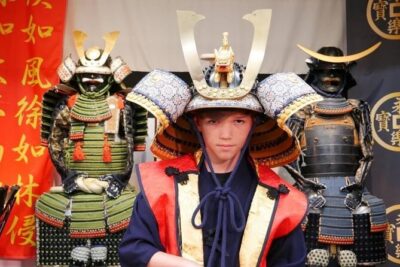
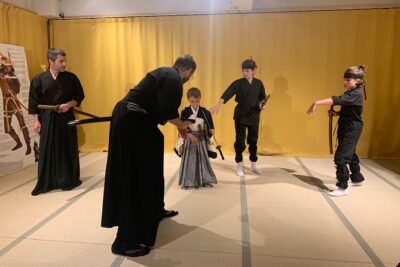
Ninja Experience (Family Friendly) at Samurai Ninja Museum TOKYO
Read our review →
Samurai Entertainment Night Show in Kanda Shrine
Read our review →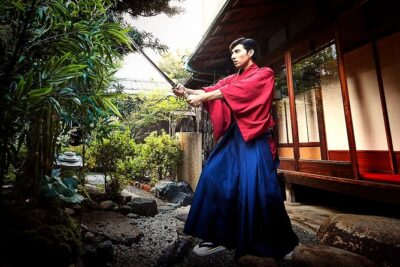
Tokyo Sword Experience – includes Museum Ticket/Ninja Experience
Read our review →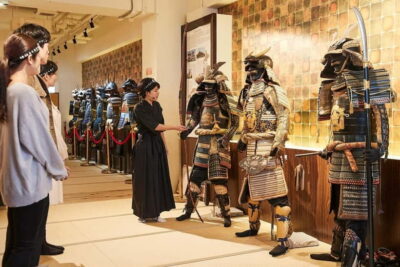
Samurai Ninja Museum Asakusa: Samurai Sword Lesson & Tour
Read our review →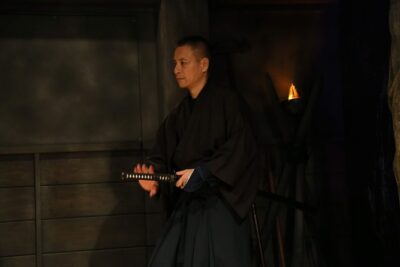
Ninja Samurai 2-hour hands-on lesson by Japanese master in Tokyo
Read our review →Browse the lists this tour appears in