
Reviewed · SAMURAI & NINJA EXPERIENCES
Samurai sword cutting experience
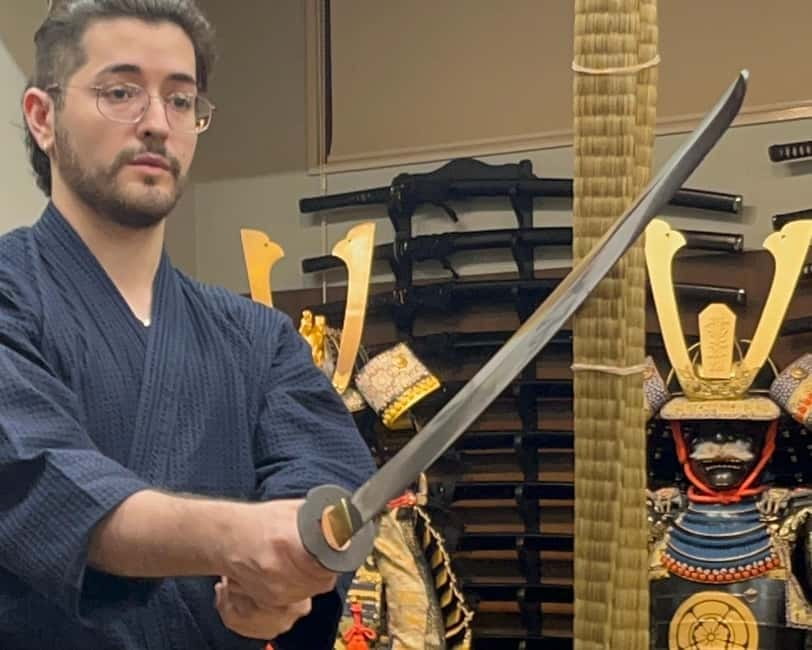
The sharpest part of this experience is not the costume change. It is the moment you follow a trained Battoushi Do teacher’s instructions and cut a rolled tatami mat with a real Japanese sword more than 100 years old. You first learn the movements with practice weapons, then make two cuts at your chosen timing.
I like the careful build-up, from greetings and meditation to sword practice and a teacher demonstration. I also like the chance to see samurai armor and take photos or video of your own cuts. The main consideration is physical access: this activity is not suitable for children under 14, pregnant women, wheelchair users, or people with visual impairments.
In This Review
- Key points at a glance
- From ordinary clothes to iaido practice wear
- Why the greetings and meditation matter
- Learning the difference between practice and real swords
- Watching the teacher cut before you try
- Two cuts into rolled tatami
- Armor, old blades, and the setting
- The value of $93 per person
- Who will enjoy this most
- Language, photos, and questions
- Booking and cancellation details
- Should you book the samurai sword cutting experience?
- FAQ
- Where does the samurai sword cutting experience start?
- Where does the activity end?
- How much does the experience cost?
- Can I reserve now and pay later?
- What languages are available?
- Is a real Japanese sword used?
- Will I practice before using the real sword?
- How many times will I cut the tatami?
- Can I take photos or videos?
- Who cannot take part?
Key points at a glance
- Handle a real antique Japanese sword: The cutting portion uses swords more than 100 years old, after you practice with safer training weapons.
- Follow a real Battoushi Do teacher: You receive hands-on instruction, a demonstration, and guidance through each cut.
- Wear traditional iaido clothing: Changing into practice clothing helps mark the shift from ordinary sightseeing to formal sword practice.
- Begin with samurai ritual: Greetings, meditation, and mental unification come before the physical work.
- Cut rolled tatami twice: You get two chances, with the option to choose the timing of each cut.
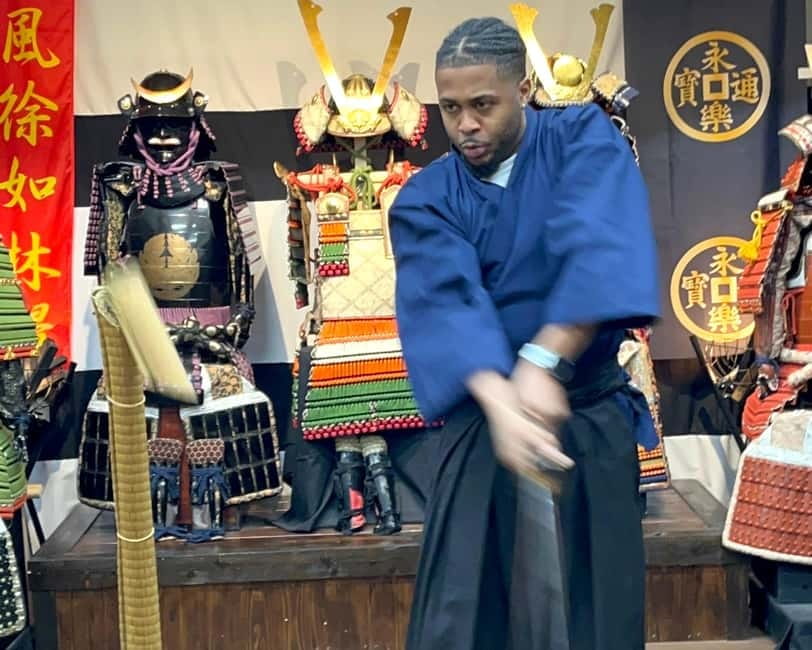
- See armor and record the moment: Samurai armor is displayed, and photography and video recording are included if you want them.
From ordinary clothes to iaido practice wear
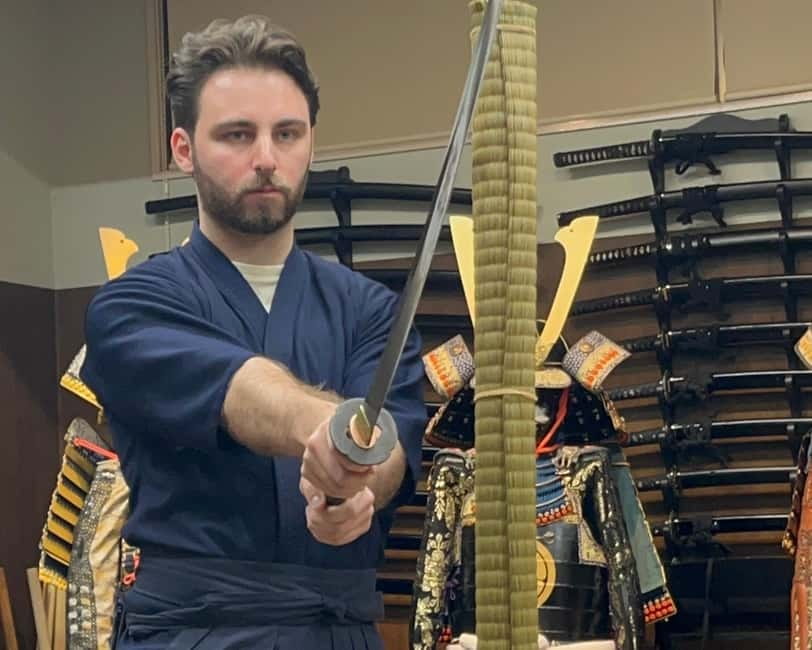
The experience begins when you change into traditional iaido clothing. This is more than a costume photo opportunity. Iaido places importance on posture, control, and formal movement, so the clothing helps you understand that the session is a disciplined practice rather than a simple sword trick.
You will be given a practice suit as part of the experience. The change also gives the session a clear rhythm: arrive, prepare, dress, and set your mind to the task. If you are comparing this with a casual cultural demonstration, expect more participation here and less passive watching.
The meeting point is found by searching Google Maps for Samurai Theater Tokyo. The activity ends back at the meeting point. The supplied information does not give a session length, group size, or transport arrangements, so check the exact booking details before you commit to a tight schedule.
More samurai and ninja sessions:
- Tokyo: Samurai Ninja Museum Guided tour and Experience
★ 4.6 · 1,010 reviews - Tokyo: Samurai Sword & Archery Class from Samurai Descendant
★ 5.0 · 603 reviews - Best Samurai Experience in Tokyo
★ 5.0 · 458 reviews
Why the greetings and meditation matter
Before you handle a sword, you take part in greetings and mental unification. Meditation is included as well. These steps may feel formal if you are used to jumping straight into a hands-on activity, but they give the session its Japanese martial arts character.
The purpose is practical. A sword requires attention, even in a controlled setting. The opening ritual asks you to slow down, listen, and treat the movements seriously. You are not simply handed a blade and told to swing. The session begins by placing the physical action inside a code of behavior.
You repeat this kind of closing focus after the cutting portion. The return to greetings and mental unification helps mark the end of the practice. I appreciate that the experience does not treat samurai culture as only armor, robes, and dramatic poses. It includes a small taste of the discipline behind the image.
Learning the difference between practice and real swords
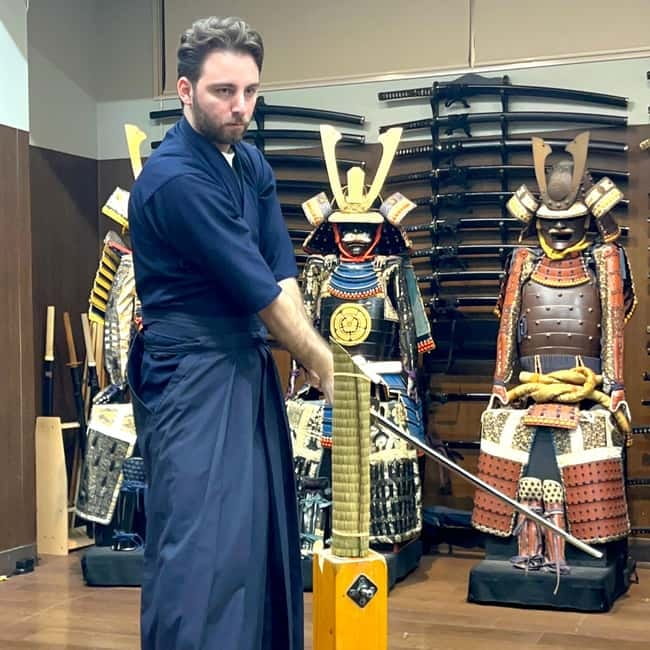
The teacher explains the Japanese sword before you begin. You then practice swinging with a practice sword and use an imitation sword during the lesson. This staged approach matters because it lets you learn the basic motion before the real cutting begins.
The included equipment covers several steps:
- Practice suit
- Practice sword
- Imitation sword
- Real Japanese sword
- Rolled tatami mats
The distinction between these objects is important. You can become familiar with the motion and instruction before moving to the historic sword. The activity does not present the real blade as a prop to pass around casually. Its use comes after preparation and a demonstration.
The information provided does not specify the exact sword maker, blade style, or age beyond more than 100 years old. If those details interest you, ask the teacher during the question period. You are specifically given time to ask questions, so use it to learn about the sword in front of you rather than relying on a generic explanation.
Watching the teacher cut before you try
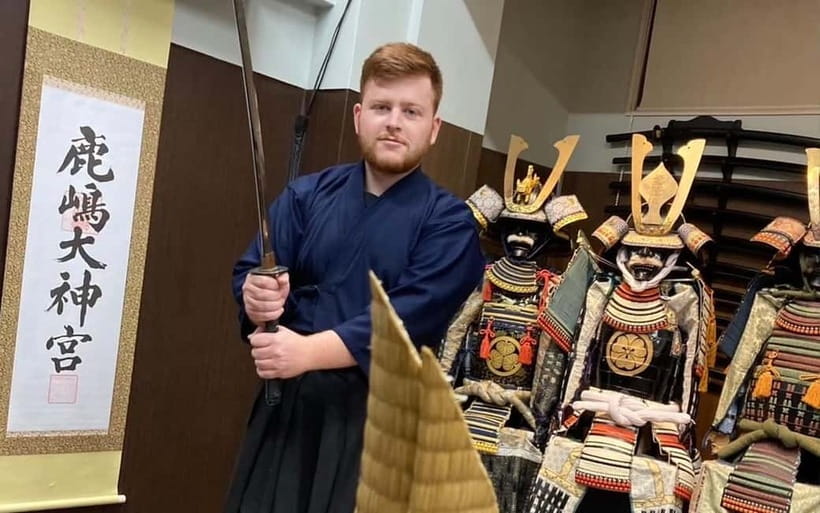
A Battoushi Do teacher demonstrates the cutting technique before you make your attempt. This is one of the most useful parts of the sequence. You see the expected movement first, then try to copy the instruction with the teacher watching.
The instructor’s role includes sword explanation, practice, demonstration, and direct guidance. The supplied information does not give the teacher’s name, so do not expect to book a named instructor. What you can count on is instruction from a real Battoushi Do teacher, with English and Japanese listed as the available languages.
The language choice is helpful for a physical activity where timing and body position matter. If you need an explanation repeated, ask. The session includes a question period, and asking for clarification is better than guessing with a sword in your hands.
A few more Tokyo bookings worth comparing
- Mt Fuji and Hakone 1-Day Bus Tour Return by Bullet Train
★ 5.0 · 26,383 reviews - 1-Day Tokyo Bus Tour
★ 5.0 · 14,250 reviews - Tokyo: TOKYO SKYTREE® Admission ticket
★ 4.5 · 11,192 reviews - Tokyo: teamLab Planets TOKYO Digital Art Museum Entry Ticket
★ 4.6 · 9,779 reviews
Two cuts into rolled tatami
The central activity is cutting a rolled tatami mat twice. After watching the instructor, you follow the teacher’s directions and make two cuts. You can also cut the tatami at the timing you choose, which gives the final part a small measure of personal control.
Do not read that as a free-form sword fight. The experience is structured, supervised, and based on following the instructor. The two-cut format is useful because it gives you a clear goal without promising an extended martial arts course.
The tatami provides a visible result. A successful cut is easier to understand than a lesson made up only of footwork and repeated movements. At the same time, your outcome may depend on how closely you follow the instruction. Approach it as a test of concentration and technique, not as a contest.
The activity includes rolled tatami mats, so you do not need to arrange your own material. It also includes photography and video recording. If you want a record of the cut, ask about the best moment to capture it before you begin. The chance to film yourself is especially useful because the main action happens quickly.
Armor, old blades, and the setting
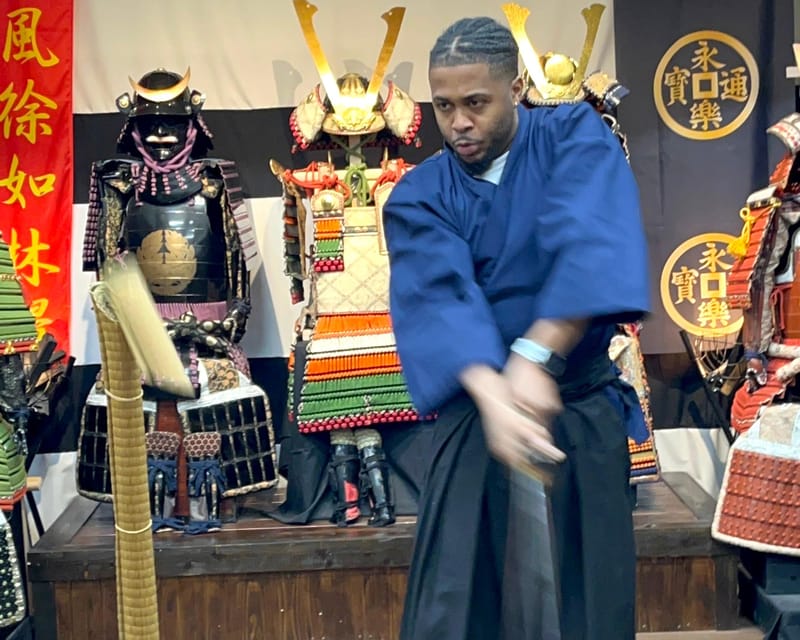
Samurai armor is on display during the experience. This adds context to the sword practice. Armor helps you picture the objects of samurai life as equipment made for a specific world, not just decorative pieces in a museum case.
The combination of armor and swords gives you several ways to engage. You can focus on the physical activity, ask about the objects, or use the session as a compact introduction to samurai culture. The experience is strongest when you do all three.
Still, keep your expectations in check. The information does not promise a full museum tour, a detailed lecture on Japanese military history, or a long weapons collection presentation. The armor is there to help you feel the age and atmosphere of the samurai period while you take part in iaido practice.
The value of $93 per person
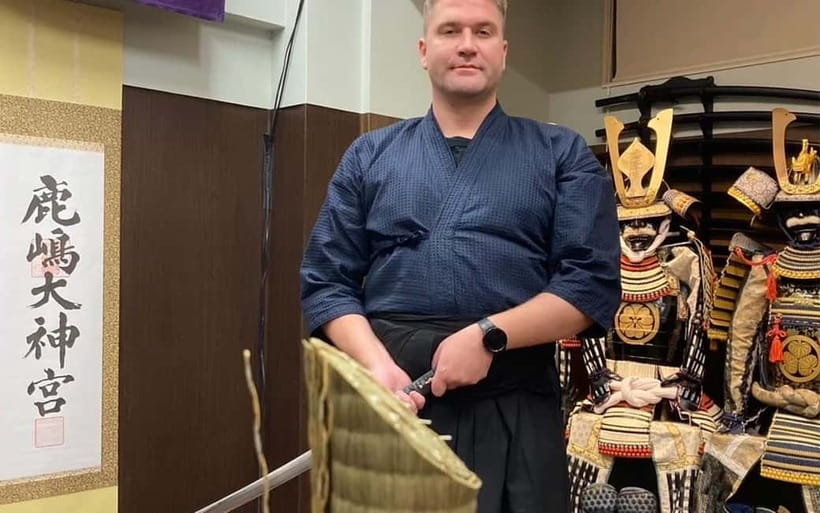
At $93 per person, this is not the cheapest cultural activity you can add to a Japan itinerary. Its value comes from direct participation and the equipment involved. The price includes an instructor, sword explanation, practice, clothing, practice and imitation swords, a demonstration, rolled tatami, a real sword, and photography and video recording.
You are paying for a guided activity with several distinct stages, not only for two cuts. The clothing change, formal opening, practice period, teacher demonstration, historic sword, and closing photo give the session a full arc.
I would consider the price reasonable for someone who specifically wants to handle a Japanese sword under instruction. It is less compelling if you only want a quick samurai-themed photograph. In that case, the formal practice and meditation may feel like more structure than you need.
The strongest value is for couples, friends, or solo visitors who want a personal story to take home. A shrine visit lets you observe. Here, you take part, and the photos or video can preserve the moment. Just remember that the experience is brief in scope, even if the exact duration is not provided. It introduces iaido and sword cutting, but it does not make you a swordsman in one session.
Who will enjoy this most
This activity suits you if you like cultural experiences that ask for attention and participation. It is a good match for people interested in martial arts, Japanese craft, samurai equipment, or the difference between theatrical swordplay and controlled practice.
It also works for visitors who want something more focused than a general city tour. The activity has a clear theme and a practical finish. You learn, watch, practice, and cut.
You may want to choose another activity if you dislike formal rituals, changing clothes, or supervised physical tasks. The greetings and meditation are part of the experience, not optional decoration. The session also requires you to be physically able to take part in the sword practice and cutting.
The age limit is firm: children under 14 are not suitable. Pregnant women, wheelchair users, and people with visual impairments should not book this activity based on the stated restrictions. If you have another mobility or health concern, ask the provider before reserving.
Language, photos, and questions
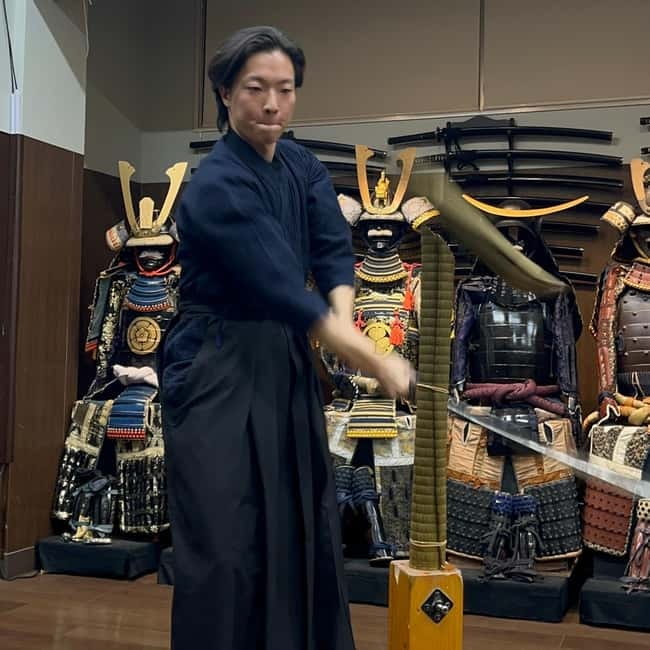
English and Japanese are available. That makes the activity accessible to many international visitors, but sword instruction depends on more than vocabulary. Watch the teacher closely, listen for the movement cues, and ask questions when something is unclear.
Photography and video recording are included if you wish to use them. This is a practical inclusion because your own cutting movement is hard to remember accurately. A picture or video also gives you a way to share the experience without turning the whole session into a photo shoot.
You can ask the teacher questions at the end. Good questions might cover the sword’s age, the purpose of the formal greetings, the role of meditation, or how the teacher approaches iaido practice. The supplied details do not promise a lecture on every aspect of samurai life, so use this time for the points that matter most to you.
Booking and cancellation details
You can reserve now and pay later, which is useful if your Japan plans are still shifting. The cancellation policy allows a full refund when you cancel at least 24 hours in advance.
The activity begins and ends at the meeting point. Search Google Maps for Samurai Theater Tokyo when checking the location, and allow enough time to find the venue. Since no duration is provided here, do not schedule a train connection, meal, or timed attraction immediately afterward without confirming the session length.
Should you book the samurai sword cutting experience?
Book it if you want a hands-on samurai activity with real instruction, traditional clothing, formal greetings, antique Japanese swords, and two supervised tatami cuts. The best parts are the careful progression and the chance to use a sword more than 100 years old after practicing with training weapons.
Skip it if you want a relaxed photo stop, a broad history lecture, or an activity suitable for young children. At $93, the experience earns its price through participation and specialist equipment, not through a long sightseeing itinerary. For the right visitor, two cuts can be enough to make the session memorable.
FAQ
Where does the samurai sword cutting experience start?
Start by searching Google Maps for Samurai Theater Tokyo.
Where does the activity end?
The activity ends back at the meeting point.
How much does the experience cost?
The price is $93 per person.
Can I reserve now and pay later?
Yes. You can reserve your place and pay nothing at the time of booking.
What languages are available?
The experience is available in English and Japanese.
Is a real Japanese sword used?
Yes. The activity includes real Japanese swords that are more than 100 years old.
Will I practice before using the real sword?
Yes. The session includes sword practice with a practice sword and an imitation sword before the cutting portion.
How many times will I cut the tatami?
You will follow the instructor’s directions to cut the rolled tatami twice. You can choose the timing of your cuts.
Can I take photos or videos?
Yes. Photography and video recording are included if you wish to record yourself cutting the tatami.
Who cannot take part?
The activity is not suitable for children under 14, pregnant women, wheelchair users, or people with visual impairments.
New on our Tokyo list
- Sumi-e Experience in a relaxing green tea shop in Tokyo★ 5.0 · 3 reviews
- Tokyo : Kamikaze Street Drift Ride★ 5.0 · 3 reviews
- Private Zen Meditation in English in Shinjuku, Tokyo★ 5.0 · 3 reviews
- Onsen Spa in Tokyo and Asakusa Bar Hopping with Local Guide★ 5.0 · 3 reviews
- Easy for everyone! Now you can play handmade mini shamisen and show off to everyone! Musical instruments, sweets and live music★ 5.0 · 3 reviews
- Tokyo: Private Tsukiji Street Food & Sake with Local Guide★ 5.0 · 3 reviews
- Mt Fuji Exploration Tour with Free Japanese Kusa Mochi from Tokyo★ 4.5 · 3 reviews
- Tokyo Tsukiji Fish Market Walking and Exploring Hidden Gems Tour★ 5.0 · 3 reviews
Samurai & Ninja Experiences, compared.
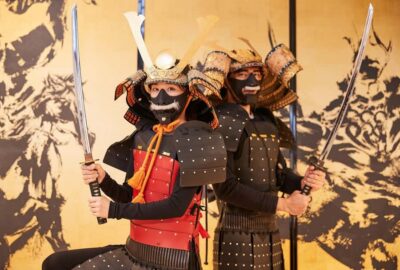
Samurai Ninja Museum Guided tour and Experience
Read our review →
Samurai Sword & Archery Class from Samurai Descendant
Read our review →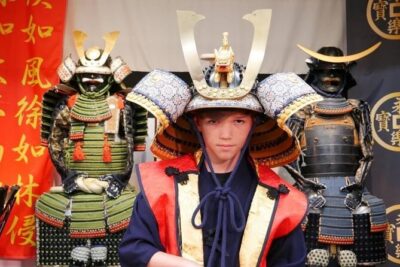
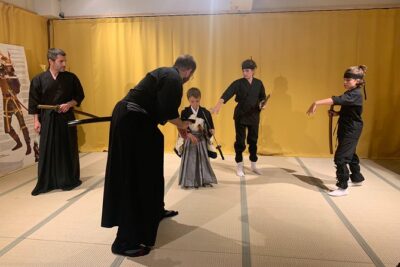
Ninja Experience (Family Friendly) at Samurai Ninja Museum TOKYO
Read our review →
Samurai Entertainment Night Show in Kanda Shrine
Read our review →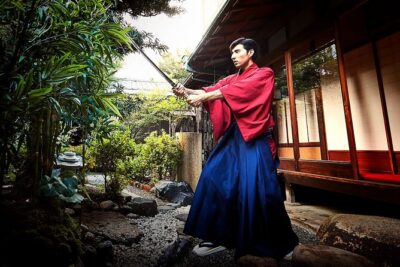
Tokyo Sword Experience – includes Museum Ticket/Ninja Experience
Read our review →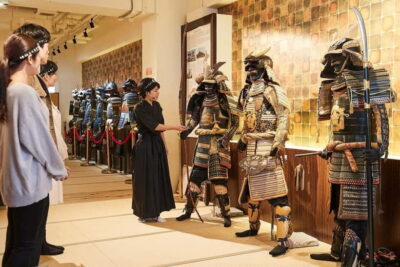
Samurai Ninja Museum Asakusa: Samurai Sword Lesson & Tour
Read our review →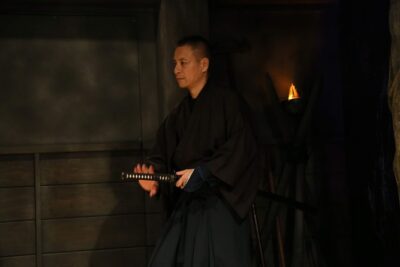
Ninja Samurai 2-hour hands-on lesson by Japanese master in Tokyo
Read our review →Browse the lists this tour appears in