
Reviewed · TEMPLE & SHRINE TOURS
Shinto Shrine Tour: Explore Japanese Culture in Tokyo
Tokyo’s Shinto shrines make the most sense when someone explains what you are seeing. This private tour links Meiji Jingu, Kanda Shrine, and Tokyo Daijingu, giving you three very different settings and a guide to explain the rituals, statues, myths, and customs that can otherwise seem mysterious.
I like the private format, since your guide can adjust the pace and answer your group’s questions. I also like the practical focus: you learn how to purify yourself and pray properly, rather than simply taking photos of a gate and moving on. The main drawback is the pace. Three shrines in about three hours means plenty of walking and public transport, with little room to linger.
In This Review
- Key points
- Why Three Shinto Shrines Make a Useful Tokyo Introduction
- Starting at Harajuku Station at 9:00 am
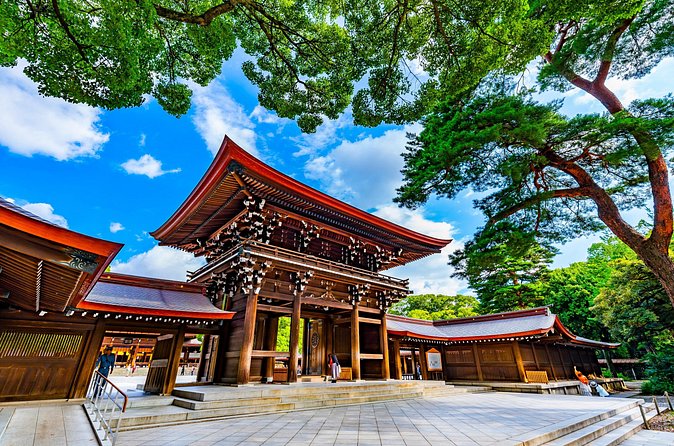
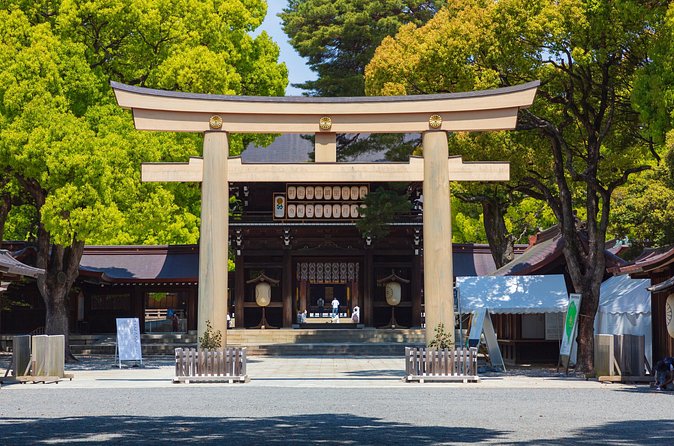
- Meiji Jingu: Tokyo’s Forested Shrine
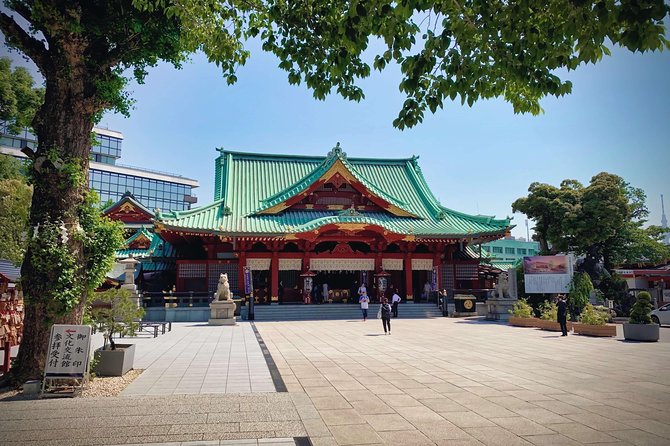
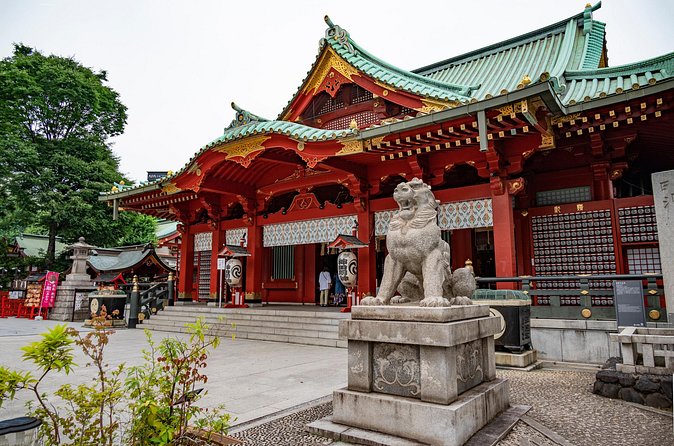
- Kanda Shrine: An Urban Shrine with Centuries of Change
- Tokyo Daijingu: Prayers for Marriage and Good Fortune
- What Your Guide Adds to the Experience
- Walking, Transport, and the Three-Hour Schedule
- Is $206.26 Per Person Good Value?
- Who Should Book This Shrine Tour?
- The Verdict: A Strong Cultural Start to Tokyo
- FAQ
- Where does the tour begin?
- Which shrines does the tour visit?
- Is this a private tour?
- Is transportation included?
- What should I wear?
- What happens if I am late or the weather is bad?
Key points
- Three shrines in one morning: Compare the forested Meiji Jingu, historic Kanda Shrine, and marriage-focused Tokyo Daijingu.
- Private group experience: Only your party participates, allowing the guide to tailor explanations and walking speed.
- Hands-on shrine etiquette: Learn how to use the purification fountain and approach a shrine respectfully.
- English-speaking guides: Guides such as Ami, Hitomi, Shunsu, Atsuko Kobayashi, Katsunori Fujiwara, Asami, and Ken have led this experience.
- Public transport included: Your guide handles the route between shrines, but you should still expect a fair amount of walking.
- Best for first-time visitors: The tour gives useful cultural context when you have limited time in Tokyo.
Why Three Shinto Shrines Make a Useful Tokyo Introduction
Shinto is Japan’s native belief system, tied to kami, sacred places, nature, ancestors, and everyday customs. It does not operate like a single system of rules for everyone, and many Japanese people take part in Shinto ceremonies while also following Buddhist customs.
That mix can be hard to understand during a short visit. A shrine may look like a peaceful park, a grand city monument, or a place for marriage prayers, yet each setting carries its own meaning. This tour gives you a guide who can explain the difference.
The route is especially useful because the three shrines are not identical. Meiji Jingu introduces you to a major national shrine surrounded by trees. Kanda Shrine shows a more urban and historic side of Shinto. Tokyo Daijingu brings the focus to marriage, relationships, and personal good fortune.
I would not book this simply as a photo tour. Its value comes from the explanations. A guide such as Ami, Hitomi, Shunsu, Atsuko Kobayashi, Katsunori Fujiwara, Asami, or Ken can turn small details into useful clues about Japanese life. The assigned guide may vary, but the experience is designed around English-language interpretation.
More temples and shrines near Tokyo:
- Tokyo: Meiji Shrine, Asakusa, Skytree Bus Tour and Cruise
★ 4.7 · 1,986 reviews - Tokyo: Asakusa Walking Tour with Sensoji Temple Visit
★ 4.8 · 1,583 reviews - Nikko: Kegon Falls, Lake Chuzenji & Toshogu Temple
★ 4.6 · 1,577 reviews
Starting at Harajuku Station at 9:00 am
The meeting point is Harajuku Station at 9:00 am, at 1 Chome-18 Jingumae in Shibuya. This is a practical starting point for Meiji Jingu, and the station is easy to reach by public transport.
Arrive early. The guide waits up to 30 minutes, but after that the activity is treated as cancelled. Since the tour uses public transportation between shrines, being on time matters more than it would on a private bus excursion.
You do not receive hotel pickup or drop-off, and transportation to the meeting point is not included. Public transport between the shrines is included, however, which removes the burden of planning the route yourself.
Wear smart casual clothing and comfortable shoes. One guide was especially patient with a participant who had a knee injury, allowing rest when needed, but the walking should not be underestimated. One hour per shrine sounds relaxed until you add station access, transfers, shrine paths, and time on your feet.
Meiji Jingu: Tokyo’s Forested Shrine
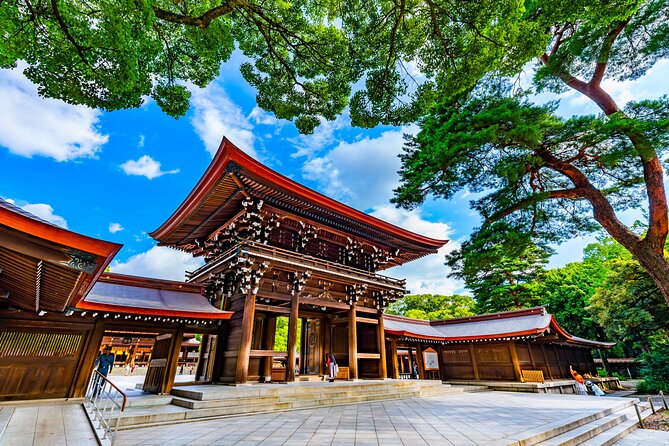
Meiji Jingu is the natural first stop. Dedicated to the souls of Emperor Meiji and Empress Shōken, it sits inside a large forest made from trees donated by regions across Japan.
The contrast is striking. Harajuku is known for shops, fashion, and crowded streets, while the shrine grounds offer a calmer setting soon after you leave the station area. The forest is not just decoration. It helps create the sense of entering a sacred place separate from the city.
Your guide can explain the main steps of shrine etiquette here. Before approaching the worship area, you will learn how to purify yourself at the water fountain. You will also be shown how to pray for good fortune and how to behave respectfully in the shrine grounds.
This practical instruction is one of the strongest reasons to choose the tour. Without guidance, many first-time visitors copy the person in front of them without knowing why they are washing their hands, bowing, or offering a prayer. The ritual is simple, but the meaning becomes clearer when someone explains it.
Meiji Jingu is also the place where the tour’s focus on the Meiji period becomes especially useful. The shrine connects modern Japanese development with the memory of the emperor and empress it honors. You are not just looking at wooden buildings. You are learning how national history, public memory, and Shinto practice meet in one place.
Plan on spending about an hour here. That allows time for the approach, the main shrine area, photos, and questions. If you want a slow walk through every path or a long visit to every display, the schedule may feel short.
Kanda Shrine: An Urban Shrine with Centuries of Change
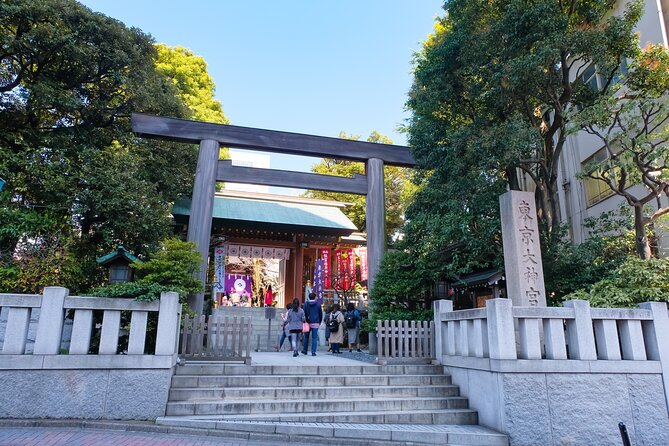
The second stop is Kanda Shrine in Chiyoda. The shrine dates back 1,270 years, although its current buildings have been rebuilt more than once after fires and earthquakes.
That detail gives you a useful lesson in Japanese history. A shrine’s importance does not depend only on the survival of one original structure. Sacred places can continue through repeated rebuilding, with their meaning carried forward even when buildings are damaged or replaced.
Kanda Shrine also gives the tour a different setting from Meiji Jingu. Here, you see a major shrine within central Tokyo rather than a broad wooded approach. The change helps you understand that Shinto is not limited to remote mountain sites or quiet rural villages. It remains part of city life.
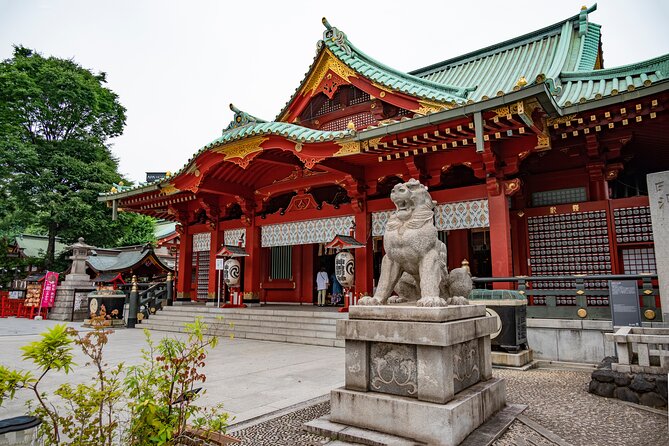
Your guide can explain the shrine’s symbols, statues, and worship customs. A guide who knows how to connect these details to modern Japanese culture makes the visit far more useful than a quick stop for pictures.
The one-hour visit should be enough for a clear introduction, but you should keep your expectations realistic. This is a compact cultural tour, not an archaeological study of the shrine’s 1,270-year past. The guide’s job is to show you the most meaningful features and relate them to Shinto practice.
A few more Tokyo bookings worth comparing
- Mt Fuji and Hakone 1-Day Bus Tour Return by Bullet Train
★ 5.0 · 26,383 reviews - 1-Day Tokyo Bus Tour
★ 5.0 · 14,250 reviews - Tokyo: TOKYO SKYTREE® Admission ticket
★ 4.5 · 11,192 reviews - Tokyo: teamLab Planets TOKYO Digital Art Museum Entry Ticket
★ 4.6 · 9,779 reviews
Tokyo Daijingu: Prayers for Marriage and Good Fortune
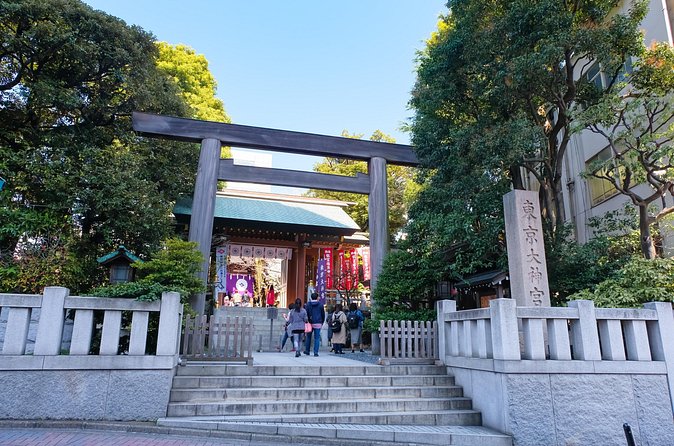
The final stop is Tokyo Daijingu, often called O-Ise-sama in Tokyo because of the deities enshrined there. It is especially known as a shrine for marriage, making it a different kind of visit from the first two stops.
This is a helpful reminder that shrines serve personal needs as well as national or community traditions. People may visit to pray for a relationship, success, health, protection, or good luck. Your guide can explain how these hopes fit into the way people use shrines today.
Tokyo Daijingu is particularly appealing if you want to understand the connection between religion and daily life in Japan. You are not being asked to adopt a belief. You are being shown how a shrine can function as a place of prayer, custom, celebration, and personal hope.
The stop also gives you another chance to practice the etiquette introduced at Meiji Jingu. By the third shrine, the movements and approach should feel less unfamiliar. You can concentrate more on the setting and the meaning of the prayers.
Since the tour ends in a different location, confirm the final details with the guide at the start. The provided information does not specify the exact ending point, so do not plan a tight appointment immediately afterward.
What Your Guide Adds to the Experience
The guide is the key part of this tour. The shrines are open to independent visitors, but the meaning of a sacred rope, statue, gate, offering area, or purification fountain is not always obvious.
Guides named in the experience include Ami, Hitomi, Shunsu, Atsuko Kobayashi, Katsunori Fujiwara, Asami, and Ken. The feedback about these guides repeatedly points to friendly explanations, strong cultural context, and patience. One guide even helped connect a participant with a fugu restaurant after the tour, showing the kind of local help that can make a private experience more personal.
You should expect information about Japanese culture, mythology, and Shinto customs, not only dates and architectural labels. The aim is to explain a way of life and its place in modern Japan.
I especially value the chance to ask direct questions. In a large group, a guide has to keep moving and may give a fixed speech. With only your party present, you can ask about a symbol, a prayer, a festival, or a custom that catches your attention.
The private format also helps families and mixed-age groups. Children must be accompanied by an adult, and the guide can explain ideas at a level that works for your group. Still, keep young children aware that the tour involves walking, public transport, and respectful behavior at active religious sites.
Walking, Transport, and the Three-Hour Schedule
The tour lasts about three hours, with roughly an hour at each shrine. Public transportation between the shrines is included, but the tour is not a vehicle-based sightseeing ride.
Expect walking at stations, along shrine approaches, and between different areas of each site. One participant described the route as a very long walk, and that is useful advice if you have a knee problem or limited stamina.
There is no stated accessibility plan beyond the fact that most people can participate. If you have an injury or mobility concern, contact the provider before booking. A guide may allow rests, but that does not remove stairs, uneven paths, or the need to move with the group.
Weather can also affect the experience. The tour may be cancelled in a typhoon or other extreme conditions, with an alternative date or full refund offered. Ordinary rain can still make shrine paths less pleasant, so check the forecast and dress sensibly.
Bring water, since food and drinks are not included. You will have photo opportunities, but the focus is on learning and respectful observation rather than a meal or shopping stop.
Is $206.26 Per Person Good Value?
At $206.26 per person, this is not a budget shrine visit. The price makes the most sense for a private group that wants cultural guidance and has limited time in Tokyo.
You are paying for a professional English-speaking guide, private attention, public transportation between the shrines, and entrance fees. The entrance fees themselves are unlikely to be the main cost. The real value is the route planning and interpretation.
For a solo visitor or a couple watching every yen, visiting one shrine independently will cost far less. You can also see shrine grounds without a ticket in many cases. But independent visits require you to research etiquette, plan the transport, and decide which places fit together.
For a family or small private group, the calculation may be better, especially if several people share the guide’s time. Group discounts are offered, though the exact terms are not provided, so check the price for your party before booking.
I would choose this tour if the goal is to understand what you are seeing. I would skip it if you mainly want a relaxed morning of photography or dislike moving on a fixed schedule.
Who Should Book This Shrine Tour?
This experience suits first-time visitors who want a clear introduction to Japanese culture. It is also useful if you have only a few days in Tokyo and want to see several important shrines without working out the route yourself.
It should appeal to you if you enjoy asking questions, learning basic customs, and comparing places rather than simply collecting sights. The private format is a good match for families, couples, and friends who want their own pace.
You should think twice if you have a serious walking limitation, need hotel transportation, or want a tour with food included. The experience is also less suitable if you want long, unhurried time at each shrine. Three stops in three hours is efficient, but efficiency comes with limits.
Book well ahead if your dates are fixed. The cancellation terms are strict: cancellations within seven days are charged at 100 percent, within 14 days at 50 percent, and within 20 days at 25 percent. The activity is listed as non-refundable and unchangeable, so make sure your plans are firm.
The Verdict: A Strong Cultural Start to Tokyo
I recommend this tour for anyone who wants more than a quick look at shrine gates and wooden buildings. Meiji Jingu, Kanda Shrine, and Tokyo Daijingu provide three useful views of Shinto in Tokyo, while the guide explains how to purify yourself, pray, and read the places with greater respect.
The price is high for a three-hour activity, and the walking pace may challenge anyone with an injury. Still, a private English-speaking guide can save you research time and help you connect shrine customs with Japanese mythology, history, and daily life.
Book it early in your Tokyo visit if you want cultural context for the rest of your trip. Skip it if you prefer independent sightseeing or need a slower, more flexible morning.
FAQ
Where does the tour begin?
The tour begins at Harajuku Station, at 1 Chome-18 Jingumae, Shibuya, Tokyo. The start time is 9:00 am.
Which shrines does the tour visit?
You visit Meiji Jingu Shrine, Kanda Shrine, and Tokyo Daijingu Shrine. Each stop is planned for about one hour.
Is this a private tour?
Yes. Only your group participates in the activity, giving you a private experience with the English-speaking guide.
Is transportation included?
Public transportation between the shrines is included. Transportation to and from the meeting point, hotel pickup, and hotel drop-off are not included.
What should I wear?
The stated dress code is smart casual. Comfortable shoes are a good practical choice because the tour includes walking between shrines and public transport.
What happens if I am late or the weather is bad?
The guide waits up to 30 minutes after the scheduled start time. In typhoons or other extreme weather, the tour may be cancelled, and you can be offered another date or a full refund.
New on our Tokyo list
- Sumi-e Experience in a relaxing green tea shop in Tokyo★ 5.0 · 3 reviews
- Tokyo : Kamikaze Street Drift Ride★ 5.0 · 3 reviews
- Private Zen Meditation in English in Shinjuku, Tokyo★ 5.0 · 3 reviews
- Onsen Spa in Tokyo and Asakusa Bar Hopping with Local Guide★ 5.0 · 3 reviews
- Easy for everyone! Now you can play handmade mini shamisen and show off to everyone! Musical instruments, sweets and live music★ 5.0 · 3 reviews
- Tokyo: Private Tsukiji Street Food & Sake with Local Guide★ 5.0 · 3 reviews
- Mt Fuji Exploration Tour with Free Japanese Kusa Mochi from Tokyo★ 4.5 · 3 reviews
- Tokyo Tsukiji Fish Market Walking and Exploring Hidden Gems Tour★ 5.0 · 3 reviews
Temple & Shrine Tours, compared.
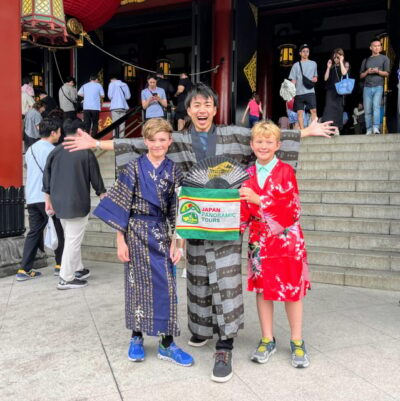
Meiji Shrine, Asakusa, Skytree Bus Tour and Cruise
Read our review →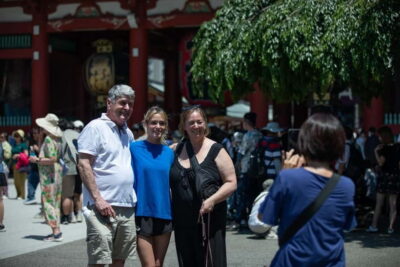
Asakusa Walking Tour with Sensoji Temple Visit
Read our review →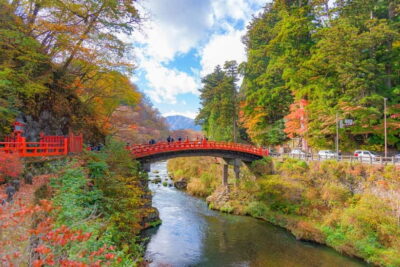
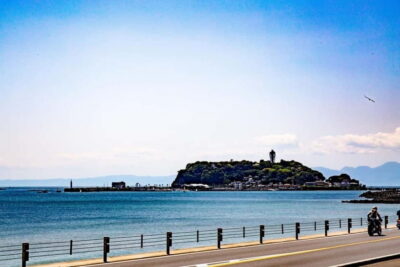
Kamakura & Enoshima Day Trip including Temple Tickets
Read our review →
Nikko Toshogu Shrine and Kegon Waterfall Tour
Read our review →
Tokyo Panoramic 1 Day: Meiji Shrine, Asakusa, Odaiba and SKYTREE®
Read our review →
Mt. Fuji Heritage Tour: Traditional Villages, Lakes & Shrine
Read our review →Browse the lists this tour appears in