
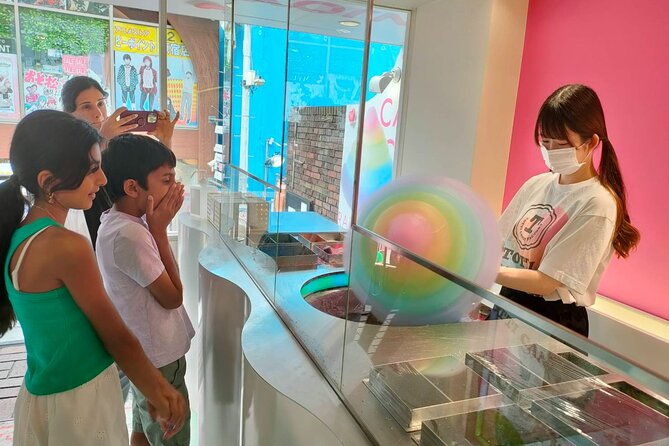
Reviewed · TOKYO FOOD TOURS
Taste of Harajuku Fun & Colorful Family Food Tour Kids Go Free!
Harajuku’s appeal is easy to spot but harder to sort out. One street serves towering sweets, another offers quieter shops and cafés, and nearby Meiji Jingu feels like another world. This four-hour food and culture walk helps you connect those pieces without spending your afternoon guessing which shop is worth the queue.
I like the mix of sweet tasting stops and local sights, especially the included crepe, biscuit custard, snacks, and water. I also like the small group limit of 10, which gives you a better chance to ask questions and keep the pace comfortable. The main drawback is that the $175.75 price is high if you mainly want a quick crepe and a look at Takeshita Street.
In This Review
- Key points at a glance
- Why this Harajuku walk works
- Starting at Harajuku Station
- Meiji Jingu, a calm opening
- Takeshita Street and the famous Harajuku sweet stop
- Cat Street and the quieter side of Harajuku
- Laforet Harajuku and Tokyo youth style
- Tokyu Plaza and the final look at Omotesando
- What the guides add to the food
- Is $175.75 a fair price?
- Who should book this experience?
- Booking, cancellation, and practical details
- Should you book this Harajuku food tour?
- FAQ
- How long does the Harajuku food tour last?
- Where does the tour start?
- Where does the tour end?
- What food is included?
- Are children under six free?
- How many people can join the tour?
- Can I cancel for a full refund?
Key points at a glance
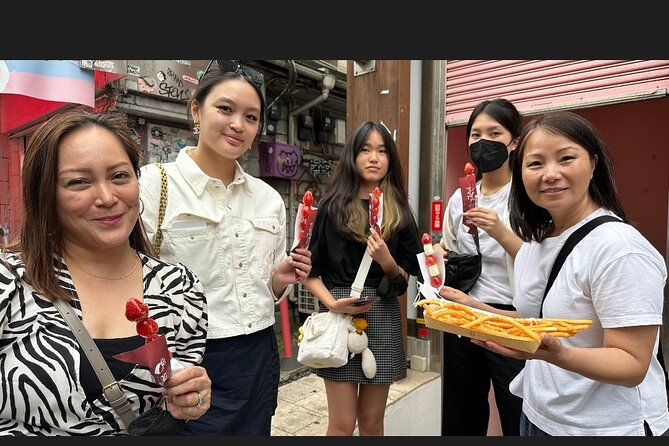
- Crepes and Harajuku sweets: Taste the treats that made this district famous, with three to four food stops included.
- Meiji Jingu in the same outing: Move from candy-colored shopping streets to one of Tokyo’s major Shinto shrines.
- A useful first look at Harajuku: The route links Takeshita Street, Cat Street, Laforet, and Tokyu Plaza.
- Family-friendly pricing: Children under six join free of charge.
- Personal guide contact: Guides such as Midori, Yumi, and Kuori have helped families with food, photos, shopping, and local customs.
- Short, manageable format: The walk lasts about four hours and ends where it begins at Harajuku Station.
Why this Harajuku walk works

Harajuku is often presented as a single idea: cute clothing, giant rainbow sweets, and young people taking photos. In practice, it is a series of different areas pressed together. Takeshita Street is loud and tightly packed with shops. Cat Street and the backstreets feel more relaxed. Meiji Jingu offers shade, space, and a quiet break from the shopping crowds.
This tour makes sense because it gives you a basic map of that change in mood while adding food along the way. You are not simply taken to one dessert counter, then sent off with a sugar rush. The guide explains the district, points out places worth noticing, and helps you understand why Harajuku became such a strong part of Tokyo’s youth culture.
The group is capped at 10 people. That is small enough for a guide to answer individual questions, though it is not a private tour. If your family wants a highly tailored route, confirm the details before booking, since the published experience is a shared walking tour.
The tour is also booked, on average, 66 days ahead. That does not guarantee every date sells out, but it is a useful warning for school holidays and busy Tokyo trips. If Harajuku is important to your plans, reserve early rather than leaving it until the day before.
More Tokyo food crawls:
- Tokyo: Shinjuku Food Tour (13 Dishes at 4 Local Eateries)
★ 5.0 · 6,603 reviews - Tokyo: Shinjuku Food Tour (15 Dishes and 4 Eateries)
★ 4.9 · 2,033 reviews - Best of Shinjuku: Izakaya Food Tour (4 Stops, 14+ Tastings)
★ 5.0 · 1,863 reviews
Starting at Harajuku Station
The meeting point is Harajuku Station at 1-chōme-18 Jingūmae, Shibuya, Tokyo. The station is an easy landmark, but Harajuku can feel confusing once you step into the surrounding streets. Arrive with enough time to find the guide and settle children before the walk begins.
The station stop itself is brief, listed at about two minutes. Its value is practical: this is where you get oriented and begin the route. From here, the tour moves toward Meiji Jingu before entering the main food and shopping areas.
You should wear comfortable shoes. Four hours on foot, with stops to eat and browse, is not a hard athletic outing, but it is still a walking tour. The activity is near public transportation, and the end point returns to the same meeting place, which makes it easier to continue your Tokyo plans afterward.
Meiji Jingu, a calm opening
The next stop is Meiji Jingu, one of Tokyo’s biggest shrines. You have about 15 minutes here, so think of this as an introduction rather than a full shrine visit.
That short pause matters. Harajuku’s commercial streets can be crowded, colorful, and full of competing sounds. Meiji Jingu gives you a different view of Tokyo, with a major religious site close to the station and shopping district. Your guide can provide cultural context and explain what you are seeing, though the limited time means you will not cover every part of the shrine grounds.
Families may appreciate this early change of pace. Children get a break from shop windows and food counters, and adults get a chance to see an important Tokyo sight without building a separate half-day visit around it.
Takeshita Street and the famous Harajuku sweet stop
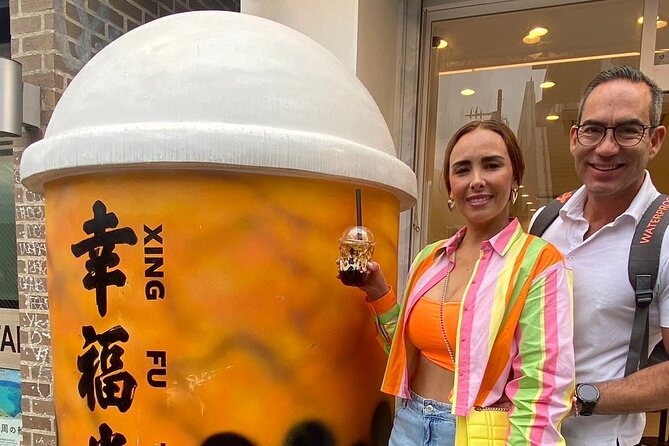
Takeshita Street is the heart of the tour’s food-focused section. You have about 30 minutes to see the area and sample its famous treats. This is where Harajuku’s playful side is most obvious, with snack shops, drinks, sweets, and fashion packed into a busy pedestrian setting.
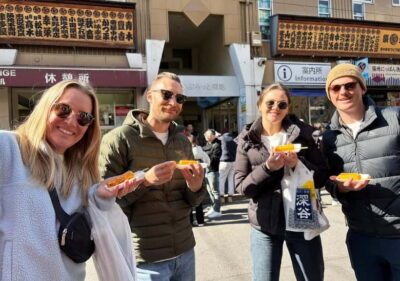
The included food is centered on Harajuku favorites, including a sweet crepe and biscuit custard. The exact vendors can vary, so do not treat the description as a guarantee of one particular shop or flavor. The point is to let the guide steer you toward well-known local choices instead of making you choose at random.
A crepe stop is especially useful here. Harajuku crepes are less about a plain breakfast pancake and more about a handheld dessert built for photos and quick eating. You may find combinations with fruit, cream, custard, biscuits, or other sweet toppings. Since the tour includes three to four food stops, pacing matters. If you have a small appetite, share portions where possible or ask the guide how the stops are arranged.
Takeshita Street can be crowded. Keep children close, especially around shop entrances and narrow stretches. The energy is part of the experience, but people who dislike crowded shopping lanes may find this section tiring.
More Harajuku wanders:
- Tokyo Go-Kart Tour Shibuya-Harajuku-Shinjuku (*IDP Required)
★ 5.0 · 217 reviews - Tokyo: Guided Go Kart Tour from Harajuku to Shibuya Crossing
★ 4.5 · 166 reviews - Shibuya & Harajuku: Hidden Gems & Highlights Private Tour
★ 4.7 · 139 reviews - Harajuku Kawaii Fashion and Pop-Culture Tour
★ 5.0 · 94 reviews
Cat Street and the quieter side of Harajuku
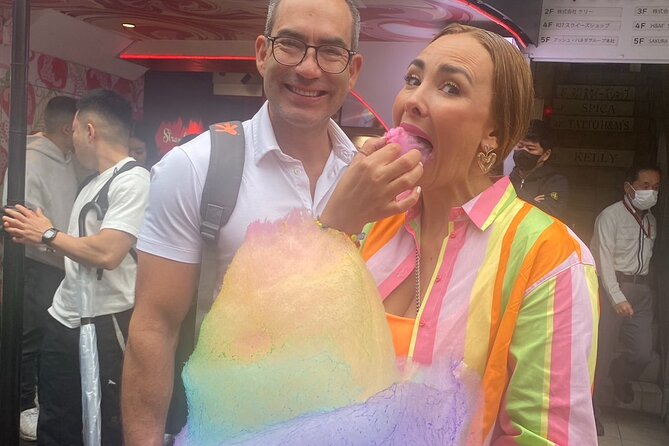
The route then reaches Shibuya Cat Street, part of the area commonly called Ura-Harajuku. The stop lasts about 30 minutes.
This is a helpful contrast with Takeshita Street. The smaller backstreets give you a broader picture of Harajuku, where the district is not only about oversized sweets and youth fashion. You will see a different mix of shops and streets, and your guide can explain how these side roads fit into the area.
I consider this one of the most useful parts of the walk because it keeps the outing from becoming a simple dessert crawl. You get time to observe how the neighborhood changes from its most famous shopping lane to its less concentrated streets.
Do keep expectations realistic. The tour is not designed as a detailed shopping trip, and the published schedule allows about 30 minutes here. If you spot a particular shop you want to visit, note it for a return visit after the tour.
Laforet Harajuku and Tokyo youth style
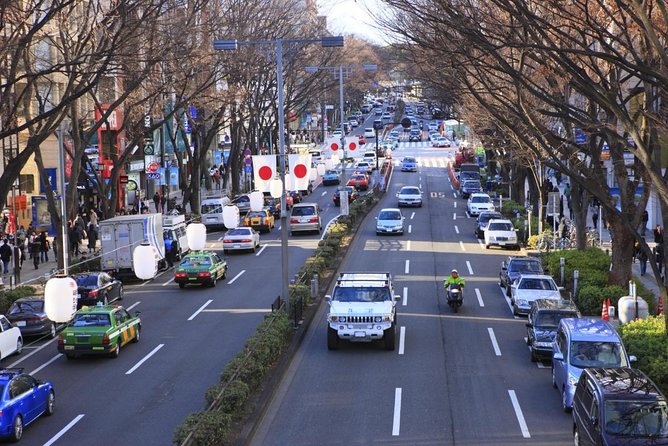
Laforet Harajuku receives about 30 minutes. This department store, residence, and museum complex is closely tied to Harajuku’s commercial and youth-fashion identity.
The tour does not list a separate shopping allowance or admission to a museum exhibition. Instead, the stop gives you a chance to see one of the area’s major retail landmarks and understand the style culture that surrounds it. If you enjoy fashion, unusual displays, or Japanese retail design, you may want to ask the guide for a little extra context.
This stop can also help families divide their interests. One person may enjoy the building and fashion, while another is still thinking about the next snack. The guide can keep the group moving, but you should not expect a long, unstructured shopping session.
Tokyu Plaza and the final look at Omotesando
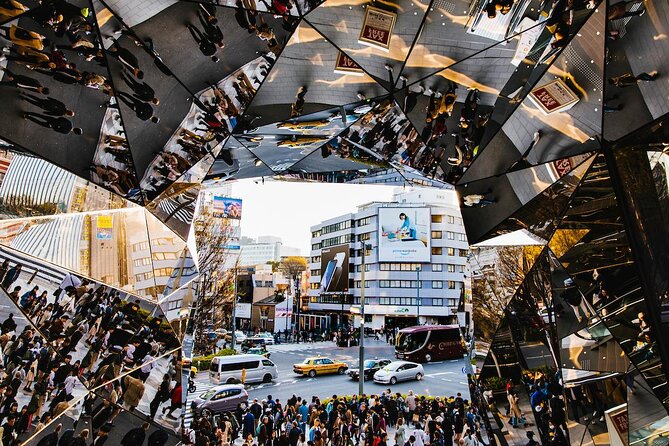
The final listed stop is Tokyu Plaza Omotesando Harajuku, with about 15 minutes. It is described as one of the area’s major shopping malls and gives you another view of Harajuku’s retail side.
The short timing suggests a quick orientation rather than a full mall visit. You can see where the building fits into the district and mark it as a place to return if you want more shopping after the tour. The route then finishes back at Harajuku Station, making the experience easy to pair with another Tokyo activity.
This ending is practical. You do not need to arrange a taxi from an unfamiliar neighborhood, and you are free to continue toward Shibuya, another part of Tokyo, or your hotel.
What the guides add to the food
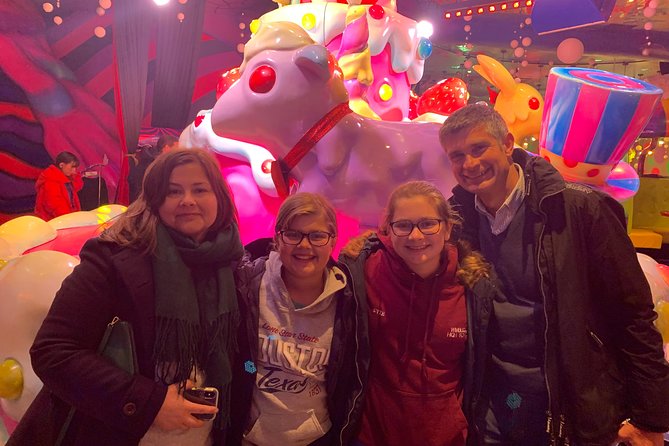
The food is the hook, but the guide is what makes the outing more useful than a list of dessert shops. Midori has been praised for keeping in touch before the tour, explaining things clearly, and making the group feel comfortable. Yumi has helped with shrine visits, shopping, photos, and gift hunting. Kuori has led Harajuku outings that included playful food themes, photo activities, and a wagyu lunch.
Those details point to the kind of help you can reasonably value here: not just directions, but assistance with choosing food, understanding customs, and navigating a busy neighborhood. The published tour includes crepes, biscuit custard, snacks, and bottled water. Other foods mentioned in the provider’s Harajuku outings include okonomiyaki, cotton candy, and wagyu, but you should not assume those are included in this specific four-hour package.
The strongest food advantage is variety. Three to four stops let you try more than one style of Harajuku snack without committing to full meals at each location. The weakness is that the price depends heavily on how much you value the guide and cultural explanation. If you only want the included sweets, you could spend far less by choosing shops yourself.
Is $175.75 a fair price?
At $175.75 per person, this is not a budget food walk. The value improves if you are new to Tokyo, traveling with children, or want someone else to handle the route and food choices. You are paying for four hours of guiding, three to four food stops, a city walk, cultural information, the listed snacks, bottled water, and the convenience of a small group.
The price is harder to justify for a confident Tokyo visitor who already knows Harajuku. Takeshita Street and the surrounding shopping areas are easy to visit independently, and sweets are widely available. You can also choose your own portion sizes and spend more time in the shops that interest you.
The free admission for children under six can make a family booking more attractive. Check the booking details carefully so the correct number of adults and older children is entered. Alcohol is not included, though it can be purchased separately.
Think of the tour as a guided introduction, not a bargain meal. Its best value comes from reducing decision fatigue and giving you cultural context during a first visit.
Who should book this experience?
I would choose this tour for families wanting an easy first look at Harajuku, especially if children are excited by colorful desserts. It also suits adults who prefer a guide to handle the route and point out food worth trying.
It is a good match if you want several small tastings rather than one large restaurant meal. The shrine stop also gives the outing some balance, so the four hours are not spent entirely in shops.
You may want another option if you need a private itinerary, have serious food allergies, want a full savory lunch, or prefer a long shrine visit. The available information does not promise dietary customization, a private group, or a particular list of vendors. Ask before booking if any of those points matter.
The tour is generally suited to most participants, but it is still a walking experience in busy commercial streets. Young children may need breaks, and anyone with limited walking stamina should consider the four-hour length.
Booking, cancellation, and practical details
Your confirmation arrives when you book, and the activity uses a mobile ticket. Hotel pickup and drop-off are not included, so you need to reach Harajuku Station yourself.
Free cancellation is available up to 24 hours before the local start time for a full refund. Changes or cancellations inside that 24-hour window are not accepted and are not refunded.
Bring a phone with the ticket available, comfortable shoes, and room for a few extra purchases. Bottled water is included, but extra drinks, alcohol, and personal shopping are your responsibility.
Should you book this Harajuku food tour?
Book it if you want a friendly guide, a clear route through Harajuku, several sweet tastings, and a short visit to Meiji Jingu in one outing. The small group size, child-free pricing for under-sixes, and strong guide feedback make it especially appealing for families who want help with the district’s busy streets.
Skip it if your main goal is simply to buy a crepe. At $175.75 per person, the tour earns its price through guidance, cultural explanation, and convenience rather than food quantity alone. For a first Harajuku visit, that can be worthwhile. For an experienced Tokyo visitor, a self-guided snack walk will likely offer better value.
FAQ
How long does the Harajuku food tour last?
The experience lasts approximately four hours.
Where does the tour start?
It starts at Harajuku Station, 1-chōme-18 Jingūmae, Shibuya, Tokyo 150-0001, Japan.
Where does the tour end?
The activity ends back at the Harajuku Station meeting point.
What food is included?
The tour includes a crepe, biscuit custard, snacks, and bottled water. It includes three to four food stops. Alcoholic drinks are not included.
Are children under six free?
Yes. Children under six can join free of charge.
How many people can join the tour?
The tour allows a maximum of 10 participants.
Can I cancel for a full refund?
Yes, if you cancel at least 24 hours before the experience start time. Cancellations or changes made less than 24 hours before the start are not refunded or accepted.
New on our Tokyo list
- Sumi-e Experience in a relaxing green tea shop in Tokyo★ 5.0 · 3 reviews
- Tokyo : Kamikaze Street Drift Ride★ 5.0 · 3 reviews
- Private Zen Meditation in English in Shinjuku, Tokyo★ 5.0 · 3 reviews
- Onsen Spa in Tokyo and Asakusa Bar Hopping with Local Guide★ 5.0 · 3 reviews
- Easy for everyone! Now you can play handmade mini shamisen and show off to everyone! Musical instruments, sweets and live music★ 5.0 · 3 reviews
- Tokyo: Private Tsukiji Street Food & Sake with Local Guide★ 5.0 · 3 reviews
- Mt Fuji Exploration Tour with Free Japanese Kusa Mochi from Tokyo★ 4.5 · 3 reviews
- Tokyo Tsukiji Fish Market Walking and Exploring Hidden Gems Tour★ 5.0 · 3 reviews
Tokyo Food Tours, compared.
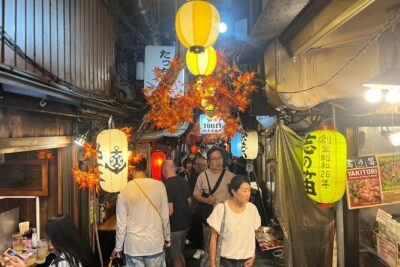
Shinjuku Food Tour (13 Dishes at 4 Local Eateries)
Read our review →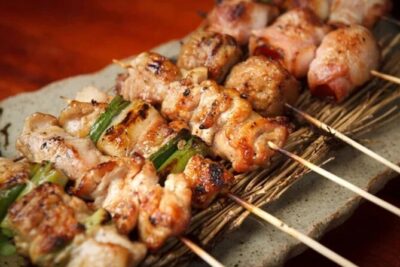
Shinjuku Food Tour (15 Dishes and 4 Eateries)
Read our review →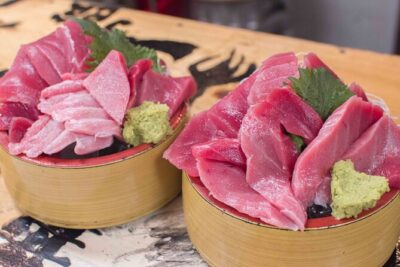
Best of Shinjuku: Izakaya Food Tour (4 Stops, 14+ Tastings)
Read our review →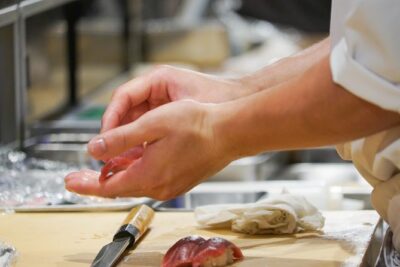
Tokyo Night Foodie Tour in Shinjuku – Seasonal Sushi, Wagyu Beef
Read our review →
Eat and Drink Like a Local: Tokyo Ueno Food Tour-Taverns&Ramen
Read our review →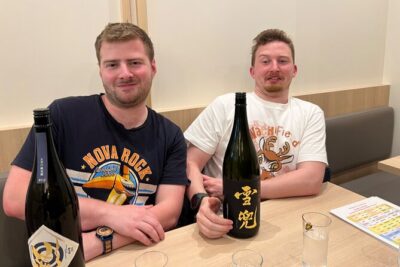
Tsukiji Fish Market: Street Food & Culture Walking Tour
Read our review →Shinjuku Food Tour – 15 Dishes, 3 Drinks, 4 Eateries
Read our review →Browse the lists this tour appears in