
Reviewed · CYCLING TOURS
Tokyo: 3-Hour E-Bike Tour of the City’s Riverside Areas
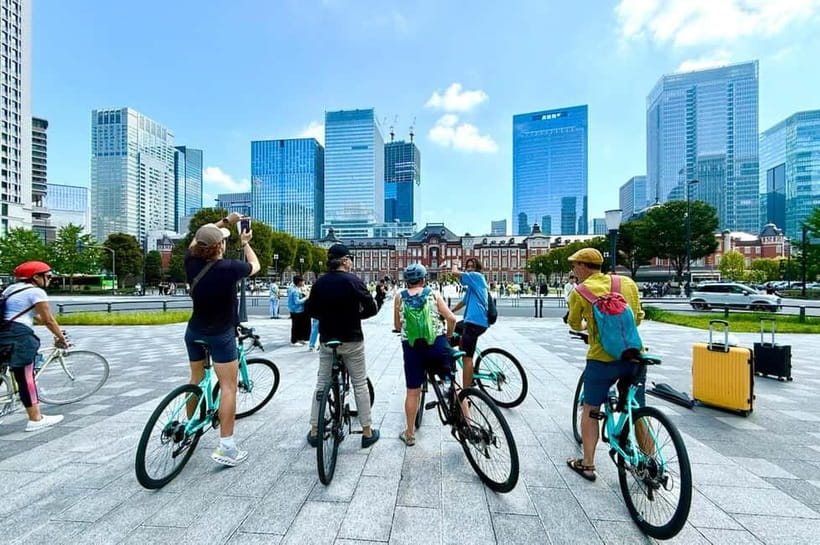
Tokyo’s riverside districts give you a side of the city that trains and sightseeing buses often miss. This three-hour e-bike tour links grand Ginza, the old Tsukiji market quarter, quiet shrine grounds, Kiyosumi Gardens, and Fukagawa by bike, with a small group capped at eight.
I especially like the local scale of the route and the included entry to Kiyosumi Gardens. I also like that the electric bikes make the ride manageable for casual cyclists. The main caution is Ginza traffic, which one rider found a little tricky, and you need to be comfortable riding a bike for the full outing.
In This Review
- Key points at a glance
- Why this bike route shows you a different Tokyo
- Starting beside Hibiya Park
- Ginza and Kabuki-za: Tokyo’s grand center
- Tsukiji Hongan-ji and the Outer Market
- Tsukishima Monja Street and Sumiyoshi Jinja
- Kiyosumi Gardens: the tour’s calm pause
- Fukagawa Fudōdō and the end of the ride
- Electric bikes, comfort, and road conditions
- What the $78 price buys you
- Who should book this ride
- Practical booking advice
- Should you book the Tokyo riverside e-bike tour?
- FAQ
- How long is the Tokyo e-bike tour?
- Where does the tour begin?
- Where does the tour finish?
- What languages are available?
- How many people are in the group?
- Is the Kiyosumi Gardens entrance fee included?
- Do I have to pay to enter Fukagawa Fudōdō?
Key points at a glance
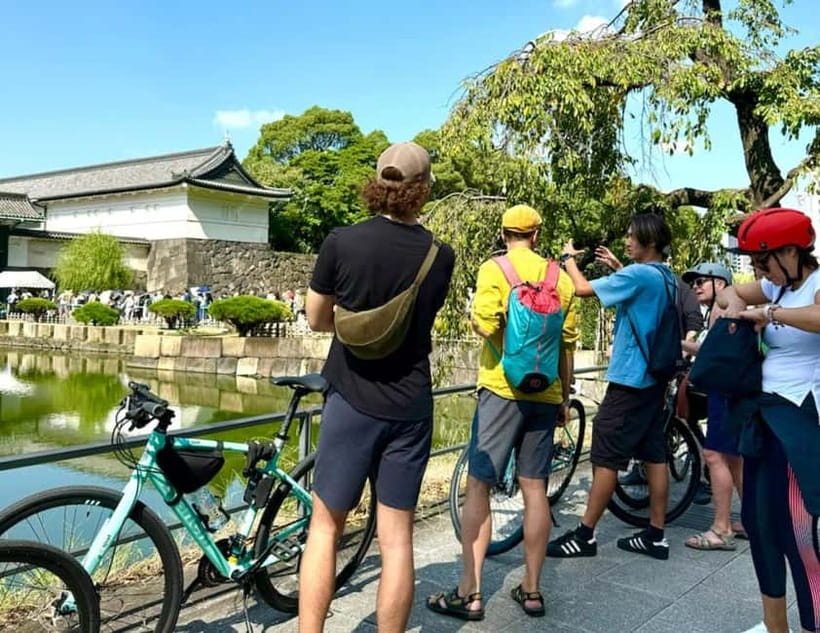
- The route crosses old and new Tokyo: Start beside Hibiya Park, pass Ginza and Kabuki-za, then move toward Tsukiji, Tsukishima, and the eastern riverside districts.
- Tsukiji is a practical food stop: You can browse the Outer Market and buy snacks, but food and drinks are not included.
- Kiyosumi Gardens is the main admission stop: Entry is included, giving the ride a calm garden break after the city streets.
- Small groups make a difference: With no more than eight participants, it should be easier to hear the guide and keep the group together.
- The tour finishes at a temple: Fukagawa Fudōdō is the endpoint, and entering costs ¥1,000 in cash if you choose to go inside.
- The bikes are electric: Each has a basket for a small bag, and bike insurance is included.
Why this bike route shows you a different Tokyo
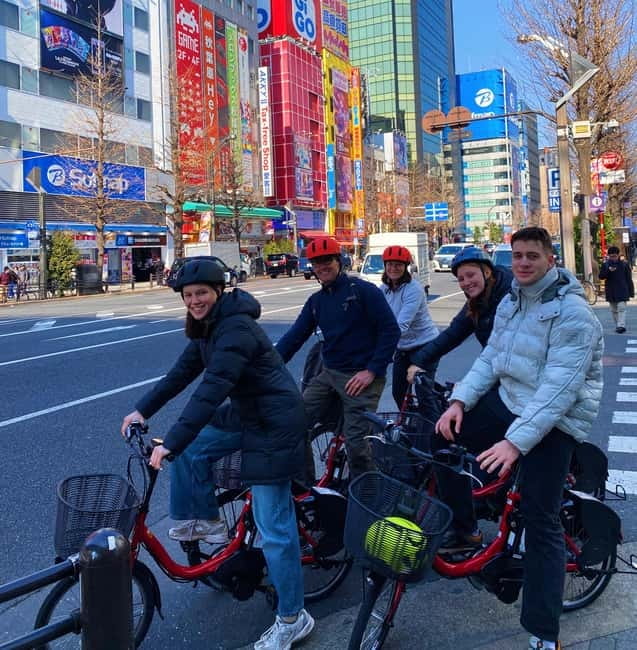
Tokyo is easy to cross by train, but trains keep you below ground or move you between major stations. On this ride, you see the gaps between the famous places: local streets, waterways, market lanes, temple grounds, and older neighborhoods that do not always fit into a standard city tour.
The route begins in central Tokyo and gradually shifts east. That change matters. Ginza gives you polished department stores and major streets, while Tsukiji and Tsukishima feel closer to the working neighborhoods that shaped Tokyo’s waterfront life. Later, Kiyosumi and Fukagawa offer more space, religious sites, and garden scenery.
I would not book this as a fast sightseeing race. The itinerary includes several guided stops, and the point is to pause, listen, and look around. The electric bikes help, but you still need to pedal, watch traffic, and stay alert.
The group limit of eight is a real plus. A larger cycling group can become a moving traffic problem, especially in central Tokyo. Here, the guide can give clearer instructions and spend more time answering questions. Guides named in tour feedback include Nooki, Casey, Naoki, and Show. The available guide language is English or Japanese.
A few more Tokyo bookings worth comparing
- Tokyo Guided Small-Group Biking Tour
★ 5.0 · 1,250 reviews - Tokyo Great Cycling Tour
★ 5.0 · 811 reviews - Tokyo Top Highlights 3h Guided E-bike Tour
★ 5.0 · 714 reviews
Starting beside Hibiya Park
Meet at the right side of the kiosk in Hibiya Park, at 1-3 Hibiyakōen. Arrive 10 minutes early so you can find the meeting point without rushing.
The park is a sensible place to begin. It gives you a little breathing room before the route reaches the dense streets around Ginza. You should arrive dressed for cycling, with comfortable shoes and clothes. Bring water, sunscreen, and sunglasses. The operator provides the electric bike, a basket for your bag, and bike insurance.
The tour is not suitable for children under 12, pregnant women, people with back problems, or anyone who cannot ride a bicycle. Those limits are worth taking seriously. This is a guided city ride, not a passive sightseeing trip.
Ginza and Kabuki-za: Tokyo’s grand center
The first city section takes you through Ginza, with about 10 minutes for a guided visit and photos. Ginza is one of Tokyo’s best-known shopping districts, filled with large avenues, luxury stores, and carefully designed buildings.
By bike, you get a better sense of the district’s scale than you do from a train. You also need to pay close attention. One rider specifically found the traffic around Ginza a little difficult, though the rest of the route used quieter streets. That is the clearest practical warning in the whole experience: the opening city section may feel less relaxed than the later riverside riding.
Next comes Kabuki-za, the famous theater. The stop lasts around 10 minutes. Even if you are not attending a performance, the building provides a useful introduction to one of Japan’s traditional stage arts. The guide can place the theater in the setting of modern Ginza, where old cultural institutions sit beside highly polished commercial streets.
These opening stops are short. Think of them as orientation points rather than full visits. If you want a long look at Ginza shops or a complete theater tour, plan separate time before or after the bike ride.
Tsukiji Hongan-ji and the Outer Market
The route then heads toward Tsukiji Hongan-ji, with about 15 minutes for photos and explanation. This temple is one of the most distinctive religious buildings in central Tokyo, and it makes a sharp visual change from Ginza’s commercial streets.
The next stop is Tsukiji Outer Market, where the tour allows about 20 minutes. This is one of the most useful parts of the outing for anyone who wants food and neighborhood atmosphere without spending the whole day at a market. You can look around the lanes, see the market’s connection to Tokyo’s seafood trade, and buy a snack if something catches your eye.
Food is not included, so bring spending money if you want to eat. That arrangement is actually helpful for a short tour because you choose what interests you rather than receiving a fixed meal. Twenty minutes is enough for a taste, but not enough for a long, leisurely market crawl.
If Tsukiji is a major priority, you may want to visit separately at another time too. The bike tour gives you a useful introduction, while a longer visit lets you compare stalls, shop for food, and take your time.
Same corner of Tokyo, a completely different plan:
- Mt Fuji and Hakone 1-Day Bus Tour Return by Bullet Train
★ 5.0 · 26,383 reviews - 1-Day Tokyo Bus Tour
★ 5.0 · 14,250 reviews - Tokyo: TOKYO SKYTREE® Admission ticket
★ 4.5 · 11,192 reviews - Tokyo: teamLab Planets TOKYO Digital Art Museum Entry Ticket
★ 4.6 · 9,779 reviews
Tsukishima Monja Street and Sumiyoshi Jinja
From Tsukiji, the ride continues to Tsukishima Monja Street. The guided stop is about 10 minutes. Tsukishima is associated with monjayaki, a Tokyo specialty cooked on a hot griddle and known for its soft, savory texture.
You should not expect a full cooking session here. The stop is brief, so it works best as a neighborhood introduction. If you want to eat monjayaki, ask the guide where your schedule allows it, or return later for a proper meal.
The route also visits Sumiyoshi Jinja for around 10 minutes. Shrine stops can be easy to rush through in a city itinerary, but a guide helps explain what you are looking at and how the shrine fits into local life. The contrast is part of the pleasure: one moment you are beside a food street, and soon after you are in a quieter sacred space.
This middle section is where the tour begins to feel less like a checklist of major attractions. You are moving through areas that many visitors might pass without stopping, and the bicycle makes those short transitions part of the experience.
Kiyosumi Gardens: the tour’s calm pause
Kiyosumi Gardens is the longest stop, at about 25 minutes, and admission is included. That makes it the clearest value-added visit on the route.
After several urban streets, the garden provides a slower change of pace. You can leave the bike for a while, take photographs, and listen to the guide’s explanation of the setting. The stop is long enough to appreciate the garden, though not long enough for a detailed, unhurried exploration of every corner.
I like the way this stop breaks up the cycling. A three-hour ride can feel repetitive if every minute is spent on pavement. Here, you get a place to walk, look, and reset before the final temple visit.
The garden visit also helps you judge the tour’s rhythm. This experience is built around a mix of riding and short guided stops. If you want continuous cycling, the pauses may seem frequent. If you want a broad introduction to several parts of Tokyo, they make the route easier on your legs and more informative.
Fukagawa Fudōdō and the end of the ride
The last major stop is Naritasan Fukagawa Fudōdō, also called the Tokyo branch temple of Naritasan. The planned visit lasts about 20 minutes, and the tour finishes here.
The entrance fee is not included. If you want to enter, the charge is ¥1,000 per person, payable in cash. You do not have to go inside, so bring the cash only if you want the optional visit. The finish point is not the same as the starting point in Hibiya Park, so plan your next journey from Fukagawa rather than expecting a return ride.
The temple gives the route a fitting finish. You begin near the formal center of Tokyo and end in a district with a more local, temple-centered feel. The cycling distance connects those settings in a way a series of subway rides cannot.
One useful detail from the ride’s feedback is that some participants saw a Buddhist gathering during their visit. That kind of moment cannot be guaranteed, but it shows why this route can feel more connected to everyday Tokyo than a standard run through the city’s biggest sights.
Electric bikes, comfort, and road conditions
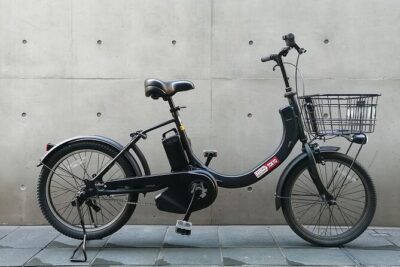
The tour uses electric bikes with baskets. That is especially useful in Tokyo, where the challenge is not only distance but also frequent starts, stops, turns, and changes in pace.
You still need basic cycling ability. The electric assistance does not remove the need to balance, brake, follow the guide, and handle city traffic. Comfortable shoes and clothing matter more than stylish sightseeing clothes. Water and sunscreen are also sensible, particularly in warm weather.
The bikes are described as high-quality road bikes, and bike insurance is included. The supplied information does not give exact bike sizes, adjustment details, or helmet policy, so ask the operator about those points if they matter to you.
The route is not presented as difficult, and it is designed for experienced cyclists and casual riders. Still, the Ginza section deserves attention. Expect the guide to manage the group, but do not assume every street will feel quiet. Sunglasses can help with glare, and a small bag fits the bike basket better than bulky luggage.
What the $78 price buys you
At $78 per person, this is not the cheapest way to move around Tokyo. You could cover many of these districts by train for less money, especially if you skip paid admissions and food.
The value comes from combining transport, a guide, electric bike use, insurance, and several stops in one three-hour route. Kiyosumi Gardens admission is included, while the optional Fukagawa temple entry costs extra. You also avoid planning a route through several districts on your own, which can take more time than expected.
For me, the strongest value is access. A bike can take you through short stretches and side streets that are awkward by bus and too far to enjoy on foot in one morning. One account of the experience specifically praised reaching old parts of Tokyo that are difficult to access by bus, and that is exactly where the tour earns its price.
You should also budget for market snacks and drinks. They are not part of the fee. If you want the ride mainly as a food tour, the short Tsukiji stop may feel limited. If you want a guided overview with a chance to sample something, it works well.
Who should book this ride
I would choose this tour if you have already spent several days in Tokyo and want more than the standard Shibuya, Asakusa, and Tokyo Tower circuit. It is also a good first look at the city if you enjoy moving through neighborhoods rather than simply collecting major landmarks.
It suits:
- Adults and children 12 or older who can ride comfortably
- Casual cyclists who want electric assistance
- Visitors interested in markets, shrines, temples, gardens, and local streets
- Couples, friends, or families who prefer a small group
- Anyone who wants English or Japanese guiding
- People willing to spend extra for food at Tsukiji
I would think twice if you dislike urban cycling, have back problems, are pregnant, or cannot ride a bicycle. You should also skip it if your priority is a long visit inside one attraction. The tour gives you several short stops rather than a deep visit to any single site.
Practical booking advice
Cancellation is free up to 24 hours before departure for a full refund, and you can reserve now and pay later. Starting times vary, so check availability when booking.
Wear comfortable cycling clothes, bring water, sunscreen, and sunglasses, and arrive 10 minutes early. Smoking, alcohol, drugs, and littering are not allowed.
The ride is available in English or Japanese. Since guides can vary, you may not get a particular person, but names associated with this experience include Nooki, Casey, Naoki, and Show. The important thing is the small group size, which keeps the guide close enough to explain the stops and manage the ride.
Should you book the Tokyo riverside e-bike tour?
Book it if you want to connect several eastern and central Tokyo districts in one active morning, with a guide handling the route. The best reasons are the small group, electric bikes, Tsukiji stop, and included Kiyosumi Gardens entry.
Skip it if Ginza traffic makes you uneasy or if three hours on a bicycle sounds tiring. For everyone else, this is a useful way to see a less obvious side of Tokyo, especially after you have covered the city’s biggest tourist areas. Bring water, save room in your basket for a market snack, and keep ¥1,000 in cash only if you want to enter the final temple.
FAQ
How long is the Tokyo e-bike tour?
The tour lasts three hours.
Where does the tour begin?
Meet at the right side of the kiosk in Hibiya Park, at 1-3 Hibiyakōen.
Where does the tour finish?
The ride finishes at Fukagawa Fudōdō, also known as Naritasan Fukagawa Fudōdō, the Naritasan Tokyo branch temple.
What languages are available?
The live guide is available in English or Japanese.
How many people are in the group?
The group is limited to eight participants.
Is the Kiyosumi Gardens entrance fee included?
Yes. Admission to Kiyosumi Gardens is included in the tour price.
Do I have to pay to enter Fukagawa Fudōdō?
No. Entry is optional, and the ¥1,000 fee is paid in cash if you choose to go inside.
More 3-Hour Experiences in Tokyo
- 3h Tokyo E-Bike Tour: Hidden Gems, and Local Life with guide
★ 5.0 · 670 reviews - Tokyo: 3-Hour Bike or E-Bike City Highlights Tour
★ 4.8 · 435 reviews - Tokyo: 3-hour Guided E-Bike Tour of the City’s Hidden Gems
★ 4.8 · 251 reviews - 3-Hour Tokyo Pub Crawl Nightlife Welcome Guided Tour in Shibuya
★ 5.0 · 209 reviews
New on our Tokyo list
- Sumi-e Experience in a relaxing green tea shop in Tokyo★ 5.0 · 3 reviews
- Tokyo : Kamikaze Street Drift Ride★ 5.0 · 3 reviews
- Private Zen Meditation in English in Shinjuku, Tokyo★ 5.0 · 3 reviews
- Onsen Spa in Tokyo and Asakusa Bar Hopping with Local Guide★ 5.0 · 3 reviews
- Easy for everyone! Now you can play handmade mini shamisen and show off to everyone! Musical instruments, sweets and live music★ 5.0 · 3 reviews
- Tokyo: Private Tsukiji Street Food & Sake with Local Guide★ 5.0 · 3 reviews
- Mt Fuji Exploration Tour with Free Japanese Kusa Mochi from Tokyo★ 4.5 · 3 reviews
- Tokyo Tsukiji Fish Market Walking and Exploring Hidden Gems Tour★ 5.0 · 3 reviews
Cycling Tours, compared.
3h Tokyo E-Bike Tour: Hidden Gems, and Local Life with guide
Read our review →
3-hour Guided E-Bike Tour of the City’s Hidden Gems
Read our review →
3-Hour Bike/E-Bike Tour of the City’s Highlights
Read our review →Browse the lists this tour appears in