Reviewed · GUIDED
Tokyo 6hr Instagram Highlights Private Tour with Licensed Guide
Tokyo’s best photo stops are scattered across a huge city, and this six-hour private tour gives you a sensible way to connect three or four of them. You might begin at Senso-ji, pass through the red torii gates at Hie Shrine, then finish among Shibuya’s lights or Harajuku’s colorful shops.
I like the one-to-one planning and the mix of old and new Tokyo. You can ask for temples, shopping, food streets, gardens, anime districts, or city views instead of following a fixed bus route. The catch is simple: this is a walking tour, public transportation costs extra, and trying to squeeze in too many districts can make the day feel rushed.
In This Review
- Key points to know before booking
- Why a private six-hour route works in Tokyo
- Senso-ji and Asakusa: Tokyo’s classic first photograph
- Hie Shrine: red torii gates without a Kyoto trip
- Shibuya Crossing: the city in motion
- Meiji Jingu and Harajuku: a sharp change of mood
- Omoide Yokocho and Golden Gai: narrow lanes after the big sights
- The Imperial Palace and Tokyo’s formal center
- Tokyo’s gardens: beautiful, but check the extra cost
- Alternative neighborhoods for a more personal Tokyo
- Timing, transport, and the real cost
- What the guides add to the day
- Who should book this Tokyo tour?
- Should you book it?
- FAQ
- How long is the Tokyo Instagram Highlights Private Tour?
- How many places will the tour visit?
- Is the Imperial Palace interior included?
- Are transportation and entrance fees included?
- Is this a private tour?
- What is the cancellation policy?
Key points to know before booking
- Choose three or four stops: The long list of possible sights is a menu, not a promise that you will visit them all.
- Your guide matters: Sam, Yoshi, Miho, Taku, Show, Bruce, and others have been praised for clear communication, patience, and flexible planning.
- Old Tokyo meets modern Tokyo: Senso-ji, Meiji Jingu, and Hie Shrine can be paired with Shibuya, Harajuku, Akihabara, or Shinjuku.
- Expect a walking day: Pickup is on foot within a designated Tokyo area, and transit fares are not included.
- Photo help is part of the point: The route is built around recognizable locations, useful angles, and memorable city scenes.
- Value depends on your group: At $155.22 per person, it makes more sense for a small private group that wants focused help than for a solo visitor on a tight budget.
Why a private six-hour route works in Tokyo
Tokyo is easy to admire and hard to organize. Senso-ji is in Asakusa, Meiji Jingu sits beside Harajuku and Shibuya, and Golden Gai is in Shinjuku. These districts are not next door to each other, so a local guide can save you hours of map work and guesswork.
The tour includes a licensed English-speaking guide for only your group. That private setup is the main benefit. You can stop for photos, change the order, spend less time at a place that does not interest you, or adjust the plan after you have already seen a sight on your own.
That flexibility is not just a nice extra. One guest had already visited some planned locations, and guide Yoshi rebuilt the schedule around the remaining sights. Another guide, Show, discussed preferences before the tour began. This is the kind of advance communication you want from a customized city tour.
The tour has a strong record, with a 4.9 rating from 38 reviews and 100 percent recommendation. The most consistent praise goes to guides who explain Japanese history and customs in plain language while staying alert to the group’s interests. Sam was praised for making a first visit feel relaxed, while Taku connected the places visited with local traditions and helped save time and energy.
A few more Tokyo bookings worth comparing
- Mt Fuji and Hakone 1-Day Bus Tour Return by Bullet Train
★ 5.0 · 26,383 reviews - 1-Day Tokyo Bus Tour
★ 5.0 · 14,250 reviews - Tokyo: TOKYO SKYTREE® Admission ticket
★ 4.5 · 11,192 reviews
Senso-ji and Asakusa: Tokyo’s classic first photograph
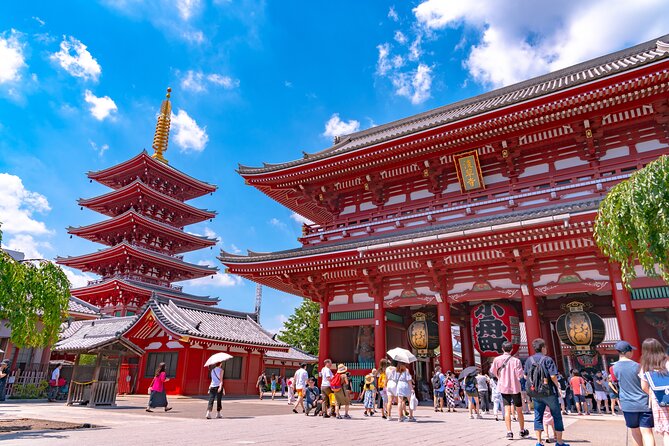
Senso-ji is one of the easiest places to recognize in Tokyo. The Kaminarimon, or Thunder Gate, frames the entrance, and Nakamise-Dori leads toward the colorful Buddhist temple complex.
You get about 30 minutes here, enough for the main gate, the shopping street, and a look at the temple approach. It is a good starting point because the setting gives you a clear sense of old Tokyo without requiring an entrance ticket.
The drawback is crowding. Senso-ji is popular, and your photographs may include plenty of other people. A private guide can help you use the time well, but this is not a quiet temple visit.
Ask your guide to explain the difference between the temple and the surrounding shopping street. That small bit of context makes the stop more meaningful than simply taking a picture at the gate.
Hie Shrine: red torii gates without a Kyoto trip
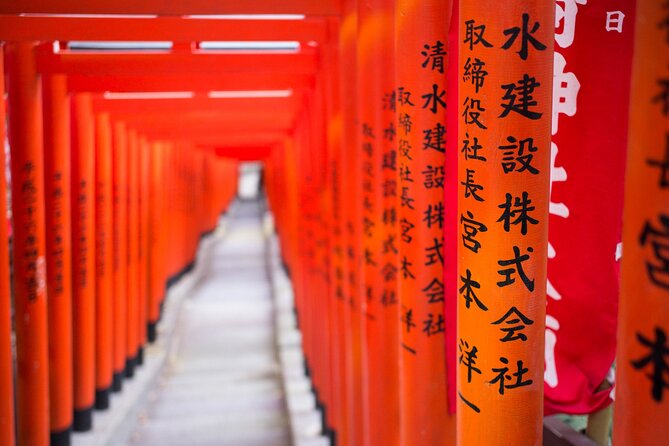
Hie Jinjya offers one of the tour’s most useful photo stops. Its tunnel of about 90 red torii gates recalls the famous gates at Fushimi Inari-taisha in Kyoto, but you can see this version in central Tokyo.
You have roughly 30 minutes, and admission is free. The gates create a strong repeating pattern for photographs, while the shrine gives you a quieter religious setting than the major commercial districts.
This stop is especially good if you want a traditional Japanese image but have no time for Kyoto. It also pairs well with Senso-ji because the two sites show different sides of Tokyo’s religious culture.
Shibuya Crossing: the city in motion
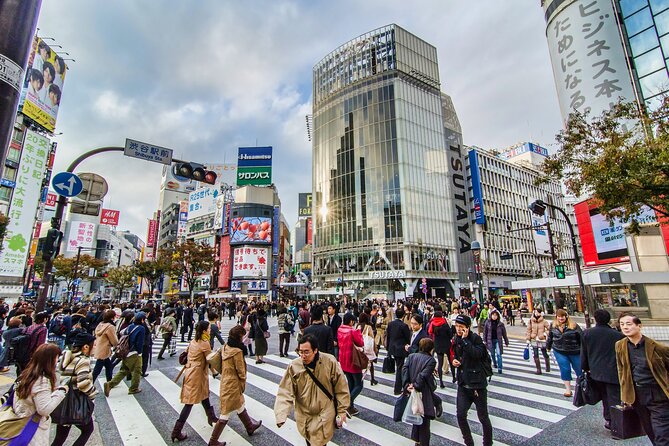
Shibuya Crossing is the obvious social-media stop, and for good reason. When the signals change, pedestrians move across the intersection from several directions, with giant screens and tall buildings forming the backdrop.
The stop lasts about 30 minutes and includes the nearby bronze statue of Hachiko, the famous loyal dog. That gives you two different types of photographs: one showing Tokyo’s scale and movement, and one focused on a local story.
The weakness is that Shibuya can feel more like a picture checklist than a cultural visit if you rush through. Your guide’s help is most useful here for deciding how much time to spend at the crossing, the statue, or nearby streets.
Guide Bruce helped one group visit Shibuya, Meiji Jingu, Harajuku, and other requested locations in a single morning. That kind of route planning can work well, but only if you agree on priorities before setting out.
Same corner of Tokyo, a completely different plan:
- Tokyo: teamLab Planets TOKYO Digital Art Museum Entry Ticket
★ 4.6 · 9,779 reviews - Mt Fuji & Hakone Cruise, Drum Show Bullet Train 1 Day from Tokyo
★ 4.0 · 7,413 reviews - Tokyo: Sumo Show Experience with Chicken Hot Pot and a Photo
★ 4.8 · 6,678 reviews - Tokyo: Shinjuku Food Tour (13 Dishes at 4 Local Eateries)
★ 5.0 · 6,603 reviews
Meiji Jingu and Harajuku: a sharp change of mood
Meiji Jingu is Tokyo’s largest and best-known Shinto shrine. It covers a broad wooded precinct at the edge of Shibuya, creating a strong contrast with nearby Harajuku’s signs, shops, and crowds.
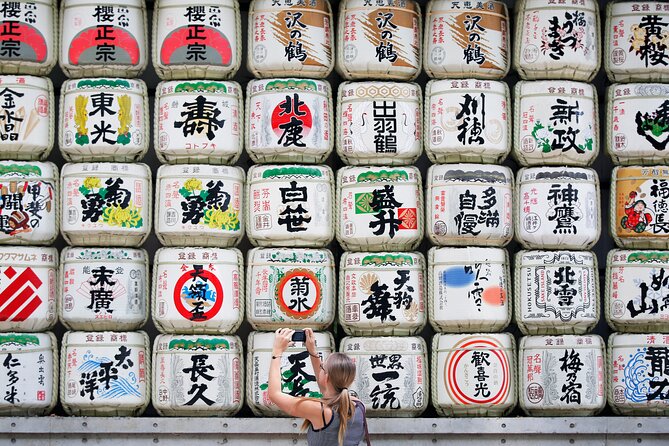
Allow about 40 minutes here. The sake barrels are a particularly distinctive photo subject, with rows of decorated barrels displayed near the shrine. You can also expect your guide to explain basic Shinto customs and the role of the shrine.
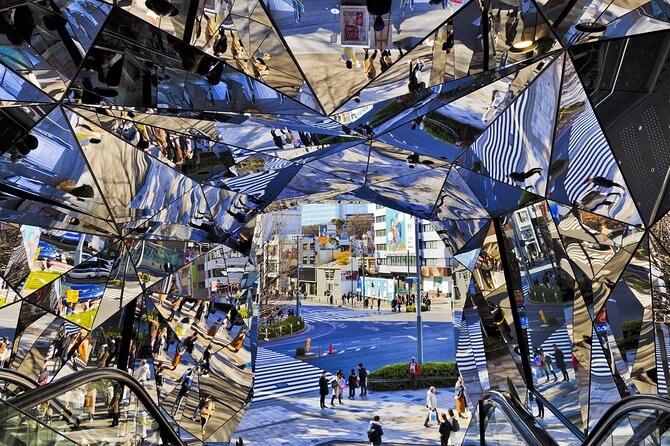
Then the route can move to Takeshita Street, Harajuku’s famous shopping lane. This is the place for colorful storefronts, kawaii clothing, crepe shops, and rainbow cotton candy. It is playful and commercial rather than traditional.
The two stops work well together because you can experience a quiet shrine setting and then walk into one of Tokyo’s most youthful shopping areas. If you want both in one day, say so early. They are close enough to combine, but the street can consume time.
Omoide Yokocho and Golden Gai: narrow lanes after the big sights
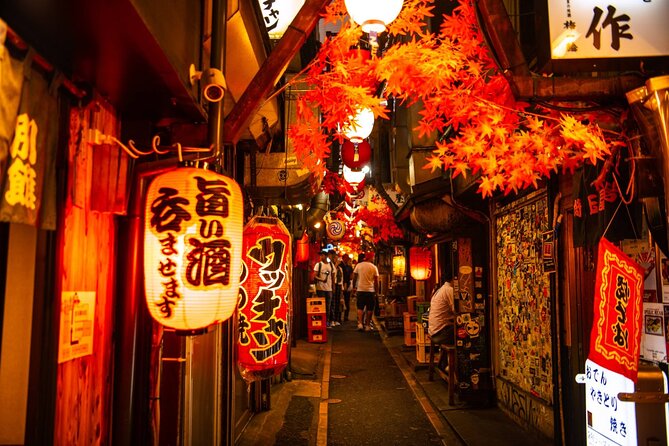
Omoide Yokocho is a tight lane lined with small restaurants, bars, and shops. It offers a glimpse of Tokyo’s back-alley dining culture and gives your photographs a much more intimate feel than the giant screens of Shibuya.
Nearby Shinjuku Golden Gai is another maze of narrow alleys, with small bars packed into compact buildings. The area is known for its nighttime character, but the tour listing allows about 30 minutes for the stop, so your visit may be more about atmosphere and photographs than a long evening out.
These districts are best for people who want Tokyo to look slightly scruffy and human. They also require some care. The lanes are narrow, and the small bars are working businesses, so respectful photography matters. Ask your guide where photographs are appropriate.
The Imperial Palace and Tokyo’s formal center
The Imperial Palace stop takes about 30 minutes, but inside access is not included. You will see the palace area from the accessible surroundings, including the broad parkland, moats, and remnants connected with the former Edo Castle site.
This is a better stop for grand views and historical context than for close-up palace interiors. If entering a major attraction is important to you, choose another option or confirm the plan with your guide before booking.
The palace can also slow the tour because it is a large area. It works best for visitors interested in Tokyo’s political past and formal city center, not for someone focused only on colorful street scenes.
Tokyo’s gardens: beautiful, but check the extra cost
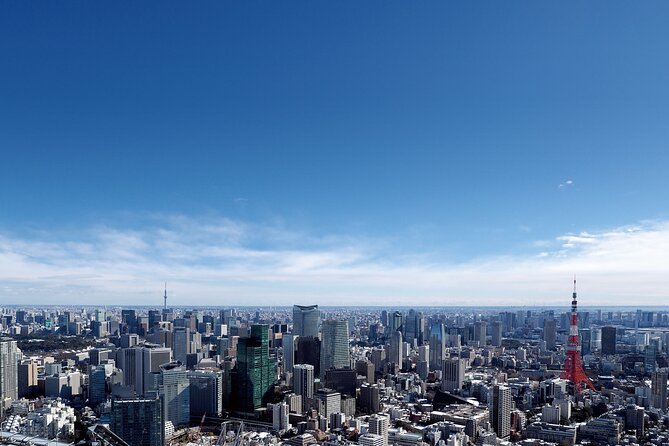
Several gardens are available as alternatives, including Shinjuku Gyoen, Koishikawa Korakuen, Hama Rikyu, and Rikugien.
Shinjuku Gyoen offers lawns, ponds, and seasonal plantings close to the city’s high-rise districts. The listed adult admission is ¥500, with reduced prices for seniors and students who show valid identification. The suggested stop time is only five minutes in the wider itinerary, so you should clarify the timing if you want a real garden visit.
Koishikawa Korakuen is one of Tokyo’s oldest Japanese gardens, while Rikugien is another highly regarded garden created around 1700 for a Tokugawa shogun. Hama Rikyu sits beside Tokyo Bay and includes seawater ponds affected by the tides, as well as a teahouse.
Entrance fees for these gardens are not included. These stops are most worthwhile in a season when plants and flowers are part of your photography plan. They are less useful if you want to cover several distant neighborhoods in a single six-hour outing.
Alternative neighborhoods for a more personal Tokyo
The tour can also be shaped around places beyond the standard highlights.
Akihabara is Tokyo’s electronics and anime district. It suits you if your idea of a perfect Tokyo photograph includes game stores, manga, anime, or bright shop signs.
Yoyogi Park offers open lawns, ponds, and wooded areas near Harajuku. It is a calmer choice than Takeshita Street and can give a family group room to slow down.
Roppongi Hills combines shops, restaurants, offices, apartments, and art spaces in a modern city complex. Odaiba, on a man-made island in Tokyo Bay, offers a different setting with shopping and entertainment facilities.
Shibamata retains an old-fashioned neighborhood feel near the Edogawa River. Nezu, part of Tokyo’s old downtown area, is another good choice if you want streets that feel less polished and more rooted in everyday local life.
Tsukiji is available for a look at the old fish-market area. The stop is listed at only about 10 minutes, so it is better treated as a quick food and street scene than a full market tour.
The Tokyo National Museum is another possible stop, though admission is not included and five minutes is not enough for a museum visit. Ask your guide to replace another stop if you want to spend meaningful time inside.
Timing, transport, and the real cost
The advertised price is $155.22 per person. You also receive a private guide, but the price does not cover transportation, lunch, entrance fees, or personal expenses. There is no private vehicle.
That matters in Tokyo. Moving between Asakusa, Hie Shrine, Shibuya, Harajuku, and Shinjuku can involve public transit, and those fares are yours to pay. The tour is described as a walking experience, with an on-foot meeting and pickup within a designated area.
I see the price as fair for a small group that wants personal planning and a guide’s full attention. It is less attractive if you are comfortable using trains, researching photo spots, and handling the route yourself. Group discounts may improve the value, but you cannot combine separate tour groups.
Six hours can cover three or four well-chosen areas. It cannot realistically provide a full visit to all 20 possible stops. Be wary of a plan that includes Asakusa, central Tokyo, Shibuya, Harajuku, and several Shinjuku locations with long stops at each. The best day has a clear theme and a short priority list.
What the guides add to the day
The strongest part of this experience is the human help. Guides named in the tour feedback include Sam, Yoshi, Miho, Taku, Show, Hideaki, Bruce, Shuji, and Toru.
Miho was praised for tailoring the route and explaining history and customs in a simple, approachable way. Hideaki kept one guest moving through Tokyo with only short breaks, while Show arranged a photo-focused day and communicated about preferences before the tour.
Sam appears in several especially useful examples. Sam guided a parent and teenage son, helped a nervous first-time family feel at ease, and adjusted the day around shopping in Harajuku and Shibuya. Taku connected the sights with Japanese traditions and even helped select a restaurant near Tsukiji.
Guide quality can vary because you are not booking one named person in the information provided. I recommend stating your priorities clearly before the date: photo angles, food, history, shopping, anime, gardens, traditional shrines, or a balanced mix.
Who should book this Tokyo tour?
I would choose this experience if you have only a couple of days in Tokyo, want help with the city’s scale, or prefer having a local person manage the route. It also suits families and first-time visitors who do not speak Japanese and want a relaxed point of contact.
It is a good fit for photographers and social-media users, but do not assume the guide is a professional photographer. The experience promises access to photogenic locations and a flexible route, not specialist camera instruction or guaranteed perfect lighting.
You should think twice if you want a deep visit inside museums, gardens, or the Imperial Palace. Admission is often extra, the palace interior is not included, and some alternatives are listed with very short stop times.
Free cancellation is available if you cancel at least 24 hours before the start time. Changes or cancellations inside that window are not accepted for a refund. Service animals are allowed, the tour is near public transportation, and most people can participate, but remember that this remains a walking day.
Should you book it?
Book it if you want a personal Tokyo sampler, not a full sightseeing program. Choose three or four stops that fit together, confirm the meeting area and transit plan, and tell the agency exactly what you have already seen.
For the best balance, pair one traditional site such as Senso-ji, Hie Shrine, or Meiji Jingu with one modern district such as Shibuya, Harajuku, or Akihabara. At $155.22 per person, the value comes from saved planning time and a guide who can adapt the day. If you want to cover every famous Tokyo sight, no six-hour tour can deliver that without a frantic pace.
FAQ
How long is the Tokyo Instagram Highlights Private Tour?
The tour lasts approximately six hours.
How many places will the tour visit?
The tour includes a customizable choice of three or four sites from the available list.
Is the Imperial Palace interior included?
No. The tour does not include access inside the Imperial Palace.
Are transportation and entrance fees included?
No. Transportation, entrance fees, lunch, and personal expenses are not included. Guide entry fees are covered only for sights listed under the tour’s expected stops.
Is this a private tour?
Yes. Only your group participates, and separate tour groups cannot be combined.
What is the cancellation policy?
You can cancel at least 24 hours before the local start time for a full refund. Cancellations or changes made less than 24 hours before the start time are not accepted for a refund.
New on our Tokyo list
- Tokyo Spectacular View Day-Cruise in 90 Minutes★ 5.0 · 25 reviews
- From Tokyo: Mount Fuji & Hakone Full Day Private Tour★ 4.9 · 25 reviews
- Real Tokyo Runner Club : Daikoku Car Meet Night Tour with JDM Car★ 5.0 · 25 reviews
- 2.5 Hour-Guided Cycle Tour in the Central Tokyo★ 5.0 · 25 reviews
- Ramen Making from Scratch +Akihabara Tour –Cooking Class★ 5.0 · 25 reviews
- [Self-Drive] Tokyo & Daikoku Custom Car Driving Tour★ 4.9 · 25 reviews
- Tokyo: 2-Hour Night Bike Tour of the City’s Hidden Gems★ 4.9 · 25 reviews
- Samurai themed Entertainment show in Shinjuku★ 4.5 · 25 reviews
Guided, compared.
Tokyo 6hr Private Tour with Government-Licensed Guide
Read our review →
Shinjuku Local Bar and Izakaya Guided Walking Tour
Read our review →
Private City Highlights Tour with Local Guide
Read our review →
Tokyo 4hr Private Tour with Government-Licensed Guide
Read our review →
Samurai Ninja Museum Guided tour and Experience
Read our review →