
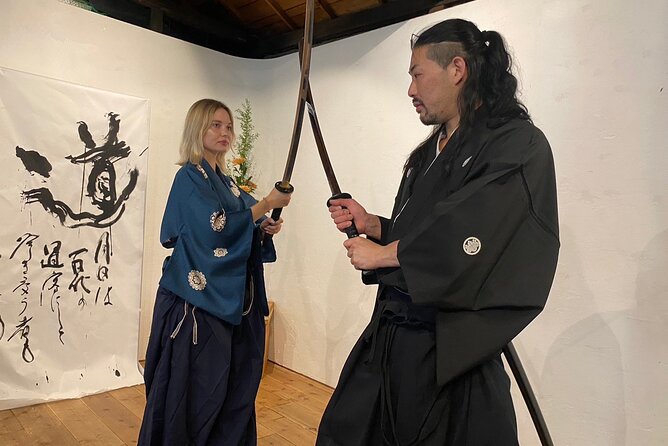
Reviewed · SAMURAI & NINJA EXPERIENCES
Tokyo : Authentic Samurai Experience in a Private Space.
The best part of this Tokyo experience is that you do not simply watch a samurai demonstration. You put on a kimono, learn how to draw and hold a sword, then test your technique by cutting a target under close instruction. It feels like a lesson in discipline, not a quick photo stop.
I like the tiny group size, capped at four, and the setting in a private house more than 100 years old. I also like the personal touch from Sensei Musashi Oka and Yoshi San, who make room for questions and finish the session with carefully chosen Japanese tea.
The main consideration is time. At about 90 minutes, this is a focused introduction rather than a full study of Bushido or Japanese sword traditions. The class is mainly in English, with PokéTalk available for communication, but anyone hoping for a long museum-style history lesson may find it brief.
In This Review
- Key points at a glance
- A sword lesson, not just a samurai photo
- Inside the old Tokyo home
- Dressing in a kimono before practice
- Learning the way of the samurai
- The cutting exercise is the payoff
- Tea and conversation after the sword work
- Why the four-person limit matters
- Is $72 a fair price?
- Who will enjoy this most
- Timing, meeting point, and cancellation
- Should you book the Bushido Experience?
- FAQ
- Where does the samurai experience take place?
- Where does the activity end?
- How long does the experience last?
- How many people can participate?
- Is the experience offered in English?
- Do participants wear traditional clothing?
- Will I learn to use a samurai sword?
- Is there a cutting activity?
- Is tea included?
- Can I cancel for a full refund?
Key points at a glance
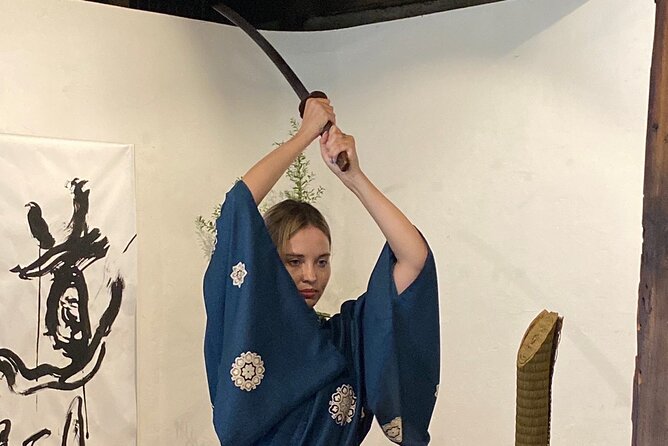
- Cutting practice with a real sword: After learning the basics, you put your form to work on straw targets, with the cutting material described as tatami in one account of the class.
- A 100-year-old private home: The setting gives the experience a more personal feel than a large theater or staged tourist venue.
- Kimono included in the session: You dress in traditional clothing before practicing sword movements.
- Only four participants: The small limit allows the instructors to watch your technique and answer questions.
- Tea closes the lesson: Japanese tea gives you a calm period to talk about Bushido and culture.
- Short enough for a packed Tokyo day: The class lasts about one hour and 30 minutes and returns you to the meeting point.
A sword lesson, not just a samurai photo
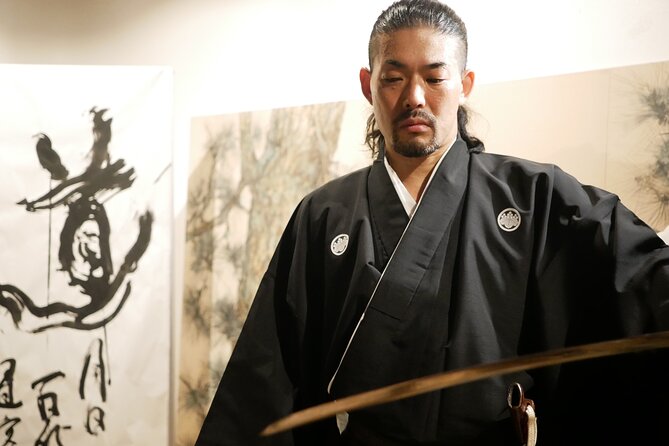
Many samurai-themed activities give you a costume, a few poses, and a short demonstration. This one aims at something more hands-on. You learn the basic actions involved in handling a sword, including how to draw it, hold it, swing it, and return it to its sheath.
That order matters. The sword work is presented as a practice in control and form, not as random swinging for a camera. The instructor demonstrates, then guides you through the movements. Beginners are welcome, and the teaching is continuous, which should help if you have never held a sword before.
I appreciate that the class connects the physical movements with Bushido, the traditional way of the samurai. You are not expected to become an expert in one session, but you do get a clearer idea of the care, posture, and restraint tied to the practice.
The cutting portion gives the lesson a clear goal. You work toward cutting through a prepared target, rather than stopping after a basic demonstration. This is likely to be the moment most people remember, but it works best because the class builds up to it.
More samurai and ninja sessions:
- Tokyo: Samurai Ninja Museum Guided tour and Experience
★ 4.6 · 1,010 reviews - Tokyo: Samurai Sword & Archery Class from Samurai Descendant
★ 5.0 · 603 reviews - Best Samurai Experience in Tokyo
★ 5.0 · 458 reviews
Inside the old Tokyo home
The meeting point is rojicoya, at 36-1 Senjuasahichō in Adachi City. The experience takes place in a private house that is more than 100 years old, giving the class a setting with a sense of age and quiet that a modern studio would not provide.
The house is part of the appeal, but it also shapes the experience. This is not a large attraction with a crowd moving through on a schedule. Your group has the space and attention of the instructors for the session, and the activity ends back at the same meeting point.
The location is near public transportation, which helps, though the supplied information does not provide a station name or walking time. I would check the exact route before leaving your hotel, especially if you are fitting this between other Tokyo plans.
The private setting also makes this a better pick for people who prefer a small cultural activity over a polished stage show. You may find the surroundings feel more like a lesson in someone’s home than a formal performance venue. That is a plus if you value atmosphere and direct contact, though it may feel modest if you expect a grand samurai hall.
Dressing in a kimono before practice
The session includes traditional clothing, with participants dressed in a kimono before they begin the sword work. This is more than a costume change for photographs. It helps set the tone and gives you a physical connection to the cultural setting.
A kimono can also make you more aware of posture and movement. Since the class asks you to stand, draw, swing, and sheath a sword with care, the clothing becomes part of the experience rather than a separate photo opportunity.
The supplied details do not specify clothing sizes, changing arrangements, or what you should wear underneath. For that reason, wear something comfortable and easy to manage, and contact the provider ahead of time if you have questions about fit.
The class is open to men and women, and the instruction is designed to make beginners feel at ease. You do not need prior sword training or a special interest in martial arts to take part.
Learning the way of the samurai
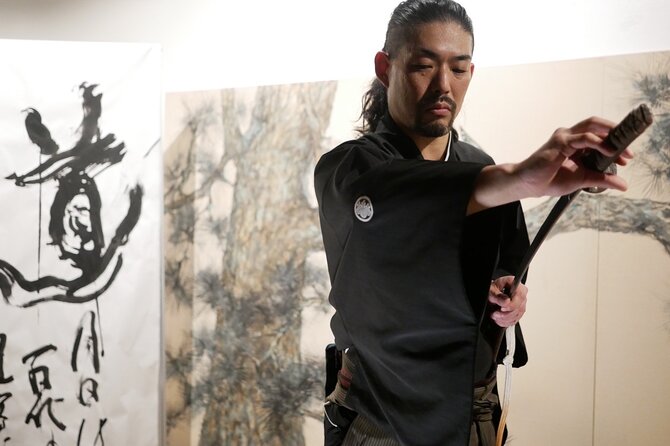
The instructor begins with the basics of sword handling. You learn how to draw the sword, hold it correctly, swing with control, and sheath it. These movements may sound simple, but the class treats them as skills that require attention and repeated practice.
Sensei Musashi Oka leads the instruction, with Yoshi San also helping create a friendly and welcoming atmosphere. Direct teaching is one of the strongest reasons to choose this activity. In a group of four or fewer, the instructor can watch what you are doing instead of giving a general talk from across a room.
English is the main language of the program. Communication is also described as PokéTalk-compatible, which appears to mean that translation support can help when needed. The available information does not promise every detail in fluent English, so keep that in mind if precise historical discussion is your top priority.
The class includes facts about Bushido and swordsmanship that you may not get from a standard demonstration. The cultural explanation is not separate from the practice. As you learn how the sword is handled, you also get a chance to ask why the movements matter.
That balance is useful. You get enough context to understand the activity, but the 90-minute format keeps the focus on doing rather than listening for most of the session.
A few more Tokyo bookings worth comparing
- Mt Fuji and Hakone 1-Day Bus Tour Return by Bullet Train
★ 5.0 · 26,383 reviews - 1-Day Tokyo Bus Tour
★ 5.0 · 14,250 reviews - Tokyo: TOKYO SKYTREE® Admission ticket
★ 4.5 · 11,192 reviews - Tokyo: teamLab Planets TOKYO Digital Art Museum Entry Ticket
★ 4.6 · 9,779 reviews
The cutting exercise is the payoff
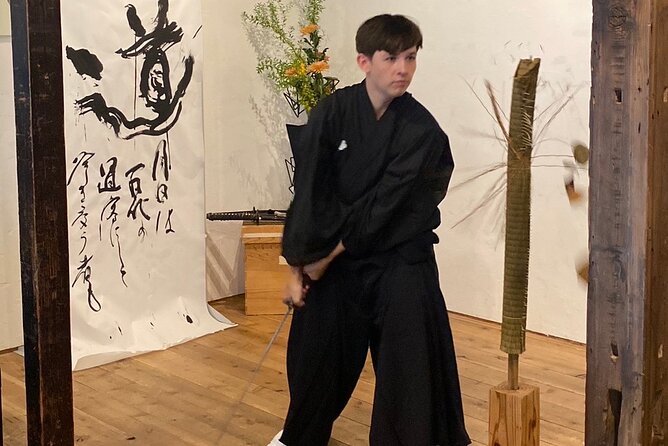
After the practice work, you test your technique by cutting a target. The main description identifies straw targets, while an account of the activity refers to cutting tatami with a real katana. Either way, this is a controlled cutting exercise using a real sword, not a foam or wooden prop.
The cutting portion is the clearest difference between this and a costume-only samurai activity. You have already learned the handling sequence, so the target gives you a practical reason to concentrate on stance and movement.
Do not book this expecting an action show. The value is in following instruction and seeing how small changes affect the cut. The experience is meant for beginners, and the instructor stays involved throughout the process.
Because the exact target material may vary, I would not book this solely for a specific type of target. Book it for the combination of instruction, kimono, sword practice, and the chance to make a supervised cut.
Tea and conversation after the sword work
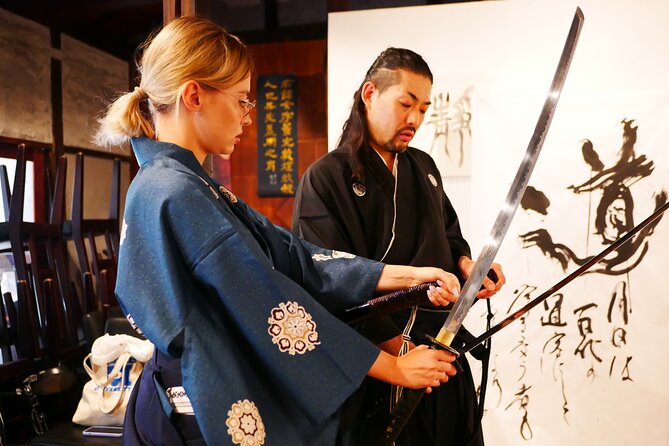
The session ends with carefully selected Japanese tea. This quiet finish is a welcome change from the concentration of the sword practice and gives you time to talk with the instructors.
The tea period is also part of the cultural lesson. You can ask more about Bushido, Japanese customs, or the sword tradition while taking a break. It turns the final minutes into a conversation rather than a rushed goodbye.
That personal exchange may be especially useful if you have questions that did not fit naturally into the instruction. The activity is designed to include interaction with the lecturers, so you are not simply led through a fixed routine and sent away.
I like this ending because it gives the experience a clear rhythm: prepare, learn, practice, cut, then slow down over tea. The class remains short, but it does not feel like the sword portion is the only thing that matters.
Why the four-person limit matters
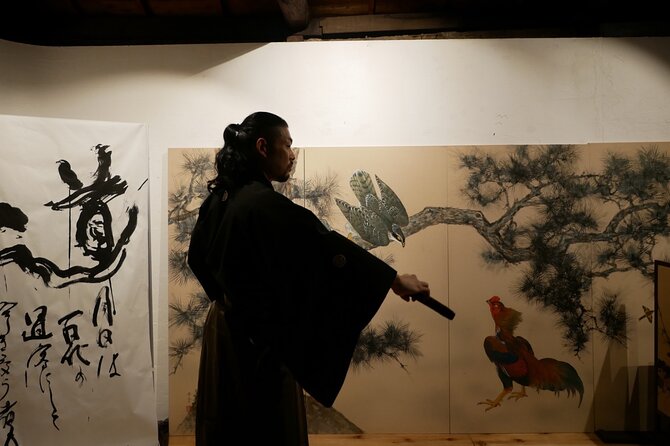
The maximum group size is four participants, and the activity is private for your group. That is a major practical advantage for families, couples, and friends who want to take part together.
A small group means more chances to ask questions and more time for the instructor to correct your movements. It also reduces the chance that you will spend most of the class watching other people practice.
For a couple, the class may feel almost like a private lesson if no other participants are included. For a family, the small limit keeps the experience manageable, though the supplied information does not explain age requirements. If you are booking with children, confirm suitability with the provider first.
The private format can also make the activity feel less intimidating. You do not have to perform in front of a large audience, and the instructors can keep the pace suited to your group.
Is $72 a fair price?
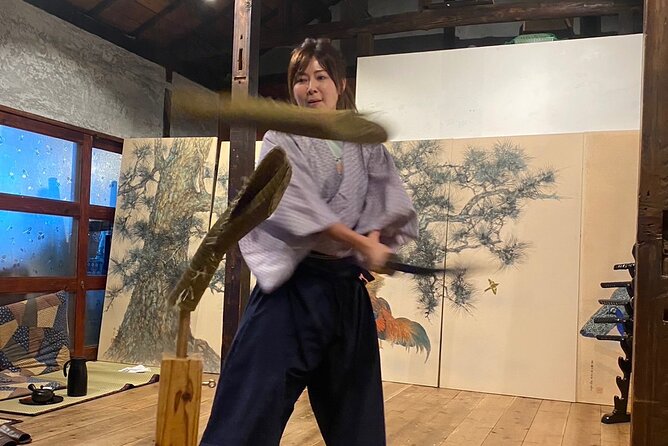
At $72, this is not the cheapest cultural activity in Tokyo, but the price covers more than a demonstration. You receive instruction, kimono use, sword practice, supervised cutting, cultural conversation, and tea in a private small-group setting.
The value is strongest if you care about participation. A short show or photo session may cost less, but it will not give you the same chance to learn the sequence of drawing, holding, swinging, and sheathing a sword.
The price is also easier to justify for a couple or small family group because the class is private and capped at four. If you are mainly looking for a history lecture, the cost may feel high for a 90-minute session. If you want a physical activity with cultural context, the focused format works in its favor.
You should also factor in the time saved. The experience takes about an hour and a half, so it can fit into a day when you cannot spare half a day for a distant excursion.
Who will enjoy this most
I would recommend this class to you if you want an active cultural experience and do not mind following careful instruction. It suits first-timers, couples, families, and anyone with a strong interest in samurai traditions.
It is a good match for people who like personal teaching. Sensei Musashi Oka and Yoshi San are described as friendly and welcoming, and the small format gives you a chance to speak with them directly.
You may want to choose another activity if you want a long historical lecture, a large-scale performance, or a tour with many different locations. This class stays in one private house and concentrates on one subject.
It is also worth remembering that the class is mainly in English. PokéTalk-compatible communication is available, but the experience may not be ideal if you need every historical detail explained in another language.
Timing, meeting point, and cancellation
The activity starts and finishes at rojicoya, 36-1 Senjuasahichō, Adachi City, Tokyo 120-0026. Since the exact public transportation directions are not supplied, give yourself time to locate the house and arrive ready for the start.
You receive confirmation when booking, and a mobile ticket is available. The activity lasts approximately 90 minutes, so plan your next appointment with some breathing room rather than scheduling it immediately afterward.
Free cancellation is available up to 24 hours before the local start time for a full refund. Cancellations or changes made less than 24 hours before the start are not accepted for a refund.
Should you book the Bushido Experience?
Book this activity if you want to handle a real sword under instruction, wear a kimono, and learn about Bushido in a private setting. The small group, old house, personal teaching, cutting exercise, and tea make it feel more substantial than a simple samurai photo session.
The main limits are its short length and focused scope. You will not cover every part of Japanese sword history, and the available details do not include a full station guide or age policy.
For most people, the deciding question is simple: do you want to watch samurai culture, or take part in a carefully guided version of it? If you choose the second, this 90-minute class offers good value, especially for a couple or small group that wants a personal Tokyo memory.
FAQ
Where does the samurai experience take place?
It takes place at rojicoya, located at 36-1 Senjuasahichō, Adachi City, Tokyo 120-0026, Japan.
Where does the activity end?
The activity ends back at the meeting point at rojicoya.
How long does the experience last?
The experience lasts approximately one hour and 30 minutes.
How many people can participate?
The group is capped at four participants, and the activity is private for your group.
Is the experience offered in English?
The course is mainly conducted in English. Communication is also described as PokéTalk-compatible.
Do participants wear traditional clothing?
Yes. Participants wear a kimono during the experience.
Will I learn to use a samurai sword?
Yes. Instruction covers drawing, holding, swinging, and sheathing a samurai sword.
Is there a cutting activity?
Yes. You practice cutting a target after learning the basic sword movements. The target is described as straw, and an account of the activity refers to tatami.
Is tea included?
Yes. Japanese tea is served after the sword practice.
Can I cancel for a full refund?
You can cancel at least 24 hours before the local start time for a full refund. Cancellations and changes made less than 24 hours before the start are not accepted for a refund.
New on our Tokyo list
- Sumi-e Experience in a relaxing green tea shop in Tokyo★ 5.0 · 3 reviews
- Tokyo : Kamikaze Street Drift Ride★ 5.0 · 3 reviews
- Private Zen Meditation in English in Shinjuku, Tokyo★ 5.0 · 3 reviews
- Onsen Spa in Tokyo and Asakusa Bar Hopping with Local Guide★ 5.0 · 3 reviews
- Easy for everyone! Now you can play handmade mini shamisen and show off to everyone! Musical instruments, sweets and live music★ 5.0 · 3 reviews
- Tokyo: Private Tsukiji Street Food & Sake with Local Guide★ 5.0 · 3 reviews
- Mt Fuji Exploration Tour with Free Japanese Kusa Mochi from Tokyo★ 4.5 · 3 reviews
- Tokyo Tsukiji Fish Market Walking and Exploring Hidden Gems Tour★ 5.0 · 3 reviews
Samurai & Ninja Experiences, compared.
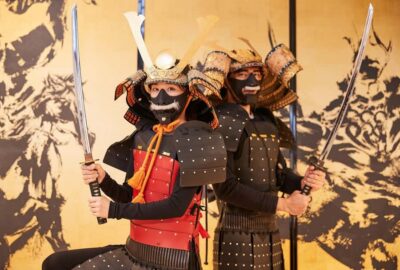
Samurai Ninja Museum Guided tour and Experience
Read our review →
Samurai Sword & Archery Class from Samurai Descendant
Read our review →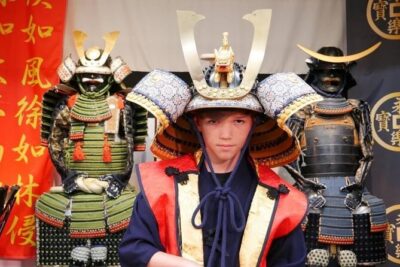
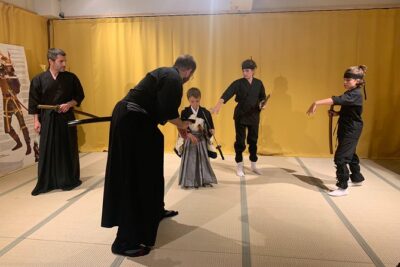
Ninja Experience (Family Friendly) at Samurai Ninja Museum TOKYO
Read our review →
Samurai Entertainment Night Show in Kanda Shrine
Read our review →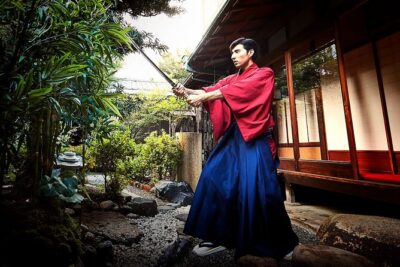
Tokyo Sword Experience – includes Museum Ticket/Ninja Experience
Read our review →
Samurai Ninja Museum Asakusa: Samurai Sword Lesson & Tour
Read our review →
Ninja Samurai 2-hour hands-on lesson by Japanese master in Tokyo
Read our review →Browse the lists this tour appears in