
Reviewed · SAMURAI & NINJA EXPERIENCES
Tokyo: Best Samurai Experience
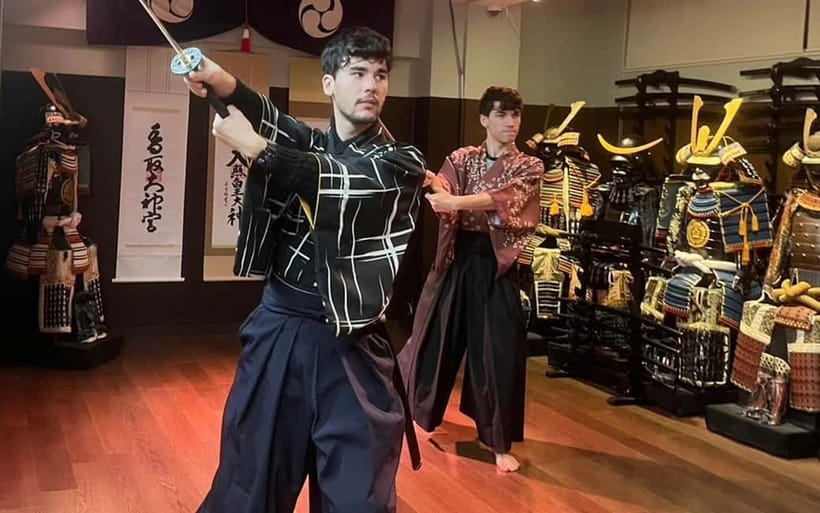
The most memorable part of this Tokyo activity is the quick change from sightseer to costumed samurai. You choose a kimono and hakama, learn the parts of a sword and basic movements, then perform a mock battle with instructors in a dojo filled with swords, spears, and armor.
I like two things here: the lesson gives your photos some real substance, and the staff records pictures and videos on your phone while you perform. I also like the small group limit of 10, which makes it easier to get help with the costume and movements.
The main drawback is the short one-hour format. You get a lively introduction and a choreographed routine, not a long historical lecture or serious martial arts course. The armor on display costs extra to wear, too.
In This Review
- Key points
- Changing into Samurai Costume at Samurai Theater Tokyo
- Learning the Sword in Four Simple Movements
- Practicing Offensive and Defensive Moves
- The Final Samurai Fight With Lights and Music
- Photos and Video Are Part of the Value
- Why the One-Hour Format Works, and Where It Falls Short
- Is $63 a Fair Price?
- Who Will Enjoy This Tokyo Activity Most?
- Language, Group Size, and Booking Flexibility
- My Verdict on the Best Samurai Experience
- FAQ
- Where does the samurai experience take place?
- How long does the activity last?
- How much does it cost?
- What clothing is included?
- Do I use a real sword?
- What sword skills will I learn?
- Do I get to fight a samurai?
- Can I take photos and videos?
- Can I wear the armor on display?
- Is the activity available in English?
- How many people can join?
- Can I book as a solo visitor?
- Can I cancel for a refund?
- Can I reserve without paying today?
- Who should not join this activity?
Key points
- Choose your own kimono and hakama: You change into a samurai costume before the lesson begins.
- Learn a complete sword routine: Practice drawing, holding, swinging, retracting, offensive moves, defensive moves, and stance names.
- Use a safe practice sword: The included sword cannot cut, so this is a controlled performance activity rather than weapons training.
- Fight samurai to music: The final routine adds lights, soundtrack, and energetic stage direction.
- Get help with photos and video: Assistants can capture your poses and mock battle on your smartphone.
- Small groups and flexible booking: Up to 10 people can join, with same-day reservations sometimes available.
Changing into Samurai Costume at Samurai Theater Tokyo
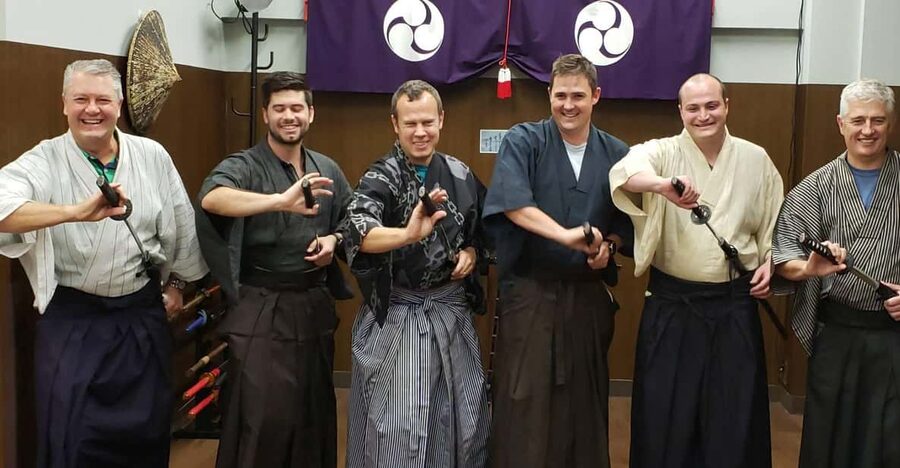
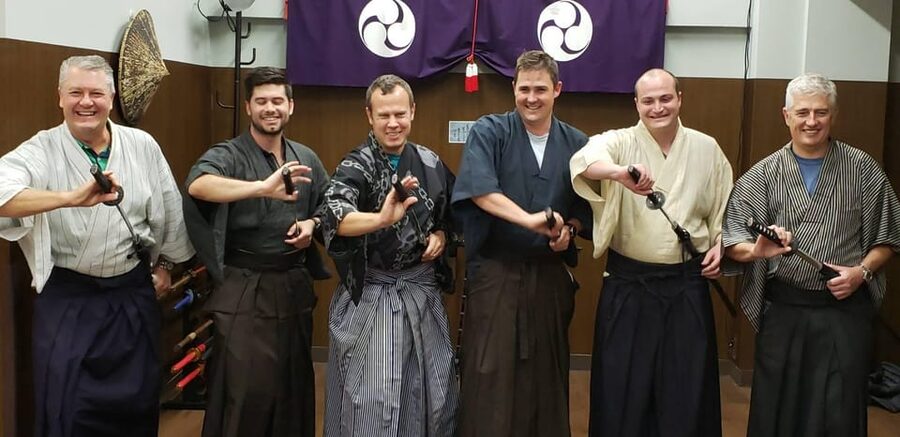
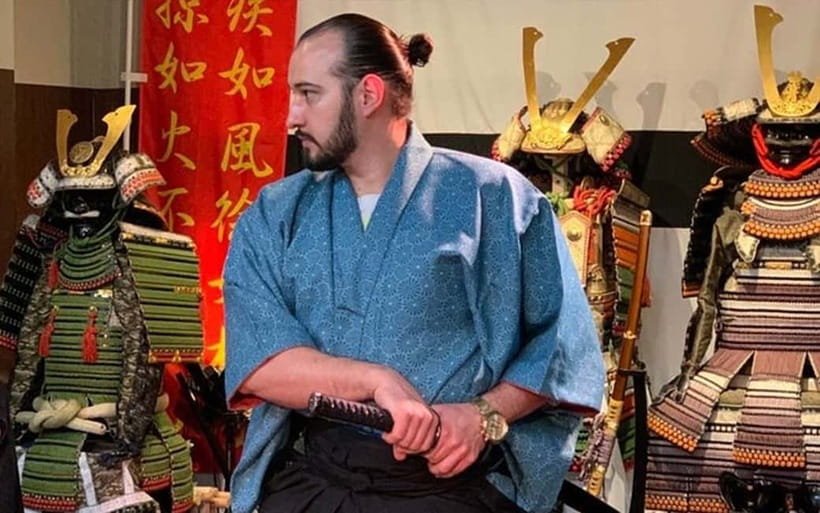
Your first task is to choose a kimono and hakama, the divided skirt-like trousers traditionally worn with formal Japanese clothing. Staff help you change and prepare for the sword lesson.
That costume change matters more than it may sound. The outfit gives the activity a clear sense of occasion, and it also makes the photos far better than a quick pose in ordinary holiday clothes. You are not simply holding a sword for a snapshot. You are dressed for a short performance.
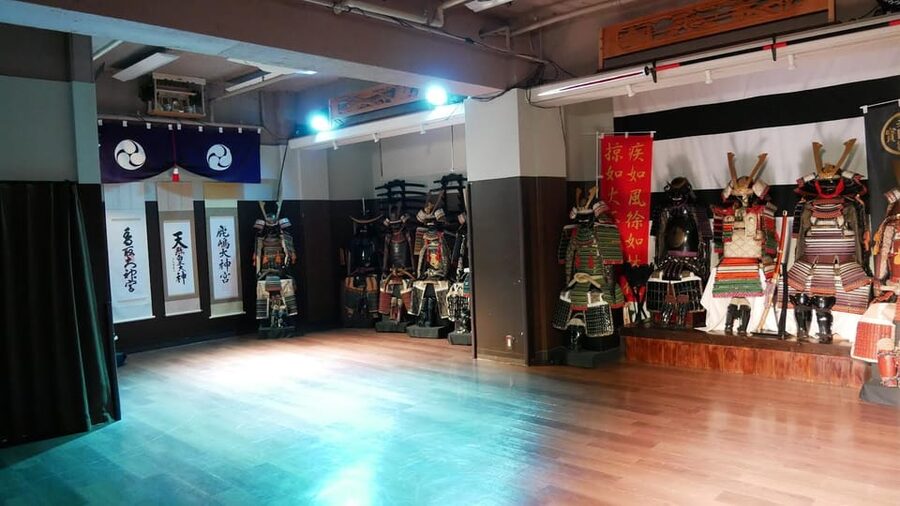
The venue is listed as Samurai Theater Tokyo. To find the meeting point, search that exact name in Google Maps. The activity takes place in a space designed to feel removed from modern Tokyo, with swords, spears, and armor on display.
The setting is part training room and part stage. You should expect a theatrical presentation rather than a museum visit. The display weapons help create the mood, but the main focus remains the lesson and the performance.
More samurai and ninja sessions:
- Tokyo: Samurai Ninja Museum Guided tour and Experience
★ 4.6 · 1,010 reviews - Tokyo: Samurai Sword & Archery Class from Samurai Descendant
★ 5.0 · 603 reviews - Best Samurai Experience in Tokyo
★ 5.0 · 458 reviews
Learning the Sword in Four Simple Movements
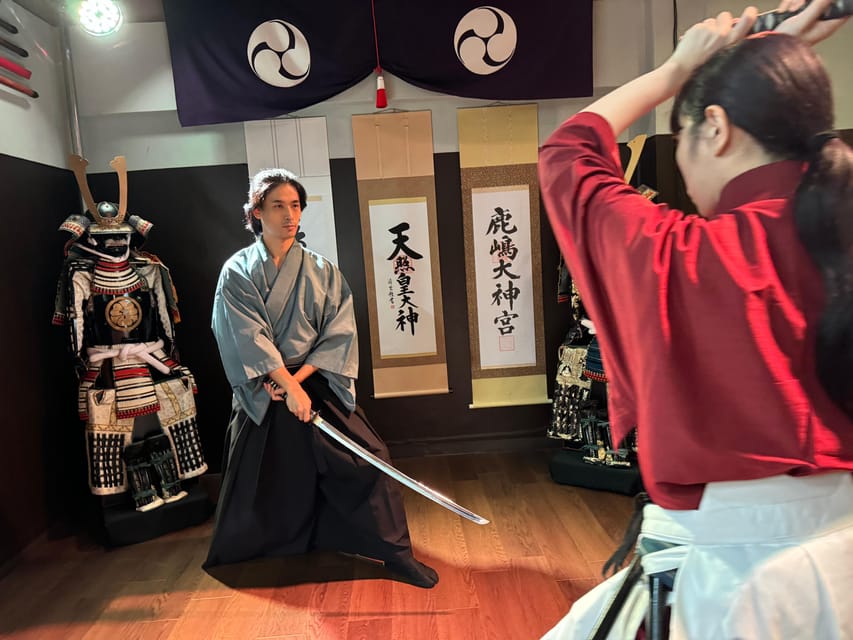
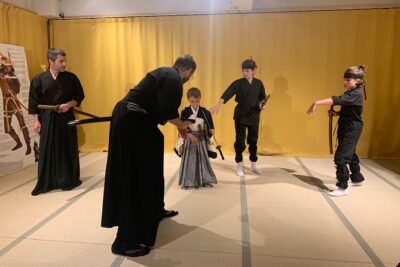
The instructor begins with the basics. You learn how to draw a sword, hold it, swing it, and return it to its scabbard. The teacher also explains the parts of the blade in Japanese, along with the names of some stances and movements.
This is a useful touch for anyone interested in Japanese martial arts or samurai films. You leave with a few words and forms to remember, rather than only a set of photographs.
The sword supplied for the activity is a fake practice sword that cannot cut. That makes the session suitable as a staged cultural activity, but you should not mistake it for instruction in handling a live blade. The movements are taught for a choreographed fight, with safety and presentation in mind.
The instructors demonstrate each motion and have you repeat it. Several people who attended with older parents or children found the pace approachable, and one 61-year-old participant described the activity as a blast. That suggests the lesson can work across a broad age range, provided everyone meets the stated restrictions and can take part in the physical movements.
You may still want to consider your own comfort. The activity involves standing, holding a sword, changing clothes, and following a routine. It is not suitable for wheelchair users, visually impaired people, pregnant women, babies, or children under the listed minimum age and height limits.
Practicing Offensive and Defensive Moves
Once you understand the basic sword handling, the class moves into a simple chanbara routine. Chanbara is a staged sword-fighting style made for performance, with clear movements that an audience can follow.
You practice both offensive and defensive actions. The aim is not to win a real fight. It is to learn a sequence, respond to the instructor, and make the action look convincing without using a cutting weapon.
This is where the activity becomes more than dress-up. You have to remember the order of movements, keep your sword in the right position, and work with the timing of the scene. The lesson remains playful, but it gives you a small skill to practice.
The instructors appear in major Japanese dramas and movies, so the teaching has a performance element. They know how to demonstrate a movement clearly and how to add energy when the group performs it. English and Japanese instruction is available, though the activity still depends partly on watching demonstrations and copying the motions.
If you are shy, the staff can help. A participant who described being less outgoing still found the atmosphere inviting and entertaining. You do not need to arrive as a martial arts fan or an experienced performer.
The Final Samurai Fight With Lights and Music
The finale turns the lesson into a short show. You perform a mock battle with the samurai while lights and a soundtrack add drama. The activity description frames this as defeating the bad guys, so expect a playful good-versus-evil scene rather than a historically exact battle.
That theatrical finish is a strong reason to book this instead of a simple costume rental. You learn the moves, then use them in a scene with a beginning, action, and finale. The instructors bring energy to the fight, which helps even hesitant participants commit to the performance.
You may perform with other members of your group and fight the instructor as part of the routine. The exact shape of the scene can depend on the group and the session, but the supplied details promise a simple sword fight and a photo with a samurai.
The soundtrack and lighting also make this a good choice for families, couples, and groups of friends who want a shared activity. It is easy to watch one another and laugh at the dramatic poses. The tone is fun and theatrical, not solemn.
A few more Tokyo bookings worth comparing
- Mt Fuji and Hakone 1-Day Bus Tour Return by Bullet Train
★ 5.0 · 26,383 reviews - 1-Day Tokyo Bus Tour
★ 5.0 · 14,250 reviews - Tokyo: TOKYO SKYTREE® Admission ticket
★ 4.5 · 11,192 reviews - Tokyo: teamLab Planets TOKYO Digital Art Museum Entry Ticket
★ 4.6 · 9,779 reviews
Photos and Video Are Part of the Value
One of the best practical features is the help with photos and video. Assistants can use your smartphone to record the sword routine, capture the final fight, and take pictures with the samurai.
This saves you from trying to balance a phone while remembering the next movement. It also means the person taking the photos can see when to capture a pose or a dramatic strike. Several participants singled out the staff’s ability to record the action as a major part of the memory.
Bring a charged smartphone and enough storage if you want to record a lot. That is practical advice rather than a promise about the equipment: the activity specifically allows smartphone photos and video, but it does not state that professional photography or edited footage is included.
The photo with a samurai is included. You can also take pictures during the session, in costume, and around the displayed weapons and armor. If you want to wear the armor itself, ask about the optional fee. Armor display is included in the setting, but wearing it is not part of the standard price.
Why the One-Hour Format Works, and Where It Falls Short
The activity lasts one hour. That is long enough to change clothes, learn the main sword movements, practice a routine, and perform the final scene. It also fits neatly into a busy Tokyo day.
I see this as a good choice between major sightseeing stops. You do not need to give up half a day, and you can book it alone because one-person participation is allowed. Same-day reservations may also be possible, although you should check availability rather than count on a last-minute place.
The trade-off is depth. You will not receive an extended study of samurai society, a long explanation of sword craftsmanship, or a full martial arts course. The historical information centers on sword parts, stance names, and basic techniques.
That focus suits people who want to participate. If your priority is academic detail, a museum or longer cultural class may serve you better. If you want to learn a few real terms, wear traditional clothing, perform a routine, and leave with action photos, the compact format is sensible.
Is $63 a Fair Price?
At $63 per person, the price covers more than a costume photograph. You receive the kimono and hakama change, an explanation of sword parts, instruction with a safe practice sword, a mock fight, and a photo with a samurai.
The value comes from the combination. Separate costume rental, a staged performance, and a guided sword lesson could take more planning and cost more when arranged individually. Here, the staff handles the sequence in one place, and assistants help document it.
The price is easiest to justify if you value participation and photos. A family or small group can share the fun, and everyone has a role in the routine. It is less compelling if you mainly want to look at armor or hear a detailed talk about Japanese history, since those are supporting elements rather than the central product.
Remember that wearing the displayed armor requires an optional fee. The standard booking gives you the kimono and hakama, not armor. Ask about that extra cost before deciding if the armor is important to you.
Who Will Enjoy This Tokyo Activity Most?
I would recommend this to several types of visitors:
- Samurai film and martial arts fans who want to try a staged sword routine.
- Families with older children who can follow instructions and meet the age and height rules.
- Couples and friends looking for photos that feel more personal than a standard costume portrait.
- Solo visitors because one person can join the session.
- First-time visitors to Japan who want a short, hands-on cultural activity.
- People with limited time who need a one-hour booking between other plans.
You do not need previous sword experience. The instructors teach the movements step by step, and the sword is a non-cutting practice weapon.
I would be cautious if you dislike dressing up, performing in front of others, or following a choreographed routine. The atmosphere is friendly, but the session is interactive. You are expected to take part rather than sit back and watch.
The activity is not suitable for children under the listed limits, pregnant women, wheelchair users, visually impaired people, babies, or people over 95. The supplied restrictions also list children under 2, 3, and 4 years, plus children under 90 centimeters. Because those age entries overlap, check the current booking conditions if you are bringing a young child.
Language, Group Size, and Booking Flexibility
Instruction is offered in English and Japanese. The group limit is 10 participants, which should keep the lesson more personal than a large stage show. A small group also gives the staff more room to help with clothing, sword positions, and phone photography.
You can reserve now and pay later, which helps if your Tokyo schedule may change. Free cancellation is available up to 24 hours before the activity for a full refund.
The meeting point is not described with a street address in the supplied details. Search Google Maps for Samurai Theater Tokyo and check your booking confirmation carefully before leaving. If you arrive late, do not assume the group can wait, but one participant reported being welcomed after a delayed transfer from Kyoto and still taking part. That is encouraging, though not a guarantee for every session.
My Verdict on the Best Samurai Experience
Book this if you want a lively, photo-friendly introduction to samurai performance rather than a formal history lesson. The strongest parts are the costume change, clear sword practice, energetic final scene, and staff help with recording your phone.
The $63 price is fair for a one-hour activity that combines teaching, costumes, performance, and photos. I would especially choose it for a family, a small group of friends, or a solo visitor who wants something active and easy to fit into a Tokyo itinerary.
Skip it if you want authentic weapons training, a long cultural lecture, or a quiet museum-style visit. For everyone else, this is a compact way to turn samurai culture into something you actually do, not just something you look at.
FAQ
Where does the samurai experience take place?
The meeting point is Samurai Theater Tokyo. Search for Samurai Theater Tokyo on Google Maps to locate it.
How long does the activity last?
The activity lasts one hour.
How much does it cost?
The listed price is $63 per person.
What clothing is included?
You can change into a kimono and hakama as part of the activity.
Do I use a real sword?
No. The included sword is a fake practice sword that cannot cut.
What sword skills will I learn?
You learn how to draw, hold, swing, and retract a sword. The session also covers sword parts, stance names, and basic offensive and defensive movements.
Do I get to fight a samurai?
Yes. After practicing the routine, you take part in a staged sword fight with samurai instructors.
Can I take photos and videos?
Yes. You can take photos and videos with your smartphone, and assistants can help record the action. A photo with a samurai is included.
Can I wear the armor on display?
Wearing the displayed armor requires an optional additional fee.
Is the activity available in English?
Yes. Instruction is available in English and Japanese.
How many people can join?
The activity is limited to 10 participants.
Can I book as a solo visitor?
Yes. One person can join the activity.
Can I cancel for a refund?
You can cancel up to 24 hours in advance for a full refund.
Can I reserve without paying today?
Yes. The reserve-now, pay-later option lets you book your spot and pay later.
Who should not join this activity?
It is not suitable for children under the listed age and height limits, pregnant women, wheelchair users, visually impaired people, babies, or people over 95 years old.
New on our Tokyo list
- From Tokyo: Mount Fuji & Hakone Full Day Private Tour★ 4.9 · 25 reviews
- Tokyo Spectacular View Day-Cruise in 90 Minutes★ 5.0 · 25 reviews
- Real Tokyo Runner Club : Daikoku Car Meet Night Tour with JDM Car★ 5.0 · 25 reviews
- 2.5 Hour-Guided Cycle Tour in the Central Tokyo★ 5.0 · 25 reviews
- Ramen Making from Scratch +Akihabara Tour –Cooking Class★ 5.0 · 25 reviews
- [Self-Drive] Tokyo & Daikoku Custom Car Driving Tour★ 4.9 · 25 reviews
- Tokyo: 2-Hour Night Bike Tour of the City’s Hidden Gems★ 4.9 · 25 reviews
- Samurai themed Entertainment show in Shinjuku★ 4.5 · 25 reviews
Samurai & Ninja Experiences, compared.
Samurai Ninja Museum Guided tour and Experience
Read our review →
Samurai Sword & Archery Class from Samurai Descendant
Read our review →
Ninja Experience (Family Friendly) at Samurai Ninja Museum TOKYO
Read our review →
Samurai Entertainment Night Show in Kanda Shrine
Read our review →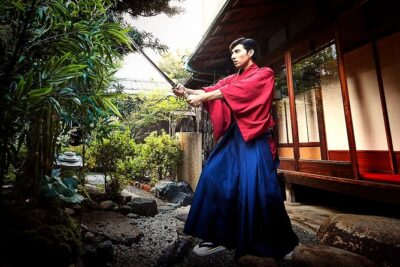
Tokyo Sword Experience – includes Museum Ticket/Ninja Experience
Read our review →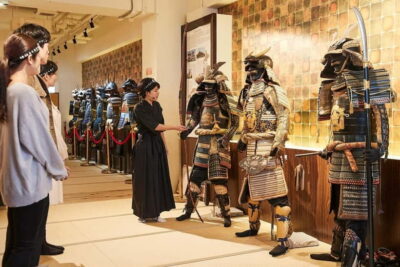
Samurai Ninja Museum Asakusa: Samurai Sword Lesson & Tour
Read our review →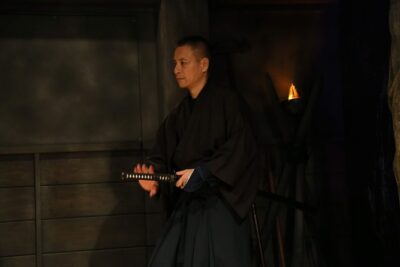
Ninja Samurai 2-hour hands-on lesson by Japanese master in Tokyo
Read our review →Browse the lists this tour appears in