
Reviewed · WALKING TOURS
tokyo city walk tour visit Tokyo in one day
Tokyo is too large for a checklist, but this private day tour makes a bold attempt to connect its main districts in one long outing. With Rui Liu guiding, you choose the places that matter most, then move between them by subway, on foot, and with plenty of local context. Families have visited Pokemon stores, food lovers have followed Rui to low-cost sushi, and curious first-timers have learned how Tokyo’s train system works.
I like the flexible route, which can be shaped around your interests and energy. I also like the personal help with food, photos, and transport, especially when you are tired, traveling with children, or unsure how to get across town. The main caution is simple: one day is a lot. You may see many districts, but you will not have time to explore each one slowly.
In This Review
- Key points at a glance
- What this one-day Tokyo plan is really offering
- Tokyo Tower and a city view in about an hour
- Sensoji, Tokyo’s old storybook stop
- Meiji Shrine and a look at Shinto
- Shibuya, Ginza, and the modern city
- Akihabara and Tokyo’s anime culture
- Museums, Tsukiji, and choices that need planning
- Shinjuku after dark
- Eating like a local, with the bill separate
- Learning the subway instead of fearing it
- How the $258 group price works
- What the day feels like for families
- Practical details before you book
- Should you book this Tokyo day tour?
- FAQ
- Where does the tour start?
- How many people can join the private tour?
- What languages does Rui speak?
- Is public transportation used?
- Are meals and entrance tickets included?
- Can I cancel or pay later?
Key points at a glance
- Choose your Tokyo: Build the day around temples, shrines, shopping, anime, museums, food, or city views.
- Rui Liu leads the way: The guide speaks English, Chinese, and Japanese, and explains stories, customs, and history as you go.
- A real subway lesson: You use Tokyo’s metro system rather than staying inside a sightseeing vehicle.
- Private for up to five people: The $258 price is for the group, not each person, which can be good value for a family or small party.
- Useful family support: Rui has helped parents manage tired children, find parks, visit Pokemon stores, and keep plans moving.
- Bring money for extras: Food, non-free admission, and transport costs such as bus fares are not included.
What this one-day Tokyo plan is really offering
This is not a fixed bus route with a guide pointing out landmarks through a window. It is a private city walk with a movable plan. You meet at Ginza or Shinjuku, take public transport, visit a viewpoint for about an hour, then spend roughly six hours at selected stops.
The phrase city walk can be a little misleading if you picture a gentle stroll through one neighborhood. Tokyo is spread out, so this day includes subway travel and changes of scene. That is part of the appeal. You might begin with an old temple, pass through a modern shopping district, and finish among neon, restaurants, or anime shops.
Rui Liu is the guide named for this experience. She can lead in English, Chinese, or Japanese and supplies personal earphones so you can hear clearly while walking. That small detail matters in busy streets, at large stations, and when a family group is spread out.
The plan depends on your body’s ability, as the description sensibly puts it. You can request more places, or keep the pace gentler. Tell Rui early if you have an older parent, young children, mobility concerns, or a strong wish to stop for meals. One family had a parent who became too hot, and Rui adjusted the plan toward indoor stops. That is the kind of flexibility you want in Tokyo’s summer heat.
More day trips out of Tokyo:
- Mt Fuji and Hakone 1-Day Bus Tour Return by Bullet Train
★ 5.0 · 26,383 reviews - 1-Day Tokyo Bus Tour
★ 5.0 · 14,250 reviews - Mt Fuji & Hakone Cruise, Drum Show Bullet Train 1 Day from Tokyo
★ 4.0 · 7,413 reviews
Tokyo Tower and a city view in about an hour
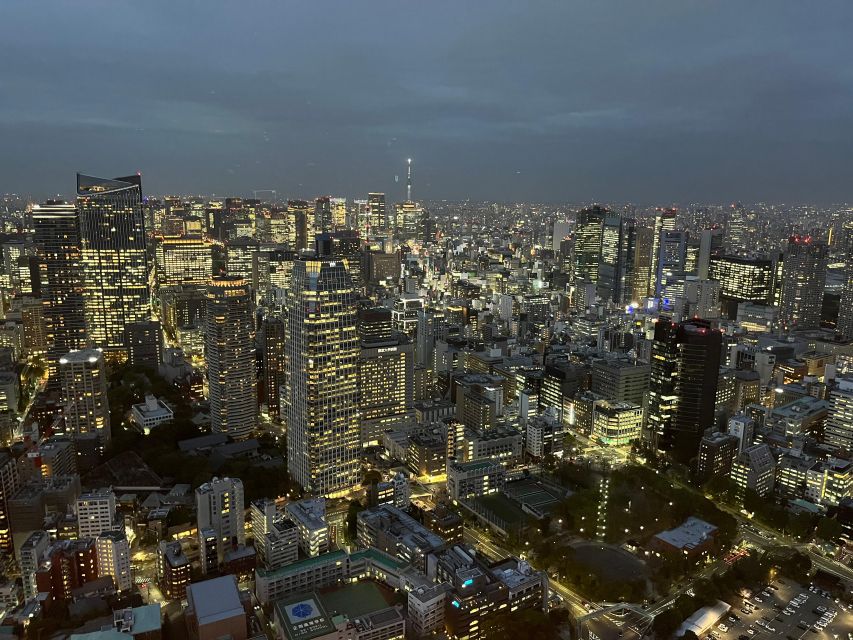
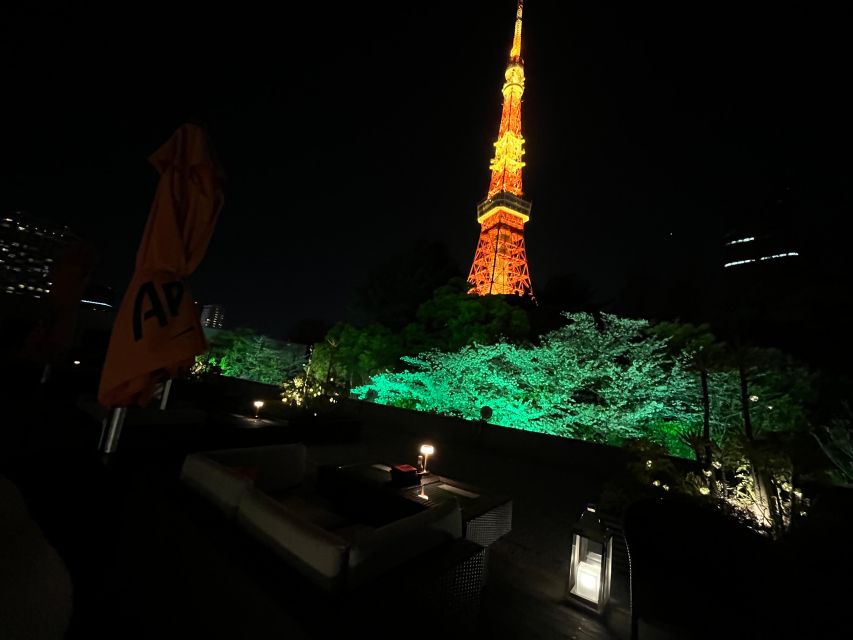
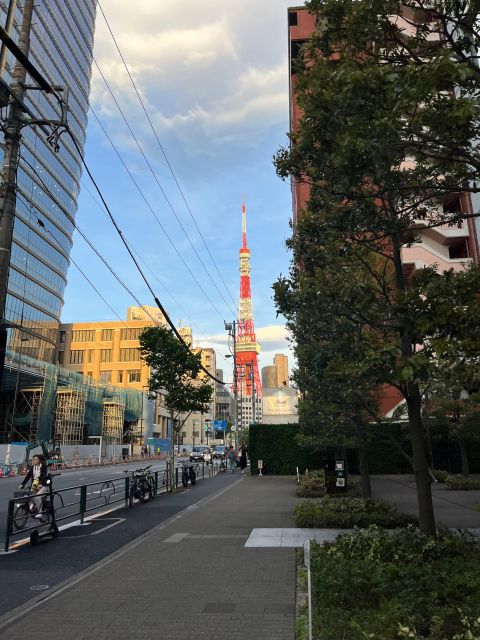
Tokyo Tower is one of the clearest choices for a first day. Its bright orange-and-white frame appears in Japanese television dramas and gives fans of that familiar city image a satisfying photo stop. Rui also promises stories and lesser-known details about the tower, so the visit is more than standing below it and taking a picture.
The itinerary allows about an hour at a viewpoint. That is enough for photos and a short explanation, but not a long museum-style visit. Any paid observation deck admission is not included, so check the cost before you commit to going up.
Another city-view option is connected with Shibuya. The plan presents this area as a strong place for sunset photos, and Rui can arrange the timing around the evening light. Shibuya is famous for fashion and shopping, but the point here is not only retail. You get a modern Tokyo scene, with an organized guide helping you find a useful viewpoint instead of wandering around with your phone open.
Sensoji, Tokyo’s old storybook stop
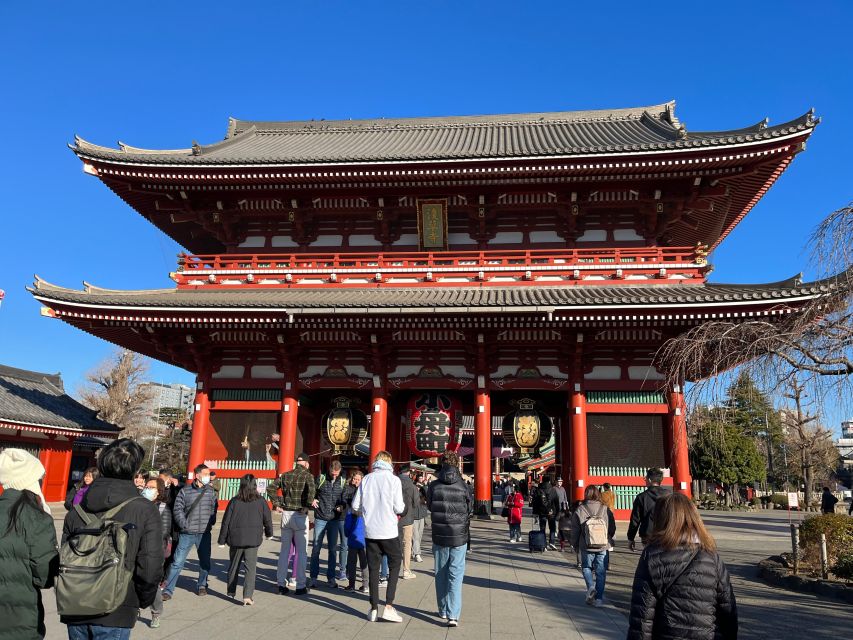
Sensoji in Asakusa is one of the easiest places to connect with traditional Tokyo. Its architecture, temple customs, and long stories offer a sharp contrast to Shibuya or Akihabara. The temple is described as Japan’s most popular, with more than 300 million visitors a year, so expect a major sight rather than a quiet corner.
Rui can explain the meaning behind what you see and introduce the customs that make the visit interesting. You may have time for several activities around the temple grounds, though the exact schedule depends on your pace and the other districts selected.
Sensoji works especially well for first-time visitors who want cultural background without committing to a full day of temples. The drawback is crowding. A private guide helps you understand the place, but she cannot make a famous temple empty. Wear comfortable shoes and keep your group together.
Meiji Shrine and a look at Shinto
Meiji Shrine gives the day a different kind of cultural stop. It is presented as Tokyo’s best-known shrine and as a place to learn about Shinto, Japan’s native religious tradition. The shrine also has a connection with the Japanese imperial family, giving Rui an opening to explain a part of national history that can be hard to understand from a guidebook paragraph.
This stop is valuable because it gives you context for many things you will notice elsewhere in Japan: shrine gates, purification customs, offerings, and the quiet behavior expected at a sacred site. Rui’s explanations can help you take part respectfully rather than simply pose for a photo.
The experience description does not promise a set amount of time at Meiji Shrine. If it is a priority, say so when you plan the day. Tokyo’s scale means every extra district takes time from another one.
More walking routes in Tokyo:
- Tokyo Tsukiji Fish Market Food and Culture Walking Tour
★ 5.0 · 3,184 reviews - Tokyo: Imperial Palace and Shogun Historical Walking Tour
★ 5.0 · 2,251 reviews - Tokyo: Shinjuku Local Bar and Izakaya Guided Walking Tour
★ 4.9 · 1,794 reviews - Tokyo: Tsukiji Fish Market Food and Walking tour
★ 5.0 · 1,724 reviews
Shibuya, Ginza, and the modern city
Shibuya is the tour’s choice for fashion, shopping, and a high-energy city view. The guide can help you see it as more than a place to photograph a famous crossing. If sunset is important, make that clear before the day begins, since the best timing may shape the rest of the route.
Ginza offers a more polished shopping experience, with major brands and department stores. Rui says she can show you shopping discounts, which could make this district more useful than simply browsing expensive storefronts. It is a good match if you want Japanese retail, cosmetics, gifts, or a refined central neighborhood.
Do not expect Ginza to be a bargain district by default. The value comes from knowing where to look and having help with the area, not from every shop being cheap. Shopping purchases are your responsibility, and the tour price does not cover them.
Akihabara and Tokyo’s anime culture
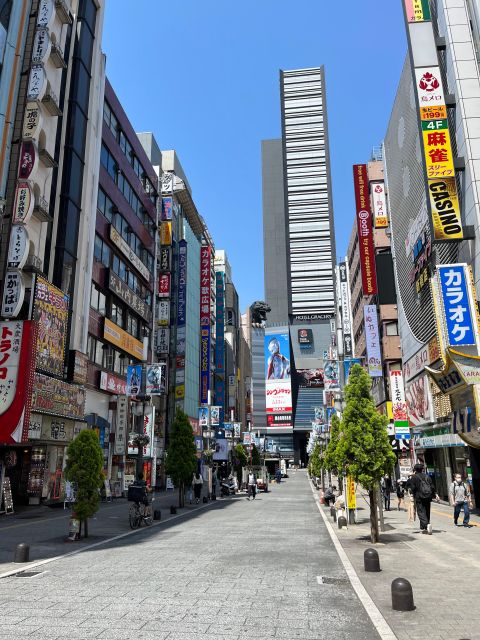
Akihabara is the natural request for anyone who likes anime, games, or Japanese pop culture. Rui can take you there to shop and to understand the culture behind the stores. If you know little about anime, the district can still work as an introduction.
This is one place where a guide adds practical value. Akihabara can feel like a wall of signs and specialist shops if you arrive without a plan. Rui can help you decide how much time to spend and connect what you see with broader Japanese culture.
Families have also used the flexible format for specific child-friendly requests. One family visited a Pokemon store, while another enjoyed a Capybara Cafe. Those stops are not guaranteed parts of every itinerary, but they show why you should give Rui a list of interests before the day starts.
Museums, Tsukiji, and choices that need planning
Tokyo has museums for children, adults, art lovers, photography fans, and families interested in science. The guide can suggest which museum suits your group. That is useful, but remember that a museum can consume several hours by itself. Pairing one with many distant neighborhoods may leave you rushing.
Tsukiji Market is another possible addition. It can suit people who want food and market culture rather than another major landmark. Eating is not included, so budget separately for lunch, snacks, and any special food you request.
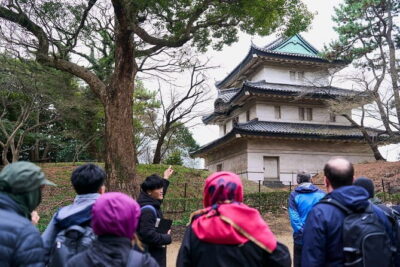
The tour also mentions the Imperial Palace. This is a sensible choice for visitors interested in Japan’s political and imperial past, but the day’s flexible design means you should rank your priorities. Give Rui your top two or three choices, then keep a few secondary ideas in reserve.
Shinjuku after dark
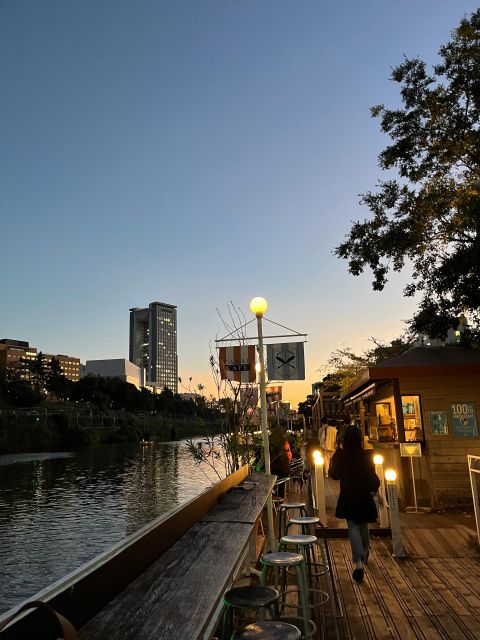
Shinjuku offers a strong evening finish, with shopping, restaurants, entertainment, and Kabukicho, one of the world’s largest red-light districts. The description treats Kabukicho as a window into another side of Tokyo, and that is the right way to approach it: with curiosity, awareness, and respect.
This area is not just a landmark to tick off. It shows how Tokyo changes after dark and gives you a chance to ask questions about nightlife, signs, neighborhoods, and local habits. A guide is particularly useful when you want to look around without making poor choices about where to eat or wander.
At the same time, Kabukicho may not suit every family or every visitor. If you are traveling with young children or want a quiet evening, ask Rui to substitute another part of Shinjuku. The private format makes that conversation possible.
Eating like a local, with the bill separate
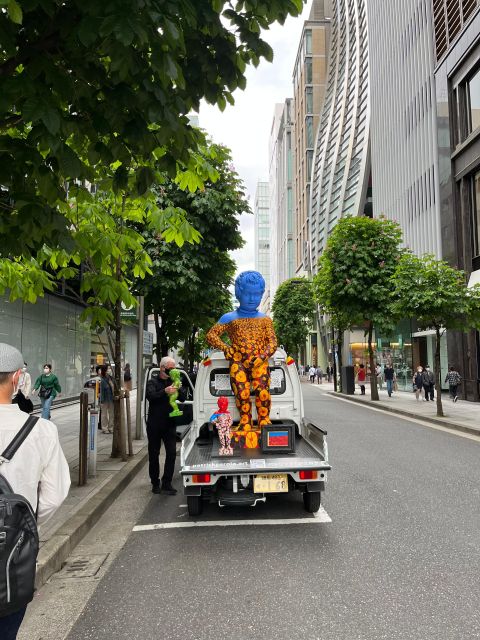
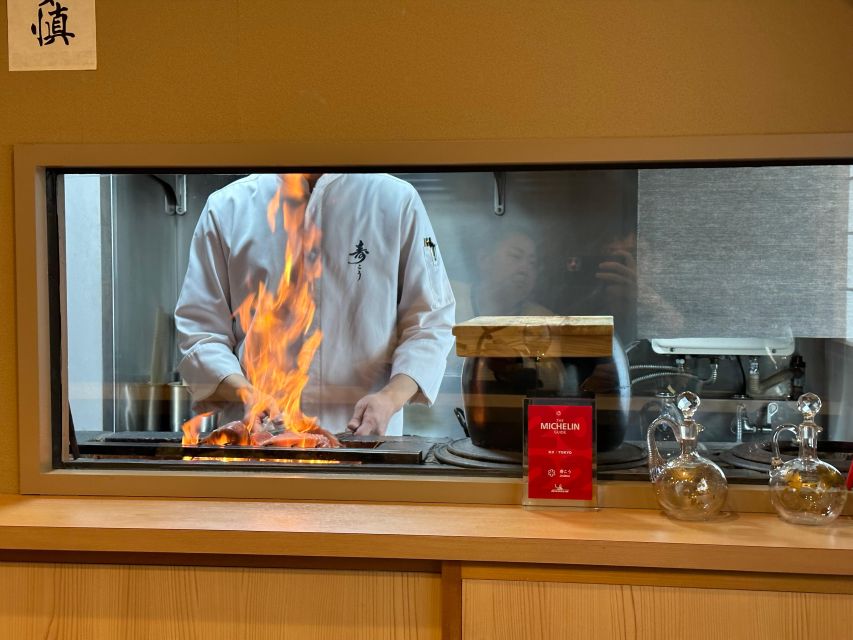
Food is one of the strongest reasons to choose a private guide. Rui can recommend restaurants away from the most obvious tourist paths and help you try what you actually want to eat. One guest followed her to sushi costing less than $25, and another had a fabulous lunch chosen during the day.
That does not mean meals are included. You pay for food yourself, along with any entrance fees and transport charges such as buses. The guide fee covers Rui’s time and the personal earphones, not your purchases.
Tell her about allergies, dislikes, budget, and must-try foods. The more precise you are, the more useful her suggestions can be. A good food stop also gives your feet a break, which matters during a day that may cover several neighborhoods.
Learning the subway instead of fearing it
Tokyo’s public transport is fast and practical, but the stations can be confusing at first. This tour uses the subway for a short listed transfer and relies on public transport as part of the day. Rui can show you how to move through the system and help you understand the city’s connections.
That skill has value after the tour ends. A private car might be easier for one day, but learning the train system helps you reach restaurants, shopping areas, and later destinations on your own. One family also received help finding the train to the airport after the tour, a useful extra at the end of a long day.
The tradeoff is walking and station navigation. Even with a guide, you will be on your feet and may use stairs or busy platforms. The activity is listed as wheelchair accessible, but tell Rui about your needs in advance so the route can be planned properly.
How the $258 group price works
The price is $258 for a private group of up to five people. For five people, that works out to about $52 per person before meals, admissions, and transport. For two people, the per-person cost is much higher, but you are paying for a private day rather than joining a large group.
The value improves when you want a custom route. A family with children, a group with an older relative, or friends with very different interests can shape the day around their needs. You also get direct help with restaurants, photos, subway travel, and changes in weather or energy.
The price is less compelling if you only want one neighborhood or a short guided walk. In that case, a smaller local tour may be enough. This experience makes the most sense when you want help connecting several parts of Tokyo in a single day.
What the day feels like for families
Families are a particularly good match for this format. Rui has helped with children as young as five and seven, found a park when kids were exhausted after a long flight, visited a Pokemon store, and kept an extra eye on children while parents focused on the city.
That does not turn the day into a children’s tour. Adults still choose the sights, and the route can include temples, shopping, food, and history. The benefit is having someone who can adjust when a child needs a break or a parent needs an indoor stop.
Start with realistic expectations. A 3:30 AM wake-up after a long flight makes a full Tokyo day tough for anyone. If your group is jet-lagged, choose fewer major stops and leave room for food and rest.
Practical details before you book
You can request pickup at your hotel around Ginza, or meet at one of two stated pickup areas, Ginza and Shinjuku City. Confirm the exact meeting point when arranging the day.
The experience lasts one day, with starting times depending on availability. Cancellation is free up to 24 hours in advance, and you can reserve now and pay later. Those terms help if your arrival schedule is still shifting.
The tour is private and suitable for up to five people. Rui can guide in Japanese, Chinese, or English. Personal earphones are included, which should help everyone follow explanations while walking.
Bring comfortable shoes, water, weather protection, and a payment method for meals, tickets, shopping, and transport. Most Tokyo places on the suggested route are free, but not all are. Ask about observation decks, museums, and any special activity before you finalize the plan.
Should you book this Tokyo day tour?
Book it if you want one flexible day with a personal guide, especially if Tokyo is your first stop in Japan, your group includes children or an older adult, or you want help eating and moving around like a local. Rui’s strongest practical qualities are her flexibility, food suggestions, subway help, family awareness, and ability to adapt the route.
Do not book it expecting a slow, thorough visit to every major sight. Tokyo cannot be fully seen in one day, and a plan that includes Tokyo Tower, Sensoji, Meiji Shrine, Shibuya, Akihabara, Ginza, and Shinjuku would be tiring and rushed. Pick your priorities.
For a group of up to five, $258 can be fair value when you use Rui’s help for transport, meals, photos, and planning. Send her your must-see list before the day begins, accept that some choices may need to be dropped, and you will get a much more useful introduction to Tokyo than a rigid sightseeing loop.
FAQ
Where does the tour start?
Pickup options are listed in Ginza and Shinjuku City. Hotel pickup is available around Ginza, so confirm the exact meeting point with Rui.
How many people can join the private tour?
The price covers a private group of up to five people.
What languages does Rui speak?
The tour is available in English, Chinese, and Japanese.
Is public transportation used?
Yes. The itinerary includes subway or metro travel, and the experience uses Tokyo’s public transport as you move between areas. Transport costs, including bus fares when needed, are not included.
Are meals and entrance tickets included?
No. You pay separately for food, non-free admission tickets, and transaction costs for transport. Most suggested places in Tokyo are free, but some attractions may charge admission.
Can I cancel or pay later?
You can cancel up to 24 hours in advance for a full refund. Reserve now and pay later is also available.
New on our Tokyo list
- Sumi-e Experience in a relaxing green tea shop in Tokyo★ 5.0 · 3 reviews
- Tokyo : Kamikaze Street Drift Ride★ 5.0 · 3 reviews
- Private Zen Meditation in English in Shinjuku, Tokyo★ 5.0 · 3 reviews
- Onsen Spa in Tokyo and Asakusa Bar Hopping with Local Guide★ 5.0 · 3 reviews
- Easy for everyone! Now you can play handmade mini shamisen and show off to everyone! Musical instruments, sweets and live music★ 5.0 · 3 reviews
- Tokyo: Private Tsukiji Street Food & Sake with Local Guide★ 5.0 · 3 reviews
- Mt Fuji Exploration Tour with Free Japanese Kusa Mochi from Tokyo★ 4.5 · 3 reviews
- Tokyo Tsukiji Fish Market Walking and Exploring Hidden Gems Tour★ 5.0 · 3 reviews
Walking Tours, compared.
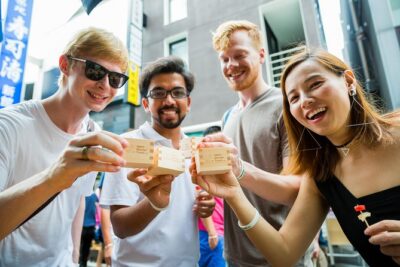
Tokyo Tsukiji Fish Market Food and Culture Walking Tour
Read our review →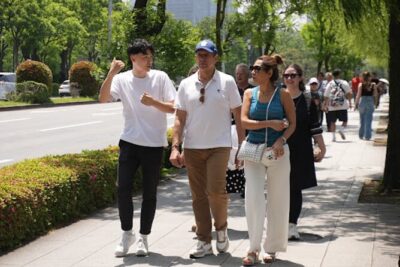
Imperial Palace and Shogun Historical Walking Tour
Read our review →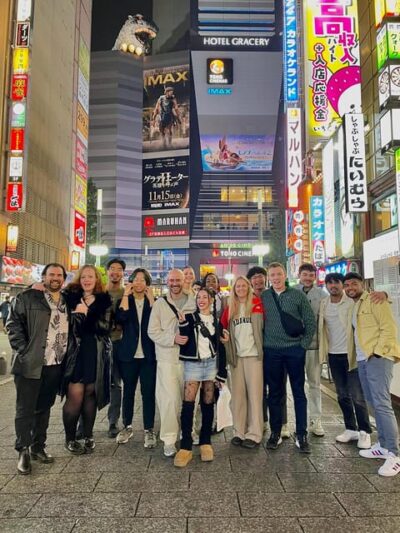
Shinjuku Local Bar and Izakaya Guided Walking Tour
Read our review →

Asakusa Walking Tour with Sensoji Temple Visit
Read our review →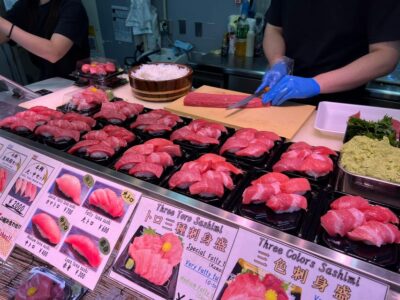
Tokyo Castle & Imperial PalaceーShogun Walking Tour
Read our review →
Browse the lists this tour appears in