
Reviewed · TSUKIJI & TOYOSU MARKET TOURS
Tokyo: Classic Tsukiji Food Tour
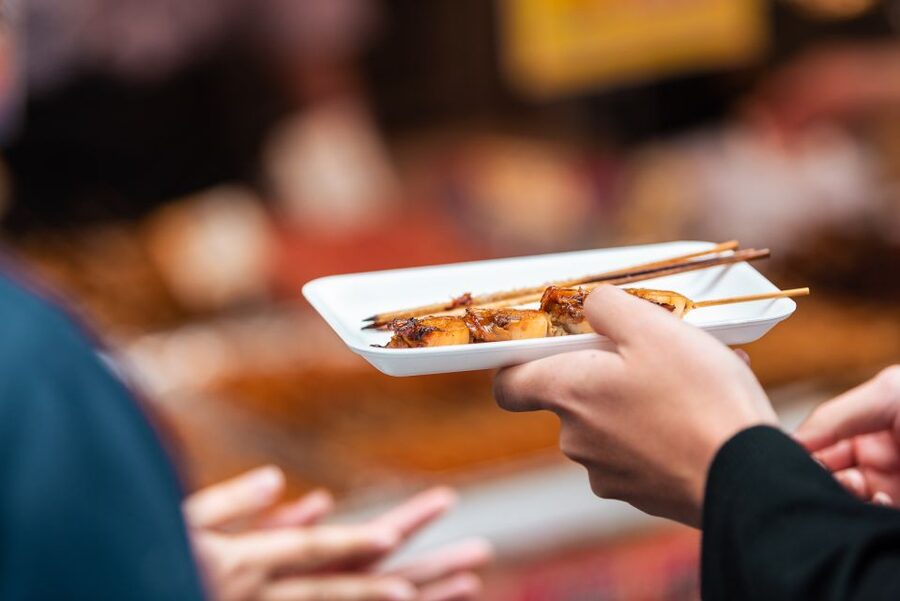
Tsukiji is best understood with something to eat in your hand. This three-hour morning tour takes you from a traditional breakfast to market stalls serving sashimi, grilled seafood, tamagoyaki, Japanese sweets, and seasonal specialties from across Japan. The food is the main event, but the market stories give each bite a useful cultural setting.
I like the generous amount of food and the way the guides help you order things you might otherwise pass by. I also like the small group size, limited to 10 people, which makes it easier to ask about wasabi, fish, cooking customs, or the market’s past. The main caution is the advanced walking level: narrow alleys, crowds, and three hours on your feet will not suit everyone.
In This Review
- Key points to know before booking
- Starting the morning at Tsukiji
- A traditional breakfast before the tastings
- Walking through the Outer Market
- Sashimi, oysters, and fresh wasabi
- Tamagoyaki, sweets, and regional foods
- A shrine and more than 300 years of local history
- The guides are a major part of the value
- Is $181 a fair price?
- Who should book this Tsukiji experience?
- My verdict on the three-hour morning
- FAQ
- How long does the Classic Tsukiji Food Tour last?
- Where is the meeting point?
- Is hotel pickup included?
- What food is included?
- Are drinks included?
- Is the tour conducted in English?
- How large is the group?
- Can I book as a solo participant?
- What should I bring?
- Is the tour suitable for children and strollers?
Key points to know before booking
- Breakfast comes first: Begin with a local Japanese meal that can include grilled fish, rice, and miso soup.
- Tsukiji Outer Market is the setting: This is a food and culture walk through the market area, not a tour of the former wholesale fish market.
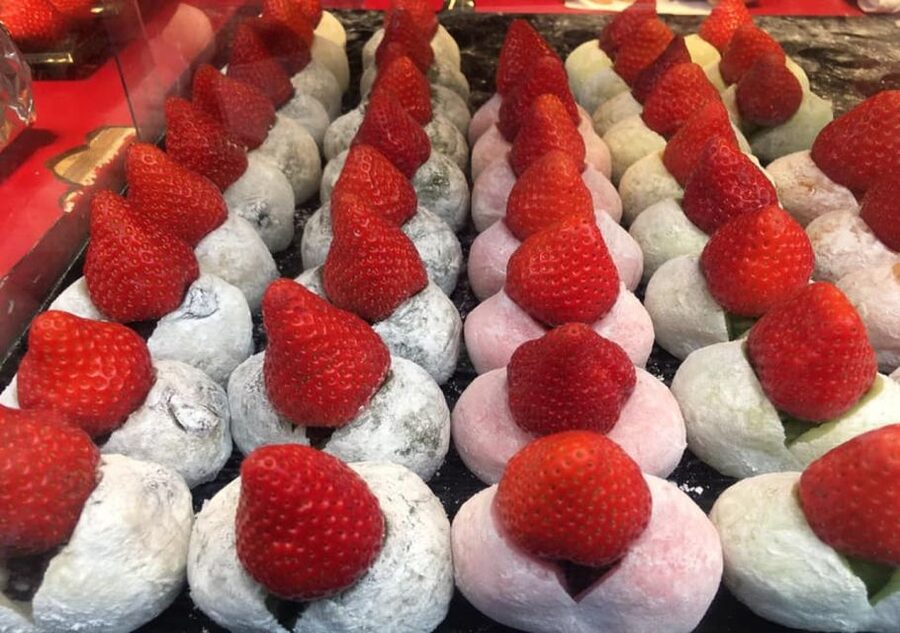
- Expect plenty of tastings: Sashimi, oysters, tamagoyaki, traditional sweets, regional foods, and seasonal items may appear along the route.
- Guides make the difference: Yappy, Kay, Sandra, Shigeki, Asami, and other English-speaking guides have led this experience.
- The group stays small: A maximum of 10 participants keeps the walk more personal.
- Come hungry and wear good shoes: Food is ample, while the walking can be demanding.
Starting the morning at Tsukiji
Meet your guide at Turret Coffee Shop in Tsukiji, near Exit 2. Look for the guide holding an Arigato Travel sign. Since hotel pickup is not included, you will need to reach the meeting point yourself and allow enough time to find the café and settle in.
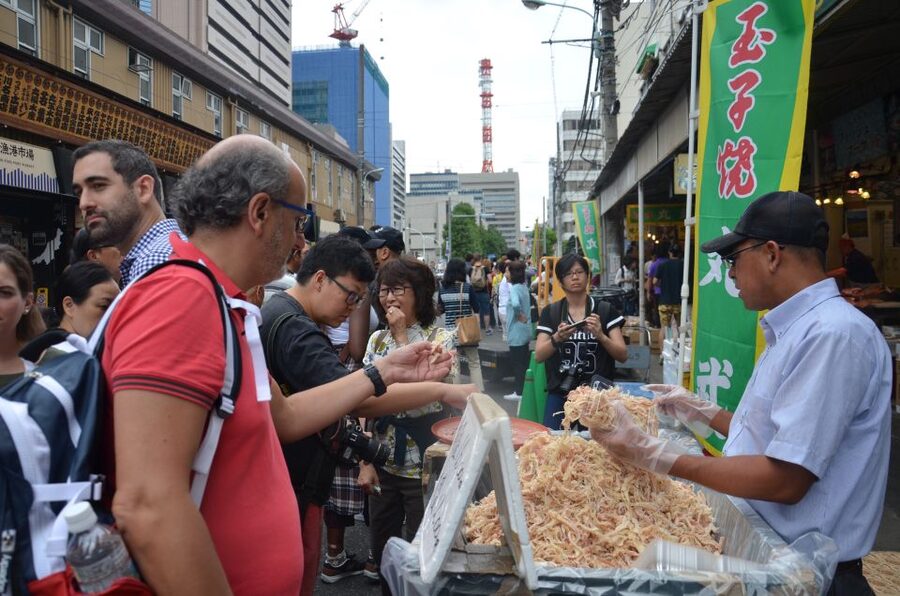
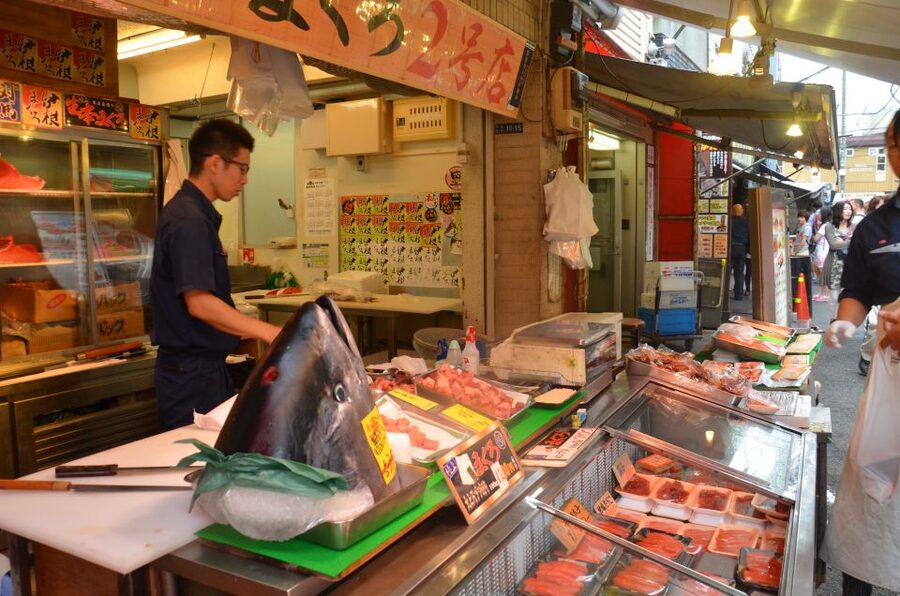
The morning start makes sense here. Tsukiji is a food market, and the early hours give the tour its strongest atmosphere. You hear vendors calling out, smell seafood cooking, and see displays of fish, pickles, spices, sweets, and other ingredients before the day has fully got going.
This is not a quiet museum-style walk. The lanes can be crowded, and the market operates as a working commercial area. Keep your group close and watch your footing. The narrow streets are part of the appeal, but they also explain why baby strollers are not allowed.
Your guide leads rather than simply points. That matters in Tsukiji, where a row of small shops can look confusing if you do not know what you are seeing. A good guide can explain what is seasonal, how a product is used, and why a particular stall or food matters.
More market mornings in Tokyo:
- Tokyo Tsukiji Fish Market Food and Culture Walking Tour
★ 5.0 · 3,184 reviews - Tokyo: Tsukiji Fish Market Food and Walking tour
★ 5.0 · 1,724 reviews - Tokyo: Tsukiji Fish Market Guided Walking Tour
★ 4.9 · 1,397 reviews
A traditional breakfast before the tastings
The tour begins with breakfast at a local restaurant. The meal is designed to introduce you to familiar Japanese staples before the market tastings begin. Expect items such as rice, miso soup, and grilled fish, with past meals including grilled mackerel and black cod.
I like this order. You start with a proper Japanese meal rather than rushing straight into isolated samples. Rice and miso soup give you a foundation, while the fish shows how simple ingredients can carry a meal when they are fresh and carefully prepared.
The breakfast also lets the guide explain how to enjoy the food. Some participants have found the meal to be one of the strongest parts of the morning, especially when the guide explains each dish and offers context about Japanese eating customs.
You should plan accordingly: this is not a coffee-and-one-bite outing. The breakfast is followed by many more samples, so arrive ready to eat. If you have a limited appetite, you may need to pace yourself. The tour includes ample food, but additional drinks or purchases are your responsibility.
Walking through the Outer Market
After breakfast, the route moves through the Tsukiji Outer Market area. The former inner wholesale market moved to Toyosu, but the Outer Market remains a popular place for food shops, restaurants, ingredients, knives, pickles, sweets, and seafood.
That distinction is useful. If you expect to watch the famous wholesale tuna auction, this is not the right activity. If you want to understand the public-facing food district and taste your way through it with a local guide, Tsukiji’s Outer Market is a better match.
The walk includes stalls and food counters that are easy to miss when you are on your own. Guides have taken groups through different sections of the market, stopping to explain ingredients and point out foods that may not be familiar to first-time visitors.
The crowd level can change the experience. One guide, Shigeki, was specifically praised for steering a group through heavy New Year crowds, while other guides have been praised for moving confidently through narrow lanes. You should still expect a busy walk, especially at popular times and during holiday periods.
The route is not only about seafood. You may encounter pickles, spices, sweets, cooking ingredients, and foods brought from different parts of Japan. That wider focus keeps the tour from becoming a simple sushi crawl.
Sashimi, oysters, and fresh wasabi
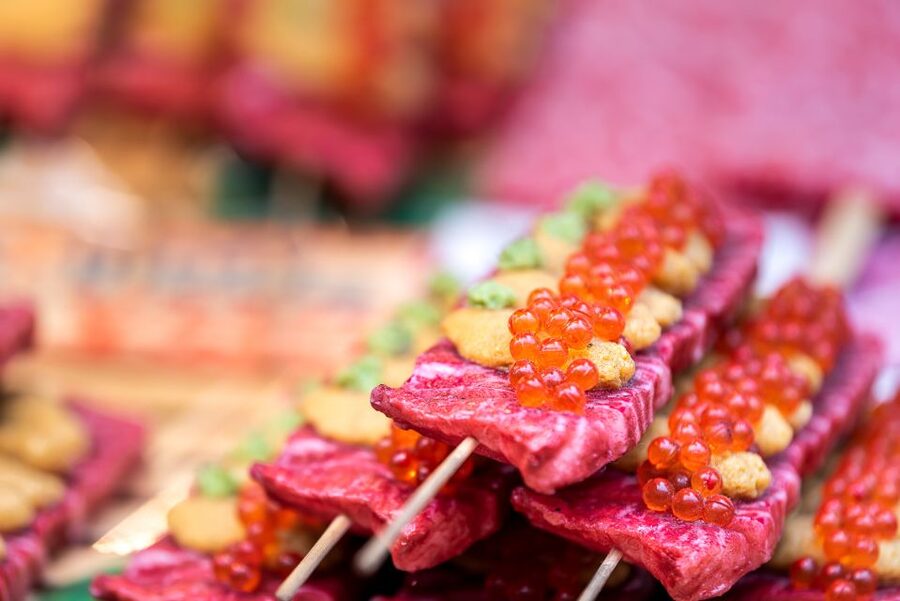
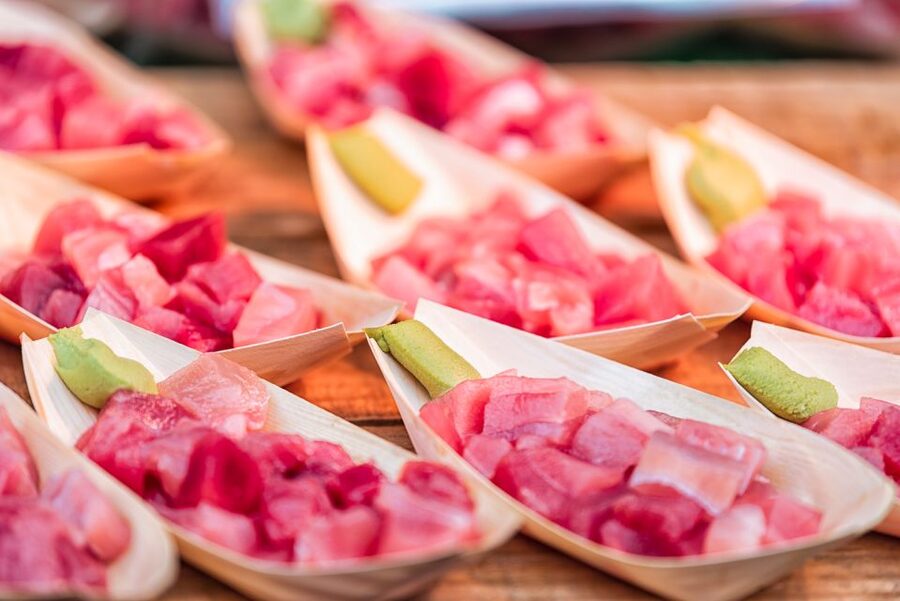
Seafood is central to the experience, and the tastings can be the tour’s biggest pleasure. Sashimi has been singled out as a highlight, with guides selecting fish and helping groups build a shared tasting or picnic-style meal.
A guide may buy some items in advance and then shop with the group for additional foods. This gives you a look at how choices are made, rather than placing a fixed plate in front of you with no explanation. It also helps when you do not know which fish, cut, or preparation to choose.
Fresh oysters and high-quality sashimi have featured in past tours. The emphasis is on freshness and variety, not one single signature dish. You might try seafood you would not recognize on a restaurant menu, with the guide explaining what you are eating and how it is commonly enjoyed.
Fresh wasabi is another memorable detail. One participant particularly enjoyed learning how to grate it. That small lesson turns a condiment into an ingredient with its own texture, aroma, and preparation method.
This part is best for people who genuinely like fish. The tour information is clear about that, and you should take it seriously. If raw seafood is not appealing, there may be other tastings, but seafood remains a major part of the morning.
More Tokyo food crawls:
- Tokyo: Shinjuku Food Tour (13 Dishes at 4 Local Eateries)
★ 5.0 · 6,603 reviews - Tokyo: Shinjuku Food Tour (15 Dishes and 4 Eateries)
★ 4.9 · 2,033 reviews - Best of Shinjuku: Izakaya Food Tour (4 Stops, 14+ Tastings)
★ 5.0 · 1,863 reviews - Tokyo Night Foodie Tour in Shinjuku – Seasonal Sushi, Wagyu Beef
★ 5.0 · 1,161 reviews
Tamagoyaki, sweets, and regional foods
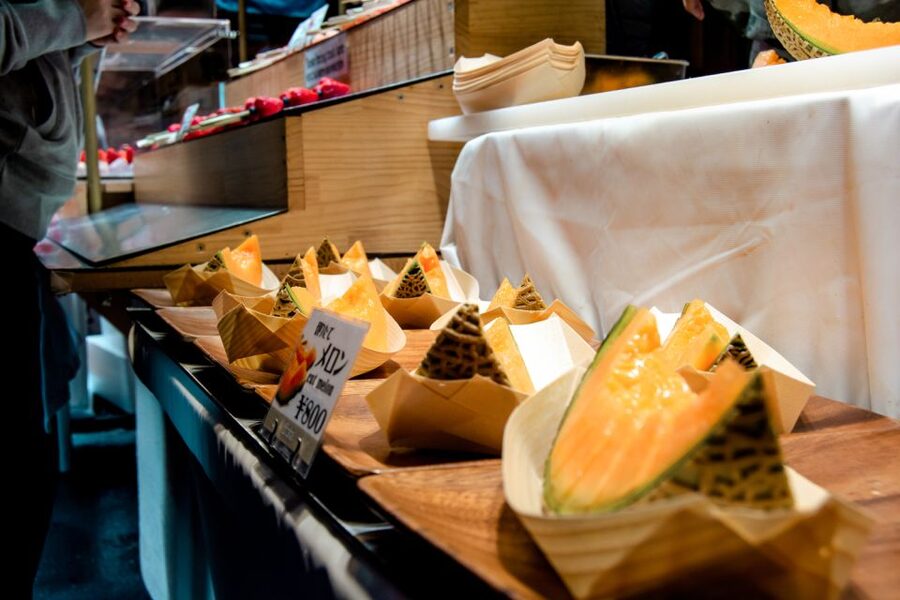
Tsukiji is not only a place for raw fish. The tour also includes traditional Japanese sweets, seasonal foods, and regional products from around Japan. You may taste something sweet after several savory samples, which provides welcome variety.
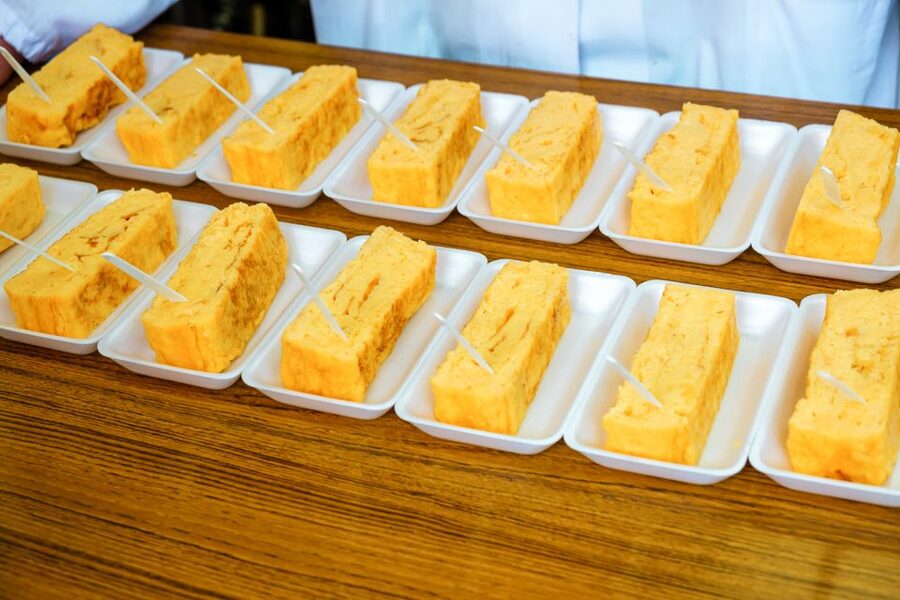
Tamagoyaki, the softly layered Japanese omelet, is one of the market’s familiar treats. Its gentle sweetness and warm texture offer a contrast to sashimi and grilled seafood. The market’s freshly made version also helps show why simple foods can become a point of local pride.
A fish-shaped custard dessert has also been part of the tasting experience. It is a playful stop, especially for families with older children, though the activity does not allow unaccompanied minors and requires children to be with an adult.
The regional food element gives the tour a wider reach than Tsukiji alone. Japan’s food traditions vary by area and season, and the market gathers products that reflect that range. Your guide can connect an ingredient or snack to a particular part of the country, making the tasting feel like a small tour of Japan’s pantry.
Seasonality matters here. The exact foods are not fixed in the information provided, so you should expect the menu to change. That is a plus for repeat visitors, but it means you should not book this expecting a guaranteed list of dishes.
A shrine and more than 300 years of local history
The route includes a shrine with more than 300 years of history. This stop gives the tour a pause from eating and shopping, while showing how food, work, faith, and neighborhood life overlap in Japan.
The shrine is not treated as a separate sightseeing stop detached from the market. Instead, it helps explain the setting around you and the traditions that have continued alongside the food trade. Your guide can provide the cultural background, then lead you back into the market with a better sense of place.
That balance is one of the tour’s strengths. You are not simply collecting samples. You are also learning why Tsukiji developed its character and how the area continues to change.
The amount of time spent walking through kitchen shops and side streets may vary. One participant wanted a little more time for those shops, which is a fair point if knives, cookware, or food tools interest you. The tour has a lot to cover in three hours, and the tasting schedule naturally takes priority.
If you want a knife afterward, ask your guide. A previous guide took a participant to a historic Japanese knife shop nearby. That sort of practical local suggestion can be especially useful if you are also planning time in Ginza, where guides have recommended places such as the Ginza Six shopping center.
The guides are a major part of the value

The tour uses different English-speaking guides, so the personality of your morning will vary. Yappy has been praised for humor, market connections, strong food recommendations, and extra time with the group. Kay has been described as engaging and fluent in English, while Sandra has been praised for clear explanations.
Other named guides include Shigeki, Asami, Lauren, Josh, Michie, Norma, and Marie. Their strengths differ, but the most useful pattern is clear: the guide is expected to explain Japanese culture, answer questions, choose foods, and help you move through the market.
That service matters because Tsukiji can be intimidating. Ordering at small stalls, identifying unfamiliar seafood, and judging what is worth trying can be difficult when you cannot read the signs or do not know local customs.
Past guides have also helped with practical Tokyo questions. Josh assisted with setting up Suica passes on phones, and Yappy offered advice about nearby shopping and food. These extras are not guaranteed, but you can reasonably use the walking time to ask for Tokyo suggestions.
The group is capped at 10 people. That is small enough for direct conversation without promising a private tour. A minimum of two people is required per booking, so solo bookers should check availability and booking conditions before relying on this activity.
Is $181 a fair price?
At $181 per person, this is an expensive three-hour food tour. You are paying more than the cost of breakfast and a few market snacks, so the value depends on what kind of help you want.
I think the price is easier to justify if you are new to Japan, curious about seafood, or want a confident introduction to Tsukiji without spending time guessing what to buy. The included breakfast and food tastings provide a substantial amount of eating, while the guide adds translation, cultural explanation, and local judgment.
The price is harder to justify if you already know Tsukiji well, speak Japanese, or prefer to browse slowly and buy only what catches your eye. One participant also noted that the tour was costly for a group of four, even while finding it worthwhile. That is a sensible way to look at it: the cost rises quickly for families or larger groups.
Transportation, extra drinks, extra food, hotel pickup, and gratuity are not included. You should also budget for any market purchases you want to make after or during the tour.
For a special first morning in Tokyo, the cost can make sense. For a casual snack walk, it is probably too high.
Who should book this Tsukiji experience?
I would recommend this tour to first-time visitors who want a clear introduction to Japanese food and market etiquette. It also suits people who have been to Japan before but want to see Tsukiji through local guidance rather than repeat familiar restaurant meals.
Seafood fans are the obvious match. You should be comfortable with fish and open to trying unfamiliar foods. The tour can include raw seafood, grilled fish, oysters, sweets, and seasonal items, so a flexible palate helps.
Families with older children may enjoy the variety, but remember that minors must be accompanied by an adult, children aged 10 and above require a copy of their passport, and strollers are not allowed. The advanced walking rating is the bigger issue for families.
This is less suitable for anyone with limited walking stamina, a strong dislike of seafood, or a need for a slow, accessible route. The three-hour schedule includes plenty of food, but you will also be standing and walking through crowded market lanes.
Wear comfortable shoes and bring your passport. English is the tour language, and the group size is limited to 10 people.
My verdict on the three-hour morning
I like this tour because it gives Tsukiji a human scale. You eat breakfast in a local restaurant, follow a guide through the market, learn how to handle fresh wasabi, taste seafood and sweets, and hear about the neighborhood’s past and future.
The strongest features are the food quantity, the range of tastings, and the guides’ ability to make unfamiliar choices feel manageable. The tour also works well as an early Tokyo orientation, since guides may offer useful suggestions for nearby Ginza, restaurants, shops, and sightseeing.
The tradeoffs are clear: the $181 price is high, the walking is demanding, the group must have at least two people, and the exact tasting list can change. You also will not visit the wholesale auction site at Toyosu.
Book it if you want a guided, food-heavy introduction to Tsukiji and are happy to pay for local help. Skip it if you prefer independent market wandering or do not enjoy seafood. For the right eater, this is a memorable way to begin a Tokyo day, and the 4.9 rating from 78 reviews reflects how consistently the guides and food have pleased people.
FAQ
How long does the Classic Tsukiji Food Tour last?
The tour lasts three hours and takes place in the morning. Starting times depend on availability.
Where is the meeting point?
Meet at Turret Coffee Shop in Tsukiji. Use Exit 2, and look for your guide holding an Arigato Travel sign.
Is hotel pickup included?
No. Hotel pickup is not included, though it can be arranged for an additional charge.
What food is included?
The tour includes breakfast at a local restaurant, food tastings from Tsukiji Outer Market, traditional Japanese sweets, and regional foods from around Japan.
Are drinks included?
Additional drinks are not included. You can buy them at your own expense.
Is the tour conducted in English?
Yes. The tour has a live English-speaking guide.
How large is the group?
The group is limited to 10 participants.
Can I book as a solo participant?
A minimum of two people per booking is required. Check availability before booking if you are traveling alone.
What should I bring?
Bring your passport and wear comfortable shoes.
Is the tour suitable for children and strollers?
Children must be accompanied by an adult. A copy of the passport is required for children aged 10 and above. Baby strollers are not allowed, and the walking level is rated advanced.
New on our Tokyo list
- Tokyo Spectacular View Day-Cruise in 90 Minutes★ 5.0 · 25 reviews
- From Tokyo: Mount Fuji & Hakone Full Day Private Tour★ 4.9 · 25 reviews
- Real Tokyo Runner Club : Daikoku Car Meet Night Tour with JDM Car★ 5.0 · 25 reviews
- 2.5 Hour-Guided Cycle Tour in the Central Tokyo★ 5.0 · 25 reviews
- Ramen Making from Scratch +Akihabara Tour –Cooking Class★ 5.0 · 25 reviews
- [Self-Drive] Tokyo & Daikoku Custom Car Driving Tour★ 4.9 · 25 reviews
- Tokyo: 2-Hour Night Bike Tour of the City’s Hidden Gems★ 4.9 · 25 reviews
- Samurai themed Entertainment show in Shinjuku★ 4.5 · 25 reviews
Tsukiji & Toyosu Market Tours, compared.
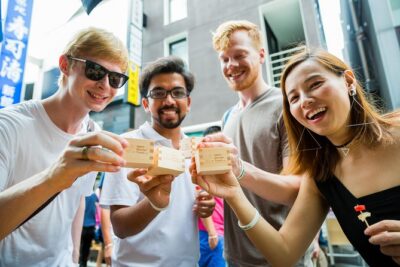
Tokyo Tsukiji Fish Market Food and Culture Walking Tour
Read our review →
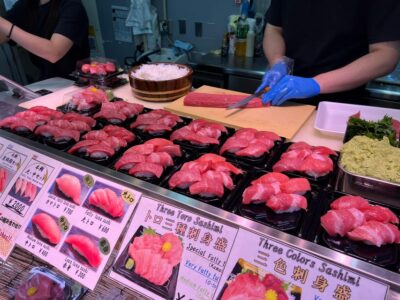
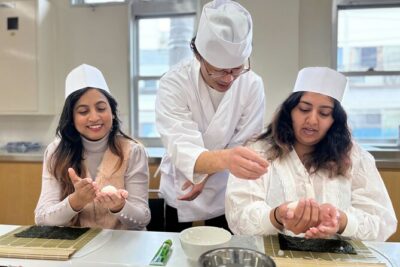
Tokyo Sushi Making Class in Tsukiji with Professional Chef
Read our review →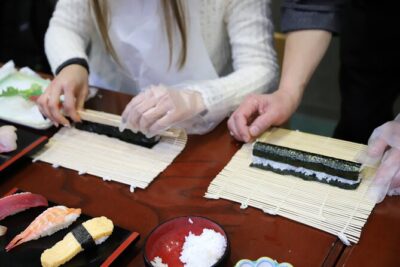
Tsukiji Fish Market Guided Tour and Sushi Making with Pro Chef
Read our review →Tsukiji Fish Market Food and Culture Walking Tour
Read our review →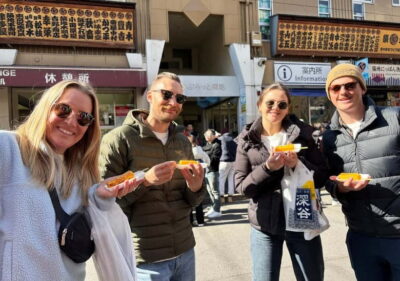
Tsukiji Fish Market: Street Food & Culture Walking Tour
Read our review →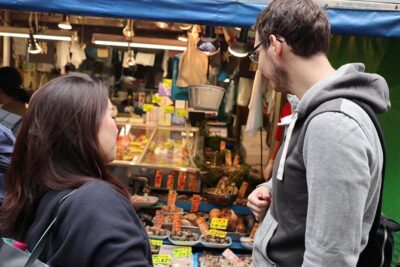
Tsukiji Fish Market Small-Group Food Walking Tour
Read our review →Browse the lists this tour appears in