Reviewed · GUIDED
Tokyo: Customized Private Tour with a Local Guide
Tokyo rewards curiosity, but its size can make a first day feel like a scavenger hunt without a map. This private tour lets you build the day around your own interests, from postwar black markets and Golden Gai to retro gaming shops, Meiji Jingu, Sensoji, Yanaka Ginza, or the fashion streets of Omotesando.
I like two things here. First, the guide can adjust the route as you go, rather than forcing you through a fixed checklist. Second, the bilingual guide can help with small local choices, such as which café, bar, shrine, shop, or train route makes sense. The main consideration is cost control: your $85 covers the guide, but not food, transport, entrance fees, or the guide’s admission when needed.
In This Review
- Key points at a glance
- A Tokyo tour that changes shape around you
- Shinjuku, from black markets to Golden Gai
- Akihabara for retro games and pop culture
- Meiji Jingu, Harajuku, and Omotesando
- Sensoji and Asakusa’s old-town side
- Yanaka Ginza and Koenji for neighborhood Tokyo
- What the bilingual guide adds
- Choosing four, six, or eight hours
- The $85 value, and the costs beyond it
- Walking, meeting up, and preparing well
- Who should book this Tokyo experience
- FAQ
- How long does the private Tokyo tour last?
- What languages does the guide speak?
- Is this a private tour?
- Can the tour be customized?
- Where can the guide meet me?
- Are meals and drinks included?
- Is transportation included?
- Are entrance fees included?
- What should I bring?
- Can I cancel the booking?
Key points at a glance
- A private Tokyo day shaped around you: Pick history, food, anime, shopping, photography, nightlife, or local neighborhoods.
- Real range in one city: Pair famous sights such as Meiji Jingu and Sensoji with Yanaka, Koenji, old markets, or small backstreet bars.
- Flexible 4, 6, or 8-hour timing: A short tour can orient you, while eight hours gives room for several districts and unplanned stops.
- Bilingual local guidance: English and Japanese support helps with questions, navigation, dining suggestions, and everyday customs.
- Strong early-trip value: Several people used the day to understand Tokyo’s train system and plan the rest of their stay.
- Walking is part of the deal: Bring good shoes, water, sunscreen, a charged phone, and clothes suited to the forecast.
A Tokyo tour that changes shape around you
The appeal is simple: you do not spend your limited Tokyo time following a standard route that may have little to do with your interests. Before or at the start of the day, you can explain what you want to see, and the guide can arrange the city into a sensible outing.
That could mean a day of old Tokyo shrines and neighborhood streets. It could mean anime and vintage consoles. You might prefer fashion, vegan food, photography, the goth and metal scene, or the red-light district. The tour is designed to handle that range.
This matters in Tokyo because districts can feel close on a map but offer very different experiences. Shinjuku, Asakusa, Harajuku, Akihabara, Yanaka, and Koenji each have their own pace and character. A local guide helps you decide which combination works in four, six, or eight hours, instead of losing half the day to indecision and transfers.
The guide’s role is not just to point at buildings. You can ask about Japanese life, local customs, food, shopping, neighborhood change, or the meaning of a shrine visit. Several guides named in the feedback include Claire, Lilian, Lily, Lilly, and Vivian. Since the assigned guide can vary, confirm who will meet you after booking if that matters to you.
A few more Tokyo bookings worth comparing
- Mt Fuji and Hakone 1-Day Bus Tour Return by Bullet Train
★ 5.0 · 26,383 reviews - 1-Day Tokyo Bus Tour
★ 5.0 · 14,250 reviews - Tokyo: TOKYO SKYTREE® Admission ticket
★ 4.5 · 11,192 reviews
Shinjuku, from black markets to Golden Gai
Shinjuku offers one of the best ways to see Tokyo’s layers in a single district. The route may cover postwar black markets, narrow lanes, Kabukicho, and Golden Gai, where tiny bars sit close together in a maze of compact streets.
The old market material gives the district useful context. Instead of seeing Shinjuku only as a wall of lights and department stores, you get a sense of how informal postwar commerce shaped parts of the area. That background makes the modern entertainment district easier to understand.
Kabukicho brings the electric side of Shinjuku, while Golden Gai offers a very different scale. The small bars can be hard to approach if you do not know the local rhythm or feel unsure about where you may enter. A guide can help you understand the setting and suggest a stop that fits your comfort level.
You should treat this part as an introduction to nightlife and city culture, not a guaranteed bar crawl. Meals and drinks cost extra, and the route depends on your interests, timing, and the guide’s real-time choices. If you want a quiet day, tell the guide early. If you want to see Tokyo after dark, make that clear when arranging the tour.
Akihabara for retro games and pop culture
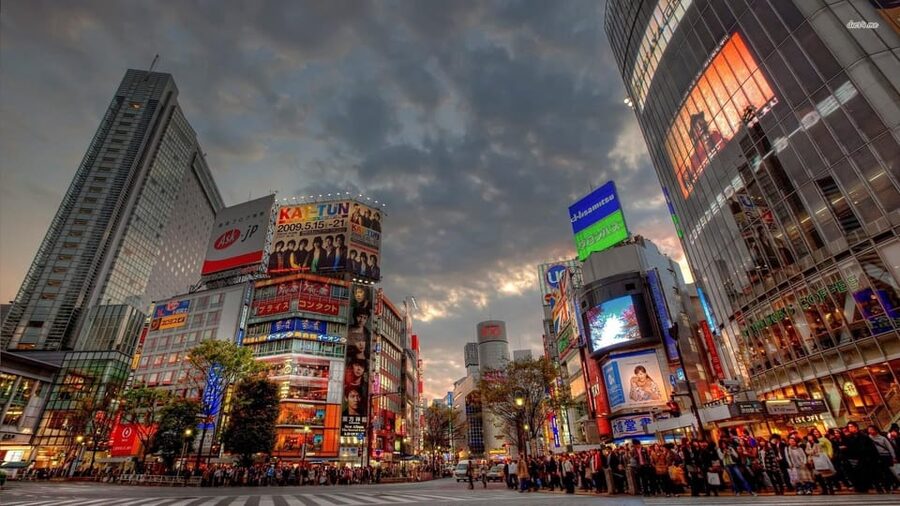
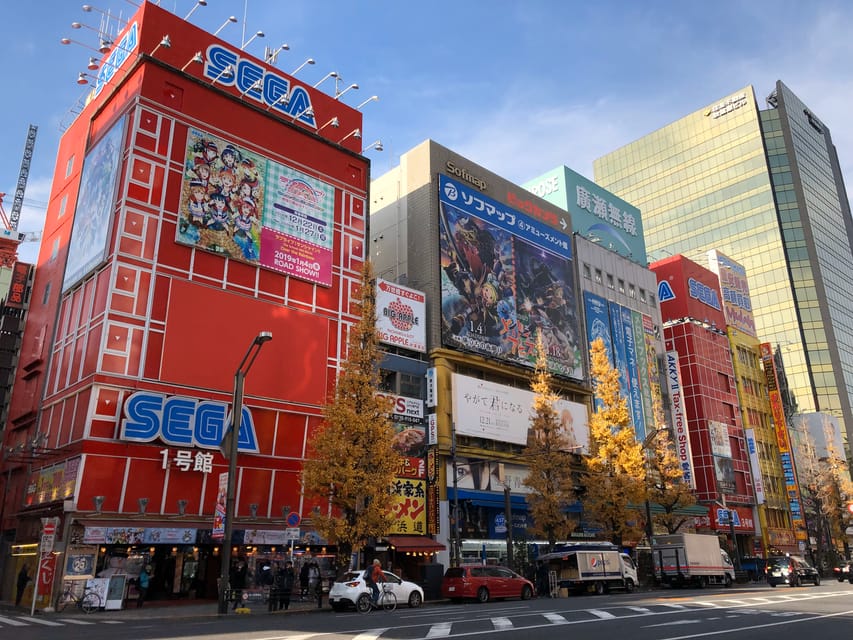
Akihabara works especially well for a custom tour because its appeal is specific. If you like old consoles, arcade games, anime, or unusual pop culture shops, the guide can help you focus on the parts that interest you rather than simply walking along the main road.
The tour may include vintage game stores, rare consoles, retro arcades, and small pop culture museums. These are the kinds of places that can be easy to miss if you do not know what to look for. You can also ask for help comparing shops or finding a particular style of game and memorabilia.
Akihabara is not the best use of time for everyone. If you have no interest in gaming or anime, use those hours elsewhere. The custom format is valuable precisely because you can replace this district with old neighborhoods, food stops, architecture, or shrines.
Keep your phone charged here. You may want to photograph shop signs, note store names, or save recommendations for later. Purchases are your responsibility, and the price of anything you buy is not part of the tour.
Meiji Jingu, Harajuku, and Omotesando
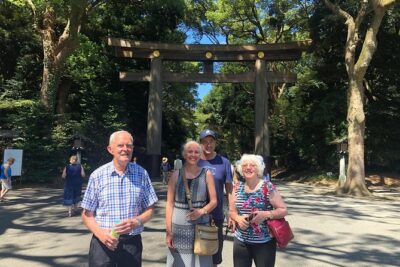
The Meiji Jingu and Harajuku combination gives you a strong contrast between shrine grounds, youth culture, fashion, and design. Meiji Jingu is the reflective part of the route, while Harajuku and Omotesando bring clothing, architecture, cafés, and Tokyo’s more style-conscious side.
One person particularly enjoyed a short walk to the Imperial shrine and the chance to learn about its history. That detail is useful if you want a gentle introduction to Tokyo’s royal and religious setting without committing to a full day of formal sightseeing.
Omotesando adds a modern visual layer. You may see avant-garde architecture, fashion shops, and tucked-away cafés. Harajuku is a good place to tell the guide what you actually want: high-end design, youth fashion, sweets, coffee, photography, or simply a walk through one of Tokyo’s best-known areas.
This section can become crowded and commercial, especially if you focus only on the major streets. Ask to include quieter side roads or a small café if you want a slower pace. Food and drinks are extra, but the guide’s local suggestions can save you from choosing a place at random.
Same corner of Tokyo, a completely different plan:
- Tokyo: teamLab Planets TOKYO Digital Art Museum Entry Ticket
★ 4.6 · 9,779 reviews - Mt Fuji & Hakone Cruise, Drum Show Bullet Train 1 Day from Tokyo
★ 4.0 · 7,413 reviews - Tokyo: Sumo Show Experience with Chicken Hot Pot and a Photo
★ 4.8 · 6,678 reviews - Tokyo: Shinjuku Food Tour (13 Dishes at 4 Local Eateries)
★ 5.0 · 6,603 reviews
Sensoji and Asakusa’s old-town side
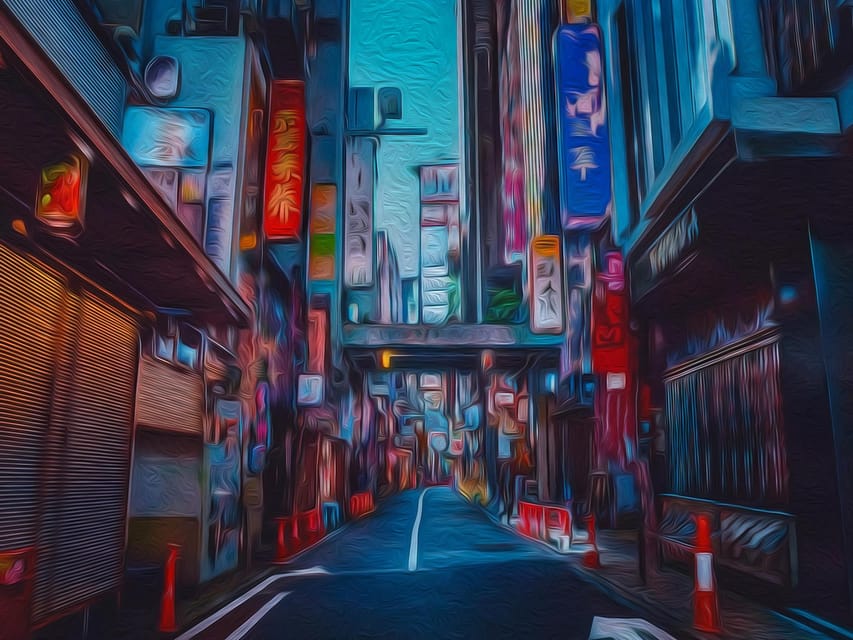
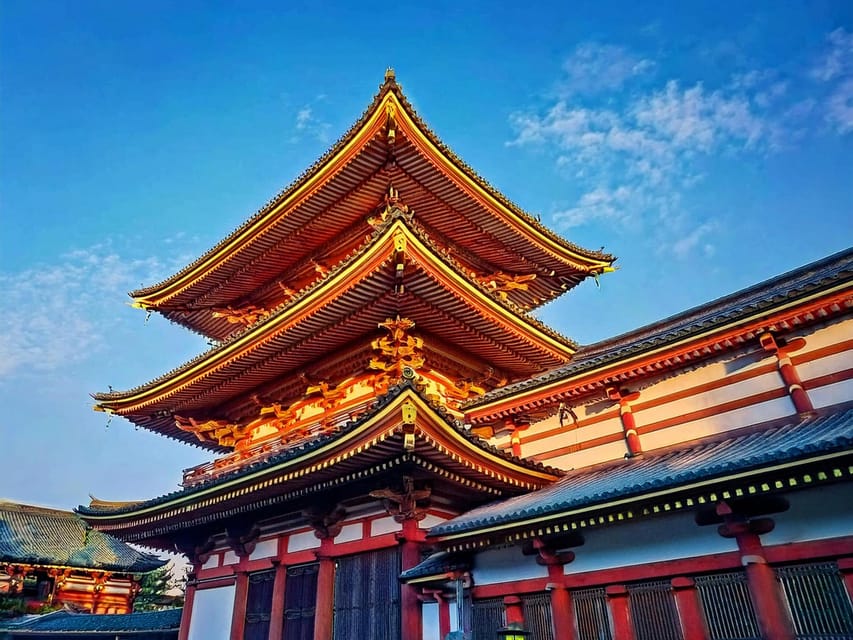
Asakusa brings you to Sensoji, Nakamise-dori, and the older-feeling side of Tokyo. Sensoji is one of the city’s essential sights, but the value of a guide is in adding context and helping you see beyond the approach to the temple.
Nakamise-dori is the obvious walk toward Sensoji, lined with shops and traditional-style goods. It is useful for a first look at souvenirs and familiar Japanese treats, though it can feel busy and commercial. If you want something quieter, ask the guide to add lesser-known local shrines in the surrounding area.
Asakusa suits people who want history, religious sites, traditional streets, and a clear sense of old Tokyo. It also works well as part of a mixed day. You might combine it with Akihabara for a traditional-meets-modern contrast, or with Yanaka for more neighborhood walking.
Entrance fees, if any, are not included. The guide can explain what you are seeing, but you should still allow extra money for food, drinks, shopping, and transport.
Yanaka Ginza and Koenji for neighborhood Tokyo
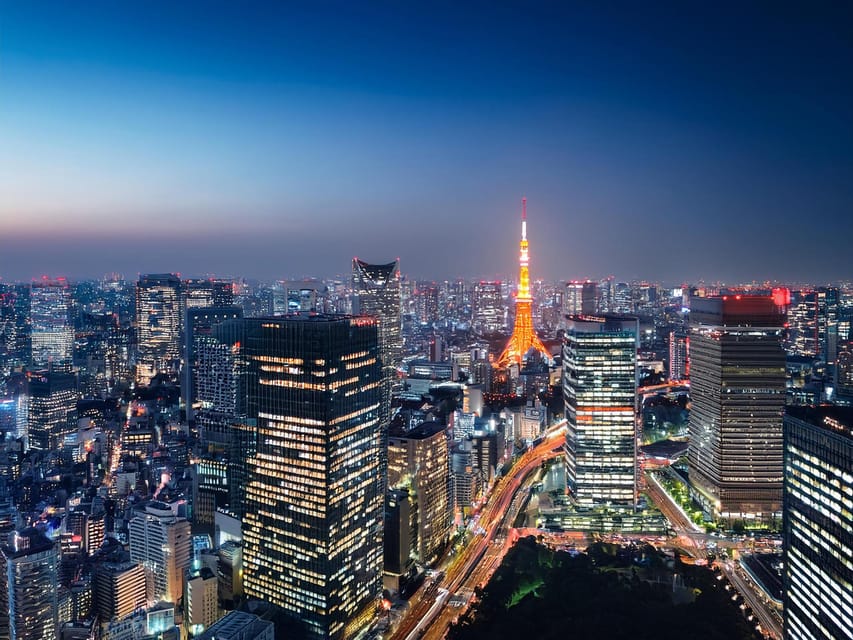
Yanaka and Koenji are useful choices when you want to move beyond the standard first-time route. Yanaka Ginza offers a more local neighborhood feel, with smaller streets and independent shops. Koenji leans toward alternative culture, punk fashion, galleries, and independent businesses.
Neither district should be treated as a single must-see attraction. Their appeal comes from walking, noticing details, and asking questions. You may find a quieter side of Tokyo here than in Shinjuku or Harajuku, along with a better sense of how ordinary neighborhoods fit into the city.
Koenji is especially suitable if you care about music, subcultures, secondhand fashion, or small creative spaces. Yanaka may suit you better if you want a calmer walk and a less polished setting. Tell the guide which mood you prefer.
A useful strength of this tour is the ability to spend more time in such areas instead of rushing back to famous landmarks. One eight-hour outing included popular sites along with quieter places where the group saw few other foreign visitors. That kind of balance is hard to arrange if you are using a strict sightseeing checklist.
What the bilingual guide adds
The English-Japanese language combination is practical in ways that are easy to underestimate. You can ask detailed questions without relying on translation apps, and you can get help with small interactions that shape the day.
A guide can explain shrine etiquette, help you understand a menu, suggest food and shopping areas, and show you how Tokyo’s train system fits together. One particularly useful benefit is orientation: the tour can teach you how to move through the city before you set off on your own.
The guides are also expected to adjust to your pace and questions. If you become interested in a neighborhood detail, you can spend more time there. If a stop is not working for you, the route can change.
That flexibility does not mean every request will fit into a four-hour tour. Give the guide a short priority list. For example, write down three must-see places, two food interests, and one area you would drop if time is tight. This gives the guide something workable.
Choosing four, six, or eight hours
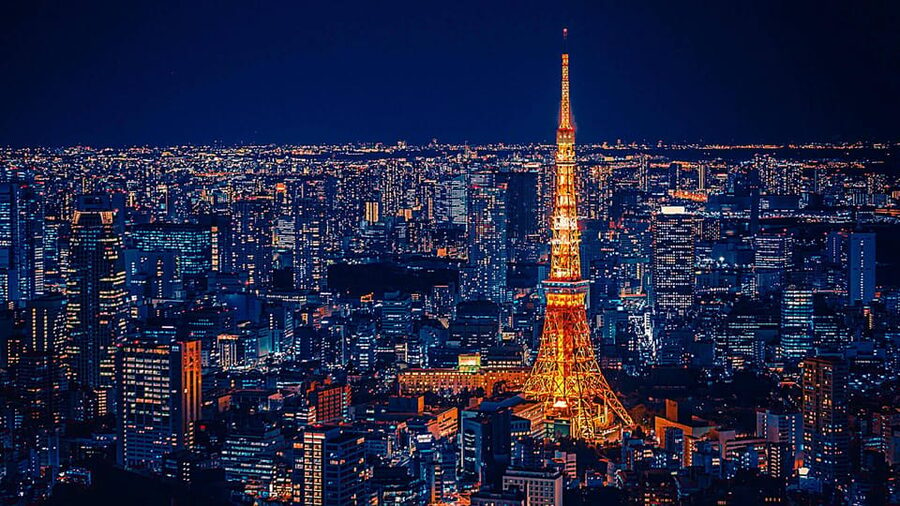
The four-hour option is best for orientation or one focused part of Tokyo. You could concentrate on Asakusa and Sensoji, Shinjuku and Golden Gai, or Meiji Jingu, Harajuku, and Omotesando. Trying to cover the entire city in that time would make the day rushed.
Six hours gives you a more useful middle ground. You can combine a major sight with a less familiar neighborhood, or make room for a café, shopping stop, and train lesson. This is likely the most balanced choice if you want variety without a full-day commitment.
Eight hours is the right pick if you have a long wish list or want several districts. An eight-hour day can include famous sights, quiet streets, food suggestions, shopping advice, and neighborhood stops, but you should still expect walking and transport between areas.
The longer option is not automatically better. If you tire easily, a shorter focused tour may be more enjoyable. The activity is not suitable for children under 10, people with mobility impairments, or wheelchair users, and there is no indication that the route is designed for limited mobility.
The $85 value, and the costs beyond it
At $85 per person, this is not a bargain walking tour in the narrow sense. You are paying for private attention, a bilingual guide, planning around your interests, and local help that can continue to benefit you after the tour ends.
The value improves if this is your first time in Tokyo or if you have a short stay. A guide can help you orient yourself to the train system, decide which neighborhoods deserve more time, and avoid wasting a morning on a route that does not suit you. The personal format also works well for people with a very specific interest that standard tours ignore.
You need to budget separately for transportation, food, drinks, attraction admission, and any admission charge for the guide. Those extras can add up, especially during an eight-hour day. Ask about the intended route and transport plan in advance so you know how much cash or stored-value transit credit to carry.
The price is easier to justify if you use the tour as a launchpad for the rest of your trip. Take notes, save restaurant and shop suggestions, and ask the guide to explain how to repeat a route on your own.
Walking, meeting up, and preparing well
Pickup is available at a hotel or station if you provide the details in advance. A station meeting point can be sensible when your hotel is outside the main sightseeing areas, but confirm the exact location and starting time before the day begins.
Wear comfortable walking shoes. Bring water, sunscreen, a camera if you use one, and a charged smartphone for photos, navigation, and saved recommendations. Check the forecast and dress for the weather, since the route may include long periods outdoors.
Carry local currency for personal expenses. Smoking, flash photography, and littering are not allowed, so follow the guide’s instructions at shrines, temples, shops, and small indoor venues.
The private-group format is a major practical advantage. You do not have to match the pace or interests of strangers, and you can ask basic questions without holding up a large group. It also means you should communicate clearly: the more specific you are, the better the guide can shape the day.
Who should book this Tokyo experience
I would choose this for a first or second visit, a short stay, or a return visit built around a narrow interest. It is also a good fit if you want a local introduction before exploring independently.
You will get the most from it if you enjoy walking, asking questions, and making choices as the day develops. The strongest praise centers on flexible guides, useful local advice, popular sights mixed with quieter areas, and help with food, shopping, and transport.
I would think twice if you want a fixed sightseeing schedule with guaranteed entry to a long list of attractions. I would also avoid it if mobility limits make extended walking difficult or if you need a child-focused activity for anyone under 10.
Book it if you want Tokyo arranged around your interests rather than around a standard route. Choose four hours for a focused introduction, six for a balanced day, and eight if your wish list includes several very different districts. The $85 price makes the most sense when you use the guide not only to see Tokyo, but also to learn how to handle the city on your own afterward.
FAQ
How long does the private Tokyo tour last?
You can choose a 4, 6, or 8-hour tour, depending on availability and your preferred starting time.
What languages does the guide speak?
The live guide speaks English and Japanese.
Is this a private tour?
Yes. The activity is arranged for a private group.
Can the tour be customized?
Yes. The route is based on your interests, which may include history, food, anime, shopping, photography, nightlife, shrines, local neighborhoods, or Tokyo subcultures.
Where can the guide meet me?
The guide can meet you at any hotel or station if you provide the details in advance.
Are meals and drinks included?
No. Meals and beverages are not included in the price.
Is transportation included?
No. Transportation expenses are separate.
Are entrance fees included?
No. Attraction entrance fees are not included. If the guide needs to pay an admission fee, you are also expected to cover that cost.
What should I bring?
Bring comfortable shoes, a camera, sunscreen, water, a charged smartphone, and local currency for personal expenses. You should also check the weather and dress appropriately.
Can I cancel the booking?
You can cancel up to 24 hours in advance for a full refund. The reserve-now, pay-later option lets you book without paying immediately.
New on our Tokyo list
- Tokyo : Kamikaze Street Drift Ride★ 5.0 · 3 reviews
- Private Zen Meditation in English in Shinjuku, Tokyo★ 5.0 · 3 reviews
- Sumi-e Experience in a relaxing green tea shop in Tokyo★ 5.0 · 3 reviews
- Onsen Spa in Tokyo and Asakusa Bar Hopping with Local Guide★ 5.0 · 3 reviews
- Easy for everyone! Now you can play handmade mini shamisen and show off to everyone! Musical instruments, sweets and live music★ 5.0 · 3 reviews
- Tokyo: Private Tsukiji Street Food & Sake with Local Guide★ 5.0 · 3 reviews
- Mt Fuji Exploration Tour with Free Japanese Kusa Mochi from Tokyo★ 4.5 · 3 reviews
- Tokyo Tsukiji Fish Market Walking and Exploring Hidden Gems Tour★ 5.0 · 3 reviews
Guided, compared.
Tokyo 6hr Private Tour with Government-Licensed Guide
Read our review →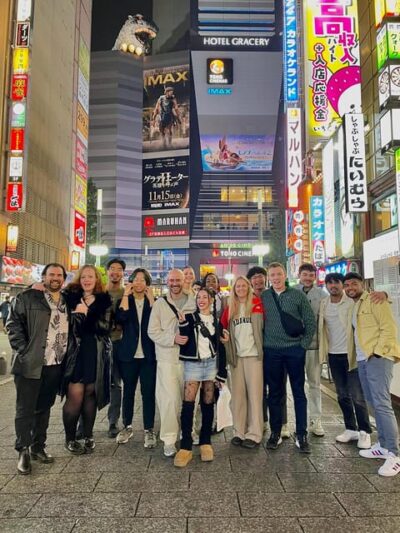
Shinjuku Local Bar and Izakaya Guided Walking Tour
Read our review →
Private City Highlights Tour with Local Guide
Read our review →
Tokyo 4hr Private Tour with Government-Licensed Guide
Read our review →
Samurai Ninja Museum Guided tour and Experience
Read our review →