
Reviewed · TEMPLE & SHRINE TOURS
Tokyo: Evening Tour – Temples, Neon Streets & Culture
Tokyo changes character after sunset. Temple lanterns glow, giant signs flicker on, and the sidewalks fill with people heading out for dinner, drinks, shopping, and karaoke. This private evening tour lets you see that shift with a local guide instead of trying to stitch together several far-flung districts on your own.
I like two things right away: the flexible route and the cooler timing. You might visit Asakusa, Shibuya, Shinjuku, or Akihabara, then adjust the pace for food, shopping, photography, or anime and gaming culture. Guides Deen and Sofia have received especially strong praise for adapting the route to personal interests and physical ability.
The tradeoff is that three hours is short for Tokyo, and public transport fees, food, shopping, and entrance charges are extra. You may see only two or three areas in real depth, rather than checking every stop on the suggested list.
In This Review
- Key Points to Know Before You Book
- Why Tokyo Works Better After Dark
- Asakusa After the Lanterns Come On
- Shibuya Crossing Under the Screens
- Shinjuku From Omoide Yokocho to Kabukicho
- Akihabara’s Anime and Gaming Lights
- Getting Around by Tokyo Train
- A Private Route With Room to Adjust
- What $83 Buys You
- Who Will Get the Most From This Tour
- Should You Book This Evening Tokyo Walk?
- FAQ
- How long does the Tokyo evening tour last?
- What time can the tour start?
- Which Tokyo neighborhoods may be included?
- Is the tour private?
- What languages are available?
- Are public transport costs included?
- Are meals and entrance tickets included?
- Can children join the tour?
- Is the tour suitable for someone with limited mobility?
- What should I bring?
- Can I cancel the booking?
Key Points to Know Before You Book
- Start after 4 PM: The tour catches Tokyo as daylight fades and signs begin to glow.
- Private group format: You get a route shaped around your interests, pace, and walking ability.
- Possible stops include four major districts: Asakusa, Shibuya, Shinjuku, and Akihabara may all feature, but the final plan can change.
- Trains are part of the experience: You pay public transport costs separately and use Tokyo’s rail system between neighborhoods.
- Guides can adapt the walk: Deen adjusted a route for a participant recovering from knee surgery, while Sofia tailored another tour to shopping interests.
- Bring proper shoes and a charged phone: This is a walking tour, with photos and navigation forming a big part of the evening.
Why Tokyo Works Better After Dark
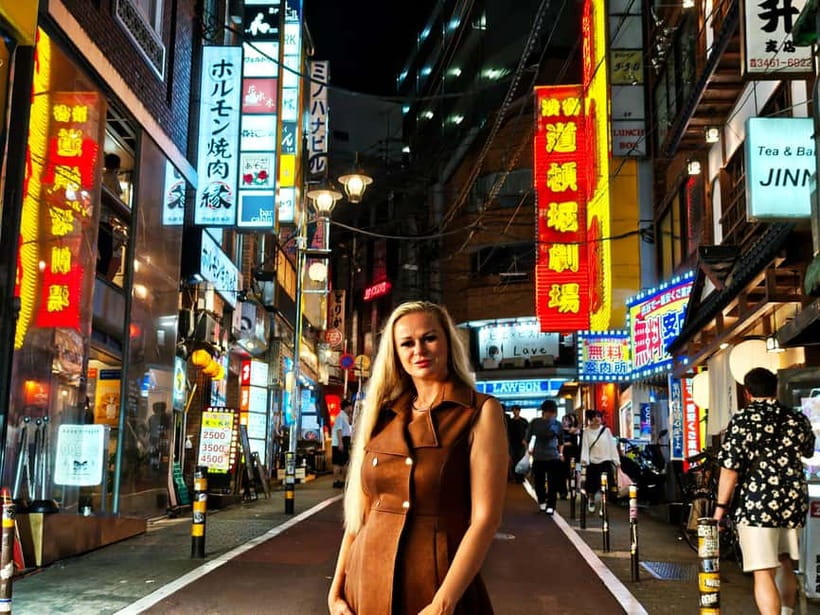
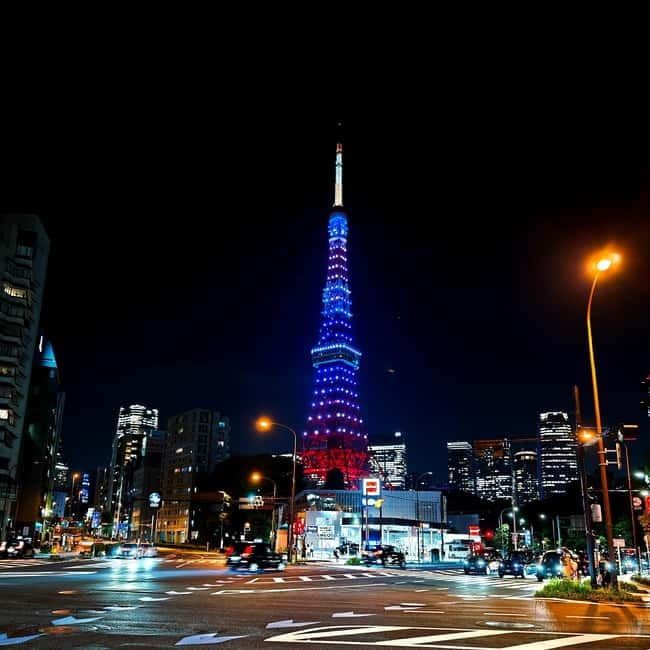
Tokyo sightseeing in the middle of the day can be hot, crowded, and tiring, especially in summer. Starting any time after 4 PM gives you a more comfortable window, with the most atmospheric part of the tour arriving as the sky grows dark.
I like this timing because it provides two versions of the city in one outing. You may begin in late afternoon light, when temple grounds and shop streets are easier to see, then finish beneath neon signs and illuminated buildings. That change gives your photographs more variety than a fixed daytime walk.
The tour usually lasts three hours, though the practical information allows roughly three to four hours and says it can continue as late as 11 PM. Your start time matters. A 4 PM departure gives you more daylight in Asakusa, while a later start puts more emphasis on nightlife and city lights.
The route is not a rigid checklist. You and your guide can adjust the plan around your energy, interests, and preferred photo stops. That is useful in Tokyo, where crossing town between districts takes time and a single train ride can change the mood completely.
More temples and shrines near Tokyo:
- Tokyo: Meiji Shrine, Asakusa, Skytree Bus Tour and Cruise
★ 4.7 · 1,986 reviews - Tokyo: Asakusa Walking Tour with Sensoji Temple Visit
★ 4.8 · 1,583 reviews - Nikko: Kegon Falls, Lake Chuzenji & Toshogu Temple
★ 4.6 · 1,577 reviews
Asakusa After the Lanterns Come On
Asakusa is the best choice for a traditional opening. The district is home to Tokyo’s oldest temple, and evening light gives its gates, lanterns, and worship spaces a quieter look than they have during the busiest daytime hours.
You can expect a strong contrast here. The temple area carries a calm, spiritual mood, while the nearby streets retain the old-fashioned feel of shops and food stops. As the crowds thin, your guide can explain what you are seeing and point out angles that are easy to miss when you are focused only on the main gate.
For photography, Asakusa may be the most rewarding early stop. Soft illumination works well on the temple architecture, and the change from daylight to night lets you photograph the same setting in different conditions.
There is one practical limit. Temple areas are not the same as a formal evening admission visit. The tour information does not promise entry into paid sites or special nighttime access, so you should think of Asakusa as an outdoor cultural stop unless your guide confirms otherwise.
If you have knee trouble, say so before the walk begins. One guide, Deen, adjusted a route for a participant recovering from knee surgery, which shows how useful the private format can be. Still, the outing involves walking and station transfers, so accessibility does not mean a completely effortless route.
Shibuya Crossing Under the Screens
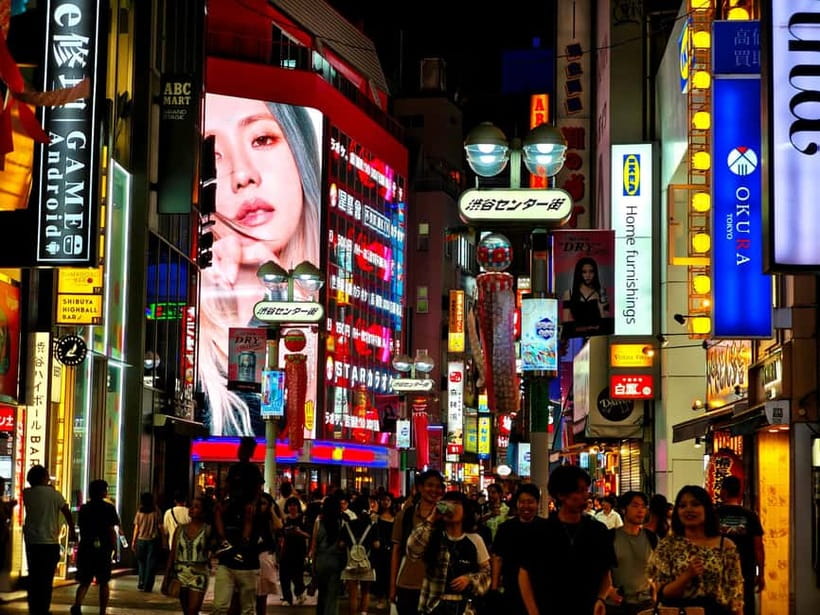
Shibuya Crossing delivers the classic Tokyo moment: several streams of pedestrians move through a broad intersection while enormous signs and screens flash above the buildings. At night, the setting feels more dramatic than it does in ordinary daylight.
Your guide can help you approach the crossing without wasting time finding the best viewing point. The tour description also allows for photo-friendly backstreets and other local spots, depending on the day and your guide’s judgment.
Shibuya is less about a long historical explanation and more about seeing modern Tokyo in motion. If this is your first visit, the crossing gives you an immediate sense of the city’s scale and energy. If you already know the famous intersection, ask for nearby streets rather than spending the whole stop in the center of the crowd.
The drawback is pace. Shibuya is one of the districts most likely to eat up your three-hour allowance. A few crossings, photographs, and a short walk can easily take longer than expected, so tell your guide if you also want Asakusa, Shinjuku, or Akihabara.
Shinjuku From Omoide Yokocho to Kabukicho
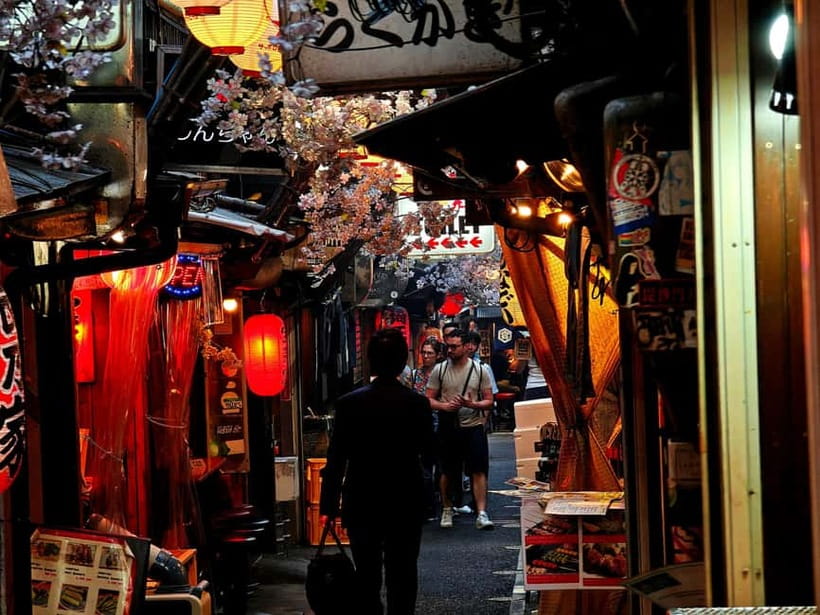
Shinjuku offers the clearest look at Tokyo after dark. The nightlife district is packed with small restaurants, izakayas, game arcades, karaoke bars, and glowing signs. Two areas named for the route are Omoide Yokocho and Kabukicho, each with a different feel.
Omoide Yokocho is known for narrow lanes and compact dining spots. It is a good place to ask questions about Japanese nightlife and the local custom of eating and drinking in small establishments. The tour does not include a meal, so any food or drinks you choose are your own expense.
Kabukicho brings bigger signs and a more intense nighttime atmosphere. Your guide helps you read the streets and move through the district with a clearer sense of where you are. That guidance has real value in Shinjuku, where a short walk can lead into a maze of lanes and signs.
You should also be clear about what this tour is not. It is not a bar crawl, and the price does not cover meals, snacks, or entertainment. You can stop for something if you wish, but the main product is the guided walk and local orientation.
Shinjuku may suit you best if you want atmosphere rather than monuments. It is also a sensible area for the final part of the tour, since the streets remain active late. The published information says the tour can run as late as 11 PM, though your actual finish depends on the agreed route.
A few more Tokyo bookings worth comparing
- Tokyo Night Foodie Tour in Shinjuku – Seasonal Sushi, Wagyu Beef
★ 5.0 · 1,161 reviews - Tokyo: Daikoku JDM Car Meet & Night Car Culture Tour
★ 4.8 · 626 reviews - Tokyo After 5: Authentic Japanese Food & Drink Night Tour
★ 4.5 · 560 reviews - EVO, WRX, Skyline – JDM Night Run to Daikoku Car Meet
★ 4.9 · 478 reviews
Akihabara’s Anime and Gaming Lights
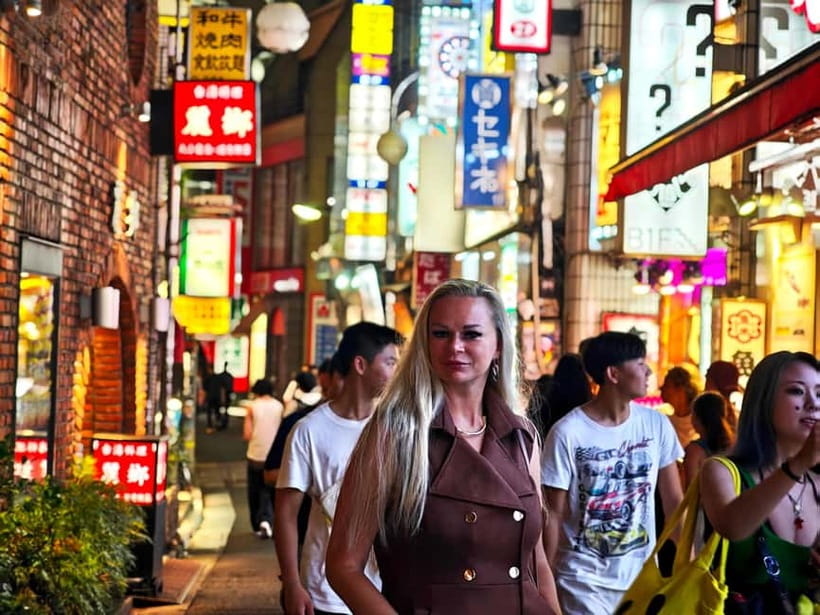
Akihabara takes the evening in a different direction. Here, anime, gaming, electronics, and technology shape the streets. The area works well for fans, but you do not need a specialist background to enjoy it. A guide can explain what the signs and shops represent and help you focus on the parts that match your curiosity.
If you want gifts, tell your guide early. Sofia was praised for helping with shopping choices and spotting suitable presents for a visitor taking items back to the United States. That is a useful service in a district where the amount of merchandise can become overwhelming fast.
Akihabara is also a good stop for people who want something beyond temples and famous viewpoints. It shows a side of Tokyo that is tied to pop culture and hobby communities rather than old architecture or nightlife dining.
The limitation is the same one faced by every short Tokyo tour: you cannot cover the whole district in detail. If anime and gaming are your main reason for booking, ask for more time here and accept that another neighborhood may be shortened or omitted.
Getting Around by Tokyo Train
This is a walking tour, but you will use Tokyo’s public transport system to move between districts. That is a practical choice. Asakusa, Shibuya, Shinjuku, and Akihabara are not next door to one another, and a private car would cost more while often moving slowly in city traffic.
Public transport fees are not included, so budget for those separately. The tour does not include a private bus or car, and you should expect to handle your own personal spending along the way.
The train rides are part of the local experience, but they also affect the amount of time spent walking. A private guide can make the changes less confusing, especially if you are still learning Tokyo’s station system. You can ask the guide to keep transfers simple if that matters more than adding another district.
Hotel or location pickup on foot is available as an optional add-on. The exact meeting place and time are confirmed after booking. If you are staying outside central Tokyo, make sure you understand where the walk begins before setting your evening plans.
A Private Route With Room to Adjust
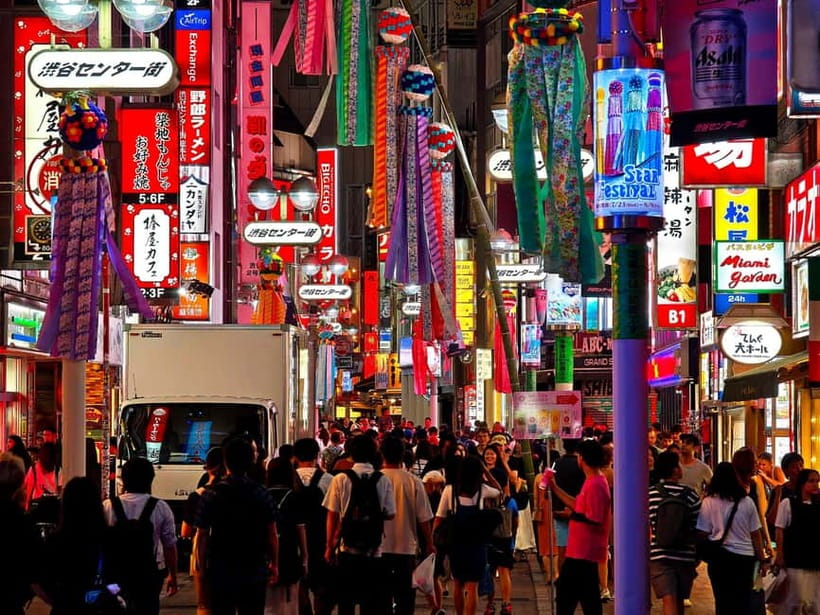
The private format is the main reason to choose this experience over a standard group sightseeing walk. You are not tied to the interests or speed of a large crowd. A guide can spend more time on shopping, photography, food culture, temples, nightlife, or pop culture, depending on what you want.
The recorded experiences with Deen and Sofia show how this can work in practice. Deen adjusted the route for someone with a recovering knee, while Sofia matched the walk to personal interests and shopping needs. Another outing was praised for its casual conversation and insight, which points to the value of having time to ask ordinary questions rather than listening to a fixed speech.
You can also request lesser-known alleys, rooftop views, or photogenic backstreets when available. These options are not guaranteed, so treat them as possible additions rather than promised stops.
A professional photographer may be available, and guides may take photos during the tour if possible. Do not book this as a guaranteed professional photo session. The stronger reason to choose it is the guide’s local eye, which can help you notice better angles and moments.
What $83 Buys You
At $83 per person, the price makes the most sense for people who value a private guide and a custom route. You are paying for three hours of personal attention, neighborhood planning, local explanations, and help with moving between parts of Tokyo.
The price is less attractive if you only want to visit one famous crossing or temple. You could see a single major sight on your own for less. The tour earns its keep when you want several different sides of Tokyo and would rather not spend your evening figuring out routes, station changes, and suitable streets.
Remember the extras. Public transport, meals, snacks, shopping, and entrance tickets are not included. The total cost therefore depends on how far you travel, what you eat, and whether you add any paid sights.
Children under 12 join free, but you still need to include them in the booking. That can improve the value for a family, especially if the private guide can keep the route manageable for different ages.
Free cancellation is available up to 24 hours before the tour for a full refund, and you can reserve now and pay later. Those terms help if your Tokyo plans are still shifting.
Who Will Get the Most From This Tour
I would consider this tour a strong fit for a first evening in Tokyo. You get a quick but useful orientation to several major districts, plus a local person who can help you decide where to return later in your trip.
It also suits you if you want to take photographs after dark, dislike midday heat, or prefer a private walk to a large group. The flexible format is especially helpful for families, mixed-ability groups, and anyone with a specific interest such as shopping, food streets, anime, or temples.
It is less suited to you if you want a slow, detailed visit inside museums and paid attractions. Three hours goes quickly, and the tour’s value comes from moving through different neighborhoods rather than settling in one place.
Wear comfortable clothes and good walking shoes. Bring a camera and a charged smartphone. You should also tell the guide about your interests and limits at the start, since the route can change to match them.
Should You Book This Evening Tokyo Walk?
Book it if you want help seeing Tokyo’s change from temple town to neon city in one evening. The private format, cooler hours, and route flexibility are the strongest reasons to choose it, with Deen and Sofia showing the kind of personal adjustment you should expect from a good guide.
Skip it if your priority is a fixed list of attractions with guaranteed entry or a fully covered transport package. At $83, plus train fares and personal spending, it is not the cheapest way to see one sight.
For most first-time visitors, I would choose the tour early in the trip and ask for the districts that match your interests. Give the guide permission to trim the list. In Tokyo, seeing fewer places with a clear sense of what makes each one different is better than racing through four neighborhoods and remembering only the train stations.
FAQ
How long does the Tokyo evening tour last?
The stated duration is three hours. Tours typically last three to four hours and may continue until 11 PM at the latest.
What time can the tour start?
You can start any time after 4 PM. The exact starting time is confirmed after booking.
Which Tokyo neighborhoods may be included?
Possible areas include Asakusa, Shibuya, Shinjuku, and Akihabara. The final route can change based on your interests, pace, and preferences.
Is the tour private?
Yes. It is offered as a private group experience.
What languages are available?
English and Spanish are listed as available tour languages. Italian is also noted in the additional tour information, so confirm language availability when booking.
Are public transport costs included?
No. Public transportation fees are separate. Private bus or car transport is not included either.
Are meals and entrance tickets included?
No. Meals, snacks, shopping, personal expenses, and entrance tickets, when needed, are not included.
Can children join the tour?
Yes. Children under 12 can join free, but you must include them in the booking.
Is the tour suitable for someone with limited mobility?
The tour is listed as wheelchair accessible, and the private route can be adjusted to suit your ability. It remains a walking tour with public transport transfers, so discuss your needs with the guide in advance.
What should I bring?
Bring comfortable walking shoes, comfortable clothes, a camera, and a charged smartphone.
Can I cancel the booking?
Yes. You can cancel up to 24 hours in advance for a full refund. You can also reserve now and pay later.
New on our Tokyo list
- Sumi-e Experience in a relaxing green tea shop in Tokyo★ 5.0 · 3 reviews
- Tokyo : Kamikaze Street Drift Ride★ 5.0 · 3 reviews
- Private Zen Meditation in English in Shinjuku, Tokyo★ 5.0 · 3 reviews
- Onsen Spa in Tokyo and Asakusa Bar Hopping with Local Guide★ 5.0 · 3 reviews
- Easy for everyone! Now you can play handmade mini shamisen and show off to everyone! Musical instruments, sweets and live music★ 5.0 · 3 reviews
- Tokyo: Private Tsukiji Street Food & Sake with Local Guide★ 5.0 · 3 reviews
- Mt Fuji Exploration Tour with Free Japanese Kusa Mochi from Tokyo★ 4.5 · 3 reviews
- Tokyo Tsukiji Fish Market Walking and Exploring Hidden Gems Tour★ 5.0 · 3 reviews
Temple & Shrine Tours, compared.
Meiji Shrine, Asakusa, Skytree Bus Tour and Cruise
Read our review →
Asakusa Walking Tour with Sensoji Temple Visit
Read our review →
Kamakura & Enoshima Day Trip including Temple Tickets
Read our review →
Nikko Toshogu Shrine and Kegon Waterfall Tour
Read our review →
Tokyo Panoramic 1 Day: Meiji Shrine, Asakusa, Odaiba and SKYTREE®
Read our review →
Mt. Fuji Heritage Tour: Traditional Villages, Lakes & Shrine
Read our review →Browse the lists this tour appears in