
Reviewed · TOKYO FOOD TOURS
Tokyo: Exquisite Wagyu Beef Experience at Yakiniku Nikunone
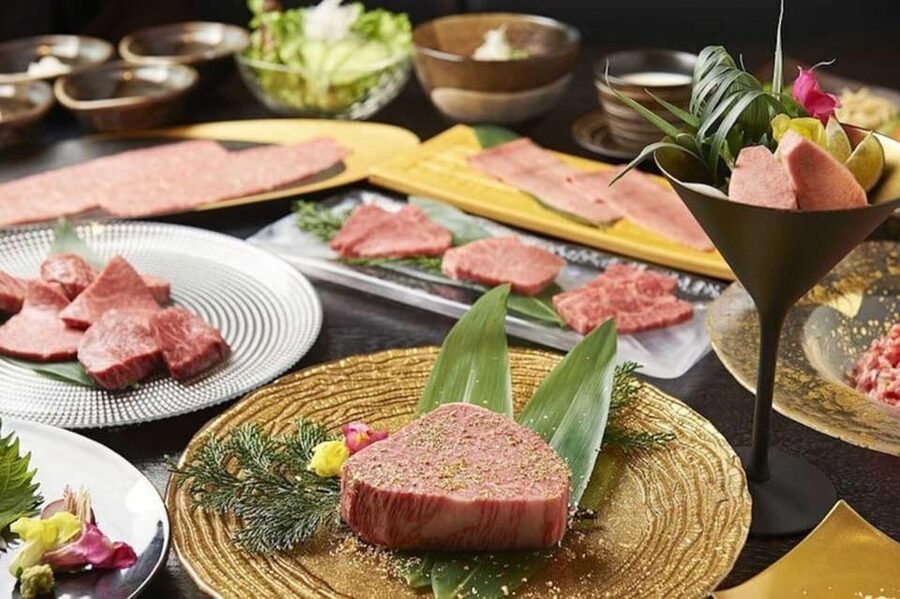
Yakiniku Nikunone turns Japanese beef into a carefully paced, private dinner. You choose from three full courses built around A5 Wagyu, with dishes ranging from tongue shabu-shabu and chateaubriand to Wagyu sushi with caviar.
I like the quiet rooms inspired by Japan’s four seasons, and I like that the meal reaches beyond standard grilled beef with Oita Dragon Eggs, Oki Islands algae salt rice, sea urchin, truffle salt, and fruit champagne. The main consideration is the price: at $113 per person, this is a special-occasion meal, not a casual plate of yakiniku.
In This Review
- Key points to know before booking
- A Tokyo yakiniku meal with a serious Wagyu agenda
- Choosing between the 12-dish and 14-dish menus
- The Nikunone Course: a focused introduction
- The Kirameki Course: the broadest all-rounder
- The Kinzakura Course: the celebration menu
- What the A5 Wagyu courses actually give you
- Rare ingredients from Oita and the Oki Islands
- Private rooms and service
- Price, timing, and who gets the best value
- Getting there and practical details
- Should you book Yakiniku Nikunone?
- FAQ
- Is Yakiniku Nikunone a guided tour?
- How long does the experience last?
- How much does the experience cost?
- What does the price include?
- Are drinks included?
- What is included in the Nikunone Course?
- What is included in the Kirameki Course?
- What is included in the Kinzakura Course?
- Can I request a particular private room or seat?
- Is the restaurant wheelchair accessible?
- What if I have dietary restrictions?
Key points to know before booking
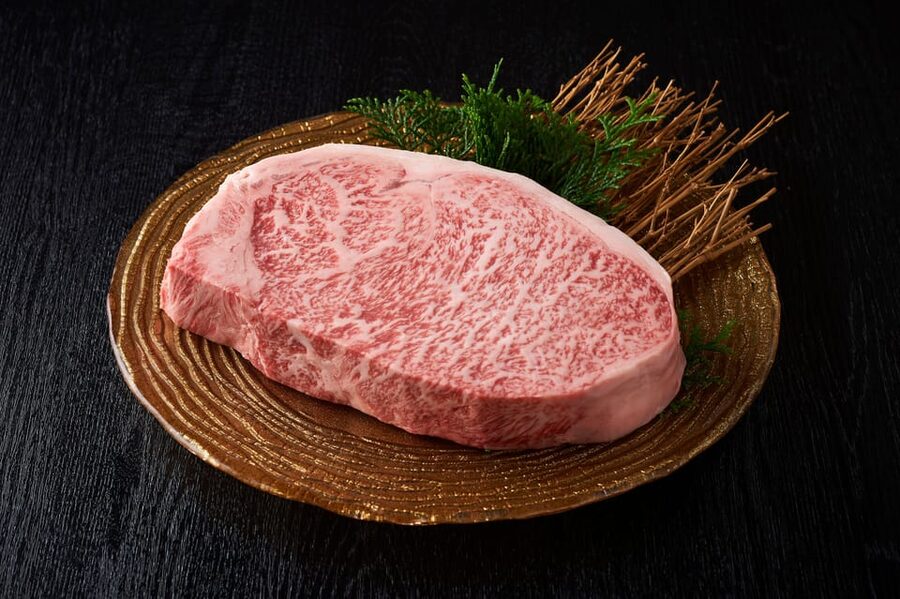
- A5 Wagyu is the focus: Every course is designed around carefully selected premium beef, from lean cuts to highly marbled steak.
- Three menus suit different appetites: The 12-dish Nikunone Course is the simplest choice, while the Kirameki and Kinzakura courses add sashimi, steak, caviar, and more.
- Private rooms keep the mood calm: Rooms draw on Japan’s four seasons and offer a more polished setting than a loud, open grill room.
- Rare ingredients add variety: Look for Dragon Eggs from Oita, algae salt from the Oki Islands, sea urchin, truffle salt, and caviar.
- This is a restaurant reservation, not a tour: You enter directly at the reserved time, and no guide accompanies you.
- Plan around a two-hour seating: Tables are reserved for a maximum of two hours, so arrive ready to begin on time.
A Tokyo yakiniku meal with a serious Wagyu agenda
Many yakiniku restaurants ask you to order meat by the plate and grill at your own pace. Nikunone takes a different route. Here, the meal arrives as a full course, with each cut and side dish placed into a planned sequence.
That format matters because A5 Wagyu can be powerful. A few bites of fatty beef may be thrilling, but a long meal of only rich cuts can become tiring. Nikunone offsets the richness with kimchi, namul, salad, stew, citrus sorbet, cold noodles, rice dishes, and seafood.
The result is closer to a Japanese tasting dinner with a grill at its center than to a relaxed, help-yourself barbecue. You still get the pleasure of grilled beef, but the restaurant controls the rhythm and gives you more than one way to experience Wagyu.
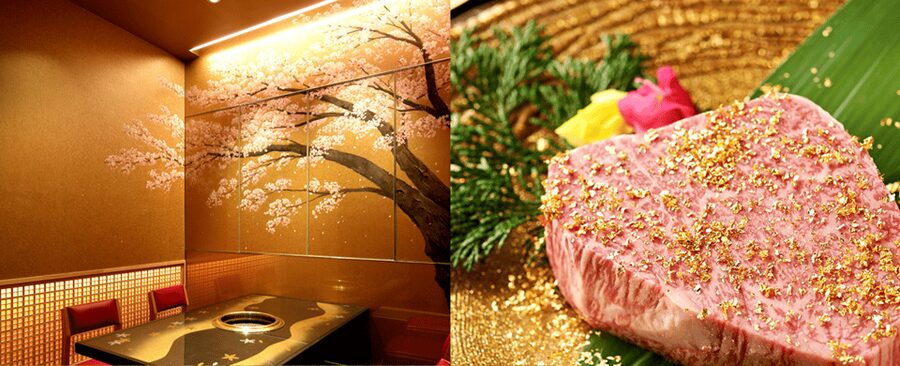
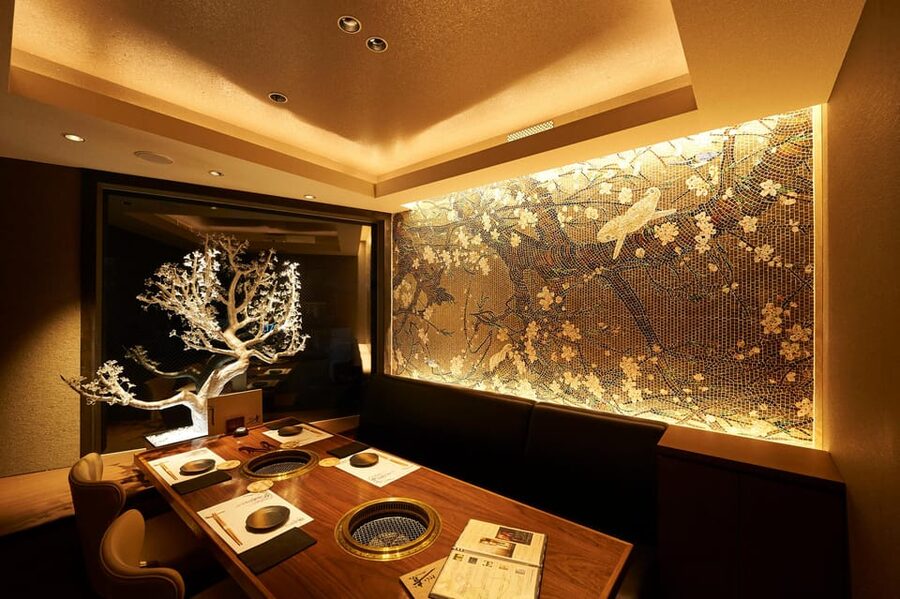
The restaurant serves private rooms only, which creates a sheltered setting for a date, anniversary, family dinner, or polished night out. The rooms are inspired by the four seasons, adding a distinctly Japanese touch without turning the meal into a staged cultural show.
More Tokyo food crawls:
- Tokyo: Shinjuku Food Tour (13 Dishes at 4 Local Eateries)
★ 5.0 · 6,603 reviews - Tokyo: Shinjuku Food Tour (15 Dishes and 4 Eateries)
★ 4.9 · 2,033 reviews - Best of Shinjuku: Izakaya Food Tour (4 Stops, 14+ Tastings)
★ 5.0 · 1,863 reviews
Choosing between the 12-dish and 14-dish menus
Your first decision is the course. All three options include a welcome drink, but the amount of beef, seafood, caviar, and extra dishes rises as you move up the menu.
The Nikunone Course: a focused introduction
The 12-dish Nikunone Course is the most restrained option. It includes one drink, two kinds of kimchi and namul, Wagyu sinew stew, salad, special tongue grilled shabu-shabu, three special salted cuts, grilled chestnuts prepared shabu-shabu style, two kinds of marinated lean meat, two pieces of grilled Wagyu sushi, and yuzu sorbet.
I like this menu for a first visit if you want the restaurant’s main ideas without adding every luxury ingredient. The menu still includes several cuts, a warm stew, tongue, sushi, and dessert, so it is not a small meal.
The grilled Wagyu sushi is one of its special features. It comes with caviar, and this course includes a piece described as exclusive to the menu. The combination gives the meal a clear celebratory note, but the two pieces also provide a useful contrast to the grilled cuts.
The drawback is that this course does not include the sashimi, large steak portion, or caviar jar found in the higher menus. At $113 per person for the experience, some diners may prefer to spend more for the full luxury treatment, while others will value the more focused structure.
The Kirameki Course: the broadest all-rounder
The 14-dish Kirameki Course adds several notable courses. Along with one drink, kimchi, namul, sinew stew, and salad, you receive Miyazaki beef sashimi with sea urchin, grilled Wagyu sushi with caviar, special tongue shabu-shabu, skirt steak with fresh wasabi, two special salted cuts, three kinds of marinated lean meat, and a choice of sirloin or rump steak.
You also choose between cold noodles and Wagyu ochazuke for the meal course, followed by a choice of dessert. This gives you more control over the finish and makes the menu appealing if you want both indulgent beef and a proper final dish.
The Miyazaki beef sashimi with sea urchin changes the pace early. It is not simply another grilled cut, and the sea urchin brings a briny note to the beef. The skirt steak with fresh wasabi should appeal to you if you prefer a sharper, cleaner seasoning to a heavy sauce.
The choice between sirloin and rump is useful. Sirloin brings more richness, while rump is a leaner direction. Since Wagyu meals can become very rich, that option is not a small detail.
This is probably the best choice for many diners who want the full restaurant experience but do not need a personal jar of caviar. It gives you seafood, sushi, tongue, skirt steak, marinated lean cuts, a main steak, and a finishing dish.
A few more Tokyo bookings worth comparing
- Mt Fuji and Hakone 1-Day Bus Tour Return by Bullet Train
★ 5.0 · 26,383 reviews - 1-Day Tokyo Bus Tour
★ 5.0 · 14,250 reviews - Tokyo: TOKYO SKYTREE® Admission ticket
★ 4.5 · 11,192 reviews - Tokyo: teamLab Planets TOKYO Digital Art Museum Entry Ticket
★ 4.6 · 9,779 reviews
The Kinzakura Course: the celebration menu
The 14-dish Kinzakura Course is the most elaborate of the three. It includes two drinks, with fruit champagne available, plus a small bottle of caviar that you can use as you like.
The opening includes two kinds of kimchi and namul, followed by hand-roll sea urchin tartar sushi with caviar. Later courses include salad, special tongue grilled shabu-shabu, chateaubriand with truffle salt, two special salted cuts, chuck flap grilled sukiyaki, and a selected Wagyu steak sandwich.
You then choose between cold noodles and two pieces of grilled Wagyu sushi with sea urchin. Dessert is also your choice.
This menu is less about simply eating more beef and more about adding luxury touches throughout the meal. Chateaubriand is the headline cut, while truffle salt gives it a distinct finishing note. The chuck flap sukiyaki preparation should provide a different texture from the grilled steaks, and the Wagyu steak sandwich adds a playful change of format.
The caviar jar is a practical luxury rather than a decoration. You can use it with the sea urchin tartar or other dishes as you prefer. If you are marking a major occasion, this is the menu that most clearly matches the setting. If you are mainly interested in tasting several cuts, the Kirameki Course may offer better balance.
What the A5 Wagyu courses actually give you
A5 is the highest Japanese beef grade, but a high grade alone does not tell you how the meal will feel. The value here comes from the range of preparations and cuts.
The salted special cuts let the beef speak for itself. Marinated lean cuts provide a different flavor, while sirloin, rump, chateaubriand, tongue, skirt steak, and chuck flap each bring a different texture and level of richness.
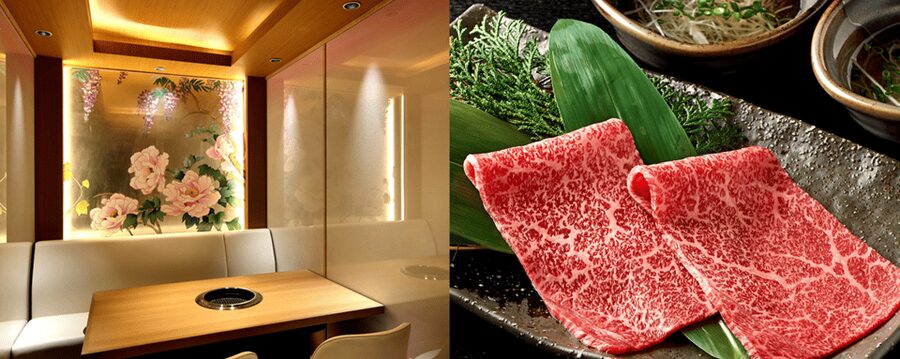
The tongue is prepared as grilled shabu-shabu, a method that suggests brief cooking and a delicate bite. It is also one of the dishes that can help break up the heavier marbling of the premium steaks.
The menu includes Wagyu sinew stew as well. That course is useful because it brings a slower, savory comfort to a meal otherwise centered on prized cuts. The stew was also singled out as especially enjoyable, showing that the kitchen is not relying only on expensive beef to carry the evening.
For the grill courses, pay attention to the seasoning choices. Fresh wasabi with skirt steak gives you a bright, direct accent. Truffle salt with chateaubriand takes the dish in a more luxurious direction. The restaurant’s approach is to make each cut feel distinct instead of covering everything with the same sauce.
Rare ingredients from Oita and the Oki Islands
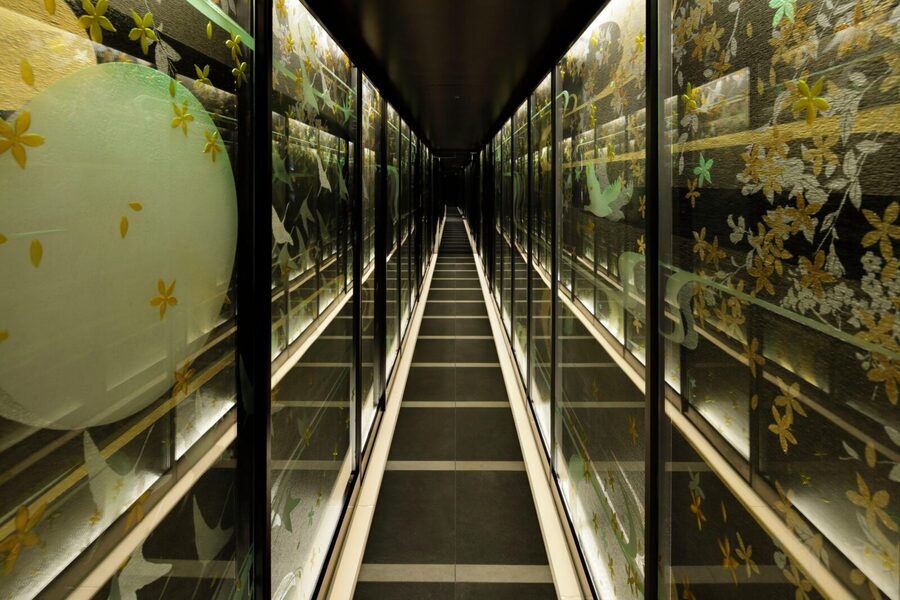
Nikunone adds regional ingredients that make the meal more than a parade of beef.
The menu highlights Dragon Eggs from Oita and algae salt rice from the Oki Islands. The provided course descriptions do not identify exactly which course contains each item, so you should ask the staff when the dish arrives. That small question can make an unusual ingredient easier to appreciate.
The Oki Islands algae salt is particularly interesting because it connects the meal to Japan’s coastal food culture. Salt is a simple seasoning, but a specialty salt can change how you notice the beef and rice. The Dragon Eggs from Oita add another rare ingredient to the menu, giving you something to look forward to beyond the standard yakiniku vocabulary.
Sea urchin appears in the Miyazaki beef sashimi, the Kinzakura hand-roll, and one of the possible final meal courses. Caviar appears with Wagyu sushi and, in the Kinzakura menu, arrives in a small bottle for use throughout the meal.
These additions also explain part of the price. You are paying for premium beef, but also for seafood, specialty seasonings, carefully arranged courses, private seating, and table service.
Private rooms and service
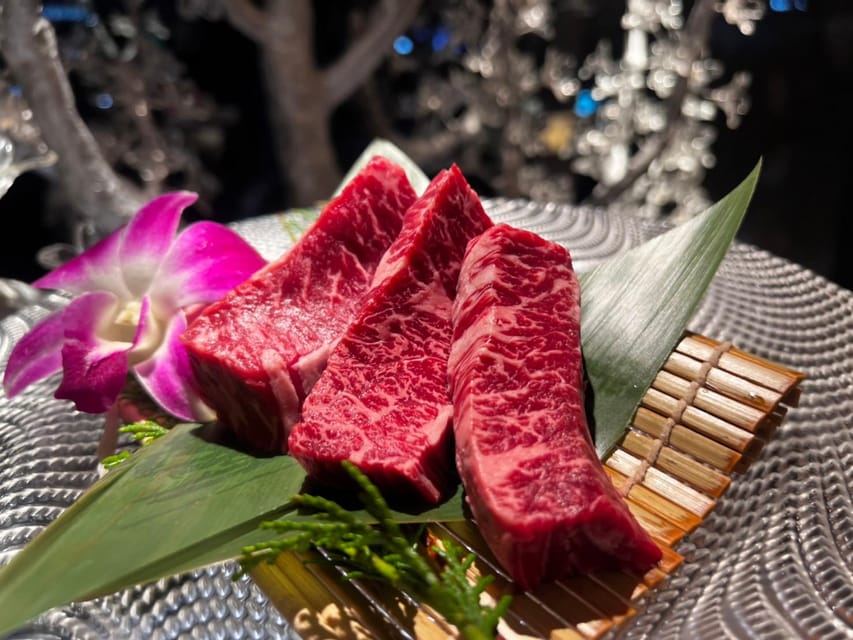
The private-room format is one of Nikunone’s strongest features. You do not book a guided walk through Tokyo or a cooking lesson. You reserve a table and enter the restaurant directly, where the staff handles the meal.
That distinction is important. If you want a host explaining Tokyo food culture throughout the evening, this is not that kind of experience. If you want a quiet dinner with attentive service and room to focus on the food, it is a better fit.
Service is described as polite, professional, and attentive without becoming intrusive. Each course is explained with care, which helps when the menu includes unfamiliar cuts, rare ingredients, and several different grilling methods.
The rooms are inspired by Japan’s four seasons. The supplied information does not guarantee a specific room theme, and specific seat types cannot be guaranteed, so you should treat the seasonal design as part of the general atmosphere rather than request a particular room.
The two-hour limit also shapes the meal. You have enough time for a full course, but this is not a place to linger for an open-ended evening. Arrive at your reserved time and expect a steady progression of dishes.
Price, timing, and who gets the best value
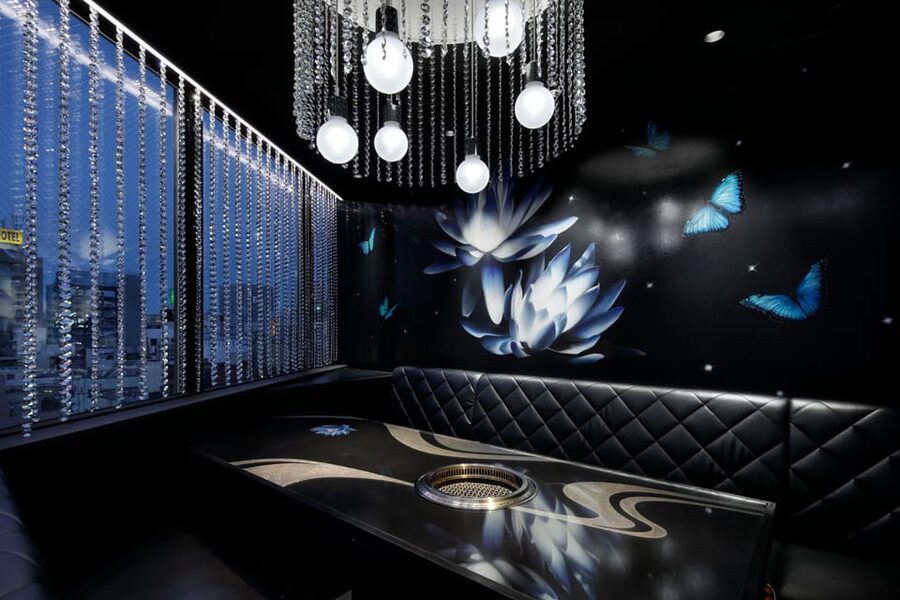
At $113 per person, the experience sits firmly in the luxury dining category. The price includes the selected full course, sales tax, and the reservation, but not other personal expenses.
The value is strongest when you want a memorable meal built around Japanese Wagyu rather than the lowest possible price per bite. A full course with premium beef, a welcome drink, private seating, specialty seafood, and dessert is a different proposition from ordering a few plates at a neighborhood yakiniku restaurant.
I would choose the Nikunone Course if you want a substantial Wagyu dinner and like the idea of keeping the meal focused. I would choose Kirameki if you want the best spread of beef, seafood, steak, and finishing options. I would save Kinzakura for a birthday, anniversary, or once-in-a-trip splurge.
This experience suits food-focused couples, diners celebrating a milestone, and anyone curious about high-end Wagyu preparations. It may not suit you if you dislike rich food, want a casual meal, or prefer to choose every plate and cook at your own speed.
Reservations are important because the restaurant can fill up. You can cancel up to two days in advance for a full refund, which gives you some flexibility when arranging a Tokyo schedule.
Getting there and practical details
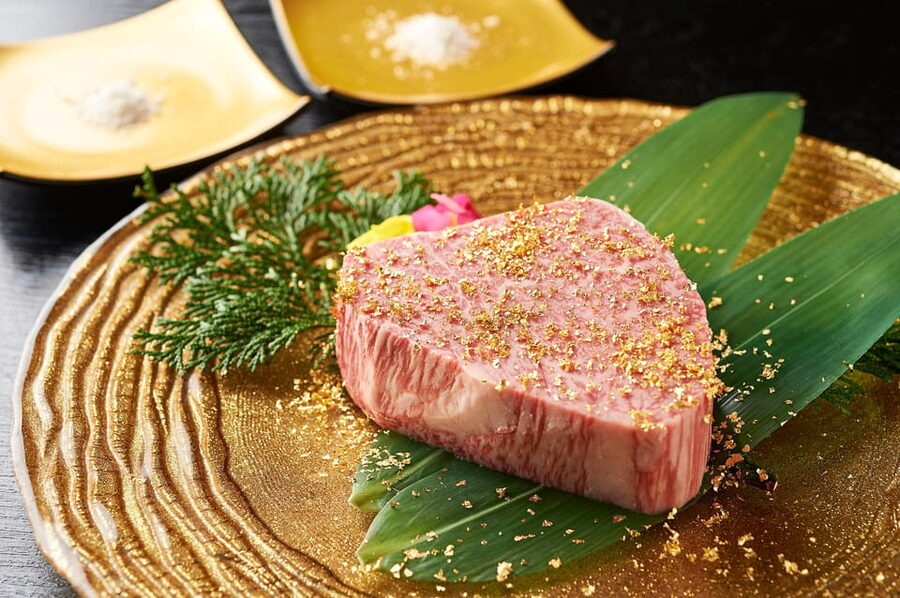
The meeting point is across from Lawson Gran Customa. This is not a meeting point for a guided group, however. At your reservation time, enter the restaurant directly.
The meal lasts two hours, and the seats are held for a maximum of two hours. Check the available starting times when booking, then leave enough space in your schedule to arrive promptly.
The restaurant is wheelchair accessible. If you have dietary restrictions, add a comment during checkout so the restaurant can prepare appropriately. The information does not promise that every request can be met, so give clear details in advance.
Japan’s legal drinking age is 20. The courses include welcome drinks, and Kinzakura includes two drinks with fruit champagne available, so make sure every drinking diner meets the age requirement.
The photos are for reference only, and specific seat types cannot be guaranteed. In practical terms, book for the menu and private-room setting, not for a particular pictured table or decorative detail.
Should you book Yakiniku Nikunone?
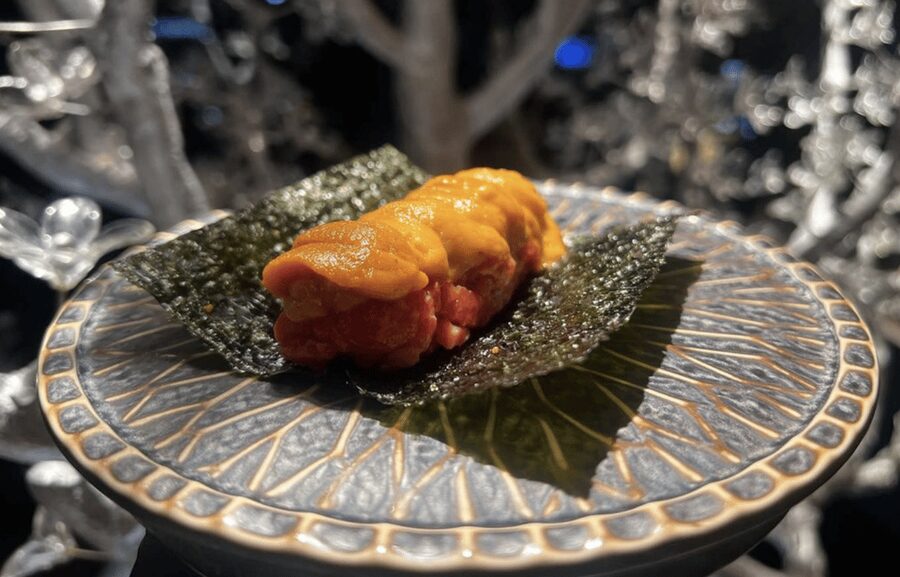
Book it if you want a polished Wagyu dinner with private seating, a fixed course, and unusual extras such as sea urchin, caviar, truffle salt, and regional ingredients. The service and calm atmosphere make it especially well suited to a special night.
Choose your course carefully. Kirameki is the safest all-round pick for first-time diners who want variety. Nikunone is a sensible value choice within this luxury setting, while Kinzakura is for the biggest celebration and the fullest caviar experience.
Skip it if $113 feels too high for dinner, if you want an informal grill-your-own meal, or if you need a guide to explain Tokyo’s food culture. For the right occasion, though, Nikunone offers a clear sense of ceremony without turning the meal into a performance.
FAQ
Is Yakiniku Nikunone a guided tour?
No. This is a restaurant reservation only. You enter the restaurant directly at your reserved time, and no guide is provided.
How long does the experience last?
The dining experience lasts two hours. Seats are reserved for a maximum of two hours.
How much does the experience cost?
The listed price is $113 per person.
What does the price include?
The price includes the selected full course, sales tax, and the restaurant reservation. Other personal expenses are not included.
Are drinks included?
All three courses include a welcome drink. The Nikunone and Kirameki courses include one drink, while the Kinzakura Course includes two drinks, with fruit champagne available.
What is included in the Nikunone Course?
It includes 12 dishes, one drink, kimchi and namul, Wagyu sinew stew, salad, tongue grilled shabu-shabu, special salted cuts, chestnuts grilled shabu-shabu, marinated lean meat, two pieces of grilled Wagyu sushi, and yuzu sorbet.
What is included in the Kirameki Course?
It includes 14 dishes, one drink, Miyazaki beef sashimi with sea urchin, grilled Wagyu sushi with caviar, tongue, skirt steak with fresh wasabi, special salted cuts, marinated lean meat, a choice of sirloin or rump steak, a choice of cold noodles or Wagyu ochazuke, and dessert.
What is included in the Kinzakura Course?
It includes 14 dishes, two drinks, hand-roll sea urchin tartar sushi with caviar, chateaubriand with truffle salt, special salted cuts, chuck flap grilled sukiyaki, a selected Wagyu steak sandwich, a choice of cold noodles or grilled Wagyu sushi with sea urchin, dessert, and a small bottle of caviar.
Can I request a particular private room or seat?
Specific seat types cannot be guaranteed. The private rooms are inspired by Japan’s four seasons.
Is the restaurant wheelchair accessible?
Yes, the experience is listed as wheelchair accessible.
What if I have dietary restrictions?
Leave a comment about your dietary restrictions during checkout. The restaurant will receive the information before your reservation.
New on our Tokyo list
- Sumi-e Experience in a relaxing green tea shop in Tokyo★ 5.0 · 3 reviews
- Tokyo : Kamikaze Street Drift Ride★ 5.0 · 3 reviews
- Private Zen Meditation in English in Shinjuku, Tokyo★ 5.0 · 3 reviews
- Onsen Spa in Tokyo and Asakusa Bar Hopping with Local Guide★ 5.0 · 3 reviews
- Easy for everyone! Now you can play handmade mini shamisen and show off to everyone! Musical instruments, sweets and live music★ 5.0 · 3 reviews
- Tokyo: Private Tsukiji Street Food & Sake with Local Guide★ 5.0 · 3 reviews
- Mt Fuji Exploration Tour with Free Japanese Kusa Mochi from Tokyo★ 4.5 · 3 reviews
- Tokyo Tsukiji Fish Market Walking and Exploring Hidden Gems Tour★ 5.0 · 3 reviews
Tokyo Food Tours, compared.
Shinjuku Food Tour (13 Dishes at 4 Local Eateries)
Read our review →
Shinjuku Food Tour (15 Dishes and 4 Eateries)
Read our review →
Best of Shinjuku: Izakaya Food Tour (4 Stops, 14+ Tastings)
Read our review →
Tokyo Night Foodie Tour in Shinjuku – Seasonal Sushi, Wagyu Beef
Read our review →
Eat and Drink Like a Local: Tokyo Ueno Food Tour-Taverns&Ramen
Read our review →
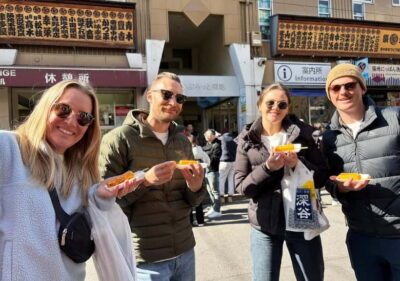
Tsukiji Fish Market: Street Food & Culture Walking Tour
Read our review →Shinjuku Food Tour – 15 Dishes, 3 Drinks, 4 Eateries
Read our review →Browse the lists this tour appears in