
Reviewed · TOKYO FOOD TOURS
Tokyo Food Tour: The Past, Present and Future 11+ Tastings
Tokyo’s food story makes more sense when you follow it across the city. This 11-plus tasting tour moves from old Nihonbashi shops to railway-side noodle stalls and then into Akihabara’s youth-focused food culture. You get more than a string of snacks: each stop explains how ingredients, work culture, gift-giving, trains, and advertising shaped what people eat.
I like the clear past, present, and future design, and I like the small maximum of eight people. Guides such as Paiva and Miko have been praised for adding useful cultural context, not just pointing out the next bite. The main drawback is the pace: you walk about 6.5 kilometers, use subway stairs, and need to keep moving with the group.
In This Review
- Key points to know before booking
- Tokyo food as a timeline, not just a tasting list
- Nihonbashi: where the food lesson starts with dashi
- Two short subway rides and the practical side of the route
- Tokyo Station: fruit sandwiches and the culture of gifts
- Yurakucho: eating like a salaryman under the tracks
- Akihabara: traditional snacks with a modern sales pitch
- What 11-plus tastings are worth at $164
- Guides, language, and the feel of the day
- Who should book this Tokyo food tour?
- FAQ
- How long does the Tokyo food tour last?
- How many food tastings are included?
- Where does the tour start?
- Where does the tour finish?
- Are subway fares included?
- Is the tour suitable for wheelchair users or people with limited mobility?
- Can vegetarians or vegans join?
- Should you book it?
Key points to know before booking
- 11-plus tastings across four Tokyo areas: Try traditional ingredients and sweets in Nihonbashi, modern comfort food near Yurakucho, a fruit sandwich at Tokyo Station, and marketed snacks in Akihabara.
- A food tour with a story: Dashi, katsuobushi, kelp, salaryman dining, gift culture, bullet trains, anime culture, and food advertising all fit into one route.
- Small groups or private guiding: Shared tours are limited to eight people, while a private option suits anyone who needs a slower or more flexible pace.
- Two subway rides are not included: Bring money or a transit card for the short metro journeys.
- Plan for a serious walk: Comfortable shoes matter. The route is not suitable for wheelchair users, vegetarians, vegans, or people with mobility impairments.
- The best fit is a curious omnivore: This tour works especially well if you want food, neighborhood context, and a guide who can explain why each dish matters.
Tokyo food as a timeline, not just a tasting list
Many food tours stay in one market or neighborhood. This one uses the city itself as the lesson. You start with old food traditions in Nihonbashi, see how industrial-era working life shaped quick meals around Ginza and Yurakucho, then finish with modern marketing in Akihabara.
That structure gives the day a useful rhythm. The first section is about ingredients and preservation. The middle section is about convenience, office workers, and quick eating. The last part asks how traditional Japanese foods are repackaged for younger people through design, technology, and subculture.
I also appreciate that the tastings are not presented as a parade of famous dishes. You may be eating a small sweet or a cup of amazake, but the guide explains the role that food plays in daily life. By the end, you should have a better sense of why Japanese cuisine relies so heavily on stock, why gift snacks are such a major business, and why railway spaces remain important places to eat.
The tour lasts about 5.5 to 6.5 hours, depending on the schedule and pace. That is a full half-day, so do not book it immediately before a fixed evening reservation unless you leave plenty of room.
More Tokyo food crawls:
- Tokyo: Shinjuku Food Tour (13 Dishes at 4 Local Eateries)
★ 5.0 · 6,603 reviews - Tokyo: Shinjuku Food Tour (15 Dishes and 4 Eateries)
★ 4.9 · 2,033 reviews - Best of Shinjuku: Izakaya Food Tour (4 Stops, 14+ Tastings)
★ 5.0 · 1,863 reviews
Nihonbashi: where the food lesson starts with dashi
The meeting point is at Nihonbashi Subway Station Exit B12. This detail matters because you should remain inside the shopping mall at basement level and wait by the bench on the right. Do not come up to street level looking for the guide.
If you arrive by taxi, ask for Coredo Nihonbashi at 1 Chome-4-1 Nihonbashi. The taxi may leave you at the wrong side of the building, so look for the entrance with the elevator and go down to the basement. The supplied directions include photo guidance, which is worth checking before you leave.
Nihonbashi is the right place to begin because the first tastings explain the building blocks of Japanese cooking. You learn about dashi, the savory stock used in many dishes, along with katsuobushi, or dried bonito, and kelp. These are not flashy ingredients, but they are central to the flavor of soups, sauces, and simmered foods.
The route includes shops with long histories, some more than a century old. You taste kombu tsukudani, kelp simmered in a sweet-savory mixture, along with amazake, a mildly sweet fermented rice drink. You also try imo kenpi, crisp sweet potato chips, and daifuku mochi with a sweet filling.
This is one of the strongest parts of the experience for anyone who wants context. A snack shop can look like a quick stop, but the guide connects its products to preservation, seasonal eating, and Japanese gift customs. You are not simply told that something is traditional. You get a reason for its staying power.
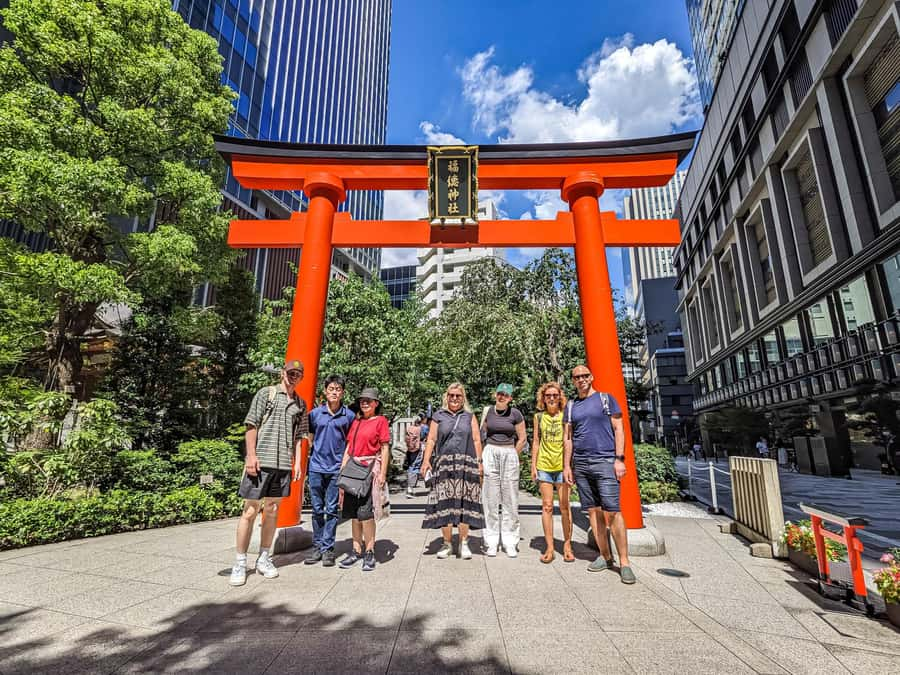
A shrine visit adds a cultural pause to the food stops. The information provided does not name the shrine, so do not book this expecting a particular landmark. The point is the setting and the chance to see how food, daily ritual, and neighborhood life overlap.
The Nihonbashi section lasts about 105 minutes. That gives you enough time for several tastings and explanations, but the number of stops means you should avoid lingering too long at any one shop.
Two short subway rides and the practical side of the route
The tour uses public transportation between districts. There are two short subway rides, listed at about 15 minutes and 10 minutes, and you pay those fares yourself.
Tokyo’s subway stations often involve stairs, corridors, and quick changes of direction. The tour notes that group participants need to walk at a reasonable pace and handle a large number of subway stairs. This is not a casual stroll with long breaks.
I would carry a small towel and a reusable water bottle, both specifically recommended for the tour. Wear shoes you can trust for several hours. Comfortable clothes will help, especially if the day is warm or rainy.
The tour runs rain or shine. Food stops may be indoors, but the walking between them is part of the experience. Check the forecast, then bring suitable rain protection rather than assuming bad weather will cancel the outing.
Tokyo Station: fruit sandwiches and the culture of gifts
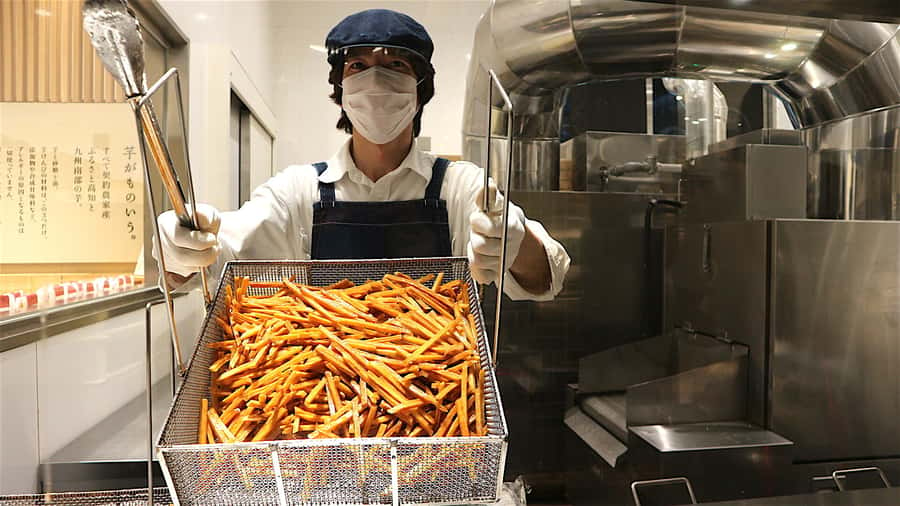
The next major stop is Tokyo Station, where the subject changes from basic ingredients to food as a social and commercial product. You learn about Japanese gift-giving culture while tasting a fruits sando, a soft milk bread sandwich filled with fresh fruit and whipped cream.
This is a smart choice for the route because the fruit sandwich looks simple but says a great deal about presentation. The clean layers, soft bread, and careful packaging fit Japan’s gift and convenience-food culture. It is also a useful change after the savory and traditional flavors in Nihonbashi.
The station stop lasts about an hour and includes sightseeing, food, and guiding. The connection to the shinkansen, or bullet train, adds another layer. Tokyo Station is not only somewhere to catch a train. It is also a major place to buy food for a journey or a gift for someone waiting at home.
That context helps explain why Japanese railway food is often packaged so carefully. A boxed meal or sweet may be bought for a long trip, a colleague, or a family member. Food becomes part of the etiquette of departure and arrival.
You walk for about 15 minutes between Tokyo Station and Yurakucho. This section is not just a transfer. It moves you from the formal station environment toward the railway-side dining areas used by office workers.
A few more Tokyo bookings worth comparing
- Mt Fuji and Hakone 1-Day Bus Tour Return by Bullet Train
★ 5.0 · 26,383 reviews - 1-Day Tokyo Bus Tour
★ 5.0 · 14,250 reviews - Tokyo: TOKYO SKYTREE® Admission ticket
★ 4.5 · 11,192 reviews - Tokyo: teamLab Planets TOKYO Digital Art Museum Entry Ticket
★ 4.6 · 9,779 reviews
Yurakucho: eating like a salaryman under the tracks
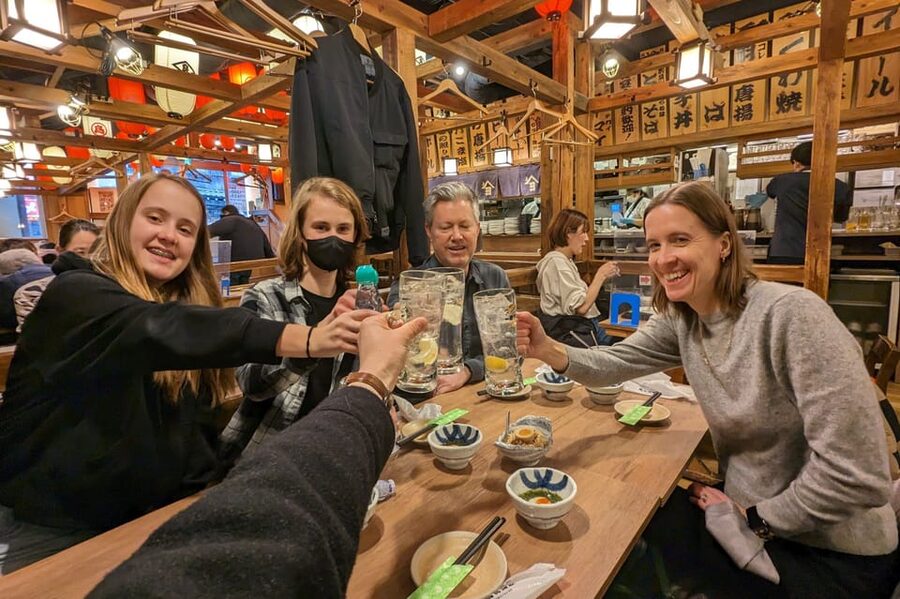
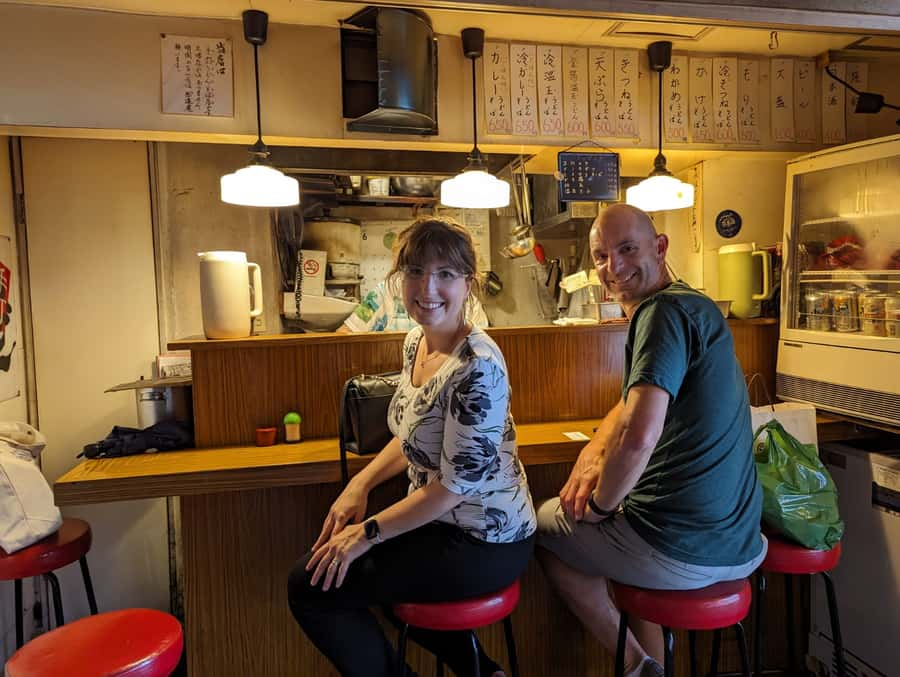
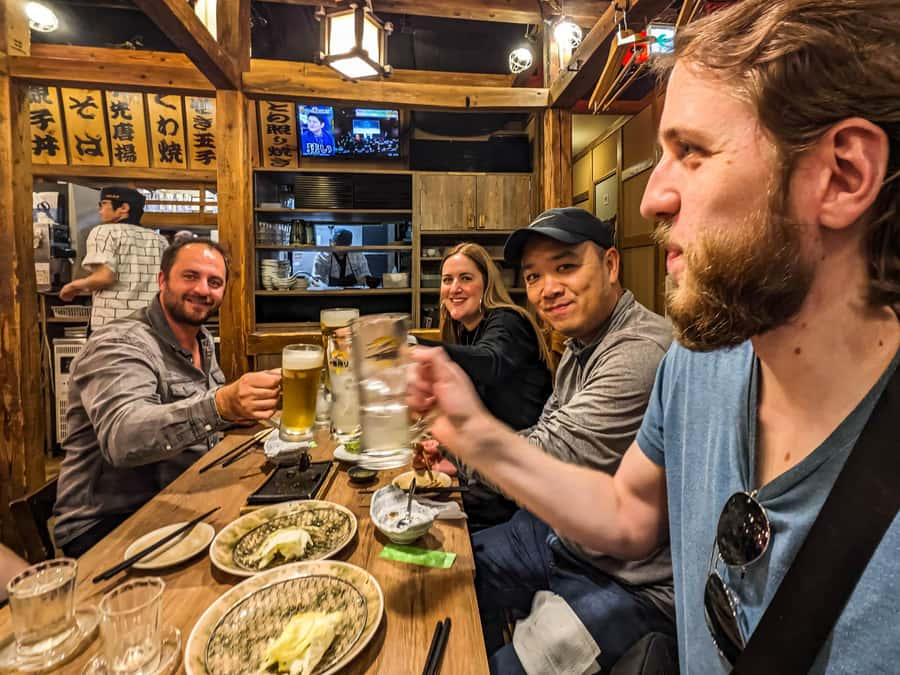
In Yurakucho, the tour shifts to the present day and the habits of Japan’s salarymen, the white-collar workers whose work lives helped shape Tokyo dining. The setting is casual: izakayas and noodle stalls tucked under or beside the railway tracks.
You taste common chicken dishes, drink one Japanese alcoholic beverage known as a sour, and eat curry udon. The curry udon is especially useful as a cultural marker. It combines noodles, soup, and curry in a filling dish that reflects the practical, mixed influences of modern Japanese comfort food.
The railway-side setting gives this part a different feel from the polished shops of Nihonbashi and Tokyo Station. You see how location and working life affect food choices. A quick meal near the office needs to be affordable, filling, and easy to share with colleagues.
The atmosphere may be lively and close-packed, but the provided details do not promise a particular restaurant or seating arrangement. If you need a quiet meal, extra personal space, or a long time at the table, a private tour may be the safer choice.
This is also the point where dietary restrictions matter most. The tour is not suitable for vegetarians or vegans, and the tasting plan is built around foods that may include meat and alcohol. Anyone avoiding alcohol should ask the provider in advance rather than assume a substitute is available.
Akihabara: traditional snacks with a modern sales pitch
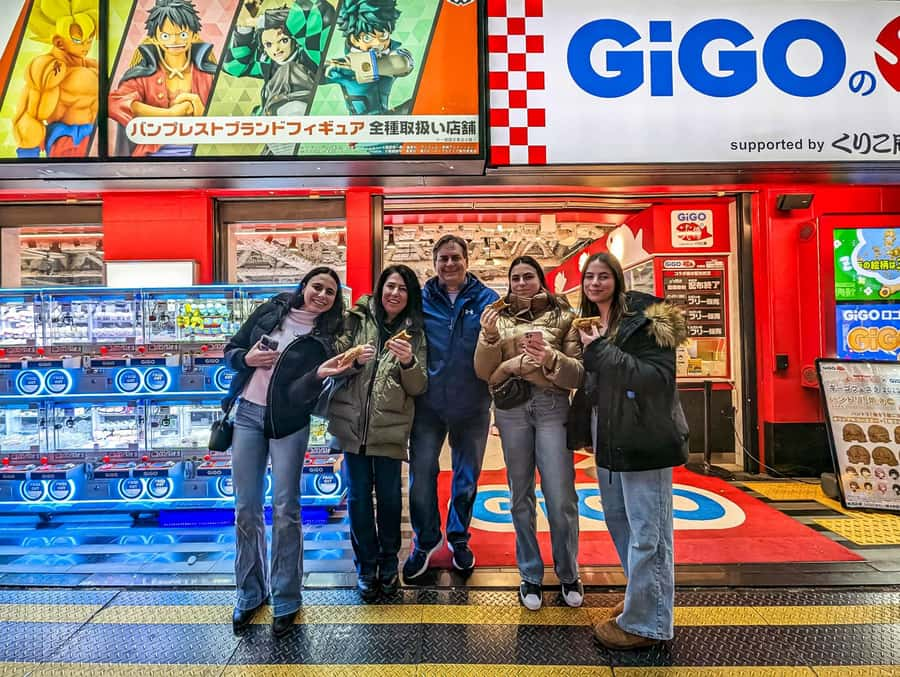
After another short subway ride, the route reaches Akihabara. Here the theme turns toward the future, with electronics, anime culture, and new ways of presenting familiar Japanese snacks.
The tastings in this section focus on traditional foods marketed to younger generations. The important part is not only what you eat, but how the product is presented. Akihabara provides a fitting backdrop for a discussion about technology, new ideas, and subcultures entering everyday Japanese life.
This section should appeal to anyone interested in branding and popular culture. A traditional snack can remain relevant by changing its packaging, image, or audience. Akihabara shows how food can be sold as part of an identity, not simply as something to eat.
Dessert appears here, along with more local snacks. The exact products can vary, so treat the number of tastings as a promise of variety rather than a fixed menu. Food tours depend on shop hours and availability, and the information provided does not guarantee named brands or specific items at every stop.
The tour finishes at Akihabara Station according to the route details. Another note says the activity ends back at the meeting point, so confirm the final location when you book. Either way, you should not plan on returning to your hotel with the guide unless you have arranged an optional private hotel meeting service.
What 11-plus tastings are worth at $164
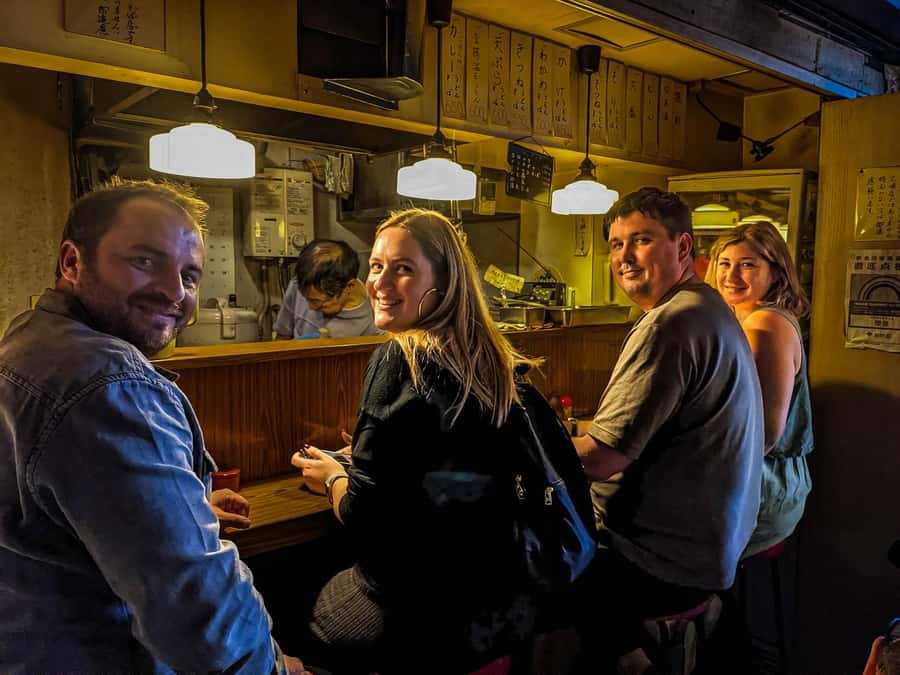
The price is $164 per person. That is not a cheap snack crawl, but the value depends on how much you want from a guide.
You receive 11 or more tastings, one alcoholic drink, and roughly six hours of guiding across several districts. The price also covers the work of organizing stops, explaining unfamiliar foods, managing public transportation, and connecting each neighborhood to a larger food story.
If you only want to eat, you can spend less by visiting shops on your own. Tokyo makes that easy in many areas. But independent browsing will not automatically give you the explanation of dashi, the history of preserved foods, the role of salarymen, or the meaning of gift snacks at a railway station.
The small group limit improves the value. With no more than eight people, you have a better chance of hearing the guide and asking questions than you would on a large bus-style food tour. A private option costs more according to the selected booking, but it makes sense for families or anyone who needs a slower pace.
Remember to budget separately for the two subway rides. Hotel pickup and drop-off are not included unless you book a private option with hotel meeting. If you choose hotel pickup, provide the hotel name and address and wait in the lobby 10 minutes before the start time.
Free cancellation is available up to five days in advance for a full refund. The tour needs at least two bookings to operate, so a solo booking could be canceled and refunded if no one else signs up.
Guides, language, and the feel of the day
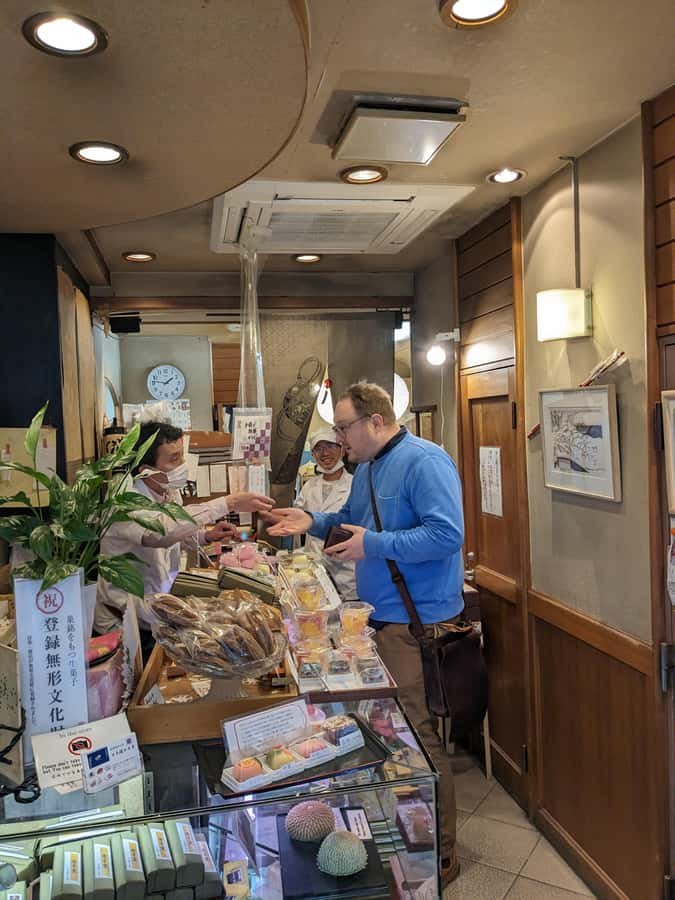
Guiding is available in English, Japanese, and Portuguese. Paiva and Miko are named as guides associated with the experience, and both have received especially strong praise for adding cultural explanation to the food.
That matters because this route crosses several districts and food settings. A good guide needs to explain what you are eating, keep the group moving through stations, and make sense of changes between old shops, office dining, and Akihabara marketing.
The group format is social by nature. You will be walking, sharing public spaces, and eating at places that may not be designed for long private meals. If you prefer to ask many questions or stop for photos, a private tour gives you a better chance to set the tempo.
The tour requires a minimum of two bookings. If you are traveling alone, keep that condition in mind before arranging your entire day around it.
Who should book this Tokyo food tour?
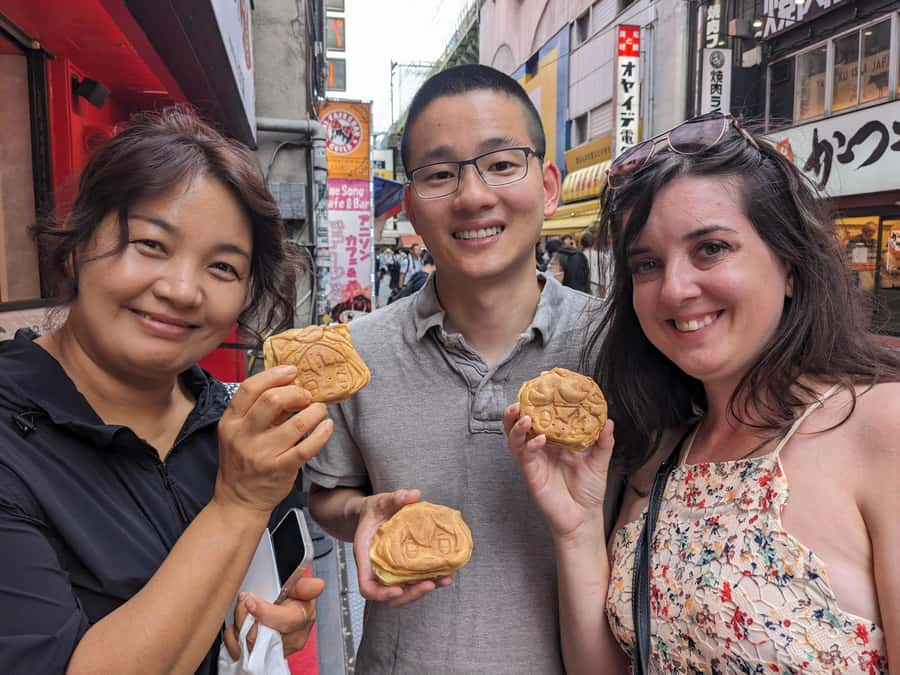
I would choose this tour if you want a guided introduction to Japanese food culture rather than a checklist of famous dishes. It is especially suitable for first-time visitors who want to see several central Tokyo districts while eating their way through a clear theme.
It also suits repeat visitors who have already seen the major sights and want a more focused look at everyday food. Nihonbashi, Yurakucho, Tokyo Station, and Akihabara each show a different side of the city.
You should think twice if you dislike walking, stairs, public transit, crowded dining spaces, or group schedules. The 6.5-kilometer route is manageable for an active person, but it is not wheelchair friendly and is not suitable for people with mobility impairments.
The food plan also rules it out for vegans and vegetarians. The inclusion of a sour and chicken dishes makes it better suited to people who eat meat and are comfortable with alcohol.
FAQ
How long does the Tokyo food tour last?
The tour lasts about 5.5 to 6.5 hours. Starting times vary, so check availability for the date you want.
How many food tastings are included?
The experience includes 11 or more foodie tastings, covering traditional sweets, snacks, modern comfort food, dessert, and other local foods. One alcoholic drink is also included.
Where does the tour start?
The stated meeting point is Nihonbashi Subway Station Exit B12. Stay inside the shopping mall at basement level and wait by the bench on the right rather than going up to street level.
Where does the tour finish?
The route details name Akihabara Station as the finishing point. Another activity note says the tour ends back at the meeting point, so confirm the final drop-off location when booking.
Are subway fares included?
No. You take two short subway rides during the tour, and you must pay those fares yourself.
Is the tour suitable for wheelchair users or people with limited mobility?
No. The route involves about 6.5 kilometers of walking and many subway stairs. It is not suitable for wheelchair users or people with mobility impairments.
Can vegetarians or vegans join?
The tour is listed as unsuitable for both vegetarians and vegans. The tastings include chicken dishes and other foods that may not fit those diets.
Should you book it?
Book this experience if you want Tokyo food explained through place and time. The strongest feature is the progression from Nihonbashi’s dashi and preserved foods to Yurakucho’s salaryman meals and Akihabara’s modern snack marketing.
At $164, it is a substantial spend, but the long route, 11-plus tastings, guide, and small group size give it a reasonable case for value. Choose the private option if stairs and pace are concerns. If you want a relaxed, single-neighborhood food crawl, this is probably too long and active. If you want a practical, food-centered look at how Tokyo eats, it is a well-shaped half-day.
New on our Tokyo list
- Sumi-e Experience in a relaxing green tea shop in Tokyo★ 5.0 · 3 reviews
- Tokyo : Kamikaze Street Drift Ride★ 5.0 · 3 reviews
- Private Zen Meditation in English in Shinjuku, Tokyo★ 5.0 · 3 reviews
- Onsen Spa in Tokyo and Asakusa Bar Hopping with Local Guide★ 5.0 · 3 reviews
- Easy for everyone! Now you can play handmade mini shamisen and show off to everyone! Musical instruments, sweets and live music★ 5.0 · 3 reviews
- Tokyo: Private Tsukiji Street Food & Sake with Local Guide★ 5.0 · 3 reviews
- Mt Fuji Exploration Tour with Free Japanese Kusa Mochi from Tokyo★ 4.5 · 3 reviews
- Tokyo Tsukiji Fish Market Walking and Exploring Hidden Gems Tour★ 5.0 · 3 reviews
Tokyo Food Tours, compared.
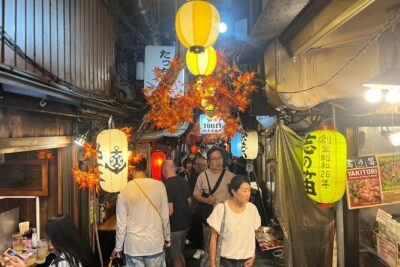
Shinjuku Food Tour (13 Dishes at 4 Local Eateries)
Read our review →
Shinjuku Food Tour (15 Dishes and 4 Eateries)
Read our review →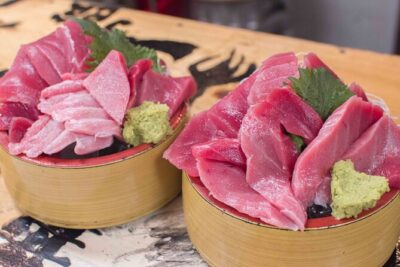
Best of Shinjuku: Izakaya Food Tour (4 Stops, 14+ Tastings)
Read our review →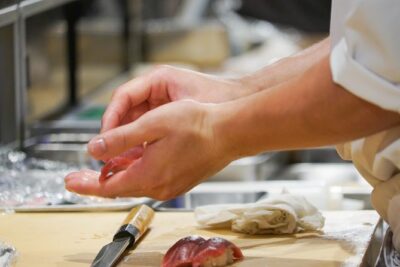
Tokyo Night Foodie Tour in Shinjuku – Seasonal Sushi, Wagyu Beef
Read our review →
Eat and Drink Like a Local: Tokyo Ueno Food Tour-Taverns&Ramen
Read our review →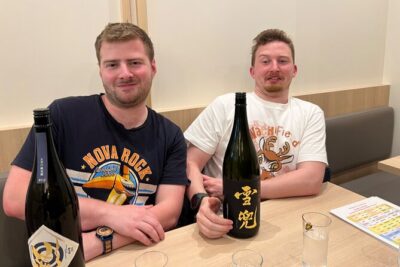
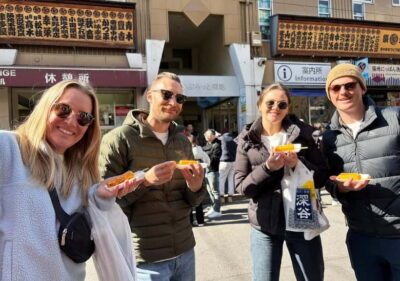
Tsukiji Fish Market: Street Food & Culture Walking Tour
Read our review →Shinjuku Food Tour – 15 Dishes, 3 Drinks, 4 Eateries
Read our review →Browse the lists this tour appears in