Reviewed · GUIDED
Tokyo: Guided Exploration with a Private Driver
Tokyo is too large for a tidy sightseeing route, but a private car helps you cover a great deal in one day. This tour links Meiji Shrine, Shibuya Crossing, Tokyo Tower, Tsukiji Outer Market, and Akihabara without asking you to master several train lines first.
I like the door-to-door setup and the chance to shape the day around your group. The flat $419 group price can be fair for up to six people, especially when you share the cost. The drawback is the ambitious schedule: fitting every listed stop into 10 hours may leave some visits short, and guide communication can vary.
In This Review
- Key points at a glance
- What a private Tokyo day really gives you
- Meiji Shrine begins the day on a quieter note
- Shibuya Crossing gives you Tokyo’s famous rush
- Tokyo Skytree and Tokyo Tower offer two different views
- Ueno Park and the Tokyo National Museum need careful timing
- Tsukiji Outer Market is the practical lunch break
- Akihabara brings electronics, games, and pop culture
- The Imperial Palace adds central Tokyo history
- The first and last stops are less clear
- Guide quality matters more on a packed schedule
- Is $419 good value for your group?
- Who should book this private day?
- Final call: book it for coverage, not a slow day
- FAQ
- How long is the Tokyo private driver tour?
- How much does the experience cost?
- Where can pickup and drop-off take place?
- Is hotel pickup included?
- How many people can join the private group?
- What type of vehicle is provided?
- Are entrance fees included?
- Which languages are available?
- Is the tour wheelchair accessible?
- What should I bring?
Key points at a glance
- A full Tokyo circuit: The route reaches famous sights in Shibuya, Asakusa, Ueno, Tsukiji, Marunouchi, and Akihabara.
- Private transport for up to six: You ride together in a modern, clean, air-conditioned vehicle instead of splitting up on trains.
- Strongest for first-time visitors: The tour gives you a quick overview of Tokyo’s major districts in one long day.
- Lunch at Tsukiji Outer Market: You have about an hour to see the market and eat, with cash worth carrying.
- Pickup flexibility: Hotel pickup and drop-off are available in Tokyo or Hakone.
- Plan your priorities: Entrance fees are extra, and the schedule is packed enough that you may need to choose between depth and coverage.
What a private Tokyo day really gives you
Tokyo rewards independent exploring, but its size can make a first day feel like a geography exam. A private driver removes some of that friction. You can leave your hotel, settle into an air-conditioned vehicle, and move between districts without hauling bags through stations or checking every transfer.
You also get a private group rather than a large coach party. That matters if you are traveling with family, older relatives, or friends who want to move at their own pace. The vehicle fits up to six people, so the per-person cost drops to about $70 when the group is full. For two people, the same tour costs about $210 each, which is harder to justify unless convenience matters more than saving money.
The tour includes fuel, highway tolls, private transport, hotel pickup, and hotel drop-off. You pay entrance fees separately. That keeps the headline price clear, but you should bring extra money if you want paid access at Tokyo Skytree, Tokyo Tower, the Tokyo National Museum, or any other ticketed site.
The schedule is not a slow cultural walk. It is a broad survey of Tokyo, with photo stops, guided visits, short walks, shopping, and lunch. I would treat it as an orientation day. Use it to see where you want to return later, rather than expecting a detailed visit at every address.
A few more Tokyo bookings worth comparing
- Mt Fuji and Hakone 1-Day Bus Tour Return by Bullet Train
★ 5.0 · 26,383 reviews - 1-Day Tokyo Bus Tour
★ 5.0 · 14,250 reviews - Tokyo: TOKYO SKYTREE® Admission ticket
★ 4.5 · 11,192 reviews
Meiji Shrine begins the day on a quieter note
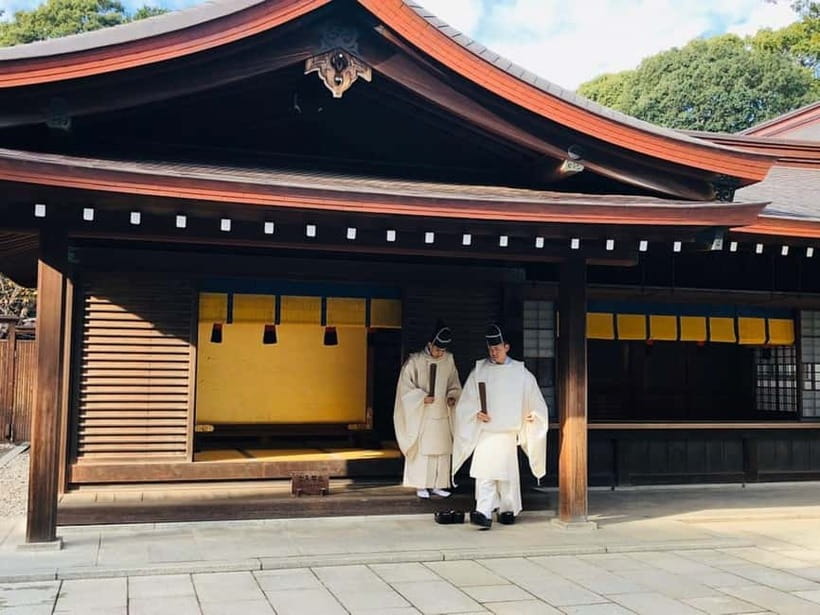
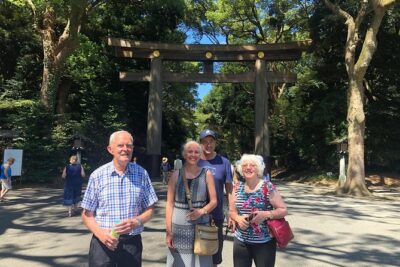
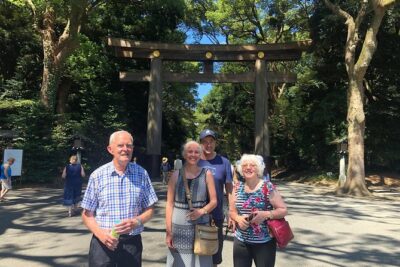
Meiji Shrine offers a calm contrast to Tokyo’s neon and traffic. Dedicated to Emperor Meiji, this Shinto shrine sits within a wooded setting near Harajuku. The listed visit allows about an hour with a guide, enough time to enter the shrine grounds, walk toward the main buildings, and learn the basic customs of a Shinto visit.
This is one of the better stops for a guide because the meaning of the shrine is not always obvious from its gates and broad gravel paths. Your guide can explain how to behave at the entrance, where to bow, and how shrine worship differs from a temple visit.
The timing may change depending on your pickup point and traffic. If Meiji Shrine matters most to you, tell the driver early. The tour is designed as a private outing, so your priorities should shape the day as much as possible.
Shibuya Crossing gives you Tokyo’s famous rush
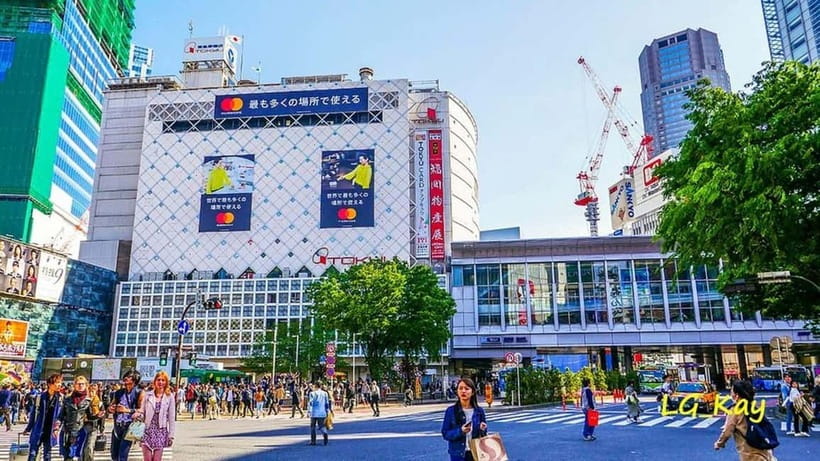
From the calm of Meiji Shrine, the route moves to Shibuya Crossing. You have about 30 minutes for a visit and walk, which is enough to see the crossing in action, take photographs, and get a feel for the surrounding shopping district.
The crossing itself takes only a few minutes to cross, but the point is the view around it. You see a compact picture of modern Tokyo: giant signs, dense pedestrian traffic, department stores, cafés, and streets leading in several directions. This is a quick stop, not a full shopping session.
If you want time in Harajuku or Shibuya’s shops, you will need to say so. The advertised route includes both the shrine and Shibuya, but it does not promise a long shopping break. That is a good example of the central trade-off here: you see many districts, but you cannot explore each one deeply.
Tokyo Skytree and Tokyo Tower offer two different views
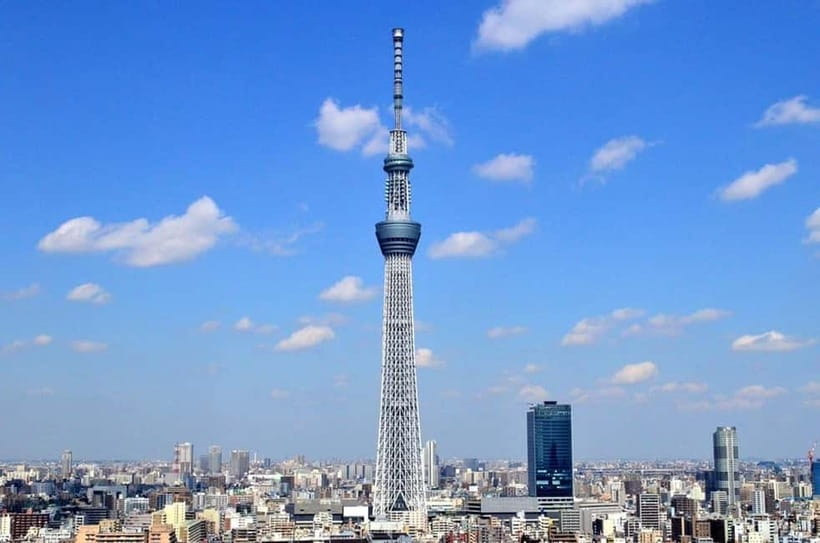
The route includes Tokyo Skytree for about an hour, described as a photo stop and sightseeing visit. Skytree is the taller, newer viewing landmark, with broad views over Tokyo and the surrounding urban area. Since entrance fees are not included, check the cost before deciding to go up.
A separate stop at Tokyo Tower lasts about 40 minutes. Tokyo Tower has a more classic feel and is one of the city’s most recognizable structures. From its observation areas, you get a different angle on the city than you do from Skytree.
Seeing both towers in one day sounds appealing, but it adds pressure to an already full route. If you want to visit an observation deck rather than simply photograph the building, ask how much time is available for tickets and security. A short scheduled stop may work well for exterior photos, but a paid observation visit needs more breathing room.
You might prefer to choose one tower and spend the saved time at another district. Skytree pairs naturally with the Asakusa and Ueno side of the route. Tokyo Tower fits better with central Tokyo and the Imperial Palace. Your driver can help with the order, but you should state your choice clearly.
Same corner of Tokyo, a completely different plan:
- Tokyo: teamLab Planets TOKYO Digital Art Museum Entry Ticket
★ 4.6 · 9,779 reviews - Mt Fuji & Hakone Cruise, Drum Show Bullet Train 1 Day from Tokyo
★ 4.0 · 7,413 reviews - Tokyo: Sumo Show Experience with Chicken Hot Pot and a Photo
★ 4.8 · 6,678 reviews - Tokyo: Shinjuku Food Tour (13 Dishes at 4 Local Eateries)
★ 5.0 · 6,603 reviews
Ueno Park and the Tokyo National Museum need careful timing
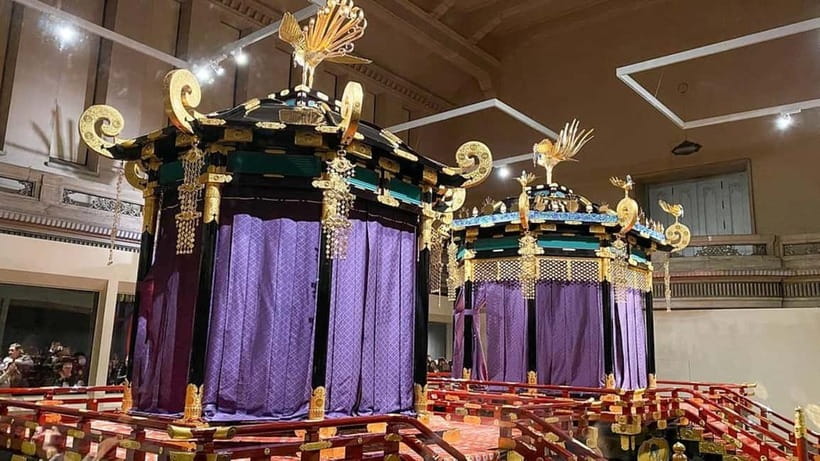
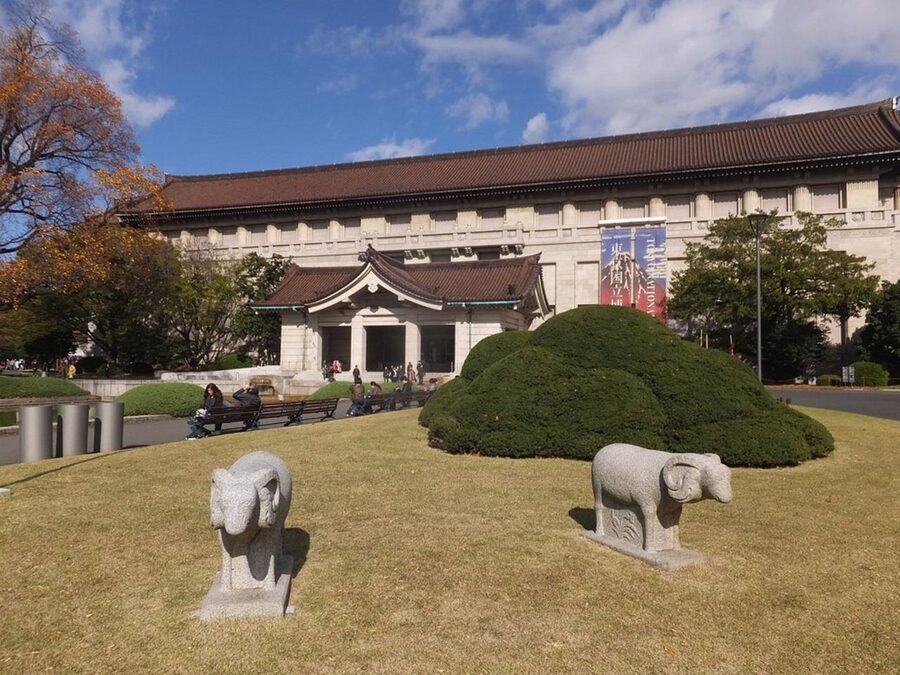
Ueno Park receives about 30 minutes as a photo stop and sightseeing visit. The park gives you a change of pace from commercial streets and high-rise views. It is also the setting for the Tokyo National Museum, which appears later in the schedule with about an hour for a visit and walk.
That one-hour museum slot is enough for a focused look, not a complete survey. The Tokyo National Museum is large, and a first visit can easily stretch well beyond an hour. Ask your guide which galleries make the most sense for your interests. If you care about Japanese art and cultural objects, I would give the museum priority over a second brief photo stop.
The schedule may separate Ueno Park and the museum even though they are connected in the same general area. This is another place where the route benefits from adjustment. You may prefer one solid museum visit rather than rushing through the park and museum separately.
Tsukiji Outer Market is the practical lunch break
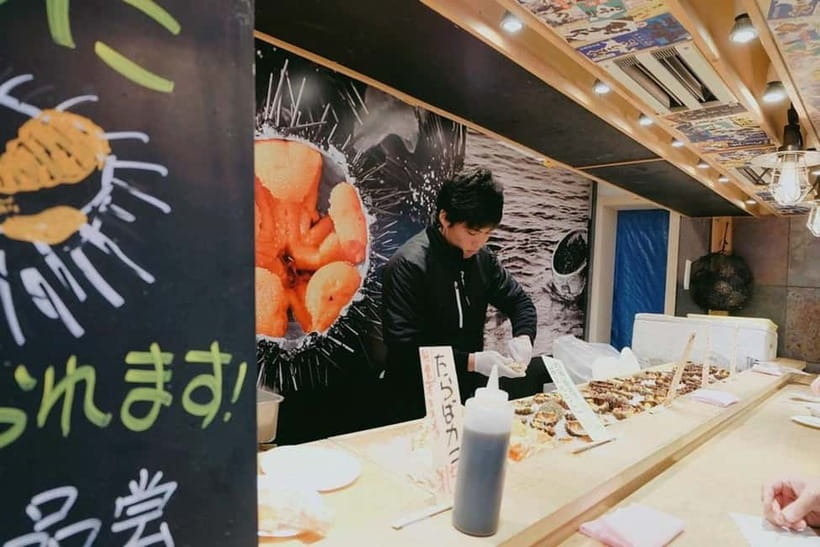
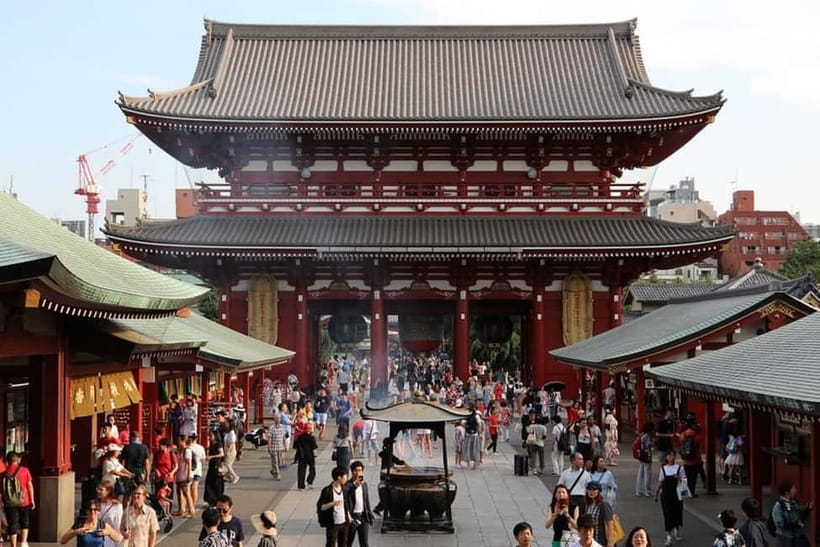
Tsukiji Outer Market is scheduled for about an hour, including lunch and sightseeing. This is one of the most useful stops because it combines food with a working market atmosphere. You can look at seafood shops, prepared foods, kitchen goods, and small eateries, then use the same hour for lunch.
Bring cash. The activity specifically advises it, and small food counters or shops may be easier to handle with yen in hand. Since the tour does not include meals, your food bill is separate.
An hour passes quickly at Tsukiji. I would arrive with a simple plan: first take a short walk, then choose lunch rather than spending the whole break browsing. Tell the driver if food is a major reason for booking the tour. The private format may make it easier to adjust the stop, but the day still has many scheduled sights.
Tsukiji is the kind of place where a guide can make the visit smoother, particularly if you want help choosing between the many food options. Still, do not expect a long market tour. This is a compact introduction with lunch built in.
Akihabara brings electronics, games, and pop culture
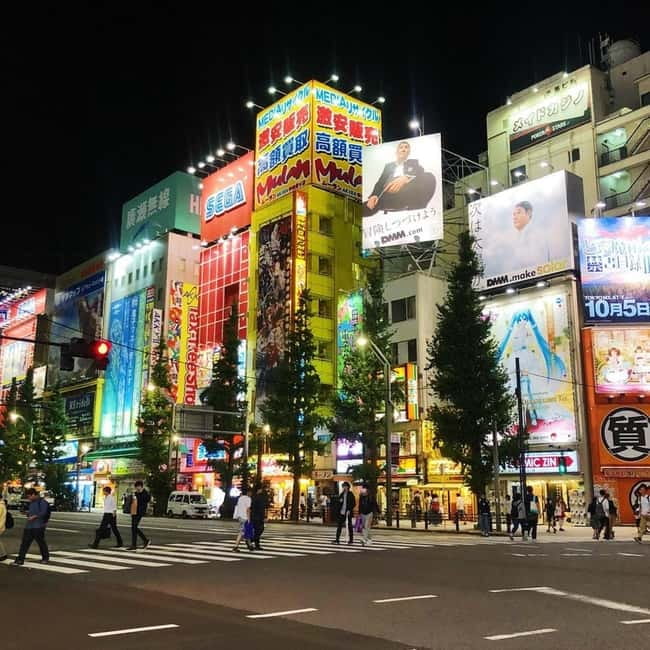
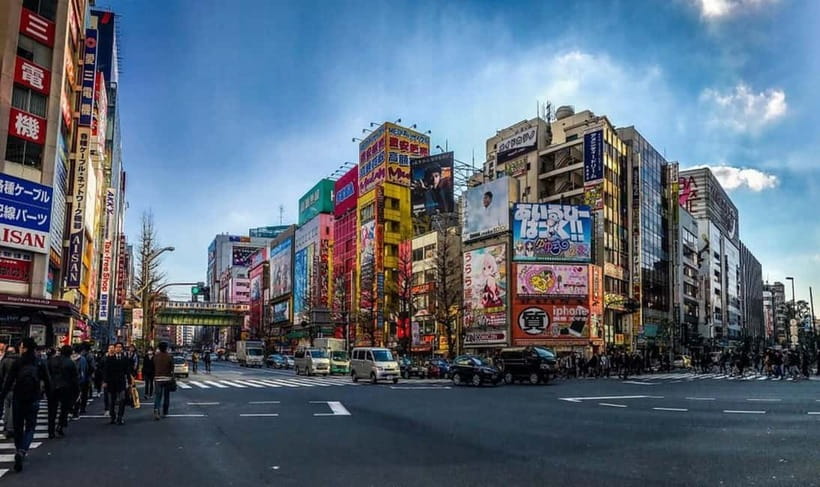
Akihabara receives about 40 minutes for sightseeing, shopping, and walking. The district is known for electronics stores, anime and manga shops, arcades, and Japanese pop culture. Forty minutes lets you look around and make a few purchases, but it is not enough for a serious shopping expedition.
If you have a specific item in mind, tell your driver before arriving. A private car is convenient for carrying purchases, but no shopping assistance is promised. You should also keep your expectations practical: the tour gives you a short taste of Akihabara, not a detailed tour of its specialist stores.
This stop suits first-time visitors who want to see the district as part of a larger Tokyo day. Dedicated fans may want to return independently with several hours free.
The Imperial Palace adds central Tokyo history
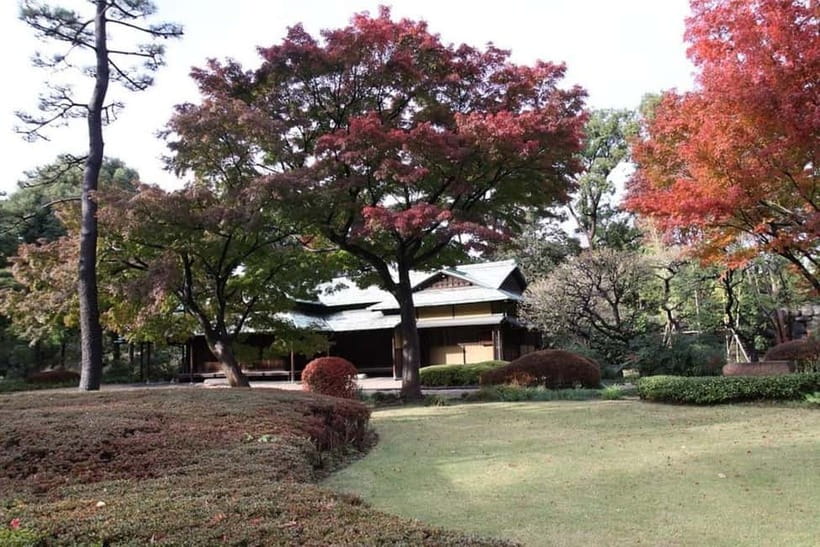
The Tokyo Imperial Palace is listed as a one-hour guided visit. The palace grounds occupy a central position in the city and provide a look at Tokyo’s formal heart, with broad open spaces and historic references amid the modern capital.
Access and sightseeing areas can vary, so the exact experience depends on what is open and how the day is arranged. The supplied details do not promise entry into palace interiors. Think of this as a guided look at the palace area rather than a guaranteed interior tour.
This stop makes sense for visitors who want more than shopping streets and observation decks. It also gives the day a useful change in subject, moving from food, technology, and crowds to Japan’s imperial story.
The first and last stops are less clear
The route begins with two pickup options, Tokyo and Hakone, and ends with the same two drop-off choices. Your driver contacts you before pickup through WhatsApp, text message, or phone call to confirm your location. You should wait outside your hotel at the arranged time.
The information does not specify the unnamed first sightseeing stop or the unnamed one-hour visit later in the day. That makes it important to confirm the exact order before departure. You can ask which locations are included in those open slots and whether they are flexible.
Pickup from Hakone deserves special attention. Hakone and Tokyo are separate bases, and a full-day Tokyo tour from Hakone may involve more road time than starting in central Tokyo. The tour does offer Hakone as a pickup and drop-off option, but you should confirm the planned timing and route before paying.
Guide quality matters more on a packed schedule
The guides are listed as speaking English, Hindi, and Japanese. Named drivers who received strong personal praise include Shamas and Mo. Shamas was described as efficient, punctual, and able to help complete a long personal wish list in one day. Mo was praised for being friendly and well informed.
That is useful evidence of what the best version of this tour can be: a capable driver who manages time, communicates clearly, and adjusts the route to your interests. The private setup gives that person a real role in shaping the day, not simply driving between fixed stops.
You should also be realistic about communication. One booking ended early after a time change caused confusion, and the English communication was reported as poor. Another booking did not include an activity that had been specifically requested. These are serious concerns for a tour that depends on precise timing.
Confirm the pickup time, passenger contact number, must-see stops, and any special requests in writing. If the tour is for someone other than the person who booked it, make sure the driver has that person’s direct contact details. Clear communication before the morning begins can prevent a needless problem.
Is $419 good value for your group?
At $419 for up to six people, the price is easiest to defend with a full group. Six people pay roughly $70 each for 10 hours of private transport, fuel, tolls, hotel transfers, and a driver-guide. That can compare well with arranging several taxis or paying separate fares across Tokyo, especially if your group values staying together.
For three people, the price works out to about $140 each. For two, it is about $210 each. At those levels, I would book only if you want a private vehicle, have limited time, or are traveling with people who would find a long train day tiring.
Entrance fees, food, and shopping are extra. The actual cost can therefore rise if you use both viewing towers, enter the museum, and eat a substantial lunch at Tsukiji. You can keep the day cheaper by treating the towers as photo stops and selecting only the museum or one observation deck.
The strongest value is not the number of included attractions. It is the time saved moving between far-flung parts of Tokyo. The weaker value is the possibility of rushing through places you would rather enjoy slowly.
Who should book this private day?
I would recommend it to first-time visitors who want a broad Tokyo introduction in one day. It also suits families, mixed-age groups, and anyone who prefers a car to crowded stations. A group of four to six gets the clearest financial value.
It is less suitable for museum specialists, serious food explorers, or shoppers who want long stretches in one neighborhood. You may also be disappointed if you expect a deeply explained visit at every stop. The schedule is built for range.
Before booking, make a short priority list. Put your top three sights first, then tell the driver what can be shortened or skipped. I would choose, for example, Meiji Shrine, Tsukiji, and either Skytree or Tokyo Tower, then use the remaining stops as bonuses.
The activity offers free cancellation up to 24 hours before departure and allows you to reserve now and pay later. It is wheelchair accessible, and hotel pickup and drop-off are included. Those are helpful protections, but they do not replace confirming the route and communication details.
Final call: book it for coverage, not a slow day
I would book this tour if I had one free day in Tokyo, a private group of at least four, and a clear need to cover many districts quickly. The efficient experiences associated with Shamas and Mo show how useful the format can be when the driver is punctual, flexible, and easy to understand.
I would hesitate if I were traveling as a couple on a tight budget or if my main goal were a relaxed cultural visit. The packed timetable and occasional communication problems mean you should confirm everything before setting out.
For the best result, carry cash, keep your top priorities short, confirm the pickup time by message, and ask which entrance fees you want to pay. Treat the day as a smart first look at Tokyo, then return by train to the places that deserve more time.
FAQ
How long is the Tokyo private driver tour?
The tour lasts 10 hours.
How much does the experience cost?
The price is $419 per private group of up to six people.
Where can pickup and drop-off take place?
Pickup and drop-off options are listed as Tokyo and Hakone.
Is hotel pickup included?
Yes. Hotel pickup and drop-off are included. Before the scheduled pickup, the driver will contact you by WhatsApp, text message, or phone call, and you should wait outside your hotel.
How many people can join the private group?
The private vehicle and tour are available for a group of up to six people.
What type of vehicle is provided?
You receive private transportation in a modern, clean, air-conditioned vehicle. Petrol, gas, and highway tolls are included.
Are entrance fees included?
No. Entrance fees are not included in the tour price.
Which languages are available?
Live guide support is listed in English, Hindi, and Japanese.
Is the tour wheelchair accessible?
Yes. The activity is listed as wheelchair accessible.
What should I bring?
Bring cash. Meals, shopping, and entrance fees are not included, so you may need money for those expenses.
New on our Tokyo list
- Sumi-e Experience in a relaxing green tea shop in Tokyo★ 5.0 · 3 reviews
- Tokyo : Kamikaze Street Drift Ride★ 5.0 · 3 reviews
- Private Zen Meditation in English in Shinjuku, Tokyo★ 5.0 · 3 reviews
- Onsen Spa in Tokyo and Asakusa Bar Hopping with Local Guide★ 5.0 · 3 reviews
- Easy for everyone! Now you can play handmade mini shamisen and show off to everyone! Musical instruments, sweets and live music★ 5.0 · 3 reviews
- Tokyo: Private Tsukiji Street Food & Sake with Local Guide★ 5.0 · 3 reviews
- Mt Fuji Exploration Tour with Free Japanese Kusa Mochi from Tokyo★ 4.5 · 3 reviews
- Tokyo Tsukiji Fish Market Walking and Exploring Hidden Gems Tour★ 5.0 · 3 reviews
Guided, compared.
Tokyo 6hr Private Tour with Government-Licensed Guide
Read our review →
Shinjuku Local Bar and Izakaya Guided Walking Tour
Read our review →
Private City Highlights Tour with Local Guide
Read our review →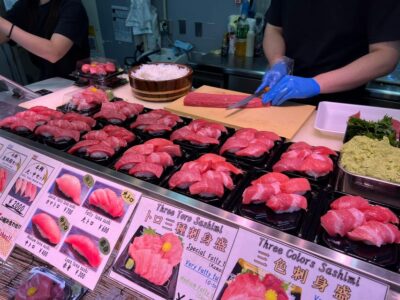
Tokyo 4hr Private Tour with Government-Licensed Guide
Read our review →
Samurai Ninja Museum Guided tour and Experience
Read our review →