
Reviewed · TEMPLE & SHRINE TOURS
Tokyo: Harajuku Meiji Shrine to Shibuya Crossing Guided Tour
Meiji Jingu is the heart of this tour, but the real appeal is the sharp change in mood around it. You begin among trees and shrine customs, then move through Harajuku’s youthful Takeshita Street before finishing at the world-famous Shibuya Crossing. Tradition and modern Tokyo arrive in one tidy two-hour walk.
I like the hands-on lesson in how to visit a Japanese shrine, including an omikuji fortune, and I like the small-group format, capped at 10 people. Guides such as Shigure-san and Masahito have been praised for clear explanations, friendly help, and a pace that leaves room for questions. The possible drawback is simple: two hours is brief, so this is an introduction rather than a slow, detailed exploration of each neighborhood.
In This Review
- Key points at a glance
- Meiji Jingu gives the tour its strongest start
- Harajuku changes the tone on Takeshita Street
- The walk to Shibuya connects old and new Tokyo
- Hachiko adds a human story before the finale
- Shibuya Crossing is the photo finish
- What the $78 price really covers
- Who will get the most from this walk
- Practical advice before you book
- Should you book this Meiji Jingu and Shibuya tour?
- FAQ
- How long does the tour last?
- What is the price?
- Where does the tour meet?
- What language is the tour offered in?
- How large is the group?
- Is an omikuji fortune included?
- Is the Japanese-style crepe included in the price?
- Can I cancel for a refund?
- Can I reserve now and pay later?
Key points at a glance
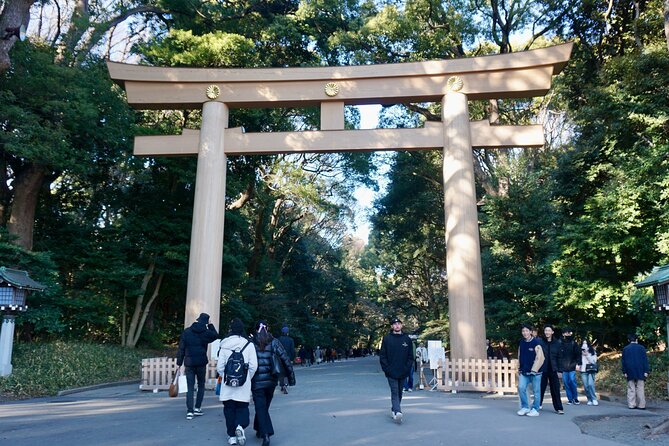
- Meiji Jingu at the start: Learn the shrine’s origins, purpose, and visiting customs from an English-speaking local guide.
- Omikuji included: Your tour price covers the fortune paper, giving you a small cultural activity rather than only a photo stop.
- Takeshita Street break: Try a Japanese-style crepe while seeing Harajuku’s playful side.
- Walk to Shibuya: The route connects two major Tokyo areas without making you arrange separate sightseeing stops.
- Hachiko and the crossing: Hear the sad story of Hachiko, then take group photos near Shibuya Scramble Crossing.
- Small group of 10 or fewer: A useful size for asking questions and keeping the walking pace together.
Meiji Jingu gives the tour its strongest start
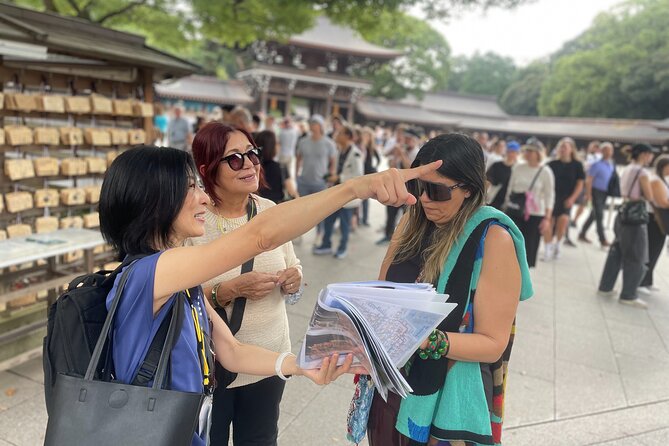
Meet your guide at the west exit of JR Harajuku Station. Look for the sign marked gotcha. This detail matters because Harajuku Station has more than one exit, and a clear meeting point saves precious minutes on a short tour.
From the station, you head toward Meiji Jingu, one of Japan’s best-known shrines. It is especially famous for Hatsumode, the first shrine visit of the New Year, when it is said to receive more visitors than any other shrine in Japan. Even outside that season, the shrine offers a striking change from the traffic and signs of central Tokyo.
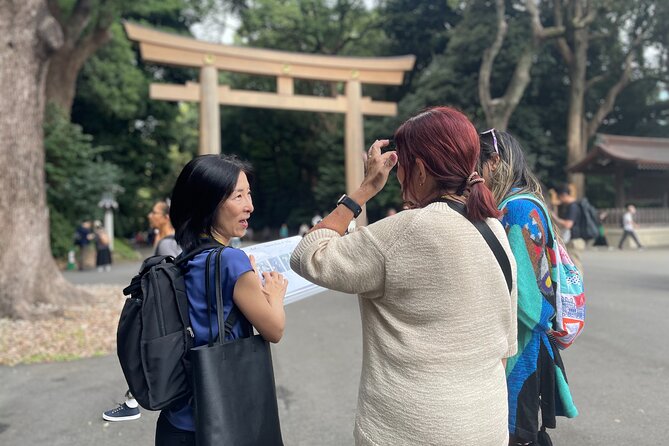
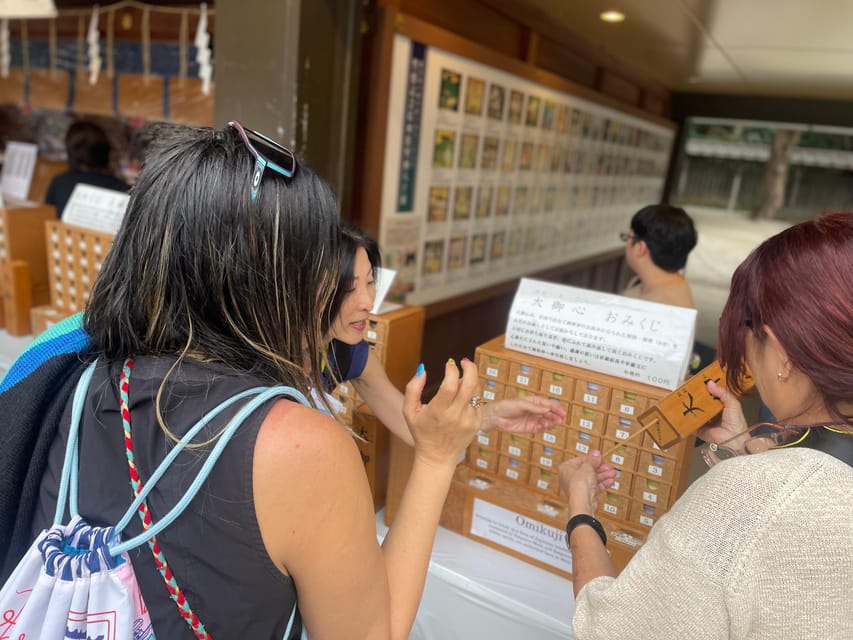
The approach lets you feel the contrast before the guide begins the cultural explanation. You leave the station area and enter a place associated with quiet, ritual, and natural energy. I like this opening because it does not treat the shrine as a quick picture stop. The guide explains the origins of Meiji Jingu and how to visit properly, helping you understand what you are seeing and doing.
That guidance is useful if Japanese shrine customs are new to you. You can ask about the order of a visit, the meaning of the rituals, and the proper way to make a wish. The tour includes an omikuji fortune paper, so you get a simple activity that connects you with the shrine rather than merely walking past its gates.
The exact depth of the shrine visit depends on the pace of the group and the guide. With only two hours for the full route, you should not expect every corner of the grounds or a long stop at each feature. Still, this is the part of the tour where the guide adds the most value. Without explanation, a shrine can look beautiful but remain hard to read. With context, the visit becomes more personal and easier to remember.
More temples and shrines near Tokyo:
- Tokyo: Meiji Shrine, Asakusa, Skytree Bus Tour and Cruise
★ 4.7 · 1,986 reviews - Tokyo: Asakusa Walking Tour with Sensoji Temple Visit
★ 4.8 · 1,583 reviews - Nikko: Kegon Falls, Lake Chuzenji & Toshogu Temple
★ 4.6 · 1,577 reviews
Harajuku changes the tone on Takeshita Street
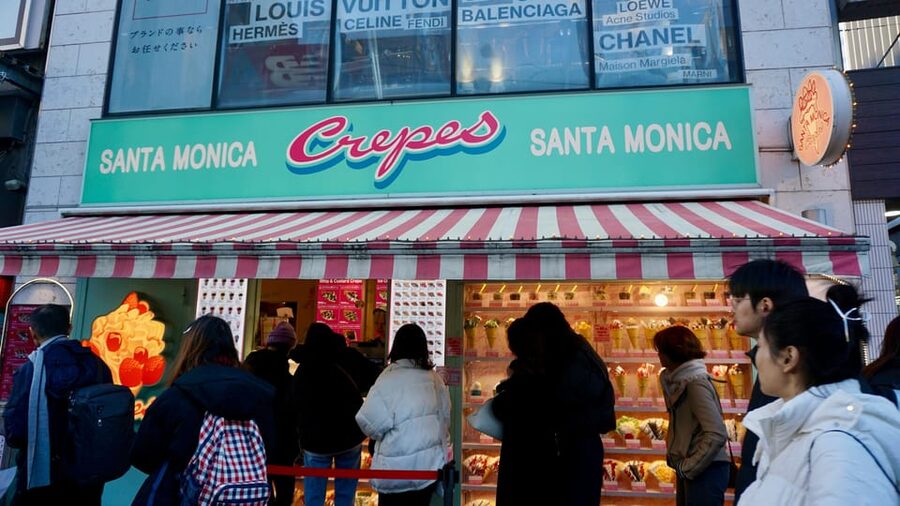
After Meiji Jingu, the tour moves into modern Harajuku and along Takeshita Street. The change can feel almost sudden. The shrine offers space and ceremony; Takeshita Street brings youthful fashion, shops, signs, and snack stops.
The main food moment is a Japanese-style crepe. This is not presented as a formal meal, and the provided information does not say that the crepe is included in the $78 price. Plan to pay for it separately unless your booking details say otherwise. It is best viewed as a fun tasting stop and a chance to see one of Harajuku’s familiar food traditions.
I like this middle section because it keeps the tour from becoming too solemn. You get a taste of Tokyo’s pop culture without needing to choose a shop or food stand on your own. The guide can help keep the group moving and explain why Takeshita Street is such a well-known part of Harajuku.
There is a tradeoff. Takeshita Street can be crowded and energetic, and two hours does not leave much time for independent shopping. If you want to browse every store, buy fashion items, or linger over food, this tour will feel fast. If you want a first look and a sweet snack before continuing to Shibuya, the timing makes sense.
Wear comfortable shoes and keep your belongings easy to manage. The tour links several busy areas on foot, and stopping often for photographs or shopping could make it harder to stay with the group.
The walk to Shibuya connects old and new Tokyo
The route from Harajuku toward Shibuya is one of the tour’s practical strengths. Instead of booking separate visits to Meiji Jingu, Takeshita Street, Hachiko, and Shibuya Crossing, you see them in a natural sequence.
This also gives the guide a chance to tie the neighborhoods together. You begin with a major shrine, pass through Harajuku’s street culture, and finish in one of Tokyo’s most recognizable city scenes. The experience is less about spending a long time at one attraction and more about understanding how quickly Tokyo can change from one block to the next.
The walking distance is not specified, so you should be ready for a moving tour rather than a seated sightseeing experience. The pace has been described as comfortable, but that does not mean the route is suitable for everyone. If you have difficulty walking for extended periods, check the details with the operator before booking.
A small group can make this transition easier. With a limit of 10 participants, the guide can usually keep track of everyone more easily than on a large coach-style outing. It also gives you a better chance to ask why a place matters, where to stand for a photo, or how a custom works.
The guide quality is central here. Shigure-san has been praised for warmth and for explaining Japanese culture clearly. Masahito has also been singled out for making the shrine visit especially enjoyable and for helping people understand customs and wish-making. These names do not guarantee who will lead your particular departure, but they show the personal, question-friendly approach you should expect from the provider’s guides.
Hachiko adds a human story before the finale
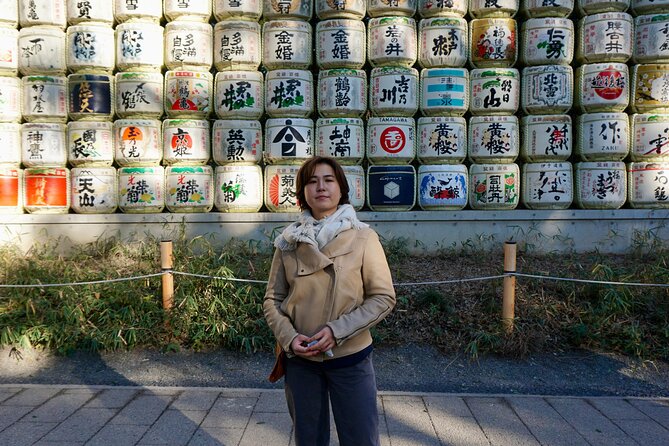
Near Shibuya, the tour stops at the famous Hachiko statue. The guide explains the sad story behind this symbol of loyalty. This gives the final part of the route a human detail that balances the huge scale of the crossing nearby.
Hachiko is easy to treat as just another famous meeting point. Hearing the story turns it into more than a quick photograph. I appreciate this kind of stop because it gives you a small piece of local memory before the tour returns to Tokyo’s modern spectacle.
The stop is short by design. Hachiko and Shibuya Crossing are both popular photo locations, and the group needs to keep moving. If you want extended time at the statue, a separate return visit would be sensible. The tour gives you an introduction and the story, not a long independent session.
More Shibuya plans:
- Official Street Go-Kart in Shibuya
★ 5.0 · 3,435 reviews - Tokyo: Street Kart Experience in Shibuya
★ 4.9 · 1,484 reviews - Shibuya Meltdown Nightlife Tour: All-You-Can-Drink Bar Hopping
★ 5.0 · 1,058 reviews - Shibuya Official Street Go-Kart in Shibuya Annex
★ 5.0 · 972 reviews
Shibuya Crossing is the photo finish
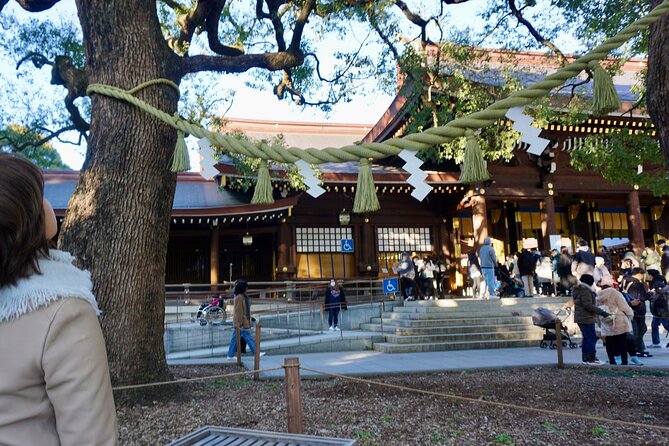
The finale takes place around Shibuya Scramble Crossing, where you can take group photographs against the city backdrop. The crossing is famous for its waves of people moving in several directions at once, but the best part of this tour is having a guide help organize the stop.
The experience ends at a scenic vantage point overlooking the crossing. The exact viewing location is not specified, so do not book this expecting a named cafe, rooftop, or paid observatory. You can expect a city view and a farewell from above or near an elevated viewing position, with the crossing as the focus.
This is a good ending for a compact tour. You finish with Tokyo’s most recognizable modern image after learning about a shrine and seeing Harajuku. The contrast makes the whole route easy to recall.
The limitation is that the tour does not promise a long stay in Shibuya. You may want to remain afterward for shopping, food, or more photographs. That is easy to do in principle, since the tour finishes in the Shibuya area, but the provided details do not specify the exact final meeting point or onward transport.
What the $78 price really covers
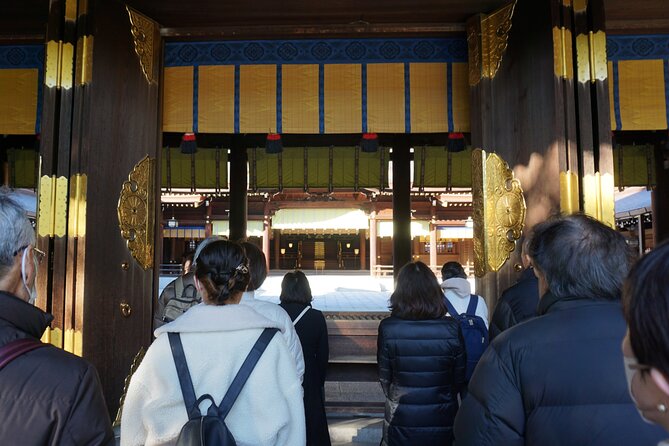
At $78 per person, this is not the cheapest way to walk through Harajuku and Shibuya. You can visit the shrine, Takeshita Street, Hachiko, and the crossing without booking a tour.
The fee makes more sense if you place a value on clear cultural guidance. You are paying for an English-speaking local guide who explains Meiji Jingu’s origins, shows you how to visit, handles the flow between neighborhoods, and adds context at Hachiko and Shibuya. The omikuji fortune paper is included, but the crepe cost is not clearly listed as included, so allow extra money for food.
The two-hour length keeps the price from becoming a full-day expense, but it also limits how much you see. I would call it fair value for a first visit, especially if you want a planned route and direct answers. I would be less likely to recommend it to someone who already knows Tokyo well and prefers to explore at a slow, unplanned pace.
The booking terms add flexibility. You can cancel up to 24 hours before the activity for a full refund, and you can reserve now and pay later. Starting times vary, so check availability for your chosen date.
Who will get the most from this walk
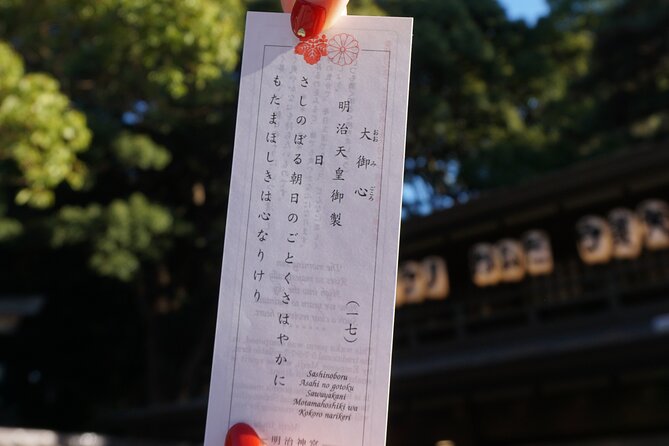
This tour suits a first-time Tokyo visitor who wants several major sights in one easy route. It is also useful for anyone who feels uncertain about shrine etiquette or wants a local explanation instead of reading signs alone.
Families and small groups may like the short format and the crepe stop, though the fast neighborhood changes may be less appealing to children who need frequent breaks. The small-group limit helps keep the outing personal, but it does not turn the walk into a private tour.
It is a good fit for:
- First-time visitors with only a short window in Tokyo
- People interested in both Japanese customs and modern city culture
- Solo visitors who want company and a guide to answer questions
- Photographers looking for Meiji Jingu, Hachiko, and Shibuya Crossing
- Visitors who want a simple route without planning several separate stops
You may want something else if your priority is shopping, food, or a long visit inside Meiji Jingu. The tour introduces each area, but it does not leave much free time for browsing.
Practical advice before you book
Arrive early at the west exit of JR Harajuku Station. The guide waits with the gotcha sign, but finding the correct exit is your responsibility, and a late start cuts into a short schedule.
Expect English throughout the tour. The activity is offered with a live English-speaking guide, and the group is limited to 10 people. Ask questions as you go, especially at Meiji Jingu, where the explanation is likely to be most useful.
Dress for walking and keep the two-hour timetable in mind. You will move from the shrine to Takeshita Street and onward to Shibuya, with stops for a fortune paper, a crepe, photographs, and the Hachiko story.
If you plan to continue exploring Shibuya afterward, treat the tour’s final farewell as a convenient handoff rather than the end of your day. The experience gives you a strong orientation to the area, leaving you free to stay on for your own plans.
Should you book this Meiji Jingu and Shibuya tour?
I would book it if you want a compact introduction to Tokyo’s contrasts and prefer having a local guide explain the shrine customs. The route is well chosen, the group size is sensible, and the stop at Takeshita Street keeps the cultural lesson light and enjoyable.
I would skip it if you already know Harajuku and Shibuya, or if you want long shopping stops and plenty of free time. At $78, the value depends on how much you want guidance. For a first visit, the clear route, omikuji activity, Hachiko story, and photo finish make the cost reasonable. For an independent repeat visit, the same sights are easy to arrange on your own.
FAQ
How long does the tour last?
The tour lasts two hours.
What is the price?
The listed price is $78 per person.
Where does the tour meet?
Meet at the west exit of JR Harajuku Station on the JR Line. The guide waits there with a sign marked gotcha.
What language is the tour offered in?
The live tour guide speaks English.
How large is the group?
The tour is a small-group experience limited to 10 participants.
Is an omikuji fortune included?
Yes. The omikuji fortune paper fee is included.
Is the Japanese-style crepe included in the price?
The provided inclusions list does not include the crepe. The food stop is part of the experience, but the price information does not state that the crepe is covered.
Can I cancel for a refund?
Yes. You can cancel up to 24 hours in advance for a full refund.
Can I reserve now and pay later?
Yes. The activity allows you to reserve your place and pay later.
More Harajuku Wanders
- Tokyo Go-Kart Tour Shibuya-Harajuku-Shinjuku (*IDP Required)
★ 5.0 · 217 reviews - Tokyo: Guided Go Kart Tour from Harajuku to Shibuya Crossing
★ 4.5 · 166 reviews - Shibuya & Harajuku: Hidden Gems & Highlights Private Tour
★ 4.7 · 139 reviews - Harajuku Kawaii Fashion and Pop-Culture Tour
★ 5.0 · 94 reviews
New on our Tokyo list
- Sumi-e Experience in a relaxing green tea shop in Tokyo★ 5.0 · 3 reviews
- Tokyo : Kamikaze Street Drift Ride★ 5.0 · 3 reviews
- Private Zen Meditation in English in Shinjuku, Tokyo★ 5.0 · 3 reviews
- Onsen Spa in Tokyo and Asakusa Bar Hopping with Local Guide★ 5.0 · 3 reviews
- Easy for everyone! Now you can play handmade mini shamisen and show off to everyone! Musical instruments, sweets and live music★ 5.0 · 3 reviews
- Tokyo: Private Tsukiji Street Food & Sake with Local Guide★ 5.0 · 3 reviews
- Mt Fuji Exploration Tour with Free Japanese Kusa Mochi from Tokyo★ 4.5 · 3 reviews
- Tokyo Tsukiji Fish Market Walking and Exploring Hidden Gems Tour★ 5.0 · 3 reviews
Temple & Shrine Tours, compared.
Meiji Shrine, Asakusa, Skytree Bus Tour and Cruise
Read our review →
Asakusa Walking Tour with Sensoji Temple Visit
Read our review →
Kamakura & Enoshima Day Trip including Temple Tickets
Read our review →
Nikko Toshogu Shrine and Kegon Waterfall Tour
Read our review →
Tokyo Panoramic 1 Day: Meiji Shrine, Asakusa, Odaiba and SKYTREE®
Read our review →
Mt. Fuji Heritage Tour: Traditional Villages, Lakes & Shrine
Read our review →Browse the lists this tour appears in