
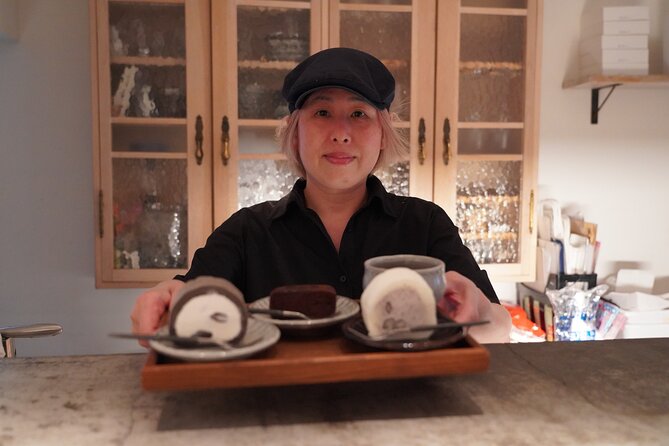
Reviewed · TOKYO FOOD TOURS
Tokyo: Local Foodie Adventure near Roppongi
Azabujuban is the sort of Tokyo neighborhood you can miss while standing close to it. Just near Roppongi, this old shopping town offers five Japanese treats, local shrines, small specialty stores, and a look at daily life far from the city’s famous crossings. Guide Ellen brings the area to life with stories about its shops, people, food, and folklore.
I like the small group size of one to four people, which gives the walk a personal feel and leaves room for questions. I also like the food-first approach: you do not just hear about Japanese cooking, you taste snacks such as yakitori, taiyaki, oden, and mame daifuku as you move through the neighborhood.
The main consideration is that the food selection changes with store availability, so you should not book expecting a fixed menu. You will also need comfortable shoes, a moderate level of fitness, and extra money if you want more food, drinks, gifts, or transportation.
In This Review
- Key points to know before booking
- Starting at Azabujuban Station, Exit 4
- Why Azabujuban feels different from central Tokyo
- Five treats, with the menu changing by the day
- Shrines, temples, and local good-luck traditions
- Meeting shopkeepers and local residents
- Shops worth browsing after the tastings
- A special note for Sailor Moon fans
- What $71 includes, and where the value lies
- Walking demands and practical planning
- Who will enjoy this Azabujuban walk?
- Should you book the Azabujuban food adventure?
- FAQ
- Where does the tour meet?
- Where does the tour end?
- How many people join the tour?
- What foods are included?
- Is a drink included?
- Is transportation included?
- What language is the tour conducted in?
- What should I bring?
- Can I cancel for a full refund?
Key points to know before booking

- Five food stops: Taste a changing selection of Japanese treats, with possible stops for yakitori, taiyaki, oden, mame daifuku, omelettes, sushi, pastries, and other local foods.
- A quieter side of Tokyo: Azabujuban sits close to Roppongi but feels like an established neighborhood with more than 300 shops.
- Personal guiding: Ellen has led the walk with warmth, local stories, and answers tailored to the group.
- Shrines, temples, and folklore: The route adds good-luck traditions and neighborhood history to the eating.
- Sailor Moon connection: Fans can visit real places linked to the setting that inspired manga creator Naoko Takeuchi.
- $71 value: The price covers five treats, one alcoholic drink, guiding, and a small-group experience, but not extra purchases or transport.
Starting at Azabujuban Station, Exit 4
The meeting point is easy to identify if you follow the instructions closely. Meet at Azabujuban Station Exit 4, in front of Oslo Coffee, where you should look for the Japan Hopping Tours logo and the guide.
This matters because Azabujuban has several station exits and the surrounding streets can feel unfamiliar at first. Give yourself enough time to find Exit 4 rather than arriving at the last minute. The tour ends back at the same meeting point, so you do not need to plan a second pickup location.
The activity is conducted in English. Group size is limited to one to four people, a real advantage in a food neighborhood where small shops and restaurants may not have much room. With only a few people, you can ask about unfamiliar ingredients, request explanations, and speak more easily with your guide and local shop staff.
More Tokyo food crawls:
- Tokyo: Shinjuku Food Tour (13 Dishes at 4 Local Eateries)
★ 5.0 · 6,603 reviews - Tokyo: Shinjuku Food Tour (15 Dishes and 4 Eateries)
★ 4.9 · 2,033 reviews - Best of Shinjuku: Izakaya Food Tour (4 Stops, 14+ Tastings)
★ 5.0 · 1,863 reviews
Why Azabujuban feels different from central Tokyo
Roppongi is known for large buildings, nightlife, and international attractions. Azabujuban offers a different pace just nearby. Its identity comes from long-running stores, local eating places, religious sites, and streets where residents still shop for ordinary household needs.
The neighborhood has more than 300 shops, some of which have remained open for almost a century. That does not mean every storefront is old-fashioned, but it does give the area a strong connection to earlier Tokyo. You are not simply walking between famous landmarks. You are seeing how a traditional shopping district fits into modern Tokyo.
That contrast is one of the best reasons to book this experience. A major sightseeing route can show you Tokyo’s scale. This walk shows you a smaller piece of the city, where the pleasure comes from a pastry counter, a family-run food shop, or a story about a local custom.
The route also includes places tied to the neighborhood’s past. Your guide explains the history of the town as you walk, rather than presenting a long lecture in one spot. That format works well for me because each story has a physical setting: a shrine, a shop, a restaurant, or a street corner.
Five treats, with the menu changing by the day
The food is the heart of the outing. Five different Japanese treats are included, and the exact selection depends on what is available at local stores that day. This flexibility is useful in a neighborhood tour, since it lets the guide work with fresh shop availability rather than forcing a fixed list.
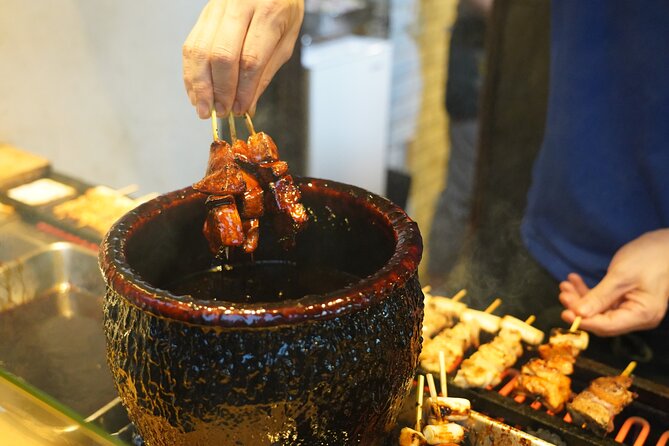
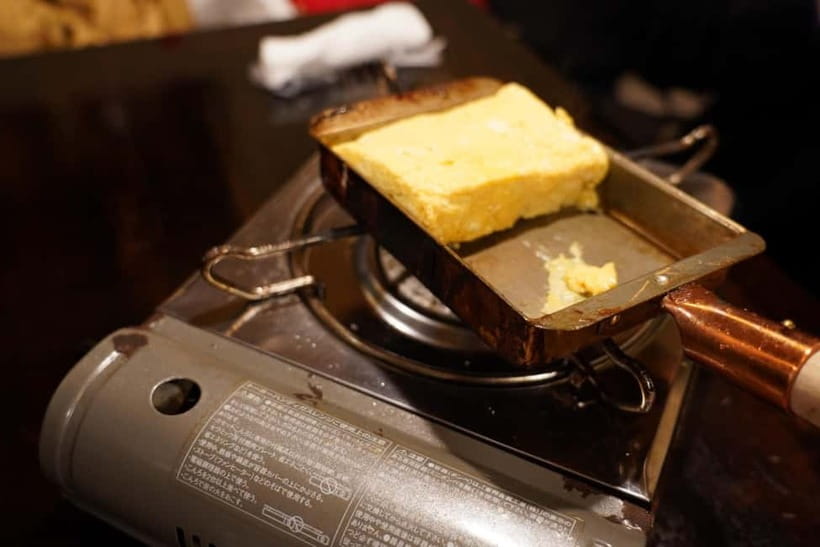
You may encounter yakitori, grilled chicken served in small portions and often seasoned simply so you can taste the meat and sauce. You may also try mame daifuku, a soft rice cake filled with sweet bean paste and mixed with beans. Its chewy texture and gentle sweetness offer a very different experience from grilled food.
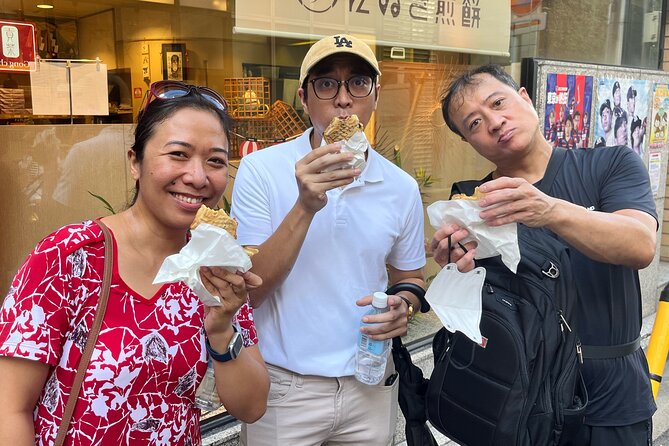
Taiyaki is another possible highlight. This fish-shaped pastry is commonly filled with sweet filling, and the appeal is partly in eating it fresh and warm. Oden brings the savory side of the walk, with ingredients cooked in broth. It is the kind of home-style food that helps explain why small neighborhood restaurants matter in Japan.
The food may also include omelettes, sushi, pastries, or other snacks. You should treat the published examples as a guide, not a promise. Store availability controls the final selection, and that means you could have a slightly different meal from someone who joins on another day.
The included food is described as enough to fill you up. Still, bring an open mind rather than a firm checklist. If one particular food is your main reason for booking, ask about availability before you commit. Additional food and drinks are not included, so carry some spending money for anything that catches your eye.
Shrines, temples, and local good-luck traditions
The walk is not only a series of tastings. Visits to local shrines and temples add a cultural layer to the route, especially if you want to understand how food, neighborhood life, and belief overlap in Japan.
You will learn about good-luck customs and local folklore while visiting these sites. The value here is not simply taking a photo. A guide can explain why residents visit, what kinds of wishes are connected with a place, and how these religious sites fit into the town around them.
The exact shrine and temple stops are not listed in detail, so you should expect the route to adapt to the day rather than follow a rigid landmark checklist. That is a small limitation if you want a precise sightseeing itinerary. It is also part of the appeal for someone who prefers a neighborhood walk with context.
The food gives you one way into Japanese culture. The shrines and temples give you another. Together, they help you see Azabujuban as a lived-in town rather than just a backdrop for snacks.
A few more Tokyo bookings worth comparing
- Mt Fuji and Hakone 1-Day Bus Tour Return by Bullet Train
★ 5.0 · 26,383 reviews - 1-Day Tokyo Bus Tour
★ 5.0 · 14,250 reviews - Tokyo: TOKYO SKYTREE® Admission ticket
★ 4.5 · 11,192 reviews - Tokyo: teamLab Planets TOKYO Digital Art Museum Entry Ticket
★ 4.6 · 9,779 reviews
Meeting shopkeepers and local residents
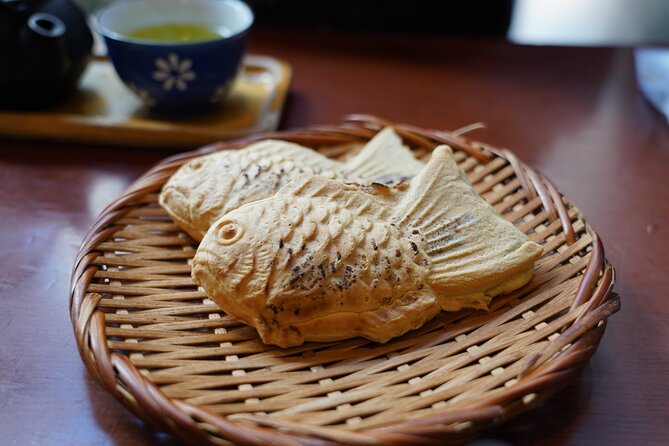
One of the most useful parts of a small food walk is the chance to interact with people who work in the area. The experience includes meeting and chatting with local residents, along with encounters with restaurant staff and some diners.
That contact can be brief, and the tour does not promise private kitchen visits or long conversations at every stop. Still, it can make the food feel less anonymous. You learn not only what you are eating, but also something about the people and stores that keep these local traditions going.
Guide Ellen has been praised for creating a friendly atmosphere, answering questions, and adjusting stops to the needs of the group. That flexibility is especially helpful if you have questions about traditional cuisine or want more explanation at a particular shop.
The strongest part of Ellen’s guiding style appears to be her personal connection to Azabujuban. She brings together food, folklore, local people, and the physical streets instead of treating each stop as a separate attraction. If you enjoy conversation and questions, this small format should suit you well.
Shops worth browsing after the tastings
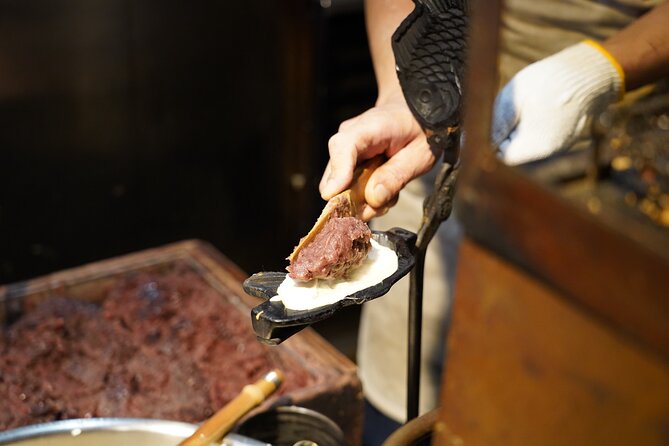
Azabujuban has stores that are specific to the neighborhood, making the shopping part more interesting than a standard souvenir stop. You can browse for gifts and look at the kinds of specialty goods that have helped the shopping district survive for decades.
Do not expect a large department store experience. The appeal is in the smaller scale and local character. You might find a food item, a traditional gift, or something that feels tied to the neighborhood rather than mass-produced for every Tokyo visitor.
The tour does not include personal shopping expenses, so keep your wallet ready if you find something you want. Since the route ends where it starts, you may also have time afterward to return to a shop independently, though the available schedule is not specified.
For me, this is a good place to buy a gift if you want something connected to a real Tokyo neighborhood. It is also a useful chance to see how an old shopping street operates beyond the food stops.
A special note for Sailor Moon fans
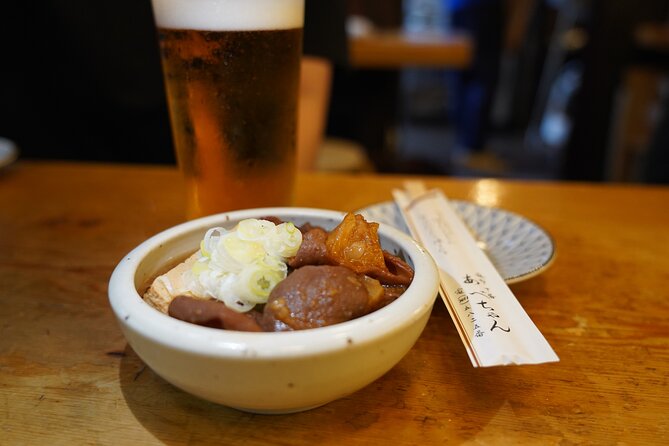
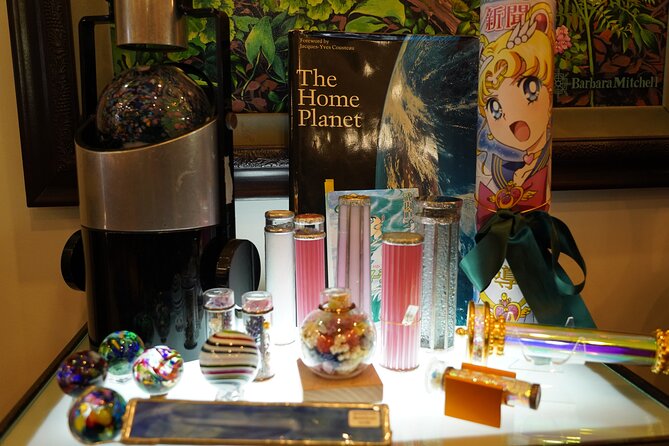
The Azabujuban setting has a strong connection for Sailor Moon fans. The tour visits real-life places that inspired the setting used by manga creator Naoko Takeuchi.
That does not turn the walk into a dedicated anime pilgrimage, and you should not expect every stop to focus on the series. Instead, the connection is an added layer to an already worthwhile neighborhood tour. Fans can see the local surroundings that helped shape the fictional world, while other members of the group can enjoy the food, shrines, shops, and town history.
If Sailor Moon is important to your Tokyo plans, this may be a more satisfying way to explore the connection than simply finding a themed store. You are seeing the real neighborhood behind the inspiration.
What $71 includes, and where the value lies
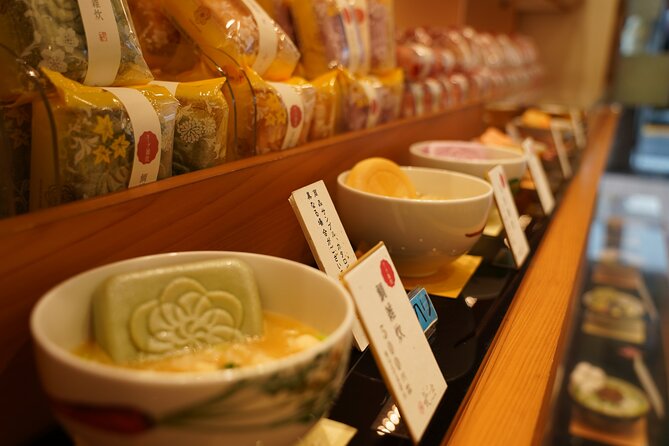
At $71 per person, this is not a cheap snack crawl. The price includes five Japanese treats, one alcoholic beverage, an English-speaking guide, and a small-group walk through Azabujuban.
The value depends on what you want from a food tour. If you only want to buy five snacks, you can spend less by exploring on your own. But doing so means finding the shops, understanding the foods, locating the religious sites, and building the neighborhood context yourself.
You are paying for access to a route and for interpretation. The small group also matters. With only one to four participants, your guide can answer questions and shape the stops around your interests more easily than on a large coach-style food tour.
Transportation is not included, and extra food, extra drinks, gifts, and other personal expenses cost more. One alcoholic drink is included, but you should tell the provider in advance if you do not want alcohol and confirm what alternatives are available. The supplied details do not specify a substitute.
The food is intended to be filling, which makes the price easier to justify as a substantial food experience rather than a few samples. Even so, the value is strongest for people who want a guide and local background, not for independent eaters who prefer to choose every dish themselves.
Walking demands and practical planning
Wear comfortable shoes. You will walk around the town between food stops, shrines, temples, and shops, and the activity calls for a moderate level of physical fitness.
The tour is not suitable for people over 95 years old. No other accessibility details are provided, so contact Japan Hopping before booking if you have mobility, dietary, or other practical needs that could affect the walk.
The food selection may change because of store availability. This is the most important planning note. Come ready to try a range of Japanese treats, but do not assume that every named example will appear.
You should also plan your train fare separately. The meeting point is at Azabujuban Station, Exit 4, and the tour ends there, but transportation costs are not part of the price.
Booking can be made with payment later, and cancellation is free up to 24 hours before the start for a full refund. Those terms are useful if your Tokyo schedule is still shifting, but check the booking conditions attached to your reservation for the exact timing.
Who will enjoy this Azabujuban walk?
I would recommend this experience to first-time Tokyo visitors who want an introduction to Japanese food without spending the day in a large market or formal cooking class. It is also a good fit for repeat visitors who have already seen the major central districts and want a smaller neighborhood with local stories.
Food-curious people should do well here, especially if they enjoy trying unfamiliar textures and flavors. The menu may include sweet, savory, grilled, pastry, and broth-based foods, so flexibility matters more than a strict preference for one dish.
Families and couples may appreciate the small group size, while solo visitors can benefit from the social ease of having a guide and a few companions. Sailor Moon fans get an extra reason to choose it.
I would hesitate to recommend it to someone who wants a fast, fixed itinerary, a guaranteed menu, or a tour built around famous Tokyo landmarks. It is also not the right choice if you dislike walking or want every expense included in the initial price.
Should you book the Azabujuban food adventure?
Book it if you want to eat your way through a quieter Tokyo neighborhood, hear local stories from a personable guide such as Ellen, and visit shrines, temples, stores, and food counters in one compact experience. The mix of five changing treats, one drink, local contact, and a group of no more than four gives the walk a personal character.
Skip it if you need a guaranteed list of dishes or prefer to explore independently. For most people seeking a warm introduction to Azabujuban, the $71 cost is reasonable because you are buying guidance and context as much as food. Bring comfortable shoes, some extra yen, and an appetite for surprises.
FAQ
Where does the tour meet?
Meet at Azabujuban Station, Exit 4, in front of Oslo Coffee. Look for the Japan Hopping Tours logo and the guide.
Where does the tour end?
The activity ends back at the meeting point near Azabujuban Station.
How many people join the tour?
This is a small-group activity with one to four people expected to join.
What foods are included?
Five Japanese treats are included. Possible foods include yakitori, mame daifuku, taiyaki, oden, omelettes, sushi, pastries, and other snacks, but the selection changes with store availability.
Is a drink included?
Yes. One alcoholic beverage is included. Additional drinks are not included.
Is transportation included?
No. Transportation costs are not included in the price.
What language is the tour conducted in?
The tour is offered in English.
What should I bring?
Bring comfortable shoes for walking around Azabujuban. You should also bring money for additional food, drinks, gifts, transportation, and personal expenses.
Can I cancel for a full refund?
Yes. You can cancel up to 24 hours in advance for a full refund.
New on our Tokyo list
- Sumi-e Experience in a relaxing green tea shop in Tokyo★ 5.0 · 3 reviews
- Tokyo : Kamikaze Street Drift Ride★ 5.0 · 3 reviews
- Private Zen Meditation in English in Shinjuku, Tokyo★ 5.0 · 3 reviews
- Onsen Spa in Tokyo and Asakusa Bar Hopping with Local Guide★ 5.0 · 3 reviews
- Easy for everyone! Now you can play handmade mini shamisen and show off to everyone! Musical instruments, sweets and live music★ 5.0 · 3 reviews
- Tokyo: Private Tsukiji Street Food & Sake with Local Guide★ 5.0 · 3 reviews
- Mt Fuji Exploration Tour with Free Japanese Kusa Mochi from Tokyo★ 4.5 · 3 reviews
- Tokyo Tsukiji Fish Market Walking and Exploring Hidden Gems Tour★ 5.0 · 3 reviews
Tokyo Food Tours, compared.
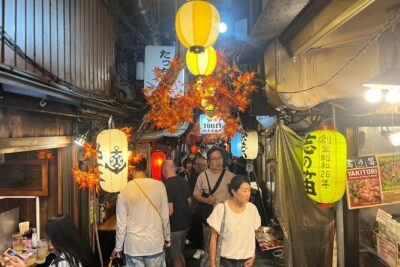
Shinjuku Food Tour (13 Dishes at 4 Local Eateries)
Read our review →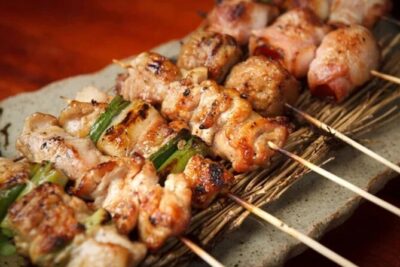
Shinjuku Food Tour (15 Dishes and 4 Eateries)
Read our review →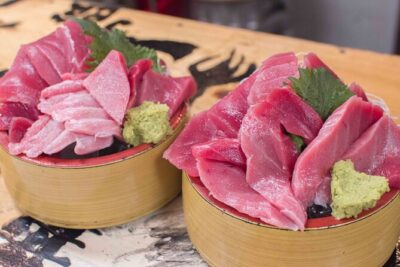
Best of Shinjuku: Izakaya Food Tour (4 Stops, 14+ Tastings)
Read our review →
Tokyo Night Foodie Tour in Shinjuku – Seasonal Sushi, Wagyu Beef
Read our review →
Eat and Drink Like a Local: Tokyo Ueno Food Tour-Taverns&Ramen
Read our review →
Tsukiji Fish Market: Street Food & Culture Walking Tour
Read our review →Shinjuku Food Tour – 15 Dishes, 3 Drinks, 4 Eateries
Read our review →Browse the lists this tour appears in