
Reviewed · TEMPLE & SHRINE TOURS
Tokyo: Meiji Jingu, Harajuku, Shibuya, and Shijuku Tour
Tokyo’s best introduction may be a quick ride between very different worlds: the quiet forest of Meiji Shrine, the teenage fashion of Harajuku, the photo-ready rush of Shibuya Crossing, and the neon streets of Shinjuku. This private four-hour tour links them by foot and subway, giving you a useful first look at western Tokyo without wrestling with the train map alone.
I like the personal attention here. Guides such as Maruf, Emir, Ayoub, and Erica have adjusted routes for families, first-time visitors, and people who had already seen some of Tokyo. I also like the mix of sacred space, shopping streets, pop culture, and nightlife districts rather than four hours spent looking at similar city blocks.
The main caution is the pace. You cover a lot of ground in four hours, with substantial walking and two subway rides. Shopping, snacks, the Pokémon Center, Don Quijote, and optional animal cafes can quickly compete with the main sights, so tell your guide what matters most before setting off.
In This Review
- Key points at a glance
- A smart first look at western Tokyo
- Meiji Shrine, a forest break in the city
- Takeshita Street and the many faces of Harajuku
- Cat Street, a calmer route toward Shibuya
- Shibuya Crossing and one hour of city energy
- Shinjuku after sunset or late in the afternoon
- Public transport is part of the lesson
- What the $103 price is really buying
- Optional animal and snake cafes
- Who will get the most from this tour
- Should you book this Tokyo tour?
- FAQ
- How long does the tour last?
- Is the tour private?
- Which languages are available?
- Where can pickup take place?
- Are public transportation fees included?
- Is admission to Meiji Shrine included?
- Are food and drinks included?
- Can the itinerary be customized?
- Are animal or snake cafes included?
Key points at a glance
- Meiji Shrine begins the tour quietly, with a forested approach, Shinto customs, and time to learn about Emperor Meiji and Empress Shoken.
- Harajuku gives you two different shopping moods, from the loud, youthful Takeshita Street to the more polished boutiques of Cat Street.
- Shibuya Crossing is a memorable photo stop, with about an hour for shopping, sightseeing, and the Pokémon Center.
- Shinjuku finishes the route after dark or near sunset, with time for Omoide Yokocho, Golden Gai, Godzilla Head, shopping, and food advice.
- A private guide makes the route flexible, useful if you are traveling with children, want photos, or need help using Tokyo’s public transport.
- The $103 price buys convenience and local help, but the value depends on whether you want a fast overview or prefer exploring each district slowly.
A smart first look at western Tokyo
This is not a museum tour or a long historical walk. It is a compact orientation to several parts of Tokyo that feel almost unrelated.
You begin at a shrine, move through youth fashion streets, reach one of the world’s most famous intersections, and finish among the restaurants, bars, and signs of Shinjuku. That range is the real reason to book it.
A private English-speaking guide stays with you throughout. The route starts from one of four broad city areas: Minato, Shibuya, Taito, or Shinjuku. The exact pickup details and start time depend on availability, so check those when booking.
The tour is for a private group, not a shared coach. That matters in Tokyo, where a small change in direction can save time. It also lets you ask questions as you go and adjust the day. Ayoub is described as changing the route during the tour, while Erica paid special attention to a 12-year-old traveler’s interests. That kind of flexibility is more useful here than a fixed script.
More temples and shrines near Tokyo:
- Tokyo: Meiji Shrine, Asakusa, Skytree Bus Tour and Cruise
★ 4.7 · 1,986 reviews - Tokyo: Asakusa Walking Tour with Sensoji Temple Visit
★ 4.8 · 1,583 reviews - Nikko: Kegon Falls, Lake Chuzenji & Toshogu Temple
★ 4.6 · 1,577 reviews
Meiji Shrine, a forest break in the city
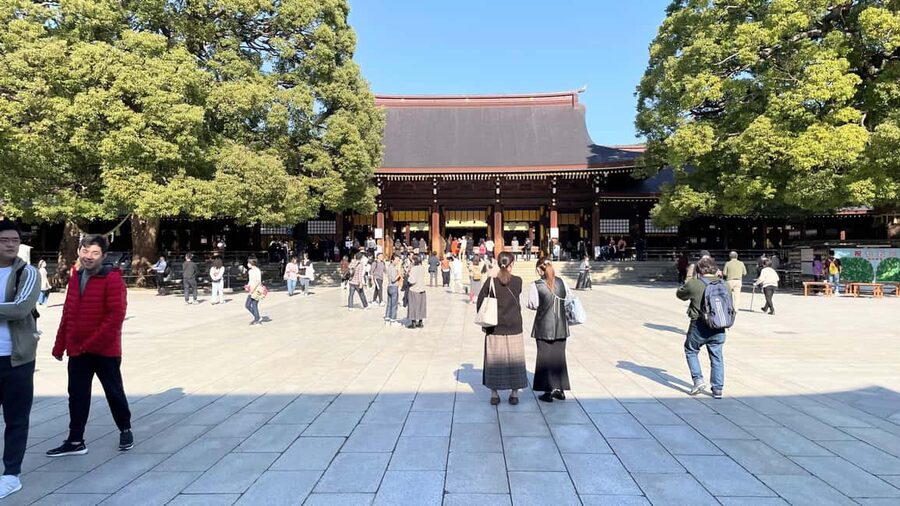
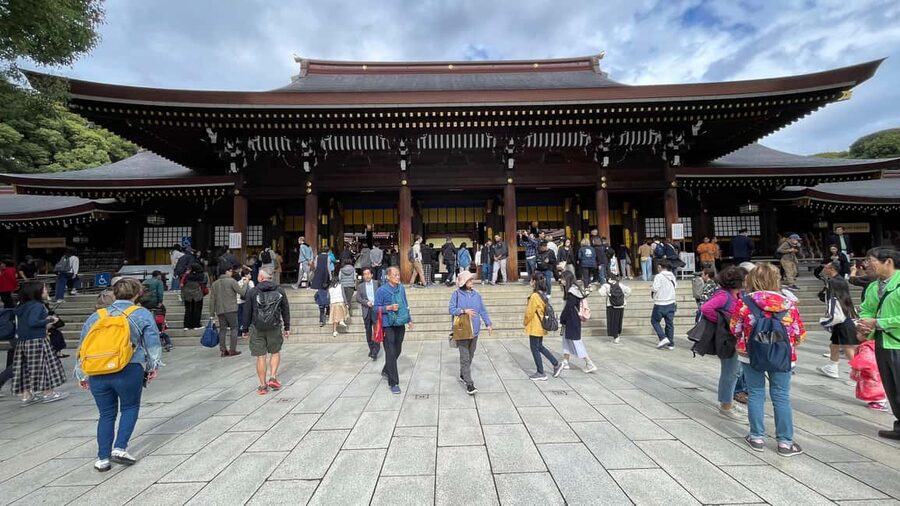
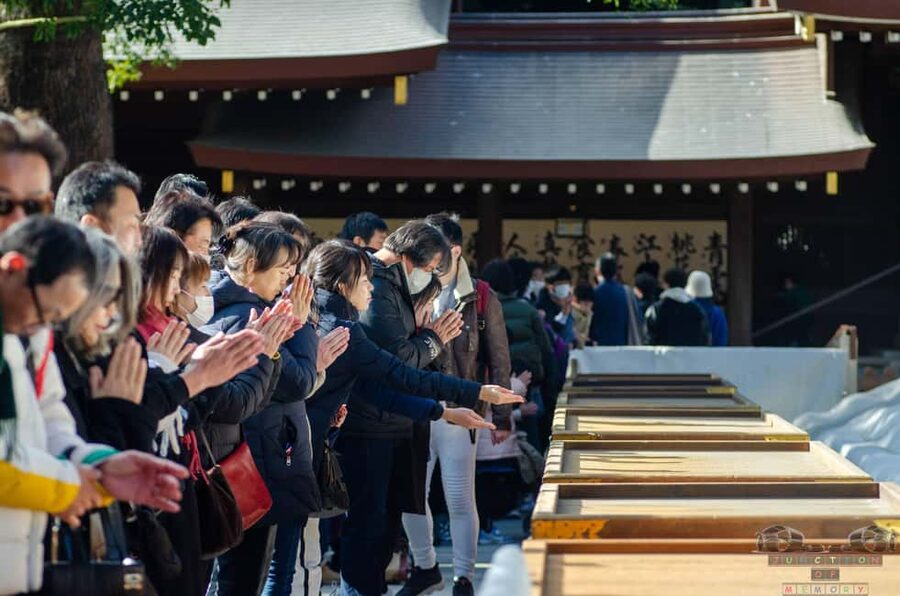
Meiji Shrine, or Meiji Jingu, is a calm place to begin. Its grounds form a large wooded retreat in the middle of Tokyo, and the change from city noise to shaded paths is immediate.
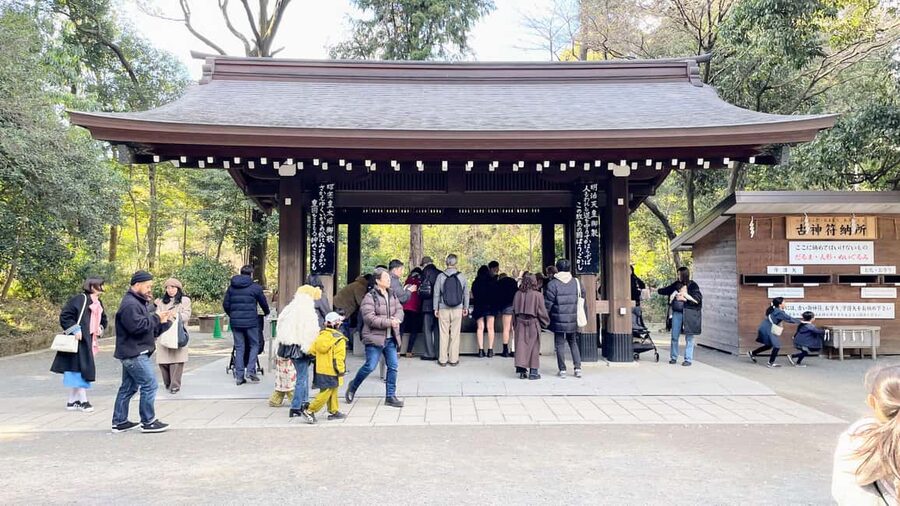
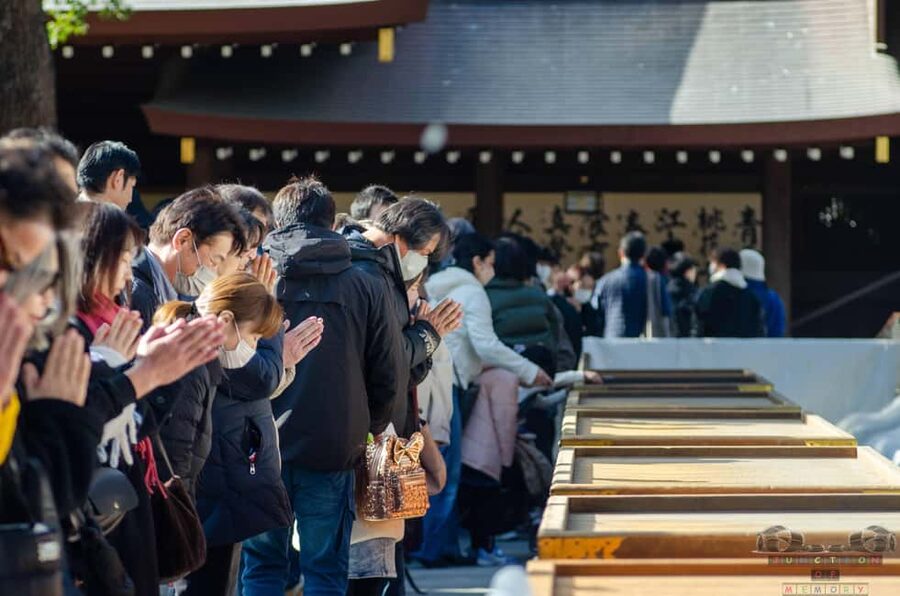
The shrine is dedicated to Emperor Meiji and Empress Shoken. Your guide explains their place in Japan’s modern story and the role of the shrine in Shinto practice. You are not just passing through for a photograph. You can learn how to behave at the entrance, purify yourself at the temizuya water pavilion, and write a wish on an ema wooden plaque if you choose.
The shrine admission is included, which keeps the first stop simple. You should still treat the grounds as a place of worship rather than only a sightseeing backdrop. Your guide can explain the customs without making the visit feel like a lecture.
This opening stop also sets a useful rhythm. Tokyo can be tiring because its major districts are crowded, bright, and loud. Meiji Shrine gives you a quiet start before Harajuku turns the volume back up.
Takeshita Street and the many faces of Harajuku
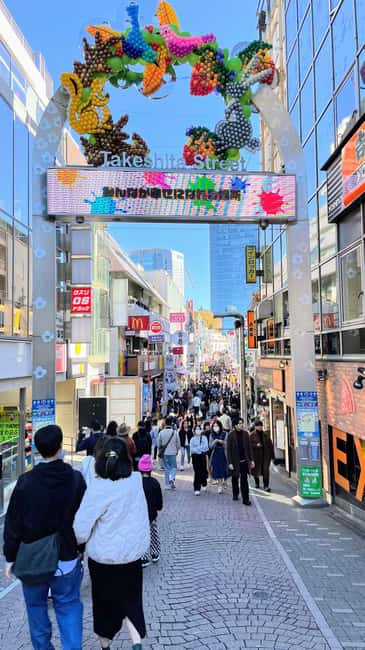
From Meiji Shrine, you walk for about 15 minutes to Takeshita Street. The walk connects the peaceful shrine grounds with one of Tokyo’s most youthful shopping areas.
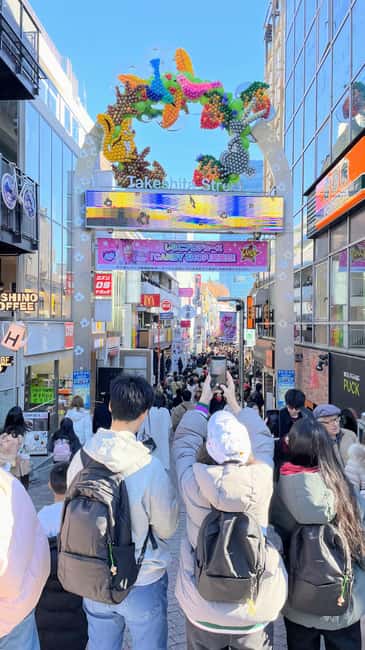
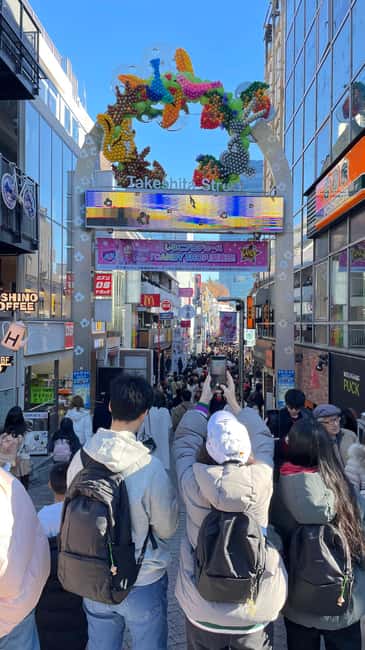
Takeshita Street is known for unusual clothing, small fashion shops, colorful sweets, and strong visual style. You might find crepes, rainbow-colored cotton candy, and stores aimed at trend-conscious young shoppers. The guide helps explain why Harajuku became such an important source of youth fashion and why its styles have influenced people far beyond Japan.
The planned stop is about 30 minutes, including a photo stop, guided sightseeing, shopping, and walking. That is enough to get a taste, but not enough for a serious shopping session. If you want to buy clothes, linger over snacks, or browse every novelty shop, tell the guide early so expectations are clear.
Harajuku itself gets another 15 minutes after Takeshita Street. This broader area includes cafes, boutiques, cultural spots, art, and stores such as Kiddy Land. The two stops work well together: Takeshita shows the concentrated, playful side of the district, while the surrounding streets offer a less frantic look at its shops and creative culture.
Families may appreciate this section, especially if children are interested in character goods and sweets. Erica’s flexibility with a 12-year-old is a useful sign that the tour can be shaped around younger interests, though the adult members of the group should still say what they want to see.
Cat Street, a calmer route toward Shibuya
The walk from Harajuku to the next transport connection takes about 22 minutes, and Cat Street is the natural bridge between Harajuku and Shibuya.
Compared with Takeshita Street, Cat Street has a more relaxed shopping feel. You might find vintage clothing, designer labels, independent boutiques, cafes, and street art. It is a good place to see how Tokyo mixes polished fashion with small-scale, individual shops.
The information provided for this experience does not assign Cat Street a separate timed stop in the formal schedule, so do not expect an extended shopping period there. Think of it as part of the walking route and a chance to see another side of Harajuku.
This is one place where a private guide adds value. You can ask to focus on fashion, architecture, food, or photographs rather than simply following the most direct route. The tour is not built around a single shopping brand, so your interests can shape the walk.
More Shibuya plans:
- Official Street Go-Kart in Shibuya
★ 5.0 · 3,435 reviews - Tokyo: Street Kart Experience in Shibuya
★ 4.9 · 1,484 reviews - Shibuya Meltdown Nightlife Tour: All-You-Can-Drink Bar Hopping
★ 5.0 · 1,058 reviews - Shibuya Official Street Go-Kart in Shibuya Annex
★ 5.0 · 972 reviews
Shibuya Crossing and one hour of city energy

A subway ride of about 10 minutes brings you to Shibuya City. You have roughly an hour here for a guided visit, photos, free time, shopping, and sightseeing.
Shibuya Crossing is the obvious highlight. When the traffic lights change, people move across the intersection from several directions at once. From ground level, it is a brief burst of motion. Your guide can help you find a good viewing position and take photographs, an especially useful service if you are traveling alone or with a family.
The hour is not limited to the crossing. The included stops also mention the Pokémon Center in Shibuya, which gives the tour a clear pop-culture angle. Don Quijote, the famous discount store, is another planned shopping option. It is packed with snacks, household goods, cosmetics, souvenirs, and novelty items, though the store can feel overwhelming if you have no time to browse.
You need to make choices here. A photo at the crossing, a Pokémon Center visit, and Don Quijote can fill the hour before you even begin looking around Shibuya’s wider streets. If your priority is shopping, say so. If you mainly want the crossing and city views, the guide can keep the stop focused.
Shibuya is also a good place for a break. Meals and drinks are not included, so any snacks, cafe stops, or purchases come from your own budget. The tour description allows free time, but four hours is too short for a full meal unless you agree to shorten another stop.
Shinjuku after sunset or late in the afternoon
A second subway ride, listed at about 15 minutes, takes you to Shinjuku. The tour allows about an hour for walking, photos, shopping, sightseeing, a break, and recommendations for continuing your evening.
Shinjuku is a fitting finish because it feels very different from Meiji Shrine and Harajuku. Its streets are packed with department stores, entertainment, restaurants, signs, and nightlife. The timing can work especially well near sunset, when the district begins to glow without requiring a late-night tour.
Omoide Yokocho, also called Memory Lane, is included as part of the Shinjuku exploration. This narrow food area is known for small eateries and a compact, old-style atmosphere. Golden Gai is another included area, made up of tiny bars and lanes with a strong nightlife identity. Your guide can explain how these places fit into Shinjuku’s social life and point you toward spots to explore later.
Godzilla Head is another possible landmark on the route. It is an easy photo subject and a fun contrast to the solemnity of the shrine earlier in the day.
The one-hour limit is important. You can get an introduction to Omoide Yokocho and Golden Gai, but you will not have time to sample every restaurant or sit in several bars. The tour ends with advice on where to eat, shop, and continue exploring, so treat Shinjuku as a useful orientation rather than a complete night out.
Public transport is part of the lesson
The subway rides are not just transfers between attractions. They show you how Tokyo works.
The tour uses public transportation, with fares within Tokyo included. One guide even returned a group to its hotel by train, turning the ride into part of the experience. That can be helpful on a first full day, when Tokyo’s rail system may look more complicated than it really is.
You should expect walking as well as trains. The schedule includes a 15-minute walk after Meiji Shrine and about 22 minutes on foot around Harajuku and Cat Street. Comfortable shoes matter, and you should tell the guide about mobility needs before the tour begins.
The activity is described as wheelchair accessible, but the route still includes streets, pedestrian movement, and subway travel. If you use a wheelchair or have specific access requirements, confirm the practical route details in advance rather than relying only on the general accessibility label.
What the $103 price is really buying
At $103 per person, this is not the cheapest way to visit Meiji Shrine, Harajuku, Shibuya, and Shinjuku. You could reach all four areas independently with a transit card and a good map.
The price makes more sense if you value a private guide, English explanations, included public transport, shrine admission, and help fitting the districts together. You are paying for time saved, route planning, cultural context, and the ability to change the plan as you go.
The value is strongest for first-time visitors, families, and people who feel unsure about Tokyo’s trains. It is also useful if you want someone to take photos, explain customs, or recommend a restaurant after the tour.
The value is weaker if you already know Tokyo well, dislike quick stops, or want several hours in one shopping district. A private four-hour route cannot give you a full Harajuku shopping day and a proper Shinjuku night at the same time.
The high rating of 4.7 from 42 bookings fits the tour’s main strength: guides consistently provide friendly, personal help. Maruf is praised for patient explanations and tailoring the route, Emir for cultural context and detailed guidance, and Amir for keeping groups safe and explaining Japanese traditions. Those qualities matter more than a long list of attractions.
Optional animal and snake cafes
The animal or snake cafe stop is optional and costs extra. You must tell your guide at the beginning if you want to include one.
The possible cafes may feature cats, owls, or snakes. Your guide can help match the choice to your interests, but the extra stop will take time away from Shibuya shopping or another part of the route. I would choose it only if the cafe itself is a major goal.
Because this is a private tour, the option is easier to discuss than on a fixed group excursion. Still, ask about the added fee and timing before you commit.
Who will get the most from this tour
I would recommend this tour to:
- First-time Tokyo visitors who want a clear introduction to several major districts.
- Families who need a guide willing to adjust the pace and interests.
- Visitors who want cultural explanations at Meiji Shrine, not just a quick photo.
- Shoppers interested in Harajuku fashion, Pokémon goods, and Don Quijote.
- People who want help using Tokyo’s subway system.
- Anyone with only four hours to see western Tokyo before another activity.
I would be more cautious if you prefer slow travel. The route is packed, and each district deserves much more than the allotted time. You should also consider your walking comfort, appetite for shopping, and interest in nightlife before booking.
The tour can work well on your first full day in Japan. Several guides have helped people get oriented early in their trip, and that timing lets you use the advice later in your stay. You may leave with a better sense of where to return for a full afternoon or evening.
Should you book this Tokyo tour?
Book it if you want a private, flexible introduction to western Tokyo and would rather spend four hours seeing a broad range of places than planning the rail connections yourself. The guide’s ability to adjust the route, explain customs, take photographs, and offer practical advice is the main benefit.
Skip it if your plan already centers on long shopping sessions, extended meals, or a slow visit to one neighborhood. At $103 per person, the experience earns its price through personal guidance and convenience, not through the number of minutes you spend at each attraction.
For most first-time visitors, I would set priorities before meeting the guide: Meiji Shrine and Shibuya Crossing are the fixed sights, then decide if Harajuku shopping, Pokémon, Don Quijote, Cat Street, or Shinjuku nightlife comes next. That small bit of planning will help this fast-moving tour feel personal rather than rushed.
FAQ
How long does the tour last?
The tour lasts four hours.
Is the tour private?
Yes. It is offered as a private group experience with a private English-speaking guide.
Which languages are available?
The listed tour language is English.
Where can pickup take place?
There are four listed pickup areas: Minato City, Shibuya City, Taito City, and Shinjuku City.
Are public transportation fees included?
Yes. Public transportation fees within Tokyo are included.
Is admission to Meiji Shrine included?
Yes. Admission fees for Meiji Shrine are included.
Are food and drinks included?
No. Meals and beverages are not included unless specifically stated in the itinerary.
Can the itinerary be customized?
Yes. The itinerary can be adjusted to your interests and preferences. Tell the guide what you want to prioritize at the beginning of the tour.
Are animal or snake cafes included?
No. These cafes are optional, may involve an additional fee, and must be requested at the beginning of the tour.
More Harajuku Wanders
- Tokyo Go-Kart Tour Shibuya-Harajuku-Shinjuku (*IDP Required)
★ 5.0 · 217 reviews - Tokyo: Guided Go Kart Tour from Harajuku to Shibuya Crossing
★ 4.5 · 166 reviews - Shibuya & Harajuku: Hidden Gems & Highlights Private Tour
★ 4.7 · 139 reviews - Harajuku Kawaii Fashion and Pop-Culture Tour
★ 5.0 · 94 reviews
New on our Tokyo list
- Tokyo Spectacular View Day-Cruise in 90 Minutes★ 5.0 · 25 reviews
- From Tokyo: Mount Fuji & Hakone Full Day Private Tour★ 4.9 · 25 reviews
- Real Tokyo Runner Club : Daikoku Car Meet Night Tour with JDM Car★ 5.0 · 25 reviews
- 2.5 Hour-Guided Cycle Tour in the Central Tokyo★ 5.0 · 25 reviews
- Ramen Making from Scratch +Akihabara Tour –Cooking Class★ 5.0 · 25 reviews
- [Self-Drive] Tokyo & Daikoku Custom Car Driving Tour★ 4.9 · 25 reviews
- Tokyo: 2-Hour Night Bike Tour of the City’s Hidden Gems★ 4.9 · 25 reviews
- Samurai themed Entertainment show in Shinjuku★ 4.5 · 25 reviews
Temple & Shrine Tours, compared.
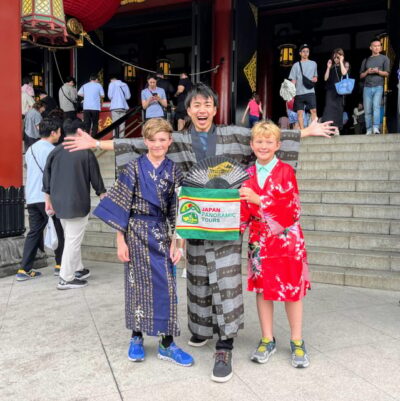
Meiji Shrine, Asakusa, Skytree Bus Tour and Cruise
Read our review →
Asakusa Walking Tour with Sensoji Temple Visit
Read our review →
Kamakura & Enoshima Day Trip including Temple Tickets
Read our review →
Nikko Toshogu Shrine and Kegon Waterfall Tour
Read our review →
Tokyo Panoramic 1 Day: Meiji Shrine, Asakusa, Odaiba and SKYTREE®
Read our review →
Mt. Fuji Heritage Tour: Traditional Villages, Lakes & Shrine
Read our review →Browse the lists this tour appears in